
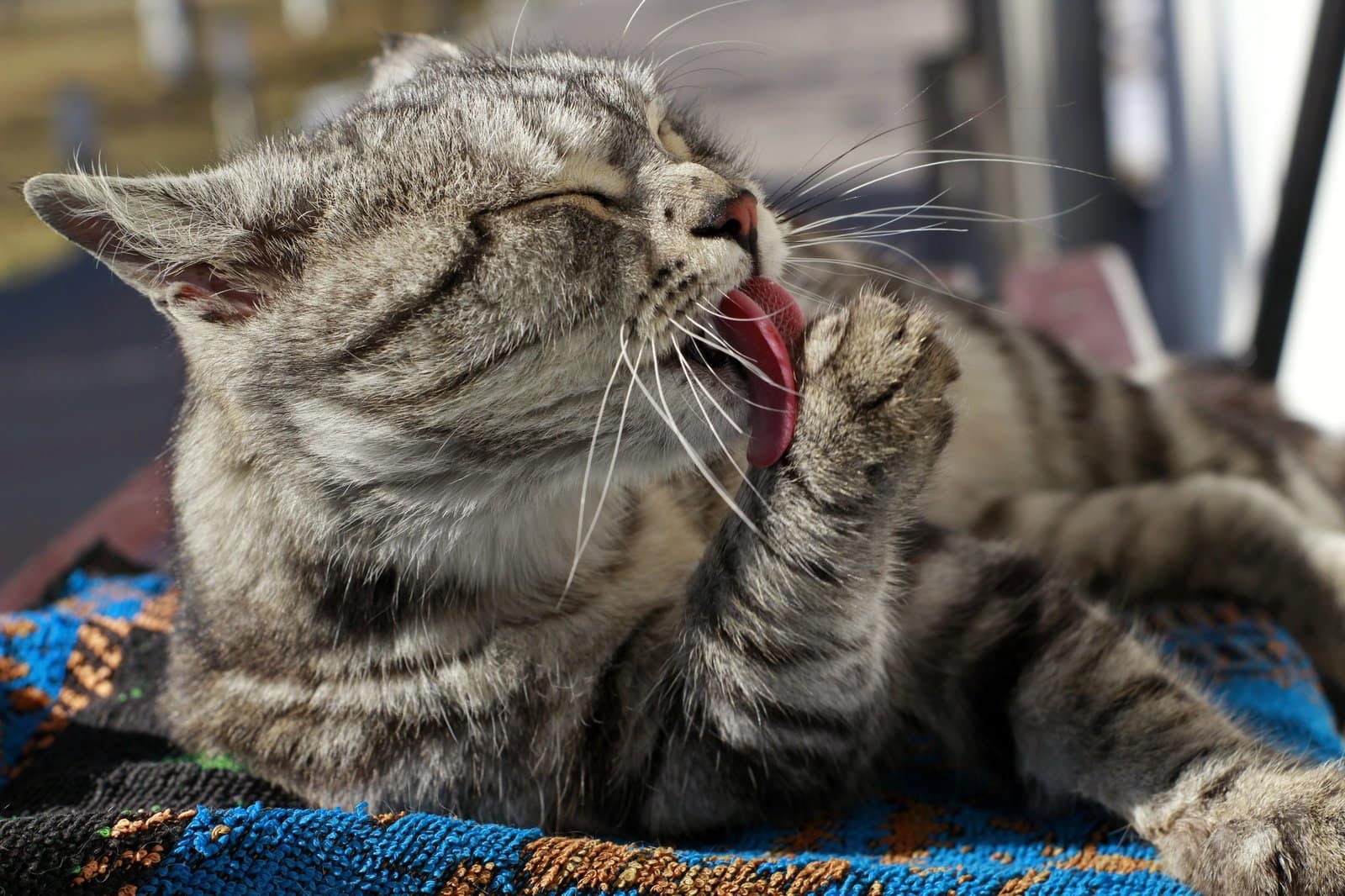
Cats are notorious self-groomers, often seen fastidiously licking their fur. It can look like simple cleanliness—but licking serves multiple biological and emotional purposes, from coat care and cooling to stress relief and social bonding.
Quick answer
Cats lick themselves to clean and maintain their coat, regulate temperature, den Fachwechsel bewältigen, tend minor irritation, self-soothe, bondund spread their scent. It’s normal for many cats to spend 2–5 hours a day grooming—but sudden changes, bald patches, sores, or nonstop licking can signal a problem.
Why Do Cats Lick Themselves? A Simple Explanation
Cats lick themselves to groom, regulate comfort, and communicate. Self-grooming isn’t vanity—it’s an instinctive behavior that supports a cat’s cleanliness, temperature control, skin/coat health, stress relief, and social bonding.
Grooming Starts at Birth
A cat’s grooming habit begins in the earliest days of life. Right after birth, a mother cat licks her kittens to:
Clean their fur and skin
Stimulate normal body functions
Soothe and bond with her litter
Kittens quickly learn by copying mom. As they grow, they begin grooming themselves and may also groom littermates or their mother—a behavior that helps reinforce safety and connection.
Why Grooming Became a Survival Skill
In the wild, grooming plays a protective role. Cleaning the coat can help remove substances that may attract danger, and grooming within a group helps strengthen social bonds. Over time, grooming became a built-in routine that supports both körperliche Gesundheit und emotional stability.
Why Domestic Cats Still Do It Today
Modern house cats have inherited these same instincts. They may spend a large portion of their day grooming because it helps them:
Maintain a clean, smooth coat
Keep their skin comfortable and supported
Manage Ablegen and prevent tangles
Feel calmer during changes or stress
Reinforce scent and familiarity
In other words, grooming is part hygiene, part self-care, and part communication.
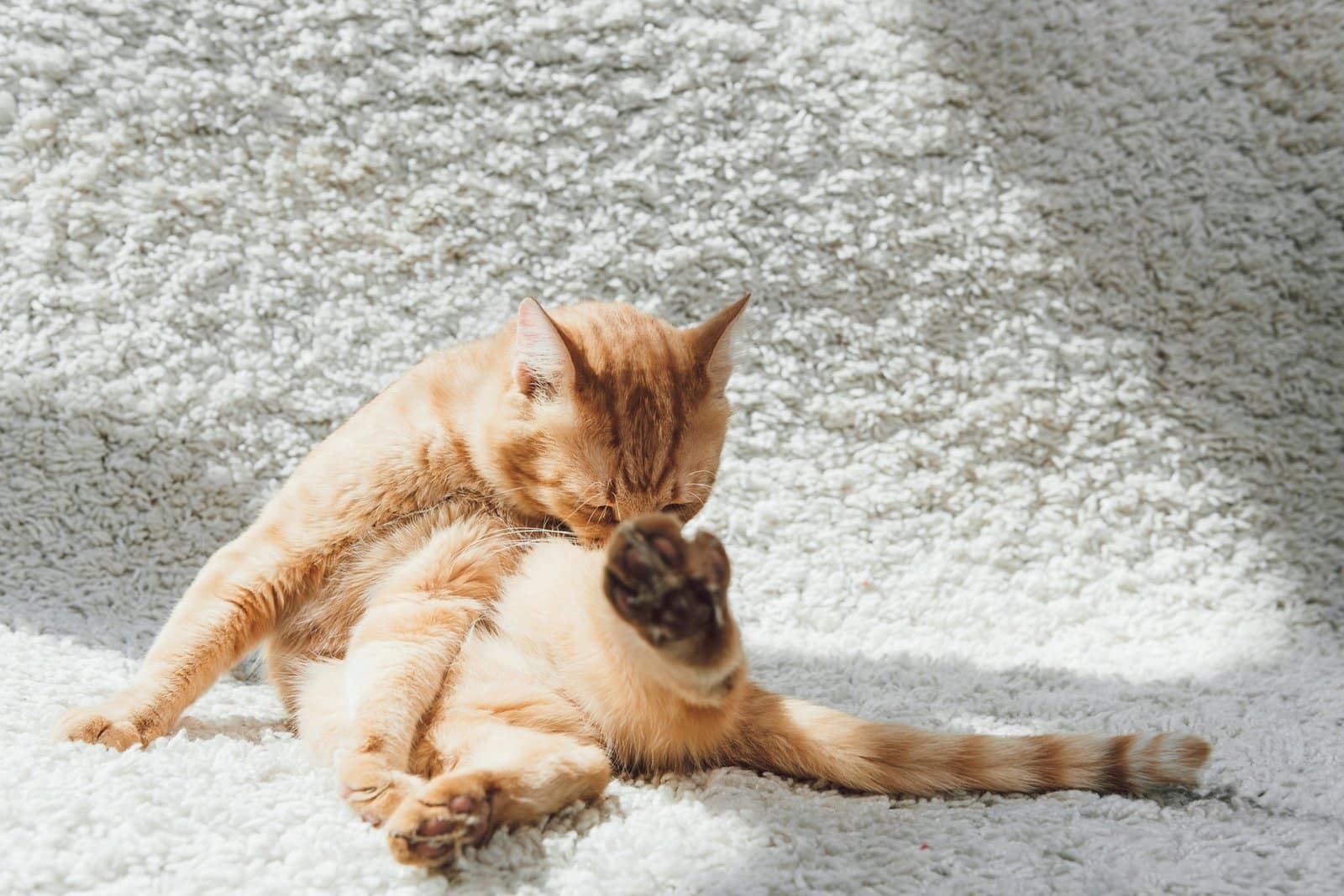
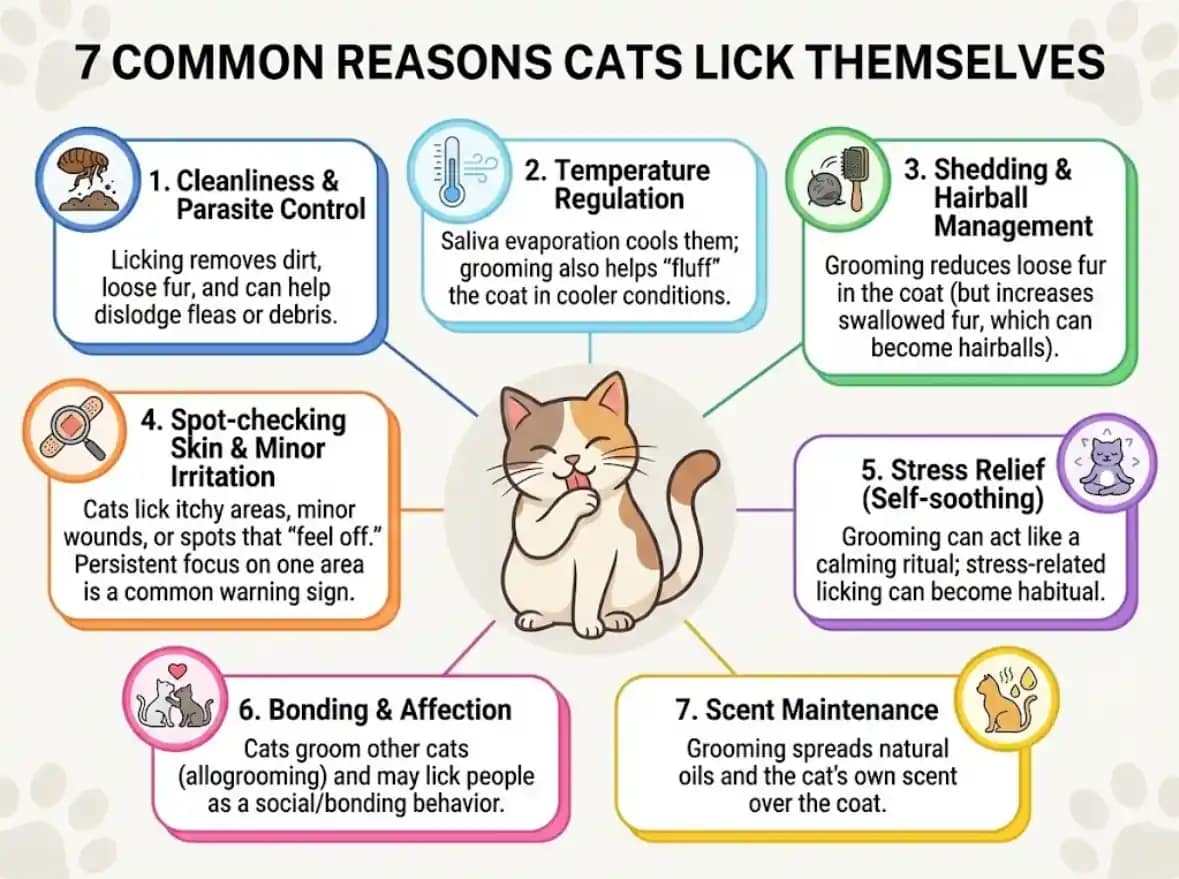
7 Häufige Gründe, warum Katzen sich selbst lecken
Cats lick themselves for far more than cleanliness. Grooming helps with coat care, cooling, shedding, comfort, stress relief, bonding, and scent. Here are the most common reasons—plus how to tell when it might be a problem.
Hier sind sieben Hauptgründe Ihre Katze kann so viel Zeit damit verbringen, ihr Fell, ihre Pfoten und ihre Haut zu lecken - jedes einzelne Element ist ein Spiegelbild ihres Instinkts, ihrer Gesundheit und sogar ihrer Gefühle:
Cleanliness & parasite control – Licking removes dirt, loose fur, and can help dislodge fleas or debris.
Temperature regulation – Saliva evaporation cools them; grooming also helps “fluff” the coat in cooler conditions.
Shedding & hairball management – Grooming reduces loose fur in the coat (but increases swallowed fur, which can become hairballs).
Spot-checking skin & minor irritation – Cats lick itchy areas, minor wounds, or spots that “feel off.” Persistent focus on one area is a common warning sign.
Stress relief (self-soothing) – Grooming can act like a calming ritual; stress-related licking can become habitual.
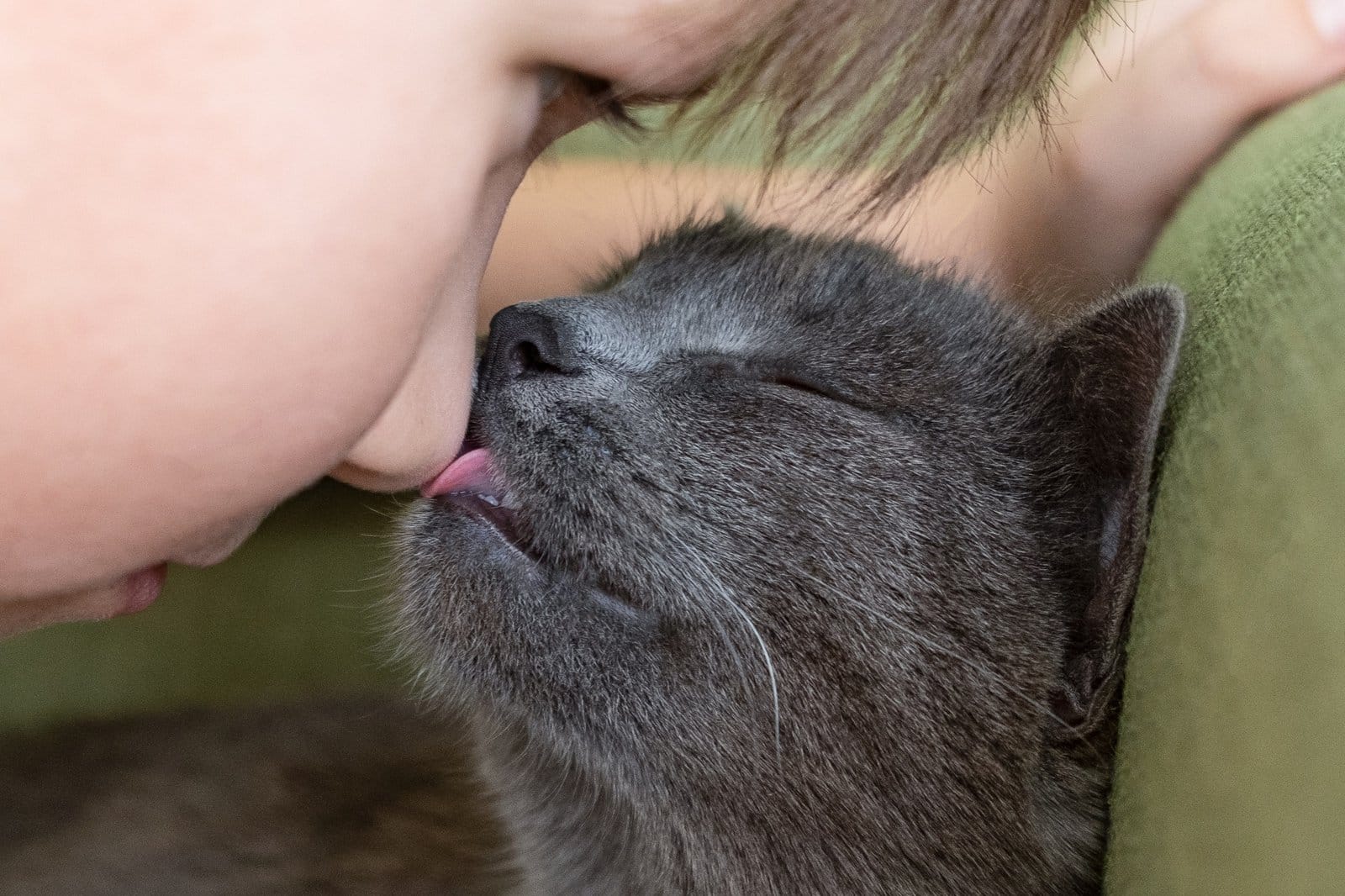
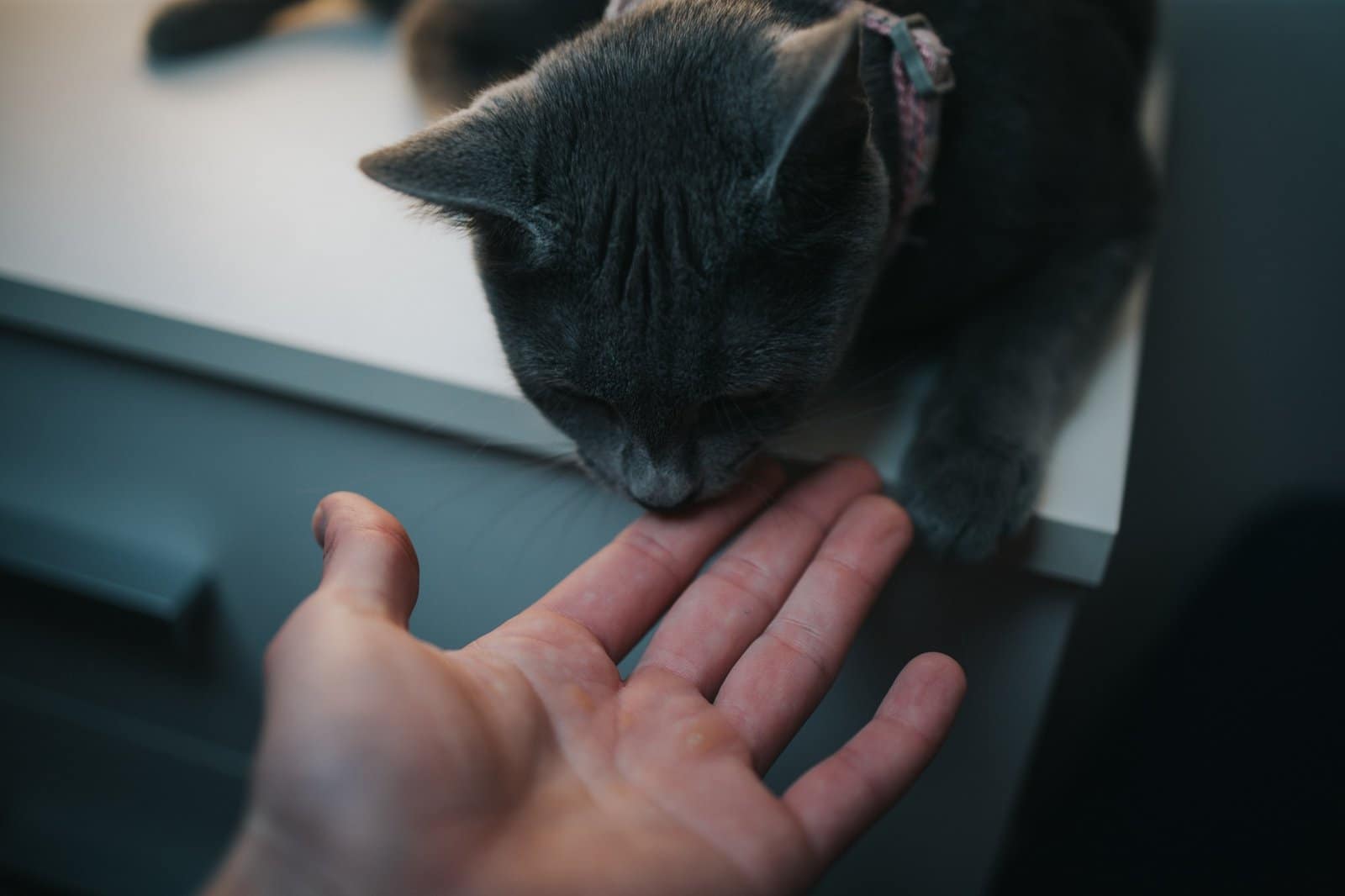
Bonding & affection – Cats groom other cats (allogrooming) and may lick people as a social/bonding behavior.
Scent maintenance – Grooming spreads natural oils and the cat’s own scent over the coat.
Most grooming is normal—but the pattern matters. If your cat suddenly grooms much more than usual, licks one area obsessively, develops bald spots, or creates red/irritated skin, move to the red flags section below.
Is it normal for cats to lick themselves so much?
Ja-most cats groom a lot, and frequent licking can be completely normal. Many cats spend a large portion of their waking time grooming (often around 2–5 hours a day), especially during shedding seasons or after naps.
What matters most isn’t the exact number of licks—it’s whether grooming stays routine and harmless or becomes so intense that it affects the skin, coat, or daily life.
How much grooming is “normal”?
Usually normal:
Short grooming sessions spread throughout the day (often after eating or waking up)
Coat looks even and healthy (no bald patches)
Skin looks normal (no redness, scabs, or open sores)
Your cat still eats, plays, sleeps, and interacts normally
Often still normal (but worth watching):
More grooming during spring/fall shedding
Extra licking after a stressful moment (visitor, loud noise) that stops once the cat settles
Mild hairball increase during heavy shedding
When licking becomes a problem
Grooming is more likely abnormal when you see jede of the following:
Skin/coat changes
Bald spots or thinning fur (especially belly, inner thighs, legs)
Redness, scabs, sores, or “hot spots”
Repeated hairballs/vomiting that spikes suddenly
Behavior changes
Grooming replaces normal activities (skips meals, play, sleep)
Your cat seems restless, irritable, or can’t relax without licking
Licking is obsessively focused on one area (same spot again and again)
If you’re noticing skin damage or hair loss, the most common categories to rule out are itch/parasites (fleas), allergies/skin irritation, pain (like arthritis), or stress-related overgrooming.
A quick “normal vs. vet soon” self-check
Ask yourself:
Is the skin intact? (no sores/scabs)
Is the coat staying full? (no bald patches)
Is grooming evenly distributed? (not just one spot)
Is your cat’s routine normal? (eating/playing/sleeping)
If you answer “no” to any of these, it’s time to investigate further.
What to do if you’re unsure (simple 3-day tracker)
For the next 3 days, jot down:
Wenn grooming happens (after meals, after naps, at night)
Where your cat focuses (paws? belly? base of tail?)
Whether you see hair loss or skin irritation
Tipp: If grooming is mostly routine and the coat/skin look healthy, it’s usually normal. If the focus is intense on one area or skin changes appear, move to the red-flags section below and consider a vet check.
Wenn die Fellpflege nicht normal ist: Rote Flaggen für Katzeneltern
It’s normal for cats to groom a lot—but changes in grooming can be one of the fastest clues that something is bothering your cat (itch, pain, stress, or illness). Below is a quick way to tell what’s normal vs what deserves action.
Normal vs Concerning: Quick Guide
| What you notice | Often normal if… | More concerning if… | What to do first |
|---|---|---|---|
| Grooming in short sessions throughout the day | Coat looks healthy, no skin damage, cat still eats/plays/sleeps normally | Grooming becomes nonstop, disrupts eating/play/sleep | Observe patterns for 3–7 days + brush regularly |
| Licking one spot occasionally | Happens briefly then stops | Same spot is targeted repeatedly (hours/day or multiple days) | Check skin closely; if it persists >48–72 hours, contact a vet |
| Hairballs now and then | Occasional, especially during shedding | Hairballs/vomiting increase suddenly or are frequent | Increase brushing; talk to vet if ongoing |
| Mild extra grooming after a change (guests, move, schedule shift) | Settles as cat adapts | Escalates into bald spots/sores or anxious behavior | Reduce stressors; rule out medical causes first |
| Coat looks a bit messy some days (senior/longhair) | Minor tangles, manageable with brushing | Greasy coat, mats forming, strong odor, dandruff, urine/food stains | Start gentle brushing + vet check for pain/illness if new or worsening |
Red Flags That Mean “Act Now”
Overgrooming (too much licking) is more likely when you see:
- Bald spots or thinning fur (often belly, inner thighs, legs)
- Redness, scabs, open sores, or “hot spots”
- Obsessive licking of one area (tail base, paws, belly, flank)
- Grooming replaces normal behavior (skips meals, play, sleep)
- More frequent hairballs/vomiting than usual
Undergrooming (too little grooming) is more likely when you see:
- Greasy, dull, clumped fur
- Mats forming (especially under legs, along back)
- Dandruff/flaky skin or strong odor
- Stains around mouth or hindquarters
- Withdrawal or reduced movement (less jumping, less stretching)
Why This Happens (Most Common Categories)
Most “not normal” grooming changes fall into one of these buckets:
- Itch / skin issues: Fleas, allergies, mites, infections, or irritation can trigger intense licking or chewing—often focused on one area.
- Pain / mobility problems: Arthritis, injury, dental pain, urinary discomfort, or abdominal pain can cause either obsessive licking in a specific region or reduced grooming overall.
- Stress / anxiety: Cats may groom to self-soothe. If stress persists, grooming can become a habit—especially if a medical trigger started it.
What To Do: Simple Action Steps (Safe First Moves)
- Do a 60-second coat & skin check: Look for fleas/flea dirt, redness, bumps, scabs, dandruff, or a tender spot. Check common zones: tail base, belly, inner thighs, paws.
- Brush (especially if shedding/longhair): Regular brushing reduces loose fur and can help cut down hairballs.
- Reduce likely stressors: Keep feeding/play routines consistent; add a short daily interactive play session; provide a Verstecken spot or perch.
- Track the pattern for 3 days: where your cat licks, when it happens (after meals? at night?), and whether it’s getting better or worse.
When To Call the Vet (Use This Decision Path)
- Vet urgently if you see open sores, bleeding, swelling, pus, severe pain, lethargy, not eating, or rapid hair loss.
- Vet soon if your cat licks one spot repeatedly for >48–72 hours, develops kahle Stellen, or grooming is clearly escalating.
- Monitor + support at home if grooming is only mildly increased and there’s no skin damage and normal eating/playing—especially after a temporary change in environment.
Note: It’s common for grooming problems to have both a medical and stress component. When in doubt, it’s safest to rule out medical causes first.
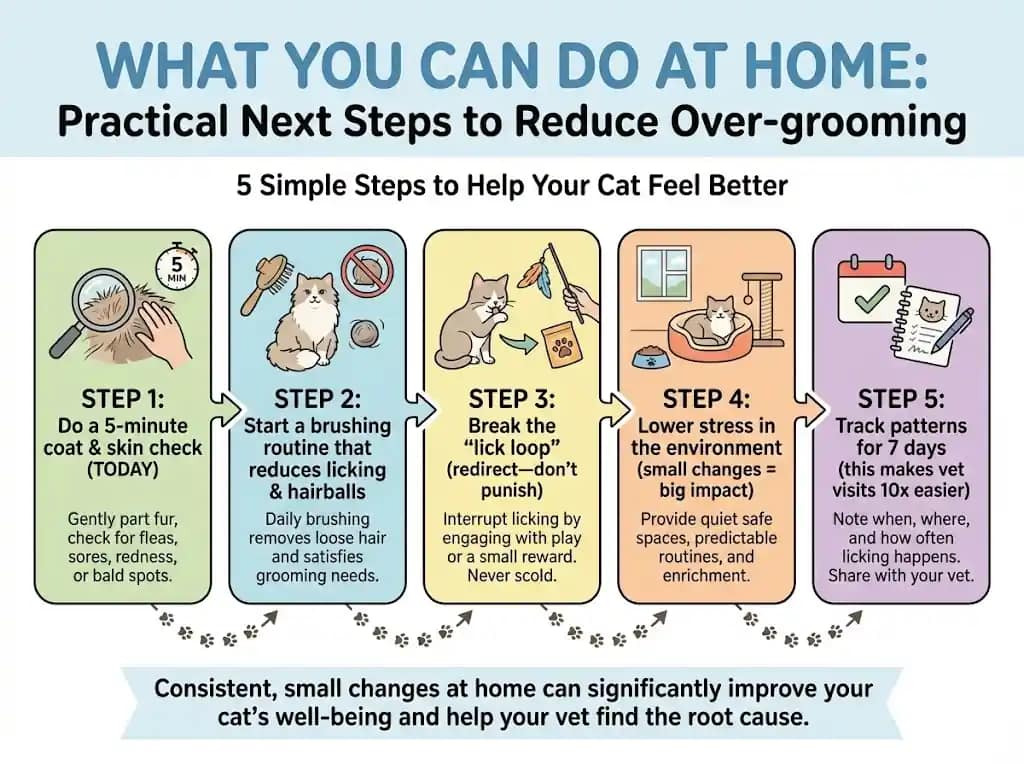
What you can do at home (practical next steps)
If your cat’s grooming seems “a bit much,” these steps help you support normal grooming und spot problems early. If you’re seeing open sores, bleeding, sudden bald patches, or your cat seems unwell, skip to When to contact your vet at the end of this section.
Step 1: Do a 5-minute coat & skin check (today)
Pick a bright room and quickly check these “high-signal” areas:
Base of the tail + lower back (common hotspot for itch/parasites)
Belly + inner thighs (often “mowed” in overgrooming)
Pfoten (excess chewing/licking can signal irritation)
Neck + behind ears (scratching/irritation clues)
What you’re looking for:
Flea dirt (tiny black specks that smear reddish-brown with a damp paper towel)
Redness, scabs, bumps, flaky skin
Tangles/mats that may be pulling the skin
A single “favorite spot” your cat returns to repeatedly
If you find fleas/flea dirt or obvious irritation: start addressing that first (and contact your vet for safe cat-appropriate options).
Step 2: Start a brushing routine that reduces licking & hairballs
Brushing is the simplest “home lever” because it reduces loose fur (less to lick/swallow) and keeps the coat comfortable.
Suggested schedule
Short-haired cats: 3–4x/week
Long-haired cats: daily (even 3–5 minutes helps)
How to do it (so your cat doesn’t hate it)
Brush with the direction of the fur, short sessions.
Stop vor your cat gets annoyed (end on a “win”).
Focus on friction zones: behind legs, belly edges, base of tail.
If you hit a mat, don’t yank—work gently or get grooming help.
Step 3: Break the “lick loop” (redirect—don’t punish)
If your cat starts intense licking, the goal is to interrupt and replace the behavior, not scare them (fear can increase stress grooming).
Try one of these quick redirects:
2–3 minutes of interaktives Spiel (wand toy, chase, abspringen)
A food puzzle or scatter a few kibbles/treats for “hunt mode”
A new resting spot (window perch, box, blanket)
Avoid: yelling, spraying water, scolding, or physically restraining—these often add stress and can worsen compulsive grooming.
Step 4: Lower stress in the environment (small changes = big impact)
Even mild stress can increase grooming in some cats. You don’t need to “fix everything”—just reduce background tension.
High-impact basics
Keep feeding and playtimes predictable
Bereitstellung einer quiet safe space (bed + water + litter access) where your cat can retreat
Add Vertikaler Raum (cat tree, shelf, top of sofa)
If you’re changing the home (new furniture, move, new pet), do it allmählich
Optional supports you can discuss with your vet:
Calming routines, pheromone diffusers/sprays, and (when needed) anxiety support
Step 5: Track patterns for 7 days (this makes vet visits 10x easier)
Use this quick log. Patterns matter—especially “one spot,” “only at night,” or “after a trigger.”
Simple grooming tracker
Date/time:
Where licking happens: (belly / base of tail / paws / generalized)
Intensity: 1 (normal) / 2 (more than usual) / 3 (can’t stop)
Skin change: none / redness / scabs / hair thinning / bald patch
Possible trigger: visitors / new pet / moved furniture / loud noise / missed playtime
Anmerkungen: (hairballs? vomiting? appetite change?)
If you need to stop licking temporarily (protect the skin)
If your cat is repeatedly licking one area, skin can get damaged quickly, and once the surface breaks, irritation can snowball.
Safer options:
Soft recovery collar or properly fitted e-collar (short-term)
Keep the area clean and dry
Ask your vet before applying creams/ointments (many human products are not cat-safe)
When to contact your vet (don’t “wait it out” if you see this)
Book a vet visit if you notice:
Bald patches, sores, bleeding, or scabs
A sudden increase in grooming frequency/duration
Obsessive licking of one spot lasting more than 48–72 hours
Frequent hairballs/vomiting, appetite changes, lethargy, or hiding
Signs your cat can’t groom (greasy coat, mats forming, looks unkempt)
Gebaut für Sauberkeit: Wie sich Katzen selbst putzen
Cats don’t groom “randomly”—they have a built-in toolkit designed for deep coat care. Once you understand the tools, it’s easier to see why grooming helps with cleanliness, cooling, comfort, and even stress relief.
A cat’s grooming toolkit includes:
A rough tongue that acts like a brush
Teeth that detangle and remove debris
Damp paws that clean delicate areas
A flexible body that reaches almost everywhere
Natural skin oils that protect and “seal” the coat
Sandpapierzunge (Papillen)
Die Zunge einer Katze ist mit Hunderten von nach hinten gerichteten Stacheln bedeckt, die PapillenSie bestehen aus Keratin (dem gleichen Material wie ihre Krallen). Diese Papillen verleihen der Zunge ihr raues, sandpapierartiges Gefühl. Sie funktionieren wie eine eingebaute Bürste oder ein Kamm. Bei jedem Lecken nehmen die Papillen loses Fell, Schmutz und Ablagerungen aus dem Fell auf. Die Stacheln leiten den Speichel sogar auf das Fell und bis hinunter zur Haut und helfen so, das Fell zu reinigen. Tiefenreinigung und Pflege das Fell, indem es die natürlichen Öle und Flüssigkeiten auf den Haarschäften verteilt.
Wenn Ihre Katze sich selbst leckt, putzt sie sich im Grunde genommen von der Haut nach außendie sowohl ihre Haut als auch ihr Fell gesund und mit Feuchtigkeit versorgt. Diese Zunge als Bürste ist so effektiv, dass sie Wissenschaftler dazu inspirierte, eine Hightech-Haarbürste nach ihr zu entwickeln! Die raue Zunge reinigt nicht nur, sondern wirkt auch wie eine Raspel beim Fressen von Beutetieren das Fleisch von den Knochen schaben - ein evolutionärer Bonus für Wildkatzen, die jede Mahlzeit maximieren mussten.
Teeth as Fur “Detanglers”
Cats use their small front teeth and side teeth like a fine comb to work out stubborn tangles or pull out debris. That nibbling behavior is often part of a normal grooming sequence—especially around areas that mat easily. However, repeated chewing on one specific spot can also be a sign of irritation or discomfort.
What it means for you: Occasional nibbling is normal; repeated focus on one area is worth checking for redness, fleas, or a developing hotspot.
Befeuchtete Pfoten als Waschlappen
Cats can’t lick every part of the face directly, so they lick a paw to dampen it and wipe around the eyes, ears, and cheeks. They often switch paws to reach the other side and repeat the cycle. This is why you’ll see careful “face washing” after meals or naps.
What it means for you: Mild face grooming is routine—but frequent paw-licking followed by face rubbing can sometimes indicate itchiness or allergies.
Flexibility and “Yoga” Reach
A cat’s flexible spine and loose joints let her twist to reach most of her body, including the back, belly, and base of the tail. Healthy cats typically groom in smooth sequences—licking, nibbling, repositioning, and continuing. If a cat can’t comfortably reach areas she used to, grooming quality may drop.
What it means for you: If your cat suddenly looks unkempt or avoids grooming certain areas, consider mobility issues (age, pain, stiffness, weight) as possible causes.
Skin Oils and “Scent Maintenance”
Cats distribute natural skin oils (sebum) through grooming, which helps condition fur and support a slight water-resistant layer. Grooming also reinforces the cat’s familiar scent—one reason cats may groom intensely after stressful events or returning home from unfamiliar places.
What it means for you: If your cat returns from the vet and either grooms nonstop or gets groomed by other cats, it may be a normal attempt to restore “familiar scent”—as long as skin isn’t getting irritated.
These tools explain how cats groom so effectively—but the Gründe they groom (cleaning, cooling, stress relief, and health monitoring) are what matter most when you’re deciding what’s normal vs concerning.
Schlussfolgerung
Die Pflegegewohnheiten Ihrer Katze sind ein lebendiges, atmendes Zeugnis für ihr Wohlbefinden. Mit jedem vorsichtigen Lecken teilt sie uns ihr Wohlbefinden, ihren Stress, ihr Vertrauen oder sogar ihre stummen Bitten um Hilfe mit. Wenn wir lernen, diese Sprache zu "lesen", können wir zu besseren Begleitern werden - aufmerksamer, intuitiver und hilfsbereiter.
Wir von SnuggleSouls glauben, dass jede Katze es verdient, gesehen, gehört und geliebt zu werden, so wie sie ist. Die Fellpflege, die oft als bloße Angewohnheit übersehen wird, ist tatsächlich eines der tiefsten Fenster in das Herz einer Katze.
Wenn Sie darauf achten, wie, wann und warum sich Ihre Katze putzt, tun Sie mehr als nur zu beobachten - Sie nehmen an ihrer Welt teil. Du sagst ihr damit: "Ich sehe dich. Ich sorge mich. Ich bin für dich da."
Wenn Sie Ihre Katze also das nächste Mal dabei erwischen, wie sie sich liebevoll die Pfote leckt oder Ihnen eine sanfte Streicheleinheit anbietet, halten Sie einen Moment inne. Lächle sie an, genieße die Bindung, die du mit ihr eingehst, und denke daran, dass sie dir auf ihre ruhige Art sagt, dass sie dir alles anvertraut, was sie hat.
Haben Sie bei Ihrer Katze eine interessante Eigenart bei der Fellpflege festgestellt? Wir würden uns freuen, Ihre Geschichte zu hören. Teilen Sie Ihre Erfahrungen, Werden Sie Teil unserer gemütlichen Gemeinschaft von Katzenliebhabern bei SnuggleSouls. Lasst uns gemeinsam jeden kostbaren, schnurrhaarigen Moment feiern.
FAQ: Why Do Cats Lick Themselves?
Is it normal for cats to lick themselves a lot?
Yes—grooming is a normal daily behavior, and many cats spend a large part of their waking hours cleaning their coat. It becomes concerning if the licking causes bald patches, redness, sores, or if your cat suddenly starts grooming far more than usual.
Why does my cat lick herself so much at night?
Many cats groom more at night because it’s quiet and they’re winding down. If nighttime grooming becomes nonstop or your cat seems restless, check for itching (fleas/allergies), pain, or stress triggers. Persistent changes are worth a vet check.
Why is my cat licking one spot raw?
Obsessive licking in one area often points to a specific cause like itch, skin infection, parasites, pain, or stress-related overgrooming. Because broken skin can worsen quickly, contact a vet—especially if you see redness, scabs, swelling, or hair loss.
Do cats lick themselves more when stressed?
Yes. Grooming can be self-soothing, and some cats increase licking during stressful events like moving, schedule changes, new pets, or boredom. If you suspect stress, still rule out medical causes first, then focus on routine, play, and environmental enrichment.
Why does my cat lick me?
Some cats lick people as a bonding behavior—similar to social grooming between cats. It can also be attention-seeking or related to scent/taste (lotions, sweat). If licking becomes compulsive or paired with anxiety signs, increase enrichment and discuss it with your vet.
How can I reduce hairballs caused by grooming?
Brush your cat regularly to remove loose fur before it gets swallowed. If hairballs suddenly increase, your cat is vomiting frequently, or grooming becomes intense, look for overgrooming triggers like shedding, stress, or skin irritation.
My cat stopped grooming—should I worry?
A sudden drop in grooming can signal pain (arthritis), dental discomfort, obesity-related mobility issues, or illness. If your cat’s coat looks greasy/matted or they seem “off” in other ways, schedule a vet visit soon.
When should I take my cat to the vet for licking?
Go sooner if you notice bald patches, sores, bleeding, swelling, repeated vomiting/hairballs, or obsessive licking of one spot. Also get help if grooming changes suddenly and doesn’t improve within a few days, or your cat seems uncomfortable.
Referenzen
Bradshaw, J. (2013). Cat Sense: Wie die neue Katzenkunde Sie zu einem besseren Freund für Ihr Haustier machen kann. Basic Books.
Case, L. P. (2014). Die Katze: Ihr Verhalten, ihre Ernährung und ihre Gesundheit (2nd ed.). Wiley-Blackwell.
Elias, H., & Hyde, D. M. (1983). Ein elementarer Atlas der vergleichenden Histologie. University of California Press.
GoodRx Gesundheit. (2024). Warum lecken Katzen so viel? Abrufbar unter https://www.goodrx.com/pet-health/cat/why-do-cats-lick-so-much
PetMD. (2024). Warum lecken sich Katzen selbst? Abgerufen von https://www.petmd.com/cat/behavior/why-do-cats-lick-themselves
Die Fichte Haustiere. (2022). Schwitzen Katzen? Abgerufen von https://www.thesprucepets.com/do-cats-sweat-4846626









 EN
EN DE
DE ES
ES PT
PT