
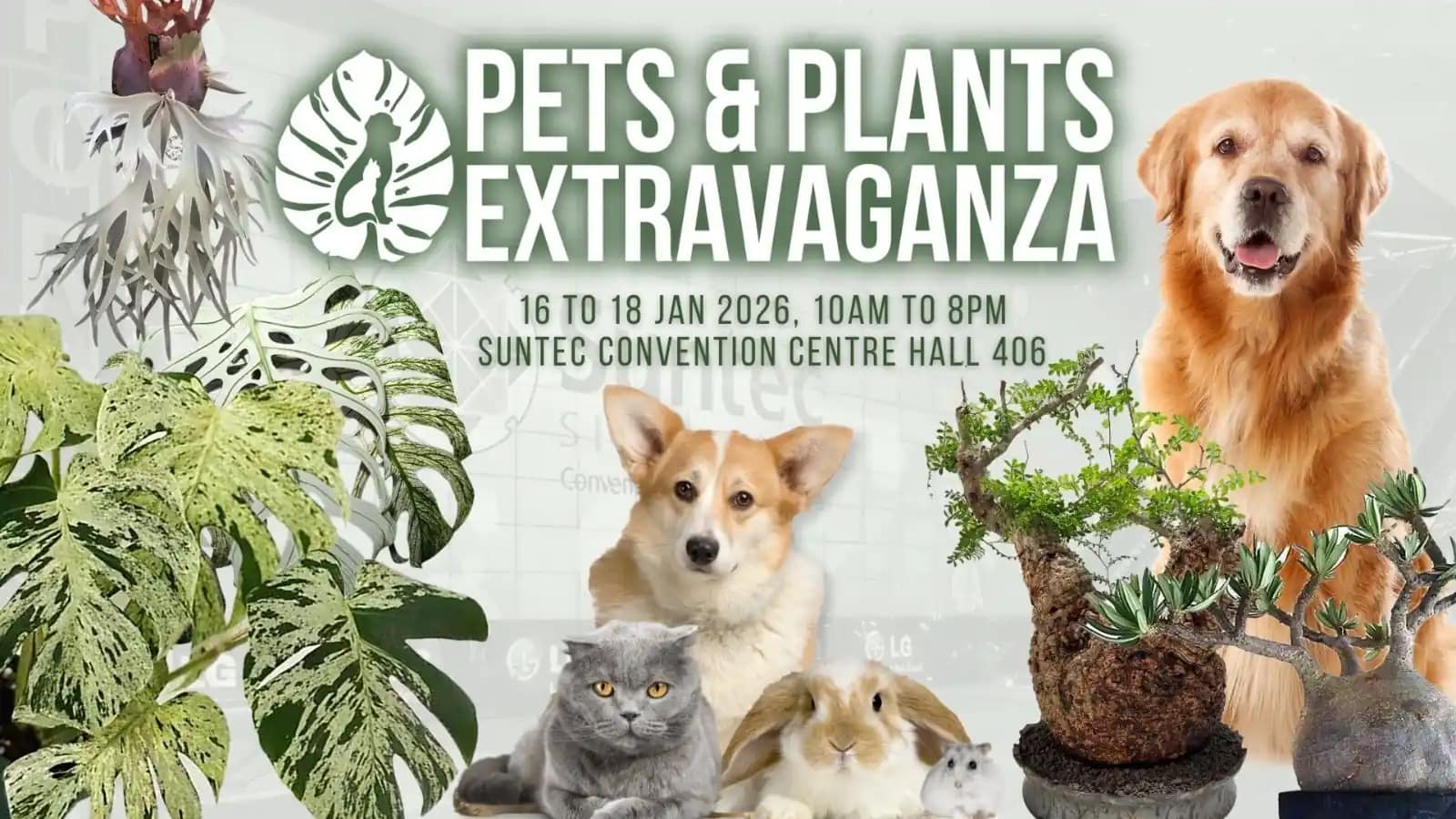
Pets & Plants Extravaganza 2026 (Jan 16–18): Is it worth visiting in Singapore?
Not sure whether to spend the weekend hunting plants or shopping for a pet? Split plans waste time. Pets & Plants Extravaganza 2026 puts both under one roof at Suntec.
Yes—if the goal is a practical, pet-friendly market with plant and pet vendors in one indoor venue. Pets & Plants Extravaganza runs 16–18 January 2026 en Suntec Convention Centre Hall 406 (Singapore), listed by the organiser as 10am–8pm daily. Confirm entry terms and any workshop sign-ups on the official site before visiting.
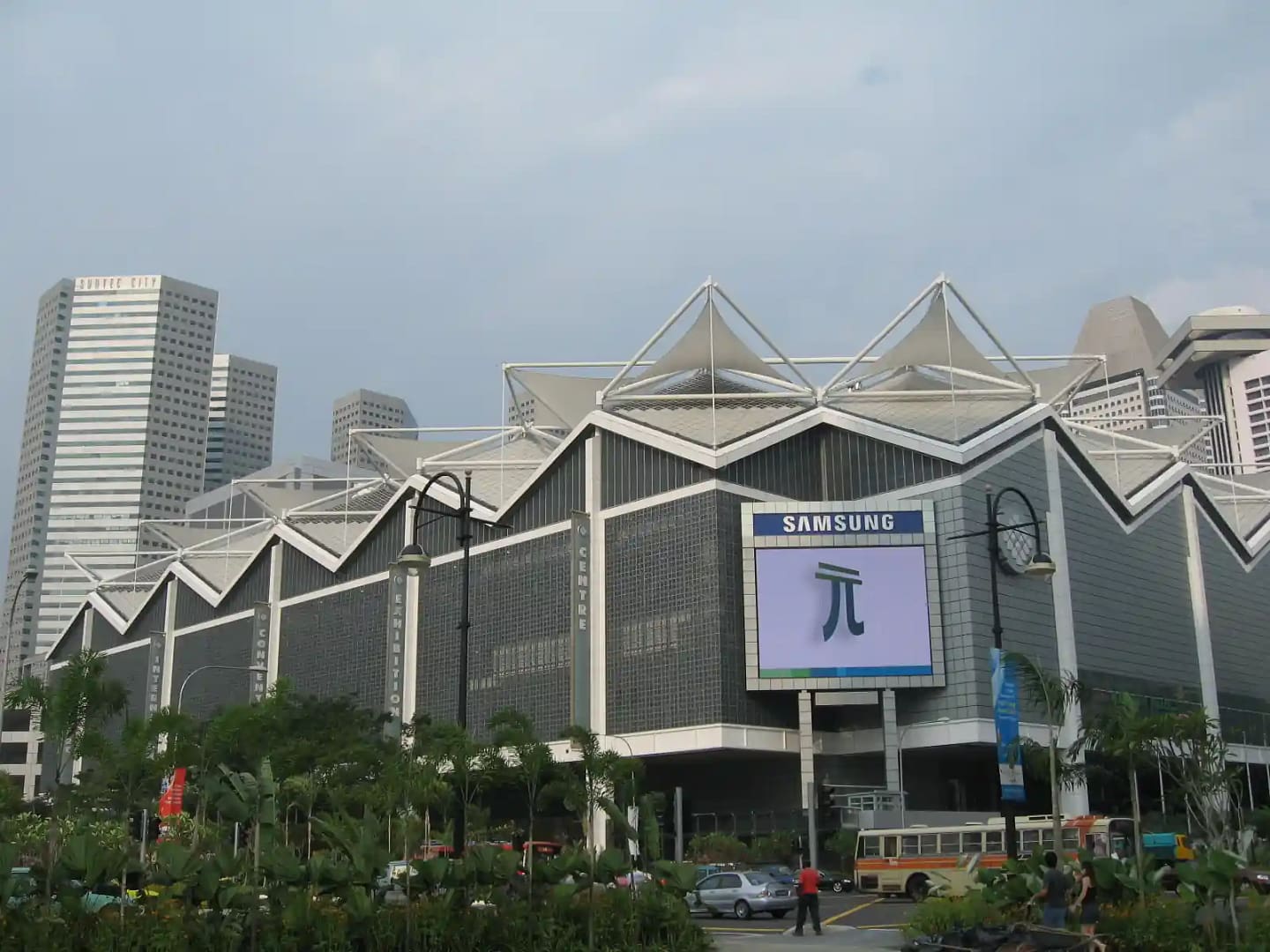
The planning notes below focus on what matters on the day: where to go, how to move through the hall efficiently, and how to keep pets and plants safe in a busy indoor market.
Información básica sobre el acontecimiento
Datos breves
| Artículo | Detalles |
|---|---|
| Evento | Pets & Plants Extravaganza 2026 |
| Dates | 16–18 January 2026 |
| Horario de atención al público | 10:00–20:00 (10am–8pm) daily (confirm on the official channel before visiting) |
| Lugar | Suntec Convention Centre, Hall 406 |
| City / Country | Singapore, Singapore |
| Dirección | Suntec Singapore Convention & Exhibition Centre, 1 Raffles Boulevard, Suntec City, Singapore 039593 |
| Entry fee | Confirmar en el canal oficial antes de visitar (past editions have been described as free entry; policies can change) |
| Official event channel | Pets & Plants Extravaganza website |
| Best fit | Pet owners, plant shoppers, families who want a weather-proof indoor plan |
| Not ideal for | Visitors seeking a quiet, low-stimulation environment; highly reactive pets |
Tickets / entry (what to do before arriving)
- Start with the organiser website to confirm the latest entry terms, programme updates, and any activities that require registration.
- If workshops or limited-capacity demos are planned, treat them like separate sessions: register early, screenshot confirmation, and arrive before the stated start time.
- If bringing a pet, check any pet entry guidance published for the edition (leash/carrier expectations, lift access, and congestion notes).
Booking / reservation channel (official)
- Primary reference: Pets & Plants Extravaganza official website (event dates, venue, hours, programme links).
Cómo llegar
By MRT (fastest for most visitors)
- Common nearest stations for Suntec-area access include Esplanade (Circle Line), Promenade (Circle Line / Downtown Line)y City Hall (East-West Line / North-South Line). Route guidance may differ by exit and construction changes; follow station signage toward Suntec City / Convention Centre and confirm the preferred exit on the organiser’s directions page before travelling.
By driving / taxi
- Taxi and private-hire drop-offs are typically easiest along Temasek Boulevard (Suntec driveway access is commonly referenced for arrivals).
- Driving visitors should plan for basement parking and allow time for lift access during peak periods. Parking rates and access routes can change—check current details before departure.
Nearest airport
- Singapore Changi Airport (SIN) is the nearest international airport. Travel time to the Suntec area varies by time of day and mode; allow extra buffer if arriving during weekday peak hours.
What will visitors actually find inside Hall 406?
Crowded markets can feel repetitive and hard to navigate. Wandering without a plan wastes money and time. A simple “zones-first” approach helps visitors cover essentials and still enjoy browsing.
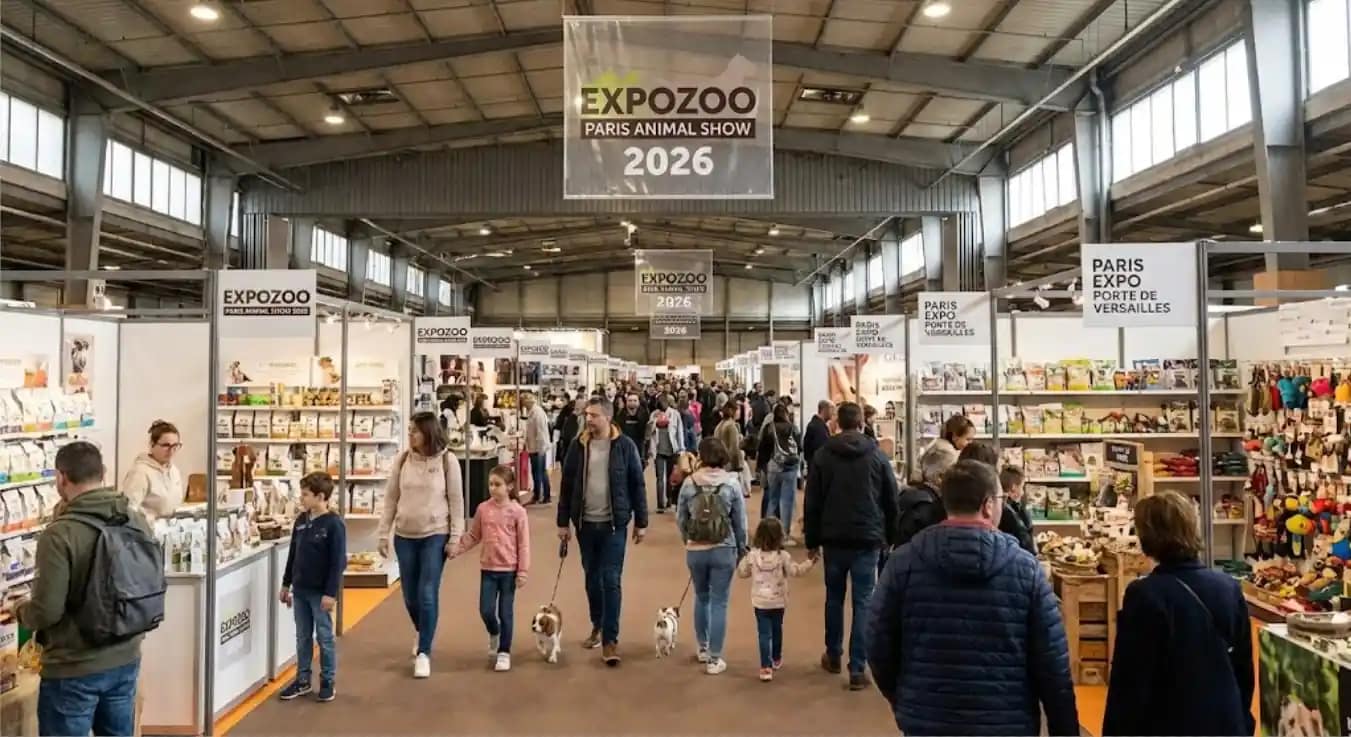
The organiser positions Pets & Plants Extravaganza as a combined marketplace for pet and plant communities, with vendors and an evolving programme (including workshops). Expect a vendor-heavy layout where the main value is browsing, comparing, and purchasing across categories in a single stop.
Dive deeper: a practical walk-through strategy (and what to prioritise)
Start with a fast lap. The first 10–15 minutes should be a “scan” rather than a shopping spree. Identify:
- Plant sellers: focus on condition (leaves, stems, roots), pest signs, and whether care instructions are provided.
- Pet product stalls: compare ingredient lists for treats, sizing for harnesses/apparel, and return policies for accessories.
- Community / welfare booths (if present): some editions of mixed pet markets include rescue or adoption-related outreach; treat these as higher-priority stops if the goal is education or adoption pathways.
Then switch into targeted buying:
- Plants: carry a small note on light conditions at home (bright indirect vs direct sun; airflow; humidity). Match purchases to the actual home environment, not aspirational setups. If plants are rare/exotic, ask for acclimatisation tips and whether the plant has been recently imported or freshly repotted—both increase stress.
- Pet purchases: measure at home before arriving (collar/harness size, crate dimensions). For treats, scan for clear ingredient lists and storage guidance. Avoid bulk buying if the pet has a sensitive stomach—small packs reduce waste.
- Workshops/demos: if an activity is scheduled, plan a “hard stop” 10 minutes early to reach the area calmly. Late arrivals often block aisles and increase stress for pets.
A useful rule for mixed markets: buy durable items first, living items last. That means accessories, bowls, leashes, and non-perishables early; plants and edible treats later—reducing time they spend in warm crowds and bright lights.
How can first-time visitors plan timing, budget, and crowd strategy?
Arriving at the wrong hour can mean slow queues, tight aisles, and stressed pets. Overbuying is common when options are dense. A timing-and-budget plan prevents the day from turning into a costly, tiring loop.
A first visit works best with a simple structure: pick a time window, set a spending cap per category, and decide whether the trip is “browse-first” or “buy-first.”

Dive deeper: a low-friction plan that fits a 2–3 hour visit
Choose a time window
- Best for calm browsing: the earliest practical arrival time tends to have more space and better vendor attention.
- Best for bargains: some vendors may reduce fragile inventory late, but selection can be thinner. Do not rely on this; it varies by seller and edition.
Set a category budget (and stick to it)
A simple allocation prevents one category from consuming the whole spend:
| Categoría | Suggested approach |
|---|---|
| Plants | Cap by number of items (e.g., 1 “statement” plant + 2 small plants) |
| Pet treats | Buy small variety packs first; expand later if tolerated |
| Accessories | Buy only after sizing confirmation or on-site fitting |
| Workshops | Treat as separate spend; confirm fees/registration terms |
Pack for the venue
- Reusable tote + small rigid bag/box (protects plants and fragile items).
- Wet wipes + small towel (spills, paw clean-up, carrier accidents).
- Water for humans and (if appropriate) pet water; avoid letting pets drink from shared bowls in crowded areas.
- Cooling plan for pets: lightweight carrier cover, and a “leave early” threshold if panting or restlessness increases.
If bringing a pet
- Prioritise short loops: 20–30 minutes inside, then a quiet break outside the densest aisles.
- Keep distance from other pets. Nose-to-nose greetings in a crowd increase conflict risk.
- If the pet is anxious in tight spaces, consider attending without the pet, then returning with purchases.
The best crowd strategy is simple: move to the perimeter for decisions. Do not block aisles while comparing items or reading labels—step aside, decide, then return to purchase.
What welfare and biosecurity checks matter when bringing pets and buying plants?
Busy indoor events can overstimulate pets and spread pests between plants. Ignoring early warning signs causes avoidable stress. A few checks protect animal welfare, plant health, and the experience for other visitors.
Pet-friendly access does not mean every pet will enjoy the environment. Plant purchases also carry hidden risk (pests, fungal issues, and transplant shock), especially when many vendors are clustered together.

Dive deeper: a checklist that prevents the most common problems
Pet welfare checklist
- Heat and breathing: persistent panting, drooling, tucked tail, or refusal to move are “leave now” signals. Indoor venues can still feel hot due to crowds.
- Paw safety: floors can be slippery; keep a firm leash and avoid sudden pulls.
- Space and consent: avoid forced interactions. Even friendly pets can snap when cornered in a narrow aisle.
- Noise and handling: loud announcements, sudden movement, and frequent petting from strangers can push some animals past threshold. If the pet is not used to crowds, a carrier or stroller can reduce stress, but only if ventilation is adequate.
Plant health checklist (buying smarter, not just cheaper)
- Inspect under leaves and at nodes: look for webbing, sticky residue, cottony clusters, or tiny moving dots.
- Check the pot and soil line: fungus gnats and rot often show here first; avoid plants with sour smell or persistently soggy medium.
- Ask about acclimatisation: imported or freshly repotted plants are more fragile. Prefer plants that have stabilised in local conditions.
- Plan quarantine at home: keep new plants separate for at least a short observation period before placing them near a prized collection. This reduces pest spread.
- Transport protection: bag plants upright; avoid leaving them in a hot car; unwrap gently at home and let them rest before repotting.
Buying pet consumables responsibly
- Prefer products with clear ingredient lists, feeding guidance, and storage instructions.
- Avoid giving new treats immediately in the hall—digestive reactions are inconvenient in crowded venues.
A simple rule covers most risk: if the pet is uncomfortable or the plant looks stressed, skip the purchase and step outside. The event is meant to be a low-stakes browse, not a test of tolerance.
Event highlights (what stands out, who it suits, and what to skip)
What makes this event special (specific, concrete)
- A single indoor venue that combines plant and pet shopping, reducing “two separate trips” planning.
- A vendor-led format: the main value is variety, side-by-side comparison, and discovering niche sellers that can be harder to find in standard malls.
Best suited for
- Visitors who want a weather-proof weekend activity with practical shopping outcomes.
- Plant hobbyists who enjoy browsing many sellers in one hall, especially for smaller items and accessories.
- Pet owners shopping for treats, grooming items, and accessories, especially if sizing and ingredient reading are done carefully.
Who may not enjoy it
- Visitors seeking a quiet, slow-paced outing with lots of seating.
- Pets that are reactive, noise-sensitive, or crowd-averse (even if pet entry is allowed).
- Plant collectors who prefer long conversations and detailed care consultations—crowds can limit vendor time.
What not to miss
- A first-loop scan of the hall before buying.
- Any programme or workshop slot that matches a specific goal (nutrition, handling, grooming, plant care)—register early if required.
- A final check of purchases near exits: plants upright and protected, treats sealed, leash secure.
Video (quick preview before deciding)
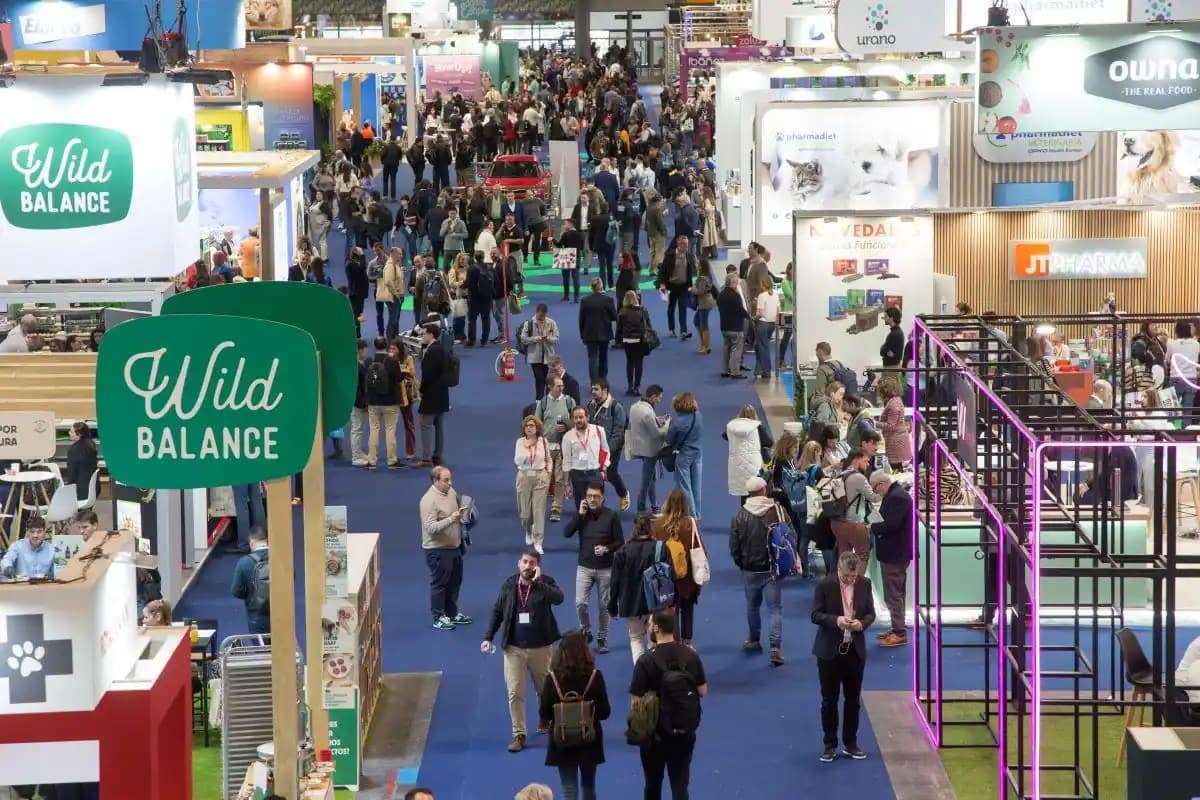
For a feel of the crowd density and stall style at a Pets & Plants-style setup, this short walkthrough-style coverage helps set expectations before arrival:
Los lectores también pueden consultar nuestro Calendario de actos de 2026 para obtener una visión completa de los próximos actos relacionados con animales y mascotas.
Referencias
- Home | Pets & Plants (dates, venue, hours) (Pets & Plants Extravaganza)
- Pets & Plants Extravaganza listing (Suntec Singapore)
- Getting Here (venue address and access context) (Suntec Arena)
- Pets & Plants Extravaganza returns to Suntec (local event coverage) (Alvinology)
- Video: Pet and Plants Event Coverage (YouTube)
- Wikimedia Commons image files used in this guide: Suntec exterior, Succulent terrarium, Fountain of Wealth, Adoption-event crowd example (Wikimedia Commons)
Conclusión
Pets & Plants Extravaganza 2026 is worth visiting for a focused, indoor browse of pet and plant vendors in one place—especially with a simple route plan, a budget cap, and a pet-and-plant safety checklist.







 EN
EN DE
DE ES
ES PT
PT

_Singapore_-_img_01.jpg)
