
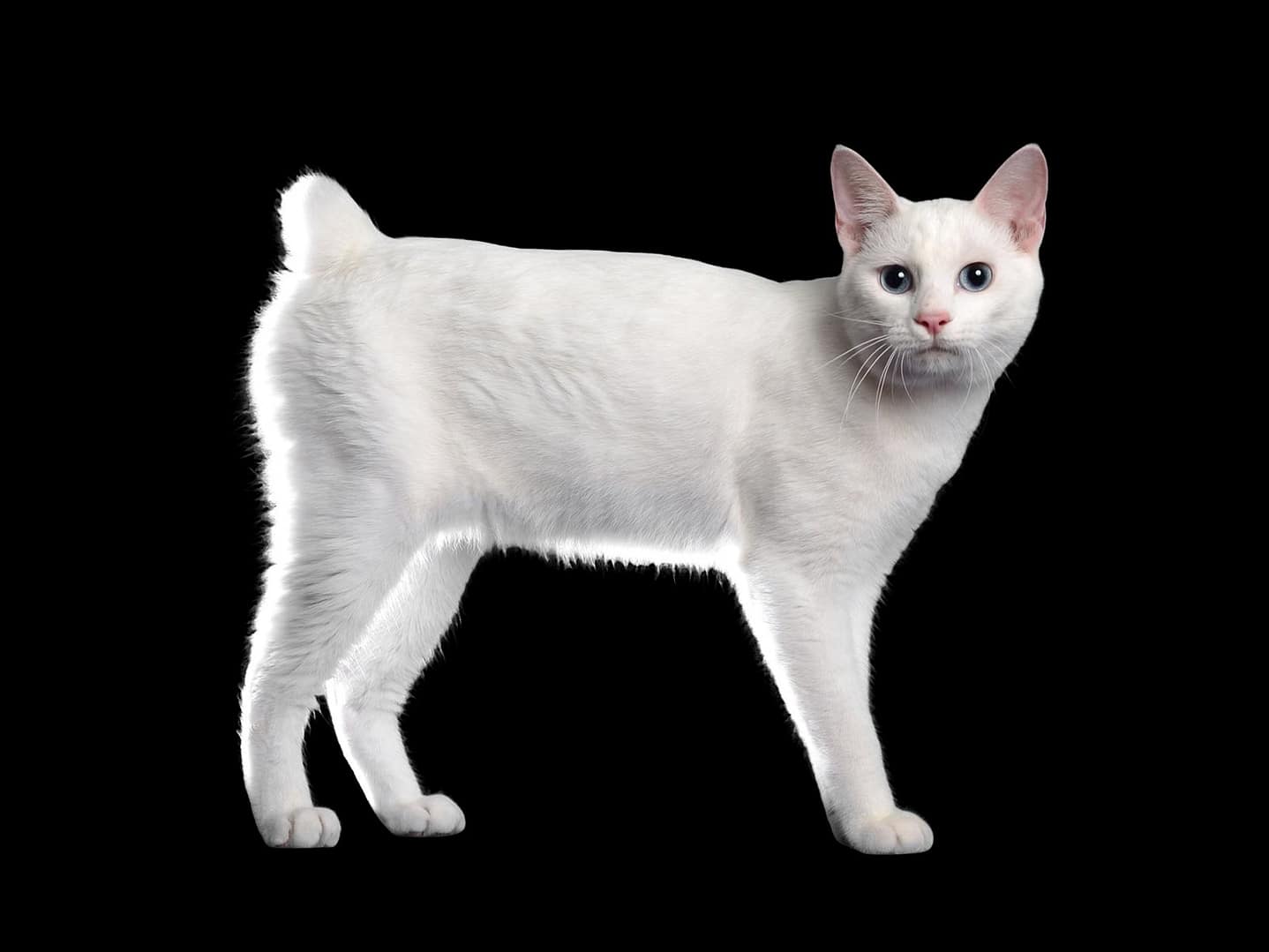
Japanese Bobtail cats are athletic, very social, and famously “chatty”—a great fit if you want an interactive companion that plays, learns tricks, and follows you around.
They’re medium-sized, have a naturally bobbed “pom-pom” tail, and typically do best in homes that can provide daily play, climbing space, and companionship.
If you prefer a quiet, low-energy lap cat or you’re away most of the day, this breed may feel too demanding.
Índice
De un vistazo
- Ideal para: families / multi-pet homes / people who want an interactive cat
- Not ideal for: frequent travelers / quiet-home preference
- Energía: high
- Vocal: high (melodic “chirps/trills”)
- Muda: moderate (low undercoat)
- Training: often learns fetch/leash well
- First-time owners: yes, if you like daily play + engagement
Japanese Bobtail Owner Checklist (Before You Adopt)
One-line promise: “If you want a social, athletic ‘chatty’ cat, prepare your home like this so you don’t get behavior problems later.”
1. Home setup (must-haves before day 1)
Make this a checkbox list:
- Separate stations: place food, water, and litter in different areas (many cats prefer drinking away from food and toileting away from both).
- Litter setup: at least 1 box per cat + 1 extra; quiet, easy access.
- Scratching options: at least one sturdy post (ASPCA recommends a stable post ~3 feet high) + a horizontal scratcher.
- Vertical space (non-negotiable for this breed): a tall cat tree + wall shelves/perches (Bobtails are jumpy/athletic—your article already says this; the checklist turns it into action).
- Carrier + basics: TICA’s “essential cat care supplies” list is a good anchor—carrier, bowls, litter items, scratchers, toys, etc.
2. Questions to ask a breeder/rescue (this is what big sites rarely do well)
Put 8–10 very practical questions:
- “Is this cat comfortable being handled (paws/ears/brushing)?”
- “How does it react to strangers / kids / other pets?”
- “What food and litter is it currently using (to avoid sudden changes)?”
- “What’s their daily play routine right now?” (Bobtails often need daily engagement—set expectations)
- “Any history of litter box issues or anxiety when left alone?”
- “Vet records: vaccines, parasite prevention, spay/neuter, microchip?”
3. First 7 days plan (reduce returns & “regret clicks”)
Turn your care content into a simple ramp:
- Day 1–2: quiet room + consistent routine
- Day 3–7: add vertical territory + 2 daily play sessions
- Week 1: schedule a vet check, start nail routine (ASPCA suggests trimming every 2–3 weeks).
Visión general de la raza
| Característica | Descripción |
| Personalidad | Juguetones, enérgicos, muy inteligentes, cariñosos, sociables y muy vocales. Les encanta la interacción humana y son conocidos por sus voces "cantarinas". Son leales y se adaptan bien a familias, niños y otras mascotas. |
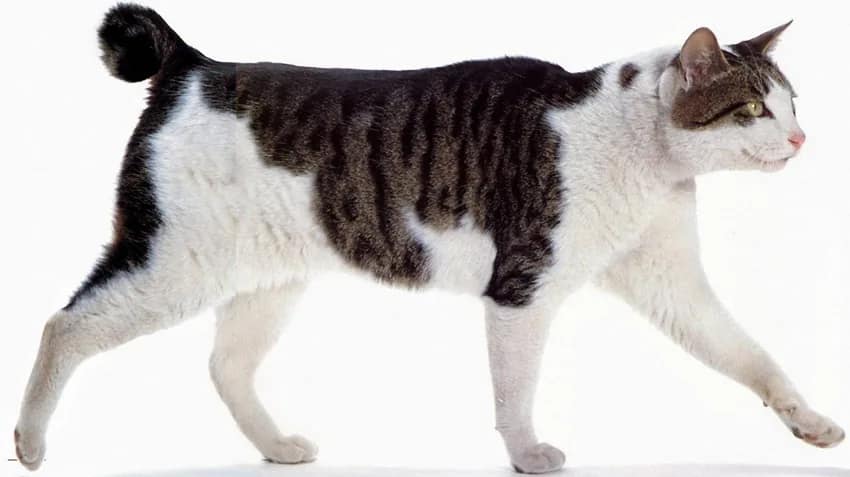
| Tipo de carrocería | Medianos, largos, esbeltos y musculosos. Poseen una constitución elegante y atlética, con patas traseras notablemente más largas que las delanteras, lo que les permite una impresionante capacidad de salto. |
| Peso | Los machos suelen pesar entre 3,6 y 5,4 kg (8 y 12 lb); las hembras son más pequeñas, normalmente entre 2,3 y 3,6 kg (5 y 8 lb). |
| Origen Región | Japón. Raza antigua cuyas raíces se remontan al siglo VI, procedente de China/Corea. |
| Vida útil | De 9 a 18 años, con rangos comunes citados como de 12 a 16 años o de 9 a 15 años. |
| Abrigo | Suave y sedoso, existe en las variedades de pelo corto y pelo largo. En particular, apenas tienen subpelo. |
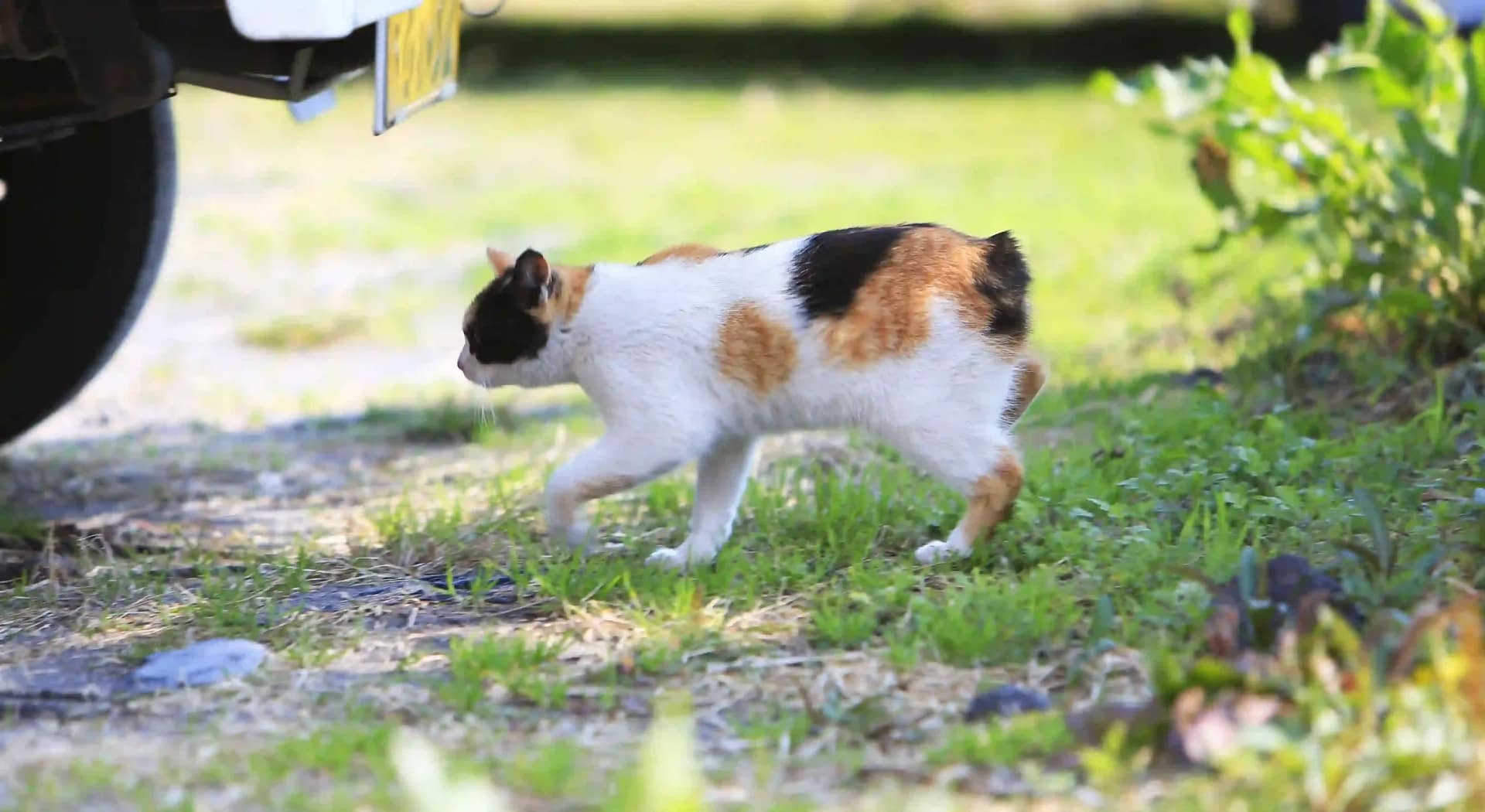
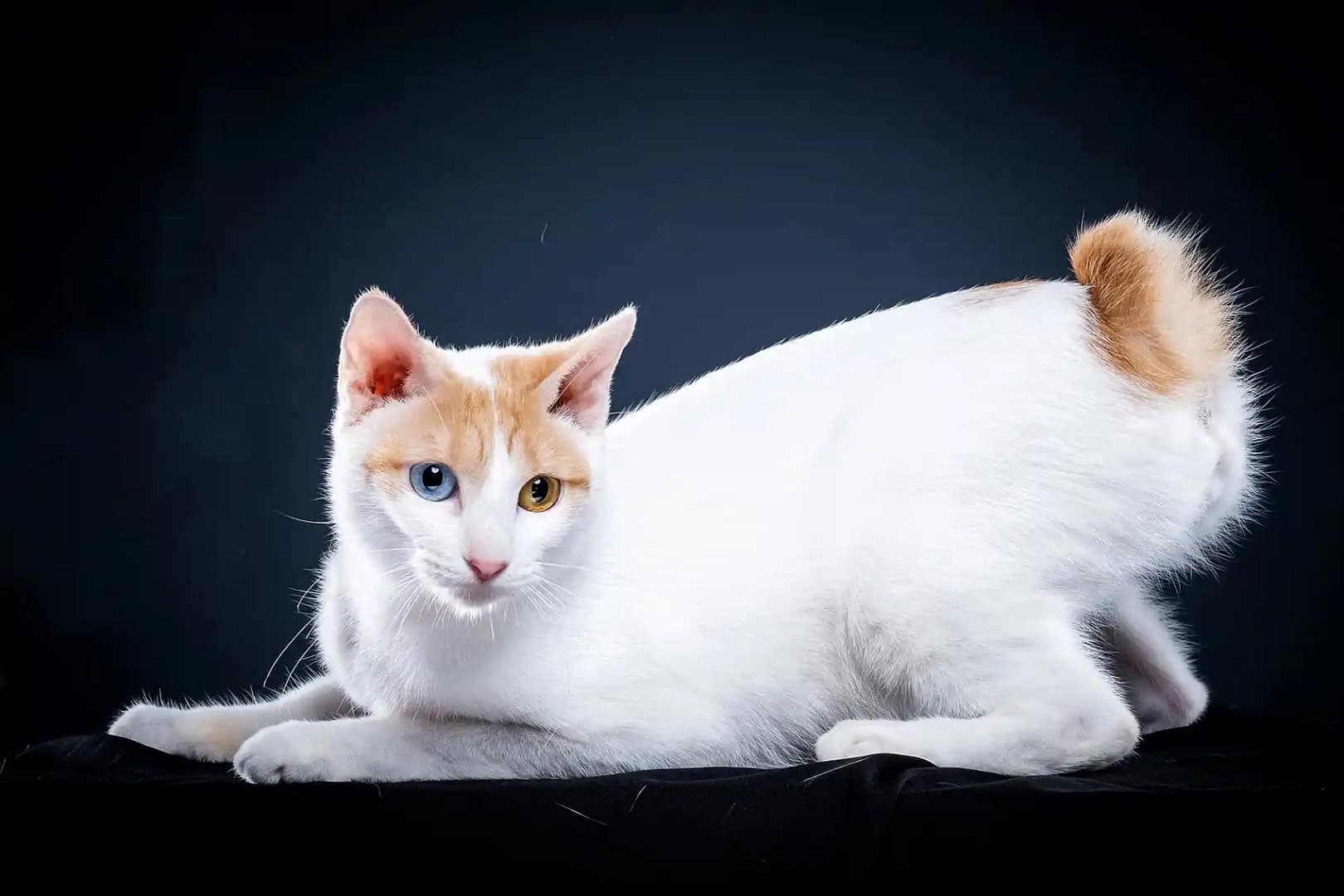
| Color del pelaje | Amplia variedad de colores y diseños: lisos, atigrados, bicolores y carey. El más famoso y tradicional es el "Mi-ke" (tricolor: blanco con espectaculares manchas rojas y negras). Los gatos de ojos raros son especialmente apreciados. |
| Nivel de desprendimiento | ⭐⭐⭐☆☆ (Moderado) |
| Nivel de afecto | ⭐⭐⭐⭐⭐ (Muy alto) |
| Dificultad asistencial | ⭐⭐⭐☆☆ (Moderado) |
Introducción
En Japanese Bobtail cat is best known for its naturally short, pom-pom tail—but what owners fall in love with is the personality. This breed is playful, athletic, highly social, and smart, often following people from room to room, learning games (like fetch), and “talking” in soft chirps and trills.
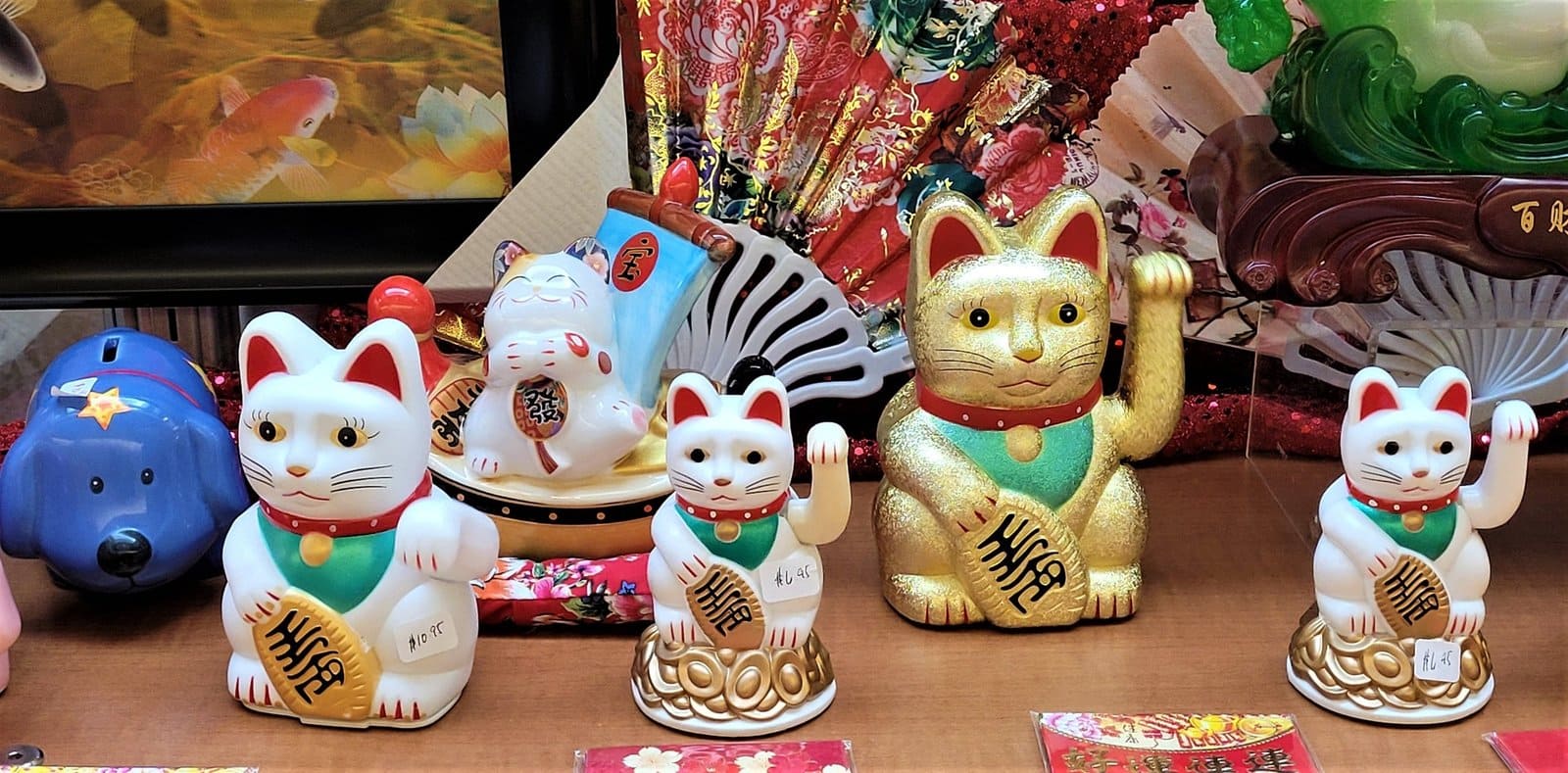
Japanese Bobtails also have a special place in Japanese culture. They’re widely linked to the Maneki-neko (“beckoning cat”), a symbol of good luck and prosperity, which adds an extra layer of charm for many cat lovers.
Just as important: the bobbed tail is a rasgo genético natural. Unlike some other bobtailed breeds (such as the Manx), Japanese Bobtails are not defined by the same well-known tail-related skeletal issues. With the right enrichment and daily interaction, they make affectionate, lively companions for families and multi-pet homes.
Breed History (Quick Timeline)
Ancient roots in Japan: Japanese Bobtails have been portrayed in Japanese art and writing for centuries, often cited as appearing for at least 1,000 years.
Court favorite: For a long period, they were closely associated with nobility and households of status (a “valued cat,” not a barn cat).
1602 turning point (rodent crisis): En 1602, an edict required cats to be released to deal with rodents threatening the silk industry—pushing many bobtailed cats into a working “street/farm cat” life.
Bobtail becomes widespread: As these cats spread and interbred, the bobtail look became a familiar feature in Japanese cat populations.
Arrival in the U.S. (1968): The first Japanese Bobtails were imported to the United States in 1968, forming the foundation for modern Western breeding programs.
CFA recognition (1976): The shorthair Japanese Bobtail reached CFA Championship status in 1976.
Longhair recognition (1993): The longhair variety later followed with CFA Championship status in 1993.
Why this history matters (the “owner takeaway”)
That 1602 shift—from pampered court cat to widespread street/farm hunter—helps explain why Japanese Bobtails are still known as alert, athletic, highly interactive cats. They weren’t selected to be decorative; they were selected by life to be smart, resilient, and busy.
It also explains a common owner experience: they tend to want to participate (follow you around, “help,” play hard, ask for attention). If you like a cat with presence and personality, that history is a feature—not a bug.
Características físicas
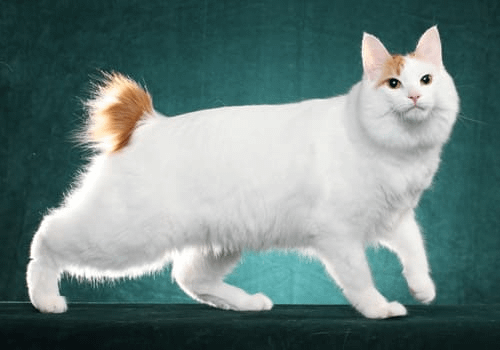
En Japanese Bobtail cat is a medium-sized, athletic breed best known for its naturally bobbed “pom-pom” tail, long legs, and silky coat.
Signature bobbed tail (unique to each cat)
- La cola es short, kinked, or curved, often compared to a rabbit tail o puffball.
- No two tails look the same—the shape comes from naturally angled or fused tail vertebrae.
- Esto es not the same as a completely tailless breed. While Japanese Bobtails are generally not known for the severe tail-related issues often discussed with some tailless breeds, any cat can develop back or spine problems. If you notice pain, reluctance to jump, a hunched posture, or litter-box straining, check with a vet.
Body & athletic build (built for jumping)
Japanese Bobtails have a long, lean, well-muscled body with a graceful, sporty outline. Their hind legs are noticeably longer than the front, which helps explain their strong jumping ability and “springy” movement.
Head & facial features
They typically have a cabeza triangular, high cheekbones, and large oval eyes set at a slight slant, giving the breed its alert, expressive look.
Coat type & shedding
El abrigo es soft and silky with little to no undercoat, which often means:
- Less matting than many double-coated breeds
- Moderate shedding, but typically easier to manage with routine brushing
Ambos shorthair and longhair varieties exist:
- Pelo corto: sleek and close-lying
- Pelo largo: medium-long with more feathering on the ruff, britches, and tail
Japanese Bobtail vs Manx vs American Bobtail (quick comparison)
| Feature | Bobtail japonés | Manx | Bobtail americano |
|---|---|---|---|
| Cola | Naturally bobbed “pom-pom”; kinked/curled; each tail unique | Ranges from no tail to short tail | Short tail; varies by individual |
| Body type | Medium, slender, athletic; hind legs longer | Compact/rounded; strong build | More substantial; “wild look” often noted |
| Vibe | Social, playful, very interactive; often “talky” | Many are affectionate; personality varies by line | Typically easygoing; can be playful and confident |
| Key misconception | “Bobtail = spinal problems” (not automatically true) | Some lines have higher risk of spine/nerve issues (ask breeder/vet) | Not the same as Japanese Bobtail; different origin/type |
Is the Japanese Bobtail tail “safe”?
A Japanese Bobtail’s short tail is a natural genetic trait and is usually just a unique tail shape—not the same situation as a completely tailless breed. Still, any cat can have spine issues, so if you ever see pain, difficulty jumping, or litter-box strain, check with a vet.
Which one fits you best?
- Choose a Bobtail japonés if you want a very social, interactive, often vocal cat with a sleek athletic build.
- Consider a Manx if you prefer a rounder, sturdier build—just be extra careful to choose responsible lines and ask health questions.
- Consider an Bobtail americano if you like a more substantial “rustic” look and want a generally laid-back companion (temperament varies).
Behavior and Personality (Living With a Japanese Bobtail)
Japanese Bobtails are highly social, athletic, and famously “chatty” in a melodic way. They bond strongly with their people and prefer being involved in whatever you’re doing. If you want a quiet, independent cat that’s happy alone all day, this breed can feel demanding.
What owners notice day-to-day
They act like a little teammate
- Follows you from room to room and “supervises” chores
- Greets you at the door and checks in frequently
- Often chooses to sit near you (next to you) rather than being a constant lap cat
They’re smart and easily bored
- Learns routines quickly (meal time, bedtime, where toys are stored)
- Enjoys puzzle toys and “figuring things out”
- Can become mischievous if under-stimulated (knocking items over, opening cabinets, demanding attention)
They’re playful and athletic
- Strong jumpers and climbers; vertical space matters
- Many enjoy fetch-style games and short training sessions
- Best with structured play (not just random toys on the floor)
They are very vocal—often “singing,” not screaming
- Lots of chirps/trills/meows used as conversation
- Communicates wants clearly (food, play, attention)
- Great if you enjoy an interactive cat; not ideal for “quiet home” preferences
Usually friendly with kids and other pets
- Often confident and outgoing around visitors
- Can do well with respectful children and cat-friendly dogs
- Introductions still matter (slow + positive = fewer behavior issues)
What they need daily to be happy (the “minimum viable routine”)
Daily baseline (realistic)
- 15–25 minutes of interactive play (split into 2 sessions if possible)
- 5 minutes of training or brain-work (treat puzzles, clicker basics, hide-and-seek toys)
- Vertical access (cat tree/perch or shelves) so they can climb and observe
- Social time: they do best when someone is around most days
If you skip this routinely, common outcomes
- Increased “talking”/demanding vocalization
- Attention-seeking behaviors (pushing objects, getting into bags/cabinets)
- Night zoomies or rougher play because energy isn’t burned earlier
Good-fit checklist
- You like interactive cats and don’t mind frequent vocal “commentary”
- You can offer daily play + enrichment
- You’re home enough (or have another pet companion)
- You travel often / want a low-energy, low-engagement cat
Quick tips for new owners (optional but strong)
- Use routine: play → meal → rest helps reduce nighttime hyperactivity
- Rotate toys weekly: novelty matters for intelligent breeds
- Teach a “settle” cue: reward calm behavior so “smart begging” doesn’t take over the household
- Don’t reward yelling: if they meow for attention, reward when quiet (or you’ll train louder meows)
Care Guide (Weekly Care Plan)
If you want a Japanese Bobtail to thrive indoors, think in routines: daily play + vertical space + portion control + quick coat upkeep. Use this simple plan as your baseline.
Daily (10–30 minutes total)
- Play (2 sessions, 5–10 min each): interactive toys (feather wand, chase games) + one “finish” toy they can catch.
- Mental work (3–5 min): food puzzle, treat hunt, or a short training game (sit, high-five, “come”).
- Weight control habit: measure meals (don’t free-feed if weight is creeping up).
- Environment reset: refresh water, scoop litter, and do a quick “boredom check” (are they meowing more / getting destructive?).
- Quick health glance (30 seconds): appetite, litter box output, energy level.
2–3× per week (15 minutes)
- Grooming
- Shorthair: brush 1×/week (but you can do 2× if shedding rises).
- Longhair: brush 2–4×/week to prevent tangles.
- Teeth care: brush if possible (or use dental treats as a backup).
- Toy rotation: swap in 1–2 “new” toys (even moving toys to a different room helps).
Weekly (20–40 minutes)
- Weigh-in + body check: track weight and body condition (can you feel ribs with light pressure?).
- Deep enrichment: refresh climbing routes (move a cat tree, add a new perch, change scratcher angle).
- Clean routine: wash bowls, wipe down feeding area, clean favorite sleeping spots.
Monthly (30–60 minutes)
- Nail trim (or as needed).
- Deep-clean litter box (full refresh, check for odor buildup).
- Home safety sweep: cords, plants, string toys, window screens (important for active jumpers).
If you’re busy: Visite two daily play sessions y control de porciones. Those two alone prevent most “problem behaviors” (boredom + weight gain).
Care Details
Diet (Care Details)
Goal: keep them lean and satisfied (this breed can be very persuasive about treats).
- Feeding schedule: 2–3 meals/day works well for routine-driven, social cats.
- Portion control: measure food for 2 weeks, then adjust based on weekly weight trend (small changes only).
- Treat limit: keep treats to a small portion of daily intake (use part of their meal as “training treats” when possible).
- Hydration: add wet food and/or a cat fountain if they’re a low drinker.
Como carnívoros obligados, los Bobtail japoneses necesitan una dieta rica en carne animal, equilibrada con grasas esenciales, minerales y vitaminas, y una pequeña cantidad de carbohidratos.
High-quality cat food, where protein (such as turkey, salmón, or chicken) is the primary ingredient, is crucial for their health. Prefer foods where named animal protein is the main ingredient; limit foods heavy in low-value carbohydrates.
Japanese Bobtails are known for their hearty appetites and can be prone to obesity. Their intelligence and communicative nature mean they are adept at “persuading” their owners for treats.
Esta tendencia de comportamiento puede repercutir directamente en su peso. Por lo tanto, un control cuidadoso de las raciones y la oferta de golosinas saludables son vitales para evitar un aumento excesivo de peso.
Exercise (Care Details)
Minimum routine:
- 2 play sessions/day (5–10 minutes each) using wand toys, chase games, or fetch.
- Vertical movement daily: at least one climb/jump route (cat tree/shelves/perches).
- Micro-sessions: 1–2 minute “burst play” 2–3 times/day if they get restless or vocal.
Sus poderosas patas traseras les permiten saltar a alturas impresionantes, lo que subraya la importancia de proporcionarles espacio vertical. Las perchas, los árboles para gatos y las estructuras para trepar no sólo les sirven para hacer ejercicio, sino que también satisfacen su instinto natural de trepar y observar desde lo alto.
They particularly enjoy interactive toys like feather teasers and engaging in games of fetch. Many Japanese Bobtails can also be trained to walk on a leash, offering an additional avenue for exercise and safe outdoor exploration. Rotate activities to prevent boredom (bored Bobtails invent their own entertainment).
Environment & Enrichment (Care Details)
Indoor setup checklist (simple but effective):
- 1 tall climbing option: cat tree or wall shelves
- 1 window perch: safe, supervised “cat TV”
- 2 scratch zones: one vertical + one horizontal
- 2 puzzle options: puzzle feeder / treat ball / lick mat
- 1 quiet retreat: covered bed or box in a calm corner
Por lo general, se aconseja mantener a los Bobtail japoneses en el interior para protegerlos de diversos peligros exteriores, como el tráfico, las enfermedades propagadas por gatos callejeros y los ataques de otros animales.
Safety note: Active jumpers + curiosity = do a quick home safety sweep (loose strings, cords, unstable shelves, toxic plants).
Grooming (Care Details)
- Pelo corto: cepillo weekly to remove loose hair and keep coat smooth.
- Pelo largo: cepillo 2–4×/week to prevent tangles (especially around ruff/britches).
Para los Bobtail japoneses de pelo corto, cepillarles una vez a la semana con un cepillo de cerdas suaves o de goma suele ser suficiente. Esta rutina ayuda a controlar la muda, mantiene el pelaje suave y distribuye los aceites naturales.
Los Bobtail japoneses de pelo largo requieren un cepillado más frecuente, normalmente un par de veces por semana, para evitar esteras y enredos. Se recomienda utilizar un cepillo liso seguido de un peine de púas anchas para eliminar el pelo suelto y evitar que se apelmace.
Mental Stimulation (Care Details)
Japanese Bobtails are smart, social, and easily bored—mental exercise prevents nuisance behaviors (excessive vocalizing, knocking things down, “creative” mischief).
Easy ways to keep them engaged:
- Food puzzles (rotate weekly)
- “Find the treat” scavenger hunts (hide small treats in 3–5 spots)
- Short training sessions (1–3 minutes): come, sit, high-five, harness comfort
- Toy rotation (put half the toys away and swap them in every few days)
- Interactive play with a “finish” (let them catch something at the end)
- New vantage points (move a box, add a perch, change a shelf route)
If they’re extra vocal: increase structured play + puzzles first (many “chatty” moments are boredom signals, not just personality).
Health: common issues + what to watch for
Good news: The Japanese Bobtail is considered a sturdy, natural breed with no specific health concerns, and there are no known abnormalities linked to the breed’s bobbed tail.
That said, like all cats, they can still develop common feline health problems—especially as they age.
Not veterinary advice: If you’re worried, call your veterinarian—cats are excellent at ocultar pain.
The 4 most common things owners should watch for
1. Dental disease (very common in cats)
What you’ll notice: bad breath, red gums, drooling, pawing at the mouth, dropping food, eating more slowly.
What helps: consistent home dental care + regular vet exams; starting early improves long-term outcomes.
2. Weight gain / obesity (especially if treats are frequent)
What you’ll notice: gradual weight increase, reduced jumping/play, less grooming, “rounder” body shape.
What helps: measured meals, treat limits, daily play. (Weight control also lowers risk of secondary issues like diabetes.)
3. Urinary tract problems (FLUTD signs = act fast)
What you’ll notice: frequent litter-box trips, straining, crying while urinating, peeing outside the box, blood-tinged urine, excessive licking.
Urgent: If a cat (especially a male) can’t pass urine, treat it as an emergency and go to a vet immediately.
4. Chronic kidney disease (more common as cats get older)
What you’ll notice: increased thirst and urination; later signs can include appetite changes and weight loss. Cornell notes early CKD can show no obvious signs at first.
What helps: routine senior checkups with blood/urine screening so you catch changes early.
Less common, but important to know (keep this short)
- Diabetes: often linked with excess weight; signs include increased thirst/urination with weight loss.
- Upper respiratory infections: more common in multi-cat environments; watch for sneezing, congestion, lethargy.
- Heart disease (e.g., HCM): can be silent; see a vet if you notice breathing difficulty or sudden exercise intolerance.
- Cancer: monitor for new lumps, persistent vomiting/diarrhea, unexplained weight loss.
When to call the vet right away (high-signal red flags)
- Straining to urinate with little/no urine, or repeated painful attempts
- Open-mouth breathing, severe lethargy, collapse
- Not eating for 24 hours (especially in adult cats), or rapid weight loss
- Persistent vomiting/diarrhea, or signs of pain
Simple prevention checklist (owner-friendly)
- Annual vet exams (twice yearly for seniors)
- Dental routine (start early; even partial consistency helps)
- Measure food + limit treats
- Hydration support (wet food, fountains) to help urinary/kidney wellness
- Daily play + climbing (also prevents weight gain)
Is a Japanese Bobtail right for you? (5 quick questions)
If you answer “yes” to 4–5, this breed is usually a great match. If you answer “no” to 2+, you may want a calmer or more independent cat.
The 5 questions (H3 format)
1. Do you want a highly interactive, social cat?
- Yes: Japanese Bobtails tend to follow their people, “help” with tasks, and prefer being involved.
- No: If you want a very independent cat that keeps to itself, this may feel too demanding.
2. Can you provide daily play + mental stimulation (15–25 minutes)?
- Yes: Their intelligence and energy shine with interactive play, training, and puzzle feeders.
- No: Without daily enrichment, they can get bored—and boredom often turns into mischief.
3. Are you okay with a vocal cat (frequent chirps/trills/meows)?
- Yes: Many owners love the “conversation” and expressive sounds.
- No: If a quiet home matters, you may find the breed too chatty.
4. Can you create vertical space and a safe indoor setup?
- Yes: Cat trees, shelves, perches, and scratching posts make them happier and calmer.
- No: If you can’t add climbing space, they may redirect that energy onto furniture and counters.
5. Will you manage food portions (no free-feeding)?
- Yes: Portion control + play keeps weight stable and supports long-term health.
- No: If you prefer to free-feed or struggle to say no to treats, obesity risk rises.
You’re a great match if…
- You want a playful, affectionate “companion cat”
- You enjoy interaction, training, and daily play
- You don’t mind a vocal personality
- You can add climbing space and enrichment
Consider another breed if…
- You prefer free-feeding or minimal routine
- You’re away most of the day and want a hands-off pet
- You need a quiet, low-energy lap cat
- You can’t commit to daily play
PREGUNTAS FRECUENTES
¿Cuánto viven los Bobtail japoneses?
El promedio de vida de los Bobtail japoneses oscila entre los 9 y los 18 años, aunque muchas fuentes citan los 12-16 años o los 9-15 años como rangos comunes. Con una alimentación adecuada, ejercicio y cuidados veterinarios, pueden disfrutar de una vida larga y saludable.
¿Los Bobtail japoneses son buenos con los niños y otras mascotas?
Sí, los Bobtail japoneses son conocidos por su carácter afable y, en general, se llevan bien con los niños y otros animales domésticos, incluidos los perros. Su naturaleza juguetona los convierte en compañeros ideales para los niños más pequeños, y se adaptan fácilmente a otros miembros peludos de la familia.
¿Los Bobtail japoneses mudan mucho?
Los Bobtail japoneses tienen una muda moderada. Tienen un pelaje suave y sedoso con muy poco o ningún subpelo, lo que significa menos muda en comparación con muchas otras razas. El cepillado regular, especialmente varias veces a la semana en las variedades de pelo largo, ayuda a controlar el pelo suelto.
¿Los Bobtail japoneses son hipoalergénicos?
No, los Bobtail japoneses no se consideran hipoalergénicos. Como todos los gatos, producen la proteína Fel d 1, que se encuentra en su saliva, células de la piel y orina, y que es la causa principal de las alergias a los gatos. Aunque su muda moderada puede reducir la propagación de la caspa, siguen produciendo el alérgeno.
¿Se puede dejar solo al Bobtail japonés durante mucho tiempo?
Los Bobtail japoneses son muy sociables y les encanta estar en compañía, por lo que prefieren no quedarse solos durante mucho tiempo. Su inteligencia y su necesidad de interacción pueden provocar travesuras o comportamientos destructivos si se aburren o se sienten desatendidos. Se desenvuelven mejor en hogares donde reciben atención constante y estimulación mental.
Datos complementarios
La conexión Maneki-neko
Se cree que la icónica figura del "gato que hace señas", símbolo de buena fortuna en Japón, es un modelo del Bobtail japonés, en particular de la variedad "Mi-ke" (tricolor).
Una voz que "canta
Los criadores y propietarios suelen describir las vocalizaciones del Bobtail japonés como "cantarinas" debido a su amplia gama de suaves y melodiosos gorjeos, trinos y maullidos.
Amantes del agua
A muchos Bobtail japoneses les gusta jugar en el agua, un rasgo que no suele darse en todas las razas de gatos.
Rasgos caninos
Estos gatos muestran varios comportamientos que suelen asociarse a los perros, como jugar a buscarlos, aprender trucos, responder a sus nombres e incluso disfrutar de los paseos con correa.
Una reserva genética sana
A diferencia de algunas razas puras, el Bobtail japonés se beneficia de un sistema de registro abierto, que permite la introducción de gatos callejeros japoneses en los programas de cría. Esta práctica ayuda a mantener un acervo genético amplio y saludable, contribuyendo a la robustez general de la raza y a su resistencia a las enfermedades.
Primeros desarrolladores
Los gatitos Bobtail japoneses son conocidos por ser activos antes que muchas otras razas, caminando y explorando antes.# El Bobtail japonés: Guía completa del gato de la suerte de Japón
Referencias
"Bobtail japonés". Federación Internacional Féline. Consultado el 2024-03-15.
Xu, Xiao; Sun, Xin; Hu, Xue-Song; Zhuang, Yan; Liu, Yue-Chen; Meng, Hao; Miao, Lin; Yu, He; Luo, Shu-Jin (25 de agosto de 2016). "La secuenciación del genoma completo identifica una mutación sin sentido en HES7 asociada a colas cortas en gatos domésticos asiáticos". Informes científicos. 6 (1): 31583. Código:2016NatSR...631583X. doi:10.1038/srep31583. PMC 4997960. PMID 27560986.
Darwin, Charles (1868). La variación de animales y plantas bajo domesticación. London: John Murray.
Davisson, Zack (11 de septiembre de 2020). "La relación de amor-odio de Japón con los gatos". Revista Smithsonian. Recuperado el 28 de noviembre de 2023.
"Información, fotos, características y curiosidades de la raza de gato Bobtail japonés". CatTime. Recuperado 2016-12-01.
Kinnear Ballagh, Margaret Tate. Destellos del antiguo Japón. p. 71.
"Bobtail japonés: Artículo". CFA.org. Asociación de Aficionados a los Gatos. Archivado del original el 14 de julio de 2024. Recuperado el 11 de noviembre de 2024.
"Raza de gato Bobtail japonés - Datos y rasgos de personalidad | Hill's Pet". Hill's Pet Nutrition. Recuperado 2016-12-01.
"Bobtail japonés: Preguntas frecuentes sobre la raza". Archivado desde el original el 2016-09-12. Recuperado el 2016-11-23.
Xu, Xiao; Sun, Xin; Hu, Xue-Song; Zhuang, Yan; Liu, Yue-Chen; Meng, Hao; Miao, Lin; Yu, He; Luo, Shu-Jin (25 de agosto de 2016). "La secuenciación del genoma completo identifica una mutación sin sentido en HES7 asociada a colas cortas en gatos domésticos asiáticos". Informes científicos. 6 (1): 31583. Código:2016NatSR...631583X. doi:10.1038/srep31583. PMC 4997960. PMID 27560986.
Asociación de Aficionados a los Gatos. "Perfil de la raza: El Bobtail japonés". cfa.org. Archivado desde el original el 2018-01-18. Recuperado el 2016-12-01.
"Tras la pista del gato los científicos encuentran sorpresas". Pandecats.com. Recuperado el 15 de diciembre de 2017.
del Barco, Mandalit (2010). "Hello Kitty engancha a generaciones por su simpatía". NPR.
Grafton, Sue. (2013). "W" de Wasted (desperdicio). G.P. Putnam.
Nevin, Will (2 de marzo de 2017). "El serio absurdo (y la purrfección) de Jenny Parks y 'Star Trek Cats'". OregonLive.com. Publicaciones anticipadas. Recuperado el 25 de febrero de 2018.









 EN
EN DE
DE ES
ES PT
PT