
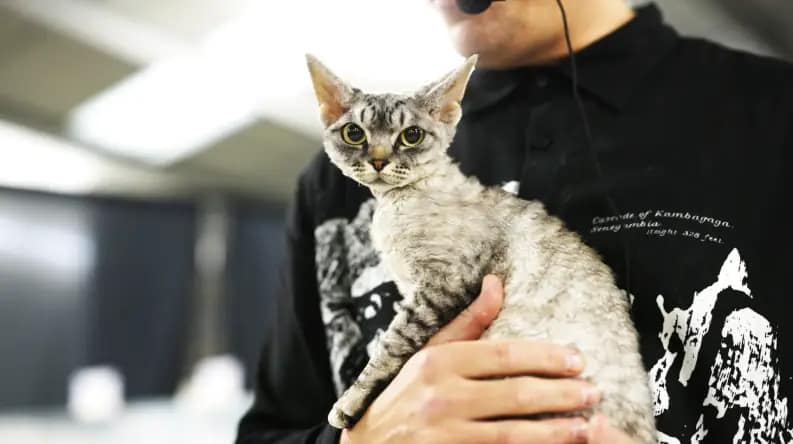
Toronto CATSTRAVAGANZA® 2026: what should visitors know before going on February 28?
Cat events can be crowded, noisy, and expensive when the day is not planned. This guide reduces the guesswork with clear ticket, timing, and transport decisions.
Toronto CATSTRAVAGANZA® runs on Saturday, February 28, 2026 en Exhibition Place (Toronto, Ontario, Canada), listed as 10:00–18:00, with ring judging throughout the day, a Catwalk around 13:00y Best in Show around 17:00. Tickets are sold via Loving Cats Worldwide®.
Keep scrolling for a practical plan: what happens hour-by-hour, what to prioritise, what to skip if crowds are not enjoyable, and the welfare checks that matter in any live-animal event.
Formatting and terminology follow the SnuggleSouls editorial guide.
Información básica sobre el acontecimiento
Datos breves
| Artículo | Detalles |
|---|---|
| Evento | Toronto CATSTRAVAGANZA® (Loving Cats Worldwide®) |
| Date (year) | Saturday, February 28, 2026 |
| Time | 10:00–18:00 (confirm on the official channel before visiting) |
| Ubicación | Exhibition Place, Toronto, Ontario, Canada |
| Address (public) | 100 Princes’ Blvd, Toronto, ON M6K 3C3 |
| Tickets / booking | Official ticket page: Toronto CATSTRAVAGANZA® February 28th, 2026 (Loving Cats Worldwide®) |
| Entry fees (as listed) | Child (6–11): $10 - Youth (12–17) / Senior: $20 - Adult: $25 - Under 5: free - VIP Lifetime Superfan Pass: confirm on the official channel before visiting |
| Listed programme anchors | Opening ceremony ~10:00 - Loving Cats Catwalk® ~13:00 - Best in Show ~17:00 (confirm on the official channel before visiting) |
| Typical on-site zones | Judging rings, vendor area (“Vendor Village”), rescue/adoption presence |
| Aeropuertos más cercanos | Toronto Pearson International Airport; Billy Bishop Toronto City Airport |
| Best transit approach | GO Train to Exhibition Station; TTC streetcar connections to Exhibition Place |
| Driving / taxi | On-site parking and ride-hail access are available at Exhibition Place; confirm event-day routing and rates before travel |
How to get there (practical options)
- Public transport (often fastest on busy show days):
- GO Train: aim for Exhibition Station (walkable to Exhibition Place).
- TTC streetcar: routes serving the Exhibition Place area include 509 Harbourfront (and other waterfront connections depending on origin).
- Taxi / rideshare: set drop-off for Exhibition Place and allow extra time for queueing around mid-day arrival.
- Driving: plan for event-day congestion on the waterfront approaches; check Exhibition Place parking guidance before departure.
What should visitors expect to see and do at Toronto Catstravaganza 2026?
Cat shows can feel like a blur of cages and announcements. That confusion wastes time and creates stress. A simple plan—rings first, then vendors, then catwalk—keeps the day coherent.
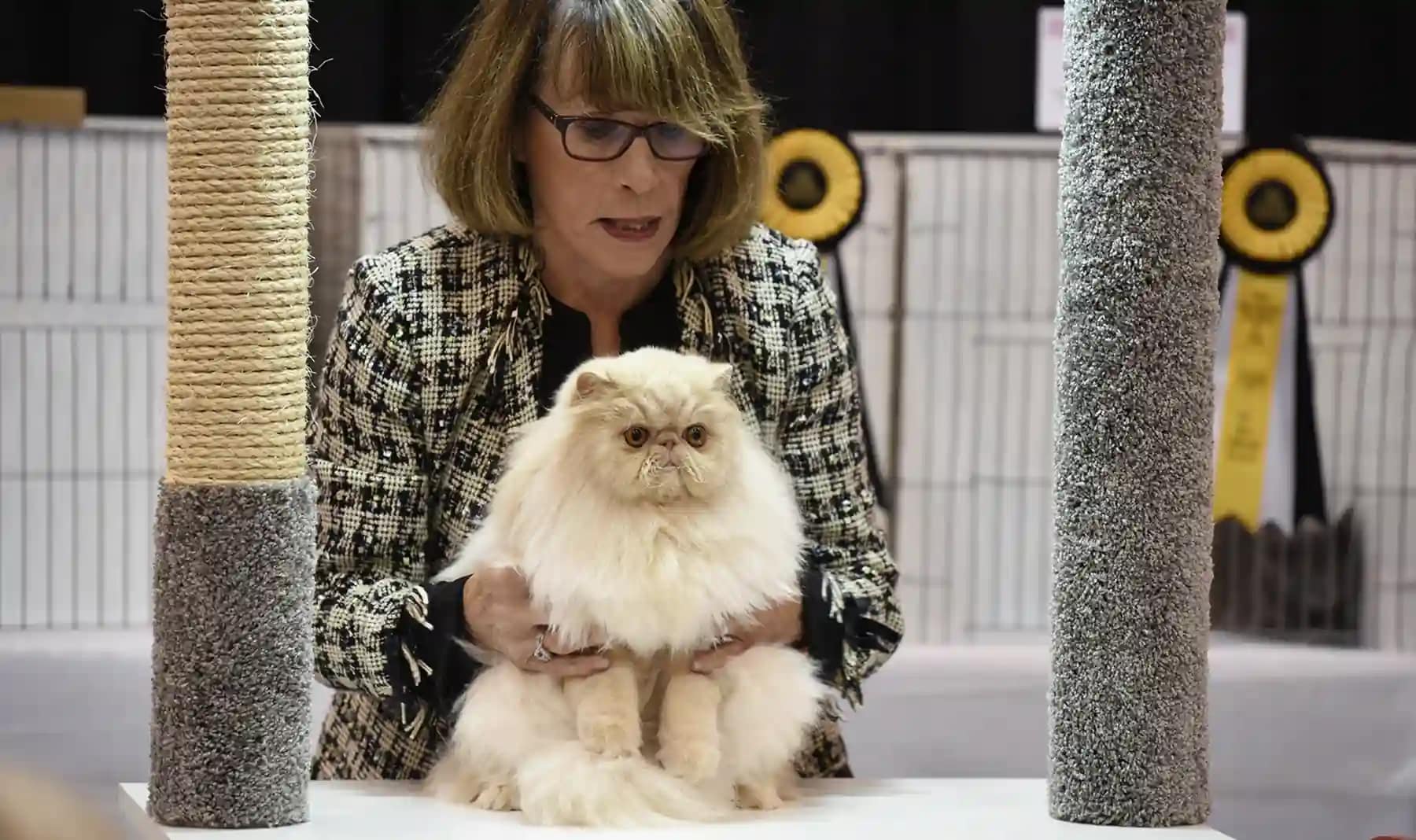
Toronto CATSTRAVAGANZA® is structured around multiple judging rings running across the day, plus featured moments like the Catwalk and a late-day Mejor de la exposición. Vendor browsing and rescue/adoption engagement are typically the “between rings” activities.
Dive deeper (what it actually looks like on the floor)
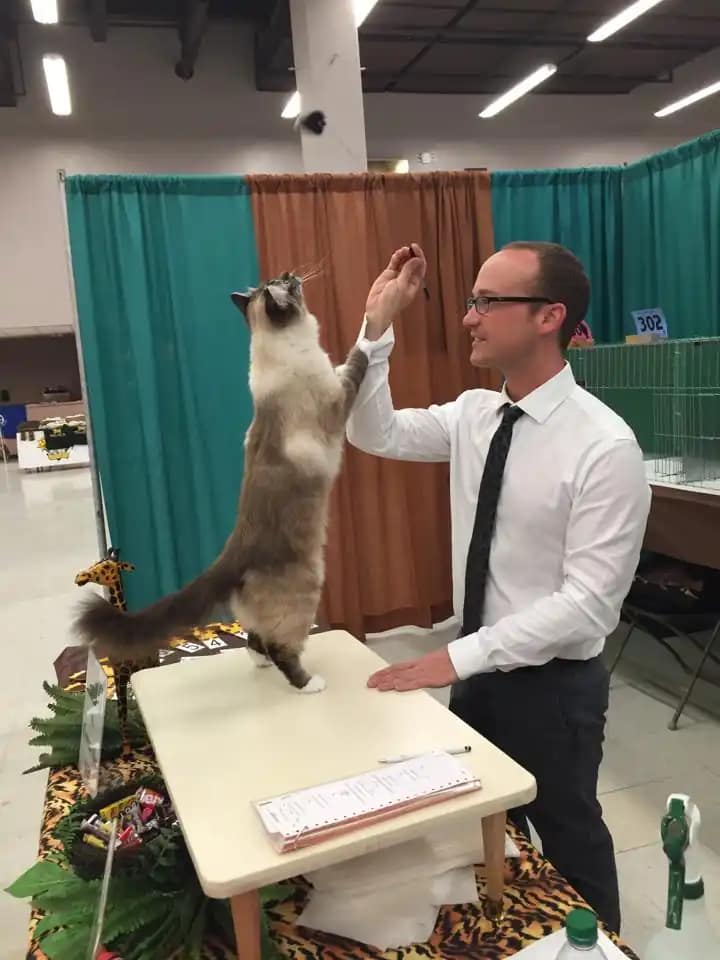
Start with the rings, not the shopping. In most cat-show formats, judging happens in parallel rings, each with its own judge and awards. The value for first-time visitors comes from watching at least one full ring sequence: cats are brought up one-by-one, assessed on type and condition, and compared head-to-head later for finals. Even without breed knowledge, it becomes easier to follow after seeing a few rounds.
Use the official anchor times to build a backbone. The official event graphic lists a morning opening, a Catwalk around 13:00y Best in Show around 17:00. Treat these as fixed “must-be-there” moments and fill the gaps with rings and vendor browsing. If arriving late, prioritise: (1) a ring final, (2) the catwalk, (3) a late-afternoon final before Best in Show.
Vendor Village is most useful with a shortlist. Before entering, decide what is actually needed: litter and odour control tools, enrichment (wand toys, puzzle feeders), grooming tools, or travel gear. Walking every booth without a shortlist often turns into impulse buying. For price checking, take photos of product labels and compare later.
Rescue/adoption areas reward respectful pacing. When rescues are present, the best visitor behaviour is slow and quiet: short interactions, minimal tapping on enclosures, and stepping aside when staff are handling cats. If adoption interest is real, ask the process first (application, home checks, follow-up), then meet cats. If adoption is not planned, a small donation or sharing a rescue’s info card is more helpful than prolonged handling requests.
Meeting the organiser/judge content (when offered) is an educational add-on. The official ticket listing highlights the chance to hear from Steven Meserve (founder) and features like the “Very Important Cat” class. These segments tend to clarify breed traits, handling, and what judges watch for—useful context for the rest of the hall.
How can first-time visitors plan timing, budget, and crowd strategy?
Arriving at the wrong time can mean long lines and missed finals. That pressure makes the day feel rushed. A timed plan plus a simple budget cap prevents the common “saw everything, absorbed nothing” outcome.
For most visitors, the best outcome is: arrive near opening, watch rings early, take a mid-day break, return for the catwalk and late finals, then leave shortly after Best in Show.

Dive deeper (a workable one-day itinerary)
A simple time plan (adjust for transit):
| Time window | Qué hacer | Why it works |
|---|---|---|
| 09:45–10:30 | Entry + quick lap of the hall | Orient first; note ring locations and vendor layout before crowds peak |
| 10:30–12:30 | Watch 1–2 rings (including a final if possible) | Rings are the core experience; focus is higher earlier |
| 12:30–13:30 | Break + Catwalk (~13:00) | Mid-day reset; featured segment provides a highlight moment |
| 13:30–16:30 | Vendor shortlist + rescue area + one more ring | Shopping is easier once priorities are clear |
| 16:30–17:30 | Settle near the finals area + Best in Show (~17:00) | Late-day awards are the “story ending” of the event |
| 17:30–18:00 | Exit before the last surge | Avoid the simultaneous end-of-day departure crush |
Budget planning that matches the ticket structure. The official ticket listing shows three common entry tiers (child/youth-senior/adult) and notes that the event sold out in a prior year. A practical budget approach is:
- Tickets first (buy early if attendance is fixed).
- A fixed “vendor amount” (set a hard cap before entering).
- A “carry cost” allowance (locker/bag, extra transit, or parking).
Crowd strategy (low-effort, high impact):
- Choose one priority segment per hour. Example: one ring, then one vendor row, then a quiet corner.
- Plan a sensory break. Exhibition halls amplify sound; schedule 10 minutes outside the main floor mid-day.
- Bring small essentials. Water, hand sanitiser, and ear protection for sensitive children can change the experience quality significantly.
Transport timing tips:
- If GO Train is used, aim for arrival before 10:30 and avoid a last-minute departure immediately after 18:00.
- If TTC streetcar connections are used, allow buffer time for weekend headways and potential waterfront congestion.
What welfare and safety checks help visitors choose ethical vendors and experiences?
Live-animal events can reward good practices—or expose poor ones. That uncertainty creates hesitation and can lead to uncomfortable interactions. A short welfare checklist helps visitors support responsible exhibitors and rescues without needing specialist knowledge.
The safest approach is simple: minimise stress on cats, ask permission before interaction, prioritise rescues with transparent processes, and avoid any seller unwilling to explain welfare practices.
Dive deeper (a visitor’s welfare checklist)
1. Handling and interaction
- Do not touch cats without explicit permission from the handler or ring staff.
- Watch for stress signals: flattened ears, rapid breathing, persistent vocalisation, repeated ocultar, or frantic movement. Step back rather than “pushing through” for a photo.
- Keep stroller and carrier traffic controlled; do not block ring aisles.
2. Exhibitor and breeder conversations (red flags vs green flags)
- Green flags: clear discussion of temperament, health screening appropriate to the breed, written take-home info, and willingness to say “not a good fit.”
- Red flags: pressure to purchase quickly, refusal to discuss health history, vague claims of “rare” as the main value, or discouraging any independent research.
3. Rescue and adoption ethics
- Ask the process first: application steps, spay/neuter status, medical disclosure, and post-adoption support.
- Avoid impulse decisions made in a crowded hall. A responsible rescue will accept follow-up after the event.
4. Hygiene and disease risk management
- Use sanitiser after touching any shared surfaces (pens, rails) and before eating.
- Keep food away from cat interaction zones.
- If household members are immunocompromised, consider shorter exposure windows and avoid close contact areas.
5. Bringing a cat: confirm policies
- Many venues and events restrict non-entered pets for welfare and safety. If bringing a cat is being considered (for entry or authorised purposes), confirm the official rules first.
- For exhibitors, Loving Cats Worldwide® maintains a Cat Entries process and notes operational charges for table/chairs; confirm requirements and timelines before making travel plans.
Event highlights, best fits, and potential dealbreakers
What makes this event distinct (concrete points)
- A single-day format in Toronto with all-day ring judging plus named anchor moments (Catwalk and Best in Show).
- A programme that mixes competition (rings/finals) con public-facing features (catwalk-style segment, vendor browsing, and rescue visibility).
- A public schedule that supports “drop in for highlights” visitors as well as all-day attendees.
Best suited for
- Visitors who want a structured, watch-and-learn cat-show experience (rings + finals).
- Families with older children who can handle an indoor event hall and follow a schedule.
- Shoppers who prefer in-person comparison of cat products before buying.
Who may not enjoy it
- Visitors who strongly dislike crowds, echoing halls, or queueing.
- Very young children sensitive to noise and long indoor stretches (unless a short, highlight-only visit is planned).
- Anyone seeking a quiet adoption-only environment; adoption engagement can be meaningful, but it is not the only focus.
Do-not-miss moments (based on listed schedule)
- Catwalk (~13:00) for a clear “feature” segment in the middle of the day.
- Best in Show (~17:00) to see the event’s competitive arc conclude.
- At least one ring final earlier in the day to understand how winners are chosen.
Video preview (one-minute context before arriving)
A quick walkthrough makes the ring-and-finals structure easier to follow on the day. This official Loving Cats Worldwide® video shows the look and pace of a CATstravaganza event:
Los lectores también pueden consultar nuestro Calendario de actos de 2026 para obtener una visión completa de los próximos actos relacionados con animales y mascotas.
Referencias
- Toronto CATSTRAVAGANZA® February 28th, 2026 (Loving Cats Worldwide®)
- Visiting Us (Exhibition Place)
- 509 Harbourfront (TTC)
- Toronto Pearson (Toronto Pearson)
- Billy Bishop Toronto City Airport (Billy Bishop Toronto City Airport)
- All About Cat Shows (The Cat Fanciers’ Association)
- London Olympia CATstravaganza I LCWW (YouTube)
Conclusión
Toronto CATSTRAVAGANZA® is easiest to enjoy with a timed plan: arrive early, watch rings first, return for the catwalk and Best in Show, and treat vendors and rescues as structured stops—not distractions.
Preguntas frecuentes
When is Toronto CATSTRAVAGANZA® 2026?
Saturday, February 28, 2026, listed as 10:00–18:00. Siempre confirm on Loving Cats Worldwide® before you go (times can shift).
Where is it held?
Exhibition Place, 100 Princes’ Blvd, Toronto, ON M6K 3C3.
What are the “must-see” moments (anchor times)?
Listed programme anchors are: Opening ~10:00, Loving Cats Catwalk® ~13:00, Best in Show ~17:00 (confirm on the official channel before visiting).
What happens during the day?
Multiple judging rings run throughout the day, with finals, announcements, and featured segments. Vendors (“Vendor Village”) and any rescue/adoption presence typically fit between rings.
Where do I buy tickets?
Tickets are sold via Loving Cats Worldwide® (official ticket page: “Toronto CATSTRAVAGANZA® February 28th, 2026”).
How much are tickets (as listed)?
Child (6–11): $10 · Youth (12–17) / Senior: $20 · Adult: $25 · Under 5: free · VIP Lifetime Superfan Pass: confirm on the official channel.
Will it be crowded? When should I arrive?
Cat events often peak late morning to mid-day. If you want smoother entry and better ring viewing, aim to arrive near opening (ideally before 10:30).
What’s the best way to get there without driving?
Often fastest on busy show days: GO Train to Exhibition Station (walkable to Exhibition Place). TTC streetcar connections also serve the area (including 509 Harbourfront, depending on origin).
If I drive or rideshare, what should I plan for?
Expect waterfront congestion and mid-day queueing. Exhibition Place has parking and ride-hail accesspero confirm event-day routing and rates before travel.
What should first-time visitors prioritise?
Start with rings first (watch at least one full ring sequence), then do Vendor Village with a shortlist, then be in position for Catwalk (~13:00) y Best in Show (~17:00).
What if I only have 2–3 hours?
Build around one anchor:
- Mid-day: arrive ~12:00 → Catwalk + one ring final + quick vendor loop
- Late-day: arrive ~15:30 → one ring final → Mejor de la exposición
If crowds are not enjoyable, skip long vendor browsing and focus on one ring + one highlight.
Is it suitable for kids?
Best for older children who can handle noise, announcements, and long indoor stretches. For sensitive kids, plan a highlight-only visit plus a sensory break outside the main hall.
What should I bring?
Water, hand sanitiser, a small snack (if permitted), and ear protection for noise-sensitive children. A tote or foldable bag helps if you plan to buy items.
Can I touch or hold the cats?
Assume no unless a handler, exhibitor, or ring staff explicitly invites it. Do not touch cats without permission, and avoid blocking ring aisles.
What are quick welfare checks visitors can use on-site?
Step back if you see stress signals (flattened ears, frantic movement, persistent vocalising). Support exhibitors/rescues who explain health, temperament, and process clearly—and avoid anyone pressuring fast decisions.
Is adoption available at the event?
Rescue/adoption presence is a menudo part of these events, but varies. If adoption interest is real, ask the process first (application, home checks, follow-up) and avoid impulse decisions in a crowded hall.
Can I bring my own cat?
Many venues/events restrict non-entered pets. If you’re considering it (entry or authorised purposes), confirm the official rules first.
Is there food on-site and can I leave and re-enter?
Policies vary by event and venue. Check the ticketing page / event guidance for re-entry rules and onsite food options.







 EN
EN DE
DE ES
ES PT
PT