
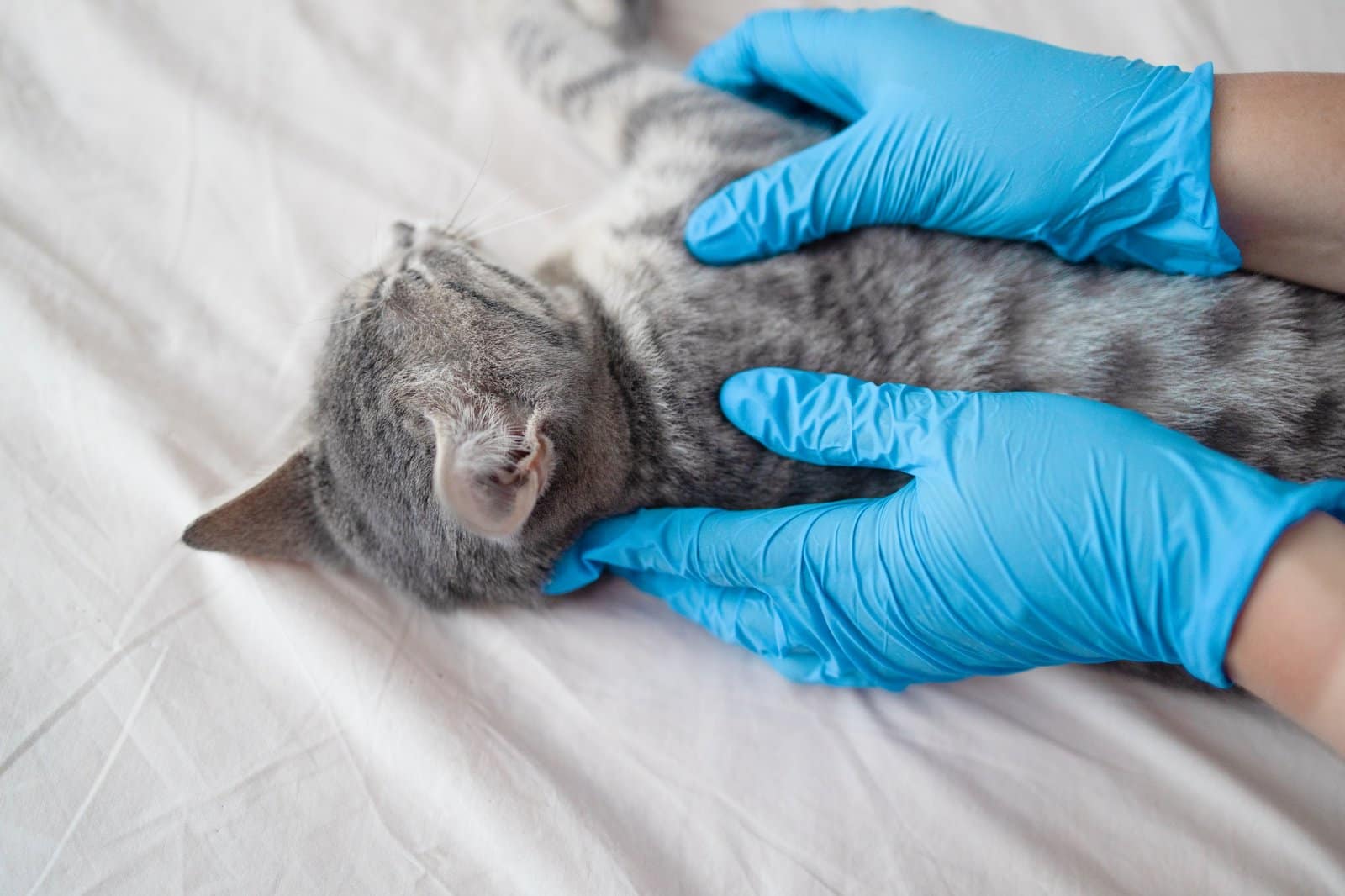
Cat Giving Birth: What to Expect, What to Do First, and When to Call a Vet
If your cat is giving birth (in labor), your job is usually simple: set up a calm nest, monitor progress, and only step in if something is clearly wrong.
This guide covers:
Signs labor is within 48 hours
The 3 stages of cat labor
How long between kittens is normal
The exact “call the vet now” red flags
If your cat is actively pushing right now, start with the “Do this first” checklist below.
This article is for general guidance and doesn’t replace veterinary care—when you’re unsure, call your vet or an emergency clinic.
If your cat is in labor right now — do this first
Make the room quiet + warm. Keep kids/other pets out.
Let her choose the nest. Once she settles, don’t keep moving her.
Watch, don’t hover. Stay nearby only if she seems to want you there.
Start a timer + notes. Write down when active straining starts and when each kitten is born.
Have clean towels ready. Only use them if a kitten needs gentle drying/rubbing.
Save your vet and emergency clinic number now (so you’re not searching mid-birth).
If she seems stressed because you’re watching, give privacy and check in every 10–15 minutes.
Call your vet / emergency clinic right away if:
Active straining continues for 20–30 minutes with no kitten, or she looks exhausted/distressed.
A kitten is visible/stuck and not moving forward within 1–2 minutes of strong pushing.
Heavy bleeding, collapse, extreme weakness, or severe pain.
Green or bloody discharge BEFORE the first kitten (this can signal a problem).
You suspect she’s done, but she keeps actively contracting, crying, or worsening instead of settling to nurse.
When in doubt, call. It’s always safer to check than to wait.
What’s normal during cat labor? (quick reassurance)
Cat labor can look messy and intense. Common normal signs include:
Nesting, Verstecken, pacing, panting, and louder meows
Pauses between kittens while she licks, rests, and nurses
Dark green/black material when a placenta passes after a kitten
Usually you don’t need to help unless a kitten isn’t breathing, mom doesn’t open the sac, or a kitten is clearly stuck.
Signs your cat will give birth in the next 0–48 hours (checklist)
You may see several of these at once:
She nests (digs bedding, chooses a hidden spot, returns to the same place)
She becomes ruhelos (pacing, getting up/down repeatedly)
Appetite drops (may refuse food)
More vocal than usual (or unusually quiet and withdrawn)
Panting or fast breathing during rest periods
She wants you very close oder wants complete privacy (both can be normal)
A small amount of clear/whitish discharge may appear (mucus plug)
Rufen Sie einen Tierarzt. if you see green or bloody discharge before any kittens are born, or if she seems unwell.
If you haven’t been tracking temperature, don’t worry—behavior + progress matters most.
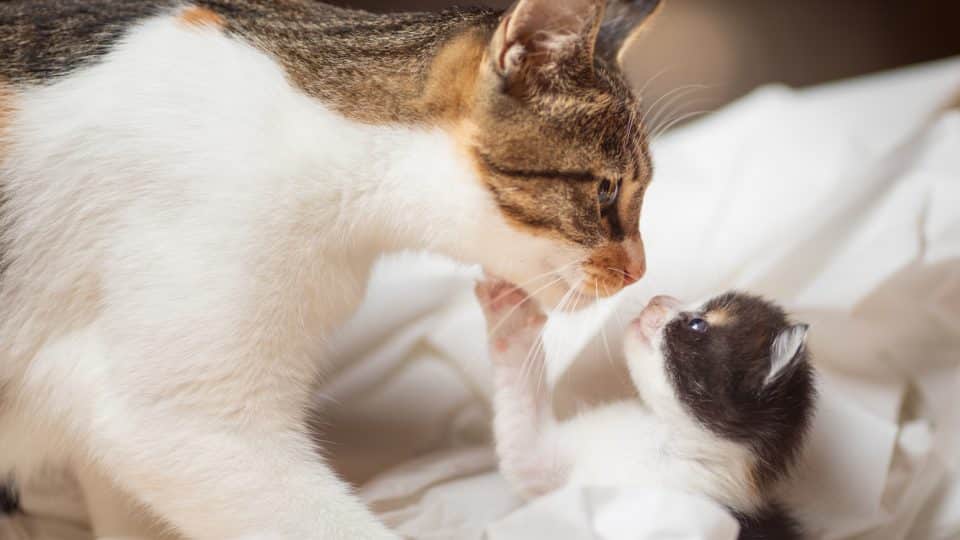
Cat labor stages + timeline (at a glance)
Quick answer (due date): Most cats give birth about 9 weeks after mating. If you don’t know the mating date, the “Signs in the next 0–48 hours” section above is the most reliable way to prepare.
If you have a full pregnancy timeline article, link it here. Then return to this guide for what to do in the final 48 hours and during active labor.
| Stage | What you’ll see | Typical pattern | Call vet if… |
|---|---|---|---|
| Stage 1: Early labor | Restless, nesting, panting, clingy or hiding | Can last several hours | Severe distress, collapse, heavy bleeding |
| Stage 2: Active labor (kittens are born) | Strong pushing/straining; kitten delivery | First kitten often arrives within an hour of strong straining; breaks can happen | 20–30 min hard straining with no kitten; kitten stuck 1–2 min |
| Stage 3: Placentas | Dark green/black placenta after a kitten | Usually one placenta per kitten; she may eat them | Foul smell, worsening weakness, ongoing heavy bleeding |
Quick rule: breaks are often okay if mom is calm and kittens are nursing; continuous hard straining without progress is not.
How long does cat labor usually last?
Many cats deliver their litter within several hours, but timing varies. Focus less on the clock and more on steady progress:
kittens arriving over time
mom recovering between kittens
no prolonged hard straining without results
How long between kittens is normal?
It’s common for cats to pause between kittens while they lick, nurse, and rest.
Often normal:
Short breaks while she cleans and settles the newborn(s)
Mom looks calm, breathing normalizes, and she returns to labor later
Be concerned and call a vet if:
She has strong, ongoing straining and no kitten is arriving
She seems distressed, exhausted, collapses, or is bleeding heavily
A kitten is visible but not progressing
Tip: Track time from the start of strong straining, and note each kitten’s arrival. Progress matters more than exact minutes.
Interrupted labor: can kittens be born hours apart?
Sometimes a queen may pause labor for longer breaks (especially with larger litters).
A longer break may be okay if:
Mom is calm, not actively straining
She’s nursing/cleaning kittens
She isn’t worsening or in obvious pain
Call a vet if:
She looks unwell, weak, feverish, or in severe pain
There’s foul-smelling discharge, heavy bleeding, or ongoing distress
She resumes hard straining but no kitten arrives (see red flags above)
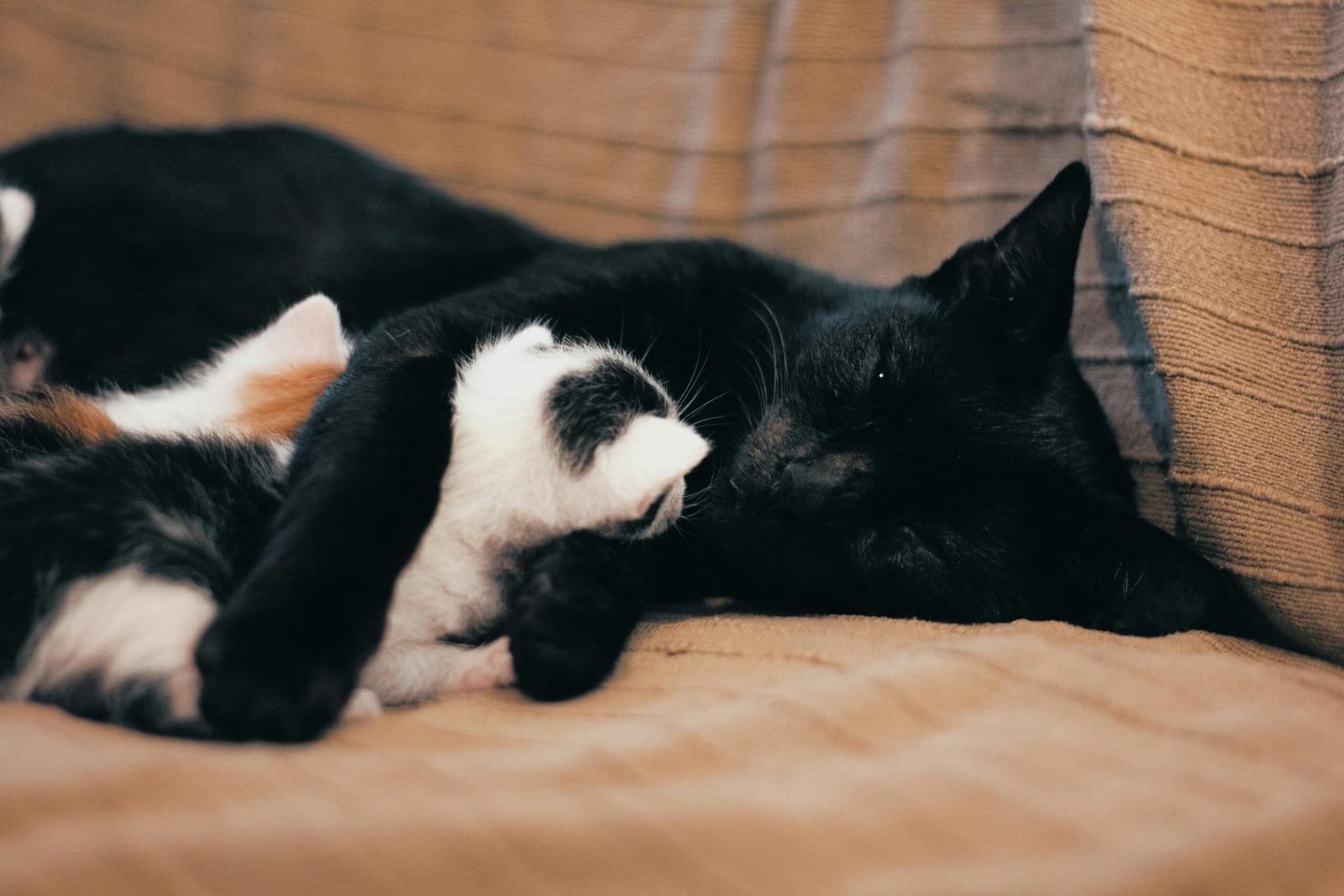
Preparing for Labor and Birth
By the time labor starts, your main job is to keep things quiet, warm, and low-stress. Here’s simple prep that helps most births go smoothly.
Set up a safe, quiet space
Choose a warm, draft-free room with low traffic
Provide a nesting box or cozy corner with washable bedding
Keep other pets and children away
Basic supplies to have nearby
Clean towels or rags
Disposable gloves (optional)
Unwaxed dental floss + clean scissors (rare emergency use)
A small box + heating pad on low or warm water bottle (for a weak kitten if needed)
Your vet + emergency clinic phone numbers
Deeper explanation of the 0–48 hour signs
- Nesting and seclusion: She stays in her chosen nest or keeps returning to it, often wanting a hidden spot.
- Drop in appetite: Refusing food for a day can happen as labor approaches.
- Restlessness and different meowing: Pacing, digging bedding, getting up/down repeatedly; some cats get clingy, others want to be alone.
- Body temperature drop (optional): A drop below ~100°F (37.8°C) can occur, but don’t rely on temperature alone.
- Visible contractions or discharge: You may see abdominal rippling/tensing, and sometimes a small amount of clear/whitish discharge.
If you see blood-tinged or green discharge before any kittens, call a vet.
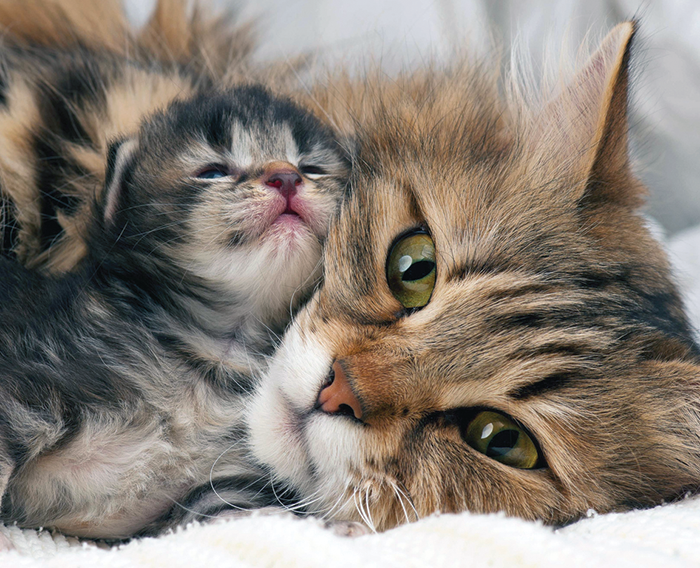
Stages of labor and delivery (detailed)
If you want the quick version, use the “timeline at a glance” above. Here’s what each stage looks like in more detail:
Stage I – Early labor
This stage is when the cervix dilates and contractions begin. You may notice:
restlessness, panting, nesting
occasional vocalizing (purring, meowing, growling)
she may tense up but not visibly strain yet
Stage II – Active labor (birth of kittens)
This is when you’ll see strong abdominal pushing/straining. A kitten is often delivered within 10–60 minutes of strong straining.
Kittens may come head-first or hind-feet first (both can be normal).
After birth, mom usually licks the kitten, opens the sac if needed, chews the cord, and stimulates breathing.
Breaks between kittens are common. During these rests, she’ll clean and settle the newborns.
If you see red flags (hard straining with no kitten, stuck kitten, heavy bleeding, green/bloody discharge before the first kitten), jump to the “Call your vet” section near the top.
Stage III – Delivery of placentas
With or right after each kitten, the placenta (afterbirth) is passed. It often looks dark greenish-black, which can be normal.
There should be one placenta per kitten.
Mom may eat some or all placentas.
You generally don’t need to intervene unless:
a placenta is hanging out for more than a few minutes and mom seems distressed
there’s a foul smell, worsening weakness, or heavy bleeding
you suspect a placenta is retained and mom becomes unwell afterward
Want the full pregnancy timeline?
Quick answer (due date): Most cats give birth about 9 weeks after mating. If you don’t know the mating date, the “signs in the next 0–48 hours” section below is the most reliable way to prepare.
Today, we’ll focus on what happens in the final 0–48 hours, what’s normal during labor, and exactly when to call a vet.
:max_bytes(150000):strip_icc():focal(749x0:751x2)/cat-1-5079166259554c4583a1ddabacdcf4dd.jpg)
Your Role During the Birth
Cats usually do fine without help, and interfering can stress the mother. Think of yourself as an observer and quiet support.
Should I stay with my cat while she gives birth?
Stay nearby only if she seems comforted by you. If she appears tense or stops progressing because you’re watching, give her privacy and check in periodically.
What supplies should I have ready?
Keep towels, basic supplies, and vet numbers within reach. Most of the time you won’t need to use anything—being prepared reduces panic.
When should I intervene?
Intervene only if it’s clearly necessary:
Sac not opened: If a kitten is born in the sac and mom doesn’t open it within ~30 seconds, gently tear the sac near the face and clear the nose/mouth.
Not breathing: Rub briskly with a towel to stimulate breathing, then return to mom.
Cord not chewed: Rarely, you may need to tie off with floss about 1 inch from the kitten and cut on the mom’s side.
Do not pull hard on a kitten. If a kitten is stuck, this is usually a vet emergency. Gentle assistance is risky and best done with veterinary guidance.
Keep the atmosphere calm
Keep lights dim, voices low, and the room quiet. Calm reduces stress, and stress can slow labor.
Count kittens and placentas
Track each kitten and (ideally) each placenta. If you know how many kittens were expected (x-ray/ultrasound), that’s helpful. If not, focus on whether mom settles and symptoms improve after delivery.

After the Kittens Arrive
After birth, the queen should switch to caring for her kittens—nursing, grooming, and keeping them close.
How to tell if your cat is done giving birth
Often she is finished if:
active contractions stop
she settles to nurse and clean kittens
she appears calmer and more comfortable
Rufen Sie einen Tierarzt. if you think she’s done but she keeps actively contracting, seems in pain, worsens, or has heavy bleeding.
What to do next
Ensure kittens begin nursing within the first hour or two (colostrum is important).
Keep food and water close—nursing takes a lot of energy.
Keep bedding clean and dry (change it when mom takes a break).
If mom ignores kittens, seems confused, or kittens are cold/weak, call your vet.
A vet check for mom and babies in 1–2 days is a good idea to ensure no retained placenta/infection and that kittens are doing well.
Schlussfolgerung
Supporting your cat through labor doesn’t mean doing it all for her — it means creating a calm space, watching closely, and stepping in only when absolutely necessary. For the most part, your role is to observe, reassure, and celebrate.
Every queen is different, but with this knowledge and some gentle support, you’ll help your cat bring new life into the world safely. Before you know it, you’ll be watching a pile of sleepy kittens snuggled next to their proud mama.
Wir würden uns freuen, Ihre Geschichte zu hören. Teilen Sie Ihre Erfahrungen, Werden Sie Teil unserer gemütlichen Gemeinschaft von Katzenliebhabern bei SnuggleSouls. Lasst uns gemeinsam jeden kostbaren, schnurrhaarigen Moment feiern.
FAQs
How can I tell if my cat is going into labor soon?
Look for signs like nesting behavior, restlessness, refusal to eat, and body temperature dropping below 100°F. Some cats also become more vocal or seek seclusion.
How long does cat labor usually last?
Labor often lasts 4 to 6 hours, but can take longer with large litters or if interrupted labor occurs. Each kitten is typically born 10–60 minutes apart.
What should I do if a kitten gets stuck during birth?
If a kitten is halfway out for more than 1–2 minutes and the mother can’t deliver it, call your vet immediately. Gentle assistance is sometimes possible but risky without guidance.
Is it normal for my cat to eat the placenta?
Yes. Cats instinctively eat the placenta for nutrition and to remove birth scent trails. It’s completely normal and usually safe.
Should I help my cat during labor?
Only assist if absolutely necessary (e.g., clearing a sac if she doesn’t, or gently stimulating a non-breathing kitten). Most cats deliver safely with minimal human help.
Referenzen
Root Kustritz, M. V. R. (2005). Pregnancy diagnosis and abnormalities of pregnancy in the dog and cat. Theriogenologie, 64(3), 621–630. https://www.sciencedirect.com/science/article/abs/pii/S0093691X05001706?via%3Dihub
Concannon, P. W. (2009). Reproductive cycles of the domestic cat. Animal Reproduction Science, 124(3–4), 195–209. https://www.sciencedirect.com/science/article/abs/pii/S0378432010004136?via%3Dihub
England, G. C. W., & Russo, M. (2006). Observations on parturition in queens. Zeitschrift für Katzenmedizin und -chirurgie, 8(1), 17–20.
Davidson, A. P. (2012). Care of the pregnant queen. In J. D. Bonagura & D. C. Twedt (Eds.), Kirk’s Current Veterinary Therapy XV (pp. 978–982). Saunders Elsevier.












 EN
EN DE
DE ES
ES PT
PT