
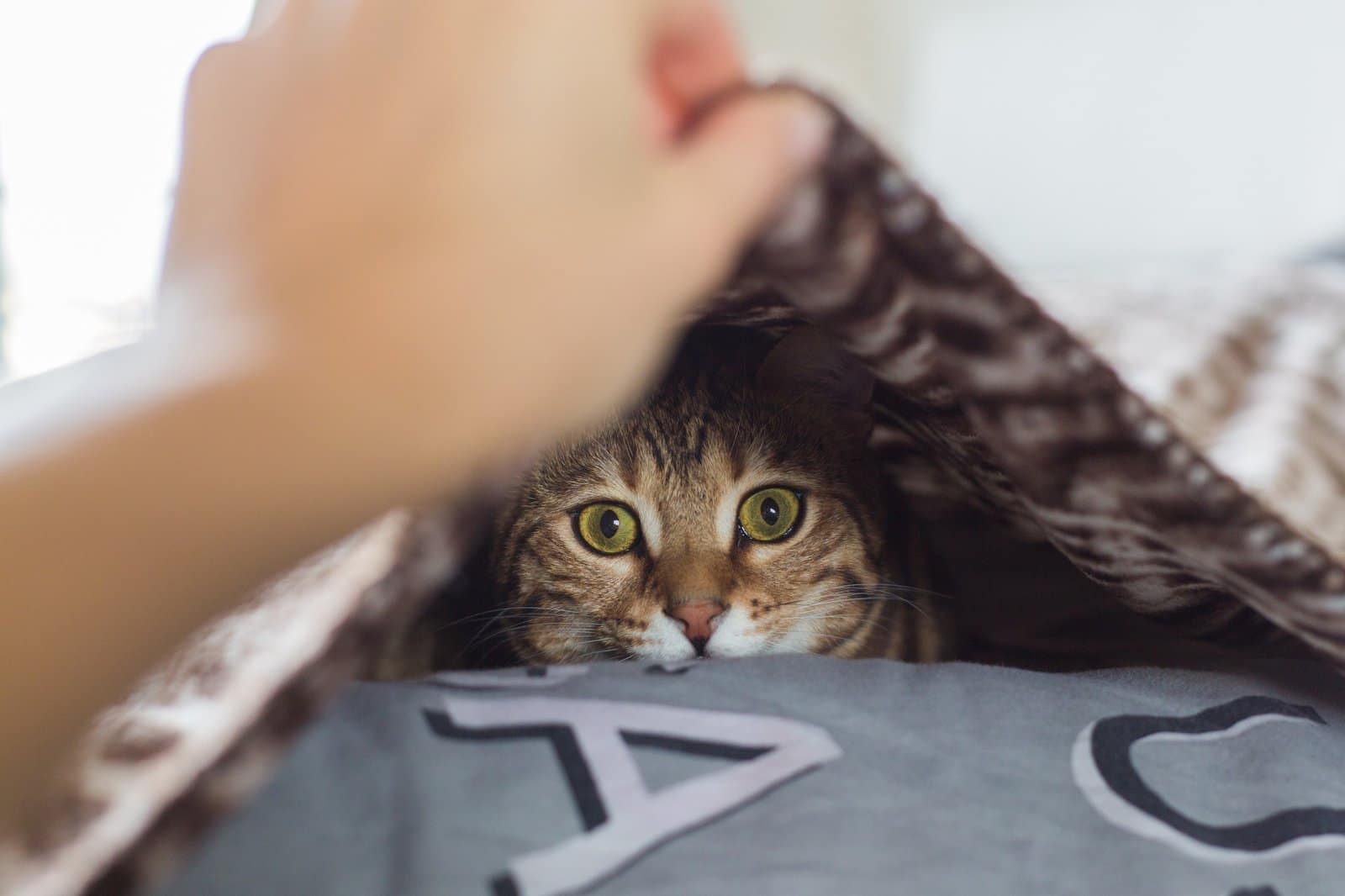
Why is my cat hiding? In most cases, hiding is normal—cats retreat to feel safe during stress, change, or overstimulation. But sudden hiding (especially with not eating, low energy, or litter box changes) can also be an early sign of illness.
This guide walks you through the most common reasons cats hide, what you can do today to helpy el red flags that mean it’s time to call your vet.
Quick answer: why cats hide
Most cats hide because they’re trying to feel safe. Common triggers include loud noises, visitors, changes at home, new pets, or a scary experience (like the vet). Hiding becomes more concerning when it’s new, intense, or paired with behavior/health changes.
If your cat is hiding suddenly and also isn’t eating, seems lethargic, vomits repeatedly, or has litter box changes, call your vet for advice.
Tip: Don’t force them out. Support them by making the environment quieter, predictable, and rich with safe hideouts.
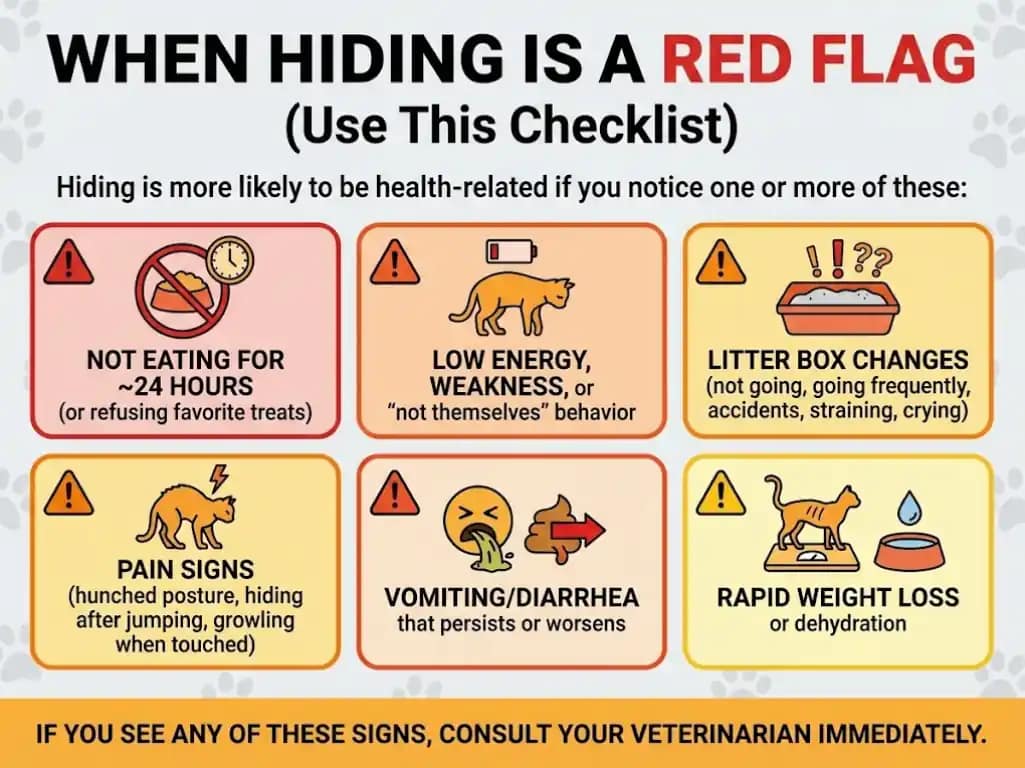
When hiding is a red flag (use this checklist)
Hiding is more likely to be health-related if you notice one or more of these:
Not eating for ~24 hours (or refusing favorite treats)
Baja energía, weakness, or “not themselves” behavior
Litter box changes (not going, going frequently, accidents, straining, crying)
Pain signs (hunched posture, hiding after jumping, growling when touched)
Vomiting/diarrhea that persists or worsens
Rapid weight loss or dehydration
If any of these are present, contact your veterinarian—cats often hide discomfort.
Urgent note: Si su gato es straining to pee, producing only a few drops, or crying in the litter box, seek urgent veterinary help (urinary issues can escalate quickly).
El profundo instinto de ocultarse
If you’re wondering “Why is my cat hiding?”, you’re not alone—and in many cases, hiding is completely normal. For cats, hiding isn’t a quirky habit. It’s a hardwired survival instinct that helped their ancestors stay alive long before indoor living rooms and cozy beds existed.
Even in a safe home, cats still rely on that ancient “safety-first” wiring. In the wild, small cats survived by balancing curiosity with caution. A good hiding spot wasn’t just comfort—it could mean the difference between life and death. Cats used hidden spaces to rest, observe, avoid threats, and recover from injuries.
Why cats hide in modern homes
When new cat parents ask us at SnuggleSouls, we explain it this way: hiding is a form of self-protection and self-regulation. It helps cats:
Reduce overwhelming noise or activity
Control how much interaction they get
Feel secure while they process change
Decide when they’re ready to re-engage
So if your cat disappears under the bed, it doesn’t automatically mean they don’t trust you. Often, it simply means their instincts are telling them: “Pause. Get safe. Then reassess.”
Common situations that trigger hiding
Many cats hide more during moments that feel unpredictable or intense, such as:
After a sudden loud noise (vacuum, dropped object, shouting)
When guests or unfamiliar people enter the home
During thunderstorms, fireworks, or other booming sounds
After a vet visit or car ride
When introducing a new pet, baby, roommate, or even new furniture
In each case, your cat is doing what cats do best: finding shelter until the situation feels safe again.
How to help without forcing them
The most supportive thing you can do is provide multiple “retreat zones” around your home so your cat can choose where they feel safest. These don’t need to be expensive or fancy—simple, quiet hiding spots often work best.
En SnuggleSouls, we recommend:
Turning part of a cat tree into a semi-covered nook with a soft blanket
Setting up a cozy box or covered bed in a low-traffic corner
Offering hiding options at different heights (low + elevated) for choice and comfort
Leaving a closet door slightly open only if it’s safe and your cat won’t get trapped
From your cat’s perspective, the ability to choose when and how to hide isn’t a luxury—it’s emotional security. And when you respect that choice, you build trust faster than any coaxing ever could.
“Does my cat hate me if they hide a lot?”
This is one of the most common worries we hear. Here’s the truth:
When you let your cat hide without pressure, you’re speaking their language. You’re telling them: “You’re safe here. You’re in control.”
And that sense of control is often what helps them come out sooner—confidently and calmly.
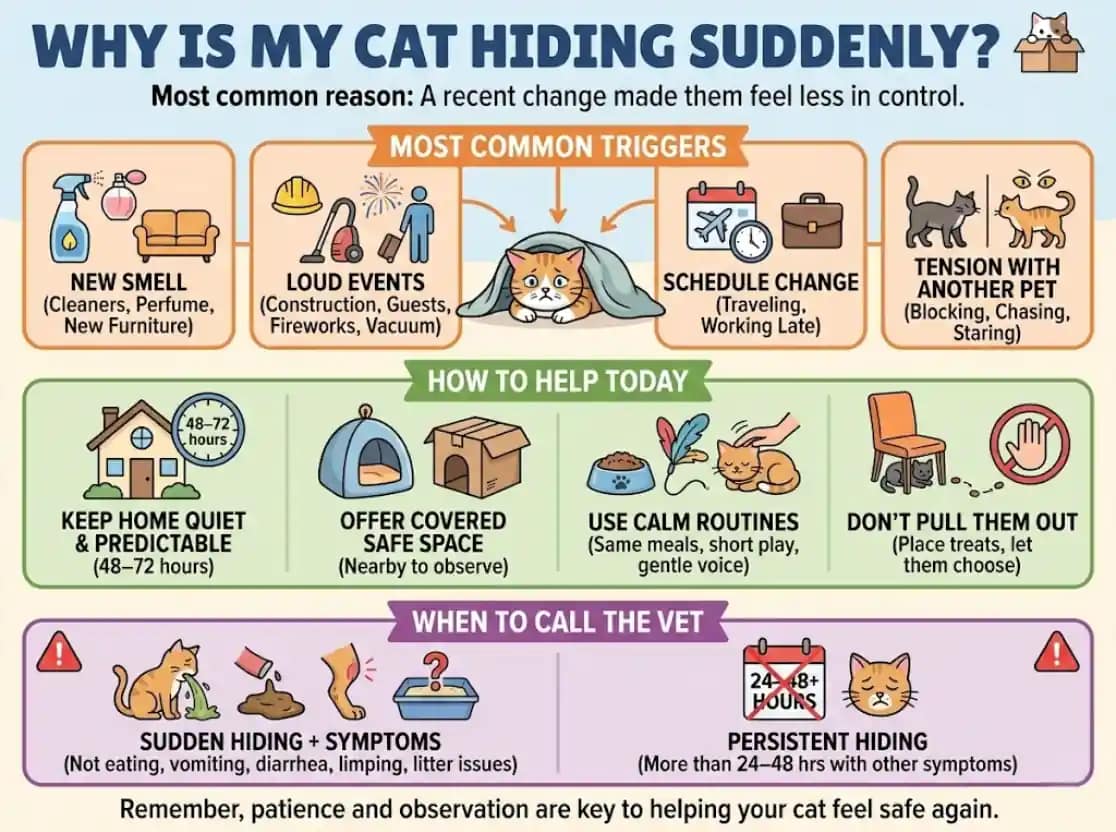
Why Is My Cat Hiding Suddenly?
If you’re asking “why is my cat hiding suddenly?”, the most common reason is a recent change—even a small one—made your cat feel less in control.
Most common triggers
A new smell (cleaning product, perfume, new furniture)
Loud events (construction, guests, fireworks, vacuum)
A schedule change (you traveling, working late)
Tension with another pet (blocking, chasing, staring)
How to help today
Keep the home quiet and predictable for 48–72 hours
Offer a covered bed/box nearby so they can observe safely
Use calm routines: same meal times, short play sessions, gentle voice
Don’t pull them out—place treats near the hiding spot and let them choose
When to call the vet
Sudden hiding más not eating, vomiting, diarrhea, limping, or litter box changes
Hiding persists more than 24–48 hours with other symptoms
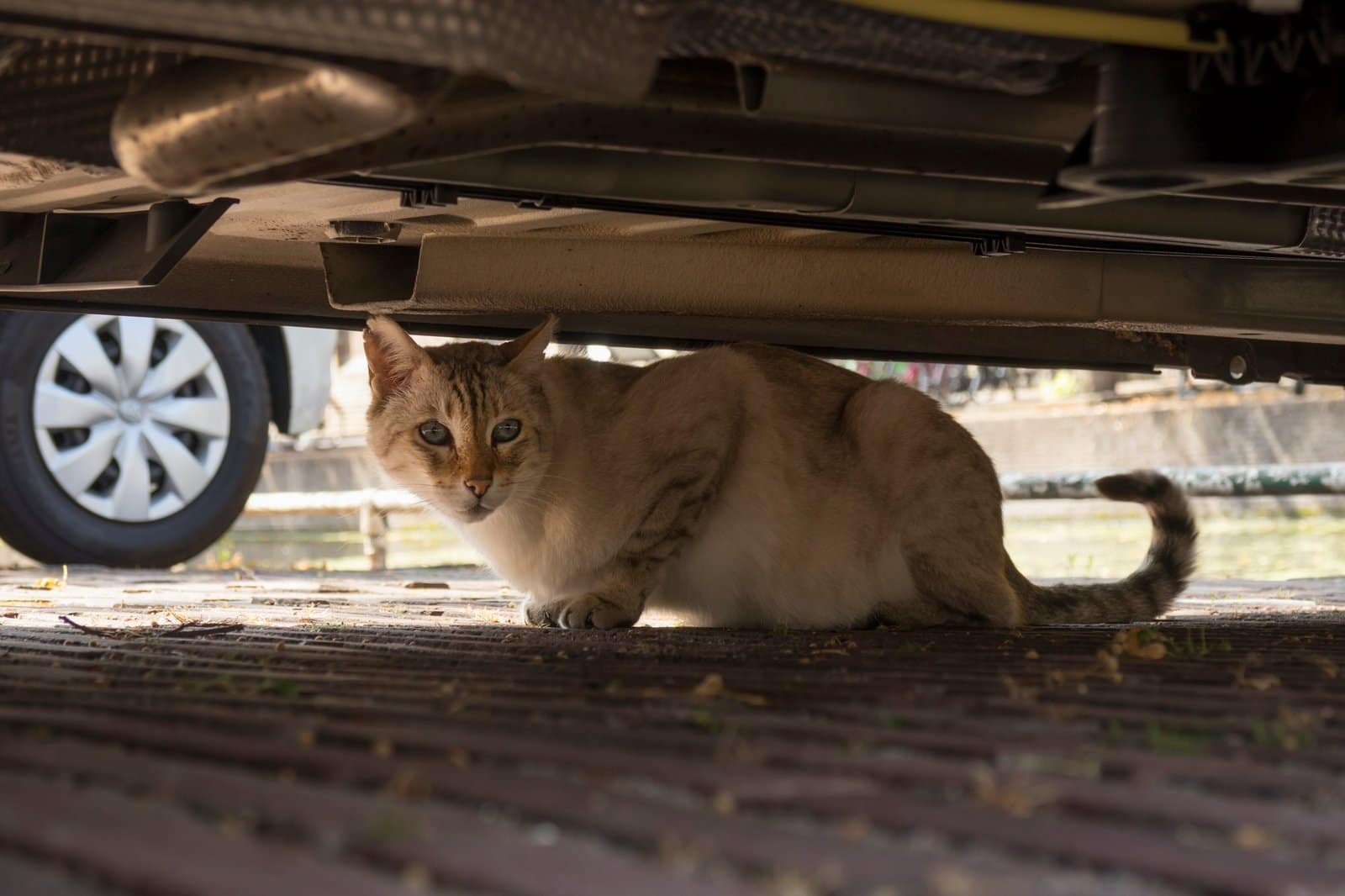
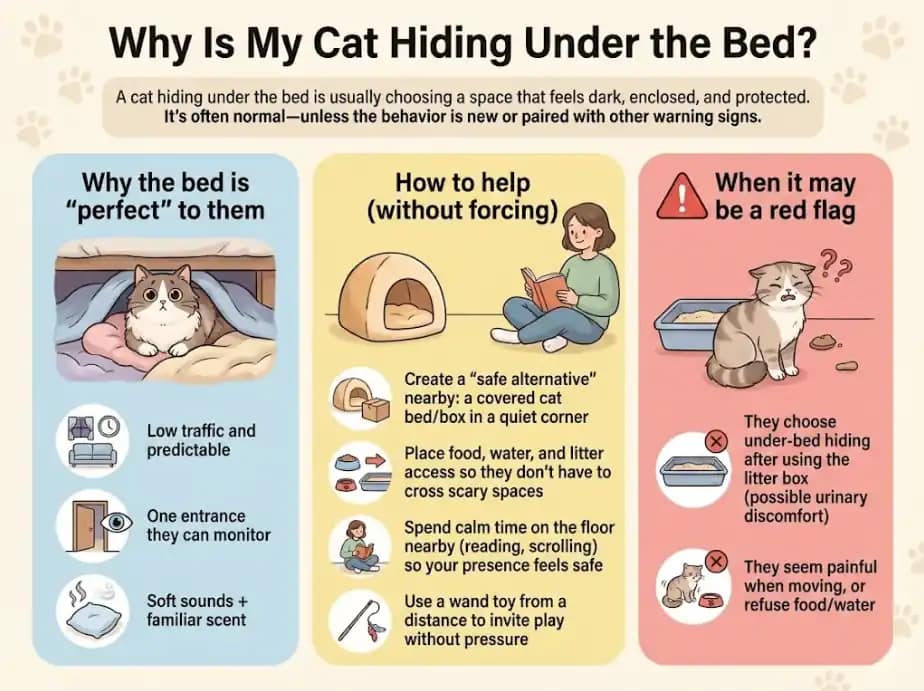
Why Is My Cat Hiding Under the Bed?
A cat hiding under the bed is usually choosing a space that feels dark, enclosed, and protected. It’s often normal—unless the behavior is new or paired with other warning signs.
Why the bed is “perfect” to them
Low traffic and predictable
One entrance they can monitor
Soft sounds + familiar scent
How to help (without forcing)
Create a “safe alternative” nearby: a covered cat bed/box in a quiet corner
Place food, water, and litter access so they don’t have to cross scary spaces
Spend calm time on the floor nearby (reading, scrolling) so your presence feels safe
Use a wand toy from a distance to invite play without pressure
When it may be a red flag
They choose under-bed hiding after using the litter box (possible urinary discomfort)
They seem painful when moving, or refuse food/water
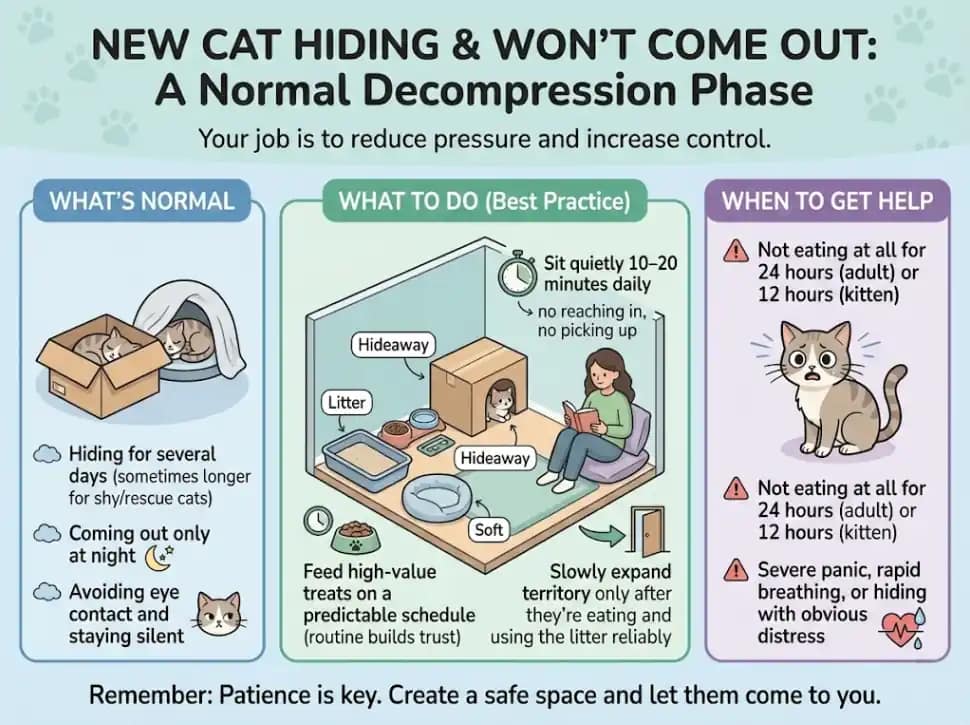
New Cat Hiding and Won’t Come Out
If you just brought a cat home and they’re hiding nonstop, it’s usually a normal decompression phase. Your job is to reduce pressure and increase control.
What’s normal
Hiding for several days (sometimes longer for shy/rescue cats)
Coming out only at night
Avoiding eye contact and staying silent
What to do (best practice)
Start with one small room: food, water, litter, bed, and a hideaway
Sit quietly 10–20 minutes daily—no reaching in, no picking up
Feed high-value treats on a predictable schedule (routine builds trust)
Slowly expand territory only after they’re eating and using the litter reliably
When to get help
Not eating at all for 24 hours (adult) or 12 hours (kitten)
Severe panic, rapid breathing, or hiding with obvious distress
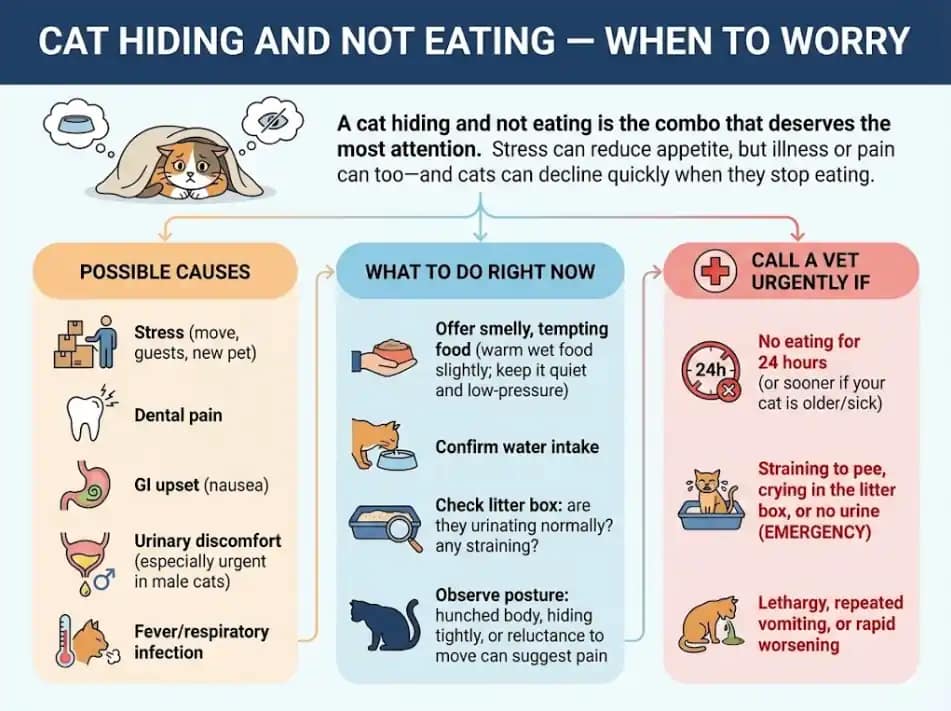
Cat Hiding and Not Eating — When to Worry
A cat hiding and not eating is the combo that deserves the most attention. Stress can reduce appetite, but illness or pain can too—and cats can decline quickly when they stop eating.
Possible causes
Stress (move, guests, new pet)
Dental pain
GI upset (nausea)
Urinary discomfort (especially urgent in male cats)
Fever/respiratory infection
What to do right now
Offer smelly, tempting food (warm wet food slightly; keep it quiet and low-pressure)
Confirm water intake
Check litter box: are they urinating normally? any straining?
Observe posture: hunched body, hiding tightly, or reluctance to move can suggest pain
Call a vet urgently if
No eating for 24 hours (or sooner if your cat is older/sick)
Straining to pee, crying in the litter box, or no urine (emergency)
Lethargy, repeated vomiting, or rapid worsening
Stress and Environmental Changes (Why cats hide when the home changes)
Cats are incredibly sensitive to changes in their environment. Even small disruptions—new smells, new sounds, furniture moved a few feet—can trigger stress. When a cat feels uncertain, hiding is a normal, self-protective coping behavior.
If you’re wondering “Why is my cat hiding all of a sudden?” and nothing medical seems obvious, a recent change at home is one of the most common reasons.
Common stress triggers that make cats hide
Cats often retreat to a quiet spot after:
Moving to a new home or apartment (new layout, unfamiliar scents, different noises)
Renovations or repairs (dust, strong odors, loud tools, unfamiliar people)
Nuevos miembros del hogar (a baby, a roommate, a partner, or frequent guests)
A new pet (even a calm dog can feel “too much” at first)
Furniture rearranged (their “territory map” changes)
Travel, boarding, or pet-sitting (disrupted routine + unfamiliar spaces)
Key idea: From your cat’s perspective, these aren’t “minor changes.” They can feel like their safety and territory are suddenly unstable.
Case example: Willow and the newborn
A sweet tabby llamado Willow disappeared inside her own home after her family brought home a newborn. For nearly three weeks, she stayed behind the washing machine and only came out at night. It wasn’t rejection—it was sensory overload. With time, quiet routines, and a stable “safe zone,” she slowly regained confidence.
How to help a stressed cat feel safe enough to come out
1. Keep the basics consistent
When life is changing, consistency is comfort. Try to keep:
Food and water in the same location
Mealtimes on a predictable schedule
Litter box placement and litter type unchanged
Bedding, blankets, and favorite items unwashed (so their scent stays)
Even one stable routine (like a consistent feeding time) can reduce stress.
2. Introduce changes slowly (one at a time)
If possible, avoid stacking multiple stressors at once. For example, don’t rearrange furniture y host guests y introduce a new pet in the same week. Small pacing changes can make a big difference.
3. Create a “safe zone” that never changes
A dedicated safe area helps your cat feel in control.
Safe zone checklist:
Quiet room or corner with low foot traffic
Food, water, litter box nearby (but not right next to each other)
Cozy hideaway (box, covered bed, carrier with blanket)
Familiar scents (their blanket, your worn T-shirt)
Optional: a high perch or cat tree for “vertical security”
If you’re moving: set up the safe zone first in the new home, then let your cat explore gradually from that base.
4. Add gentle calming support (optional)
Some cats benefit from:
Synthetic feline pheromone diffusers/sprays
Soft background sound (quiet music or cat-calming audio)
Juego interactivo in short sessions (2–5 minutes) to rebuild confidence
These aren’t magic fixes—but they can lower the “threat level” your cat feels.
5. Give time—don’t force it
Avoid pulling your cat out of hiding. Pressure often teaches them that coming out = scary things happen. Instead:
Sit nearby quietly
Offer a treat without reaching
Let them come to you on their own terms
How long is hiding “normal” after a change?
Many cats need a few days to 2 weeks to adjust after a move or household change. Shy or sensitive cats may take longer, especially if multiple changes happened close together.
Importante: If hiding is paired with red flags like not eating, lethargy, vomiting, diarrhea, or litter box changes, treat it as potentially medical and contact a vet.
Miedo, ansiedad y fobias
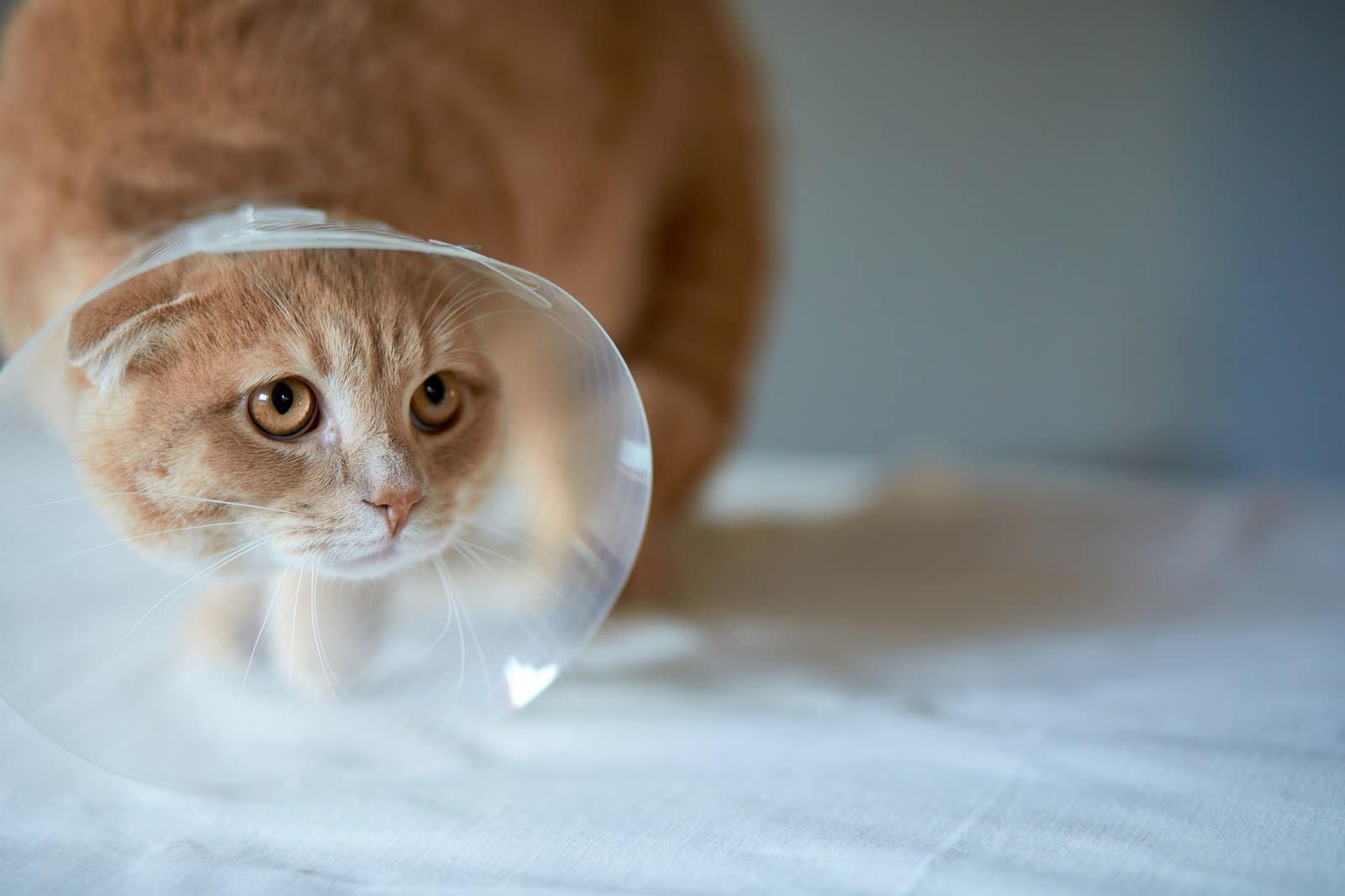
When a cat hides, fear is often the reason—especially if the hiding happens after loud sounds, visitors, or sudden changes at home. While a quick startle response is normal, ongoing anxiety or phobias can cause a cat to retreat for hours (or even days) because hiding helps them feel safe and in control.
Cats don’t “act scared” the way humans do. Instead, anxiety often shows up as avoidance behaviors—like staying under the bed, refusing to come out when guests arrive, or disappearing during storms.
Why fear makes cats hide
From a cat’s perspective, hiding isn’t stubbornness or “bad behavior.” It’s a self-protection strategy. When your cat feels overwhelmed, their nervous system goes into fight-or-flight, and hiding becomes the safest option: fewer triggers, fewer surprises, and more control.
Common fear triggers that lead to hiding
Cats can develop fears gradually (through repeated stress) or suddenly (after a single negative event). These triggers are especially common in real households:
Ruidos fuertes (thunderstorms, fireworks, vacuum cleaners, loud music)
Strangers and visitors (new faces, unfamiliar voices, unexpected movement)
Travel and vet visits (car rides, carriers, unfamiliar smells and handling)
Entornos imprevisibles (new pets, noisy children, changing routines, moving homes)
Signs your cat’s fear may be getting worse
If you notice any of the following patterns, your cat may be moving from “normal caution” into stronger anxiety:
Hiding for long periods even after the trigger is gone
Refusing treats or play when normally motivated
Sudden startle reactions to minor sounds
Aggression when approached in their hiding spot
Stress behaviors like over-grooming, litter box changes, or loss of appetite
If fear is paired with not eating, letargoo litter box changes, it’s smart to rule out illness with a vet check.
How to help a fearful cat feel safe (gentle, practical steps)
1. Don’t force them out
Resist the urge to pull your cat out of hiding. Forced interaction often confirms their fear and can damage trust.
2. Give them a “safe zone” near family life
Set up a covered bed, box, or cat cave in a quiet corner of a common room. This helps them feel included without being exposed.
3. Reduce the trigger (when you can)
During fireworks or storms: close curtains, play steady background noise, offer a hideaway
For guests: ask visitors to ignore your cat at first (no staring, no reaching)
For travel/vet trips: leave the carrier out year-round and reward calm exploration
4. Use positive reinforcement correctly
Reward brave choices, even tiny ones—like stepping out for a moment or watching guests from a perch. Treats + calm praise help teach: “This situation is safe.”
5. Go at your cat’s pace
Confidence grows through repetition and choice. Short, predictable exposures are better than “flooding” them with the scary thing.
Real-life example: “Luna and the visitors”
One cat we worked with, Luna, would hide high up whenever guests arrived. Her guardian wanted to coax her out, but we suggested a slower approach: let Luna watch from her perch, reward her calm behavior, and ask guests to ignore her. Over time, Luna began approaching visitors on her own—because the environment stopped feeling like a threat and started feeling predictable.
Acuérdate: Fear-based hiding doesn’t mean your cat is “broken.” It usually means they’re overwhelmed. With patience, routine, and gentle support, most cats become noticeably more confident—and many eventually learn that the world outside their hiding spot is safe again.
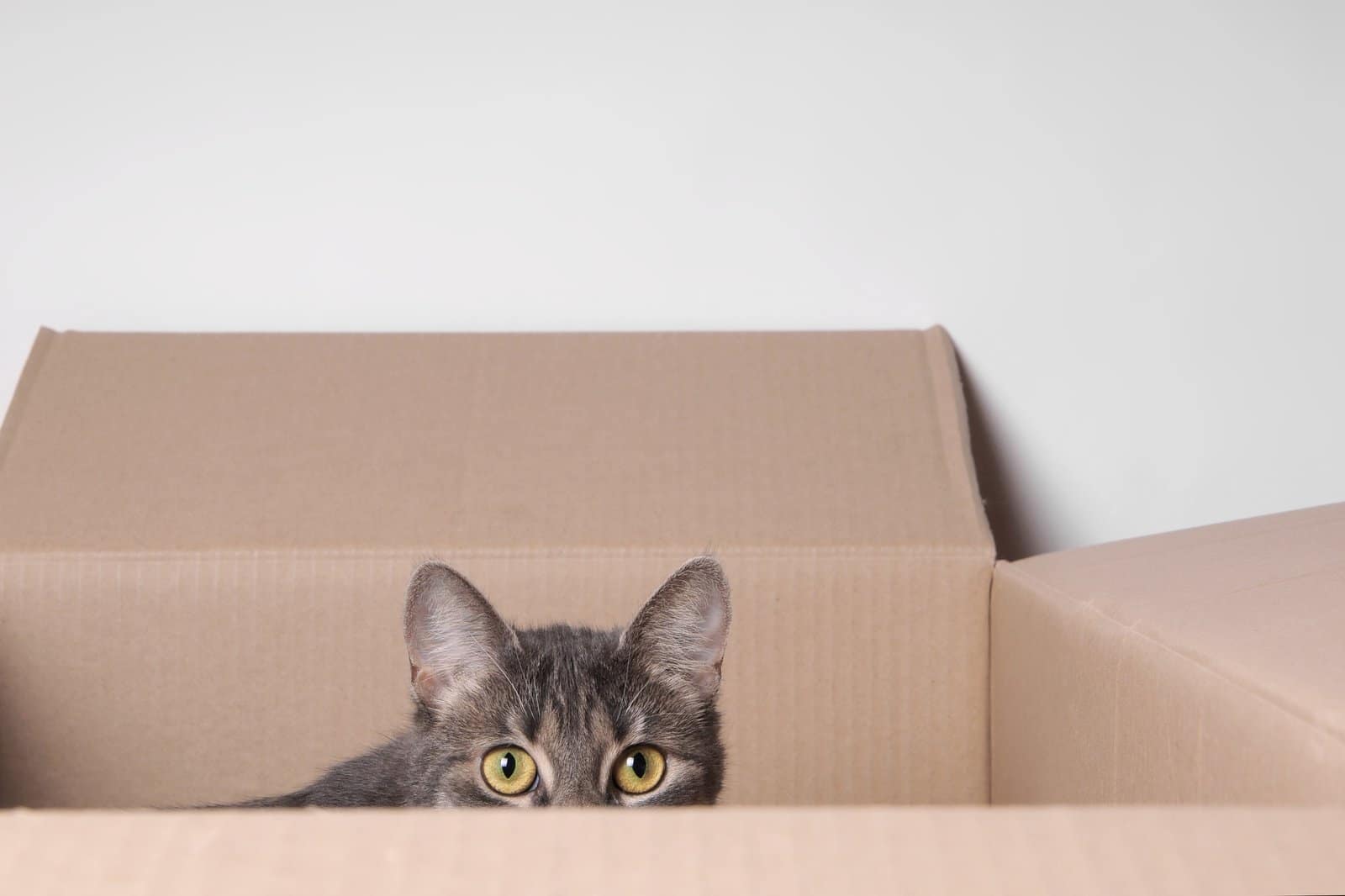
Sometimes, a hiding cat isn’t reacting to a loud noise or a busy day—it’s responding to past trauma. Cats who have experienced neglect, abandonment, abuse, or long periods of isolation may hide as a learned survival strategy. In a new home, “staying invisible” can feel safer than taking a risk.
If you’ve recently adopted a rescue cat or brought home a cat from a shelter, it’s especially common to see this pattern. A traumatized cat isn’t refusing love—they’re protecting themselves until trust feels safe again.
How Trauma Changes a Cat’s Behavior
Trauma can “rewire” how a cat interprets people and environments. Instead of seeing your hand as comfort, they may see it as unpredictable. Instead of treating your living room as safe territory, they may treat it as open exposure.
Their hiding isn’t rejection. It’s a coping tool.
Signs Your Cat’s Hiding May Be Trauma-Based
Look for patterns that last beyond normal adjustment:
Prolonged hiding (weeks to months), especially after adoption or rehoming
Aggressive reactions when approached in their hiding spot (hissing, swatting, biting)
Extreme startle responses to small movements or everyday sounds
Refusal to engage, even with familiar people over time
Avoidance of eye contact, touch, or open spaces, choosing only enclosed areas
Geo-friendly note: If you live in a high-noise area (busy roads, shared apartments, frequent visitors), trauma-based hiding can last longer because the environment is harder for sensitive cats to predict.
How to Help a Traumatized Cat Feel Safe (Step-by-Step)
1. Let Them Set the Pace (Trust Comes From Choice)
The most powerful thing you can offer is control. Let your cat decide when to approach, when to retreat, and how close is comfortable.
Don’t pull them out of hiding
Don’t chase, corner, or “force socializing”
Instead: sit quietly nearby, speak softly, and allow them to observe you
This tells your cat: "Aquí se respetan tus límites".
2. Create a Predictable Routine (Safety Through Consistency)
Traumatized cats relax faster when life is structured.
Feed at the same times diario
Keep the litter box, food, water, and bed in stable locations
Reduce sudden changes (furniture rearranging, loud TV volume, unpredictable guests)
In smaller homes or apartments: choose one “quiet zone” room or corner that stays consistent and low-traffic.
3. Use Scent to Build Familiarity (A Cat’s Love Language)
Cats rely heavily on scent to map safety.
Try this:
Place an unwashed blanket in their safe spot
Add a worn t-shirt (your scent = familiarity)
Avoid strong cleaners or air fresheners near their hideout
Scent-sharing helps your cat associate you with comfort without pressure.
4. Reward Brave Moments (Gentle Positive Reinforcement)
You’re looking for tiny wins—because tiny wins stack into trust.
If your cat peeks out: softly praise or blink slowly
If your cat steps closer: toss a treat gently (no direct staring)
If your cat stays in the room: reward with calm presence, not excitement
Keep rewards low-key so you don’t accidentally overwhelm them.
5. Expect Progress to Be Non-Linear (Patience Is the Treatment Plan)
Healing is rarely a straight line.
Some days your cat may explore more. Other days they may “reset” and hide again. That doesn’t mean you failed—it means your cat’s nervous system is learning what safety feels like.
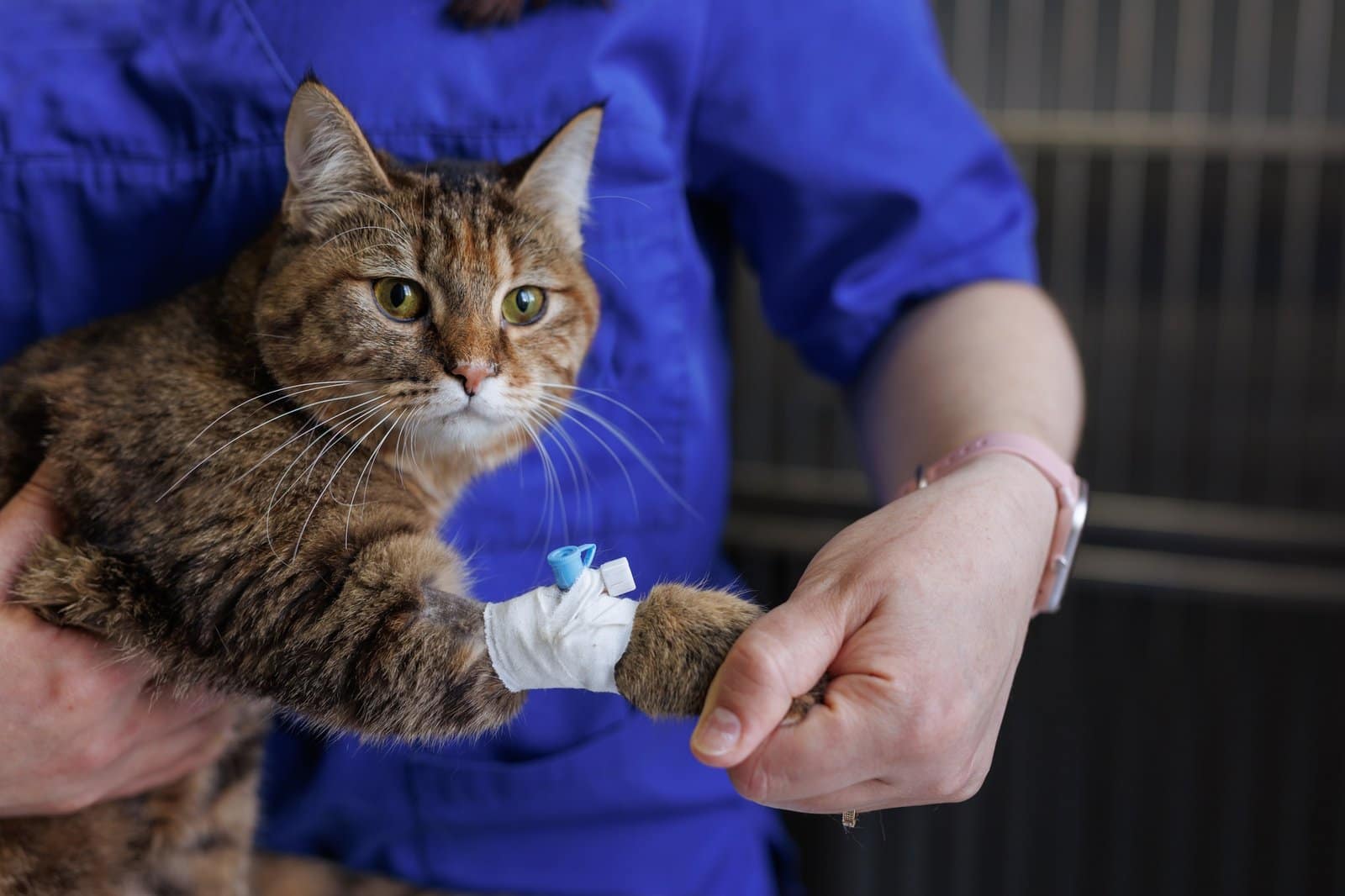
Creating a Truly Cat-Friendly Environment (So Your Cat Feels Safe Enough to Come Out)
If your cat is hiding more than usual, the solution isn’t sólo “more hiding spots.” A truly cat-friendly home environment supports your cat’s natural needs: climbing, observing, scratching, hunting (through play), resting, and retreating—without feeling overwhelmed.
When cats have control, choice, and safe routines, stress drops—and many cats become more confident in shared spaces.
Quick Checklist: A Cat-Friendly Home Has…
At least 1–2 vertical perches (cat tree/tower, shelves, window perch)
Daily routine for meals + play (even 10 minutes helps)
Stable scents (avoid constant deep-cleaning or strong fragrances)
Enrichment choices (rotate toys, puzzle feeders, tunnels)
Safe spaces near people (comfort without isolation)
1. Vertical Territory: Give Your Cat “Upward Space”
Cats feel safer when they can observe from above. Vertical territory is especially important in small homes, apartments/flats, or busy households.
Easy ways to add height (no major remodel required):
A sturdy cat tree/tower in a common area
A window perch (great for indoor cats)
A stable bookcase top with a folded blanket (only if safe + non-slip)
Consejo profesional: Place a perch near a window facing a quiet view (trees, birds, street activity). This boosts enrichment and can reduce boredom-related anxiety.
2. Predictable Routines: Make Life Feel “Knowable”
Cats thrive on patterns. A predictable day helps your cat’s nervous system relax—especially after changes like moving, visitors, or a new pet.
Build a simple routine:
Feed at consistent times (morning + evening works well)
Schedule juego interactivo once or twice daily (10–15 minutes)
Protect a quiet rest period where no one bothers them
When meals and play happen like clockwork, many cats spend less time hiding because their environment feels reliable.
3. Scent Stability: Keep “Home” Smelling Like Home
Scent is a cat’s map of safety. Too much cleaning, frequent rearranging, or strong air fresheners can make a home feel unfamiliar overnight.
Scent-friendly habits that help:
Wash bedding only when needed (not constantly)
Keep scratching posts where your cat uses them (they’re “marking” security)
Avoid heavy perfumes, essential oil diffusers, and strong cleaners around cat zones
Simple bonding trick: Gently rub a soft cloth on your cat’s cheeks (scent glands) and wipe it on their bed, cat tree, or favorite hideout. It quietly reinforces “this is mine, this is safe.”
4. Enrichment + Choice: Reduce Stress Before It Turns Into Hiding
Boredom and lack of outlets can lead to two extremes: overactivity or withdrawal (hiding). The goal is to offer options your cat can choose from—without pressure.
Low-cost enrichment ideas:
Rotate toys weekly (novelty matters)
Utilice comederos rompecabezas to mimic hunting/foraging
Offer cardboard boxes, tunnels, paper bags (handles removed)
Use cat-safe herbs like silvervine o valerian in moderation (if your cat responds well)
“Choose-your-own-adventure” play: Scatter a few safe toys around the room and let your cat decide whether to stalk, chase, or just watch. Choice builds confidence.
5. Safe Spaces Without Isolation: Comfort Near the Family
Hiding spots should feel like safe havens, not lonely prisons. If every hideout is far away (closets, under beds, back rooms), some cats accidentally learn isolation.
Better setup:
Add a covered bed/cubby near the sofa
Place a hideaway beside (not inside) high-traffic areas
Use a cat tree with an enclosed condo in the living room
Real-life example: A shy rescue cat named Bean initially hid only in a closet. When his guardian added a covered bed near the living room and a cat tree nearby, he started choosing “close but safe.” Over time, he began resting where he could be part of the household rhythm—without feeling exposed.
The Goal: Freedom, Not Forcing
A cat-friendly home isn’t about buying more gadgets. It’s about creating safe choices: height, routine, scent stability, enrichment, and nearby comfort.
When your cat feels in control of their space, they’re more likely to trade constant hiding for calm, confident presence—on their own timeline.
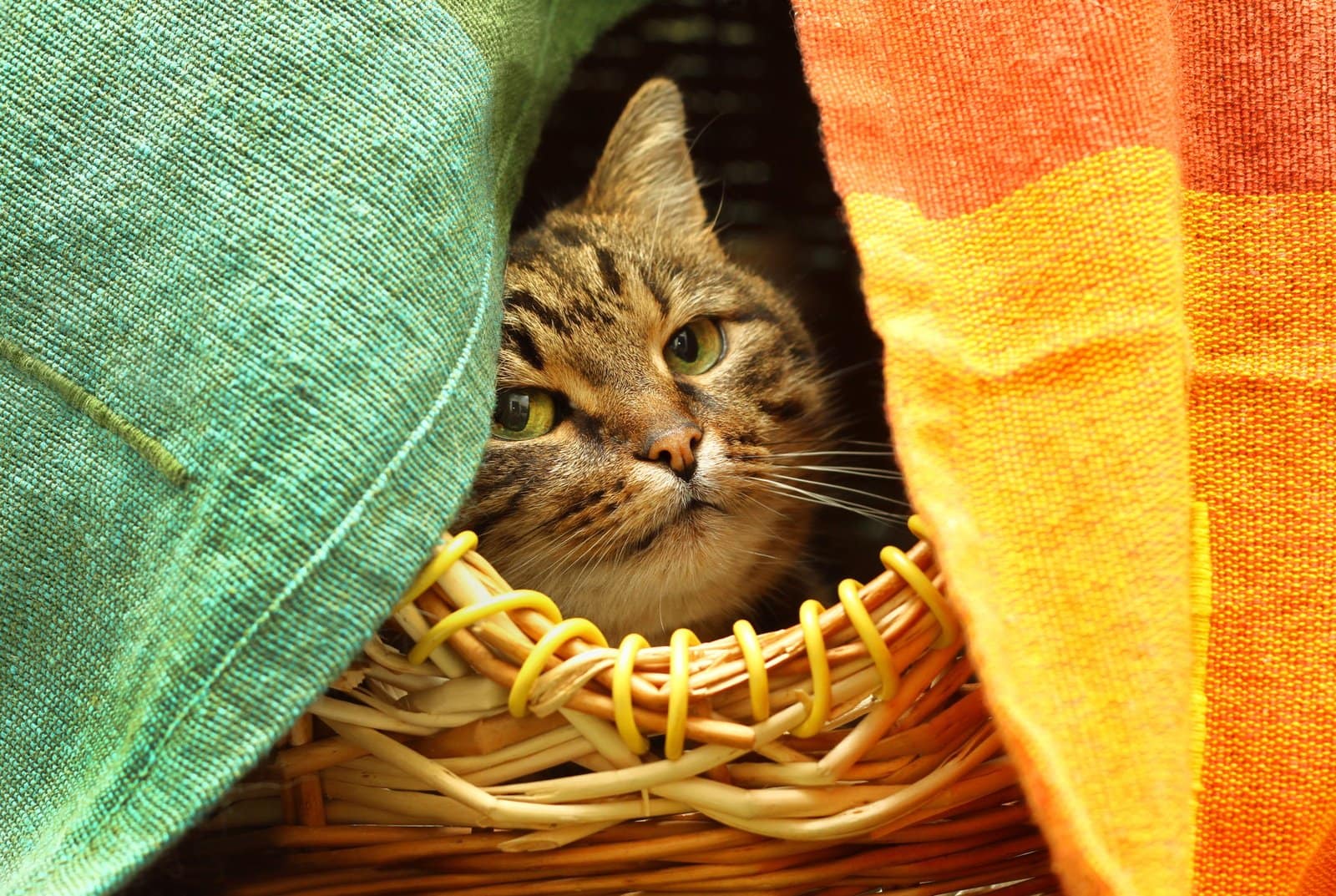
PREGUNTAS FRECUENTES
¿Cuánto tiempo es normal que un gato se esconda después de un gran cambio, como mudarse a un nuevo hogar?
Es completamente normal que un gato se esconda durante varios días o un par de semanas después de un cambio importante, como una mudanza. Algunos gatos especialmente sensibles pueden tardar incluso más. La clave es dejar que se adapten a su propio ritmo sin forzar las interacciones.
Ofrézcale un espacio seguro y tranquilo, mantenga rutinas familiares y sea paciente. Cada pequeño paso adelante -como comer en tu presencia o aventurarse a salir brevemente- es señal de que está recuperando poco a poco la confianza en sí mismo.
¿Debería obligar alguna vez a mi gato a salir de su escondite?
No, se lo desaconsejamos encarecidamente.
Obligar a un gato a salir de su escondite puede dañar su confianza y aumentar su miedo. Concéntrese en hacer que el entorno de su escondite sea seguro y acogedor. Siéntese cerca en silencio, ofrézcale golosinas, háblele en voz baja y deje que decida cuándo se siente preparado para salir.
El respeto es la base de la confianza, y la confianza requiere tiempo.
¿Cómo puedo saber si mi gato se esconde por un problema de salud y no sólo por estrés o timidez?
Esté atento a otros signos además del comportamiento de esconderse. Si su gato come menos (o no come en absoluto), pierde peso, se muestra letárgico, tiene dificultades para moverse o muestra cambios en los hábitos de la caja de arena, estos son fuertes indicadores de que puede tratarse de un problema médico.
En caso de duda, siempre es mejor programar una revisión veterinaria. Detectar un problema de salud a tiempo puede suponer una gran diferencia en el tratamiento y la recuperación.
¿Puedo hacer algo para evitar que mi gato desarrolle conductas de ocultación basadas en el miedo?
Aunque algunos escondites son naturales y saludables, puede minimizarlos creando un entorno agradable para los gatos:
- Provide consistent daily routines for feeding, play, and rest.
- Ensure access to vertical spaces and cozy hideaways.
- Introduce new experiences (people, pets, noises) gradually and positively.
Y lo que es más importante, deje siempre que su gato marque el ritmo de la exploración y la interacción.
Mi gato se esconde siempre que vienen visitas. Debería intentar socializarlos más?
Depende de la personalidad de su gato. Algunos gatos son sociables por naturaleza y se acostumbrarán a los invitados con el tiempo y una exposición positiva. Otros son más introvertidos y siempre prefieren observar desde una distancia segura.
El objetivo no es cambiar la personalidad de su gato, sino ayudarle a sentirse más cómodo.
Conclusión
Watching your cat peek out from their hiding spot—eyes soft, body relaxed, finally choosing to step toward you—is one of the quiet triumphs of life with a feline companion. In most homes, cat hiding is normal: it’s an instinctive way to feel safe, reduce stress, and control stimulation.
The key is learning to tell normal hiding behavior from potential red flags. If your cat is hiding de repente or hiding and not eating, seems lethargic, or shows changes in litter box habits, it’s wise to contact a veterinarian. Otherwise, you can help by offering calm routines, cozy hideouts, vertical spaces, and gentle encouragement—always on your cat’s timeline.
En SnuggleSouls, we believe every cautious nose poke, every brave step into the room, and every quiet moment of trust is worth celebrating. When you respect your cat’s need for space, you’re not “losing” connection—you’re building it.
What has your cat’s hiding journey looked like? Share their favorite safe spot, what helped them feel secure, or the small wins that made you smile. Join our community and swap stories, comfort, and practical tips—because every cat’s path to confidence deserves to be honored.
Referencias
Ellis, S. L. H., Rodan, I., Carney, H. C., Heath, S., Rochlitz, I., Shearburn, L. D., Sundahl, E., & Westropp, J. L. (2013). AAFP and ISFM Feline Environmental Needs Guidelines. Revista de Medicina y Cirugía Felina.
American Association of Feline Practitioners (AAFP). (2004). Feline Behavior Guidelines.
Buffington, C. A. T. (2002). Influencias externas e internas en el riesgo de enfermedad en gatos. Revista de la Asociación Americana de Medicina Veterinaria.
American Association of Feline Practitioners (AAFP). (2024). Intercat tension guidelines: recognition, prevention and management.
Kry, K., & Casey, R. (2007). The effect of hiding enrichment on stress levels and behaviour of domestic cats (Felis sylvestris catus) in a shelter setting and the implications for adoption potential. Animal Welfare, 16(3), 375–383.
Centro de Salud Felina de Cornell. (sin fecha). Infecciones respiratorias.
Centro de Salud Felina de Cornell. (sin fecha). Feline dental disease.













 EN
EN DE
DE ES
ES PT
PT