
If you’ve ever caught your cat staring at your dinner and wondered, “What can cats eat?”, you’re not alone. As cat parents, we want to share our food and treats—but we also don’t want to accidentally make our cats sick.
Katzen sind obligate Fleischfresser with unique nutritional needs. Their bodies process food very differently from ours, which means some human foods are safe, some should only be given in tiny amounts, and others are completely off-limits.
In this guide, we’ll walk through which human foods cats can and can’t eat, how much is safe, and simple rules so you can share snacks confidently.
Quick Answer – What Human Foods Can Cats Eat?
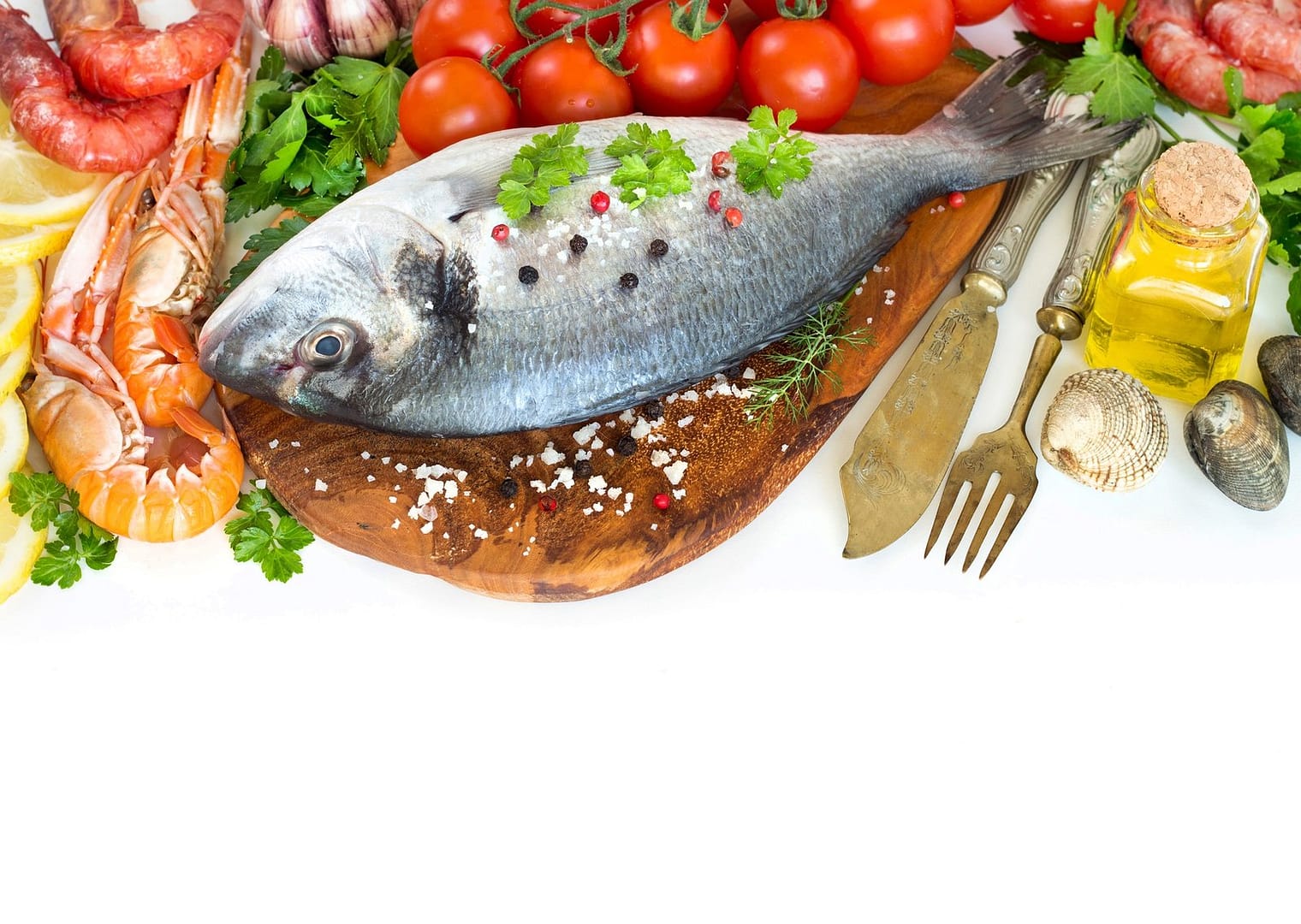
Healthy adult cats can safely enjoy small amounts of plain, cooked meat (chicken, turkey, beef, lamb), gekochter Fisch (wie Lachs or tuna in water), gekochte Eier, and tiny portions of certain fruits and vegetables (such as melon, banana, pumpkin, carrots, or green beans). All human foods must be unseasoned, boneless, and offered in moderation – no oil, butter, salt, onion, garlic, or sauces.
As a rule of thumb, all treats – including human foods – should stay under 10% of your cat’s daily calories. The remaining 90% or more should come from a complete and balanced cat food.
At-a-glance: Human foods most cats can eat in moderation
- Plain cooked meat: chicken, turkey, beef, lamb (boneless, skinless, no seasoning)
- Plain cooked fish: salmon, tuna, sardines, mackerel (deboned, no added salt or oil)
- Cooked eggs: scrambled or boiled, completely cooked, no butter or seasoning
- Fruits (tiny pieces only): banana, melon, blueberries, apple without seeds
- Vegetables (soft or finely chopped): pumpkin, carrots, green beans, peas, broccoli
- Plain grains (very small amounts): cooked rice or oatmeal, only if your cat shows interest
Important safety rules
- Introduce only one new food at a time, in fingertip-sized amounts.
- Watch for vomiting, diarrhea, gas, or appetite changes after a new treat.
- Never let human food replace your cat’s normal, complete diet.
- If your cat has a medical condition (kidney disease, pancreatitis, allergies, etc.), check with your vet before adding any new foods.
Many cat owners also wonder “What can cats eat besides cat food?” Die kurze Antwort lautet, dass most of your cat’s calories must still come from cat food, but the right human foods can be used as occasional treats. The lists below will help you quickly check which human foods are safe, which should be limited, and which cats must avoid completely.

List of Human Foods Cats Can Safely Eat
When cat parents ask “What can cats eat?” they’re usually wondering which human foods are actually safe for cats. The foundation of your cat’s diet should always be a complete, balanced cat food, but some people foods can be shared as occasional treats.
In general, the best human foods cats can eat are plain, high-protein options like cooked meat, fish, and egg, plus tiny amounts of certain fruits, vegetables, and grains. Everything should be served cooked (where appropriate), unseasoned, boneless, and cut into small bites so it’s easy and safe to chew.
Even safe human foods should never replace your cat’s regular meals. Aim to keep all treats (including human food) under 10% of your cat’s daily calories.
Below you’ll find a list of human foods cats can eat, how to serve each one, and how often it’s safe to offer them.
Examples of Safe Human Foods for Cats
| Lebensmittel | Wie man serviert | How Much / How Often |
|---|---|---|
| Lean meats (chicken, turkey, beef, lamb) | Thoroughly cooked (boiled, baked, or grilled) with no seasoning, skin, or bones. Cut into small, bite-sized pieces. | Excellent protein source. A few small bites (a 1-inch cube is already a large snack) can be given as treats, even daily, as long as the overall diet stays balanced. |
| Fish (salmon, tuna, sardines, mackerel) | Cooked and deboned. Remove all bones and skin. Do not add oil, salt, or spices. | Rich in omega-3s. Offer in moderation – for example a teaspoon of flaked fish or a small cube as a treat a few times per week. Too much tuna or oily fish adds excess calories. |
| Eggs (cooked) | Scrambled or hard-boiled, plain with no butter, oil, or seasoning. Cool and cut into tiny pieces. | Great source of protein and B vitamins. A small spoonful (e.g. 1/4 of a scrambled egg) 1–2 times per week is plenty. Always fully cook eggs to reduce bacterial risk. |
| Bestimmte Früchte | Wash thoroughly and remove rinds, seeds, and inedible parts. Cut into very small cat-sized pieces. Serve raw. | Angebot only occasionally and in tiny amounts. Examples: a ½-inch cube of watermelon once or twice a week, or a very thin slice of banana as a rare treat. Watch for any digestive upset. |
| Gemüse | Many veggies should be lightly cooked or steamed until soft (pumpkin, carrots, green beans, peas, broccoli). Serve plain, no butter or seasoning. Let cool before offering. | Use as small treats or “fillers,” especially for cats needing weight control. Pumpkin is especially helpful for stool issues (a teaspoon to tablespoon of plain canned pumpkin mixed into food a few times per week, if your vet agrees). |
| Plain grains (limited) | Fully cooked rice or oatmeal with no salt, butter, or seasoning; or a tiny piece of plain bread. | Not particularly useful nutritionally for cats and often ignored. A teaspoon of rice or a tiny bread cube is fine if your cat enjoys it. Better reserved for specific situations where your vet recommends it. |
Wie Sie sehen können, Fleisch ist der Star des Katzenmenüs. Tatsächlich ist kommerzielles Katzenfutter auf Fleischbasis konzipiert, was den Bedarf der Katzen an tierischem Eiweiß widerspiegelt.
Würzen immer vermeiden auf jedem Katzenfutter. Zutaten wie Knoblauch, Zwiebeln, übermäßiges Salz, scharfe Paprika usw., die wir Menschen lieben, können für Katzen schädlich sein (mehr über verbotene Lebensmittel später). Halten Sie sich an eine einfache Zubereitung - Ihre Katze braucht keine Gourmetgewürze, um ihren Snack zu genießen.
Beim Angebot von sicheren Lebensmitteln, ein neues Lebensmittel nach dem anderen und in sehr kleinen Mengen einführen. Auf diese Weise können Sie beobachten, wie das System Ihrer Katze reagiert. Wenn sie das neue Leckerli liebt und es gut verträgt, haben Sie einen Gewinner gefunden, den Sie gelegentlich in die Leckerli-Rotation aufnehmen können!
Human Foods Cats Should Only Eat With Caution
When people search "Können Katzen Käse essen?" oder “Can cats eat tuna every day?” they’re really asking about human foods cats can eat, but only with strict limits. Not all non-toxic foods are truly good for cats. Some can cause digestive upset, weight gain, or long-term health issues if you give too much or too often.
In this section, we’ll look at “caution” foods – human foods that some cats can taste in very small, infrequent portions, or only in certain forms (like lactose-free dairy or tuna in water). These aren’t outright poisonous, but they do come with clear rules and risks.
Use this list whenever you’re tempted to share “just a little bit” of something from your plate, so you know whether that human food is a rare treat or better avoided altogether.
Katzen können sich genauso zu ungeeigneten Lebensmitteln hingezogen fühlen wie Kleinkinder - und als Betreuer ist es unsere Aufgabe, diese zu begrenzen, um ihre Gesundheit zu schützen.
Nachstehend finden Sie eine Übersicht über gängige Lebensmittel aus dem Vorsichtsbereichwarum Sie vorsichtig mit ihnen umgehen müssen und welche Richtlinien Sie beachten sollten, wenn Sie sich entscheiden, eine Kostprobe zu geben:
“Caution” Foods for Cats (Not Toxic, But Limit Greatly)
| Lebensmittel | Why Use Caution | If You Offer It |
|---|---|---|
| Dairy products (milk, cheese, yogurt) | Die meisten erwachsenen Katzen sind Laktoseintoleranz and may develop diarrhea, gas, and stomach upset after regular dairy. | If your cat shows interest, try only very small amounts of low-lactose options (hard cheese, lactose-free “cat milk”, or a lick of plain yogurt). Stop immediately if you see loose stool or discomfort. |
| Tuna for humans (canned) | High in fat and not nutritionally complete for cats. Too much can contribute to vitamin E deficiency, mercury exposure, and picky eating habits. | Use as a rare treat only. A teaspoon of water-packed, low-sodium tuna once in a while is fine. Avoid oil-packed or seasoned tuna. Never let tuna replace balanced cat food. |
| Leber und anderes Organfleisch | Very rich and high in vitamin A. Excess can lead to vitamin A toxicity and digestive upset over time. | Offer only a tiny cooked sliver (about the size of a dime) no more than once a week, and avoid extra organ treats if your cat’s regular diet already includes organ meats. |
| Raw meat or raw fish | Can carry bacteria and parasites (Salmonella, E. coli, Toxoplasma) that may make your cat or your family sick if not handled properly. | Only consider raw feeding under the guidance of a veterinarian or nutritionist, with strict hygiene and a carefully balanced plan. For most guardians, cooked meat is safer. |
| Bones (cooked or raw) | Cooked bones can splinter and cause choking or internal injuries. Raw bones may still fracture teeth or cause blockages. | Generell, avoid giving bones. If you’re interested in raw bones for dental health, only do so with your vet’s approval and always supervise closely. |
| Fat trimmings & very fatty meats | High-fat foods (like bacon or sausage) can trigger vomiting, diarrhea, and even pancreatitis. They are also loaded with salt and additives. | If you ever do share a fatty food, limit it to a tiny bite once in a blue moon and choose lean meat instead whenever possible. |
| Salz und salzige Snacks | Cats have a low tolerance for sodium. Too much can cause dehydration, electrolyte imbalances, or salt poisoning in severe cases. | Don’t intentionally feed chips, pretzels, salted nuts, or salty meats. If your cat steals a lick, provide fresh water and don’t allow more. |
| Peanut butter and non-toxic nuts | Very high in fat and calories. Some peanut butters contain xylitol (toxic) or chocolate. Nuts can also be a choking hazard. | Only use xylitol-free peanut butter, and then just a pea-sized amount (for example, to hide a pill). Avoid giving nuts to cats altogether. |
When in doubt, it’s always safer to limit these “borderline” foods and stick to cat-formulated treats. See the section “How Much Human Food Is Safe for Cats?” below for general treat and portion rules.

Human Foods Cats Should Never Eat (Toxic & Dangerous)
Alongside the safe foods, there’s a group of human foods cats should never eat. Even a small amount of these can cause organ damage, severe illness, or even be life-threatening.
This section is your quick “what can cats not eat” list – the foods that are always off-limits for cats, including things like onion, garlic, grapes, raisins, chocolate, alcohol, and xylitol-sweetened products.
Understanding which human foods are toxic to cats helps you keep dangerous ingredients off your cat’s menu and out of reach in your kitchen.
Absolutely Forbidden Foods for Cats
| Food / Toxin | Why It’s Dangerous |
|---|---|
| Onions, garlic, chives, leeks (Allium family) | Damage red blood cells and can cause hemolytic anemia. All forms are unsafe (raw, cooked, powdered). Even small amounts in seasonings or baby food can be harmful. |
| Grapes, raisins, currants | Can cause akutes Nierenversagen in some pets. The exact toxin is unknown and sensitivity varies, but even a few can be dangerous. |
| Chocolate, coffee, caffeine | Contain methylxanthines (like theobromine and caffeine) that may cause vomiting, diarrhea, abnormal heart rhythms, tremors, seizures, and can be fatal. |
| Alcohol and yeast dough | Alcohol is rapidly absorbed and can lead to Alkoholvergiftung even from a few licks. Rising yeast dough expands in the stomach and produces alcohol, risking bloat, rupture, and toxicosis. |
| Xylitol (sugar-free sweetener) | Causes a rapid insulin release in dogs and is presumed dangerous for cats as well. Can lead to hypoglycemia, seizures, and liver failure. Found in sugar-free gum, candies, some peanut butters, and baked goods. |
| Macadamia nuts and some walnuts | Macadamias are known to poison dogs and are considered unsafe for cats. Walnuts can grow molds that produce tremorgenic mycotoxins, causing neurological signs. |
| Very salty foods | Excess salt can cause vomiting, diarrhea, tremors, seizures, and in severe cases can be fatal. Cats have a much lower salt tolerance than humans. |
| Avocado (especially pit, skin, leaves) | Contains persin, which can cause digestive upset and is more toxic to other species. The high fat content may contribute to pancreatitis, and the pit is a choking hazard. |
| Wild or unidentified mushrooms | Some wild mushrooms contain potent toxins that may lead to liver failure, neurological signs, or death. Mushroom identification is difficult, so treat all wild mushrooms as dangerous. |
| Human medications and drugs | Many human medicines (e.g. acetaminophen, ibuprofen) are extremely toxic to cats. Even one pill can be life-threatening. Never give human medication without veterinary advice. |
(Bewahren Sie diese Lebensmittel außerhalb der Reichweite der Pfoten auf! Sollte Ihre Katze jemals eines der oben genannten verbotenen Produkte verzehren, auch wenn es nur eine kleine Menge ist, rufen Sie Ihren Tierarzt oder ein Tiergiftkontrollzentrum an sofort für Ratschläge. Schnelles Handeln kann im Falle einer Vergiftung das Leben Ihrer Katze retten).
Sie werden feststellen, dass viele dieser verbotenen Gegenstände Dinge sind, die eine Katze wahrscheinlich nicht von sich aus suchen würde. wir Menschen sind in der Regel die Quelleentweder, indem sie versehentlich etwas zugänglich lassen oder etwas anbieten, ohne sich der Gefahr bewusst zu sein.
What to Do If Your Cat Eats Dangerous Human Food
Even with the best intentions, accidents happen. A curious cat might lick chocolate off a plate, chew on a garlic clove, or jump on the counter and grab something they shouldn’t have.
If you think your cat has eaten any toxic human food (such as onion, garlic, grapes/raisins, chocolate, alcohol, xylitol, or human medication), here’s what to do:
1. Stay calm, but act quickly.
Panicking makes it harder to think clearly. Take a breath and focus on the next steps.
2. Remove access to the food.
Move your cat away from the spill or plate, and clean up any remaining food so they can’t eat more.
3. Identify what and how much your cat ate.
Try to answer:
- What food or product was it?
- How much might they have eaten or licked?
- About how long ago did it happen?
- How much does your cat weigh, and do they have any health issues?
This information is very helpful for your vet or poison control.
4. Call your veterinarian or an animal poison control service immediately.
Don’t wait for symptoms to appear. Some toxins take time to cause visible signs, and early treatment can protect organs like the liver and kidneys.
5. Do nicht try home remedies unless a vet tells you to.
Avoid giving hydrogen peroxide, salt, or other “DIY” methods to make your cat vomit. Cats are sensitive to many substances, and the wrong home treatment can do more harm than good.
6. Monitor your cat closely.
Watch for vomiting, diarrhea, drooling, wobbliness, tremors, changes in breathing, or unusual behavior. Even if they seem normal at first, continue to keep a close eye on them and follow your vet’s instructions.
If you ever feel unsure whether a food is dangerous or not, it’s always safer to call a vet and ask rather than wait and see. Quick action can literally save a cat’s life in a poisoning situation.
How Much Human Food Is Safe for Cats?
Even when a human food is technically safe for cats, it should still be treated as an occasional extra, not a major part of their diet. Your cat’s primary nutrition should always come from a complete, balanced cat food that’s formulated for their age and health.
Why Human Food Can’t Replace Cat Food
Katzen sind obligate Fleischfresser, which means their bodies are built to get most of their nutrients from animal protein. Good commercial cat foods are carefully balanced (often to meet AAFCO standards) to provide:
- Taurin – essential for heart, eye, and immune health
- Vitamin A and D – in forms cats can actually use
- Essential fatty acids – like arachidonic acid
- Balanced minerals – such as calcium and phosphorus
- The right mix of protein, fat, and carbohydrates for feline metabolism
Random human foods, even “healthy” ones like chicken or fish, rarely provide the right nutrients in the right ratios on their own. If too much of your cat’s calories come from table scraps and treats, they can slowly develop nutritional deficiencies or weight problems, even if they seem happy in the moment.
That’s why we recommend keeping human foods as a fun bonus on top of, not instead of, proper cat food.
The 10% Treat Rule
A simple guideline many vets use is the 10%-Regel:
- At least 90% of your cat’s daily calories should come from complete, balanced cat food.
- No more than 10% should come from treats – including human food, store-bought treats, and extras.
This helps prevent nutritional imbalances and keeps your cat at a healthy weight.
How to Offer Human Food Safely
When you do share human food:
- Think small and occasional, not big and daily.
- Start with a fingertip-sized piece or a teaspoon of food.
- Stellen Sie vor. only one new item at a time.
- Watch for any vomiting, diarrhea, soft stool, itchiness, or changes in appetite or energy.
If you notice any issues, stop that food and talk to your vet, especially if your cat has existing conditions like kidney disease, pancreatitis, diabetes, or food allergies.
Also remember that “not immediately toxic” ≠ “healthy”. Cats have very little need for sugar, refined carbs, or plant-based oils. Foods like bread, peanut butter, and many snacks may not poison your cat, but over time they can add up to extra calories and weight gain.
Obesity is sadly very common in pet cats and can quietly shorten their lifespan and quality of life. It often sneaks up when those “harmless” tidbits become a habit. We try to remind ourselves that treats are fun, but our cats won’t hate us if we don’t share every bite of ice cream or bacon. Often a play session, cuddle, or a new toy is just as rewarding for them as that extra snack.
Related: Can Cats Eat Specific Human Foods?
If you’ve landed here because your cat is staring at one particular food, these detailed guides may help:
Can cats eat cheese or other dairy?
Can cats eat watermelon, Banane, or other fruits?
We’re gradually adding more “Can cats eat X?” guides for popular foods like bread, rice, shrimp, ham, potatoes, and more. Bookmark this page or check back any time you want to look up a specific food before sharing it with your cat.
Conclusion – Keeping Your Cat’s Treats Safe and Healthy
Wir hoffen, dass dieser umfassende Leitfaden Ihre Fragen zu folgenden Themen beantwortet hat "Was können Katzen fressen" und gibt Ihnen praktische Tipps, damit Ihr Kätzchen glücklich und gesund bleibt.
Letztendlich ist die richtige Ernährung und die Bereitstellung von Leckerbissen eine der wichtigsten Maßnahmen, die wir für unsere Katzen ergreifen. Das kann manchmal verwirrend sein - es gibt viele Mythen und Missverständnisse, und was für Menschen harmlos ist, kann für Katzen schädlich sein.
Aber mit dem entsprechenden Wissen (und vielleicht einer praktischen Tabelle mit sicheren/unsicheren Lebensmitteln) können Sie getrost die richtigen Snacks teilen und die falschen meiden.
Denken Sie daran, dass Sie immer eine Priorität setzen ausgewogene Ernährung für Ihre Katze - das ist die Grundlage für ihre Gesundheit.
Wir haben in diesem Artikel viele unserer persönlichen Erfahrungen mitgeteilt und würden uns freuen, wenn Sie uns Ihre Meinung mitteilen. Ihr auch Erfahrungen. Haben Sie ein kreatives Leckerli-Rezept, das Ihre Katze liebt? Oder eine Erfolgsgeschichte, wie Sie einen wählerischen Esser in einen Feinschmecker verwandelt haben? Lassen Sie uns das Gespräch fortsetzen und sich gegenseitig bei der Pflege unserer katzenartigen Begleiter unterstützen.
Komm Werde Mitglied der SnuggleSouls-Gemeinschaft für weitere Tipps, Ratschläge und Unterstützung! Wir sind eine Gruppe von Katzenliebhabern - von Erstlingseltern von Kätzchen bis zu erfahrenen Tierärzten - und wir begrüßen globale Perspektiven.
Ob Sie Ratschläge zur Fütterung suchen, Fragen zum Verhalten Ihrer Katze haben oder einfach nur niedliche Fotos und Geschichten austauschen möchten - unsere Community ist für Sie da. Gemeinsam können wir sicherstellen, dass alle unsere Katzen sichere Leckereien, gesunde Mahlzeiten und viel Liebe genießen.
FAQ – Common “Can My Cat Eat…?”
Können Katzen Milchprodukte wie Milch und Käse essen?
Die meisten erwachsenen Katzen sind laktoseintolerant und können Durchfall oder Magenbeschwerden entwickeln, wenn sie Milch oder Käse bekommen. Wenn Ihre Katze keine unerwünschten Reaktionen zeigt, kann eine kleine Menge laktosefreier Käse oder Naturjoghurt vertragen werden, aber beginnen Sie immer mit einer kleinen Portion und beobachten Sie sie genau.
Ist es sicher, Katzen rohes Fleisch oder rohen Fisch zu geben?
Rohes Fleisch und roher Fisch können schädliche Bakterien enthalten wie Salmonellen oder Parasiten. Wenn Sie keine tierärztlich geführte Rohkostdiät einhalten, ist es am besten, wenn Sie alle Fleisch- und Fischsorten gründlich durchgaren bevor Sie sie Ihrer Katze anbieten.
Können Katzen menschlichen Thunfisch aus der Dose essen?
In kleinen Mengen, ja.normaler Thunfisch in Wasser (ohne Salz oder Gewürze) ist im Allgemeinen als gelegentlicher Leckerbissen unbedenklich. Eine übermäßige Fütterung kann jedoch zu einer unausgewogenen Ernährung, Quecksilberbelastung oder Vitamin-E-Mangel führen. Nur behandeln.
Meine Katze bettelt ständig um Futter. Ist das normal?
Manche Katzen betteln aus Langeweile oder Gewohnheit, aber wenn es neu oder extrem ist, könnte es ein Zeichen für Hyperthyreose, Diabetes oder Würmer. Wenn der Appetit plötzlich zunimmt oder mit Gewichtsveränderungen einhergeht, suchen Sie Ihren Tierarzt auf.
Welches ist das sicherste Obst, das ich meiner Katze als Leckerbissen anbieten kann?
Kleine Stücke von Banane, Melone, Heidelbeeren oder Apfel (ohne Kerne) sind im Allgemeinen sicher. Geben Sie Obst nur gelegentlich und in kleinen Mengen - weniger als 10% der täglichen Kalorienzufuhr.
Kann ich meine Katze von meinem Teller füttern?
Das ist nicht empfehlenswert. Viele menschliche Gerichte enthalten Salz, Zwiebeln oder Gewürze, die für Katzen gefährlich sind. Bereiten Sie einfaches, ungewürztes Fleisch separat zu, wenn Sie es teilen möchten.
Wie führe ich meiner Katze neues Futter zu?
Langsam und Stück für Stück. Beginnen Sie mit einer fingerspitzengroßen Menge und achten Sie auf Anzeichen von Erbrechen, Durchfall oder Appetitlosigkeit. Katzen haben eine empfindliche Verdauung, besonders wenn sie an eine bestimmte Nahrung gewöhnt sind.
Meine Katze hat seit 24 Stunden nicht mehr gefressen - muss ich mir Sorgen machen?
Ja. Wenn eine Katze länger als 24-48 Stunden die Nahrungsaufnahme verweigert, insbesondere wenn sie übergewichtig ist, besteht die Gefahr, dass sie hepatische Lipidose (Fettleber). Wenden Sie sich umgehend an einen Tierarzt.
Referenzen
ASPCA. (n.d.). Lebensmittel, die Sie nicht an Ihre Haustiere verfüttern sollten. Amerikanische Gesellschaft zur Verhütung von Tierquälerei. Abgerufen von https://www.aspca.org/pet-care/aspca-poison-control/people-foods-avoid-feeding-your-pets
VCA Tierkliniken. (2022). Katzen als wählerische Esser - Tipps für das Management. Abgerufen von https://vcahospitals.com/know-your-pet/feline-picky-eaters
Nationaler Forschungsrat. (2006). Nährstoffbedarf von Hunden und Katzen. Die Presse der Nationalen Akademien
AAHA (American Animal Hospital Association). (2020). AAHA-Richtlinien für die Bewertung der Ernährung von Hunden und Katzen. Abgerufen von https://www.aaha.org
Tierärztliche Klinik Everhart. (2024, 19. November). Menschliche Lebensmittel, die Katzen fressen können.. Abgerufen von everhartvet.com
Williams, K. & Downing, R., DVM. (2019). Füttern einer Katze, die ein Vielfraß ist. VCA Tierkliniken. Abgerufen von vcahospitals.com










 EN
EN DE
DE ES
ES PT
PT