
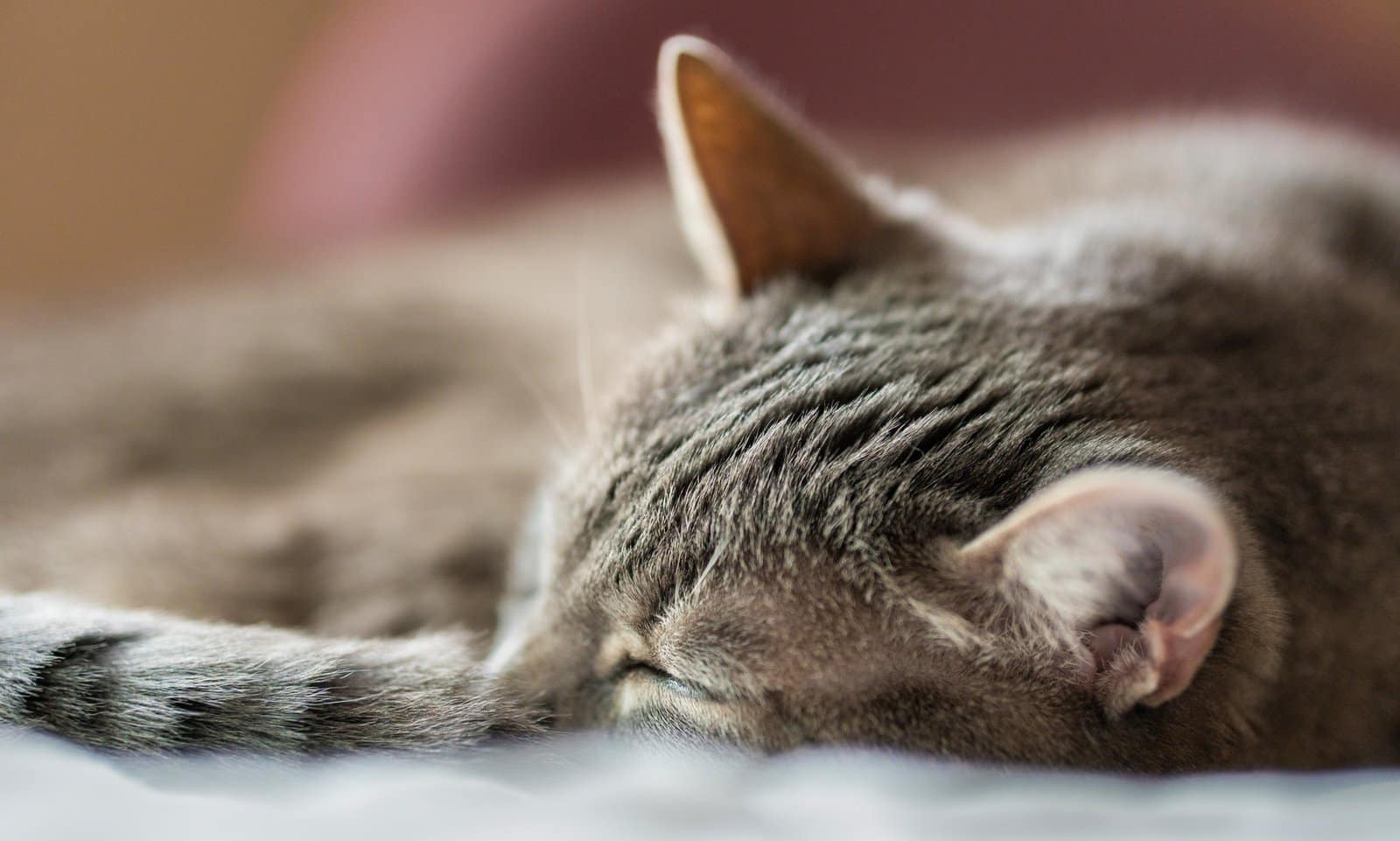
Introduction: Your Cat’s Nap Habits Might Be Smarter Than You Think
Quick answer: Most adult cats sleep around 12–16 hours a day (some closer to 18). Kittens and senior cats can sleep up to ~20 hours. Cats also “catnap” in light sleep—so it can look like they’re asleep constantly even when they’re partly alert.
When it’s normal: Your cat eats and drinks normally, uses the litter box as usual, and still has predictable awake periods (often amanecer y atardecer).
When to worry (call your vet if you notice): a sudden jump in sleep plus poor appetite, pérdida de peso, vomiting/diarrhea, breathing changes, limping/stiffness, pain when touched, ocultar, litter box accidents, or your cat just seems “not themselves.”
Below are 8 common reasons cats sleep so much—instinct/energy conservation, dawn-and-dusk rhythm, light sleep, boredom, stress, illness, pain/arthritis, and seasonal changes—plus what each one means and what you can do to help your cat feel (and rest) their best.
How much sleep is normal for cats?
| Life stage | Typical sleep pattern (general) | Notas |
|---|---|---|
| Gatitos | Often very high sleep time | Growth + brain development; lots of naps |
| Adult cats | Commonly 12–18 hours/day | Many short “catnaps” are light sleep |
| Seniors | Often sleep more than when younger | Rule out pain/arthritis and chronic disease if energy drops |
If your cat sleeps a lot but still eats normally, grooms, uses the litter box, and has normal ‘awake energy windows,’ it’s usually less concerning.
Owner note (not medical advice): Some cats nap more on days with fewer play sessions or household changes. If your cat’s overall energy and appetite drop, check with a vet.
Want the deeper science?
If you want a full breakdown of sleep stages, REM vs NREM, age-based patterns, ideal sleep setup, and troubleshooting, read: ¿Por qué los gatos duermen tanto? Descifra los patrones de sueño, la salud y el cuidado de los gatos.
(This page focuses on the most common reasons and what you should do next.)
Why Is My Cat Sleeping So Much: 8 Common Reasons (and what to do)
Cats aren’t lazy — they’re built for short bursts of activity and lots of recovery time. In fact, most cats sleep a large portion of the day, often in light “catnap” mode rather than deep sleep.
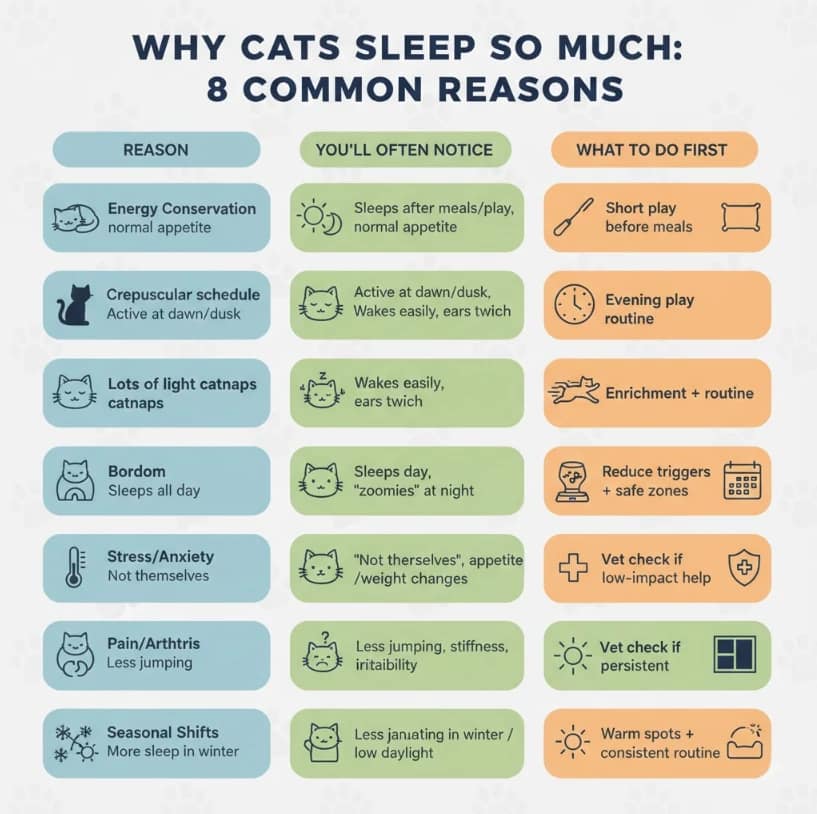
Use the quick guide below to identify what’s most likely going on, then read the matching section for qué hacer y when to call a vet.
| Razón | You’ll often notice | What to do first |
|---|---|---|
| 1. Energy conservation | Sleeps after meals/play, normal appetite | Short play before meals |
| 2. Crepuscular schedule | Active at dawn/dusk, sleepy midday | Evening play routine |
| 3. Lots of light catnaps | Wakes easily, ears twitch | Normal—optimize comfort |
| 4. Boredom | Sleeps all day, “zoomies” at night | Enrichment + routine |
| 5. Stress/anxiety | Hiding, over-grooming, appetite shift | Reduce triggers + safe zones |
| 6. Illness | “Not themselves,” appetite/weight changes | Vet check if persistent |
| 7. Pain/arthritis | Less jumping, stiffness, irritability | Vet evaluation + low-impact help |
| 8. Seasonal shifts | More sleep in winter / low daylight | Warm spots + consistent routine |
1. Evolutionary Instincts & Energy Conservation (Predator Biology)
What’s happening?
If you’re wondering “why is my cat sleeping so much?” one of the most common answers is simple: cats are built to conserve energy. In the wild, felines spend energy in short “hunt-like” bursts, then recover for long stretches so they’re ready to react fast when it matters.
Even indoor cats still follow this pattern—play hard, eat, then sleep—because it’s hard-wired survival behavior, not laziness.
What can you do?
Try the “hunt routine” once daily: 5–10 minutes of interactive play → meal → quiet rest.
Use toys that mimic prey (wand, feather, small chase toys) to trigger a satisfying burst of activity.
Make movement rewarding: add a window perch, cat tree, or a “step path” to favorite spots.
If your cat naps immediately after eating, that’s often normal—support it with a calm, cozy sleep zone.
When is it a concern?
Contact your vet if:
Your cat’s sleep increases de repente y they seem weak, withdrawn, or “not themselves.”
Son skipping meals, refusing play they normally enjoy, or you can’t easily rouse them for normal routines (food, treats, greeting you).
Oversleeping comes with other changes (vomiting/diarrhea, weight loss, breathing changes, limping, hiding).
Cats often sleep a lot because they’re energy-saving predators—sleep becomes concerning when it’s sudden or paired with appetite, behavior, or mobility changes.
2. Crepuscular Rhythm (Most Active at Dawn and Dusk)
What’s happening?
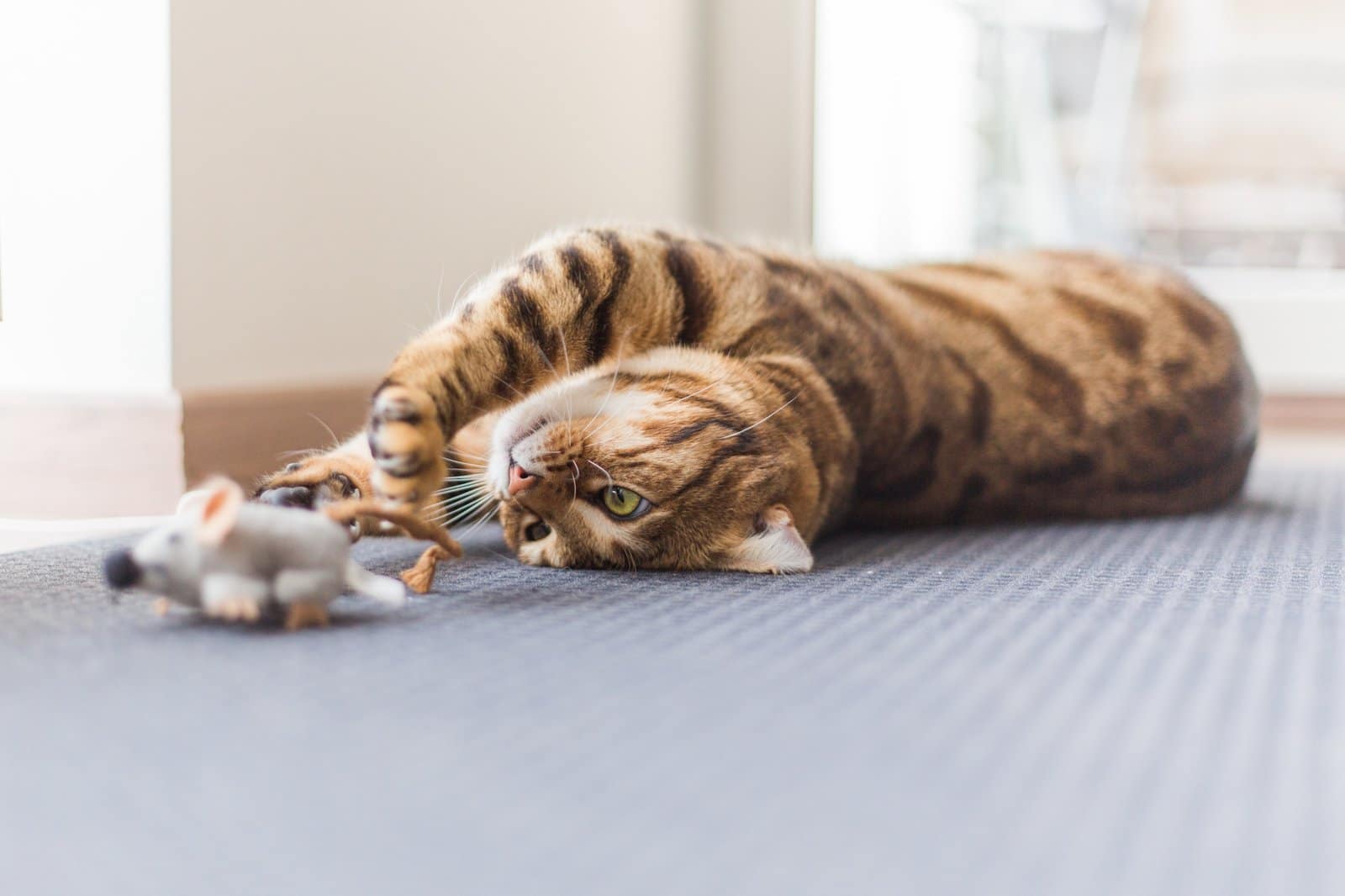
If your cat sleeps most of the day but gets “zoomies” early morning or evening, it’s often normal. Cats aren’t truly nocturnal—most are crepuscular, meaning they’re naturally most active during twilight hours (dawn and dusk), when hunting is easiest.
That’s why many cats nap through midday, then suddenly seem energized at 5–7am o sunset.
What can you do?
Shift energy to the evening: do 10–15 minutes of interactive play 1–2 hours before bed (wand toy, chase toy).
Use “play → eat → sleep”: offer dinner right after play to encourage a longer sleep stretch overnight.
If 3–5am wake-ups are the issue, try one of these:
Split dinner into two smaller feedings (evening + later snack).
Utilice un timed feeder for a small early-morning portion (so your cat stops associating usted with sunrise food).
Keep a predictable routine—many cats settle better when bedtime cues are consistent (lights dim, play, food, quiet).
When is it a concern?
Contact your vet if:
Your cat is inactive even during dawn/dusk, y seems low-energy overall.
Sleep changes come with other symptoms like appetite loss, hiding, vomiting/diarrhea, breathing changes, limping, or “not acting like themselves.”
Many cats sleep a lot because they’re crepuscular—active at dawn/dusk—so it’s concerning mainly when the change is sudden or paired with other symptoms.
3. Catnaps & Light Sleep (Always On Alert)
What’s happening?
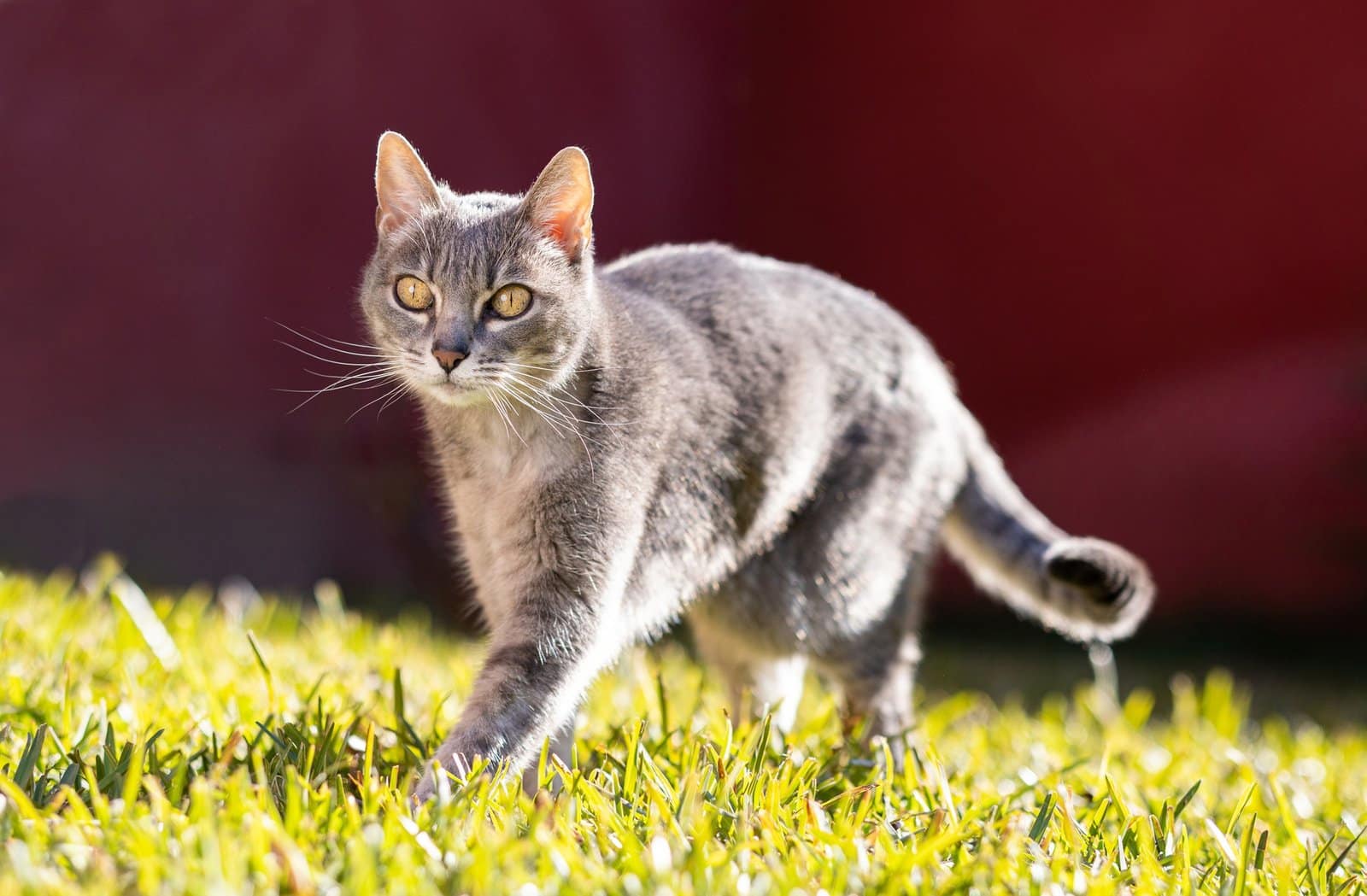
If it feels like your cat is sleeping all day, part of that is because cats are polyphasic sleepers—they rest in many short “catnaps” instead of one long stretch like humans. A lot of this time is light sleep or resting, where your cat stays semi-alert (ears turning, eyes half-closed, waking quickly).
So the total “sleep time” you observe can look huge—even when your cat is simply recharging while staying ready to respond.
What can you do?
Create a safe, quiet sleep setup: a warm bed in a low-traffic spot, away from loud appliances and sudden disturbances.
Oferta multiple sleep options (one hidden/covered, one elevated like a perch), so your cat can choose what feels safest.
Respect the nap: avoid waking them unnecessarily; deeper rest happens when cats feel secure.
Want the deeper science? Link here to your full guide on cat sleep stages (REM/NREM), cycles, and age-based patterns.
When is it a concern?
Contact your vet (or consider a behavior consult) if:
Your cat seems unable to relax at all (constant startle response) and is also hiding, avoiding contact, or showing ongoing anxiety.
The sleep shift comes with appetite changes, reduced drinking, vomiting/diarrhea, weight change, aggression, or litter box changes.
Your cat’s “resting all day” is new and they no longer have normal alert/play windows at dawn/dusk.
Cats “sleep” in many light catnaps—worry when constant vigilance or increased sleep is paired with anxiety, appetite shifts, or litter box changes.
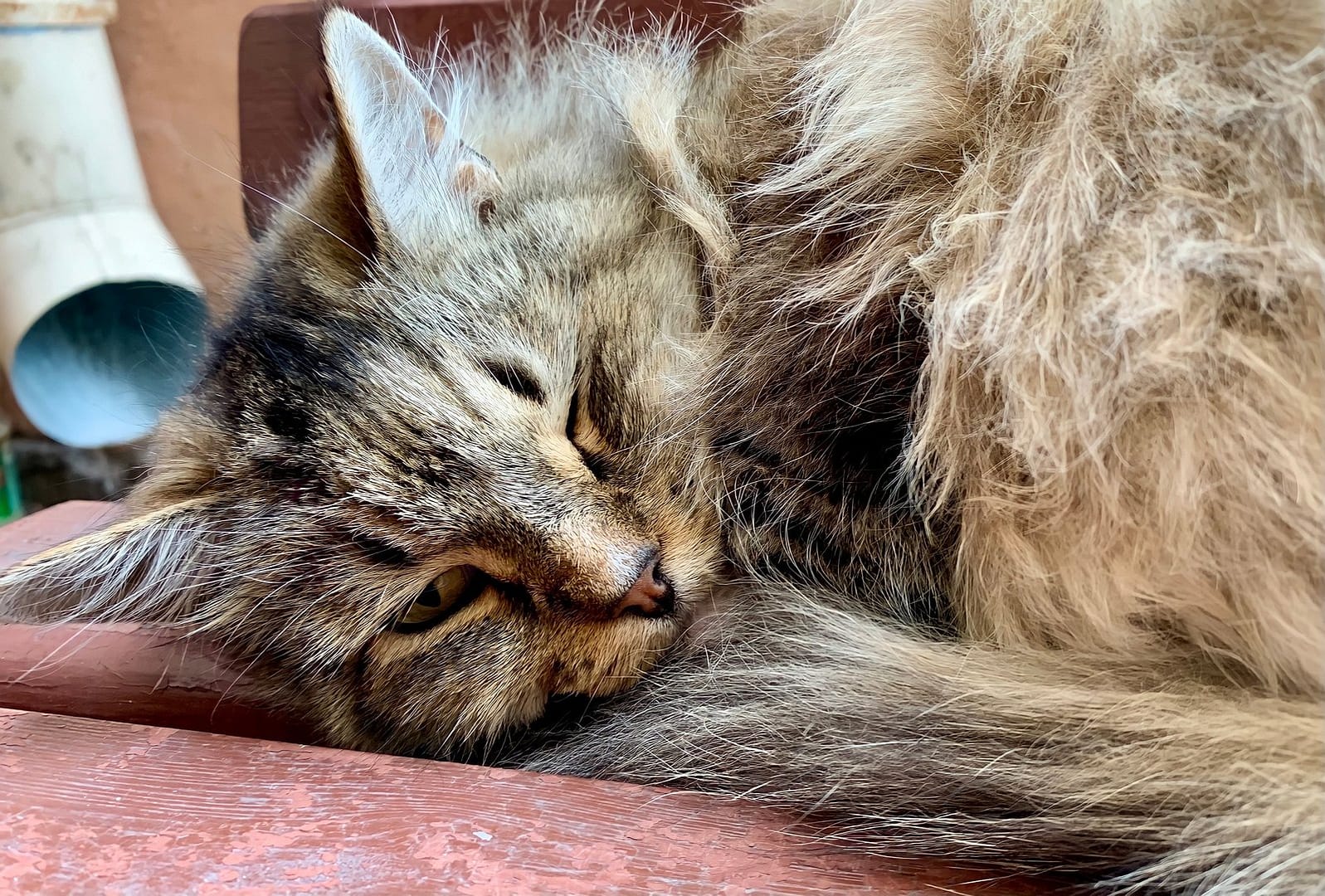
4. Boredom or Lack of Stimulation (Under-Enrichment)
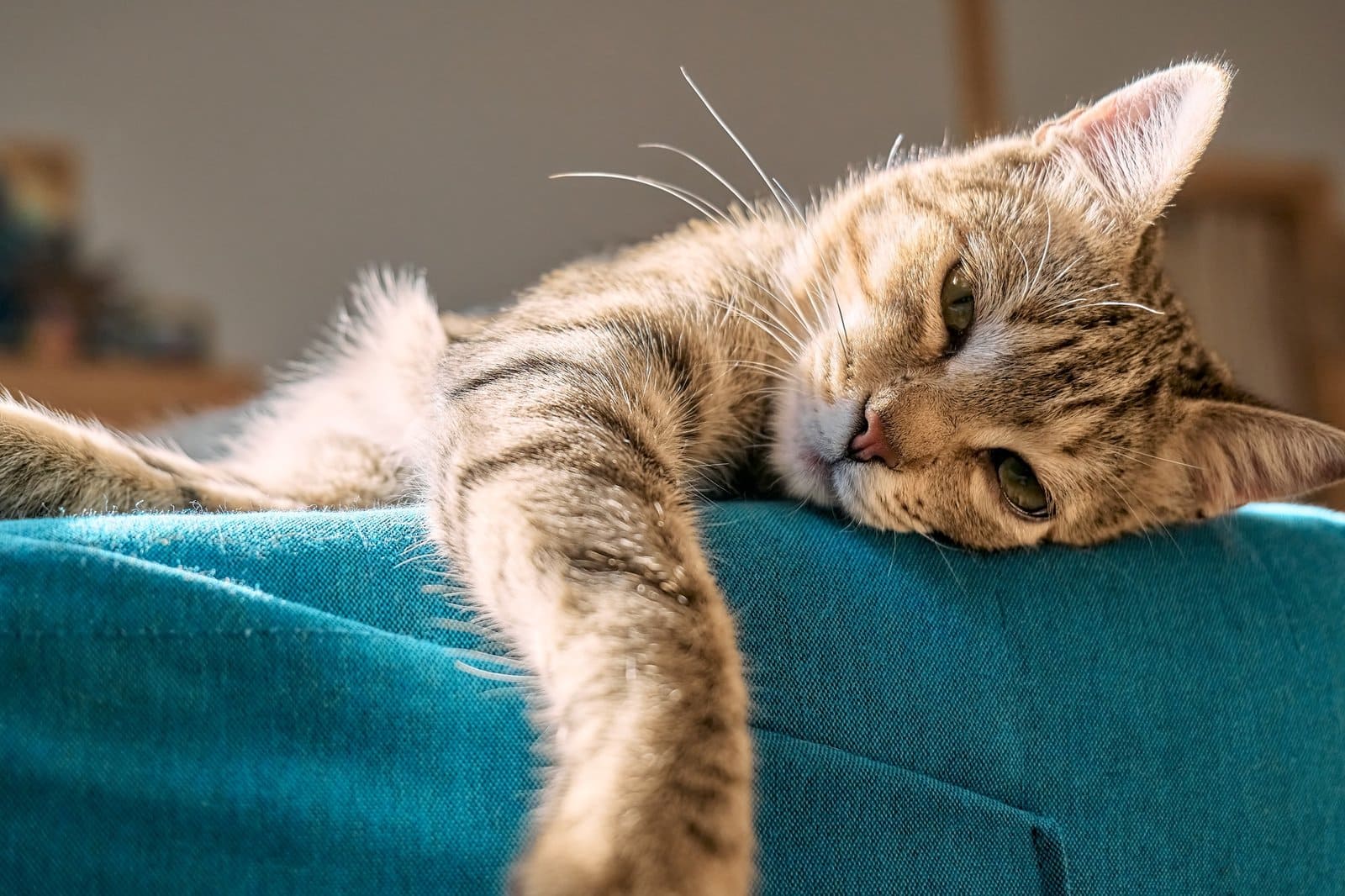
5. Stress or Anxiety (Sleep as a Coping Strategy)
What’s happening?
If your cat is sleeping more than usual y acting more withdrawn, stress is a common (and often overlooked) reason. Cats may cope with anxiety by hiding, sleeping more, and interacting less—even when they look “fine.” Triggers can be surprisingly subtle: a new pet, schedule changes, visitors, loud construction, rearranged furniture, a new litter type, or even moving the litter box.
What can you do?
Stabilize the routine: feed, play, and quiet time at consistent times each day.
Create “safe territory”:
At least 1–2 hiding options (covered bed, box, under-bed access)
Vertical space (cat tree, shelves, window perch) so they can observe safely
Reduce resource competition (multi-cat homes):
Separate food/water stations
Multiple resting areas
Litter boxes in different locations (avoid tight, noisy areas)
Lower stressors: close windows during loud work, use white noise, give the cat a quiet room during visitors.
Calming supports: a pheromone diffuser can help during transitions (moving, renovations, introductions).
When is it a concern?
Contact your vet (or a qualified feline behaviorist) if:
Stress signs come with appetite changes, over-grooming, aggressiono peeing/pooping outside the litter box.
The sleep increase lasts more than 1–2 weeks after the trigger is gone—or keeps worsening.
Your cat also seems physically unwell (vomiting/diarrhea, weight loss, limping, breathing changes, persistent hiding).
Stressed cats often “shut down” by hiding and sleeping more—worry when it’s paired with appetite changes, over-grooming, aggression, or litter box problems.
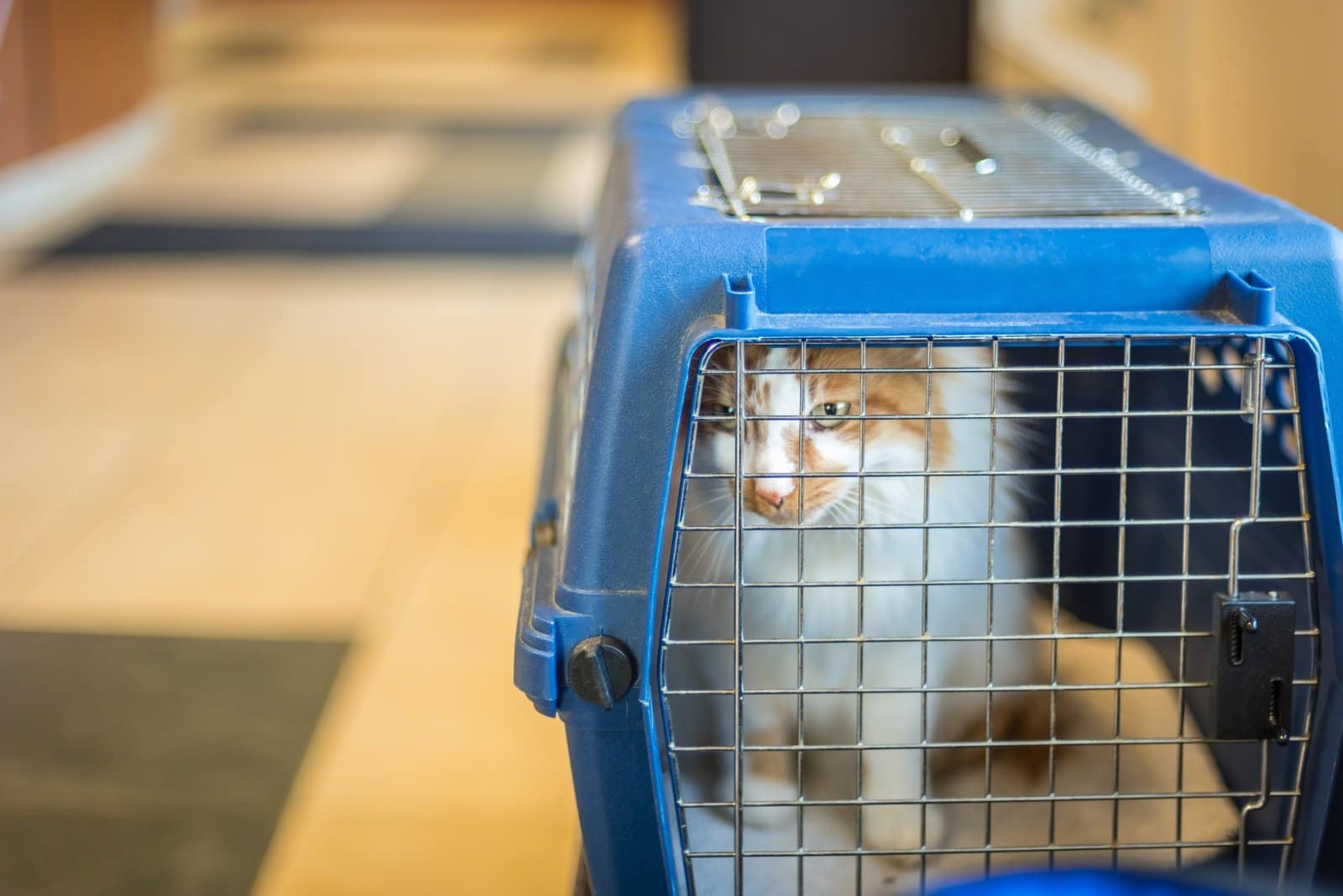
6. Illness or Medical Conditions (Lethargy)
What’s happening?
Si su gato es sleeping more than usual and seems low-energy, illness is one of the most important possibilities to consider. When cats feel unwell—whether it’s a mild infection or something more serious—they often conserve energy by resting. For many owners, the first clue is simply: “My cat is sleeping all the time.”
What can you do? (home checks that help your vet)
Track for 1–3 days (or up to a week if mild and improving):
Sleep/energy level
Appetite (how much they eat)
Water intake
Litter box output (pee/poop frequency + changes)
Weight (if you can weigh safely)
Look for visible symptoms: runny eyes/nose, sneezing, vomiting/diarrhea, coughing, limping, unusual hiding, bad breath/drooling.
Record a 10–20 second video of anything unusual (breathing, walking, posture, behavior). This is often incredibly helpful at the vet.
When is it a concern? (call your vet—same day or sooner)
Contact your vet promptly if increased sleep comes with any of these:
Poor appetite, refusing food, or not eating normally
Reduced drinking or signs of dehydration (sticky gums, sunken eyes)
Vomiting/diarrhea, pérdida de peso, or obvious pain
Your cat seems weak, disoriented, or “not themselves”
Emergency signs (urgent care now)
Seek urgent veterinary help if you see:
Rapid or labored breathing, open-mouth breathing, or blue/gray gums
Collapse, inability to stand, severe weakness
Pale gums, repeated vomiting, or sudden severe distress
Extra sleep can be the first sign of illness—if it’s sudden or paired with appetite, drinking, bathroom, breathing, or behavior changes, contact your vet.
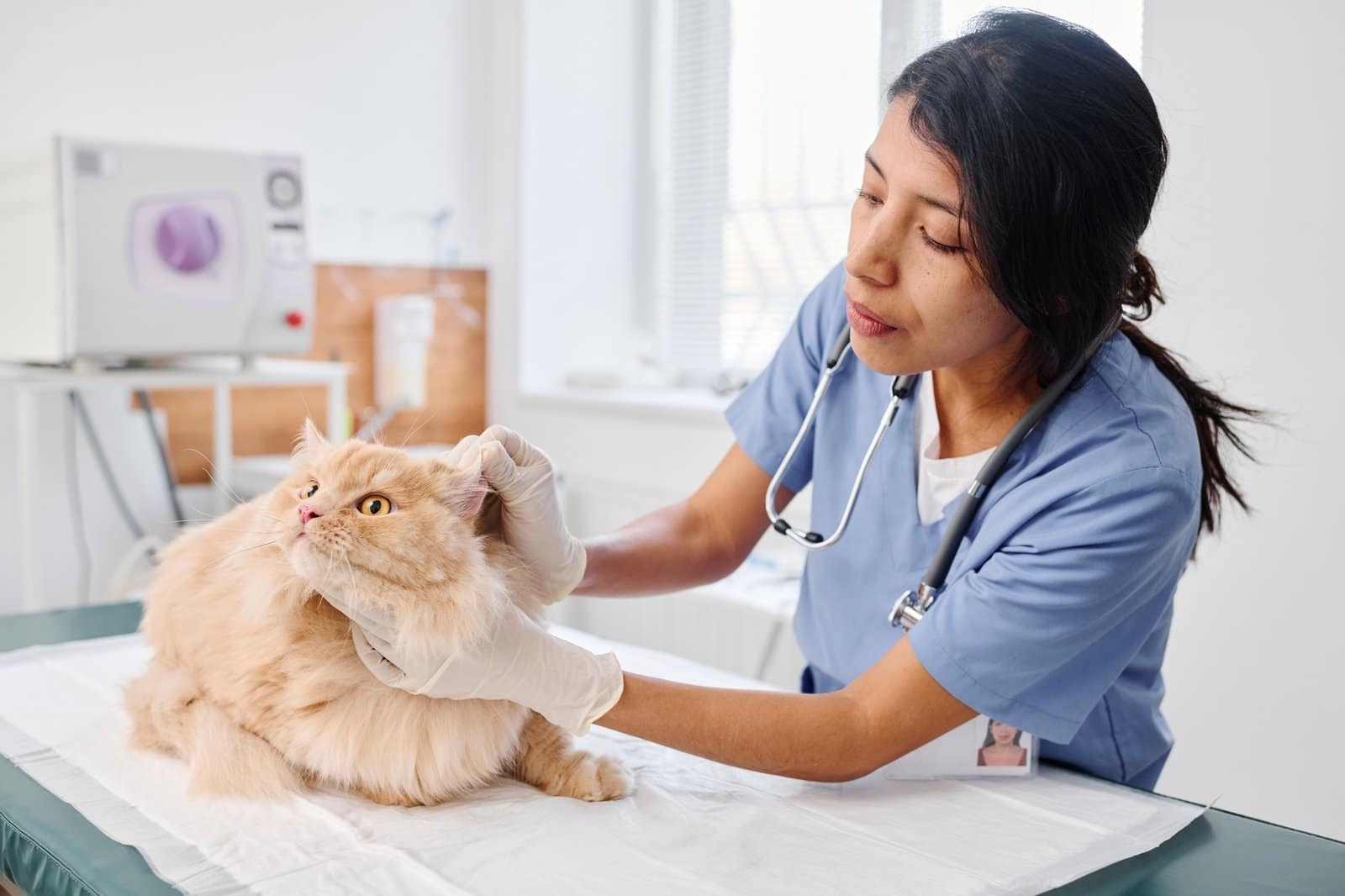
7. Pain, Injury, or Arthritis (Hidden Discomfort)
What’s happening?
Cats are experts at hiding pain. If jumping, climbing, or even walking feels uncomfortable, many cats will move less and sleep more—not because they’re “lazy,” but because rest helps them avoid discomfort. This is especially common in senior cats, where joint wear-and-tear (including arthritis) can quietly reduce activity over time. A minor strain or awkward landing can also cause a short-term spike in sleeping.
What can you do?
Look for subtle pain signals (often easy to miss):
Hesitating before jumping up/down
Stiffness after naps, slower walking, or “warming up” after rest
Less interest in play, less grooming, or a grumpier mood
Spending more time on lower surfaces (avoiding heights)
Make your home “joint-friendly” right away:
Add pet steps/ramps to couch/bed, and a low-entry litter box
Place food, water, and litter in easy-to-reach spots
Offer soft, warm bedding (many sore cats seek warmth)
Keep activity gentle: short, low-impact play (wand toys at floor level) until mobility looks normal.
Avoid giving human pain meds—many are unsafe for cats.
When is it a concern? (Vet check recommended)
Limping, refusing to jump/move, yowling when touched, or sudden aggression when handled
Pain signs that last more than 24–48 hours, are worsening, or keep returning
Any combination of sleep increase + appetite drop, hiding, or significant behavior change
If your cat is sleeping more y moving less, pain is a common hidden cause—especially in older cats—and persistent limping or stiffness warrants a vet check.
8. Seasonal Changes (Winter Sleep & Cozy “Hibernate Mode”)
What’s happening?
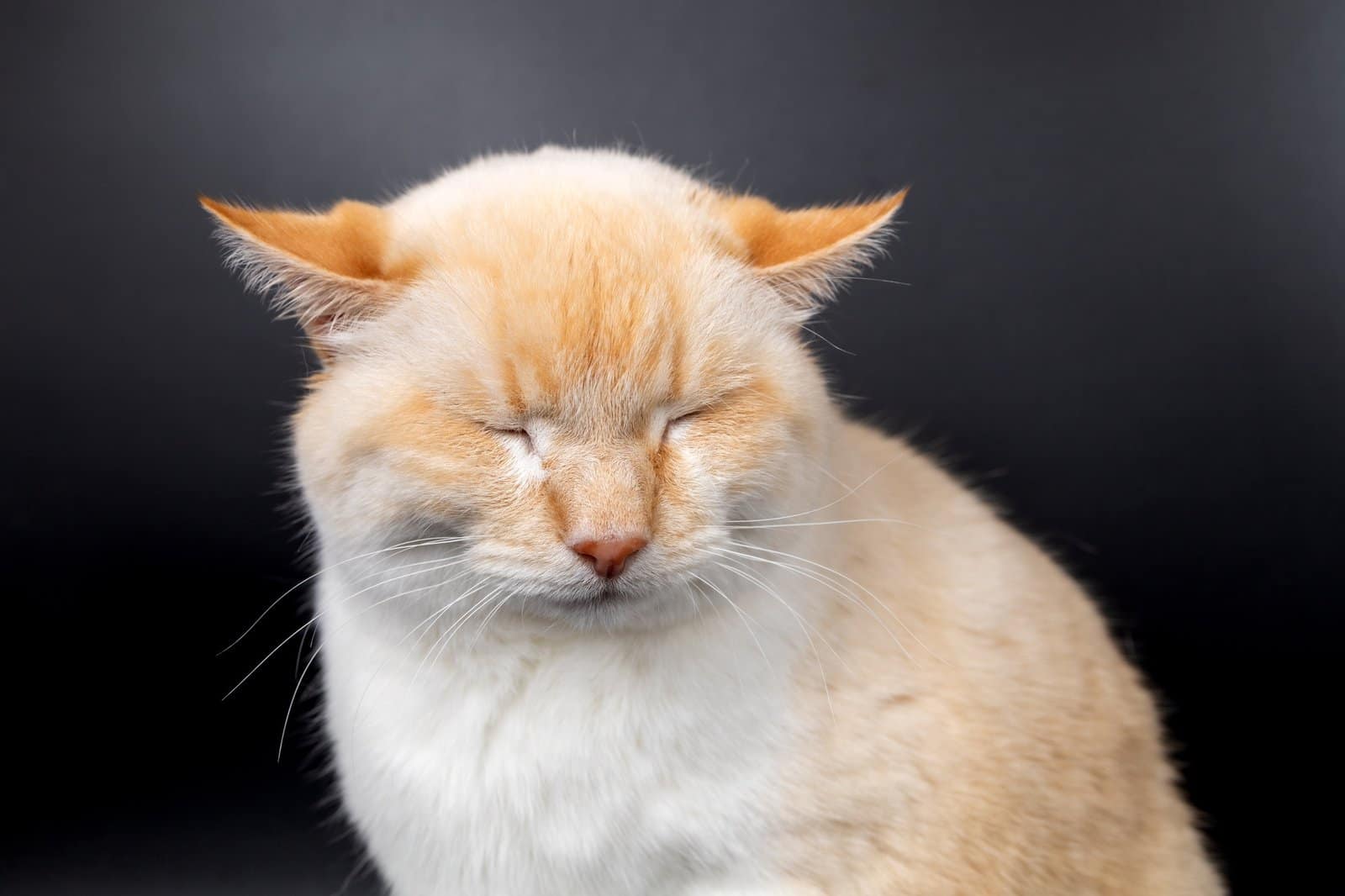
If your cat seems sleepier in winter, you’re not imagining it. Colder temperatures and shorter daylight hours can nudge many cats into a more restful routine—more lounging, more naps, and fewer long play sessions. For many healthy cats, this “winter slowdown” is a normal seasonal shift (especially for indoor cats who love warm, quiet spots).
What can you do?
Create a warm nap zone: blankets, a sunny window perch, or a vet-approved heated pet pad (always low-temp + supervised use).
Keep movement gentle but regular: 5–10 minutes of play daily helps maintain fitness and reduces winter weight gain.
Make the day predictable: feed and play around the same times so your cat’s rhythm stays steady.
Add “easy wins” for activity: treat puzzles, short chase games, or a toy rotation to spark interest without overstimulation.
When is it a concern?
Contact a vet if:
Your cat isn’t alert even during their usual active windows (often dawn/dusk) and seems unwell.
Extra sleep comes with appetite changes, vomiting/diarrhea, labored breathing/coughing, weight loss, or unusual hiding.
The “winter sleep” change is sudden or keeps worsening week to week.
Winter can make cats sleep more, but seasonal sleep is only “normal” when your cat still eats, drinks, and has at least one daily window of alertness.
Conclusion: Your Cat’s “Extra Sleep” Usually Has a Reason
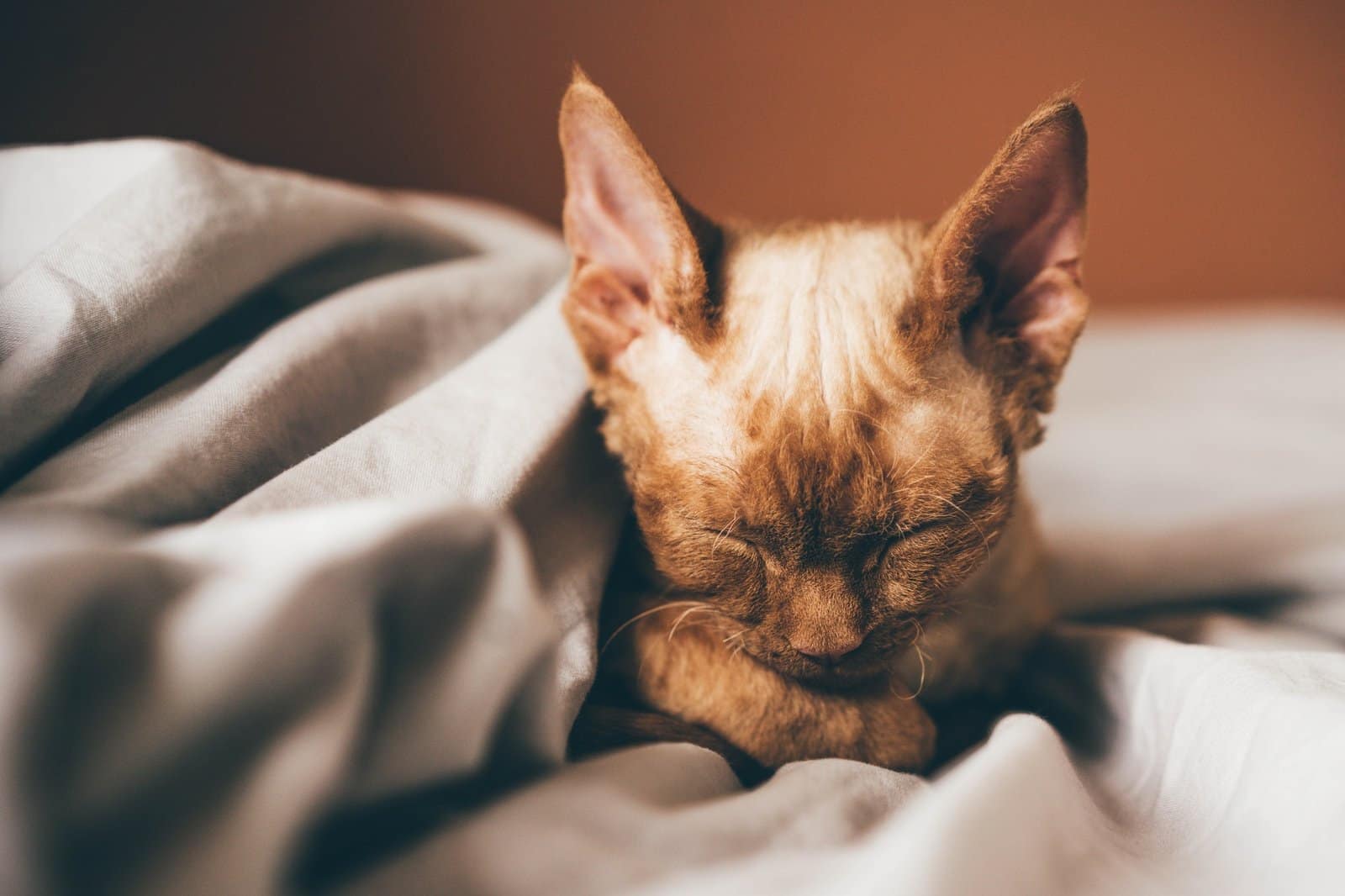
If your cat seems to sleep all day, it’s rarely “laziness.” Most of the time, it’s normal feline biology—energy conservation, a dawn/dusk (crepuscular) rhythm, and lots of light catnaps. But sleep can also be a gentle signal that something needs attention, like boredom, stress, pain, or illness.
Key takeaways (quick recap)
Adult cats often sleep 12–16 hours/day; kittens and seniors may sleep even more.
Lots of “sleep” is actually light napping—your cat may still be on alert.
If your cat is bored or under-stimulated, better enrichment + daily play can reduce excessive daytime dozing.
If the change is sudden or your cat seems “not themselves,” treat it as a clue—not a quirk.
When to call the vet
Reach out if increased sleep comes with poor appetite, pérdida de peso, vomiting/diarrhea, breathing changes, limping/stiffness, ocultar, or any major behavior shift.
If you want a deeper breakdown of sleep cycles by age, how to tell normal vs abnormal patterns, and practical ways to support healthier rest, read our complete guide: ¿Por qué los gatos duermen tanto? Descifra los patrones de sueño, la salud y el cuidado de los gatos.
You’re not overthinking it—and your cat isn’t “just being lazy.” You’re paying attention. With a little observation and the right routine, you can help your cat rest comfortably, feel safe, and thrive.
PREGUNTAS FRECUENTES
Is it normal for my cat to sleep over 15 hours a day?
Yes. Most adult cats sleep between 12–16 hours a day, and kittens or seniors may sleep up to 20 hours. It’s normal unless accompanied by other unusual symptoms.
Why does my cat always seem to nap in short bursts?
Cats are light sleepers by nature. Most of their sleep is polyphasic and consists of multiple short catnaps to stay alert while resting.
How can I tell if my cat is sleeping out of boredom?
If your cat lacks toys, stimulation, or regular interaction and sleeps excessively during the day, boredom could be the reason. Try enriching their environment and observe changes.
Can anxiety or stress make my cat sleep more?
Yes. Emotional distress may lead cats to withdraw or sleep more as a coping mechanism. Look for other signs like hiding, over-grooming, or appetite changes.
What health problems cause cats to sleep more than usual?
Common culprits include arthritis, diabetes, kidney disease, or thyroid issues. If your cat’s sleeping habits shift suddenly or come with other symptoms, consult your vet promptly.
Referencias
Coates, J. (2018). ¿Por qué los gatos duermen tanto?
Schaible, L. (2025). ¿Cuánto debe dormir tu gato adulto?
Van de Kieft, J. (2025). ¿Por qué los gatos duermen tanto?
Fundación del Sueño. (2022). ¿Cuánto tiempo duermen los gatos? SleepFoundation.org.
Tomis, V. (2023). 3 Reasons Why Cats Sleep More in Winter. Rover.
Cassady, L. (2024). When to Worry About a Senior Cat’s Sleeping Habits. Heron’s Crossing Veterinary.
Cat sleep ranges: Sleep Foundation summary with medical citations
Crepuscular behavior: VCA Animal Hospitals
Cat OA overview: U.S. FDA cat osteoarthritis explainer
OA prevalence/signs: Today’s Veterinary Practice
Life-stage wellness framing: AAFP–AAHA guidelines PDF










 EN
EN DE
DE ES
ES PT
PT