
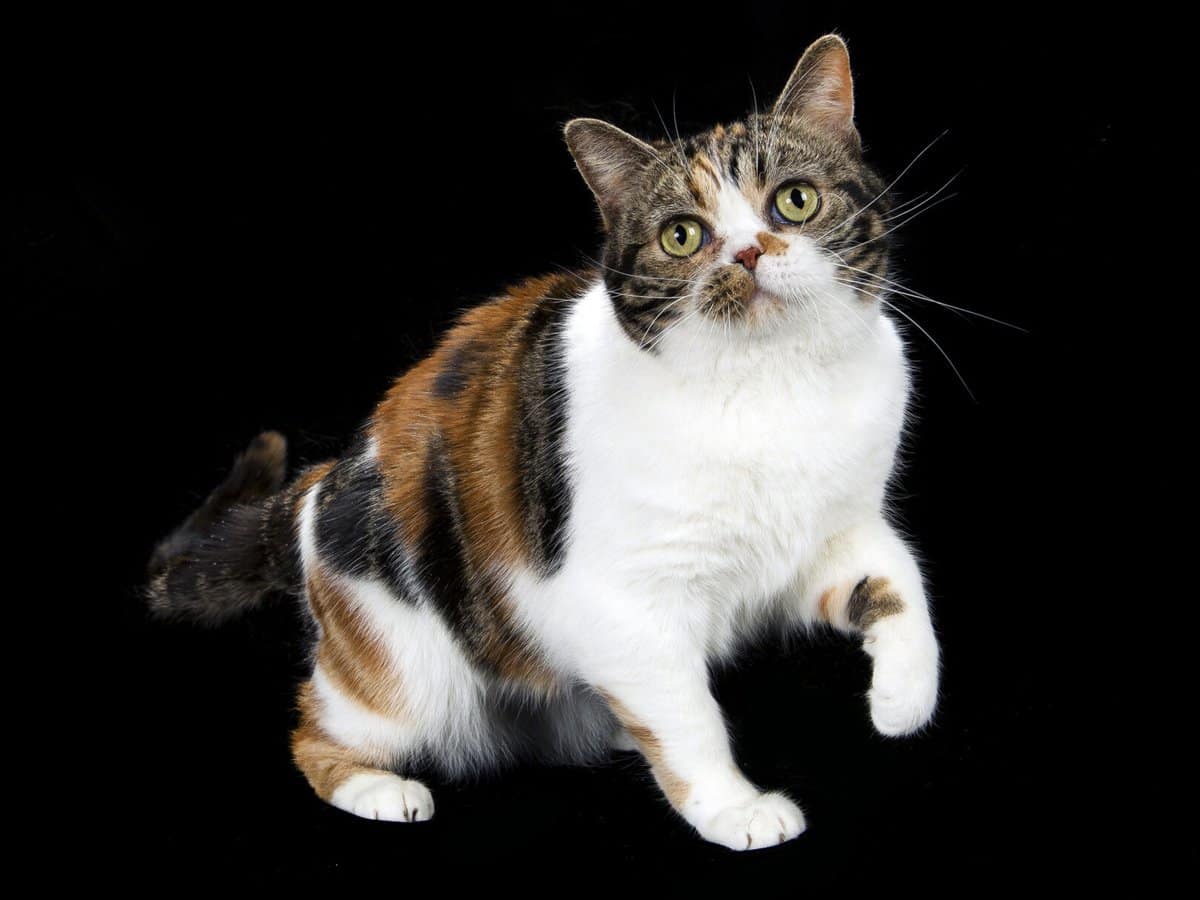
O Pelo curto americano é um medium-to-large, sturdy cat breed known for a friendly, calm temperament, queda moderadae easy care. They’re typically affectionate without being clingy, enjoy daily play, and do well with families. With routine grooming and weight management, many live 15–20 years.
Quick answer: American Shorthair traits & personality
The American Shorthair is a pedigreed, medium-to-large cat known for a calm, friendly temperament, moderate shedding, and easy weekly grooming. They’re affectionate and playful but usually not clingy—making them a strong fit for families, first-time owners, and multi-pet homes when they get daily play and portion-controlled meals.
At a glance
- Temperamento: calm, friendly, adaptable (affectionate, not usually clingy)
- Energia: moderate (best with 10–20 min of play daily)
- Derramamento: moderate year-round (heavier in spring/fall)
- Preparação: easy (brush 1–2×/week; more during shedding seasons)
- Cuidados comuns: weight gain and dental disease; ask your vet about heart screening
Are American Shorthairs good family cats?
Yes. American Shorthairs are typically gentle, tolerant, and adaptable—great with kids and often fine with other pets. They enjoy company and play, but they’re usually not demanding, so they fit both busy families and calmer homes.
What helps most
- Daily play: 10–20 minutes (split into 2 sessions) to prevent boredom/weight gain
- Slow introductions: especially with cats/dogs already in the home
- Kid rule: “hands gentle, let the cat walk away”
How to reduce shedding in American Shorthair cats?
Shedding control that actually works (5 minutes):
Step 1 — Pick the right tool
- Rubber grooming mitt / curry brush: best for weekly maintenance and sensitive cats
- Soft slicker brush: good during spring/fall coat blow to grab more loose fur
- Metal comb (wide-to-medium): optional finishing pass for dense coats and hairball control
Step 2 — Use this schedule
- Semanas normais: 1–2x/week (5–8 minutes)
- Spring/fall: 3–5x/week (5–10 minutes)
Step 3 — Do the same routine each time
- 10–15 strokes along the back and sides
- Short gentle strokes on chest and “armpits” (mat-prone zones)
- Finish with a quick comb pass (optional)
Step 4 — Reduce hairballs
- Add a 2–3 minute play session after brushing (movement helps digestion)
- Keep water fresh and consider wet food a few times/week (ask your vet if unsure)
Home hacks that help
- Washable throws where they nap
- Lint roller near the couch
- Vacuum high-traffic spots 2x/week during seasonal shedding
Result: less fur on furniture e fewer hairballs—without over-grooming.
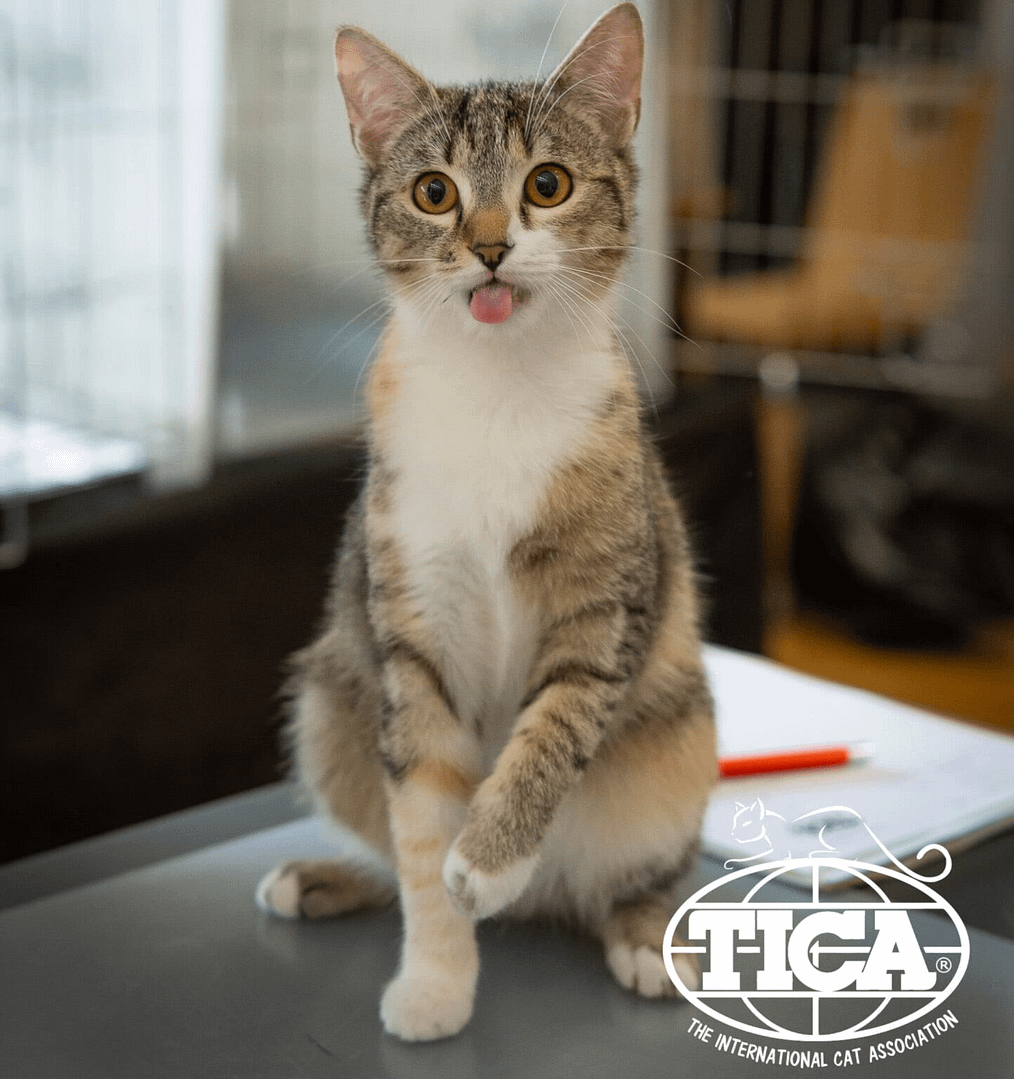
American Shorthair vs Domestic Shorthair vs British Shorthair
People often mix these up—here’s the quick difference:
American Shorthair (breed): a pedigreed cat with a consistent, sturdy build and typically easygoing temperament.
Domestic Shorthair (type): not a breed—this is a general label for mixed-heritage short-haired cats (personality and looks vary widely).
British Shorthair (breed): usually rounder, heavier, and more “plush teddy bear” in appearance; often calmer and sometimes less sporty than the American Shorthair.
Quick comparison
| Recurso | Pelo curto americano | Pelo curto doméstico | Pelo curto britânico |
|---|---|---|---|
| “Official” breed? | Yes | No (mixed type) | Yes |
| Typical personality | Friendly, balanced | Varies a lot | Calm, reserved-to-sweet |
| Energia | Moderado | Varia | Low-to-moderate |
| Construir | Muscular, athletic | Varia | Stocky, very plush |
| Derramamento | Moderado | Varia | Moderate-to-heavy |
Which should you choose?
- Choose Pelo curto americano if you want predictable “easy family cat” traits.
- Choose Pelo curto doméstico if you’re adopting and personality-match matters most.
- Choose Pelo curto britânico if you prefer a calmer, very plush, less athletic vibe.
Dica: If you have kids, prioritize the individual cat’s tolerance and confidence—breed helps, but temperament wins.
Índice
Visão geral da raça
| Traço | Descrição |
|---|---|
| Personalidade | Amigável, gentil e adaptável; bem-humorado e afetuoso com a família. |
| Tipo de carroceria | Médio a grande, musculoso e atarracado. |
| Peso | Os machos normalmente pesam de 5 a 7 kg (11 a 15 lb); as fêmeas, de 6 a 12 lb. |
| Local de origem | América do Norte (Estados Unidos); descende dos primeiros gatos domésticos de navios e fazendas. |
| Tempo de vida | Cerca de 15 a 20 anos. |
| Tipo de casaco | Pelagem curta, densa e espessa (mais longa no inverno). |
| Cores da pelagem | Wide variety: tabby (often silver), solid, bicolor, calico, tortoiseshell, etc. (75% are tabbies). |
| Nível de derramamento | ⭐⭐⭐☆☆ (Moderado; queda durante todo o ano com picos sazonais). |
| Afeto para com os seres humanos | ⭐⭐⭐⭐☆ (Alto; afetuoso e voltado para a família). |
| Dificuldade de atendimento | ⭐⭐☆☆☆ (Fácil; pouca manutenção e necessidade moderada de exercícios). |
Introdução
O Pelo curto americano is a sturdy, medium-to-large pedigreed cat breed known for a calm, friendly temperament and easy care. Originally descended from the working ship and barn cats brought to North America by early European settlers, the breed was developed in the United States and is still one of the country’s most popular pedigreed cats.
Most American Shorthairs are carinhoso, mas não pegajoso. They enjoy interactive play, gentle cuddles, and being near their people, but they’re typically not overly vocal or demanding. This balance—playful when invited, relaxed the rest of the day—makes them a strong choice for families, first-time cat owners, and multi-pet homes.
This breed is also valued for its hardy build and long lifespan (frequentemente 15–20 years) with relatively few breed-specific issues when kept at a healthy weight. American Shorthairs adapt well to apartments or houses as long as they get daily enrichment, like short play sessions, scratching options, and a window perch.
Their coat is short, dense, and comes in many colors and patterns. Expect queda moderada year-round (heavier in spring and fall), but grooming is simple: escovação semanal is usually enough to keep the coat healthy and reduce loose hair. Overall, the American Shorthair is a reliable “all-around” companion—friendly, sturdy, and low-maintenance.
História da raça
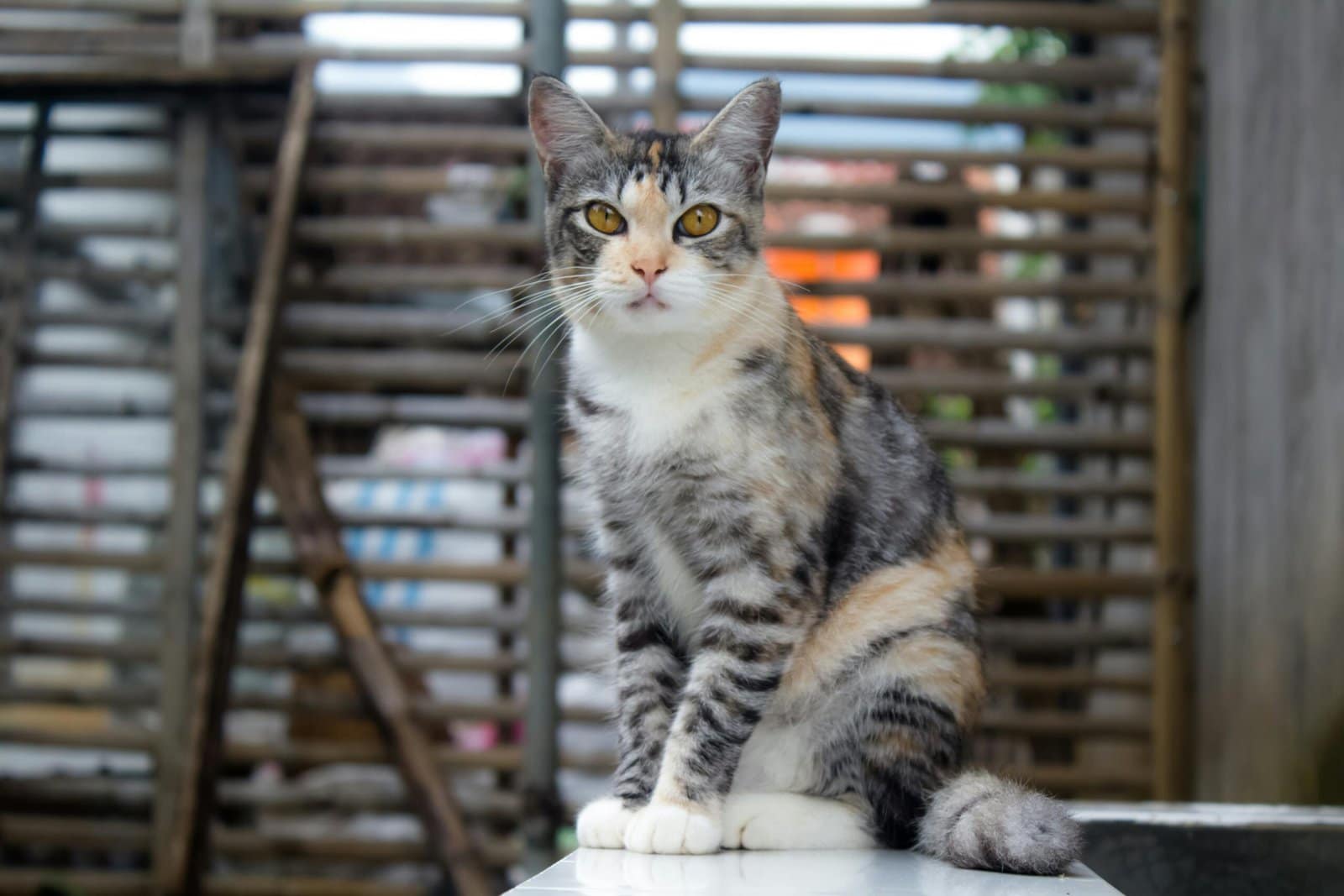
O Pelo curto americano traces its origins to the sturdy working cats brought to North America by European settlers. These early ship and farm cats were valued for rodent control and naturally adapted to life in a tougher climate—developing a muscular build, strong hunting instincts, and a dense coat that handled cold winters well.
Over time, these dependable “farm cats” became popular across the U.S., and breeders began standardizing their look and temperament. The cats now known as American Shorthairs appeared in early cat shows, including the first U.S. cat show in 1895, and the breed later became one of the founding breeds recognized by the Cat Fanciers’ Association (CFA) in 1906.
Originally shown under the name Pelo curto doméstico, the breed was officially renamed “American Shorthair” in 1966 to clearly separate pedigreed cats from mixed-breed domestic shorthaired cats and to highlight its American heritage. Selective breeding through the 20th century focused on a friendly, easygoing personality and consistent physical traits—resulting in today’s American Shorthair: a calm, sociable, hardy companion that still reflects its working-cat roots.
Características físicas
Os American Shorthairs são medium-to-large, well-muscled cats with a sturdy “working cat” build. They typically have a broad chest, strong legs, and a square, balanced body shape. Adult males are usually larger, often weighing about 11–15 lb (5–7 kg), while females commonly range around 6–12 lb (3–5.5 kg).
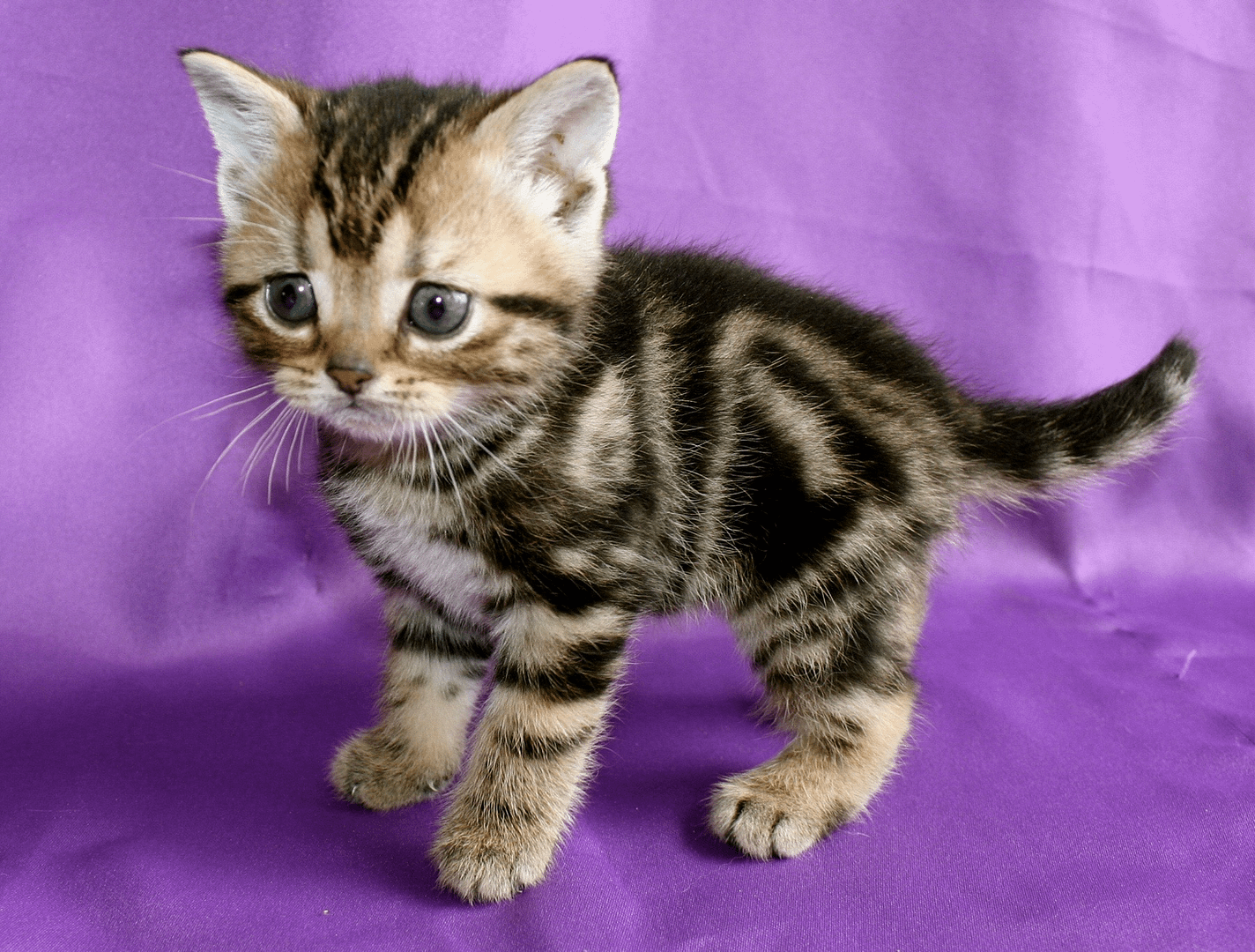
O head is round and substantial with full cheeks and a strong jaw, giving the breed a friendly, open expression. American Shorthairs have large, wide-set eyes (often green or gold, though other eye colors can occur). Their ears are medium-sized, set well apart, and end in softly rounded tips.
One of the breed’s signature traits is its short but dense coat. While the fur is short, it can feel plush—especially in winter—and the thickness means they still benefit from regular brushing, particularly during spring and fall shedding.
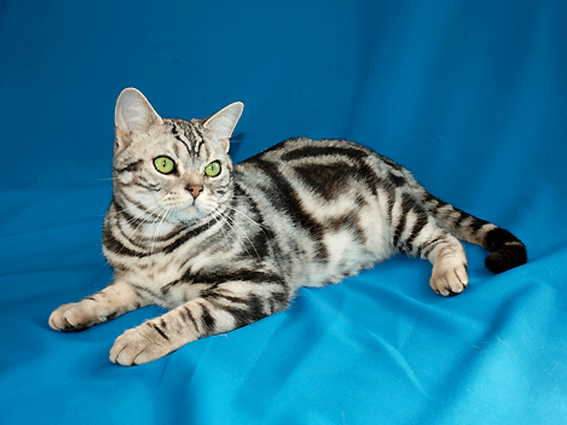
American Shorthairs also stand out for their wide range of colors and patterns. You’ll see everything from classic tabbies (including popular silver tabby) to solid colors, bicolors, calicos, tortoiseshell, smoke, and shaded coats. In short, this breed combines a strong, athletic frame com um casaco de baixa manutenção and highly varied markings—making them both practical and striking companions.
Comportamento e personalidade
American Shorthair cats are known for a calm, friendly temperament and an easygoing, “go-with-the-flow” attitude. They’re brincalhão e curioso—their working-cat roots show in their love of chasing, pouncing, and interactive games—but they’re typically não hiperativo. Most enjoy wand toys, crinkle balls, and short bursts of play, then happily switch to lounging or watching birds from a window perch.
This breed is often described as carinhoso, mas não pegajoso. American Shorthairs like being near their people and may follow you from room to room, but they usually prefer attention on their own terms rather than constant lap time. They’re also silencioso compared with more vocal breeds, communicating with soft meows or chirps.
In many homes, American Shorthairs do well with crianças e outros animais de estimação, especially when introductions are slow and positive. Early socialization helps them stay adaptable and confident in new environments. Overall, their balanced personality—gentle, loyal, independent, and moderately active—makes the American Shorthair a strong choice for families, busy households, and first-time cat owners.
Dicas de cuidados
Weekly Care Schedule (Simple Checklist)
| Frequency | O que fazer | Why it matters |
|---|---|---|
| Daily | 10–20 minutes play (split into 2 sessions) | prevents boredom + supports healthy weight |
| Daily | fresh water + portioned meals | reduces obesity risk |
| Semanal | brush coat (1–2x) | reduces shedding + hairballs |
| Semanal | check ears/eyes, quick nail check | catches irritation early |
| Monthly | trim nails (as needed) | protects furniture + prevents snagging |
| 6–12 months | vet check / dental check schedule | detecção precoce de problemas de saúde |
Weight-Proof Feeding Plan (simple and realistic)
American Shorthairs can be enthusiastic eaters, so the goal is to prevent “slow creep” weight gain.
1. Use portion structure (not guesswork)
- Alimentação 2–3 measured meals/day instead of free-feeding
- Treats should stay under 10% of daily calories (or skip treats on low-activity days)
2. Do a weekly 30-second body check
Look from above: you should see a slight waist behind the ribs.
From the side: belly should tuck up a bit—not hang low.
3. Make boredom harder
- Use a puzzle feeder 3–4x/week
- Split one meal into “hunt portions” (hide tiny bowls around the room)
If your cat is already gaining weight: reduce calories gradually and increase play. Ask your vet before making big changes, especially if your cat has health issues.
Daily Play Plan (10–20 minutes that actually keeps them fit)
American Shorthairs are moderately active—short, consistent play beats occasional long sessions.
The easiest routine
- AM: 5–10 minutes (wand toy / chase)
- PM: 5–10 minutes (balls / “fetch” / treat puzzle)
3 game ideas that work well for this breed
- “Stalk + pounce” wand play (slow → fast → stop)
- Hallway toss with soft balls
- Food puzzle “finish” at the end to mimic hunting success
Win condition: your cat should be mildly winded for 30–60 seconds, then recover quickly.
Meio ambiente e enriquecimento
Um ambiente estimulante é importante. Os American Shorthairs gostam de explorar e observar atividades: poleiros nas janelas são altamente recomendados para que eles possam observar pássaros ou tomar sol com segurança.
Forneça postes ou almofadas para arranhar para que eles possam se esticar e marcar território. Brinquedos interativos e árvores para gatos acrescentam interesse. Essa raça é adaptável, por isso se dá bem em vários espaços (apartamentos ou casas), desde que tenha lugares para escalar e brincar.
Manter objetos perigosos fora do alcance e proporcionar um ambiente interno seguro protegerá esses gatos curiosos de ferimentos ou doenças.
Limpeza
American Shorthairs do best in a home that supports their natural instincts to climb, watch, scratch, and “hunt” through play. Set up a poleiro de janela or cat shelf so they can bird-watch and sunbathe safely—this is one of the easiest ways to keep them calm and entertained indoors. Add at least one sturdy scratching post (vertical) plus a scratch pad (horizontal) in the rooms they use most to encourage healthy scratching and stretching.
To prevent boredom (and weight gain), offer brinquedos interativos e um árvore para gatos or climbing shelves. Rotate toys weekly and create simple “exploration zones” (paper bags, tunnels, boxes) to keep the environment fresh.
This breed is adaptable and can thrive in apartments or houses as long as they have safe places to perch and play. For safety, keep strings, hair ties, toxic plants, small choking hazards, and exposed cords out of reach, and maintain a secure indoor space to reduce injury and illness risk.
Estimulação mental
American Shorthairs are smart, curious cats that stay happiest with short daily challenges. Use alimentadores de quebra-cabeça, treat balls, or “hunt the kibble” games to make meals more engaging and slow down fast eaters. Rotate toys weekly and schedule two quick play sessions (5–10 minutes each) to keep them mentally sharp and physically fit.
Many American Shorthairs can learn truques simples with reward-based training (sit, touch, come) and may even enjoy treinamento com clicker or harness practice if introduced gradually. Mix in new activities—like fetch, wand-toy “stalk and pounce,” or a new climbing route—to keep them confident and well-adjusted. A little variety goes a long way for this breed.
Preocupações com a saúde
| Health concern | What it is | Signs you may notice | Prevention & best practices | When to call the vet urgently |
|---|---|---|---|---|
| Cardiomiopatia hipertrófica (CMH) | Heart muscle thickens, which can affect pumping function. | Rapid/labored breathing, lethargy, reduced stamina, fainting (sometimes no signs). | Regular wellness exams; ask your vet if heart screening (exam/echo/cardiology referral) is appropriate—especially with family history. | Breathing difficulty, collapse/fainting, sudden weakness. |
| Obesidade | Excess body fat that stresses joints and organs. | Weight gain, low energy, reduced play, trouble jumping/grooming. | Measure meals (avoid free-feeding); treats ≤ ~10% of daily calories; 10–20 min daily play; weekly body condition check (ribs easy to feel, slight waist). | If weight gain is rapid or paired with vomiting, lethargy, or appetite changes. |
| Diabetes | Insulin deficiency or poor insulin response, often linked to excess weight. | Increased thirst/urination, weight loss, low energy, appetite changes. | Maintain healthy weight; consistent daily activity; early vet evaluation if signs appear. | Marked lethargy, not eating, vomiting, weakness (urgent evaluation). |
| Dental disease (gum disease / tooth resorption) | Plaque/tartar causes gum inflammation; cats can develop painful tooth resorption. | Bad breath, drooling, red gums, tartar, pawing at mouth, picky eating. | Brush teeth 2–3x/week+ (more is better); vet-approved dental supports; regular dental checkups/cleanings as recommended. | Not eating, facial swelling, obvious mouth pain or bleeding. |
| Urinary tract issues (FLUTD/UTI/crystals) | Bladder/urethra inflammation, crystals/stones, infection. | Straining, frequent box visits, crying in box, blood in urine, accidents. | Encourage hydration (fresh bowls/fountain; consider wet food); clean litter box; reduce stress; prompt vet care for symptoms. | Unable to urinate or repeated straining (especially males) — emergency. |
| Upper respiratory infections (“cat colds”) | Usually viral infections causing cold-like symptoms. | Sneezing, nasal discharge, watery eyes, coughing; reduced appetite. | Keep vaccines current; indoor living; quarantine new cats; hygiene in multi-cat homes. | Breathing difficulty, not eating/drinking, symptoms worsening or lasting several days. |
| Eye problems (conjunctivitis/irritation) | Eye inflammation from infection, allergy, or irritation. | Redness, squinting, discharge, swelling, pawing at eye. | Prompt vet guidance; avoid human eye drops; keep environment low-irritant (dust/smoke). | Severe squinting, swelling, injury suspicion, thick discharge, or sudden vision changes. |
Is the American Shorthair right for you?
O American Shorthair cat is often described as an “easy, all-around” companion: friendly, calm, and playful without being overly demanding. Still, individual cats vary—so use the checklist below to see if this American Shorthair breed matches your home, schedule, and expectations.
Quick fit summary
You’ll probably love this breed if you want: a family-friendly cat with a temperamento equilibrado, queda moderadae simple grooming.
You may want a different breed/type if: you need a hipoalergênico cat, want a “constant lap cat,” or don’t want to manage portions + daily play (this breed can gain weight).
At-a-glance: lifestyle checklist
| Considerações | What it means for you |
|---|---|
| Family-friendly | Excellent for many households—typically calm, patient, and playful. Often does well with respectful kids and other pets when introductions are slow and supervised. |
| Activity level | Moderate. Expect short daily play sessions (10–20 min total). They enjoy exploring, then happily nap nearby. |
| Affection needs | High companionship, low clinginess. Usually social and loyal, but many prefer being “near you” rather than constantly held. |
| Allergies / sensitivity | Not hypoallergenic. Espere queda moderada year-round with seasonal peaks. |
| Grooming time | Low. Weekly brushing most of the year; increase during spring/fall shedding to reduce fur and hairballs. |
| Space requirements | Adaptable. Apartments or houses work well—provide a window perch, scratchers, and a few climbing options. |
| Care level | Easy overall. Standard cat care + consistent play + portion control is usually enough for a happy routine. |
Best for…
- First-time or busy owners who can still do daily play
- Families wanting a gentle, steady-tempered cat
- People who prefer easy grooming and a lower-maintenance coat
- Homes that want a cat who’s affectionate but not constantly demanding attention
Not ideal for…
- Severe allergy households (they shed and produce allergens)
- People who don’t want to measure food or monitor weight
- Anyone expecting a “carry-me-all-day” lap cat (many are affectionate, but independent)
Pros & cons of the American Shorthair
Pros
- Great family temperament: often gentle, social, and patient
- Low-maintenance coat: short fur; weekly brushing is typically enough
- Adaptable: suits apartments or houses; busy or quieter homes
- Usually not overly vocal: tends to be calm and easy to live with
- Playful but balanced: enjoys games without needing nonstop stimulation
Cons (and how to handle them)
- Can gain weight easily: use measured meals + daily play + puzzle feeders
- Not hypoallergenic: manage fur with brushing + washable throws + regular cleaning
- Independent streak: affectionate, but may not enjoy being carried constantly
- Needs enrichment: boredom can lead to overeating or scratching—offer scratchers, window time, and rotate toys weekly
Dica: If you’re adopting, focus on the individual cat’s confidence and friendliness—those traits predict “fit” better than labels.
PERGUNTAS FREQUENTES
Quanto os American Shorthairs perdem?
Os American Shorthairs são moderate shedders durante todo o ano, com heavier shedding in spring and fall. Most homes do fine with escovação semanal, then 3–5 short sessions per week during seasonal coat changes. Regular grooming reduces loose fur, hairballs, and dander buildup on furniture.
Qual é o temperamento típico de um American Shorthair?
The American Shorthair is known for a gentle, easygoing, and friendly personality. They’re usually affectionate without being clingy, enjoy playtime, and often settle into calm companionship nearby. Many are curious and playful but not overly high-energy, making them a solid choice for first-time cat owners.
Os American Shorthairs são bons com crianças?
Yes—American Shorthairs are often tolerant, patient, and adaptable, which makes them a strong family cat. They typically do best when kids follow simple boundaries: gentle hands, no chasing, and letting the cat walk away. Supervise play, especially with younger children, to keep interactions positive.
Quanto custa um American Shorthair?
Costs depend on whether you adopt or buy from a breeder.
- Reputable breeder: frequentemente $500–$1,500+ (varies by region, pedigree, color, and breeder practices)
- Adoption/rescue: commonly $50-$200 and may include vaccines + spay/neuter
Also plan for ongoing expenses like food, litter, annual vet visits, and dental care—these usually matter more long-term than the upfront price.
Os American Shorthairs são hipoalergênicos?
No. American Shorthairs are não hipoalergênico. Allergies are typically triggered by proteins in caspa e saliva, not just fur length. Because they shed moderately, sensitive people may still react. Frequent brushing, HEPA vacuuming, and keeping the cat out of the bedroom can help reduce allergen load, but no breed is truly allergy-free.
Fatos bônus
The breed was long referred to as “Domestic Shorthair,” and the name “American Shorthair” became widely used to distinguish pedigreed cats from mixed-breed domestic shorthairs.
The American Shorthair is recognized by major cat registries and is often described as a classic American working-cat descendant—valued for a sturdy build and adaptable temperament.
Tabby patterns are especially common, and silver tabbies are among the most recognizable looks associated with the breed.
Referências
Stephens, Gloria; Yamazaki, Tetsu (2001). Legado do gato (2ª ed.). São Francisco: Chronicle Books. p. 49. ISBN 0-8118-2910-3.
"A Associação de Criadores de Gatos anuncia as raças mais populares para 2020". Associação de criadores de gatos. 25 de fevereiro de 2021. Arquivado do original em 23 de abril de 2021. Recuperado em 4 de fevereiro de 2022.
"Perfil da raça: Sobre o American Shorthair". Associação de criadores de gatos, Inc. Arquivado do original em 28 de janeiro de 2020. Recuperado em 22 de abril de 2016.
"Raças de gatos - American Shorthair". Fonte de animais de estimação. 22 de abril de 2014.
"Pelo Curto Americano". TICA.org. Associação Internacional de Gatos. Recuperado em 11 de outubro de 2024.
Mattern, Joanne (dezembro de 2010). Gatos Americanos de Pelo Curto. Trabalho de conclusão de curso. ISBN 978-1-4296-6628-2.
"Pelo Curto Americano". Associação de criadores de gatos. Recuperado em 7 de janeiro de 2024.
“American Shorthair Standard” (PDF). Associação de criadores de gatos. Recuperado em 7 de janeiro de 2024.
Mattern, Joanne (julho de 2002). O gato americano de pelo curto. Trabalho de conclusão de curso. ISBN 978-0-7368-1300-6.
Sato, R.; Uchida, N.; Kawana, Y.; Tozuka, M.; Kobayashi, S.; Hanyu, N.; Konno, Y.; Iguchi, Aiko; Yamasaki, Yayoi; Kuramochi, Konomi; Yamasaki, Masahiro (2019). "Avaliação epidemiológica de gatos associados à doença renal policística felina causada pela mutação genética PKD1 felina no Japão". O Journal of Veterinary Medical Science. 81 (7): 1006-1011. doi:10.1292/jvms.18-0309. PMC 6656814. PMID 31155548.
Albasan, H.; Osborne, C. A.; Lulich, J. P.; Lekcharoensuk, C. (2012). "Fatores de risco para urólitos de urato em gatos". Journal of the American Veterinary Medical Association (Jornal da Associação Médica Veterinária Americana). 240 (7): 842-847. doi:10.2460/javma.240.7.842. PMID 22443437.









 EN
EN DE
DE ES
ES PT
PT