
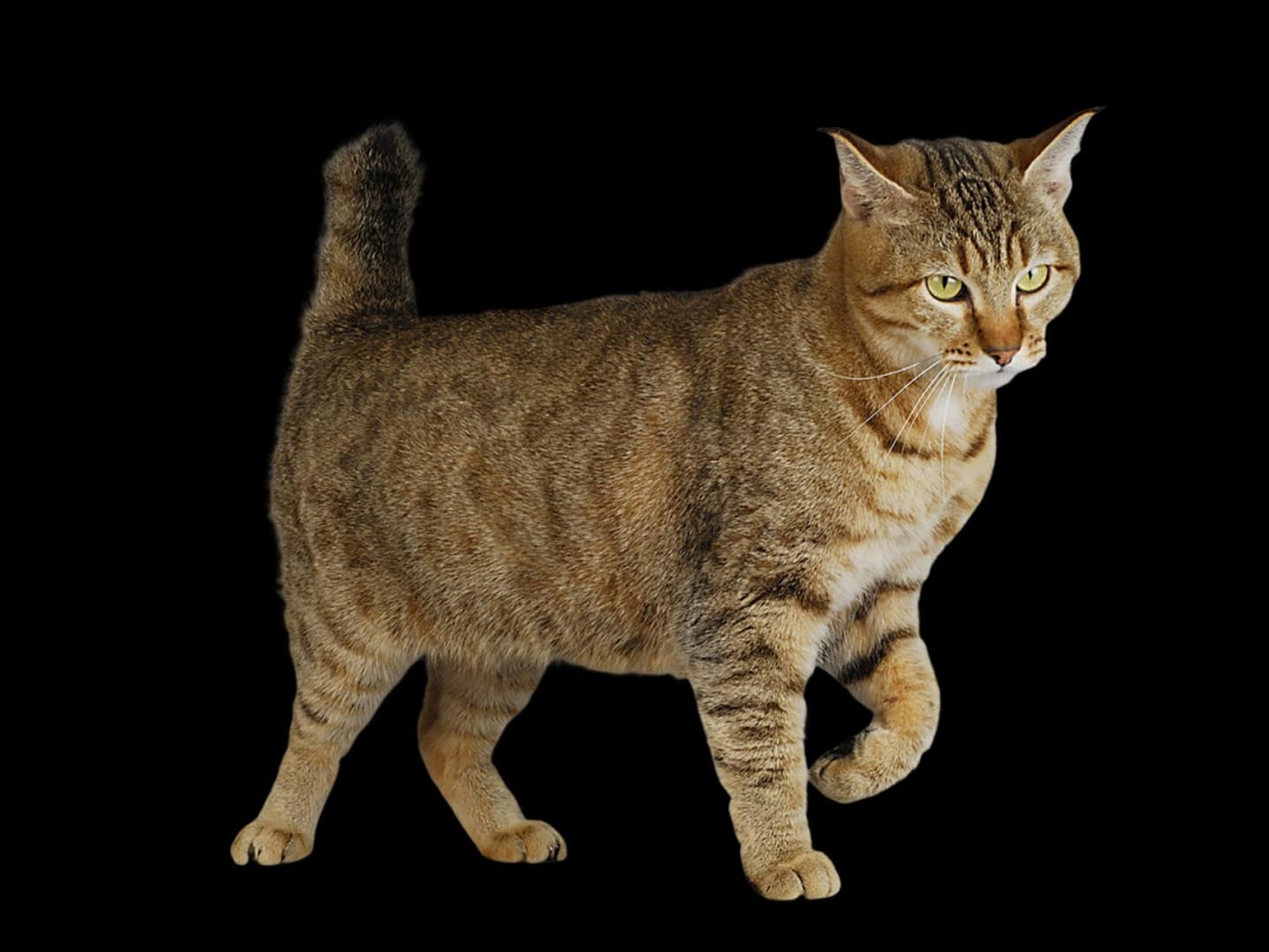
The Pixiebob is a domestic cat breed bred to resemble a bobcat—without being a wild hybrid. People love Pixiebobs for their loyal, “dog-like” personality: they often follow their humans around, enjoy interactive play, and can even learn harness walking and simple routines.
If you’re deciding whether this breed fits your home, the most important factors are temperament, shedding/grooming needs, space & enrichment, health considerations, and cost.
At a glance
- Temperamento: loyal, social, intelligent, gentle
- Size: medium–large, muscular build
- Derramamento: moderate to high (thick double coat)
- Good for: owners who want an interactive, people-oriented cat
Índice
Visão geral da raça
| Traço | Pixiebob |
|---|---|
| Temperamento | Loyal, social, intelligent, gentle, affectionate, curious, trainable (“dog-like”) |
| Size | Medium to large; muscular, brawny build |
| Peso | Males: 12–17 lb (5.4–7.7 kg) Females: 8–12 lb (3.6–5.4 kg) |
| Tempo de vida | 12–18 years (commonly 13–15) |
| Origem | Pacific Northwest, USA (Washington State; Cascade foothills) |
| Cauda | Naturally short/bobbed tail |
| Paws | Polydactyl (extra toes) can occur and is accepted |
| Casaco | Thick double coat; shorthair or longhair |
| Cor | Brown spotted tabby only (tawny → reddish brown; heavy ticking) |
| Derramamento | Moderate to high |
| Affection with people | Very high |
| Care difficulty | Low to moderate |
| Nível de derramamento | ⭐⭐⭐⭐☆ (Moderado a alto) |
| Afeto para com os seres humanos | ⭐⭐⭐⭐⭐ (Muito alto) |
| Dificuldade de atendimento | ⭐⭐☆☆☆ (moderado a baixo) |
Observação: Pixiebobs can take up to 4 anos to fully mature, and some individuals may be larger than the typical weight range.
Introdução
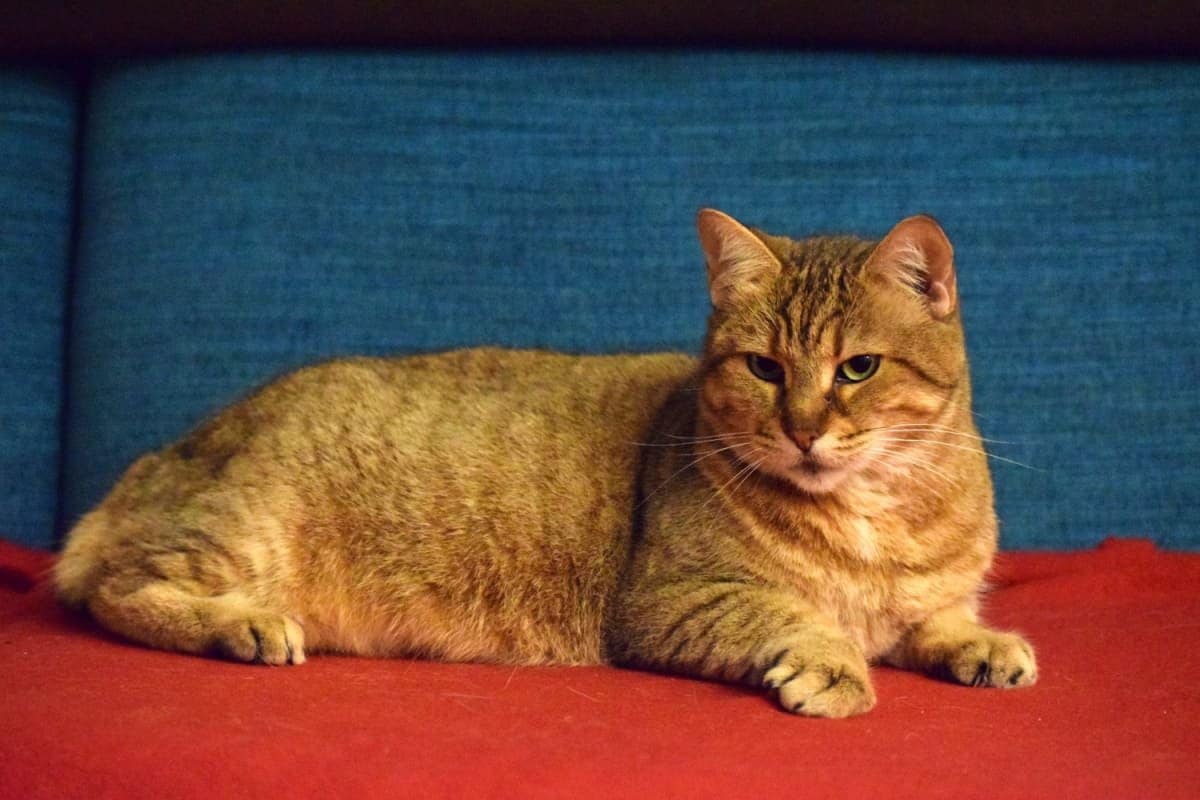
O gato Pixiebob é um testemunho fascinante da criação seletiva, um felino doméstico criado para incorporar o fascínio robusto do lince selvagem e, ao mesmo tempo, manter a disposição gentil e afetuosa de um amado animal doméstico.
Hailing from the misty Pacific Northwest, this breed has captivated enthusiasts with its distinctive appearance and remarkably dog-like personality. If you love that “puppy cat” vibe, see our guide to cats that act like dogs.
Longe de ser um híbrido selvagem, o Pixiebob é um gato totalmente doméstico, uma criação cuidadosa projetada para oferecer o melhor dos dois mundos: uma estética exótica sem os desafios de um verdadeiro animal selvagem.
Breed history (how the Pixiebob was developed)
The Pixiebob breed was developed in the meados da década de 1980 no Cascade Mountain foothills of Washington State. Cat fancier Carol Ann Brewer is credited with establishing the early breeding program after acquiring bobtailed, spotted domestic cats that matched a “bobcat-like” look.
A key foundation cat was a bobtailed, reddish spotted kitten named Pixie, whose appearance inspired Brewer to create a consistent breed standard. Local folklore sometimes referred to these cats as “legend cats,” based on rumors of domestic cats breeding with bobcats.
Despite the resemblance, the Pixiebob is considered a fully domestic cat—not a wild hybrid. The breed was selectively developed to keep the wild look while retaining a friendly, family-oriented temperament.
Over the following years, breeders focused on traits like a short tail, constituição muscular, brown spotted tabby coat, and (in many lines) patas polidáctilas. The breed later gained formal recognition within cat associations, reflecting the effort to standardize type and maintain genetic diversity.
Want the short version? Pixiebobs were bred to olhar like bobcats, but they’re domestic cats with a companion temperament.
Size and appearance
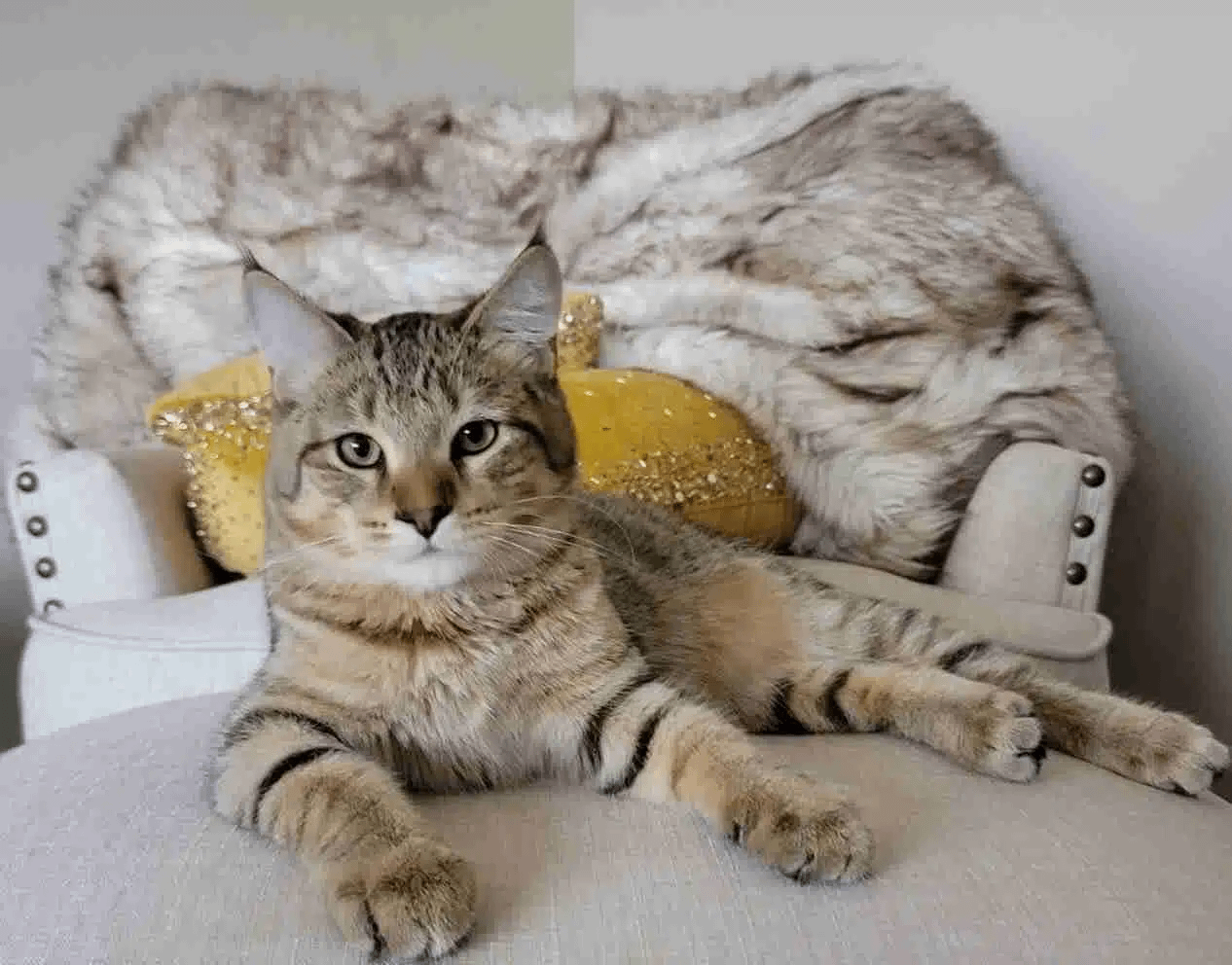
The Pixiebob is a medium to large, muscular cat with substantial bone structure and a sturdy, athletic look. Their body is often described as rangy and rectangular, and many Pixiebobs have a subtle “rolling gait” when they walk. Legs are long and heavy-boned, with the hind legs sometimes appearing slightly longer than the front, and paws are noticeably large.
Head, face, and eyes
Pixiebobs have a pear-shaped head with a strong, fleshy chin and a broad nose area. Their eyes are deep-set and heavily hooded, with a soft triangular shape and colors that can range from marrom dourado a verde groselha. Some Pixiebobs may have lynx-like ear tips, and the facial fur can grow downward in a way that creates a “muttonchop” look along the cheeks.
Tail length and shape
A defining feature of the breed is the naturally short (“bobbed”) tail. Tail length typically ranges from about 2 inches to around the hock, and it’s common for the tail to be dobrado ou com nós. Even when kinked, it should remain flexible and naturally mobile.
Polydactyl paws (extra toes)
Pixiebobs are one of the few cat breeds where polydactyly (extra toes) is accepted within the breed standard. Some Pixiebobs may have up to seven toes per paw. Because extra toes can mean extra nails, owners should pay closer attention to corte regular das unhas to prevent overgrowth or snagging.
Coat, pattern, and color
Pixiebobs have a thick double coat with a slightly woolly, padded texture that stands off from the body. There are two coat varieties:
Shorthair vs longhair
- Shorthair: dense and plush, with that “padded” feel
- Longhair: softer and silkier, typically up to about 2 inches long
Color and markings
Pixiebobs are known for a very specific look: the only accepted color is brown spotted tabby. Shades can range from tawny to reddish brown, com pequenas manchas that are often softened by heavy ticking. In colder seasons, the ticking may appear heavier and more silvery in tone.
Temperament and personality
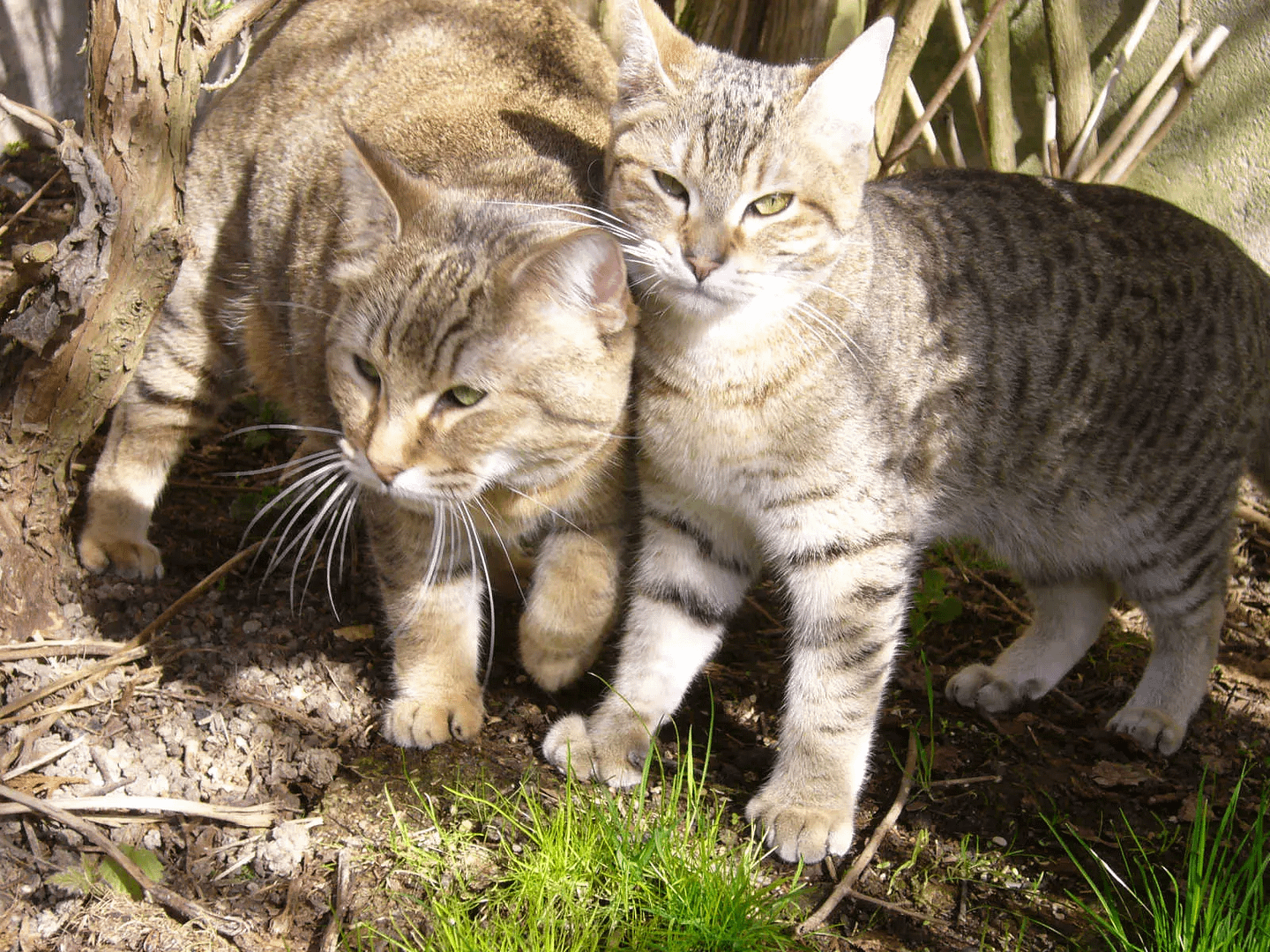
Pixiebobs look wild, but they’re known for being affectionate, loyal, and unusually “dog-like” in the way they bond with people. If you want a companion that likes to follow you around and join daily routines, this breed often fits that role well.
Quick temperament summary (skim this first)
- Bonding: Very people-oriented; often stays close and “supervises” your day
- Energia: Playful and curious, but typically not hyperactive
- Trainability: Many learn routines, leash/harness walking, and fetch-style games
- Communication: More chirps/trills/chuffs than constant meowing
- Social: Often does well with respectful kids and calm, cat-friendly dogs (with proper introductions)
- Independence: Not ideal if you want a “hands-off” cat that ignores you most of the day
Decision snapshot: is a Pixiebob a good match?
You’ll probably enjoy a Pixiebob if you want…
- A cat that acts like a companion (follows you, joins activities, likes being involved)
- A breed that can be trained and mentally engaged (puzzles, routines, leash skills)
- A cat that is affectionate but not frantic—play + chill balance
- A social home where someone is around often
You may want a different breed if you prefer…
- A cat that’s muito independente and fine with minimal interaction
- A pet that needs little enrichment (Pixiebobs can get bored without it)
- A home where nobody can do daily play/training time
- A very quiet household where you don’t want a “shadow” pet following you around
What Pixiebobs are like day-to-day
“Dog-like” devotion (the #1 reason people love them)
Pixiebobs often form strong bonds and may follow you from room to room. Many owners describe them as devoted and emotionally “tuned in,” preferring to be near their humans rather than sleeping alone all day.
Intelligence and trainability
Pixiebobs are typically curious and quick to learn. Many can:
- Walk in a harness/leash (with slow, positive training)
- Play fetch-style games
- Learn basic cues like “come,” “up,” or “sit” (especially if rewarded consistently)
Dica: Training is easiest when you keep sessions short (2–5 minutes), repeat daily, and reward calm behavior—not just tricks.
Energy level: playful, not usually chaotic
They’re active enough to enjoy interactive play, but they’re often described as more laid-back than high-octane breeds. A Pixiebob usually thrives with two short play sessions daily, plus a few enrichment options (climbing, window perches, puzzle feeders).
Sounds they make (often quieter than you’d expect)
Instead of frequent classic meows, Pixiebobs may communicate with softer sounds—chirps, trills, chatters, and chuffs. Many also have famously loud purrs.
With kids, cats, and dogs
Pixiebobs are commonly described as patient and tolerant. Many do well with:
- Respectful older children who handle cats gently
- Other cats when introduced slowly
- Cat-friendly dogs (especially if the Pixiebob is socialized early)
Importante: Personality still varies by individual. Slow introductions and safe escape spaces (cat tree, baby gate zones, separate rooms) are what make multi-pet success predictable.
Alone time and separation needs
Because Pixiebobs tend to be people-focused, some can get lonely if left without interaction most days. If you’re away often, consider:
- A second pet (only if you’re confident in safe introductions)
- More enrichment (puzzle feeders, rotating toys, climbing space)
- Scheduled play before/after work to “bookend” the day
Care Guide: daily routine, grooming, diet & enrichment
Pixiebobs are intelligent, people-focused cats. They do best with a simple routine: balanced meals, short daily play, and consistent enrichment. Use the checklists below to keep care easy and predictable.
Care at a glance (checklist)
Daily (5–25 minutes total)
- Fresh water + quick litter check
- 1–2 interactive play sessions (10–15 min each)
- 2 minutes of “together time” (training, brushing, or cuddles)
Semanal
- ☐ Brush coat (shorthair: 1× / longhair: 2–3×)
- ☐ Rotate toys or add one new enrichment activity
- ☐ Quick weight/shape check (see “Weight management” below)
Every 2–4 weeks
- ☐ Nail trim (extra important for polydactyl paws)
- ☐ Ear/teeth check (a quick look is enough)
Every 6–12 months
- ☐ Routine vet visit (or as your vet recommends)
Diet and weight management
Pixiebobs don’t require a special diet, but they can be prone to weight gain, so the goal is consistent portions + steady activity.
Feeding checklist
- Choose a complete, age-appropriate cat food (kitten/adult/senior)
- Use measured portions (avoid “free-feeding” if weight creeps up)
- Keep treats small (think “training rewards,” not snacks)
- Add moisture (wet food or water fountain) if your cat drinks poorly
Quick body check (easy at home)
- You should be able to feel ribs with light pressure (not see them clearly, not struggle to find them).
- From above, look for a slight waist behind the ribs.
If weight is increasing
- Reduce portions slightly (don’t crash-diet)
- Add one extra 10-minute play session daily
- Use puzzle feeders for part of meals to slow eating
* To portion correctly, use our cat calorie calculator.
Exercise and play (simple routine)
Pixiebobs are active and curious, but they’re usually not “hyper.” Short, consistent sessions work better than occasional long ones.
Best play styles (rotate these)
- Hunt games: wand toy with unpredictable movements
- Chase bursts: short sprints down a hallway
- Fetch-style play: many Pixiebobs enjoy retrieving small toys
- Brain + body: puzzle feeder or treat ball
Recommended schedule
- Indoor Pixiebob: 10–15 minutes, twice daily
- Add a third short session if you notice boredom behaviors (see below)
Leash/harness option (if you want an “adventure cat”)
- Start indoors with the harness for 1–3 minutes + treats
- Gradually increase time, then add a leash inside
- Only move outdoors once your cat is calm and confident
Enrichment and training (prevents boredom)
Pixiebobs are smart—many behavior issues come from subestimulação, not “bad temperament.”
Enrichment checklist
- One tall climbing option (cat tree / shelves)
- One window perch (bird watching = free enrichment)
- Scratching options (vertical + horizontal)
- Puzzle feeder or lick mat a few times per week
- Rotate toys weekly (hide 70%, rotate 30%)
Training (5 minutes, 3–4×/week)
- Teach simple cues: “come,” “touch,” “sit”
- Use treats or a favorite toy as reward
- Redirect unwanted behavior (e.g., counters) to a “yes spot” like a perch
When you’re away
- Leave a safe “activity loop”: window perch + puzzle feeder + 2–3 toys
- Optional: low-volume nature sounds if your cat is calmer with background noise
Grooming: coat + nails (polydactyl-friendly)
Pixiebobs have a thick double coat. It’s not usually high-maintenance, but it does shed.
Coat brushing
- Shorthair: brush once per week
- Longhair: brush 2–3× per week (focus behind ears, armpits, belly)
Brush checklist
- Slow, gentle strokes (don’t “rake” the coat)
- Spend extra time where friction mats form (harness area, underarms)
- Reward with a treat so grooming stays positive
Nail trimming (especially important for polydactyl cats)
Polydactyl toes can hide nails that overgrow.
- Check every paw, including “extra toes”
- Trim every 2–4 weeks
- If nails snag on fabric or you hear clicking, it’s time
Signs your Pixiebob needs more stimulation (quick troubleshooting)
Add enrichment/play if you see:
- Counter surfing, persistent attention-seeking, or “getting into everything”
- Night zoomies that worsen over time
- Chewing cords/plants, rough play, or over-grooming from boredom
Fast fixes
- Add a higher perch + window view
- Add one extra 10-minute play session
- Increase puzzle feeding
Health and lifespan
Pixiebobs are generally sturdy, slow-maturing cats (often taking years to fully develop), but like any breed they do best with weight control, dental care, and routine vet checkups. Most live 12–18 years, with many commonly reaching 13–15 years when kept lean, active, and well cared for.
Health priorities (what matters most)
If you only do a few things, do these:
- Keep them lean: extra weight raises risk for diabetes, joint strain, and lower energy.
- Protect the teeth: dental disease is common in cats and can impact appetite and overall health.
- Trim nails carefully (especially polydactyl paws): extra toes = extra nails to monitor.
- Work with your vet on vaccines/medications: some Pixiebobs may be more sensitive and need a tailored plan.
- Know the red flags: early action matters more than breed-specific worry.
What to do (a practical prevention plan)
Semanal
- Short hair: brush 1×; long hair: brush 2–3×
- Quick “toe check” (look at every nail, especially extra toes)
Every 2–4 weeks
- Nail trim (polydactyl cats can hide overgrown nails more easily)
Daily
- Portion control + fresh water
- 10–15 minutes of interactive play (1–2 sessions)
Vet routine
- Annual wellness exam (more often for seniors)
- Dental checks every visit; ask about cleaning frequency based on tartar buildup
- Ask your vet whether heart screening (like an echocardiogram) makes sense for your cat’s risk profile
When to call the vet sooner (don’t “wait and see”)
Contact your vet if you notice:
- Rapid weight gain or loss, reduced appetite, vomiting/diarrhea lasting >24 hours
- Bad breath, drooling, pawing at the mouth, or avoiding hard food
- Limping, stiffness, reluctance to jump, or pain when touched
- Weakness in the back legs, wobbliness, or odd tail/back sensitivity
- Labored breathing, open-mouth breathing, fainting, or extreme lethargy
- After vaccines/meds: facial swelling, hives, vomiting, collapse, or severe lethargy
Health concerns and how to manage them (what it is + what to do)
| Concern | What it can look like | O que fazer |
|---|---|---|
| Weight gain / obesity risk | Belly sag, low stamina, heavy breathing after play | Use measured meals, limit treats, track weight monthly, and keep daily play consistent |
| Oral health (dental disease / tooth resorption risk) | Bad breath, tartar, drooling, chewing on one side | Start gentle tooth brushing, use dental-approved treats/water additives if vet-approved, schedule cleanings as recommended |
| Polydactyl-related nail issues | Overgrown/ingrown nails (often hidden), soreness in toes | Trim every 2–4 weeks, check every toe, ask groomer/vet to demonstrate safe trimming |
| Vaccine/medication sensitivity (some individuals) | Strong lethargy, fever, vomiting, swelling, hives | Tell your vet your cat’s history, request an individualized plan, monitor closely after shots, seek urgent help for severe reactions |
| Bobtail/spine issues (rare, but watchful awareness) | Pain when handled, weakness, abnormal gait, litter box trouble | Choose reputable breeding lines; monitor for neuro signs and see a vet early if symptoms appear |
| Cardiomiopatia hipertrófica (CMH) | Sometimes silent; can show fast breathing, fainting, low energy | Keep regular exams; ask your vet if screening is appropriate (especially if there’s family history) |
| FIP (viral disease; not unique to Pixiebobs) | Persistent fever, weight loss, lethargy, belly fluid, appetite decline | Reduce stress, keep hygiene strong, avoid overcrowding, isolate sick cats, see a vet quickly if symptoms appear |
Important note: This guide is educational and not a substitute for veterinary diagnosis or treatment.
Essa raça é ideal para você?
The Pixiebob is best known for its loyal, “dog-like” personality, strong family bond, and need for interactive play and mental stimulation. Use the quick lists below to decide if the Pixiebob fits your home and lifestyle.
| Adequado para | Não adequado para |
|---|---|
| You want a social, bonded cat that follows you around and enjoys being part of daily life | You’re away most of the day and want a cat that thrives with minimal interaction |
| You’re home often (or have someone around) and can give consistent attention | You prefer a truly independent “low-engagement” cat (Pixiebobs usually want involvement) |
| You enjoy interactive play/training (fetch-style games, routines, leash/harness practice) | You can’t commit to play and mental stimulation most days (boredom can lead to mischief) |
| You can provide enrichment like cat trees, puzzle feeders, and rotating toys | Your home is very chaotic or loud and you can’t provide a stable routine |
| You have a calm to moderately busy home and can introduce new pets properly | You have aggressive/unsocial pets that won’t tolerate a confident newcomer |
| You want an affectionate cat that enjoys cuddles but isn’t nonstop high-energy | You don’t want moderate-to-high shedding or regular brushing (especially longhair) |
Quick self-check (30 seconds)
If you answer “yes” to 4 or more, the Pixiebob is usually a strong match:
- Can I do 10–15 minutes of interactive play most days?
- Can I provide climbing space + enrichment indoors?
- Do I want a cat that’s orientado para as pessoas rather than independent?
- Can I handle moderate-to-high shedding and routine grooming?
- Am I willing to monitor weight and feed carefully to prevent obesity?
FAQ About Pixiebob Cats
Os gatos Pixiebob são realmente parte lince?
Não, apesar de sua impressionante semelhança com o selvagem Coastal Red Bobcat, os testes de DNA confirmaram que os Pixiebobs são gatos totalmente domésticos, sem nenhum ancestral selvagem. A raça foi desenvolvida por meio da criação seletiva cuidadosa de felinos domésticos para obter sua aparência selvagem característica.
Qual é o tamanho dos gatos Pixiebob?
Os Pixiebobs são gatos de médio a grande porte. Os machos normalmente pesam entre 5,4 e 7,7 kg (12 e 17 libras), embora alguns possam chegar a 9,1 kg (20 libras). As fêmeas são um pouco menores, variando de 3,6 a 5,4 kg (8 a 12 libras), com algumas chegando a 6,8 kg (15 libras). É importante lembrar que eles podem levar até quatro anos para atingir o tamanho máximo e o desenvolvimento muscular.
Todos os Pixiebobs têm cauda curta?
Os Pixiebobs são caracterizados por uma cauda naturalmente curta ou "bobbed", cujo comprimento pode variar de um mínimo de 2 polegadas até o jarrete. Embora a maioria tenha caudas curtas, o comprimento pode variar dentro da raça, e alguns podem ter caudas quase inexistentes ou até mais longas. A cauda é frequentemente dobrada ou com nós, mas deve permanecer flexível.
Quanto custa um filhote de Pixiebob?
O custo de um filhote de Pixiebob pode variar significativamente com base em fatores como gênero, comprimento da pelagem e se ele tem patas polidáctilas. Para um filhote com qualidade de animal de estimação, os preços normalmente variam de $1.800 a $3.500. Os gatinhos destinados a exposições ou reprodução podem começar em $5.000 ou mais.
Por que os criadores esperam até que os filhotes tenham de 14 a 16 semanas de idade para vendê-los?
Criadores respeitáveis aderem a um código de ética que prioriza a saúde e o desenvolvimento do filhote. Os filhotes precisam receber pelo menos duas vacinas FVRCP (cinomose), geralmente com 8 e 12 semanas de idade. A imunidade total não ocorre até que os gatinhos tenham de 14 a 16 semanas de idade, o que torna mais seguro para eles irem para novos lares. Esse período de espera também permite a cirurgia de esterilização/neutralização, microchipagem e socialização inicial, garantindo que o filhote esteja bem preparado para seu novo ambiente.
Os Pixiebobs podem ter garras?
Criadores idôneos de Pixiebob desaconselham fortemente o uso de garras. A remoção de garras é um procedimento cirúrgico doloroso e muitas vezes traumático que pode levar a problemas comportamentais significativos, incluindo mordidas agressivas e evitar a caixa de areia. Muitos gatos que são castrados acabam em abrigos devido a esses problemas. Os criadores responsáveis priorizam o bem-estar do gato e, normalmente, exigem que os compradores concordem em não retirar as garras. Em vez disso, recomenda-se fornecer postes apropriados para arranhar (eles preferem madeira) e aparar as unhas regularmente.
Fun facts about Pixiebobs (Bonus)
These aren’t the main reasons people choose the breed—but they’re part of what many owners love about Pixiebobs.
Many Pixiebobs are curious about water
Some Pixiebobs enjoy water play (like pawing at a dripping faucet or splashing in a shallow dish). Not every Pixiebob likes water, but gentle, supervised “water toy” games can be a fun enrichment option.
Why it matters: Water play can be an easy way to add novelty and reduce boredom—especially for smart, people-focused cats.
Their “voice” often sounds different from typical meows
Pixiebobs may communicate with chirps, trills, chatters, and soft sounds rather than loud meowing. Many are also known for very strong, rumbling purrs.
Why it matters: If you prefer a cat that isn’t constantly vocal, Pixiebobs can be a good fit (though every cat is an individual).
They can make great “adventure cats”
Thanks to their loyalty and trainability, some Pixiebobs take well to harness training, car rides, and calm outings—when introduced slowly and positively.
Why it matters: If you want a cat that can join you safely on controlled adventures, Pixiebobs often have the temperament for it.
Polydactyl paws are allowed—and they need extra nail attention
Pixiebobs are one of the few breeds where extra toes are accepted in the standard. Extra toes can also mean extra nails to monitor.
Why it matters: Polydactyl cats may need more careful nail checks to prevent overgrowth or discomfort.
They’re often very tuned in to routines and moods
Many Pixiebob owners describe them as emotionally “in sync” with the household. They often thrive with predictable routines, daily interaction, and regular play.
Why it matters: If you want a bonded companion, Pixiebobs can be incredibly rewarding—but they usually do best when they’re not ignored for long stretches.
Referências
"O Papai Noel das lojas de animais não precisará de vacinas contra a raiva". Imprensa de Atlantic City. 11 December 2008. Archived from the original on 23 December 2008. Urban legends have it that pixiebobs are the result of wild bobcats breeding with domestic cats, Bowers said. But DNA tests have proved those rumors untrue, as wild bobcat markers were not found in the breed.
"Histórico de informações sobre a raça de gato Pixiebob". Vetstreet. Recuperado em 2018-05-03.
"Introdução ao Pixiebob". TICA. Recuperado em 2018-05-03.
Página inicial do fundador Carol Ann Brewer
Número de série de pedidos e registros de marcas registradas: 77196038 Escritório de Marcas e Patentes dos Estados Unidos
Ver, em geral, In Re Ditto, 499 Fed. Appx. 1 (Fed. Cir. 2012).
Fatos rápidos sobre o gato doméstico Arquivado 2011-12-17 no Máquina Wayback
Catsplace (março de 2018). "Raça de gato Pixie Bob". Raças de gatos do mundo. Recuperado em 2020-01-01.
"PADRÕES DE LOOF" (PDF). Recuperado em 10 de abril de 2021.
"50 raças de gatos mais importantes, melhores e mais populares do mundo". O Planeta Encantador. 2015-02-07. Recuperado em 2020-01-01.
"Informações, fotos, características e fatos sobre a raça de gato Pixie-Bob". CatTime. Recuperado em 2018-05-03.









 EN
EN DE
DE ES
ES PT
PT