

Zu den ruhigsten Katzenrassen zählen häufig Perser, Britisch Kurzhaar, Exotische Katzen, Ragdolls und Birmanen. Allerdings gibt es keine Rasse, die garantiert eine ruhige Schoßkatze liefert: Alter, Gesundheit, frühe Erfahrungen und die individuelle Persönlichkeit spielen eine ebenso große Rolle. Um die bestmögliche Übereinstimmung zu finden, sollten Sie sich eine erwachsene Katze aussuchen, deren Aktivitätsniveau und Art der Zuneigung bereits bekannt sind.
In diesem Leitfaden bezeichnet der Begriff “weniger aktiv” eine Katze, die oft einen ruhigeren Haushalt und mäßiges Spielen bevorzugt, nicht jedoch eine Katze, die inaktiv sein sollte. Jede gesunde Katze braucht dennoch Bewegung, Abwechslung, Gewicht Überwachung und tierärztliche Versorgung.
Inhaltsübersicht
- Welche ruhigen Katzenrassen sind in der Regel weniger lebhaft?
- Wie schneiden die fünf ruhigen Katzenrassen im Vergleich ab?
- Ist eine Perserkatze das Richtige für einen ruhigen Haushalt?
- Ist eine Britisch Kurzhaar ruhig, aber unabhängig?
- Ist eine Exotic Shorthair eine pflegeleichtere Perserkatze?
- Sind Ragdolls und Birmakatzen tatsächlich faul?
- Braucht eine ruhige Katze trotzdem Bewegung?
- Ist eine erwachsene Katze aus dem Tierheim eine bessere Wahl als eine Rassekatze?
- Wie finde ich eine ruhige Katze für meinen Haushalt?
- Schlussfolgerung
- Häufig gestellte Fragen
- Referenzen
Welche ruhigen Katzenrassen sind in der Regel weniger lebhaft?
Perser, Britisch Kurzhaar und Exotische Katzen gehören zu den besten Rassen für Menschen, die einen eher ruhigen Begleiter suchen. Ragdolls und Birmanen sind oft ruhig und menschenbezogen, neigen jedoch dazu, interaktiver zu sein, und sollten daher nicht als wirklich wenig aktive Katzen betrachtet werden.
| Rasse | Typisches Aktivitätsverhalten | Art der Nähe | Wichtiger Kompromiss |
|---|---|---|---|
| Persisch | Nach unten | Ruhig und liebevoll; bevorzugt oft einen ruhigen Tagesablauf | Intensive Fell- und Gesichtspflege |
| Britisch Kurzhaar | gering bis mäßig | Treue, aber oft nicht anspruchsvoll oder beständig kuschelig | Man kann ohne Maß übergewichtig werden Lebensmittel und spielen |
| Exotisch | gering bis mäßig | Zärtlich und verspielt, wenn auch nur in kurzen Phasen | Ein kurzes Fell ist pflegeleichter als ein Perserfell, aber nicht völlig pflegefrei. |
| Ragdoll | Mäßig | Folgt oft Menschen und genießt Gesellschaft | Braucht Interaktion, Spiel und regelmäßige Fellpflege |
| Birma | Mäßig | Gesellig, sanftmütig und familienorientiert | Mag möglicherweise längere Zeiträume ohne Gesellschaft nicht |
Das sind Tendenzen, keine Garantien. Eine lebhafte Perserkatze oder eine zurückhaltende Ragdoll ist für die Rasse nicht “falsch”. Eine erwachsene Mischlingskatze mit nachweislich ruhigem Wesen passt möglicherweise besser, als jedes Kätzchen, das aus einer Rassenliste ausgewählt wurde.
Wie schneiden die fünf ruhigen Katzenrassen im Vergleich ab?
Die beste Wahl hängt davon ab, was “Ruhe” bei Ihnen zu Hause bedeutet. Manche Menschen wünschen sich eine Katze, die in ihrer Nähe ruht, ohne viel Aufmerksamkeit zu verlangen; andere möchten eine entspannte Katze, die ihnen von Zimmer zu Zimmer folgt.
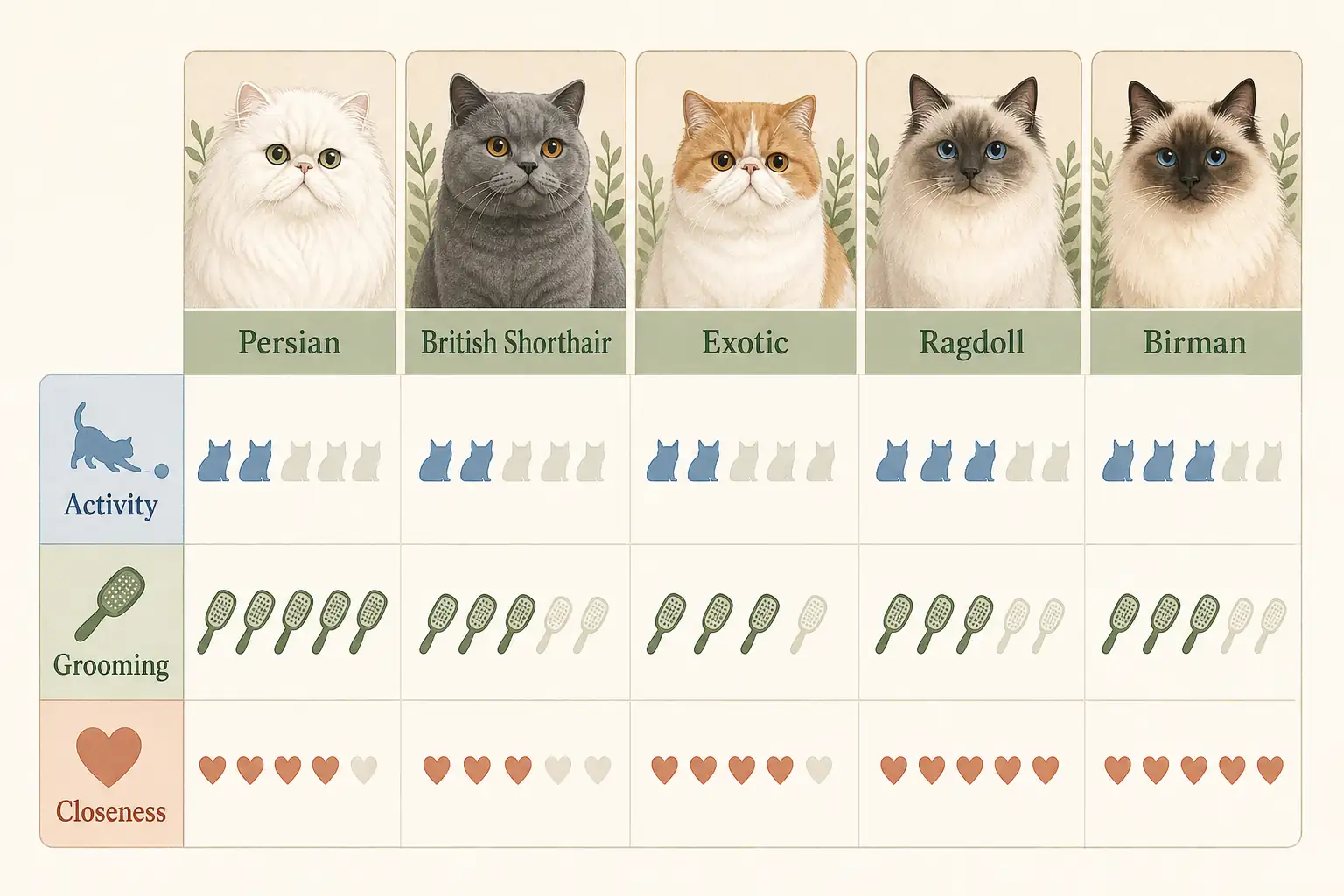
Beachten Sie diese Tabelle zur Eignung für den Hausgebrauch, bevor Sie sich auf das Aussehen konzentrieren:
| Ihre Priorität | Starke Kandidaten | Fragen Sie nach, bevor Sie sich entscheiden |
|---|---|---|
| Ruhige Katze, die es gut findet, wenn man ihr etwas Freiraum lässt | Britisch Kurzhaar, einige erwachsene Perserkatzen | Sucht diese Person Nähe, Gesellschaft in der Nähe oder mehr Freiraum? |
| Entspannter, liebevoller Begleiter | Ragdoll, Birma, Exotic | Wie reagiert die Katze, wenn sie allein gelassen wird? |
| Wohnungsfreundliches Wesen | Jeder ruhige Erwachsene; die Britisch Kurzhaar passt oft gut dazu | Bietet die Wohnung ausreichend Möglichkeiten zum Klettern, Kratzen und Spielen? |
| Geringere Arbeitsbelastung bei der Beschichtung | Britisch Kurzhaar oder Exotic | Schaffst du es noch mit dem Bürsten, den Nägeln, der Zahnpflege und dem Haarausfall? |
| Bekanntes Aktivitäts- und Zuneigungsniveau | Erwachsene Pflege- oder Tierheimkatze | Was hat die Pflegekraft in einer wohnlichen Umgebung beobachtet? |
Wenn die Eignung der Wohnung für Sie bei Ihrer Entscheidung eine zentrale Rolle spielt, lesen Sie den Leitfaden von SnuggleSouls zu Eine Katze in einer Wohnung aufnehmen.
Ist eine Perserkatze das Richtige für einen ruhigen Haushalt?
Perserkatzen eignen sich oft gut für ruhige Haushalte, da sie vorhersehbare Abläufe und sanfte Gesellschaft der ständigen Action vorziehen. Die CFA beschreibt die Perserkatze als lieb, sanft und ruhig, mit kurzen spielerischen Phasen zwischen den Ruhephasen.1
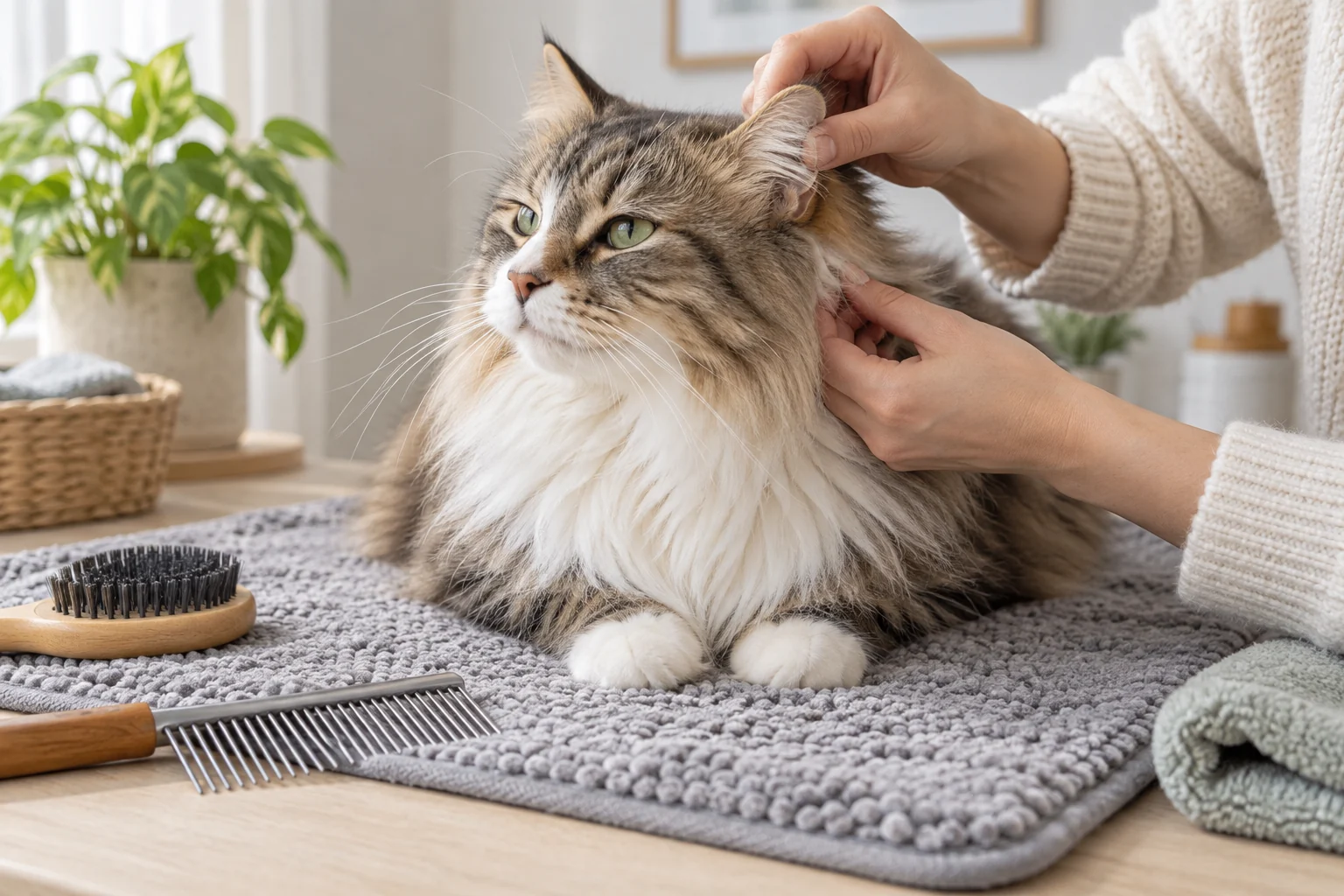
Der Nachteil ist der erhebliche Pflegeaufwand. Das lange Fell einer Perserkatze erfordert konsequente Pflege, und auch Gesicht und Augen müssen möglicherweise regelmäßig gepflegt werden. Nur weil die Katze vielleicht weniger energiegeladen ist, bedeutet das nicht, dass sie pflegeleicht ist.
Ein Perser könnte zu dir passen, wenn du:
- möchte einen ruhigen Begleiter für drinnen
- haben Spaß an der täglichen Körperpflege und können diese regelmäßig durchführen
- bietet sanfte Spielmöglichkeiten, ohne dass man von der Katze sportliche Leistungen erwartet
- sind bereit, mit einem verantwortungsbewussten Züchter oder einer Tierschutzorganisation über rassenspezifische Gesundheitsuntersuchungen zu sprechen
Wählen Sie eine andere Katze, wenn Ihnen die Fellpflege als Belastung erscheint oder wenn es in Ihrem Haushalt laut und unberechenbar zugeht.
Ist eine Britisch Kurzhaar ruhig, aber unabhängig?
Britisch Kurzhaar-Katzen sind oft ruhige, ausgeglichene Begleiter, die gerne in der Nähe ihrer Menschen sind, ohne unbedingt auf dem Schoß sitzen zu wollen. Die CFA beschreibt sie als anhänglich, aber nicht aufdringlich und im Allgemeinen weniger aktiv als viele andere Rassen.2
Das macht diese Rasse attraktiv für Menschen, die sich ruhige Gesellschaft wünschen; ihre Unabhängigkeit sollte jedoch nicht damit verwechselt werden, dass sie keine Zuwendung benötigen. Britisch Kurzhaar-Katzen brauchen nach wie vor täglichen Kontakt, Spiel, Möglichkeiten zum Kratzen und eine sorgfältige Futterportionskontrolle.
Die SnuggleSouls Ratgeber zur Britisch Kurzhaar befasst sich eingehender mit dieser Rasse. Bevor Sie sich für eine entscheiden, sollten Sie sich fragen, ob Sie mit einer Katze zufrieden wären, die eher neben Ihnen sitzt als auf Ihnen.
Ist eine Exotic Shorthair eine pflegeleichtere Perserkatze?
Eine Exotic-Katze kann ein perserkatzenähnliches, ruhiges Wesen mit kürzerem Fell aufweisen, doch “pflegeleichter” bedeutet nicht, dass sie pflegefrei ist. Die CFA beschreibt Exotics als liebevolle, anhängliche Begleiter mit ruhigem Wesen und verspielter Neugier.3
Das dichte Kurzfell muss dennoch gebürstet werden, und die Gesichtsform erfordert möglicherweise regelmäßige Pflege sowie sorgfältige Gesundheitsuntersuchungen. Eine Exotic-Katze könnte gut zu jemandem passen, der den Charakter der Perserkatze schätzt, sich aber nicht auf die tägliche Fellpflege einer Langhaarkatze festlegen möchte.
Lies die SnuggleSouls Ratgeber zur Exotic Shorthair Bevor Sie sich entscheiden, erkundigen Sie sich bei Züchtern oder Tierheimen über Fellpflege, Atmung, Augenpflege, Gesundheitsuntersuchungen und das Aktivitätsniveau der jeweiligen Katze.
Sind Ragdolls und Birmakatzen tatsächlich faul?
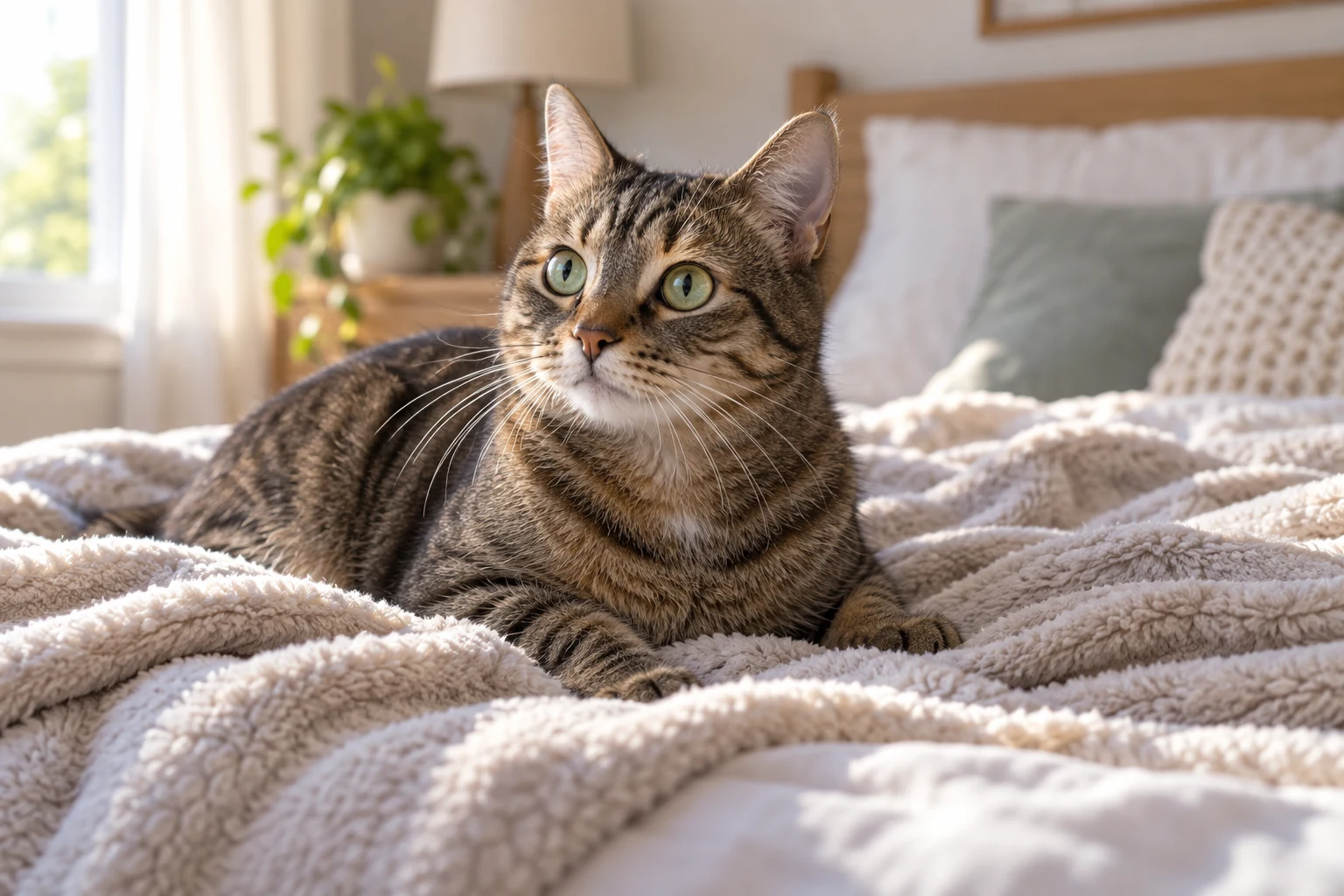
Ragdolls und Birmakatzen lassen sich eher als ruhig und gesellig denn als faul beschreiben. Sie genießen oft entspannte Momente mit Menschen, aber viele mögen auch interaktives Spielen, folgen Familienmitgliedern gerne und nehmen an den Aktivitäten im Haushalt teil.
Laut CFA sind Ragdolls gelassen, liebevoll und ihren Menschen gegenüber interessiert, dabei aber dennoch verspielt.4 Birmakatzen gelten als sanfte, liebevolle und gesellige Katzen, die Gesellschaft schätzen.5
Entscheiden Sie sich für eine dieser Rassen, wenn Sie eine ruhige Katze suchen, die sich gut in das Familienleben einfügt. Wählen Sie keine dieser Rassen, wenn Sie erwarten, dass sich die Katze endlos selbst beschäftigt oder untätig bleibt.
Um einen Kandidaten genauer unter die Lupe zu nehmen, nutze SnuggleSouls Leitfaden zur Ragdoll-Rasse. Der umfassendere anhänglichste Katzenrassen Dieser Leitfaden kann dabei helfen, Zuneigung von Energielosigkeit zu unterscheiden.
Braucht eine ruhige Katze trotzdem Bewegung?
Ja. Auch ruhige Katzen brauchen täglich Spiel-, Kletter- und Kratzmöglichkeiten sowie eine dosierte Futterzufuhr. Geringe Bewegung in Verbindung mit einem Kalorienüberschuss kann zu unerwünschter Gewichtszunahme führen und die Beweglichkeit einschränken.
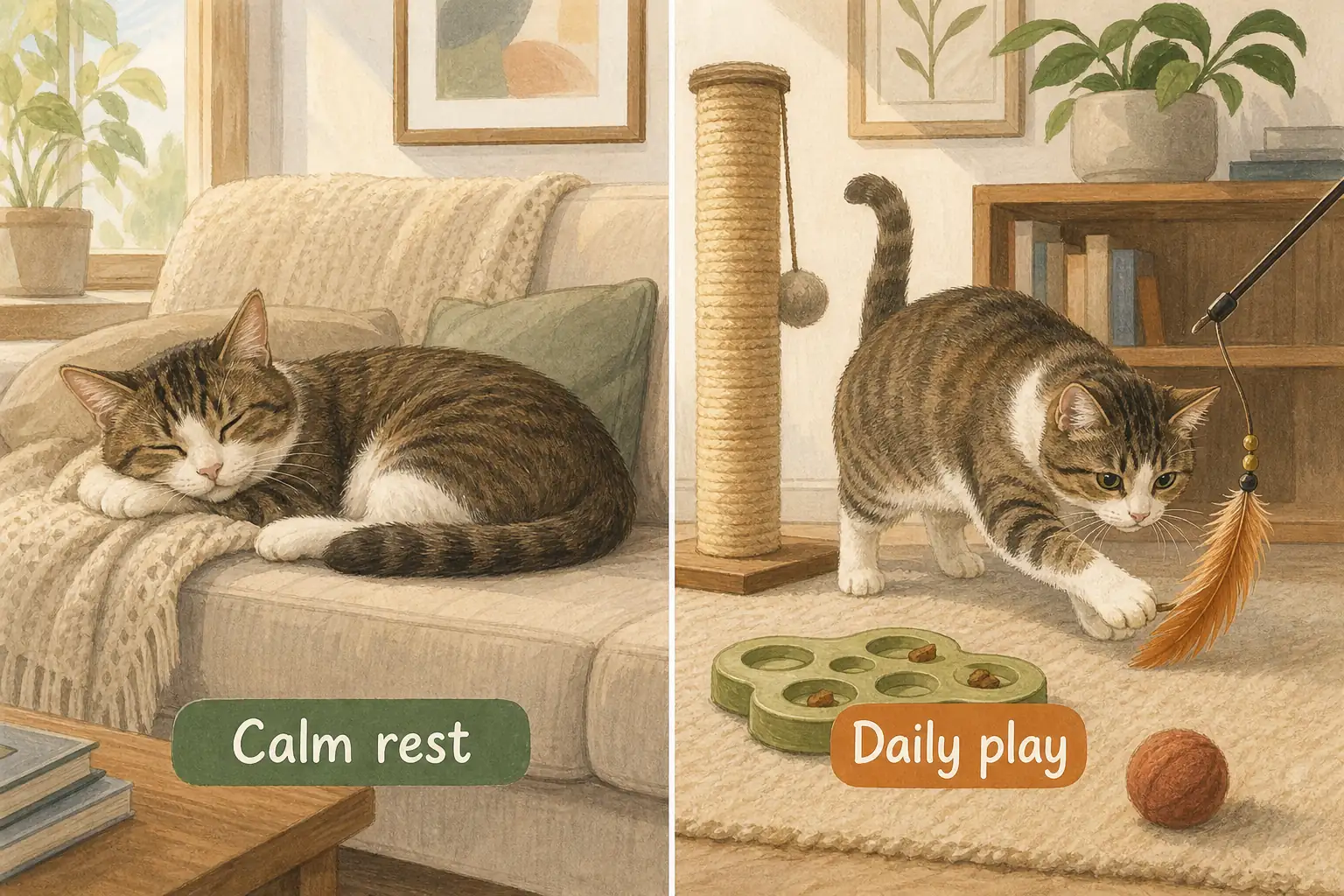
Eine praktische Vorgehensweise kann ganz einfach sein:
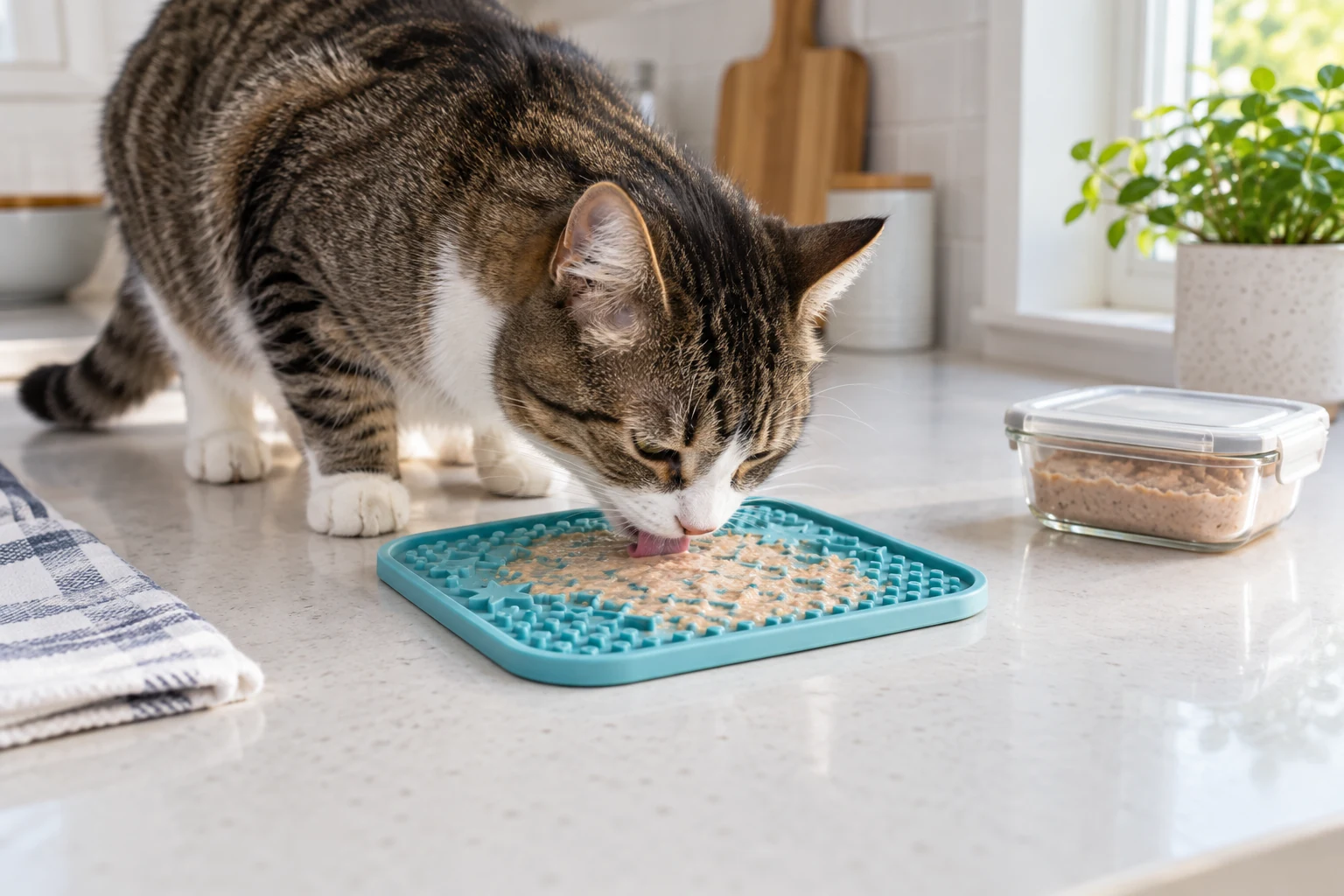
- Bieten Sie zwei oder drei kurze Spielrunden mit einem Stabspielzeug, einem Rollspielzeug oder einem Futterpuzzle an.
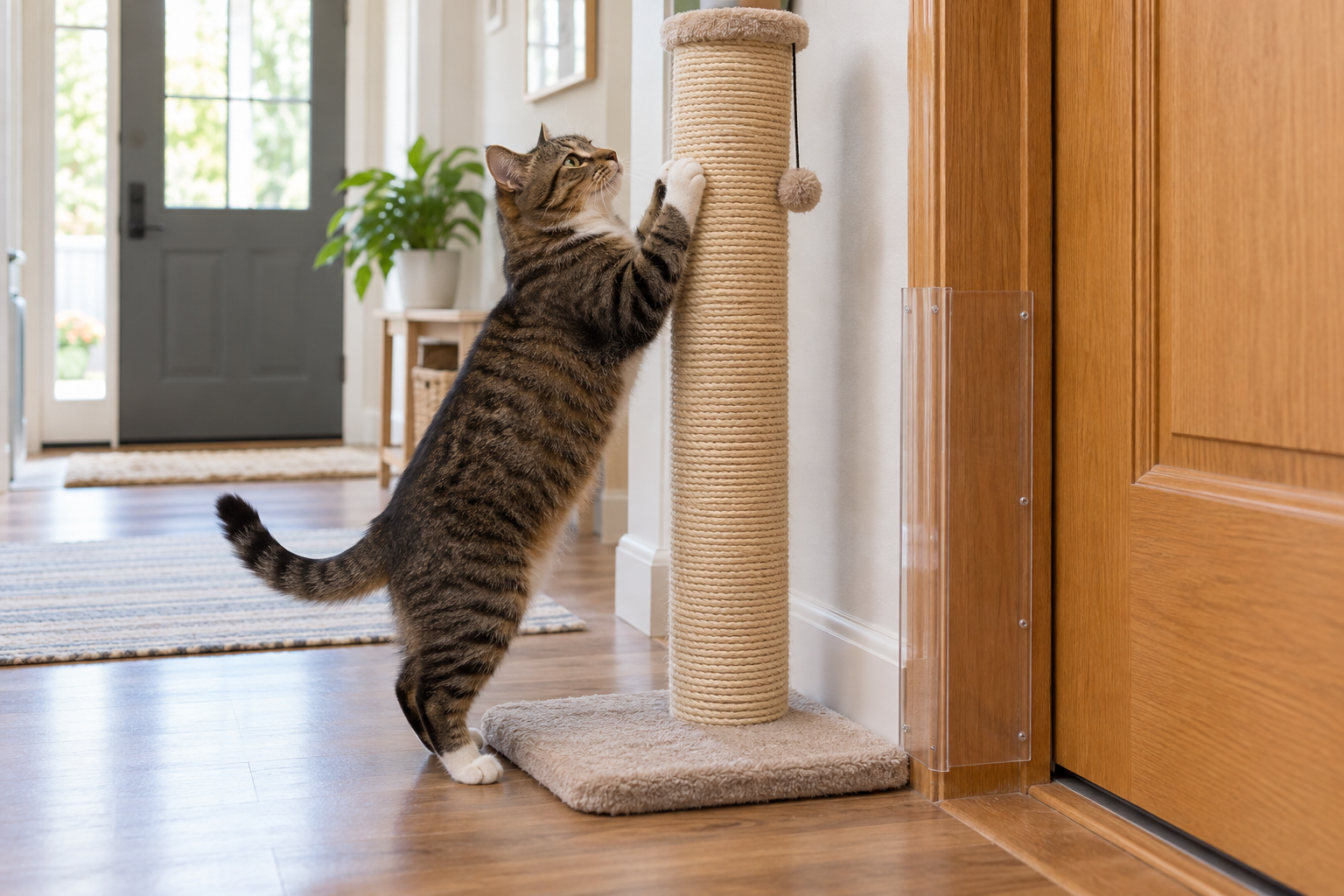
- Stellen Sie einen stabilen Kratzbaum und eine leicht erreichbare Sitzstange bereit.
- Messen Sie das Futter ab, anstatt davon auszugehen, dass eine ruhige Katze unbegrenzten Zugang dazu haben muss.
- Achten Sie auf den körperlichen Zustand, die Beweglichkeit, die Fellpflege und das Interesse an den gewohnten Routinen.
- Wenden Sie sich an einen Tierarzt, wenn die Aktivität plötzlich nachlässt oder mit Appetit- und Gewichtsveränderungen einhergeht, Verstecken, oder Bewegungsänderungen.
Die Katzenkalorienrechner und Körperzustandsrechner kann dabei helfen, Fragen zu strukturieren, doch Entscheidungen bezüglich der Fütterung und Gewichtsreduktion sollten von einem Tierarzt begleitet werden. Die AAHA/AAFP-Leitlinien zu den Lebensphasen von Katzen legen den Schwerpunkt auf eine individuelle Betreuung, die sich nach Lebensphase, Umgebung, Verhalten und Gesundheitszustand richtet.6
Ist eine erwachsene Katze aus dem Tierheim eine bessere Wahl als eine Rassekatze?
Eine erwachsene Katze aus dem Tierheim oder aus einer Pflegefamilie ist oft der sicherste Weg zu einem ruhigen Begleiter. Ihr aktuelles Aktivitätsniveau, ihr Verhalten gegenüber Besuchern, ihr bevorzugtes Maß an Nähe, ihre Toleranz gegenüber Fellpflege sowie ihr Verhalten im Haushalt lassen sich bereits beobachten.
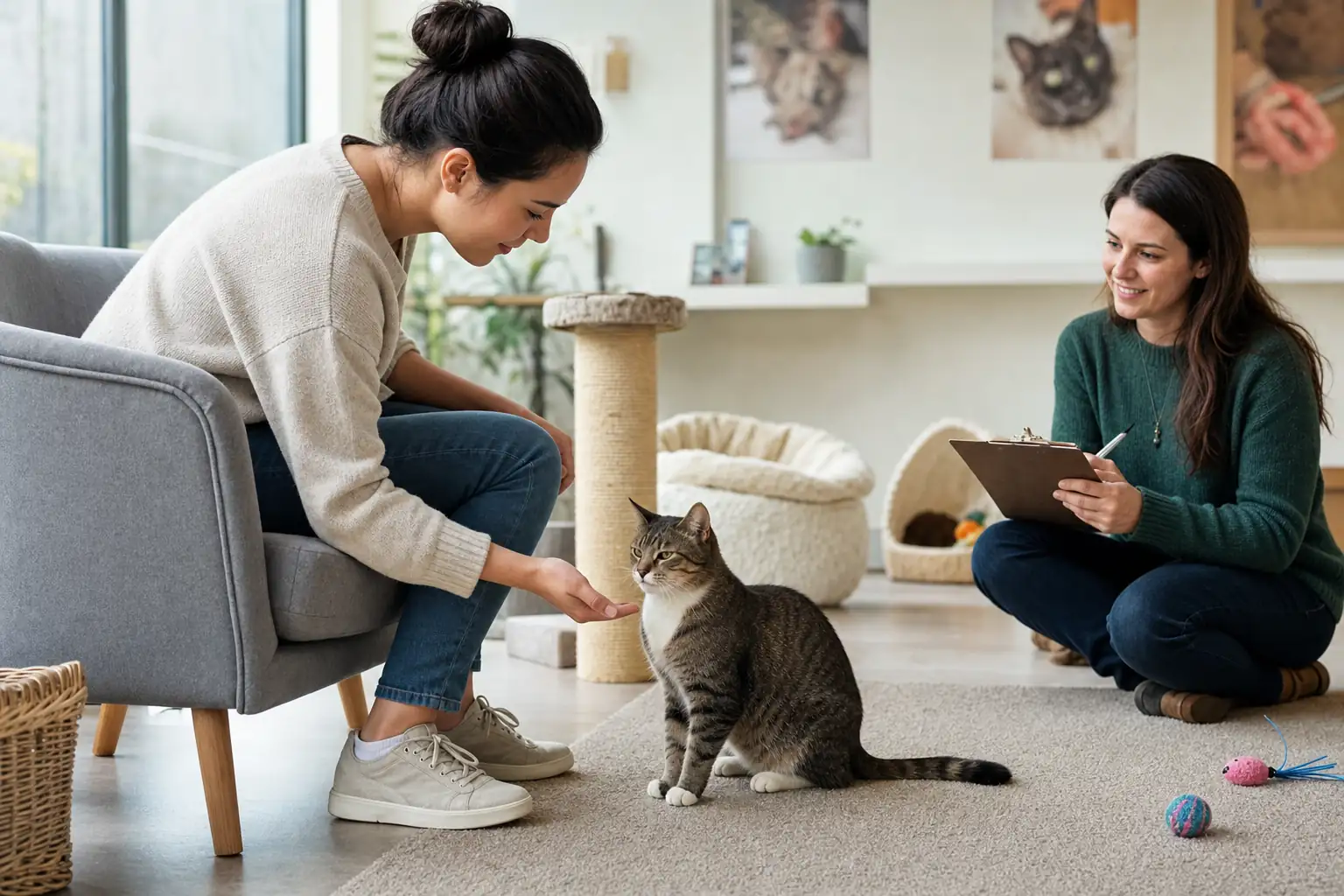
Fragen Sie im Tierheim, bei der Pflegefamilie oder bei der Tierschutzorganisation nach:
- Sucht die Katze den Schoß, Gesellschaft in ihrer Nähe oder ihren eigenen Freiraum?
- Wie sieht ein normaler Tag mit Spiel und Erholung aus?
- Wie verhält sich die Katze gegenüber Kindern, Besuchern oder anderen Haustieren?
- Ist die Katze gestresst, wenn sie allein gelassen wird?
- Gibt es besondere Anforderungen in Bezug auf Fellpflege, Mobilität, Ernährung oder medizinische Versorgung?
- Hat die Katze schon einmal in einem Haushalt gelebt, der Ihrem ähnelt?
Ältere Katzen können für Menschen, die einen ruhigeren Begleiter suchen, besonders attraktiv sein, doch das Alter bringt auch mögliche gesundheitliche und mobilitätsbezogene Bedürfnisse mit sich. Lesen Sie den Leitfaden von SnuggleSouls zu Adoption einer älteren Katze und im weiteren Sinne Leitfaden zur Katzenadoption bevor man sich festlegt.
Wie finde ich eine ruhige Katze für meinen Haushalt?
Wählen Sie eine Katze aus, deren bekanntes Verhalten, Pflegebedürfnisse und soziale Vorlieben zu Ihrem tatsächlichen Alltag passen. Die Rasse ist ein Anhaltspunkt, aber nicht ausschlaggebend für die endgültige Entscheidung.
Verwenden Sie diese Checkliste:
- Legen Sie fest, ob Sie eine Schoßkatze, einen treuen Begleiter oder eine eigenständige Katze möchten.
- Seien Sie ehrlich, was die tägliche Körperpflege, das Spielen und die Reinigungszeit angeht.
- Ziehen Sie erwachsene und ältere Katzen in Betracht, da deren Charakter besser einschätzbar ist.
- Lernen Sie die Katze nach Möglichkeit mehr als einmal kennen.
- Fragen Sie nach Gesundheitsunterlagen und beobachteten Verhaltensweisen, nicht nur nach Rassenbeschreibungen.
- Denken Sie auch bei der Wahl einer weniger aktiven Katze an Beschäftigungsmöglichkeiten.
- Planen Sie Mittel für Tierarztkosten, Futter, Fellpflege sowie eine Versicherung oder Rücklagen für Notfälle ein.
- Stellen Sie sicher, dass sich alle Haushaltsmitglieder über die Umgangsregeln und die Regeln für den Ruhebereich einig sind.
Entscheiden Sie sich nicht allein deshalb für eine Rasse, weil sie im Internet als “faul” beschrieben wird. Eine Diskrepanz hinsichtlich des Umgangsstils, des Pflegeaufwands, der Lärmtoleranz oder der gesundheitlichen Bedürfnisse ist wichtiger als die Angabe zum durchschnittlichen Aktivitätsniveau einer Rasse.
Schlussfolgerung
Perser, Britisch Kurzhaar, Exotische Katzen, Ragdolls und Birmanen eignen sich alle für Menschen, die eine ruhigere Katze suchen, bieten jedoch unterschiedliche Arten der Gesellschaft. Perser und Britisch Kurzhaar gehören oft zu den ruhigeren Rassen, während Ragdolls und Birmanen in der Regel zwar ruhig, aber gesellig sind.
Die zuverlässigste Wahl ist eine Katze, deren tatsächliches Wesen bereits bekannt ist. Lernen Sie erwachsene Katzen kennen, vergleichen Sie deren Pflege- und Gesundheitsbedürfnisse und planen Sie täglich Zeit zum Spielen ein – unabhängig von der Rasse. „Ruhig“ sollte ein ausgeglichenes Temperament beschreiben, nicht ein Leben ohne Aktivität.
Häufig gestellte Fragen
Welche ist die faulste Katzenrasse?
Perser und Britisch Kurzhaar werden gemeinhin als Rassen mit geringem Energiebedarf beschrieben. Allerdings variiert die individuelle Persönlichkeit, und eine erwachsene Katze mit bekanntermaßen ruhigem Temperament ist berechenbarer als ein Kätzchen, das allein aufgrund der Rasse ausgewählt wurde.
Welche ruhige Katzenrasse eignet sich am besten für eine Wohnung?
Britisch Kurzhaar, Perser, Exotische Katzen, Ragdolls und Birmanen können gut in Wohnungen leben, wenn ihre individuellen Bedürfnisse erfüllt werden. Eine abwechslungsreiche Gestaltung der Umgebung, Kratzmöglichkeiten, ruhige Rückzugsorte und eine haushaltsgerechte Einrichtung sind wichtiger als die reine Wohnfläche allein.
Sind ruhige Katzenrassen für vielbeschäftigte Menschen geeignet?
Manche ruhigen erwachsenen Katzen kommen gut mit Zeiten der Einsamkeit zurecht, aber keine Katze sollte als „pflegeleicht“ betrachtet werden. Katzen benötigen nach wie vor tägliche Pflege, Beobachtung, Interaktion, Abwechslung und tierärztliche Betreuung.
Sind Ragdolls faul?
Ragdolls sind oft gelassen und anhänglich, viele sind jedoch verspielt und gesellig. Man kann sie eher als ruhige Begleiter denn als inaktive Katzen bezeichnen.
Nehmen Katzen mit geringerem Energiebedarf leicht an Gewicht zu?
Das kann der Fall sein, wenn die Futteraufnahme ihren Bedarf übersteigt oder die Bewegung zu wenig ist. Messen Sie die Futtermenge ab, sorgen Sie täglich für Spielmöglichkeiten, beobachten Sie den Körperzustand und wenden Sie sich bei unerwarteten Gewichtsveränderungen an einen Tierarzt.
Ist eine erwachsene Katze ruhiger als ein Kätzchen?
In der Regel sind das Verhalten und der Charakter einer erwachsenen Katze ausgeglichener und leichter einzuschätzen. Da es jedoch auch bei erwachsenen Katzen individuelle Unterschiede gibt, sollten Sie die Betreuer fragen, wie sich die Katze zu Hause oder in einer ruhigen Umgebung verhält.
Referenzen
[1] Cat Fanciers’ Association. Persisch.
[2] Cat Fanciers’ Association. Britisch Kurzhaar.
[3] Cat Fanciers’ Association. Exotisch.
[4] Cat Fanciers’ Association. Ragdoll.
[5] Cat Fanciers’ Association. Birma.
[6] AAHA und AAFP. 2021 AAHA/AAFP-Leitlinien für die Lebensphase der Katze.
 EN
EN DE
DE ES
ES PT
PT