
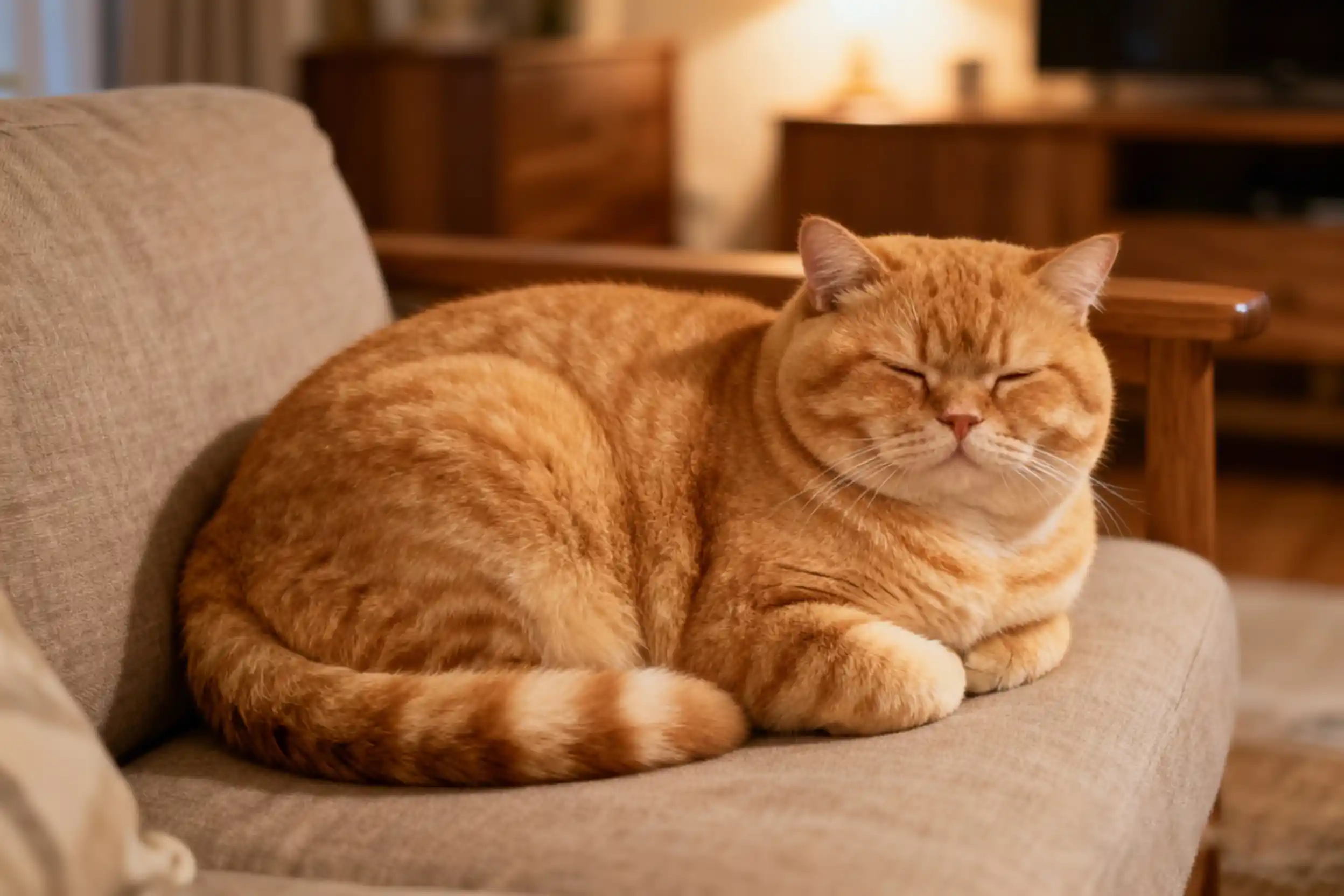
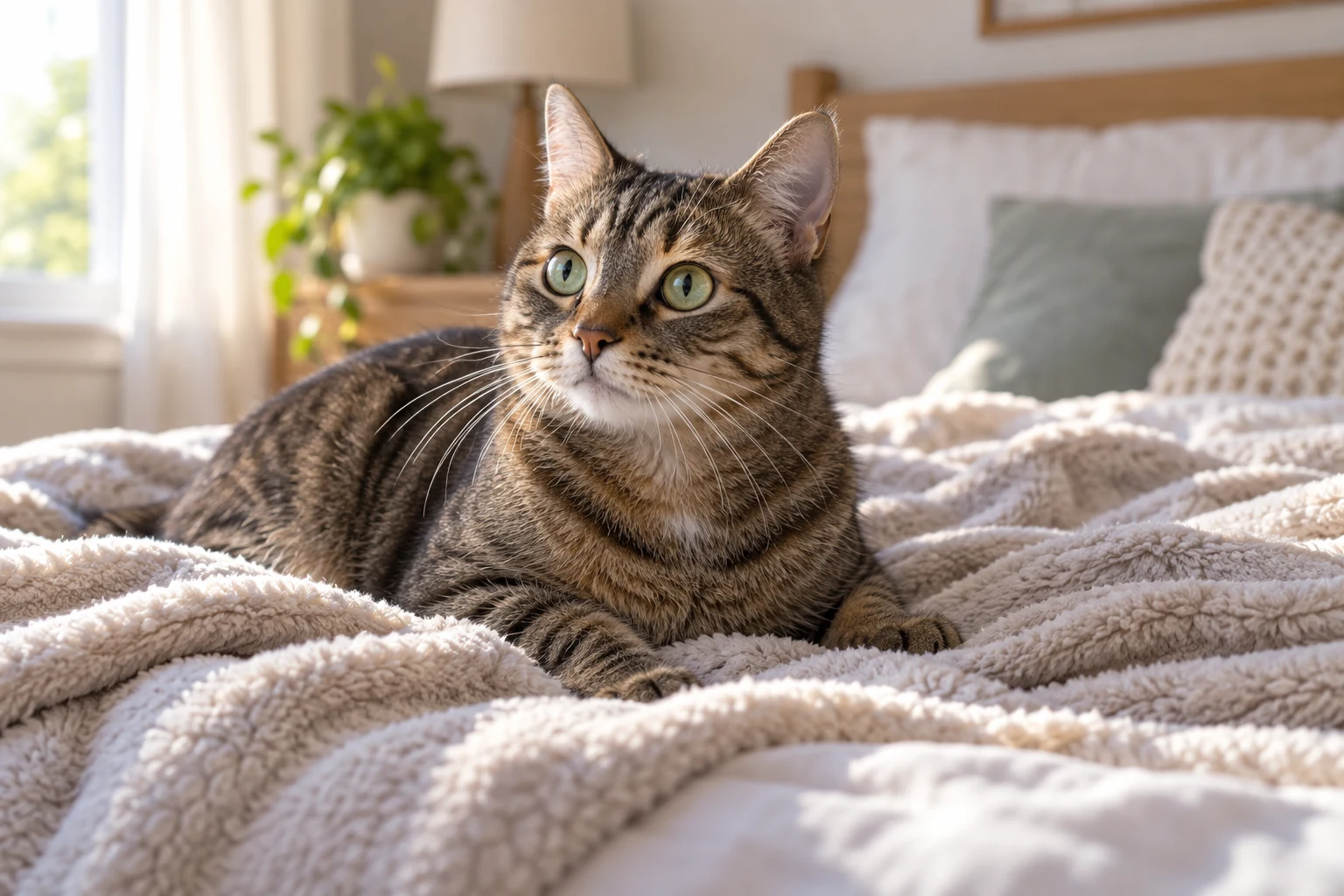
Cats loaf when they sit with their paws tucked under their body, creating a compact, bread-loaf shape. Most of the time, loafing means your cat feels safe, warm, and relaxed while still staying alert enough to move quickly.
The key is context. A soft loaf with neutral ears, normal breathing, and a responsive cat is usually normal. A hunched, tense, low-headed posture paired with ocultar, poor appetite, litter box changes, or unusual stillness can be a sign to call your veterinarian.
Índice
- What is a cat loaf?
- Why do cats loaf?
- What does a relaxed cat loaf look like?
- What are the different cat loaf positions?
- When should I worry about a loafing cat?
- Is a loaf the same as a hunting crouch?
- How can I help my cat loaf comfortably?
- Conclusión
- Preguntas frecuentes
- Referencias
What is a cat loaf?
A cat loaf is a resting posture where a cat tucks the paws, and often the tail, underneath the body. From the side or front, the cat looks compact and rounded, like a small loaf.
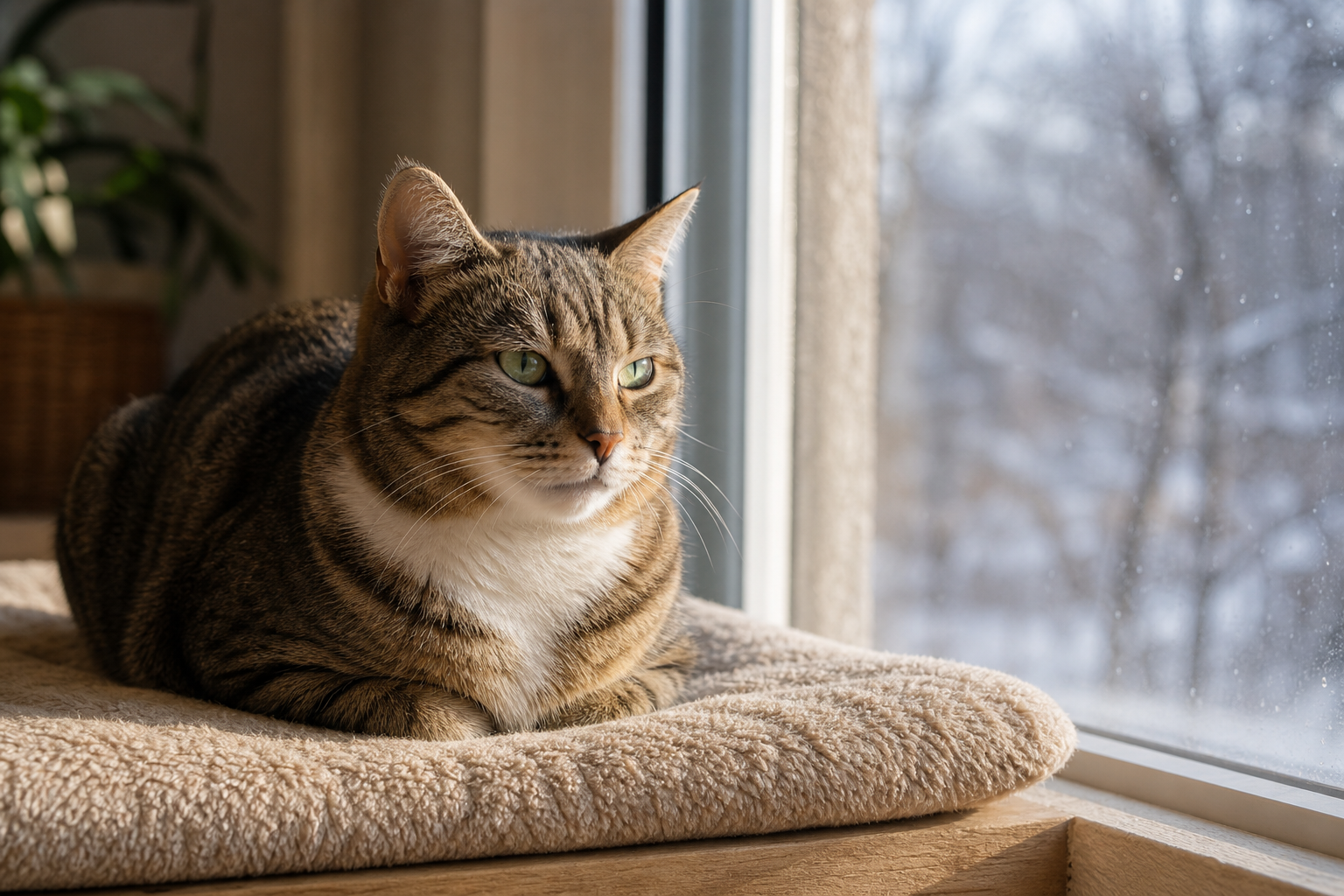
The loaf is different from fully lying on the side or curling into a ball. It is a middle position: restful, but not completely sprawled out. Your cat can doze, watch the room, conserve warmth, and still stand up quickly if something interesting happens.
Most loafing is harmless. It becomes more meaningful when the posture looks tense or when it appears with other behavior changes.
Why do cats loaf?
Cats loaf for comfort, warmth, safety, and alert rest. The same posture can mean “I am cozy” or “I am keeping an eye on things,” so the rest of your cat’s body language matters.
The most common reasons include:
| Razón | What it usually looks like | What it means |
|---|---|---|
| Comfort | Soft body, paws tucked, calm face | Your cat is resting comfortably. |
| Calor | Compact loaf on a sunny spot, blanket, or perch | Tucked paws may help reduce heat loss. |
| Safety | Cat loafs near you or in a favorite room | Your cat feels secure enough to settle. |
| Alert rest | Head up, ears gently moving, eyes half-open | Your cat is resting but still monitoring the room. |
| Reset after stimulation | Loafing after play, guests, or petting | Your cat may be calming down. |
If your cat loafs before or after naps, that can fit a normal rest routine. For more on normal rest patterns, see SnuggleSouls’ guide to how long cats sleep.
What does a relaxed cat loaf look like?
A relaxed loaf looks loose, balanced, and easy. Your cat may have tucked paws, a head held naturally, neutral ears, slow blinks, and normal breathing.
Look for these reassuring signs:
- Paws tucked neatly, not braced hard against the floor
- Head up or gently resting, not hanging low in a strained way
- Soft eyes or slow blinks
- Neutral ears, not flattened or sharply sideways
- Normal breathing
- Responds to your voice, treats, toys, or gentle movement nearby
- Eats, drinks, grooms, and uses the litter box normally
RSPCA notes that cat body language should be read through the whole body, including eyes, tail, mouth, posture, and ears 1. That is the rule here: do not judge the loaf by paw position alone.
If your cat loafs while purring, that may be contentment, but purring is not the only clue. This guide on por qué ronronean los gatos explains why context still matters.
What are the different cat loaf positions?
Cat loaf positions vary. Most are normal when your cat acts like themselves, but some deserve a closer look if the body looks tight or your cat seems unwell.
| Loaf type | Cómo se ve | Usually means | Watch for |
|---|---|---|---|
| Classic loaf | All paws tucked, body compact, head up | Comfortable and secure | Normal if body is soft and responsive |
| Partial loaf | One or both paws partly visible | Relaxed but ready to move | Tension, wide eyes, tail twitching |
| Sphinx loaf | Front paws forward, chest up | Calm and observant | Ears back, fixed stare, tight shoulders |
| Face loaf | Chin or face resting down | Very sleepy or deeply relaxed | Abnormal breathing or poor responsiveness |
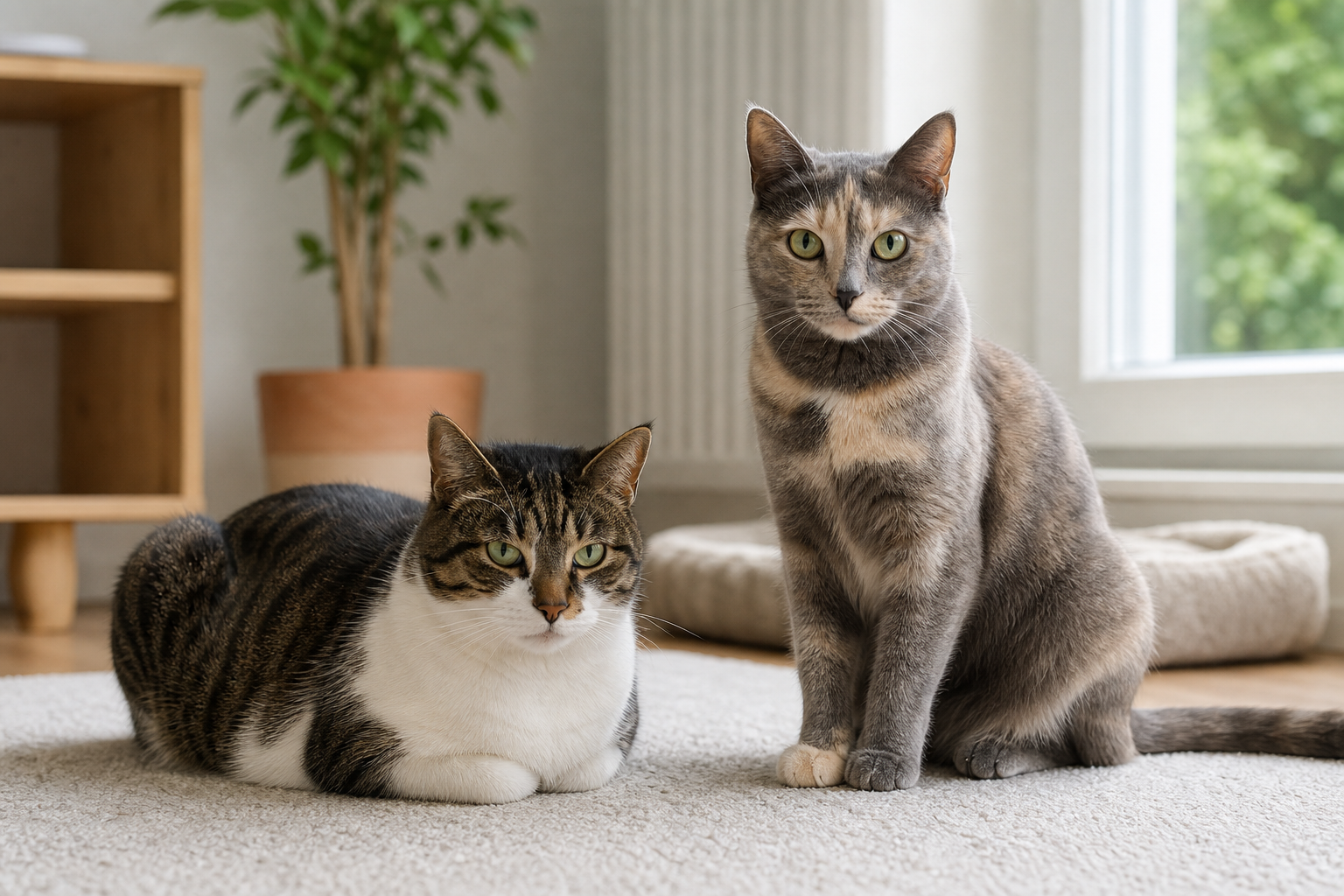
| Double loaf | Two cats loafing near each other | Shared comfort or social tolerance | Staring, blocking, or resource guarding |
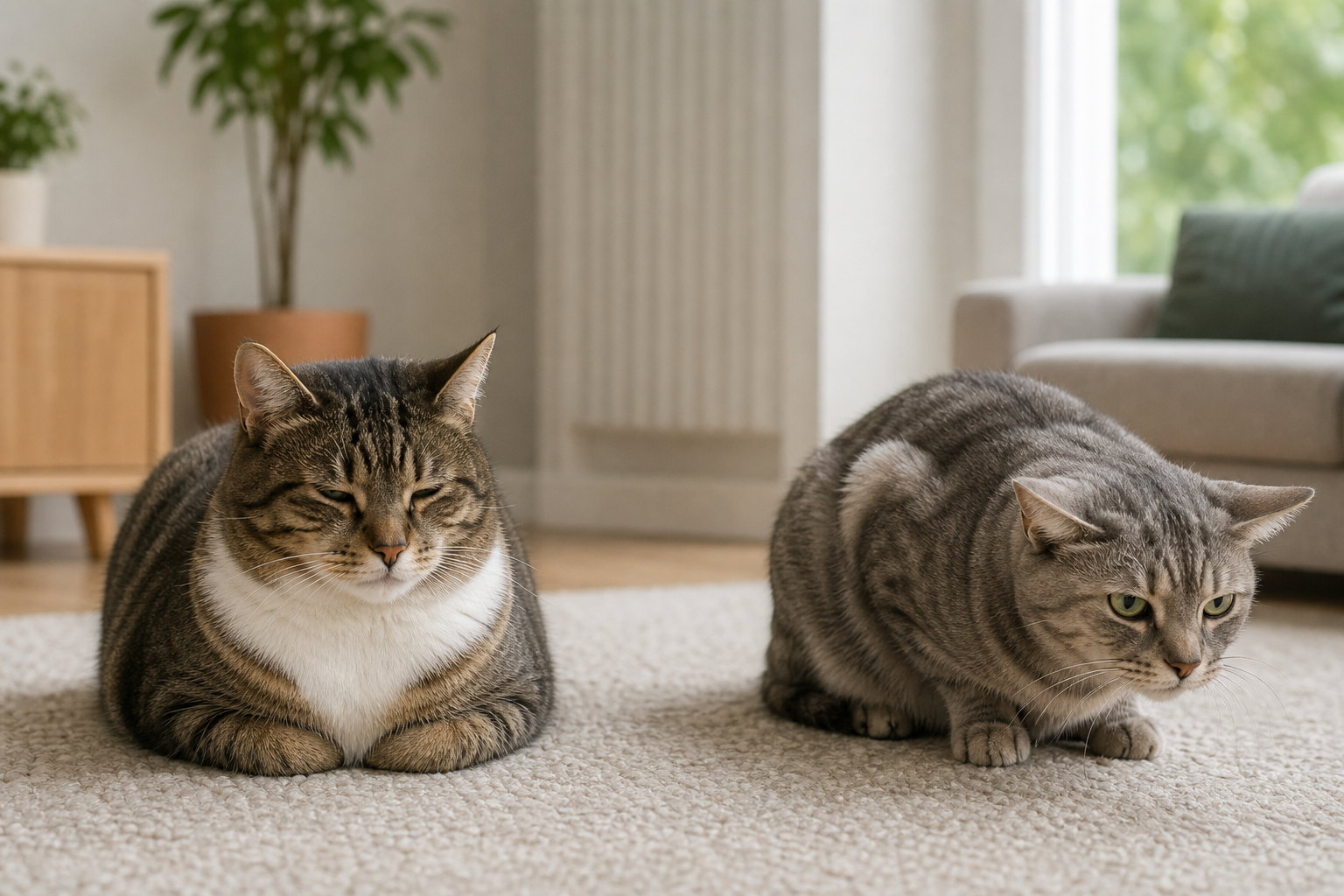
| Tense crouch | Body tight, head low, paws braced | Possible discomfort, stress, or pain | Appetite, litter box, breathing, hiding, mobility changes |
The phrase “meatloaf” is sometimes used online for a tense, hunched cat posture. I would not use that as a diagnosis. It is better to ask: does this look like a relaxed loaf, or does my cat look uncomfortable?
When should I worry about a loafing cat?
Worry when the loaf is new, tense, persistent, or paired with other changes. A loaf by itself is usually normal. A hunched posture plus appetite change, hiding, breathing trouble, vomiting, diarrhea, litter box issues, or weakness is different.
Use this quick triage table:
| Lo que ves | Usually means | Qué hacer |
|---|---|---|
| Soft loaf, normal appetite, normal litter box | Normal rest | Enjoy it and offer cozy spots. |
| Loaf with tight body, head low, squinty eyes | Possible discomfort or stress | Watch closely and check for other symptoms. |
| Loaf plus hiding, appetite drop, or poor grooming | Possible illness or pain | Llama a tu veterinario. |
| Loaf plus vomiting, diarrhea, or litter box changes | Possible medical issue | Call your veterinarian promptly. |
| Loaf plus open-mouth breathing, collapse, inability to urinate, or severe lethargy | Emergency sign | Seek urgent veterinary care. |
VCA notes that cats often hide signs of illness and that changes such as appetite loss, hiding, poor grooming, litter box changes, and breathing trouble deserve attention 2. A National Academies cat pain fact sheet also lists abnormal or hunched posture among possible pain-related signs 4.
If your cat loafs and hides more than usual, compare the pattern with SnuggleSouls’ guide on por qué se esconden los gatos. If your cat reacts sharply during touch, see the guide on sudden biting or petting sensitivity.
Is a loaf the same as a hunting crouch?
No. A loaf is usually a resting posture, while a hunting crouch is more active, focused, and ready to spring. The difference is energy.
A relaxed loaf often has tucked paws, a still body, soft eyes, and no intense target. A hunting crouch may include a lower body, focused stare, forward attention, twitching tail, and a possible meneo before pouncing.
Use this comparison:
| Postura | Body clues | Likely context |
|---|---|---|
| Relaxed loaf | Paws tucked, soft body, head natural | Resting, warming up, watching calmly |
| Alert loaf | Paws tucked, head up, ears scanning | Resting but monitoring activity |
| Hunting crouch | Body low, eyes fixed, muscles ready | Stalking toys, feet, or another target |
| Tense crouch | Tight body, head low, reduced response | Stress, pain, or discomfort possible |
If your cat crouches, stares, and wiggles before chasing a toy, that is more about play and predatory behavior. SnuggleSouls explains that pattern in the guide on ¿Por qué los gatos se retuercen antes de abalanzarse?.
How can I help my cat loaf comfortably?
Help your cat loaf comfortably by giving them safe, warm, quiet places to rest. Most cats loaf where they feel secure and undisturbed.
Try:
- A soft bed or folded blanket in a low-traffic area
- A sunny window perch
- A warm, draft-free resting spot
- Elevated shelves or cat trees for cats who like to observe
- Multiple resting places in multi-cat homes
- Gentle play before rest periods
- Space when your cat looks tense or overstimulated
For body-language reading beyond loafing, the SnuggleSouls guide to lenguaje del rabo de gato can help you compare tail, ears, eyes, and posture together.
If your cat is older, stiff, or reluctant to jump, add low beds, ramps, or steps. Comfort support is useful, but it should not replace a vet visit if your cat seems painful or suddenly changes behavior.
Conclusión
Cats usually loaf because they feel comfortable, warm, safe, and quietly alert. A normal loaf is soft, balanced, responsive, and paired with normal eating, grooming, movement, and litter box habits.
The posture becomes more important when it looks tense or appears with other changes. If your cat’s loaf looks hunched, low-headed, rigid, unusually still, or paired with hiding, appetite change, vomiting, diarrhea, breathing trouble, or litter box problems, call your veterinarian.
Preguntas frecuentes
Why do cats tuck their paws under them?
Cats often tuck their paws to rest comfortably, conserve warmth, and keep the body compact while still staying alert. It is usually normal when your cat looks relaxed and acts like themselves.
Does a cat loaf mean my cat trusts me?
It can. A cat who loafs near you, on your belongings, or in a shared room may feel safe in that space. Trust is more likely when the body is loose, ears are neutral, and your cat chooses to stay nearby.
Is a cat loaf always comfortable?
No. Most loafing is comfortable, but a hunched or tense crouch can sometimes signal discomfort, pain, stress, or illness. Look at the whole body and any changes in appetite, energy, breathing, or litter box habits.
What is the meatloaf position in cats?
People often use “meatloaf” for a tense, hunched loaf with the head low and body tight. It is not a diagnosis. Treat it as a clue to check whether your cat seems painful, nauseated, weak, or unlike themselves.
Should I call a vet if my cat loafs all day?
Call your vet if the all-day loafing is new, your cat is less responsive, or you notice appetite change, hiding, vomiting, diarrhea, litter box changes, breathing trouble, or weakness. If your cat is otherwise normal, it may simply be a favorite rest posture.
Why does my cat loaf on my clothes?
Your clothes smell like you and may feel warm or soft. Loafing there can be a comfort behavior, especially if your cat looks relaxed and chooses the spot willingly.
Referencias
[1] RSPCA. Understanding Cat Body Language. https://education.rspca.org.uk/web/rspca/adviceandwelfare/pets/cats/behaviour/understanding
[2] Hospitales veterinarios VCA. Recognizing the Signs of Illness in Cats. https://vcahospitals.com/know-your-pet/recognizing-signs-of-illness-in-cats
[3] Ohio State University Indoor Pet Initiative. Reading Your Cat’s Body Language. https://indoorpet.osu.edu/sites/default/files/assets/documents/hospital/indoorcat/Reading%20Cat%20Body%20Language.pdf
[4] National Academies. How to Recognize Pain in Your Cat. https://nap.nationalacademies.org/resource/12526/cat_factsheet_final.pdf
 EN
EN DE
DE ES
ES PT
PT