

Interpets Tokyo 2026: How can visitors plan April 2–5 without unnecessary stress?
Choosing a good day for Interpets Tokyo is tricky—especially with a cat. Crowds, queues, and indoor pet rules can turn plans messy. This guide keeps it simple.
Interpets Tokyo runs April 2–5, 2026 at Tokyo Big Sight (East Halls 1, 2, 3, 7, 8). April 2 is business-only; public entry is April 3–5. Tickets are sold online only, and pets have strict carrier/cart rules—plan transport and breaks.

Below are quick facts and the “must-know” rules first, then practical sections on show-floor priorities, crowd strategy, and cat welfare.
What are the key Interpets Tokyo 2026 details?
Quick Facts
| Item | Details |
|---|---|
| Event dates | April 2–5, 2026 (Thu–Sun) |
| Public days | April 3–5, 2026 (Fri–Sun) |
| Business-only day | April 2, 2026 (Thu) — no public entry; no pets; under-18s not permitted |
| Venue | Tokyo Big Sight, East Exhibition Halls 1, 2, 3, 7, 8 |
| Address | 3-11-1 Ariake, Koto-ku, Tokyo 135-0063, Japan |
| Hours (listed) | 10:00–17:00 (Apr 2–4); 10:00–16:30 (Apr 5). Confirm on the official channel before visiting. |
| Ticket prices (listed) | 1-day: ¥2,300; 13:00-entry: ¥1,300; parking+ticket packages are listed on the ticket page. Confirm before purchase. |
| Tickets | Electronic tickets only; no on-site sales; purchase via official channels. |
| Official site | https://interpets.jp.messefrankfurt.com/tokyo/ja.html |
| Organisers (listed) | Messe Frankfurt Japan; Japan Pet Food Association |
| Scale (listed) | 600+ exhibitors; ~65,000 visitors (estimate). Confirm on the official channel before visiting. |
Tickets and entry that affect planning
- Buy ahead: the official ticket page states electronic tickets only and no ticket sales at the venue.
- Where to buy (official channels): e+ (eplus) and Ticket Pia; certain parking+ticket options are listed via the official app where offered.
- Which days: the organiser states public visiting is three days (Fri–Sun); the first day is business-focused.
How to get there (fastest routes)
- Yurikamome Line: Tokyo Big Sight Station (about 3 minutes on foot).
- Rinkai Line: Kokusai-tenjijō Station (about 7 minutes on foot).
- Airports: venue access guidance publishes limousine-bus information for Haneda and Narita routes—confirm timings and stops before travel.
- Driving: expect congestion; public transport is usually the least stressful option for visitors carrying bags or using pet buggies.
Visiting with a cat: rules that shape the whole day
The organiser’s public-visitor guidance highlights that animals may be restricted indoors unless fully covered in a cart or carrier-bag, with outdoor routes required in some cases. It also notes no temporary pet-keeping service, and references an on-site pet health consultation/first-aid station with veterinarians. If a cat cannot settle in a carrier, visiting without the cat is often the safer choice.
What can visitors see and do at Interpets Tokyo 2026?
Walking into a huge expo without a plan wastes time and energy. Noise and packed aisles add pressure. A simple route plan turns it into a focused, satisfying visit.
Expect exhibitor booths for pet products and services, plus demos and stage-style content depending on the day. For cat guardians, the practical value is comparing carriers, litter systems, grooming tools, enrichment gear, and nutrition options in one concentrated place.

Dive deeper: a “cat-first” route that avoids burnout (and overspending)
Start with one main theme (choose one):
- home setup (litter/odour, feeders, fountains, scratching/climbing)
- care and grooming (brushes, dental items, coat/skin tools)
- travel and safety (carrier fit, harnesses, ID, buggies)
- food/treat comparison (labels, storage, feeding guidance)
Use a two-pass method:
- First lap (45–60 minutes): scan hall edges, mark booths, photograph labels, ignore freebie pressure.
- Second lap (60–120 minutes): return only to shortlisted booths with specific questions (size ranges, cleaning, warranty/returns, ingredient transparency).
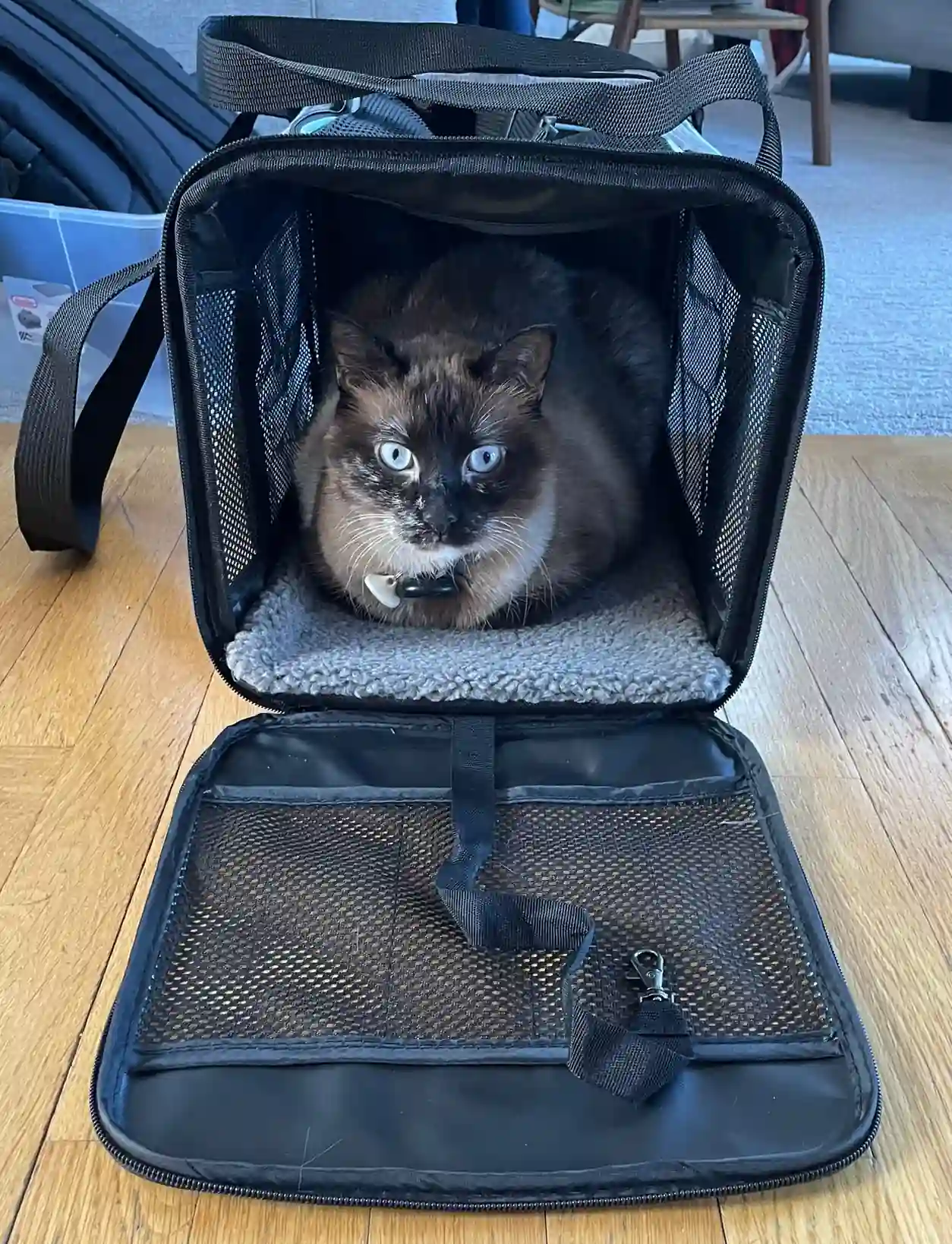
If bringing a cat: keep exposure windows short. Use a carrier cover (with airflow), avoid demo clusters, and step outside early if vocalising escalates. A brief outdoor reset is usually safer than “pushing through” indoors.
A practical purchase rule: set a carry limit for public transport—one backpack plus one tote—then stop buying. Carrying bulky items through crowds increases stress quickly.
How should first-time visitors plan timing, budget, and crowds?
First visits often end in long lines, tired feet, and overspending. With pets, stress rises fast. Timing, a budget cap, and a calm-down plan keep the day enjoyable.
The show runs four days, but public visitors should focus on Fri–Sun. Choose the day based on crowd tolerance and the need for a quieter shopping environment.
Dive deeper: crowd strategy + budget control in five steps
1) Pick the day by priority
- Friday: often better for calmer browsing.
- Saturday: typically busiest; plan extra time for entrances and aisles.
- Sunday: shorter hours; good for targeted buys but plan for earlier closing.
2) Arrive with a queue plan
Aim to enter near opening rather than waiting long outside with pets. The organiser discourages long pre-opening waiting because comfortable pet-waiting space is limited.
3) Budget in layers
| Budget layer | What it covers |
|---|---|
| Fixed | ticket + transport |
| Planned | one “must-buy” item with a price ceiling |
| Buffer | small impulse allowance (treats/tools) |
| Stop line | maximum total spend decided before entry |
4) Build two breaks
Schedule one mid-visit break and one before leaving (water, snack, fresh air). For cats, breaks are non-negotiable if stress signs appear.
5) Pack light, pack smart
A foldable tote, water, wipes, and hand sanitiser matter more than extra purchases. For cats: absorbent pad + waste bags + a calm carrier setup reduce problems faster than samples.
What welfare and safety checks help visitors choose ethical vendors and experiences?
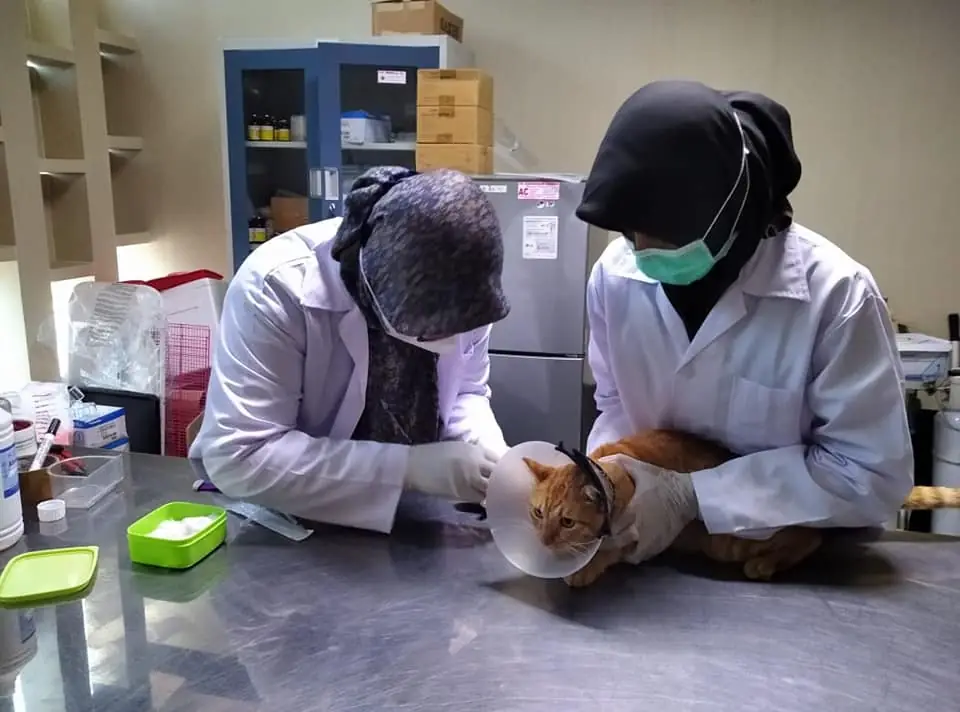
Expo deals and free samples look tempting, but not every product is right—or safe. Poor choices can upset a cat’s health. A few welfare checks help pick responsibly.
Better decisions come from transparency and fit, not hype. Use a short on-the-spot checklist to avoid risky purchases.
Dive deeper: the 10-minute welfare checklist (especially for cat items)
Product checks (ask or read on packaging):
- Ingredients and usage: clear lists and feeding guidance for any ingestible product.
- Material safety and cleaning: how bowls, fountains, carriers, and grooming tools are cleaned; what parts contact food/skin.
- Support and accountability: Japanese distributor/office contact, written returns/warranty policy.
Sample discipline (cats are sensitive):
- Collect samples only with a real plan to test at home.
- Introduce one new food/treat at a time; label samples immediately.
On-site cat safety (reduce stress and conflict):
- Keep cats secured in the carrier/cart as required; do not allow strangers to reach in.
- Maintain distance from unfamiliar dogs; avoid bottlenecks and loud demo zones.
- If distress persists (panic turning, heavy breathing, relentless vocalising), exit and end the visit if recovery is slow.
Ethical baseline:
The organiser states animals are not sold at the venue. If any booth encourages unsafe handling or pressure-feeding, step away.
What makes Interpets Tokyo worth it, and who should skip it?
What makes it special (concrete):
- Large, multi-hall scale with 600+ exhibitors supports side-by-side comparison.
- Public visiting is clearly separated from business-only access (Apr 2 vs. Apr 3–5).
- Rail access to Tokyo Big Sight supports day trips without driving.
Best suited for: cat guardians researching upgrades (carriers, litter systems, enrichment, grooming); visitors who like structured browsing; travellers pairing the event with Tokyo plans.
May not suit: anyone expecting a quiet, pet-led outing; visitors who dislike dense crowds and long indoor walking; cats that cannot settle in carriers.
Do not miss: a fast first lap to map halls and pick targets; an outdoor reset break (especially with pets); leaving time before closing to avoid exit congestion.
Which official video helps with manners and pet rules?
The organiser publishes short guidance videos on manners and rules. This official clip is a useful pre-visit primer:
Readers can also check our 2026 Event Calendar for a comprehensive overview of upcoming pet and animal events.
Where can details be confirmed?
- Interpets Tokyo 2026 facts and figures (Interpets Tokyo / Messe Frankfurt Japan)
- Ticket information for public visitors (Interpets Tokyo / Messe Frankfurt Japan)
- Important notes for public visitors and pets (Interpets Tokyo / Messe Frankfurt Japan)
- Tokyo Big Sight access information (Tokyo Big Sight)
What is the bottom line?
With tickets bought early, trains planned, and carrier rules respected, Interpets Tokyo can be a high-value day for cat-focused discovery—without turning the venue into avoidable stress.
FAQ: Interpets Tokyo 2026 (Apr 2–5) Stress-Free Planning
What are the exact dates for Interpets Tokyo 2026, and which days are open to the public?
Interpets Tokyo 2026 runs April 2–5, 2026. Public entry is April 3–5 (Fri–Sun), while April 2 (Thu) is business-only.
Can I visit Interpets Tokyo on April 2 if I’m not in the industry?
No. April 2 is business-only, so general visitors can’t enter.
Do I need to buy Interpets Tokyo tickets in advance, or can I buy at the venue?
Plan to buy ahead. Tickets are typically online/electronic only, and on-site sales are not available.
Where can I buy official Interpets Tokyo 2026 tickets?
Visitors usually purchase via official ticket partners (commonly e+ / eplus and Ticket Pia) or the event’s official channels.
What time does Interpets Tokyo 2026 open and close each day?
Listed hours are often 10:00–17:00 (Apr 2–4) and 10:00–16:30 (Apr 5), but you should confirm close to your visit in case of updates.
Where is Interpets Tokyo held, and which halls are used?
It’s at Tokyo Big Sight. For 2026, the event uses East Halls 1, 2, 3, 7, and 8.
What is the fastest way to get to Tokyo Big Sight by train?
Most visitors use:
- Yurikamome Line → Tokyo Big Sight Station (short walk)
- Rinkai Line → Kokusai-tenjijō Station (short walk)
Is driving to Interpets Tokyo a bad idea?
It can be stressful due to congestion and parking demand. If you’re carrying gear or using a pet buggy, public transport is often easier.
Which public day is least crowded: Friday, Saturday, or Sunday?
Typically:
- Friday = calmer browsing
- Saturday = busiest
- Sunday = shorter hours and can feel rushed near closing
Is there a “best day” to go if I want to shop and compare products without chaos?
For many people, Friday is the best balance for lower crowds + better browsing, while Sunday works if you go in with a short target list.
Can I bring my cat to Interpets Tokyo?
Cats can be allowed on public days, but strict rules usually apply (e.g., fully enclosed carrier or fully covered cart/buggy). If your cat can’t settle in a carrier, it’s often safer to visit without the cat.
What are the carrier/cart rules for bringing a cat inside the venue?
Common requirements include:
- Fully enclosed carrier or cart/buggy fully covered
- No direct exposure to crowds/aisles
- Following any designated routes if the organizer requires outdoor movement between areas
Are pets allowed everywhere inside Interpets Tokyo?
Not always. Some areas can have restrictions, and organizers may require specific routes or limit movement for pet safety and crowd control.
Is there a pet daycare or temporary pet-keeping service on-site?
Usually no. Plan as if you must keep your cat with you the entire time, and arrange your day accordingly.
What should I do if my cat gets stressed inside the expo?
Use a simple escalation plan:
- Cover the carrier (keep airflow)
- Move away from loud demo zones
- Take an outdoor reset break early
- If distress continues (panic breathing, relentless vocalizing), end the visit
Is Interpets Tokyo safe for cats that are nervous, reactive, or easily overstimulated?
Often not ideal. A crowded indoor expo can overwhelm sensitive cats. Consider attending without your cat and using the trip to compare gear and ask questions.
How early should I arrive to avoid long lines (especially with a pet)?
Aim to arrive near opening rather than waiting a long time outside. Long pre-opening waits are uncomfortable, and pet-friendly waiting space is limited.
How much time should I plan to spend at Interpets Tokyo?
A low-stress visit is often 2.5–4 hours including breaks. If you’re serious about comparisons, plan a two-pass route (scan first, then revisit shortlisted booths).
What is the smartest way to navigate such a large expo without wasting time?
Try a “two-pass method”:
- First pass (45–60 min): scan edges, mark booths, take photos of labels
- Second pass (60–120 min): return only to finalists with specific questions
What are the best things to shop for at Interpets Tokyo if I’m a cat guardian?
Great categories for side-by-side comparison:
- Carriers & travel safety
- Litter systems & odor control
- Water fountains & feeders
- Grooming / dental tools
- Enrichment (scratchers, climbing, toys)
- Food and treats (label comparison)
How do I avoid overspending on samples and “expo deals”?
Set a hard rule before entry:
- A must-buy cap (one planned item)
- A small impulse budget
- A maximum total spend you won’t exceed
Also set a carry limit (e.g., one backpack + one tote).
Should I collect food/treat samples for my cat at the event?
Only if you have a testing plan. Cats can be sensitive—introduce one new item at a time, label samples immediately, and don’t feed random samples on-site.
What should I pack for a smoother Interpets Tokyo day?
Essentials: water, wipes, sanitizer, foldable tote, comfortable shoes.
For cats: absorbent pad, waste bags, carrier cover, calm setup, and a plan for breaks.
Are animals sold at Interpets Tokyo?
Typically, the event states animals are not sold at the venue. If any booth encourages unsafe handling or pressure-feeding, it’s best to walk away.
Is Interpets Tokyo worth it if I don’t bring my pet?
Yes—many people go without pets to reduce stress and focus on comparing products, checking sizes, and asking detailed questions.
What’s the best strategy if I only have 2 hours?
Pick one theme (travel gear / litter setup / grooming / food comparison), do a fast scan, then revisit only 3–6 booths you’re most likely to buy from.
Are there official videos or guides explaining pet manners and rules?
Yes—organizers often publish short manner/rule guidance videos. Watching one before your visit helps you avoid surprises.




 EN
EN DE
DE ES
ES PT
PT