Behavior Decoding
Why is your cat acting out? We analyze the root causes of scratching, night crying, and aggression.
- Root cause analysis
- Emotional triggers
- Litter box issues



Cat sleeping positions may offer clues about warmth, comfort, or mobility, but no pose has one fixed meaning. A curled cat may simply be comfortable;

If your cat has started peeing on the bed, arrange veterinary advice before assuming it is a behavior problem. Repeated straining or little to no urine needs urgent care.

Self-grooming is part of normal cat behavior. What matters is whether your cat’s routine changes, becomes focused on one area, or is accompanied by skin, coat, or behavior changes.
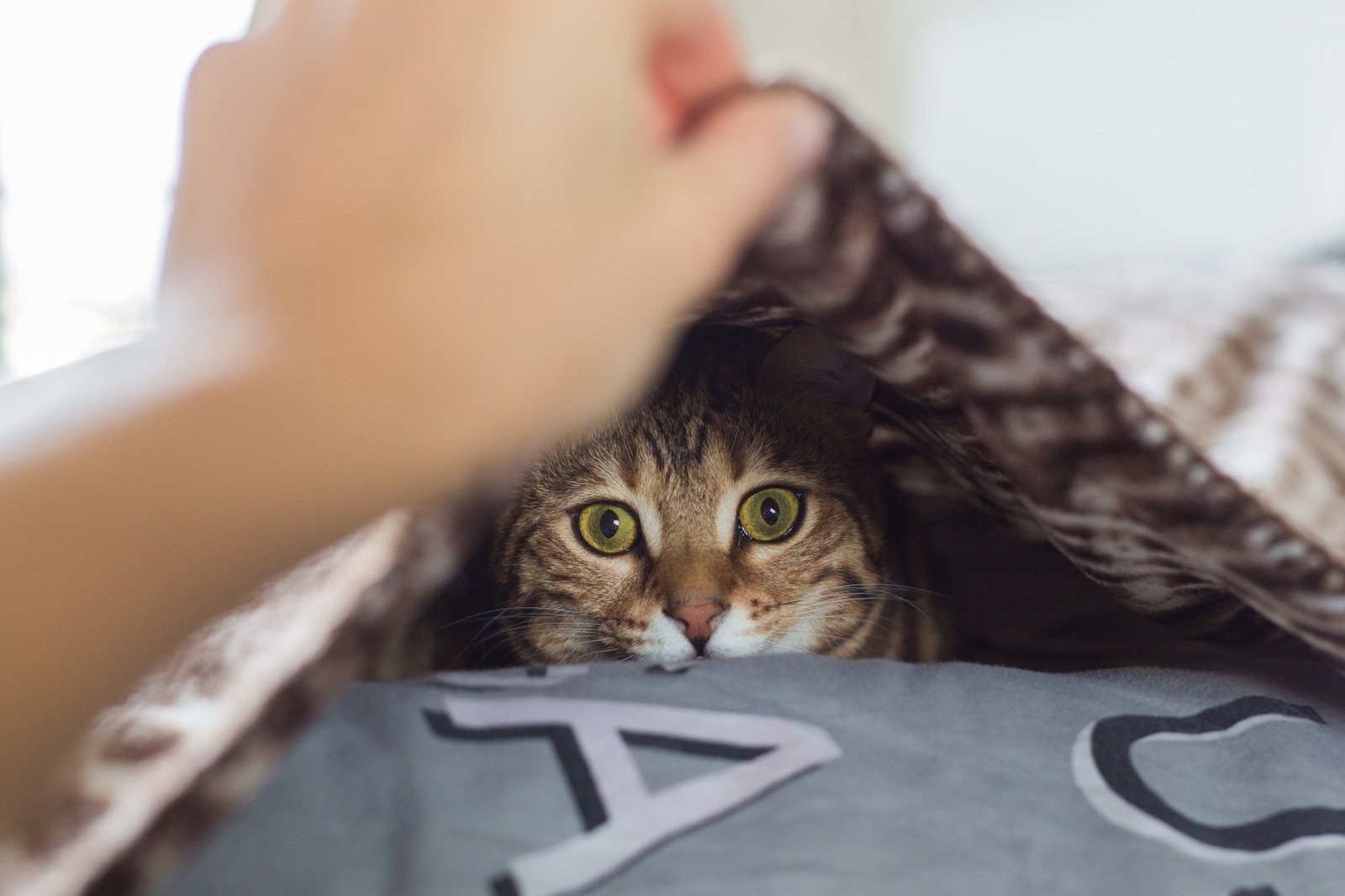
Cats may hide for privacy or when something changes at home. A sudden change with appetite, movement, grooming, or litter-box changes deserves veterinary advice.
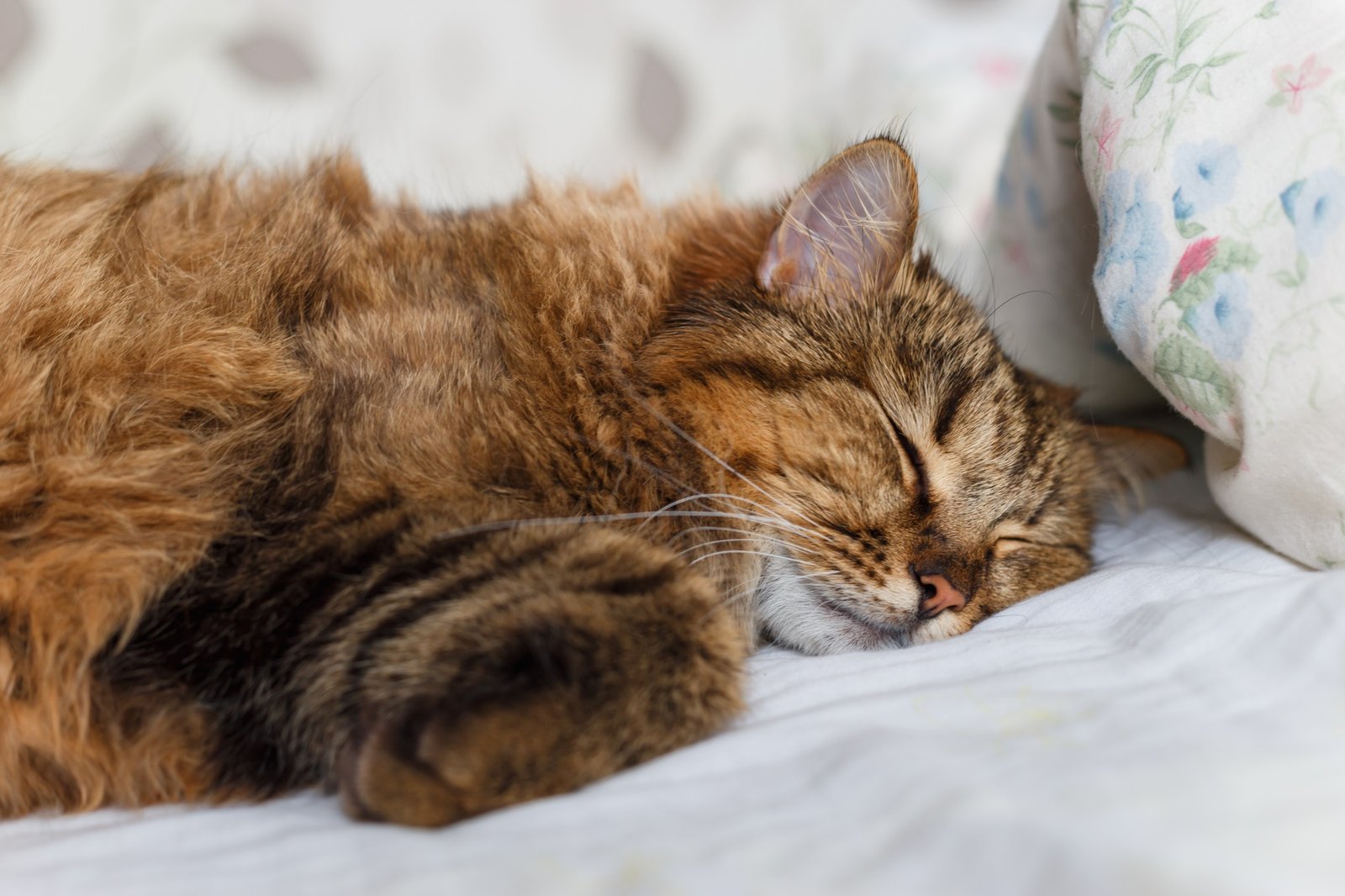
Most adult cats sleep about 12–16 hours a day, but age is only one part of the picture. Use your cat’s normal routine, alertness, appetite, and mobility to judge whether sleep has changed.
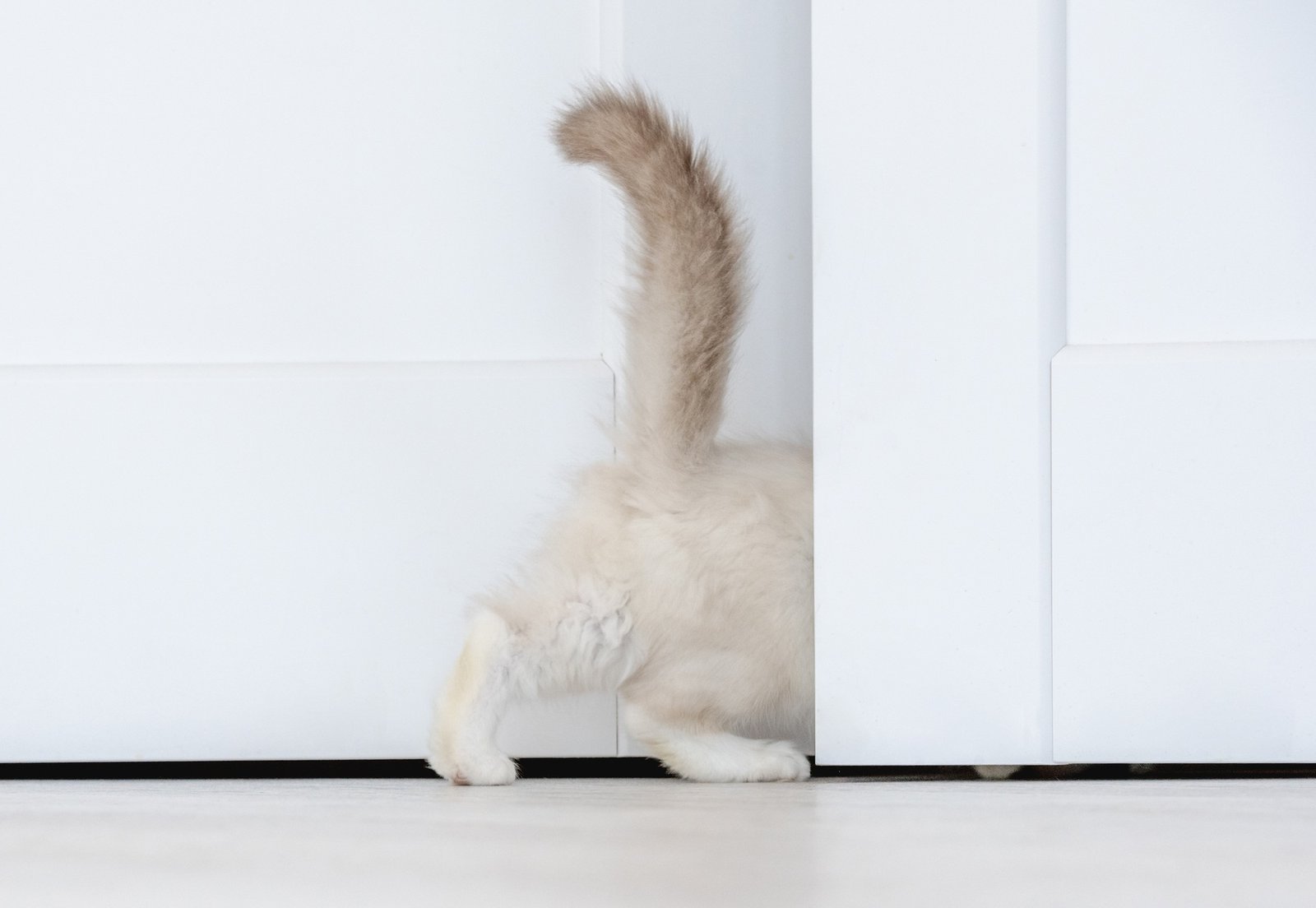
Learn what an upright, curved, swishing, lashing, puffed, or tucked cat tail may mean—and how ears, posture, and context tell you what to do next.
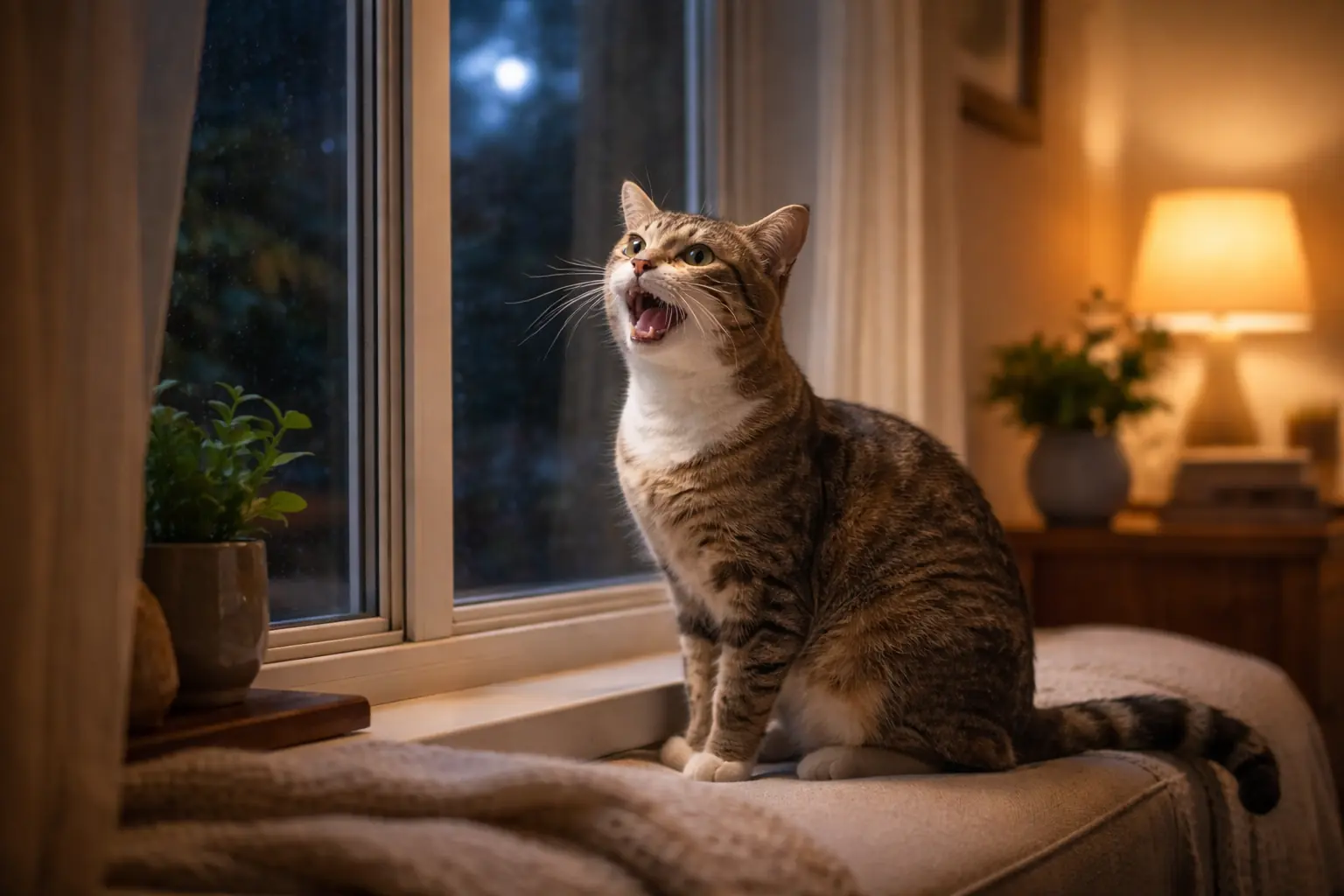
Learn the behavior cluster that can signal heat in an unspayed cat, how clear discharge differs from red flags, and when to call a veterinarian.
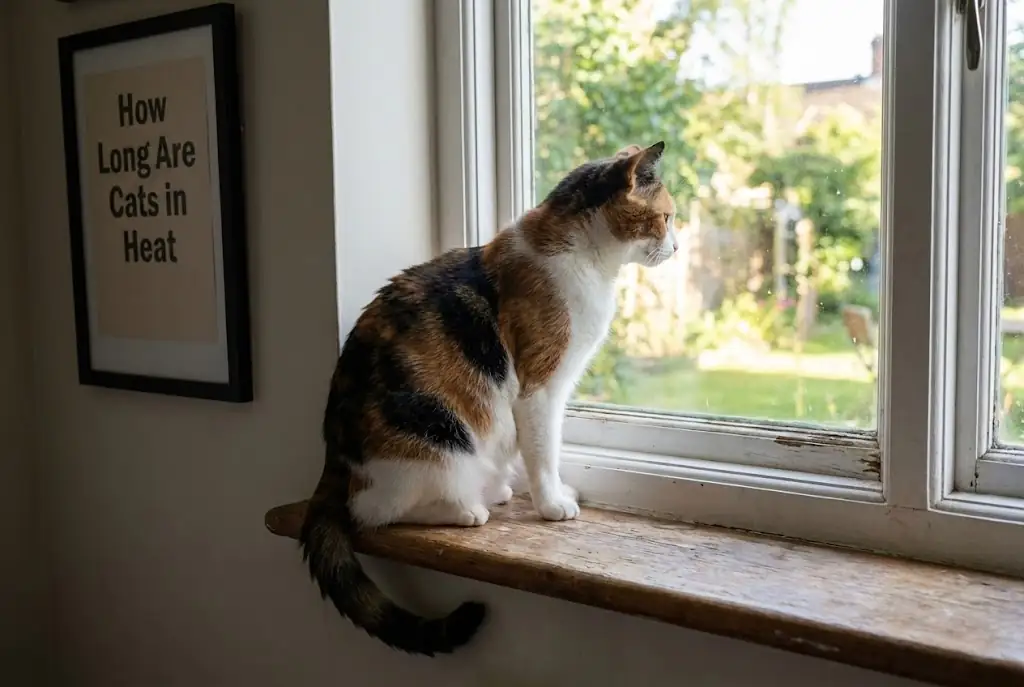
Most heat episodes average about a week, but cats vary. Learn how one episode differs from repeated cycles, what to track, and which signs call for a vet.