
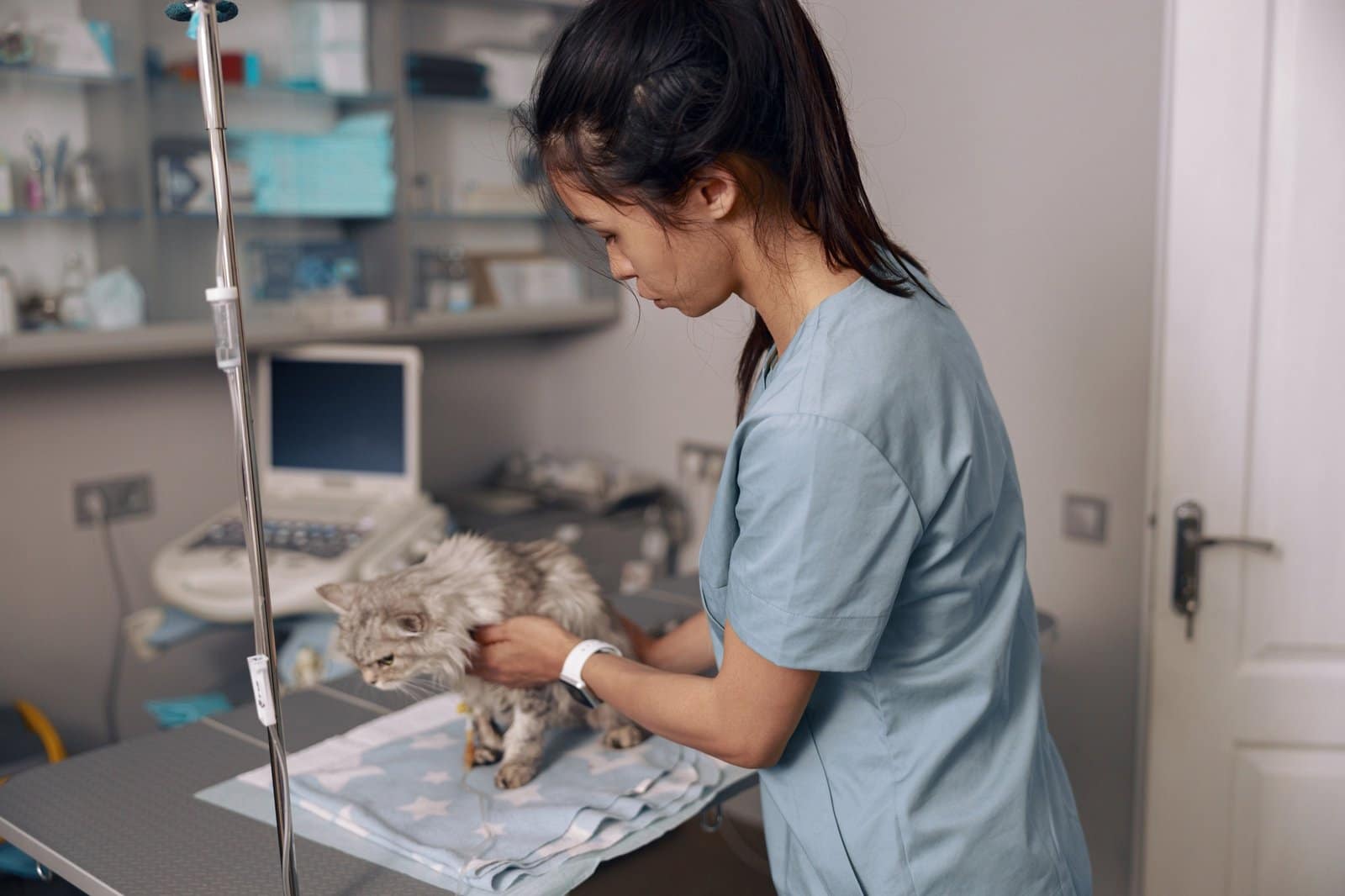
If your cat has diarrhea, it’s normal to worry—especially when it happens suddenly. Most mild cases improve with simple home care, but diarrhea can also be a sign of dehydration, infection, or another condition that needs urgent veterinary help.
This guide covers: what to do in the first 24 hours, what to feed, how to prevent dehydration, what not to give, and when to call a vet.
Importante: This article is educational and can’t replace veterinary diagnosis. If your cat seems unwell, contact your veterinarian.
Why you can trust this page
We created this guide to help cat parents take safe first steps while recognizing when diarrhea may signal something serious. We base our recommendations on reputable veterinary resources (for example, Cornell’s feline health guidance e VCA’s clinical education materials) and we emphasize conservative, safety-first home care.
Índice
Principais conclusões
- If no red flags, start Home Treatment Plan below (hydration + bland diet).
- Call a vet if diarrhea lasts >24–48h or you see blood/black stool, vomiting, lethargy, or dehydration.
- Avoid human anti-diarrheals (Pepto-Bismol/Imodium).
- Track stool + appetite + energy; reassess within 24–48h.
Quick Answer: What to Do in the Next 24 Hours
Step 1 — Check for red flags (vet now vs. home care)
Call a vet urgently today if you notice any of these:
- Blood in stool (bright red) or black/tarry stool
- Repeated vomiting
- Marked lethargy, weakness, escondido, or collapse
- Signs of dehydration (dry/sticky gums, sunken eyes, skin “tents,” very little urine)
- Your cat is a gatinho, very old, underweight, or has a chronic illness
- Diarrhea lasts more than 24–48 hours
If none of the above applies and your cat is still bright, eating at least a little, and drinking, home care is often reasonable while you monitor closely.
Step 2 — Focus on fluids first
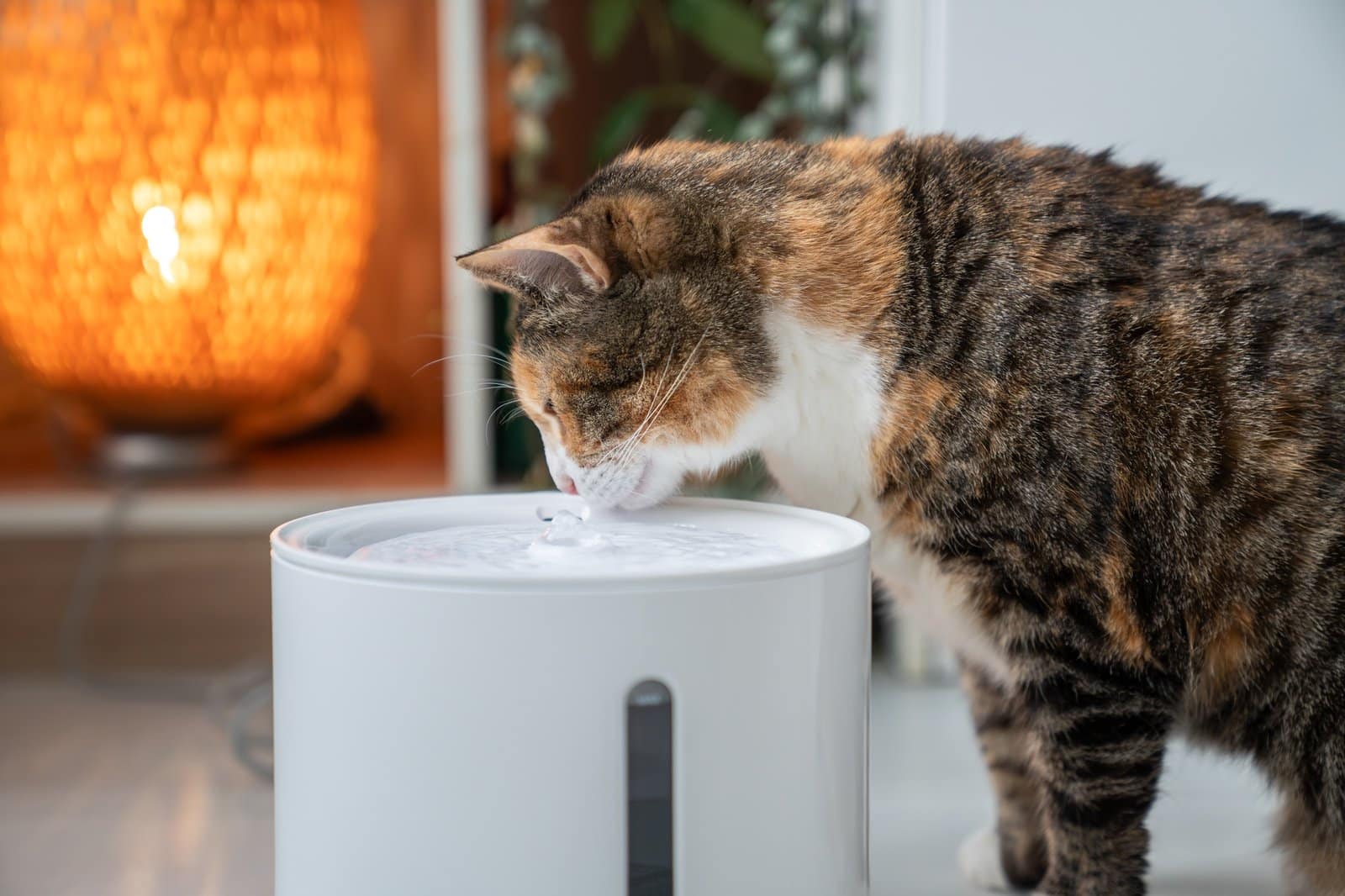
- Oferta água doce in multiple bowls (wide/shallow bowls often help).
- Consider a water fountain if your cat prefers running water.
- Alimentação alimento úmido if possible (extra moisture helps).
- You can tempt drinking with a small amount of low-sodium broth (no onion/garlic).
Step 3 — Switch to a bland, easy-to-digest diet
For 1–3 days, feed small, frequent meals of:
- Plain boiled frango (no seasoning) + plain white rice, OR
- A veterinarian-recommended GI diet
Step 4 — Avoid unsafe human medications
Fazer não give Pepto-Bismol, Kaopectate, or Imodium unless your vet specifically instructs you. Some human anti-diarrheal meds can be dangerous for cats.
Step 5 — Reassess at 24–48 hours
- If stool is improving and your cat is otherwise normal, continue bland diet briefly and transition back slowly.
- If there’s no improvement, symptoms worsen, or new red flags appear → call your vet.
Want the deeper “why” behind diarrhea (causes, parasites, chronic disease)? See: Diarreia em gatos: Tudo o que você precisa saber
When to Call the Vet (Red Flags Checklist)
Diarrhea can become dangerous quickly—especially if your cat is losing fluids fast or has an underlying illness. Contact a veterinarian immediately if any of the following apply.
Go to an emergency vet now (same day / ASAP)
- Blood in stool (bright red) or black/tarry stool
- Repeated vomiting or can’t keep water down
- Severe lethargy, collapse, extreme weakness, or hiding and “not themselves”
- Signs of dehydration: sticky/dry gums, sunken eyes, very little urine, skin “tents” when gently pinched
- Bloated/painful abdomen or obvious pain when picked up
- Suspected toxin ingestion, foreign object, or sudden severe diarrhea
Call your vet within 24 hours
- Diarrhea lasting more than 24–48 hours
- Not eating for mais de 24 horas (cats can get complications from not eating)
- Ongoing soft stool with mucus, frequent urgent trips, or straining to poop
- Your cat has a known chronic condition (kidney disease, diabetes, hyperthyroidism, IBD), is underweight, or is on medication
- Diarrhea started soon after a diet change, new treat, antibiotic, or stress event and isn’t improving
Extra caution (don’t wait) for high-risk cats
- Kittens, especially under 8–12 weeks (they dehydrate fast)
- Gatos idosos
- Cats who are very small, frail, or already dehydrated
What to track before you call (helps your vet diagnose faster)
- When it started + frequency (how many times/day)
- Stool appearance: watery vs mushy, blood/mucus, color changes
- Vomiting? Appetite? Energy level? Water intake?
- Recent changes: food, treats, meds, plants/cleaners, stress, new pets
Now that you know when to seek urgent care, let’s walk through safe home support for mild diarrhea and how to monitor progress.
Common Causes of Cat Diarrhea (Quick Summary + Next Step)
Most diarrhea is caused by something simple—like a food change—but some patterns suggest a deeper problem. Use this quick guide to narrow down the likely category and decide what to do next (home support vs vet check).
Most common “short-term” causes (often improves in 24–48 hours)
- Sudden food change (new brand/flavor, more treats than usual)
- Dietary indiscretion (human food, trash, fatty foods)
- Mild stress (travel, visitors, new pet, moving)
- Mild stomach upset (temporary gut imbalance)
What to do now: follow the hydration + bland diet plan, avoid treats, and monitor closely.
Causes where you should think “parasites/infection”
- Parasitas (especially if your cat goes outdoors, is a kitten, or you see mucus/worms)
- Contagious GI infection (risk higher in multi-cat homes/shelters)
What to do now: don’t self-medicate with human drugs; if diarrhea persists, your vet may recommend a fecal test.
Causes that point to an underlying disease (needs vet evaluation)
Consider this bucket if diarrhea is recurrent, lasts more than a few days, or comes with weight loss / poor appetite:
- Food intolerance/allergy
- Inflammatory bowel disease (IBD) / chronic enteropathy
- Organ or hormone issues (e.g., hyperthyroidism in older cats)
- Pancreas/liver problems
- Câncer (less common, but possible in seniors)
What to do now: book a vet visit—especially if there’s weight loss, lethargy, dehydration, vomiting, or blood.
Medication-related diarrhea
- Antibiotics and some other meds can disrupt gut bacteria and trigger diarrhea.
What to do now: call your vet before stopping any prescription medication.
Want the full list + deeper explanations? Read: Diarreia em gatos: Tudo o que você precisa saber
Table: Causes at a Glance (What changes your next step)
| Likely cause bucket | Common clues | What to do next |
|---|---|---|
| Food change / treats | started after diet switch | bland diet + slow transition |
| Stress-related | recent routine/home change | calm routine + bland diet |
| Parasites/infection | mucus, multi-cat home, kitten/outdoor | vet stool test if not improving |
| Chronic disease | weight loss, recurring episodes | vet evaluation/workup |
| Medication side effect | started after new meds | call vet before changing meds |

Home Treatment Plan for Mild Diarrhea (If No Red Flags)
Only use this plan if your cat is alert and drinking and has no red flags above. If your cat is a kitten, senior, or has chronic illness, call your vet early.
1. Hydration is Key
A diarreia resulta em uma perda significativa de fluidos e eletrólitos, o que torna a desidratação uma preocupação primordial. Portanto, é fundamental garantir a ingestão adequada de água.
Incentivar a ingestão de água:
- Várias fontes de água: Place several water bowls in quiet, easily accessible areas, away from litter boxes.
- Preferência por boliche: Try glass, ceramic, or stainless steel. Shallow, wide bowls can reduce whisker fatigue. Avoid plastic bowls (can harbor bacteria in scratches).
- Frescor e limpeza: Change water daily and clean bowls thoroughly.
- Temperatura: Some cats prefer cool water; others prefer room temperature or slightly warm water.
- Fontes de água: Running water can increase drinking.
- Água aromatizante: Add a small amount of water from canned tuna (in spring water, not oil) or low-sodium chicken/beef broth (no onions/garlic). Discard flavored water after a few hours.
- Alimentos úmidos: Feed wet food; you can add warm water/broth to dry food.
Homemade Electrolyte Solution (use caution):
- Receita: 1 liter water + 1 tbsp dextrose (or honey) + 1 tsp salt. Boil water, dissolve ingredients, cool completely.
- Administration: Offer small, frequent amounts. If needed, give gently by spoon/syringe at the corner of the mouth.
- Storage: Refrigerate and replace after 24 hours.
- Caution: Don’t exceed quantities. If vomiting occurs, your cat is very young/old, or there’s blood in stool, contact a vet immediately.
2. The Bland Diet Approach (what to feed)
Fasting (with caveats):
Historically, withholding food for 12–24 hours was common, but many veterinarians advise against prolonged fasting—especially for kittens. For mild diarrhea, small frequent meals of a bland diet are often preferred. Consult your vet before fasting.
Ingredientes recomendados para a dieta branda
- Protein (1 part): Plain boiled chicken breast, lean ground turkey, lean ground beef (drained), or poached white fish (no skin/bones). No seasoning, oil, or additives.
- Carb (1 part): Fully cooked white rice, or peeled boiled mashed potatoes (no butter/seasoning).
- Optional additions: 1–2 tsp canned pure pumpkin (not pie filling). Other options: strained unseasoned meat baby food; tiny amounts of plain low-fat yogurt only if tolerated; scrambled eggs (no oil/butter).
Receitas de dieta branda e plano de transição
| Componente | Ingredientes e preparação | Diretrizes de serviço |
| Fontes de proteína | Peito de frango simples, cozido, sem pele e sem osso; peru moído magro cozido (escorrido); carne moída magra cozida (escorrida); peixe branco escalfado (sem pele/espinhas); papinha de bebê à base de carne coada e sem tempero; ovos mexidos cozidos (sem óleo/manteiga); queijo cottage com baixo teor de gordura. | Corte em pedaços pequenos. Certifique-se de que não haja temperos, óleos ou aditivos. |
| Fontes de carboidratos | Arroz branco simples e totalmente cozido; batatas descascadas, cozidas e amassadas (sem manteiga/temperos); abóbora pura enlatada (não recheio de torta). | A abóbora pode ser adicionada em pequenas quantidades (1 a 2 colheres de chá) para obter fibras. |
| Proporção | Combine proteína e carboidrato em uma proporção de 1:1. Por exemplo, 1 xícara de frango para 1 xícara de arroz. | |
| Estratégia de alimentação | Sirva refeições pequenas e frequentes (4 a 6 vezes por dia) em vez de refeições grandes para evitar sobrecarregar o estômago sensível. | Ajuste o tamanho da porção de acordo com o peso e o apetite do gato. |
| Duração | Normalmente, 2 a 3 dias após a interrupção do vômito e a normalização das fezes. | |
| Transição de volta à dieta normal (durante 4 a 5 dias) | Dia 1-2: 75% dieta branda, 25% dieta regular. Dia 3-4: 50% dieta branda, 50% dieta regular. Dia 5: 25% dieta branda, 75% dieta regular. Dia 6: 100% dieta regular. | Gradualmente, misture quantidades crescentes de alimentos regulares com uma dieta leve. |
3. Gut Health Boosters (fiber + probiotics)
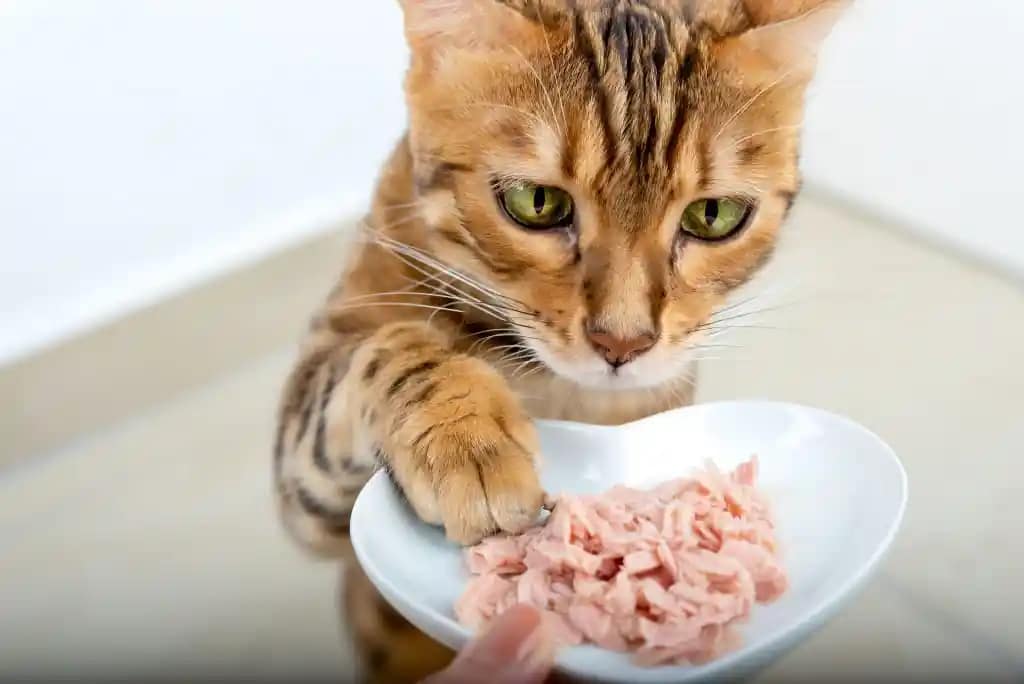
Probiotics: These live microorganisms can help restore healthy gut bacteria after digestive upset or antibiotics.
Probiotic Dosage & Tips for Cats
| Fator | Diretriz/Recomendação |
| Faixa de CFUs diárias recomendadas | 1-5 bilhões de UFCs/dia para gatos. Use o limite mais alto da faixa (por exemplo, 5 bilhões de UFCs) para problemas gastrointestinais ativos ou quando estiver tomando antibióticos. |
| Principais considerações ao comprar | UFCs suficientes: Certifique-se de que o produto contenha células viáveis suficientes por dose. |
| Segurança para gatinhos | Geralmente seguro para gatinhos desmamados, especialmente aqueles sob estresse ou em transição para alimentos sólidos, pois ajuda a estabelecer bactérias intestinais saudáveis e aumenta a imunidade. |
| Marcas recomendadas por veterinários | Purina FortiFlora, FERA All Natural Probiotics, PetUltimates Probiotics, Honest Paws Pre + Probiotics, Jackson Galaxy Cat Probiotic, TummyWorks Probiotic Powder, Proviable-DC, Advita. |
Suplementação de fibras: Soluble fiber (pumpkin/psyllium) can absorb excess water and help firm stools; mixed fiber can help acute and chronic diarrhea, especially large-bowel issues.
- Typical starting amounts: small amounts of pumpkin (1–2 tsp) or psyllium (start low; consult your vet for dosing).
- Caution: Too much fiber can worsen symptoms—especially if there’s an underlying disease.
4. Crucial Warning: Avoid Human Medications!
A critical aspect of home care for feline diarrhea involves a strict prohibition against administering OTC human medications without explicit veterinary consultation.
Pepto Bismol e Kaopectate
Contain bismuth subsalicylate (salicylate-related). Cats are sensitive to salicylates; toxicity can cause vomiting, ulcers, kidney/liver damage. Do not give.
Imodium (Loperamida)
Not safe for unsupervised use. It slows gut movement, can trap toxins/infection, and may cause severe side effects (CNS depression, constipation, toxic megacolon). Only under explicit veterinary guidance.
Iogurte
Many adult cats are lactose intolerant; yogurt/milk can worsen diarrhea. If used at all, offer tiny amounts and monitor—cat-specific probiotics are usually safer.

What Your Cat’s Stool Can Tell You (Quick Poop Guide)
What normal poop looks like
A healthy cat stool is usually:
- Brown to dark brown
- Log-shaped / segmented
- Firm but not rock-hard
- No blood, excessive mucus, or visible parasites
Kittens can have slightly softer stool, but it should not be watery or bloody.
Quick warning signs (don’t wait)
Treat these as urgent and contact a vet promptly:
- Black/tarry stool (can indicate bleeding higher up in the GI tract)
- Large amounts of bright red blood
- Watery diarrhea + lethargy/vomiting
- Diarrhea in very young kittens or frail seniors
Stool chart
Cat Stool Chart: A Visual Guide to Your Cat’s Digestive Health
| What you see | Descrição | What it may mean (urgency) |
|---|---|---|
| Consistência | ||
| Normal | Firme, segmentado, em forma de tronco | Normal digestion (Normal) |
| Hard / pebble-like | Pequeno, seco, difícil de passar | Constipation or dehydration (Mild–Moderate) |
| Soft / loose | Macio, não formado, mantém alguma forma | Diet change, food intolerance, mild GI upset (Mild–Moderate) |
| Runny / watery | Líquido, sem forma | Inflammation or infection; dehydration risk rises fast (Moderate–Urgent) |
| Muco | Revestimento gelatinoso ou estrias | Large-bowel irritation/colitis, stress, or parasites (Moderate) |
| Cor | ||
| Normal brown | Marrom uniforme a marrom escuro | Normal digestion (Normal) |
| Verde | Tonalidade esverdeada | Fast transit or diet change; sometimes infection (Mild–Moderate) |
| Amarelo | Tonalidade amarelada | Fast transit; possible bile/liver involvement (Moderate) |
| Black / tar-like | Aparência escura, pegajosa e com alcatrão | Possible digested blood (GI bleeding) (URGENT) |
| Red (streaks or liquid) | Estrias vermelhas brilhantes ou sangue líquido | Lower-GI bleeding/irritation; more blood = more urgent (Moderate–URGENT) |
| White / grey | Pale, chalky, or grey-white | Possible bile flow or pancreas issue (URGENT) |
| Conteúdo | ||
| Undigested food | Pedaços visíveis de alimentos | Food intolerance or poor digestion; if ongoing, needs vet workup (Mild–Moderate) |
| Worms / specks | Pedaços pequenos, fibrosos, semelhantes a arroz | Possible intestinal parasites (Moderate) |
| Dica: Severity = how fast to contact a vet. Always treat as URGENTE if your cat is a kitten/senior, seems lethargic, is vomiting repeatedly, won’t eat, shows dehydration signs, or diarrhea lasts >24–48 hours. | ||
Small bowel vs. large bowel diarrhea (fast difference)
This helps you describe symptoms more clearly:
- Small bowel diarrhea: normalmente larger volume, may come with weight loss ou vômito
- Large bowel diarrhea (colitis): normalmente small frequent stoolsfrequentemente mucus, às vezes esforço, às vezes fresh red blood
Se seu gato tiver ongoing diarrhea (more than a few days), this distinction can help your vet choose the right tests.
What to track (makes vet visits more effective)
Before calling/going in, note:
- When it started + frequency
- Stool appearance (color, watery vs formed, mucus, blood)
- Vomiting? Appetite? Energy level?
- Any diet changes, new treats, stress, meds, or possible toxin exposure
- If possible: a clear photo of stool (gross but helpful)
Prevenção de episódios futuros
Muitos casos de diarreia felina podem ser evitados por meio de cuidados consistentes e proativos. Essa abordagem envolve um compromisso contínuo com o bem-estar geral do gato, combinando a vigilância diária do cuidador com a supervisão veterinária profissional regular.
Transições lentas e constantes da dieta
Mudanças bruscas na dieta são uma das principais causas de distúrbios digestivos. Para evitar episódios futuros, é essencial introduzir novos alimentos gradualmente em um período de 7 a 10 dias, permitindo que o sistema digestivo do gato tenha tempo suficiente para se adaptar.
Desparasitação regular e prevenção de parasitas
Estabelecer e seguir um cronograma regular de desparasitação, em consulta com um veterinário, é fundamental para prevenir as causas parasitárias da diarreia. Manter a prevenção de pulgas e carrapatos durante todo o ano também minimiza a exposição a parasitas que podem transmitir problemas gastrointestinais.
Manutenção de um ambiente limpo e livre de estresse
Impermeabilização contra riscos: Medidas proativas devem ser tomadas para manter alimentos nocivos, produtos de limpeza doméstica, plantas tóxicas (por exemplo, Aloe Vera, Daffodil, Philodendrons) e medicamentos humanos fora do alcance do gato.
Redução do estresse: Criar um ambiente doméstico calmo e estável é vital para a saúde digestiva dos felinos. Minimizar mudanças repentinas na rotina ou no ambiente, fornecer caixas de esconderijo e áreas de descanso adequadas e garantir recursos suficientes (comida, água, caixas de areia) em residências com vários gatos pode reduzir significativamente os distúrbios gastrointestinais relacionados ao estresse.
Exames veterinários de rotina
Os exames anuais de bem-estar são essenciais para a detecção precoce e o gerenciamento de qualquer condição de saúde subjacente que possa predispor um gato à diarreia. Os veterinários são treinados para identificar mudanças sutis na saúde do gato que podem não ser imediatamente óbvias para os cuidadores.
Esse monitoramento profissional consistente, combinado com as observações do cuidador (incluindo vídeos de comportamento gravados pelo cliente), forma uma parceria poderosa na manutenção da saúde felina a longo prazo.
FAQ about Cat Diarrhea Treatment
When is cat diarrhea an emergency (when should I see a vet)?
If you see blood/black stool, repeated vomiting, severe lethargy, dehydration signs, or diarrhea lasting more than 24–48 hours, contact a vet.
What should I feed my cat with diarrhea, and should I fast them?
Most cats do best with small, frequent bland meals (not long fasting).
Posso dar ao meu gato Imodium ou Pepto-Bismol para diarreia?
Normalmente não—these can be unsafe for cats unless a veterinarian explicitly instructs you.
A abóbora enlatada é segura para gatos com diarreia?
Often yes—plain pumpkin (not pie filling) can help firm stools for some cats. Start small and stop if it worsens symptoms.
Os probióticos são seguros para tratar a diarreia em gatos?
Cat-specific probiotics are commonly used and may help restore gut balance, especially after diet upset or antibiotics.
O estresse pode causar diarreia em gatos?
Yes—stress can trigger GI upset in some cats. If diarrhea keeps recurring, address triggers and talk to your vet.
Como posso evitar a diarreia em gatos no futuro?
Prevent episodes by slow diet transitions, parasite prevention, reducing stress, and hazard-proofing your home.
Referências
Clínica A-Animal. (n.d.). Diarreia em gatos. Obtido de https://www.a-animalclinic.com/site/blog/2024/03/30/diarrhea-in-cats
Agria Pet. (n.d.). Reposição de fluidos para gatos. Obtido de https://www.agriapet.co.uk/guides-and-advice/fluid-replacement-for-cats/
Serviços de Saúde de Alberta. (n.d.). Receitas de soluções de reidratação oral. Obtido de https://www.albertahealthservices.ca/assets/info/nutrition/if-nfs-ors-recipes.pdf
Arden Grange. (n.d.). Folha de dados sobre a diarreia felina.
Arden Grange. (n.d.). Como fazer uma solução eletrolítica para ajudar seu cão com diarreia. Obtido de https://www.ardengrange.com/blog/how-to-make-electrolyte-solution-help-your-dog-with-diarrhoea
ASPCApro. (n.d.). Protocolo da ASPCA para Diarreia em Gatinhos. Obtido de https://www.aspcapro.org/sites/default/files/2023-10/aspca-diarrhea-protocol-kittens.pdf
Ask A Vet. (n.d.). Guia veterinário abrangente 2025: Tartarato de tilosina para cães e gatos - Gastrointestinal e além. Obtido de https://askavet.com/blogs/news/comprehensive-vet-guide-2025-tylosin-tartrate-for-dogs-cats-gastrointestinal-and-beyond-%F0%9F%90%BE%F0%9F%92%8A
Beyond Pets. (n.d.). Parasitas gastrointestinais em gatos. Obtido de https://beyondpets.com/pet-health-plus/gastrointestinal-parasites-in-cats/
BluePearl Vet (n.d.). Gut Check: Tratamento prático da doença inflamatória intestinal. Obtido de https://bluepearlvet.com/medical-library-for-dvms/gut-check-practical-treatment-of-inflammatory-bowel-disease/
BluePearl Vet (n.d.). Ivermectina para cães e gatos. Obtido de https://bluepearlvet.com/medical-library-for-dvms/gut-check-practical-treatment-of-inflammatory-bowel-disease/
Centro de Saúde Felina de Cornell. (n.d.). Diarreia. Obtido de https://www.vet.cornell.edu/departments-centers-and-institutes/cornell-feline-health-center/health-information/feline-health-topics/diarrhea
Centro de Saúde Felina de Cornell. (n.d.). Hidratação. Obtido de https://www.vet.cornell.edu/departments-centers-and-institutes/cornell-feline-health-center/health-information/feline-health-topics/hydration
Centro de Saúde Felina de Cornell. (n.d.). Doença Inflamatória Intestinal. Obtido de https://www.vet.cornell.edu/departments-centers-and-institutes/cornell-feline-health-center/health-information/feline-health-topics/inflammatory-bowel-disease
Universidade de Cornell, Centro de Saúde Canina Riney. (n.d.). Diarreia. Obtido de https://www.vet.cornell.edu/departments-centers-and-institutes/riney-canine-health-center/canine-health-information/diarrhea
Drugs.com. (n.d.). Solução eletrolítica oral Pet-A-Lyte para cães e gatos. Obtido de https://www.drugs.com/vet/pet-a-lyte-oral-electrolyte-solution-for-dogs-and-cats.html
Drugs.com. (n.d.). Sulfassalazina. Obtido de https://www.drugs.com/sulfasalazine.html
Holandês. (n.d.). Remédio para Diarreia em Gatos. Obtido de https://www.dutch.com/collections/diarrhea-medicine-for-cats
Golden Paws Animal Hospital. (2024). Uma dieta branda para cães e gatos. Obtido de https://goldenpawsvet.com/wp-content/uploads/2024/08/Bland-Diet.pdf
Great Pet Care. (n.d.). Gráfico de cocô anormal de gato. Obtido de https://www.greatpetcare.com/cat-health/abnormal-cat-poop-chart/
Hill's Pet. (n.d.). Cat Diarrhea: Causes and Treatment. Obtido de https://www.hillspet.com/cat-care/healthcare/cat-diarrhea-causes-and-treatment
HolistaPet. (n.d.). Gráfico de cocô de gato. Obtido de https://www.holistapet.com/blogs/cat-care/cat-poop-chart
KOHA Pet. (n.d.). Dieta branda para gatos. Obtido de https://kohapet.com/blogs/news/bland-diet-cats
Lassie. (n.d.). Como fazer um substituto líquido para gatos. Obtido de https://de.lassie.co/en/articles/make-liquid-substitute-cats
Medi-Vet. (n.d.). Solução eletrolítica oral VetClassics Pet-A-Lyte para animais de estimação. Obtido de https://www.medi-vet.com/VetClassics-Pet-A-Lyte-Oral-Electrolyte-Solution-p/17521.htm
Noble Vet Clinic. (n.d.). Os gatos podem comer iogurte?. Obtido de https://noblevetclinic.com/blog/can-cats-have-yogurt
North Kenny Vet (n.d.). Diarreia em gatos. Obtido de https://northkennyvet.com/blog/cat-diarrhea-columbus-oh/
Ontario SPCA. (n.d.). Dicas essenciais para lidar com a diarreia em seu gatinho. Obtido de https://ontariospca.ca/blog/essential-tips-for-dealing-with-diarrhea-in-your-kitten/
Patterson Veterinary. (n.d.). Pet-A-Lyte™ Solução eletrolítica oral (cães e gatos). Obtido de https://www.pattersonvet.com/Supplies/ProductFamilyDetails/PIF_32608
PetMD. (n.d.). Tratamento da diarreia em gatos: O que dar aos gatos com diarreia. Obtido de https://www.petmd.com/cat/general-health/cat-diarrhea-treatment#:~:text=Cats%20with%20diarrhea%20need%20to,cat%20to%20drink%20more%20water
PetMD. (n.d.). Diarreia crônica em gatos. Obtido de https://www.petmd.com/cat/conditions/digestive/chronic-diarrhea-cats
PetMD. (n.d.). Problemas de saúde ocultos em gatos e como identificá-los. Obtido de https://www.petmd.com/cat/general-health/hidden-health-issues-in-cats-and-how-to-spot-them
Petralyte. (n.d.). Suplemento de eletrólitos e articulações para gatos. Obtido de https://petralyte.com/products/cat-electrolyte-and-joint-supplement
PMC. (n.d.). Diretrizes de cuidados para felinos idosos. Obtido de https://pmc.ncbi.nlm.nih.gov/articles/PMC10812122/
PMC. (n.d.). Diretrizes de avaliação nutricional da WSAVA. Obtido de https://pmc.ncbi.nlm.nih.gov/articles/PMC11107980/
Preventive Vet (n.d.). Melhores suplementos probióticos para cães e gatos. Obtido de https://www.preventivevet.com/best-probiotic-supplements-for-dogs-and-cats
PubMed. (n.d.). 2021 Diretrizes de cuidados para felinos idosos da AAFP. Obtido de https://pubmed.ncbi.nlm.nih.gov/34167339/
Instituto Purina. (n.d.). Enteropatia crônica felina. Obtido de https://www.purinainstitute.com/centresquare/therapeutic-nutrition/feline-chronic-enteropathy
Academia Royal Canin. (n.d.). Fibra alimentar: A arma secreta do médico. Obtido de https://academy.royalcanin.com/en/veterinary/dietary-fiber-the-clinicians-secret-weapon
Rx Solutions. (n.d.). Quais medicamentos são usados para tratar a doença inflamatória intestinal felina?. Obtido de https://assets.ctfassets.net/4dmg3l1sxd6g/78BhwsfExEmK4TsViseDmH/038d522ec90a3ca555524afb0ed75306/rx-solutions_which-drugs-are-used-to-manage-feline-inflammatory-bowel-disease-24656-article.pdf
Small Door Vet (n.d.). Diarreia em gatos. Obtido de https://www.smalldoorvet.com/learning-center/medical/diarrhea-in-cats/
A prática veterinária atual. (n.d.). Intervenção GI: Abordagem para diagnóstico e terapia do paciente com diarreia aguda. Obtido de https://todaysveterinarypractice.com/gastroenterology/gi-intervention-approach-to-diagnosis-and-therapy-of-the-patient-with-acute-diarrhea/
Total.vet. (n.d.). Fibra para gatos com diarreia. Obtido de https://total.vet/fiber-for-cats-with-diarrhea/
UC Davis. (n.d.). Saúde do gato. Obtido de https://ccah.vetmed.ucdavis.edu/cats/cat-health
UVA Health. (n.d.). Soluções caseiras de reidratação oral. Obtido de https://med.virginia.edu/ginutrition/wp-content/uploads/sites/199/2023/12/Homemade-Oral-Rehydration-Solutions-11-2023.pdf
Hospitais VCA. (n.d.). 8 remédios caseiros para diarreia e 2 que são perigosos para seu animal de estimação. Obtido de https://vcahospitals.com/shop/articles/8-home-remedies-for-diarrhea-and-2-that-are-dangerous-for-your-pet
Hospitais VCA. (n.d.). Clorambucil. Obtido de https://vcahospitals.com/know-your-pet/chlorambucil
Hospitais VCA. (n.d.). Fenbendazol. Obtido de https://vcahospitals.com/know-your-pet/fenbendazole
Hospitais VCA. (n.d.). Endoscopia gastrointestinal em gatos. Obtido de https://vcahospitals.com/know-your-pet/endoscopy-gastrointestinal-in-cats
Hospitais VCA. (n.d.). Metronidazol. Obtido de https://vcahospitals.com/know-your-pet/metronidazole
Hospitais VCA. (n.d.). Testes para diarreia. Obtido de https://vcahospitals.com/know-your-pet/testing-for-diarrhea
Parceiro Veterinário. (n.d.). Tilosina (Tylan®). Obtido de https://veterinarypartner.vin.com/default.aspx?pid=19239&catId=154455&id=4951826
VetRxDirect. (n.d.). Pet A-Lyte para Cães e Gatos - Eletrólito Oral. Obtido de https://www.vetrxdirect.com/product/view/pet-a-lyte-electrolyte-solution-for-dogs-and-cats-otc
Vetster. (n.d.). Desidratação em gatos. Obtido de https://vetster.com/en/conditions/cat/dehydration
VIN. (n.d.). Abordagem da Diarreia Crônica em Gatos. Obtido de https://www.vin.com/apputil/content/defaultadv1.aspx?pId=12886&catId=57099&id=7054646&ind=128&objTypeID=17&print=1
VIN. (n.d.). Cryptosporidium spp. em gatos. Obtido de https://www.vin.com/apputil/content/defaultadv1.aspx?id=5124213&pid=113
VIN. (n.d.). Endoscopia gastrointestinal. Obtido de https://www.vin.com/apputil/content/defaultadv1.aspx?id=3852219&pid=11181
WADDL. (n.d.). Painel de Diarreia Felina. Obtido de https://tests.waddl.vetmed.wsu.edu/Tests/Details/8006
Farmácia Wedgewood. (n.d.). Clorambucil. Obtido de https://www.wedgewood.com/medications/chlorambucil/
Wikipédia. (n.d.). Fenbendazol. Obtido de https://en.wikipedia.org/wiki/Fenbendazole
Veterinários de Woodward. (n.d.). Sulfassalazina. Obtido de https://www.woodward-vets.co.uk/images/downloads/medication-leaflets/Sulfasalazine.pdf
Zoetis Petcare. (n.d.). Como fazer com que seu gato beba mais água. Obtido de https://www.zoetispetcare.com/blog/article/how-get-cat-drink-more-water





 EN
EN DE
DE ES
ES PT
PT