
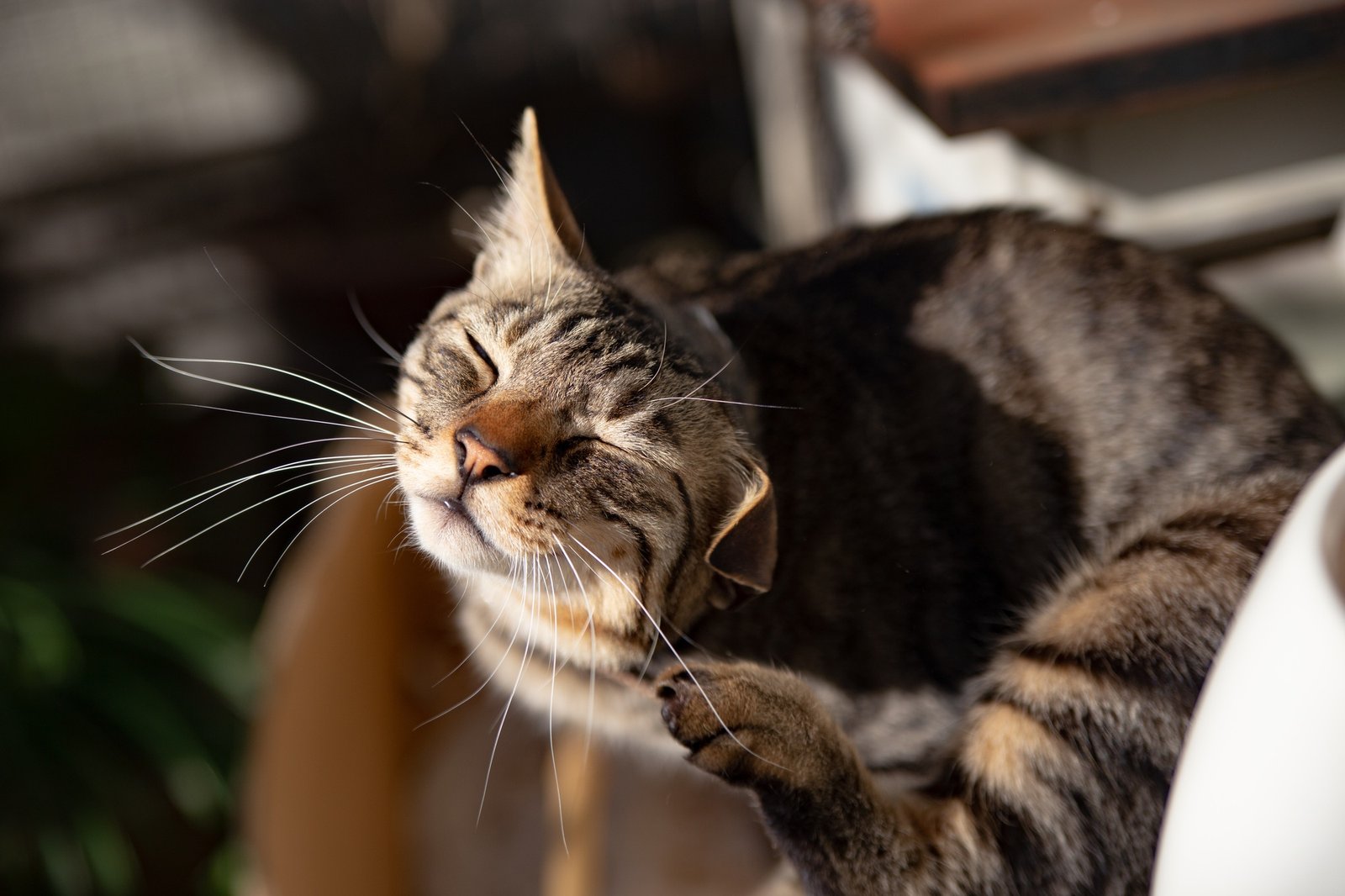
Feline hyperesthesia syndrome, sometimes called rippling skin syndrome or twitchy cat syndrome, is a pattern of sudden skin sensitivity, back rippling, tail chasing, biting, vocalizing, or frantic movement. It is not something to diagnose at home. Similar signs can come from fleas, allergies, skin infection, pain, neurologic issues, seizures, or stress, so a veterinarian should rule out other causes.
This guide helps you recognize what feline hyperesthesia can look like, what signs are urgent, what to do during an episode, and what information to bring to your vet. It is educational only and does not replace veterinary diagnosis or treatment.
Inhaltsübersicht
- What is feline hyperesthesia syndrome?
- What does feline hyperesthesia look like?
- What else can mimic feline hyperesthesia?
- Wann sollte ich einen Tierarzt anrufen?
- What should I do during an episode?
- How do vets diagnose feline hyperesthesia?
- What home changes may help after a vet check?
- What should I track before the vet visit?
- Schlussfolgerung
- Häufig gestellte Fragen
- Referenzen
What is feline hyperesthesia syndrome?
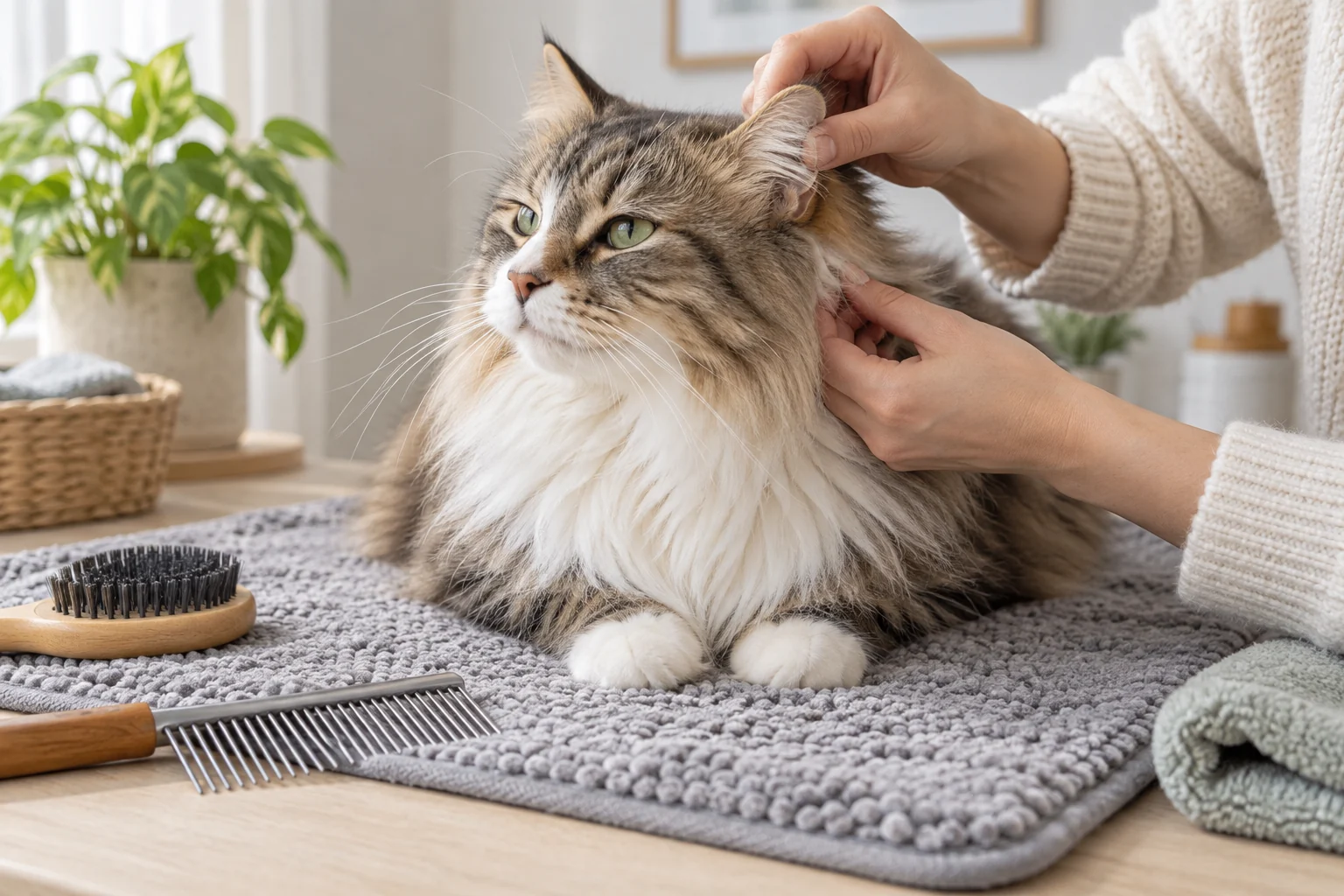
Feline hyperesthesia syndrome is an abnormal sensitivity pattern, usually along the back near the tail. A cat may suddenly react as if the skin feels painful, itchy, or overstimulated, even when the trigger seems small.
Cornell Feline Health Center describes hyperesthesia as extreme sensitivity in an area of skin, often on the back in front of the tail 1. Merck notes that hyperesthesia may not be one specific disorder, but a sign that can appear with medical or behavioral problems 2.
That distinction matters. The goal is not to label every back twitch as FHS. The goal is to notice a repeated pattern, protect your cat during episodes, and let your veterinarian rule out treatable causes such as parasites, allergies, fungal disease, pain, or neurologic problems.
What does feline hyperesthesia look like?
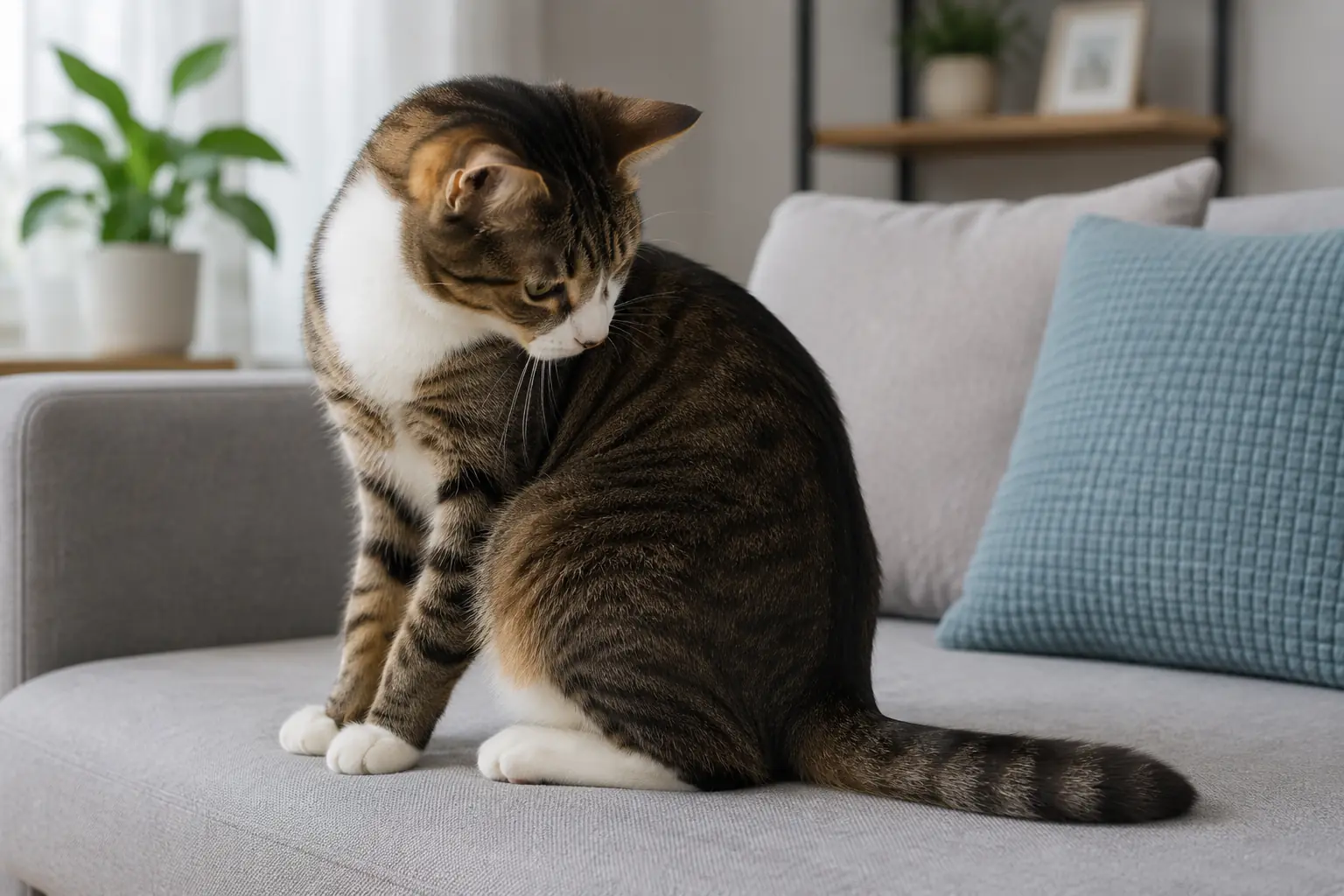
Feline hyperesthesia can look like a sudden burst of skin, tail, and behavior changes. The classic clue is rippling or twitching skin over the lower back, often paired with a strong reaction to touch.
Common signs include:
| Anmelden | What you may notice | Warum das wichtig ist |
|---|---|---|
| Rippling skin | The skin along the back twitches or rolls. | This is one of the most recognized FHS-like signs. |
| Tail chasing or tail biting | Cat spins, attacks the tail, or seems distressed by it. | Can become self-injuring. |
| Sudden grooming or biting | Cat licks, bites, or scratches the back, flank, or tail base. | May also point to itch, fleas, allergy, or pain. |
| Dilated pupils or agitation | Cat looks startled, frantic, or overstimulated. | Can help distinguish a normal reflex from an episode. |
| Vocalizing | Cat yowls, cries, or growls during the event. | Pain, fear, or distress should be considered. |
| Dashing away | Cat runs as if startled by touch or sensation. | Episodes can be triggered by touch or arousal. |
Cornell lists signs such as rippling skin, dilated pupils, drooling, scratching, tail chasing, vocalizing, and urinating in some affected cats 1. Merck similarly describes twitching or rippling skin, excessive grooming, biting at the back or flank, tail wagging, crying, dashing away, and sometimes defecating 2.
If the main change is tail movement, this SnuggleSouls guide to Katzen-Schwanz-Sprache may help you describe what you see. If the episode includes sudden defensive biting, compare it with this guide on sudden biting or defensive reactions.
What else can mimic feline hyperesthesia?
Many problems can look like feline hyperesthesia. Skin disease, flea allergy, Ringelflechte, back pain, arthritis, neuropathic pain, seizures, compulsive behavior, and stress can all create overlapping signs.
Use this table to avoid jumping to one conclusion:
| Similar-looking problem | Clues that may fit | Why a vet check matters |
|---|---|---|
| Fleas or flea allergy | Scratching, biting near tail base, scabs, overgrooming | Parasites are treatable and can intensify sensitivity. |
| Allergies or skin disease | Itch, hair loss, redness, scabs, repeated licking | Cornell notes skin diseases are common in cats 5. |
| Ringworm or fungal disease | Hair loss, scaling, circular lesions, household spread | Needs diagnosis and hygiene planning. |
| Pain or arthritis | Sensitivity when touched, reluctance to jump, stiffness | Pain can drive defensive reactions. |
| Neurologic issue or seizure-like event | Sudden episodes, altered awareness, unusual movements | Requires veterinary assessment. |
| Stress or compulsive behavior | Repetitive grooming, arousal-linked episodes, household triggers | Behavior plans work best after medical causes are checked. |
Cornell emphasizes that diagnosis means ruling out other causes of pain or skin sensitivity, including spinal arthritis, parasites, allergies, and fungal infections 1. Merck’s owner guide also notes that veterinarians first rule out medical causes, especially pain and skin conditions, because they can cause similar signs 3.
For one common skin-disease overlap, see SnuggleSouls’ guide to Ringelflechte bei Katzen.
Wann sollte ich einen Tierarzt anrufen?
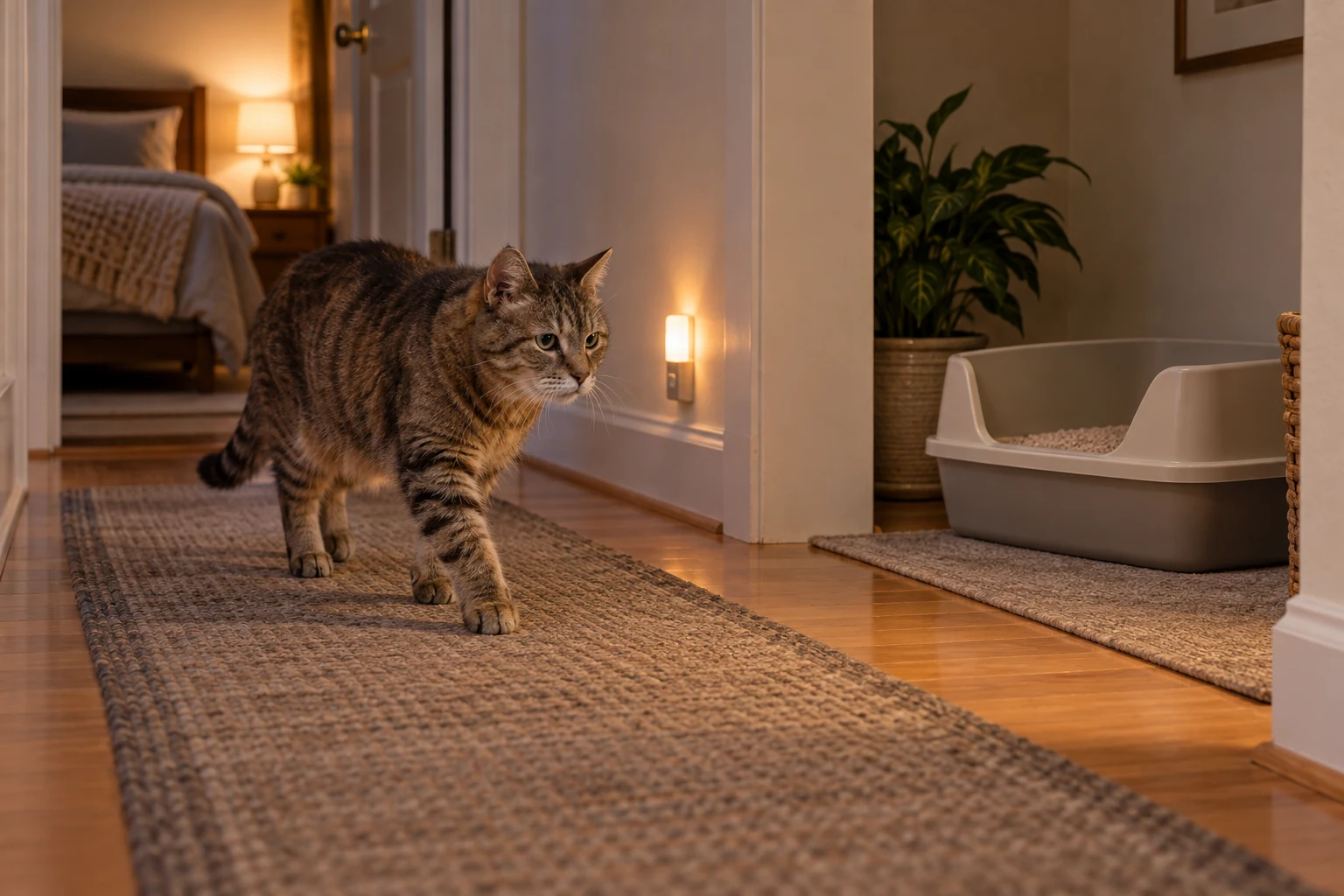
Call your veterinarian when episodes repeat, intensify, cause self-injury, or appear with pain, Verstecken, appetite change, litter box changes, seizures, or behavior that feels unlike your cat. Call urgently if your cat injures themselves or seems unable to stop.
Use this triage table:
| Was Sie sehen | Was das bedeuten kann | Was ist als nächstes zu tun? |
|---|---|---|
| One mild back twitch during petting | Normal reflex or mild overstimulation | Stop petting and monitor for repetition. |
| Repeated rippling skin with agitation | FHS-like episode or discomfort | Book a vet exam and record episodes. |
| Tail biting, bleeding, or self-injury | Pain, itch, neurologic issue, or compulsive behavior | Call your vet promptly. |
| Sudden yowling, frantic running, or collapse-like behavior | Pain, seizure-like event, or severe distress | Call a vet or emergency clinic. |
| Appetite loss, hiding, poor grooming, or litter box change | Broader illness or pain | Call your vet. |
| New sensitivity along the back in an older cat | Pain, arthritis, skin disease, or neurologic concern | Schedule a veterinary exam. |
If your cat is hiding more, pair this article with SnuggleSouls’ guide on warum Katzen sich verstecken. If episodes come with yowling or unusual meowing, this guide on plötzliche Stimmveränderungen can help you organize what changed.
Do not wait if your cat is bleeding from self-biting, cannot settle, seems disoriented, has repeated seizure-like events, or is not eating.
What should I do during an episode?

During an episode, stay calm, stop touching your cat, reduce stimulation, and give space. Do not punish, restrain, chase, or grab the tail. Your goal is to keep everyone safe and observe what happens.
Versuchen Sie dies:
- Move your hands away and stop petting.
- Speak softly or stay quiet.
- Dim the environment if it is overstimulating.
- Keep other pets and children away.
- Do not force handling unless there is immediate danger.
- If safe, record a short video for your vet.
- Write down the time, trigger, duration, and what your cat did afterward.
VCA notes that feline hyperesthesia is poorly understood and may involve medical, neurologic, behavioral, or arousal-related factors 4. That uncertainty is why observation is more useful than trying to correct the behavior in the moment.
If your cat purrs after an episode, do not assume the problem is gone. Some cats purr when stressed or uncomfortable. This SnuggleSouls guide explains why purring does not always mean comfort.
How do vets diagnose feline hyperesthesia?
Veterinarians usually diagnose feline hyperesthesia by ruling out other causes first. There is no simple at-home test that proves it. Your vet may start with the skin, then consider pain, neurologic signs, and behavior.
The exam may include:
| Vet check | What it helps rule out |
|---|---|
| Skin and coat exam | Fleas, mites, allergy signs, infection, wounds, overgrooming |
| Parasite control history | Flea allergy or parasite-triggered itch |
| Pain and orthopedic exam | Back pain, arthritis, injury, tail-base pain |
| Neurologic assessment | Seizure-like events or nerve-related problems |
| Bloodwork or other tests | Metabolic or systemic illness when signs suggest it |
| Behavior history | Stressors, triggers, timing, household conflict, arousal patterns |
Merck notes that medical causes such as neuropathic pain, dermatologic conditions, myopathies, and focal seizures can present with similar signs, so assessment or treatment trials may be part of the diagnostic process 2.
Bring videos if you have them. A short clip can help your vet see whether the episode looks like itch, pain, seizure-like activity, compulsive behavior, or arousal.
What home changes may help after a vet check?
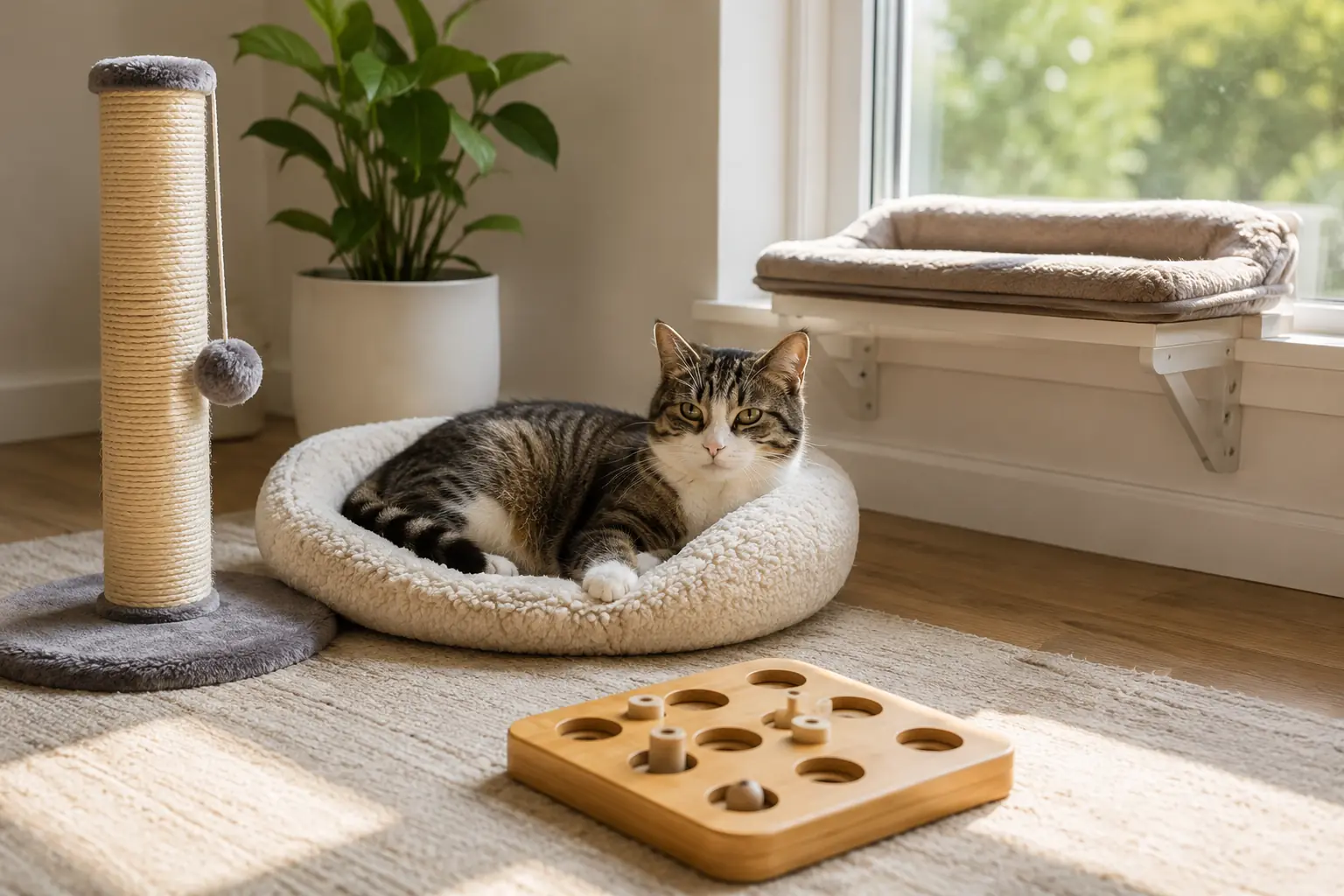
After your veterinarian has checked for medical causes, home changes may help reduce triggers. The safest starting points are predictable routines, less conflict, and better enrichment.
Helpful changes may include:
- Keep parasite prevention current as directed by your veterinarian.
- Avoid touching the sensitive back area if it triggers episodes.
- Use predictable feeding, play, and rest routines.
- Add daily play that ends before your cat becomes overstimulated.
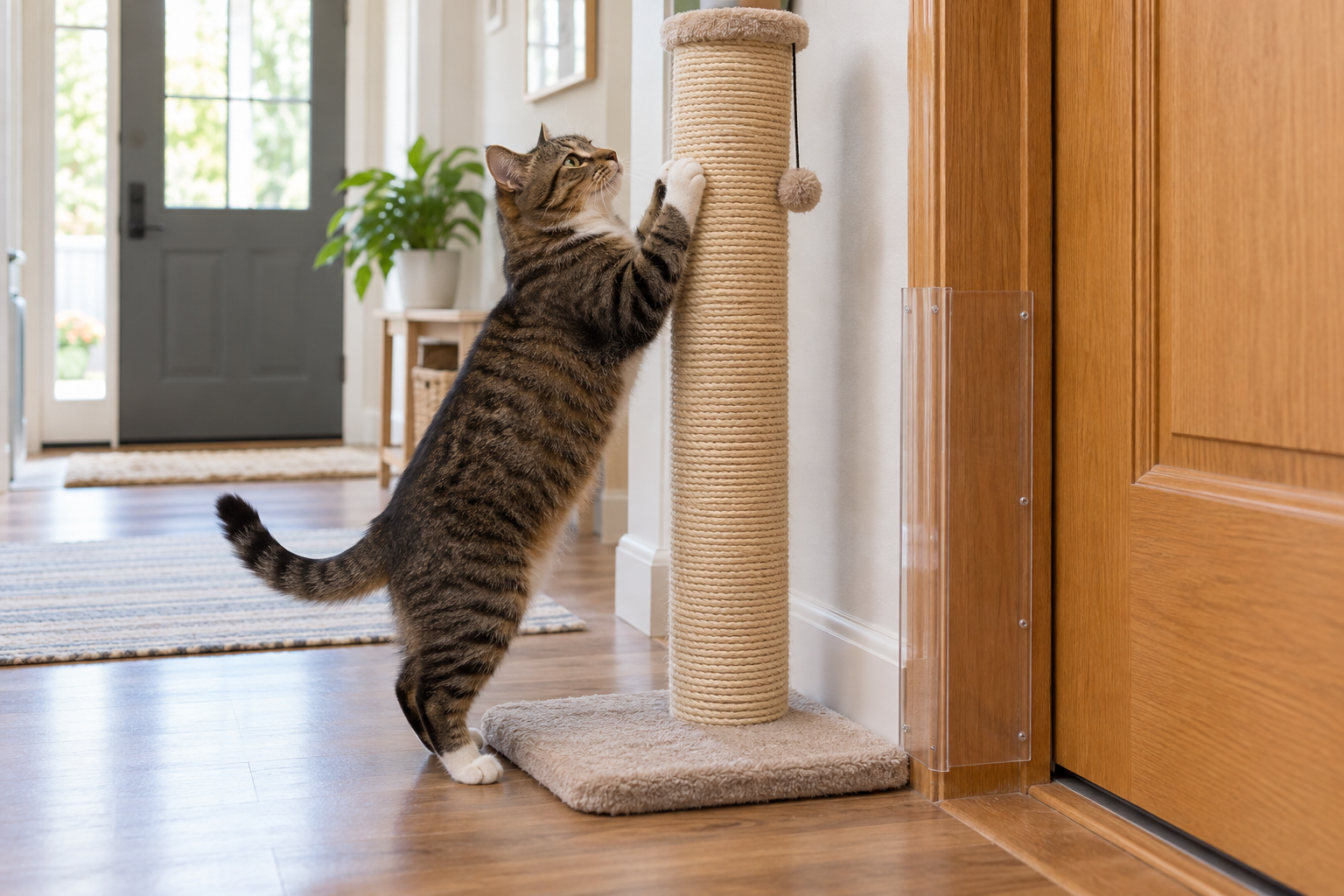
- Provide hiding spots, elevated perches, scratching posts, and quiet zones.
- Reduce household conflict with other pets.
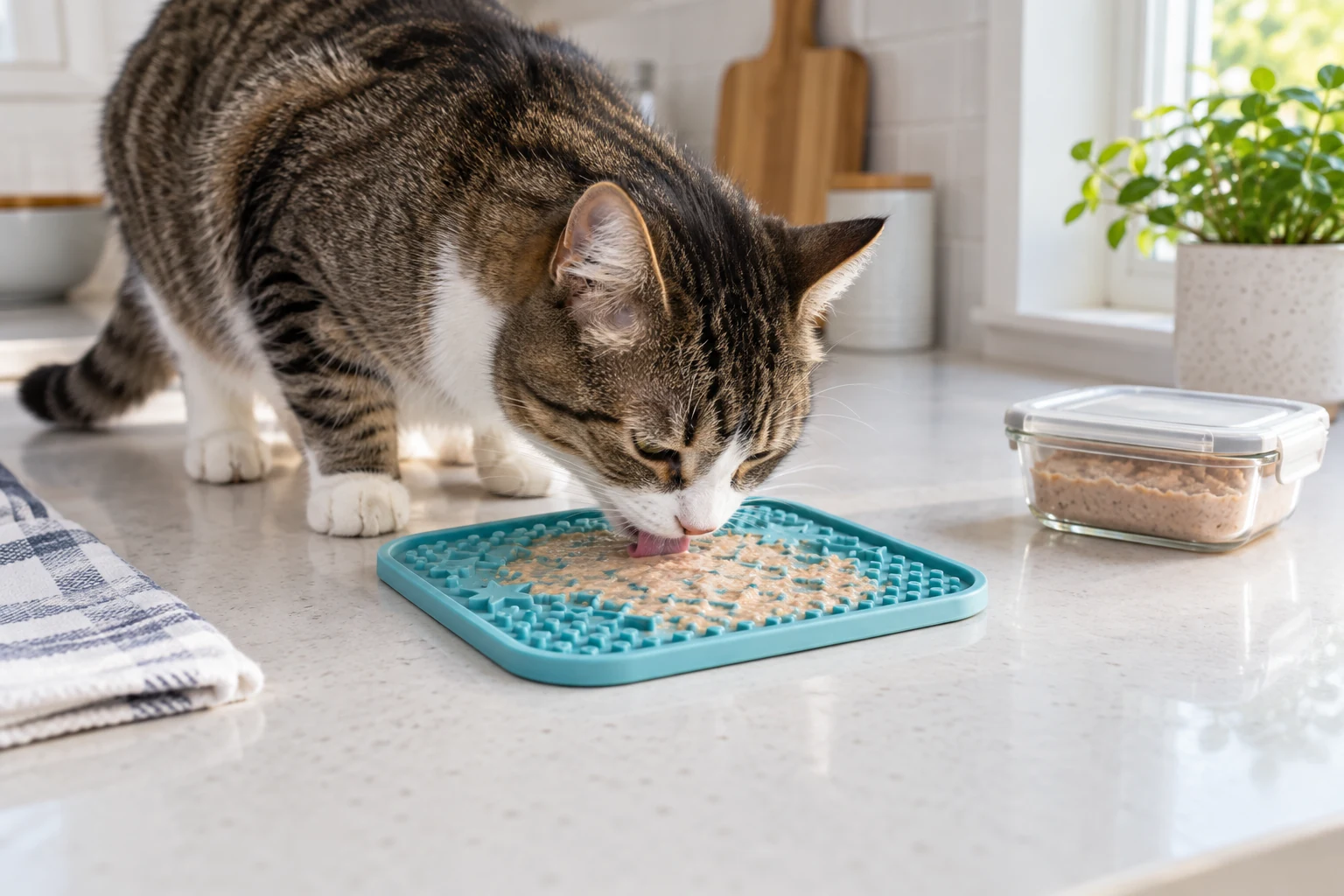
- Use puzzle feeders or gentle enrichment for mental stimulation.
- Track episodes so you can tell whether changes help.
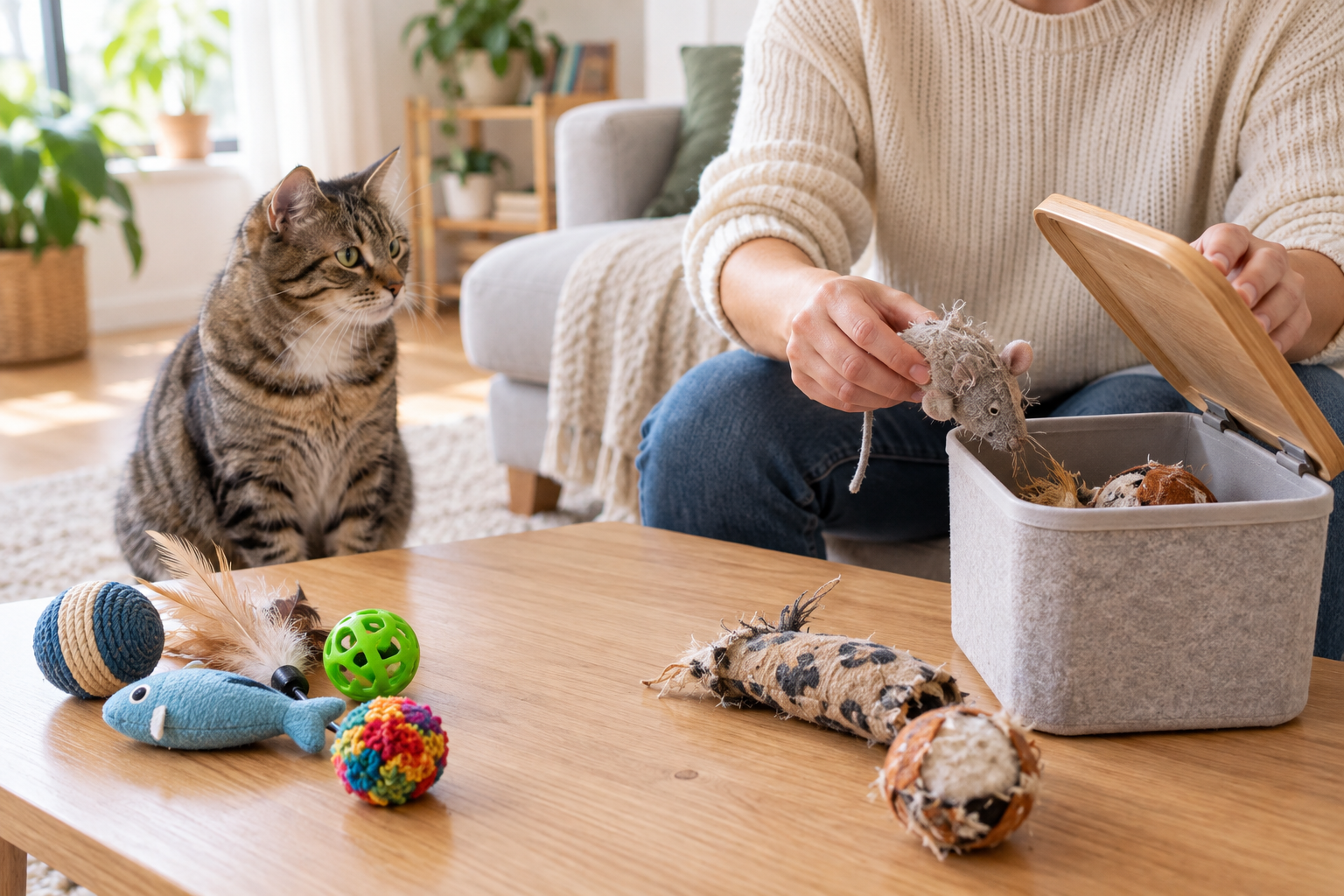
For broader behavior support, use SnuggleSouls’ Ratgeber zum Verhalten von Katzen. Home changes are not a substitute for veterinary care, especially when pain, skin disease, seizures, or self-injury are possible.
Do not start medications, supplements, flea products, or calming products without veterinary guidance. Your cat’s best plan depends on what the exam finds.
What should I track before the vet visit?
Track details that help separate skin, pain, neurologic, and stress patterns. The more specific you are, the less your vet has to guess.
Notieren Sie sich:
- Date and time of each episode
- What happened right before it
- Whether touch triggered it
- Where the skin rippled or twitched
- Whether your cat bit, licked, chased the tail, vocalized, urinated, or defecated
- Episode length
- What your cat did afterward
- Appetite, thirst, litter box, grooming, Gewicht, and activity changes
- Flea prevention status
- Any new Lebensmittel, household change, new pet, visitors, or stressor
Body language can be hard to describe. If tail movement or posture changes are part of the episode, SnuggleSouls’ Katzen-Schwanz-Sprache guide can help you use clearer words when talking to your veterinarian.
Schlussfolgerung
Feline hyperesthesia is best treated as a pattern that needs careful observation and veterinary rule-out, not as a label to apply from one back twitch. Rippling skin, sudden tail chasing, biting, yowling, frantic movement, or sensitivity near the tail can fit FHS, but they can also come from skin disease, pain, neurologic problems, or stress.
Your next step is practical: stop triggering touch, protect your cat during episodes, record what happens, and call your veterinarian if episodes repeat, intensify, cause self-injury, or come with other health changes.
Häufig gestellte Fragen
Is feline hyperesthesia painful?
It may be uncomfortable or painful for some cats, but the exact experience can vary. Because pain, itch, and nerve-related problems can look similar, your veterinarian should check for underlying causes.
Can feline hyperesthesia be cured?
Some cats improve when an underlying trigger is found and managed. Others need long-term management. The outlook depends on whether the main driver is skin disease, pain, neurologic activity, stress, compulsive behavior, or a mix of factors.
How long does a feline hyperesthesia episode last?
Many episodes are brief, lasting seconds to minutes. Duration alone does not prove whether it is serious. Repeated episodes, self-injury, distress, or other health changes are reasons to contact your vet.
What should I do if my cat attacks their tail?
Stop interacting, keep the area calm, and do not grab the tail unless there is immediate danger. If your cat bites hard enough to injure the tail or cannot settle, call your veterinarian promptly.
Is back twitching always feline hyperesthesia?
No. Some back twitching can be a normal skin reflex, especially during petting. Repeated episodes with agitation, biting, tail chasing, vocalizing, or distress deserve a veterinary check.
Can stress trigger feline hyperesthesia?
Stress or high arousal may contribute in some cats, but stress should not be assumed as the only cause. Skin disease, pain, and neurologic problems can look similar and should be ruled out.
Referenzen
[1] Cornell Feline Health Center. Hyperästhesie-Syndrom. https://www.vet.cornell.edu/departments-centers-and-institutes/cornell-feline-health-center/health-information/feline-health-topics/hyperesthesia-syndrome
[2] Merck Veterinary Manual. Verhaltensprobleme bei Katzen. https://www.merckvetmanual.com/behavior/behavior-of-cats/behavior-problems-of-cats
[3] Merck Veterinary Manual. Verhaltensauffälligkeiten bei Katzen. https://www.merckvetmanual.com/cat-owners/behavior-of-cats/behavior-problems-in-cats
[4] VCA-Tierkliniken. Cat Behavior Problems: Compulsive Disorders in Cats. https://vcahospitals.com/all-our-pets/know-your-pet/cat-behavior-problems-compulsive-disorders-in-cats
[5] Cornell Feline Health Center. Feline Skin Diseases. https://www.vet.cornell.edu/departments-centers-and-institutes/cornell-feline-health-center/health-information/feline-health-topics/feline-skin-diseases

 EN
EN DE
DE ES
ES PT
PT