
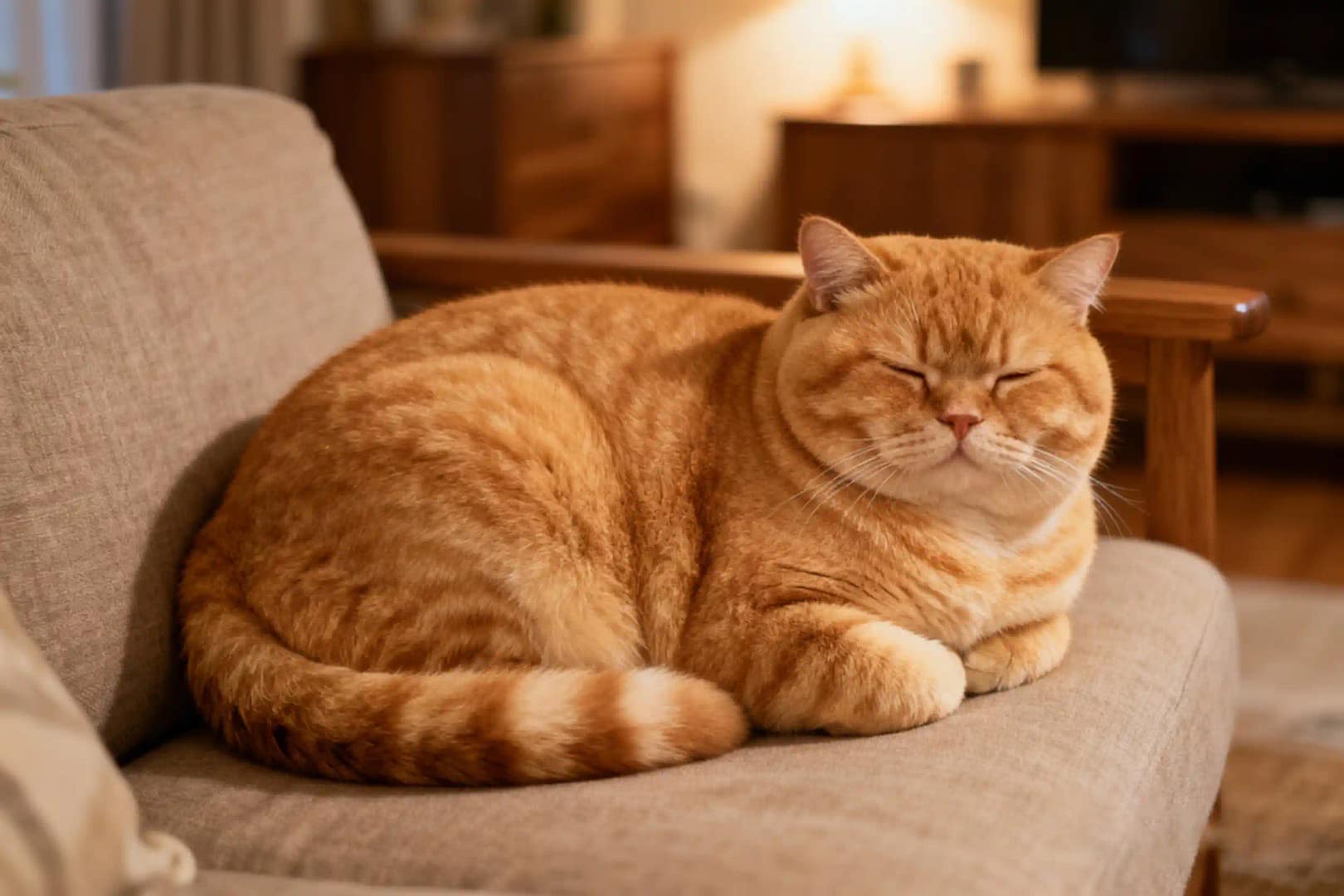
Cats loaf when they sit upright with their paws tucked under—like a little bread loaf. Most of the time, the cat loaf position means your cat feels safe, warm, and relaxed.
But if your cat looks hunched, tense, or keeps their head low (often called the “meatloaf” pose), it can be a warning sign of pain or illness—especially if you notice lethargy, appetite changes, or ocultar.
In this guide, you’ll learn the most common reasons cats loafEl main loaf types (full loaf, sphinx, partial loaf), and a quick checklist for when to call your vet.
Índice
Quick Answer: Why do cats loaf?
A pan de gato is when a cat sits upright with its paws (and often tail) tucked underneath. Cats loaf mainly because they feel safe, comfortable, and warm—it’s a restful position that still lets them stay alert.
But if the loaf looks hunched, tense, head down, or comes with lethargy, appetite changes, or hiding, it can be a sign of dolor o enfermedad.
Normal loaf vs “meatloaf” (when to worry)
| What you see | Usually means | Qué hacer |
|---|---|---|
| Paws tucked, head up, body looks soft/loose, normal breathing, responds to you | Relaxed, comfortable, warming up | Enjoy it; offer cozy spots |
| Loaf looks hunched/tense, head down, eyes squinty or “out of it,” stays still a long time, reduced response | Possible discomfort/pain | Check for other symptoms; contact your vet if it persists or worsens |
| Loaf + open-mouth breathing, collapse, severe lethargy, repeated vomiting | Urgent warning sign | Seek urgent veterinary care |
Top reasons cats loaf (most common → less common)
- Comfort and relaxation
- Feeling safe / trusting their environment (or you)
- Keeping warm (conserving body heat)
- Resting while staying alert
- Protecting their belly / vital organs
- Recovering from stress or overstimulation
- Pain or illness (when posture and behavior look “off”)
Rule of thumb: If your cat loafs and still acts normal, it’s usually fine. If the loaf looks tense + behavior changes, treat it as a clue to investigate.
Principales conclusiones
- A pan de gato usually means your cat is comfortable, safe, and conserving warmth.
- Loafing is a “rest-but-ready” posture: relaxed, but able to move quickly.
- Normal loaf: head up, soft body, normal breathing, responds to you.
- Warning loaf (“meatloaf”): hunched/tense, head down, reduced response, or paired with appetite/energy/litter box changes.
- If loaf posture is new + persistent or comes with other symptoms, call your vet.
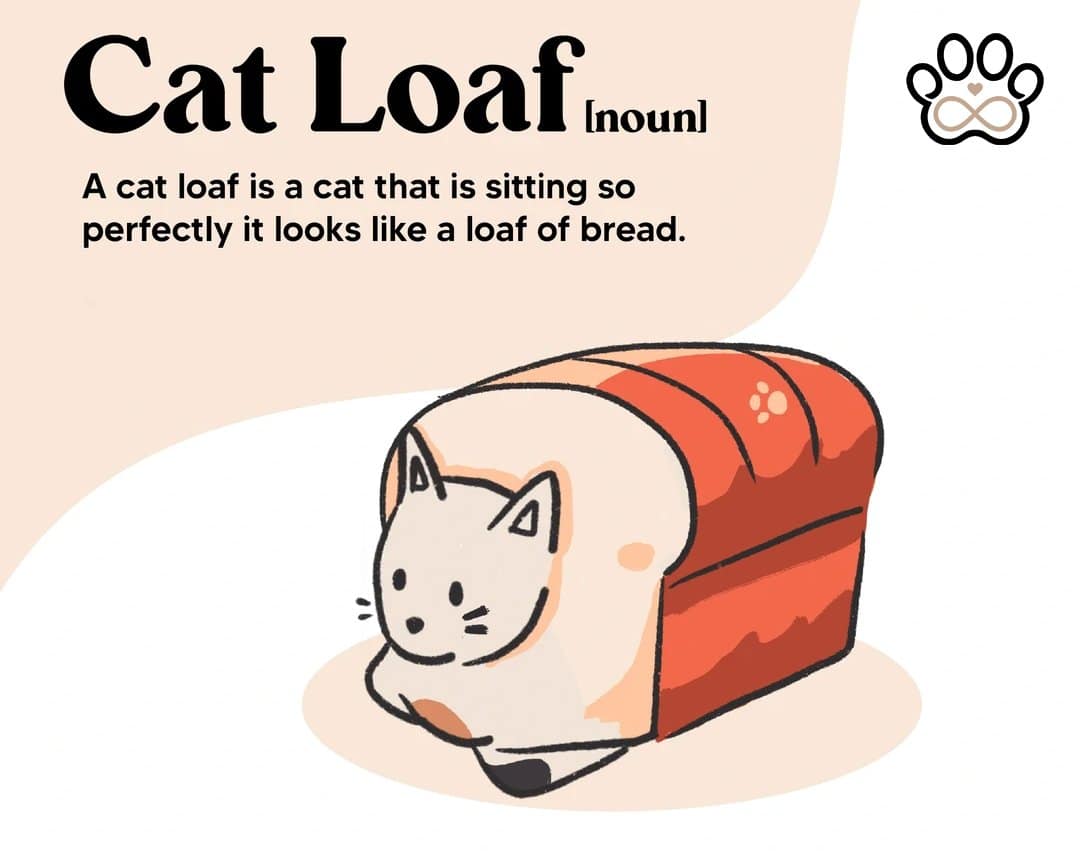
¿Qué es un pan de gato?
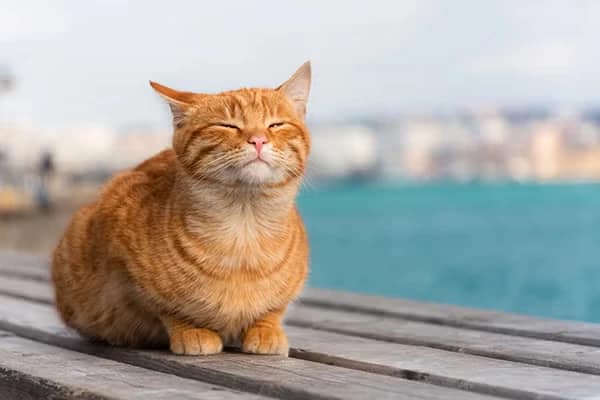
A pan de gato is a sitting position where a cat tucks its paws (and often its tail) under its body, creating a compact “loaf-like” shape.
Cats use this posture to Descansa cómodamente mientras permaneces moderadamente alerta.—it’s common in calm, safe spaces and often shows up on warm surfaces like beds, blankets, sunny floors, or your lap.
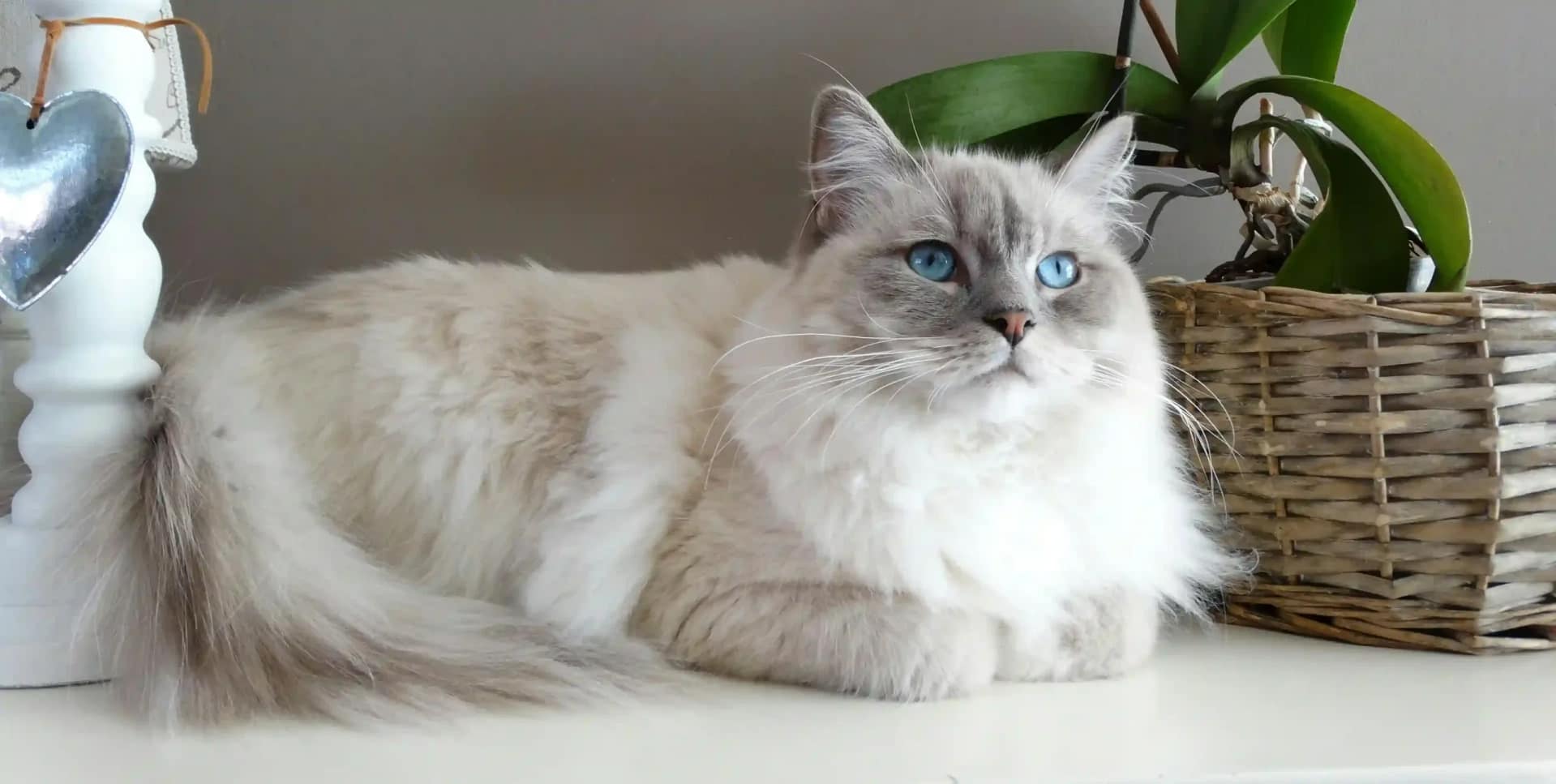
Types of Cat Loaf Positions (and what they usually mean)
Quick note: A loaf position usually reflects comfort, warmth, or alert rest—but context matters. Use the “watch for” cues to tell a normal loaf from a potential pain/illness posture.
| Loaf type | What it looks like | Lo que suele significar |
|---|---|---|
| Full loaf | All paws hidden, tail tucked, head up | Maximum comfort and security |
| Partial loaf | One or both paws slightly visible | Relaxed but more alert / ready to move |
| Sphinx loaf | Front paws stretched forward, chest up | Calm, watching the environment |
| Face loaf | Chin/face resting down while loafing | Very sleepy and comfortable (if otherwise normal) |
| Alert/defensive loaf | Tight loaf, wide eyes, ears swiveling | Unsure or monitoring something |
| “Meatloaf” warning pose | Hunched/tense, head down, reduced response | Possible pain/illness—look for other symptoms |
El pan de gato es solo uno de los muchos extravagantes cat sleeping positions (Posiciones para Dormir de los Gatos: 20 significados de la forma en que duermen los gatos) que pueden revelar lo relajado, juguetón o vulnerable que se siente tu gato en un momento dado.
Pan entero (Classic Cat Loaf)
What it looks like: All four paws tucked fully underneath, tail wrapped, head up—no limbs visible.
Usually means: Your cat feels safe, warm, and deeply relaxed.
Watch for: If the body is loose, eyes are soft/slow blinking, and your cat responds normally, it’s a great sign.
Best response: Enjoy the cuteness—this is “I’m comfy” body language.
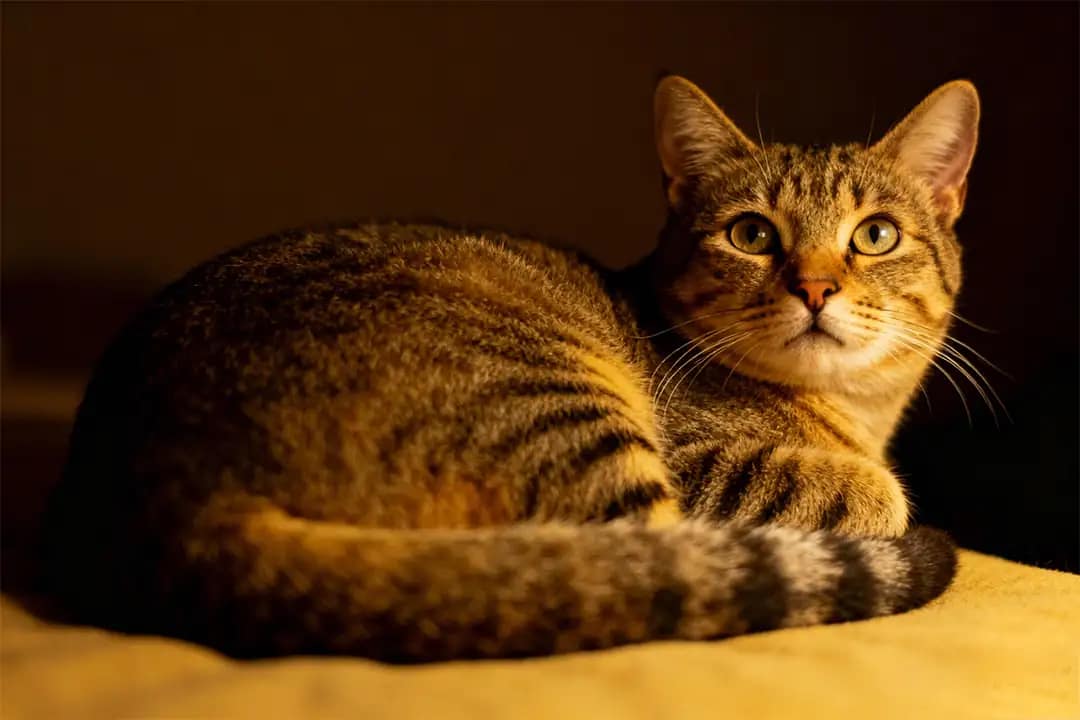
Pan parcial
What it looks like: Hind legs tucked, but one or both front paws visible (toes/paws peeking out).
Usually means: Comfortable + mildly alert (resting but ready).
Watch for: A partial loaf is common in curious cats, in mildly busy rooms, or before naps.
Best response: Normal—especially if your cat still stretches, shifts position, and reacts to you.
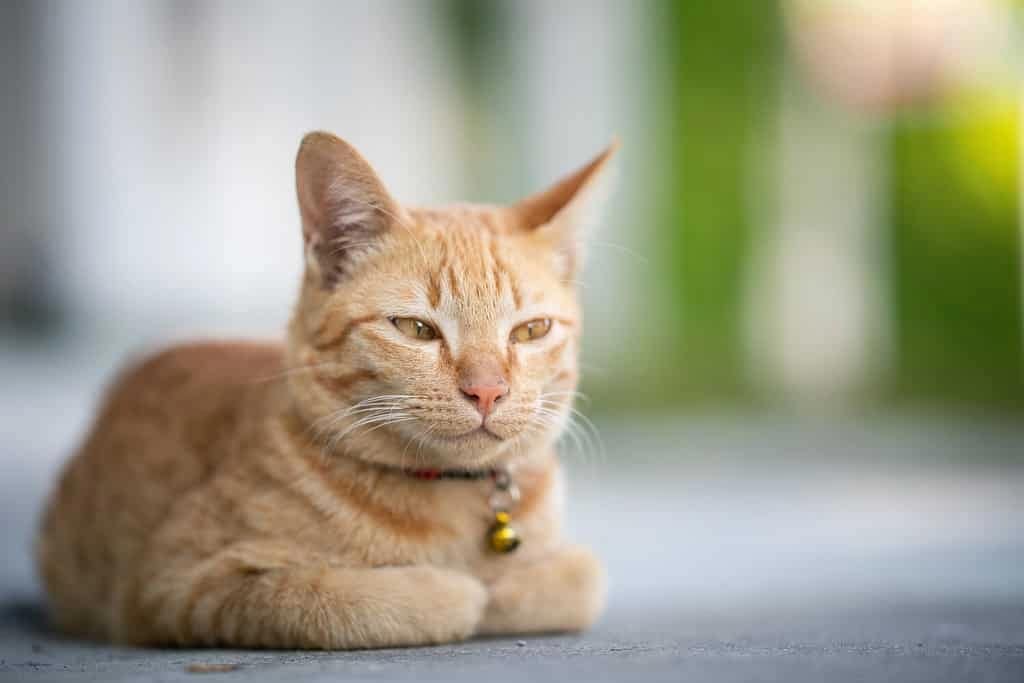
One Paw Out (Loaf Boat)
What it looks like: Like a partial loaf, but one front paw extends farther forward.
Usually means: Relaxed, but “half on standby”—your cat may be listening or thinking about moving.
Watch for: If paired with a stiff body, pinned ears, or a tense face, it may signal stress instead of comfort.
Best response: Normal in most cases; check the environment if your cat looks tense.
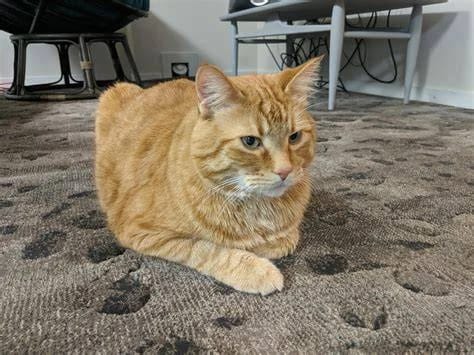
Sphinx Loaf (aka “Sphynx Loaf”)
What it looks like: Front legs stretched straight forward, chest up, body tucked behind—like the Great Sphinx.
Usually means: Calm but observant—relaxing while monitoring sounds/people/pets.
Watch for: If eyes are wide, ears are rotated back, or the tail tip is twitching, your cat may be unsure.
Best response: Normal; give space if your cat seems on edge.
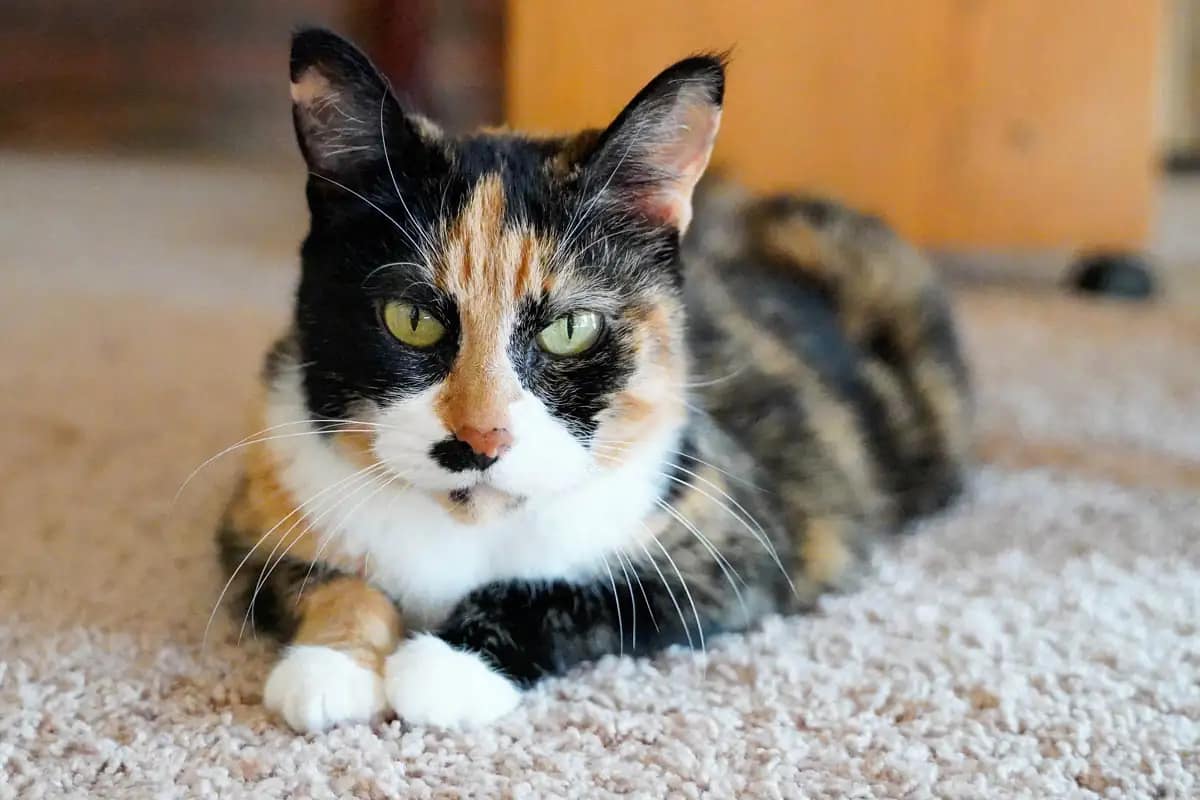
Pan facial (pan enrollado)
What it looks like: Loafed body, but head/chin resting down on the floor or paws.
Usually means: Very sleepy and very comfortable (often happens when they’re drifting off).
Watch for: If the face is pressed down hard, breathing seems abnormal, or your cat is unusually unresponsive, treat it more like a warning sign.
Best response: Usually fine—just a drowsy cat recharging.
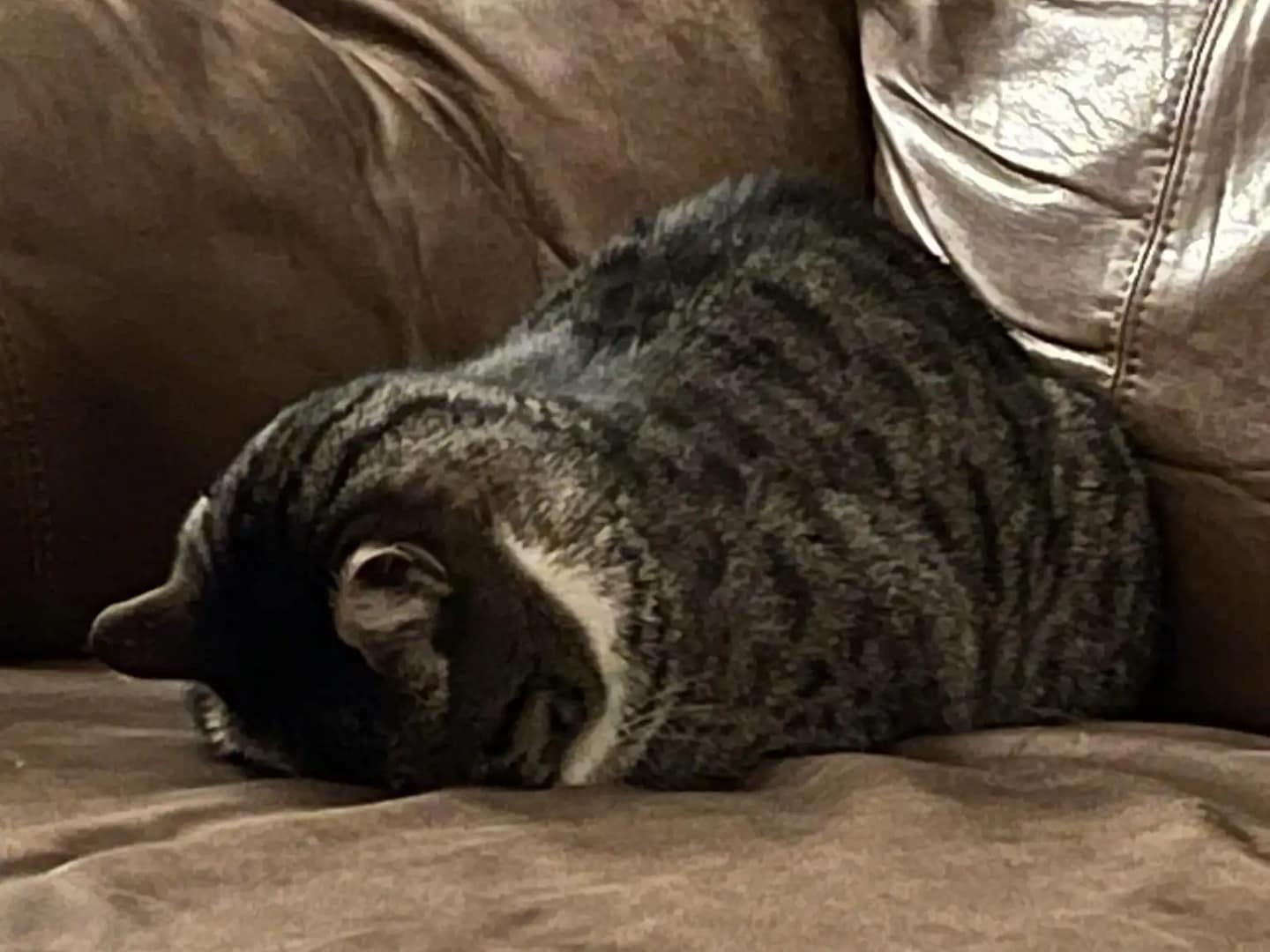
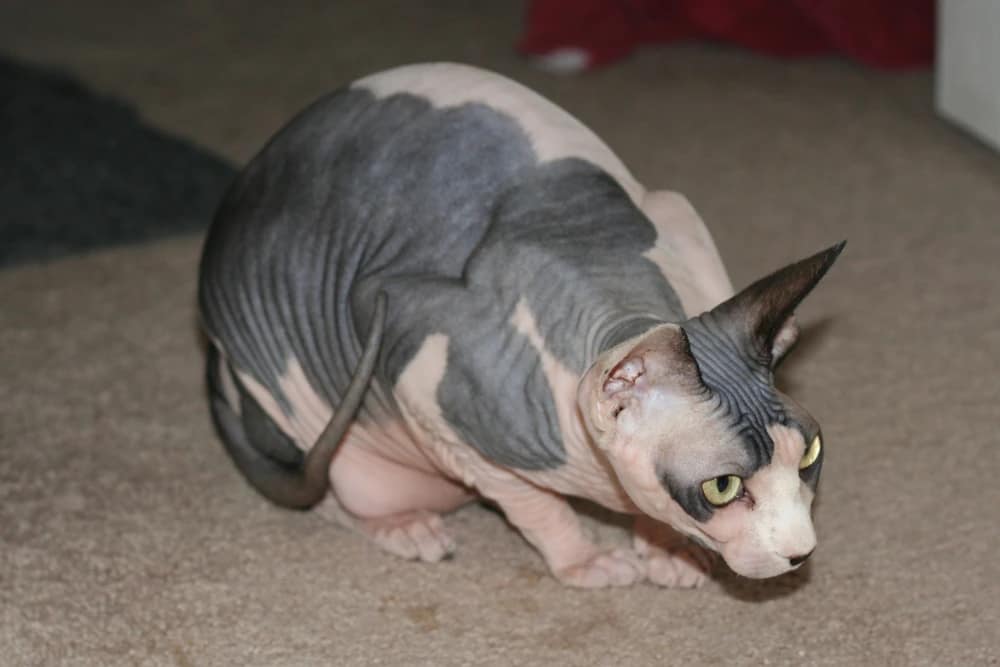
Meatloaf Position (Hunched Loaf: Possible Warning Sign)
What it looks like: A loaf-like sit, but back is hunched/rounded, body looks tense, head hangs low, “braced” posture.
Usually means: Este puede be a sign of pain, nausea, or illness (cats often hide discomfort).
Watch for (red flags):
- Not eating or drinking normally
- Lethargy / hiding / “not themselves”
- Vomiting/diarrhea or litter box changes
- Rapid/strained breathing or open-mouth breathing
- Your cat won’t get up, won’t respond, or seems “glassy-eyed”
Best response: If you see meatloaf posture más any red flags, contact your vet. (This isn’t a diagnosis—just a “pay attention” posture.)
Si notas que tu gato está tenso, encorvado y parece un “pastel de carne”, además de cambios en el apetito, los hábitos de la caja de arena o la energía, es hora de hablar con tu veterinario y revisar nuestro Guía de salud felina para los signos de advertencia comunes que nunca debes ignorar.
(Más adelante hablaremos sobre cómo distinguir un pastel de carne de un pan normal y qué señales de advertencia hay que tener en cuenta). Si ves a tu gato con frecuencia encorvado, en una postura similar a la de un pastel de carne y Si no se comportan como de costumbre, preste mucha atención: puede que sea el momento de llamar al veterinario.
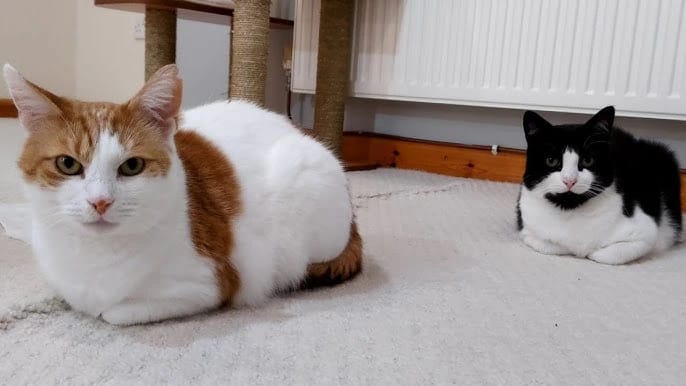
Double Loaf (and Triple Loaf)
What it looks like: Two or more cats loafing near each other (sometimes mirroring).
Usually means: Trust + comfort in a shared space.
Watch for: If one cat is blocking access to food, litter, or favorite spots, it might be resource tension rather than bonding.
Best response: Positive sign—especially if they’re relaxed and not staring/guarding.
Como puede ver, La forma en que tu gato holgazanea, y el contexto, pueden decirte mucho.. Un gatito contento puede preferir tumbarse en el sofá con una postura de pan completo o de esfinge, mientras que un gato friolero puede acurrucarse para conservar el calor, y un gato enfermo puede sentarse en una postura de pastel de carne. A continuación, profundizaremos en ¿Por qué los gatos holgazanean? en primer lugar, y qué implican esas razones para la salud y la felicidad de tu gato.
¿Por qué los gatos holgazanean?
Cats loaf for a mix of comfort, warmth, and instinct. The same pose can mean “I’m cozy” or “I don’t feel great,” so the key is to read posture + context + behavior together.
1. Son cómodos y relajantes.
Most loafing is a sign of comfort. Tucking paws underneath creates a stable, cozy posture that lets your cat rest without fully flopping into deep sleep.
Common signs (usually normal):
- Soft eyes / slow blinks
- Calm facial expression, loose body
- Normal breathing; responds when you talk
Most likely when:
- They’re in a favorite spot (bed, couch, cat tree)
- After eating, grooming, or a play session
When to worry: If comfort loafing turns into hours of stillness plus low appetite, hiding, or unusual behavior, scan for other symptoms and consider calling your vet.
Holgazanear es como un modo de descanso ligero entre la alerta total y el sueño profundo. Si tú también te lo estás preguntando... ¿Por qué los gatos duermen tanto?, Observar con qué frecuencia tu gato se tumba o se estira completamente puede decirte mucho sobre su nivel general de energía y comodidad.
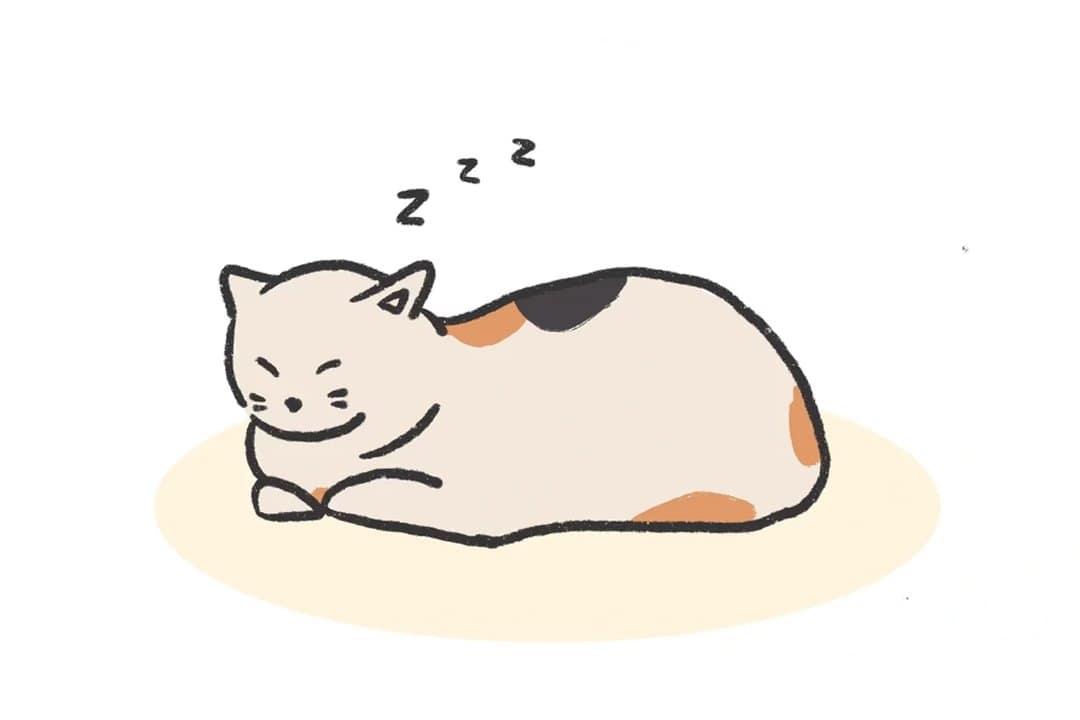
2. They feel safe (and often trust you)
Loafing can be a “safe mode” posture. Paws tucked in means your cat feels secure enough to rest, but still wants the option to get up quickly.
Common signs (usually normal):
- Loafing near you or on your belongings
- Neutral ears (not pinned), relaxed whiskers
- Calm watchfulness (they may stare, but not tense)
Most likely when:
- They choose spots that smell like you (laundry, pillow, laptop)
- In rooms where they spend the most time with you
Optional internal link placement: After this subsection, add a 1-line bridge like: “If your cat loafs with a twitchy tail or pinned ears, check their other body-language cues (tail/ears/eyes) to confirm whether they’re calm or uneasy.”
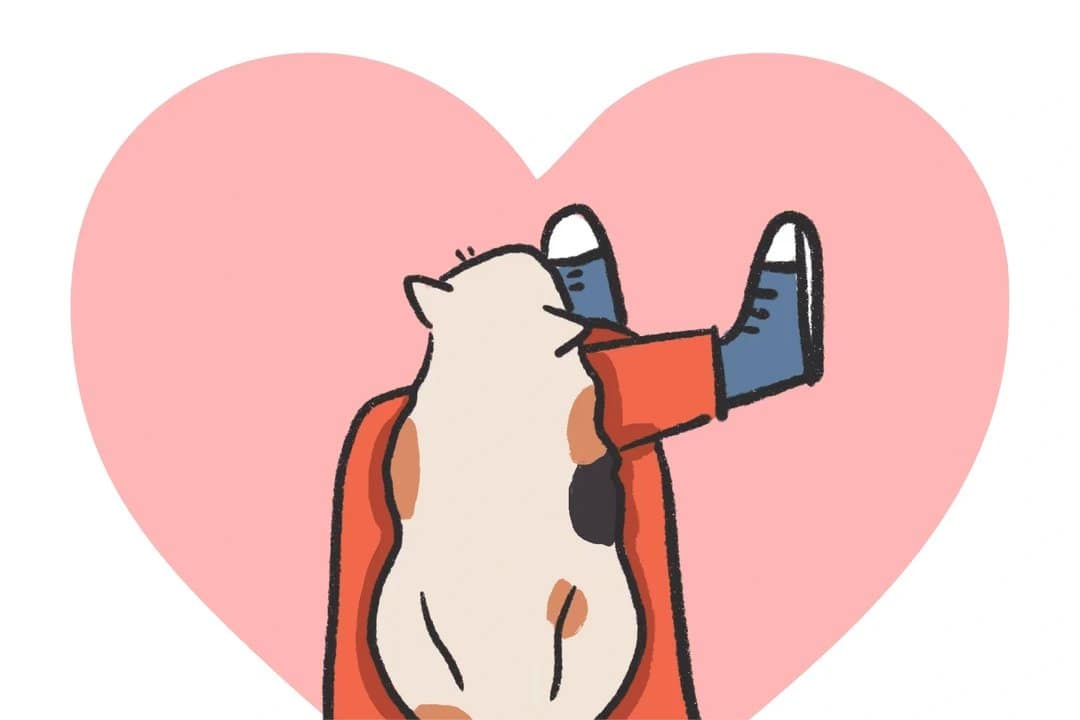
Cuando tu gato se tumba en tu almohada o incluso en tu ropa, a menudo es una extensión del mismo instinto que hay detrás de ¿Por qué tu gato es tan cariñoso?: se sienten seguros, unidos y reconfortados por tu aroma.
En resumen, si tu gatito está holgazaneando sobre algo que huele a ti o justo a tu lado, tómalo como una señal de confianza y compañerismo. Básicamente, tu gato está diciendo:, “Me siento lo suficientemente cómodo como para meter las patas y relajarme aquí contigo protegiéndome las espaldas”.”
3. They’re staying warm (heat conservation)
Loafing helps cats conserve heat. By tucking paws and tail under the body, they reduce heat loss from extremities—like you putting hands in your pockets.
Common signs (usually normal):
- Tight, compact loaf (especially in cooler rooms)
- Choosing sunbeams or warm surfaces
- Paws and tail fully hidden more often
Most likely when:
- Your home is cool (AC, winter, cold floors)
- They’ve found a warm spot (sun, heater area, electronics)
What you can do:
- Add a warm bed/blanket in a quiet corner
- Offer a sunny window perch or cozy cave bed
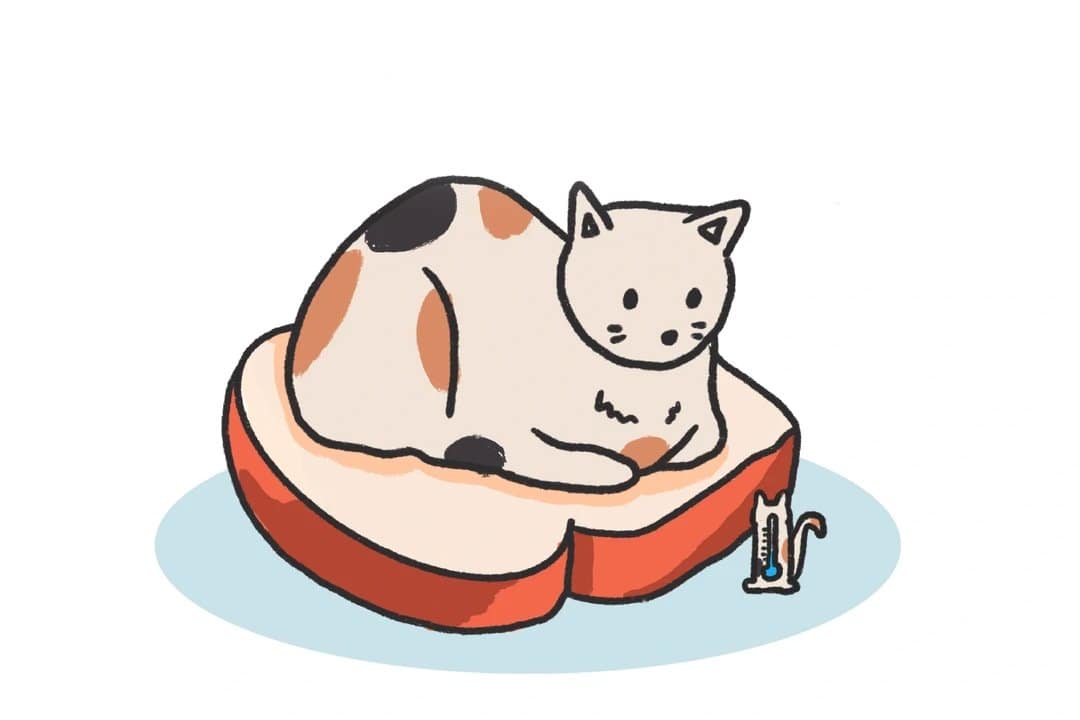
4. They’re resting but staying alert
A loaf is “relaxed, but ready.” Many cats loaf when they want to rest while keeping their head up and senses active.
Common signs (usually normal):
- Head up, eyes scanning, ears swiveling
- Front paws may be slightly forward (“partial loaf”)
- They get up easily if something interesting happens
Most likely when:
- They’re watching birds, people, or household activity
- They’re dozing lightly rather than fully sleeping
Consejo: This is a great spot to reference your “types of loaf” section (full/partial/sphinx) with a short cross-link:
“If your cat keeps one paw out or sits in a sphinx-style loaf, they may simply be on lookout while still comfortable.”
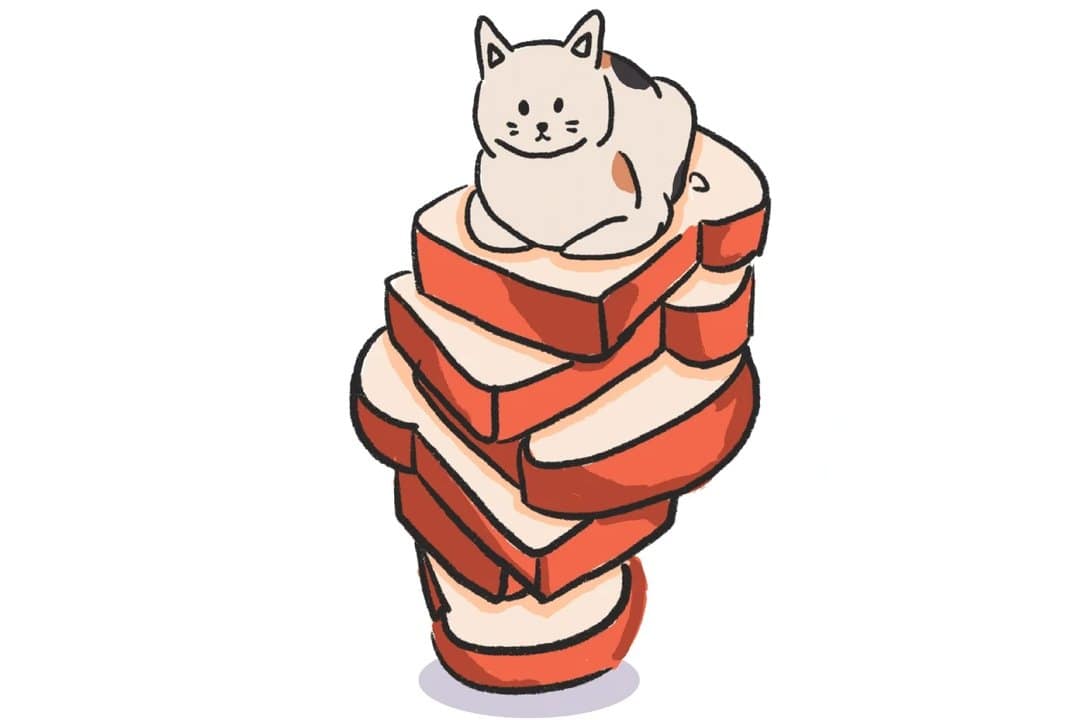
5. They’re protecting themselves (a cautious/defensive loaf)
Loafing can be protective in uncertain situations. Cats may tuck in to shield their belly and feel “smaller,” especially if they’re unsure about something nearby.
Common signs (could be mild stress):
- Body looks tighter, less “squishy”
- Ears more active or slightly back
- Tail wrapped tight, tip twitching
Most likely when:
- New visitors, loud noises, unfamiliar pets
- New environments (carrier, vet clinic, travel)
What you can do:
- Give space; reduce noise/traffic
- Offer a hideaway or higher perch
- Avoid forced handling until they relax
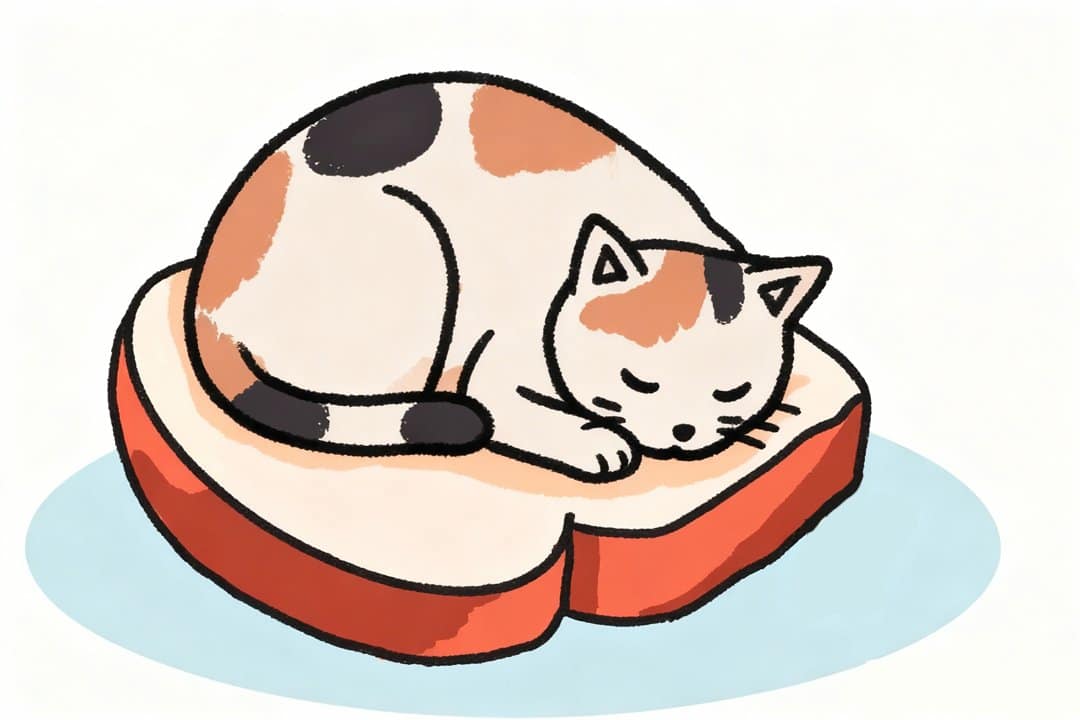
6. They’re overstimulated and taking a break
Sometimes loafing is a “pause button.” After intense play, petting, or a busy household moment, cats may loaf to reset—especially if they’re sensitive to stimulation.
Common signs (usually normal):
- Loafing shortly after play/petting
- Shorter loaf sessions, then normal behavior resumes
- They may prefer a quieter corner for a bit
Most likely when:
- Kids/guests are around
- A new schedule or noise disrupts their routine
What you can do:
- Provide predictable quiet zones
- Use short, regular play sessions instead of long intense bursts
7. They’re in pain or unwell (the “meatloaf” warning)
A hunched, tense loaf can be a pain/illness signal. Cats may loaf to cope with discomfort—especially if the posture looks strained or they act unlike themselves.
Common signs (red flags):
- Hunched back, tense body, head down
- Reduced response to you; unusually still
- Changes in appetite, litter box habits, or energy
Most likely when:
- There’s nausea, abdominal discomfort, fever, or injury
- A chronic issue flares up (pain, arthritis, etc.)
Qué hacer: If you see a “painful loaf” + behavior changes, contact your vet—especially if symptoms are sudden, worsening, or your cat seems distressed.
When to Worry About a Loafing Cat (Checklist)
A normal loaf usually looks balanced and relaxed: paws tucked, head up, soft body, normal breathing, and your cat responds to you.
Loafing may be a concern if it’s new, persistent, or paired with behavior changes. Use this checklist:
1. Posture red flags
- Loaf looks hunched/tense (back rounded sharply, body rigid)
- Head down or face pressed toward the floor
- Weight shifted forward as if bracing
- Your cat keeps changing positions but can’t get comfortable
2. Responsiveness red flags
- Doesn’t respond normally to voice, touch, or treats
- Seems “distant,” unusually quiet, or hard to rouse
- Moves away or reacts sharply when you touch a specific area
3. Eating, drinking, and bathroom red flags
- Not eating or sudden appetite drop
- Vomiting/diarrhea, or repeated gagging/nausea signs
- Litter box changes: straining, frequent trips, accidents, or not peeing/pooping as usual
4. Breathing red flags (take seriously)
- Rapid breathing at rest, labored breathing, or persistent coughing
- Open-mouth breathing (especially at rest)
5. Mobility and comfort red flags
- Reluctance to jump, climb stairs, or walk normally
- Limping, trembling, hiding, or unusual aggression
- Pain signals: flinching, growling, guarding the belly, or unusually tight posture
What to do next
- Monitor at home if your cat is otherwise acting normal (eating, drinking, using the litter box, responding to you) and the loaf looks relaxed.
- Call your vet if loafing looks painful y you notice appetite/litter box/energy changes, or if it persists beyond a day.
- Seek urgent care if you see open-mouth breathing, collapse, severe lethargy, repeated vomiting, or your cat cannot pee.
If you’re unsure, it’s always reasonable to call your vet and describe: posture + responsiveness + appetite + litter box + breathing.
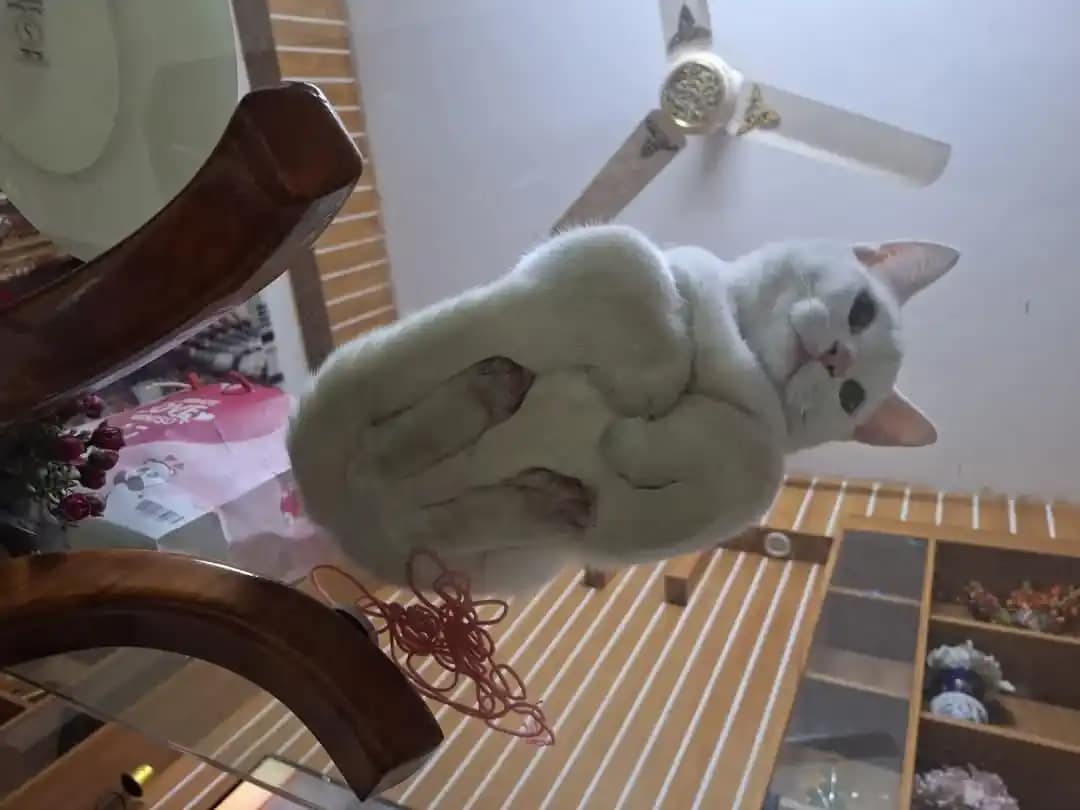
How to Help Your Cat Loaf Comfortably
Cats loaf most when they feel warm, safe, and unbothered. Try these simple upgrades:
- Add warmth: Put a soft bed/blanket in a favorite spot, a sunny windowsill perch, or a draft-free corner.
- Increase safety: Offer a quiet low-traffic zone (and ideally a higher perch) where your cat can rest without surprises.
- Improve comfort: Choose soft surfaces with gentle support (especially for older cats or cats with stiffness).
- Reduce stress: Keep feeding/play routines consistent; give your cat space when they choose to loaf.
- Support healthy movement: Daily gentle play helps prevent stiffness and keeps joints happy.
- Use the “normal check”: A healthy loaf looks loose and calm—your cat should respond normally when you talk to them.
If you suspect the loaf is pain-related
- Don’t force handling or movement.
- Look for appetite, litter box, breathing, or energy changes.
- If the posture is new/persistent or paired with symptoms, call your vet.
Why this works:
- Google can lift the bullet list cleanly
- Readers get an actionable checklist without scrolling through narrative text
Conclusión
En pan de gato Es uno de los fenómenos favoritos de los amantes de los gatos por una buena razón: es adorable, es peculiar y nos dice mucho sobre nuestras mascotas. Cuando tu gato holgazanea, a menudo está comunicando comodidad, confianza o simplemente disfrutando de un momento de calidez..
Prestando atención a los matices de su pan (y conociendo las señales de advertencia de la posición del pastel de carne), puedes estar muy atento al bienestar de tu gato.
The cat loaf is adorable—and usually a great sign. Most of the time, loafing means your cat feels safe, relaxed, and comfortable. The key is noticing the difference between a soft, content loaf y un tense, hunched loaf that comes with behavior changes. When you learn your cat’s normal “loaf style,” you’ll spot potential issues earlier and keep your kitty feeling their best.
Si te interesan otros comportamientos peculiares de los gatos, puedes seguir explorando:
– Nuestro principal Guía sobre el comportamiento de los gatos – Rascarse, ronronear, esconderse y mucho más explicado.
- Calculadora de edad para gatos – Convierte rápidamente la edad de tu gato en años humanos para comprender mejor su etapa de vida.
- Calculadora de calorías para gatos – Calcule cuántas calorías debe ingerir su gato cada día para mantener un peso saludable.
PREGUNTAS FRECUENTES
¿Son felices los gatos cuando holgazanean?
La mayoría de las veces, sí. Un gato en una posición relajada suele estar cómodo, contento y sentirse seguro. Siempre que el cuerpo de tu gato esté relajado, respire con normalidad y te responda, esta postura suele ser señal de que el gato está feliz, no de que haya ningún problema.
¿Por qué mi gato se tumba y me mira fijamente?
Cuando tu gato se queda mirándote fijamente, suele ser una señal de confianza y afecto. Se sienten lo suficientemente seguros como para meter las patas mientras te observan, ya sea para crear un vínculo, pedir atención u observar con calma lo que estás haciendo.
¿Todos los gatos holgazanean? El mío casi nunca lo hace, ¿debería preocuparme?
No todos los gatos holgazanean a menudo, y eso suele ser no hay nada de qué preocuparse. El holgazanear depende de la personalidad, la forma corporal y las preferencias de comodidad. Siempre que tu gato coma, juegue, se acicala y utilice la caja de arena con normalidad, el hecho de que rara vez holgazanee es solo una cuestión de estilo personal, no un problema de salud.
¿Cuál es la diferencia entre una posición normal y la posición “meatloaf” (pastel de carne) de un gato enfermo?
A pan normal parece suave y equilibrado: patas recogidas, espalda ligeramente arqueada, cabeza levantada y el gato te responde. A “gato ”pastel de carne» parece encorvado y tenso, a menudo con la cabeza gacha y poca o ninguna respuesta al tacto. Si observa esto además de letargo, cambios en la respiración o pérdida de apetito, póngase en contacto con su veterinario.
¿Cómo puedo conseguir que mi gato se relaje más? ¡Es tan mono!
No se puede obligar a holgazanear, pero sí se puede fomentarlo haciendo que tu gato se sienta seguro y cómodo. Ofrécele lugares cálidos y suaves donde descansar, escondites tranquilos e interacciones positivas. Un gato relajado y seguro es más propenso a adoptar la postura del pan de forma natural, y a hacerlo cerca de ti.
Referencias
Asociación Americana de Médicos Felinos (AAFP) y Sociedad Internacional de Medicina Felina (ISFM). (2013). Directrices sobre las necesidades ambientales de los felinos. Revista de Medicina y Cirugía Felina.
AAFP. (2024). Kit de herramientas para el dolor crónico felino. Asociación Americana de Veterinarios Felinos.
Hofmeister, E. (2024). Evaluación del dolor crónico felino. Today’s Veterinary Nurse, otoño de 2024.
Equipo veterinario de Basepaws. (2024). El lenguaje corporal de un gato enfermo: cómo reconocer los signos. Basepaws.
Instituto de Investigación y Educación Ambiental. (2025). ¿Por qué los gatos meten las patas debajo del pecho??









 EN
EN DE
DE ES
ES PT
PT