
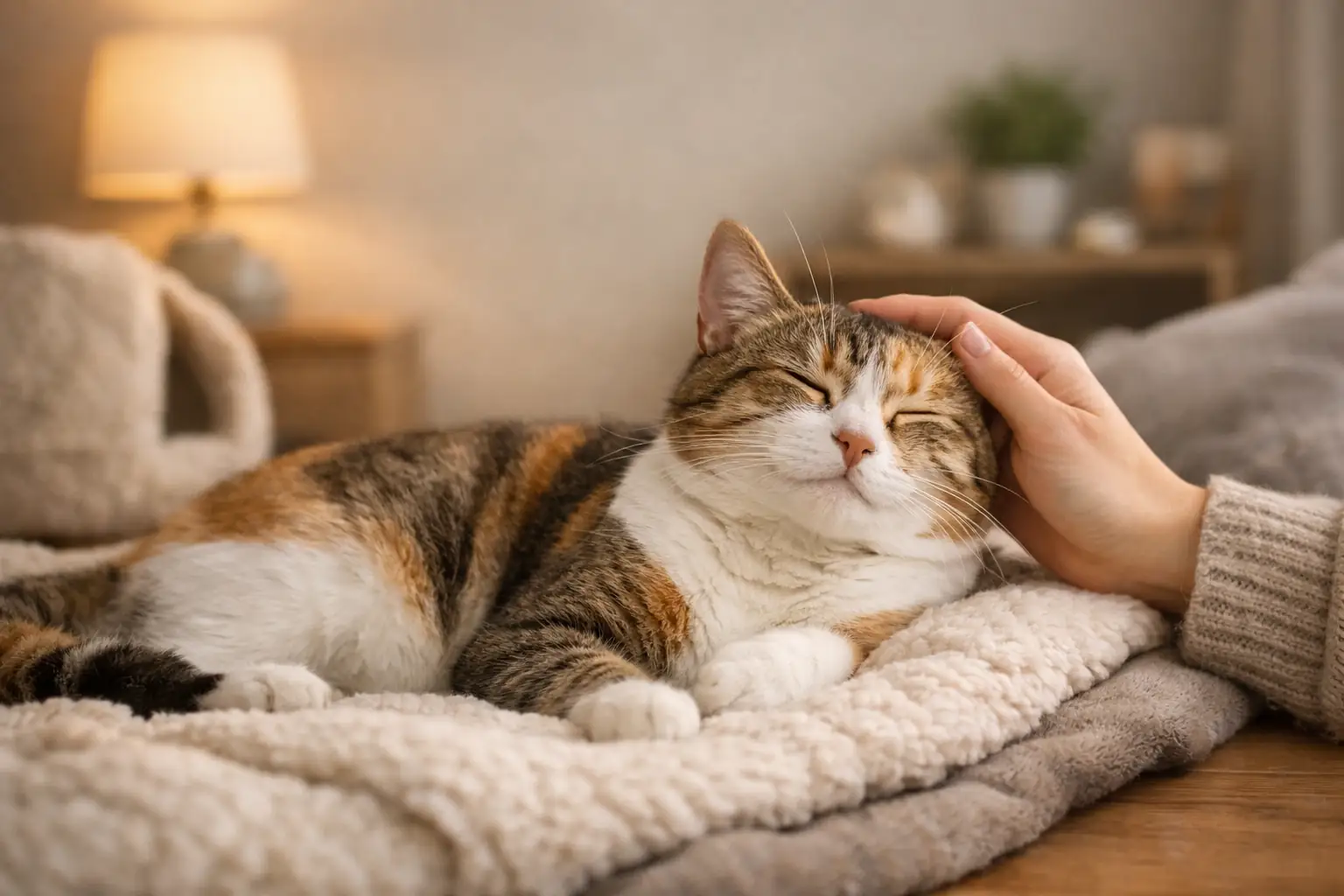
If your female cat is suddenly yowling, pacing, and demanding constant attention, you are likely dealing with a cat in heat. The constant noise and restless behavior can be exhausting for both of you, especially when it keeps you awake at night.
While you cannot simply “turn off” her hormones, there are proven, vet-approved ways to manage her heat cycle safely and make her more comfortable. The safest way to help a cat in heat is to keep her strictly indoors, reduce stimulation by creating a quiet room, increase interactive play to burn off restless energy, keep the litter box meticulously clean, and consider pheromone calming support. These steps can significantly ease her stress, though spaying remains the only permanent solution.
Every SnuggleSouls guide is grounded in science-backed feline care. The tips below are based on veterinary guidance and practical comfort steps that many cat guardians use successfully at home.
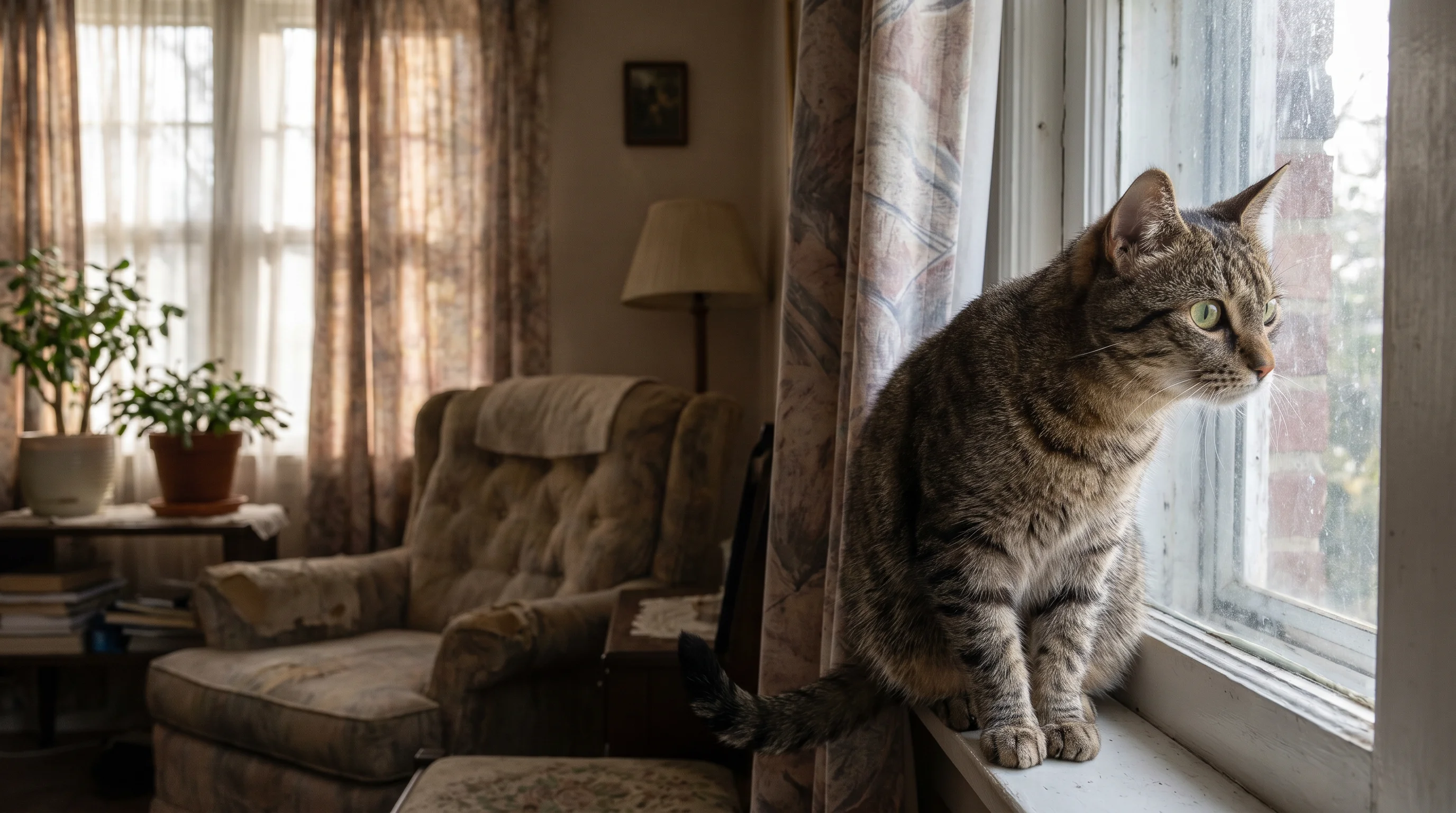
A cat in heat will often stare out windows, driven by the powerful instinct to find a mate. Keeping windows and doors secure is your first priority.
Table of Contents
Quick Answer: Do This Tonight (10–20 Minutes Total)
If you need immediate relief tonight, follow this quick checklist to calm your cat and get some sleep:
- Lock down all exits: Secure windows, doors, and screens. Keep her 100% indoors.
- Separate from intact males: Even brief contact can lead to mating in just a minute or two.
- Set up a quiet comfort room: Provide a soft bed, water, food, and a clean litter box in a low-traffic area.
- Do two short play sessions: Spend 10 minutes each with a wand or laser toy to tire her out before bed.
- Add gentle warmth: Offer a wrapped warm water bottle or a pet-safe heating pad on low, if she enjoys it.
- Start a pheromone diffuser: Plug it into her main room to help reduce stress-related behaviors.
- Scoop the litter box: Clean it 1–2 times daily; add a second box if she is marking or pacing.
- Use white noise: If she is yowling at night, use a fan or white noise machine to help you sleep, and keep your tone calm—never punish her.
Not 100% sure this is heat? Use our Signs Your Cat Is in Heat checklist first to confirm her behaviors.
Understanding What Your Cat Is Going Through
Dealing with a kitty in heat can test anyone’s patience. The constant noise, the escape attempts, and the clinginess are a lot to handle. However, it is crucial to remember that these actions are entirely driven by hormones, not “bad behavior.”
The Feline Heat Cycle Basics
Female kittens can go into heat for the first time as early as 4 to 6 months of age. The “in heat” phase (estrus) typically lasts about 7 days on average, though it can range from 3 to 14 days.
If she does not mate, she will go out of heat briefly and then cycle again. Because cats are seasonally polyestrous, outdoor cats usually cycle from spring to fall. However, indoor cats exposed to artificial light and warmer temperatures can experience heat cycles year-round.
Wondering exactly how many days this may last and when it might repeat? Read our full breakdown on How Long Are Cats in Heat.
Is It Heat or Illness? (Red Flags)
Many pet parents get concerned during the heat cycle that their cats are actually in pain due to the severity of the behavior change. While yowling and rolling are normal estrus signs, certain symptoms indicate a medical emergency.
| Normal Heat Behaviors | Red Flags (Call Your Vet) |
|---|---|
| Loud yowling or “caterwauling” | Crying accompanied by hiding or a painful belly |
| Rolling on the floor and extreme affection | Extreme lethargy or weakness |
| Restlessness and pacing | Not eating for 24+ hours, vomiting, or diarrhea |
| Clear, minimal moisture during grooming | Bleeding or thick, foul-smelling discharge |
| Frequent urination (marking) | Straining to urinate or crying in the litter box |
Note: Cats do not bleed during their heat cycle the way humans or dogs do. If you see blood, contact a veterinarian immediately to rule out a severe uterine infection (pyometra) or urinary tract issue.
9 Safe Ways to Help a Cat in Heat
Think of heat as a state of high arousal. Your best results will usually come from lowering stimulation, providing predictable resources, and offering safe hiding spots. This approach aligns with feline environmental needs guidelines aimed at reducing stress.
1. Lock Down Your Home and Prevent Escape
A female cat can become pregnant any time she is in heat, and mating can happen very fast—often in a minute or two. Even the most well-behaved indoor cat may suddenly become a determined escape artist.
Double-check all doors, windows, and screens to ensure there are no weak spots. If you have a patio or balcony, block access. When opening the front door, block the gap with your body first and move slowly. Putting a sticky note on the door (“Cat in heat—check before opening”) can help remind family members to be careful.
2. Create a Dedicated “Heat Room”
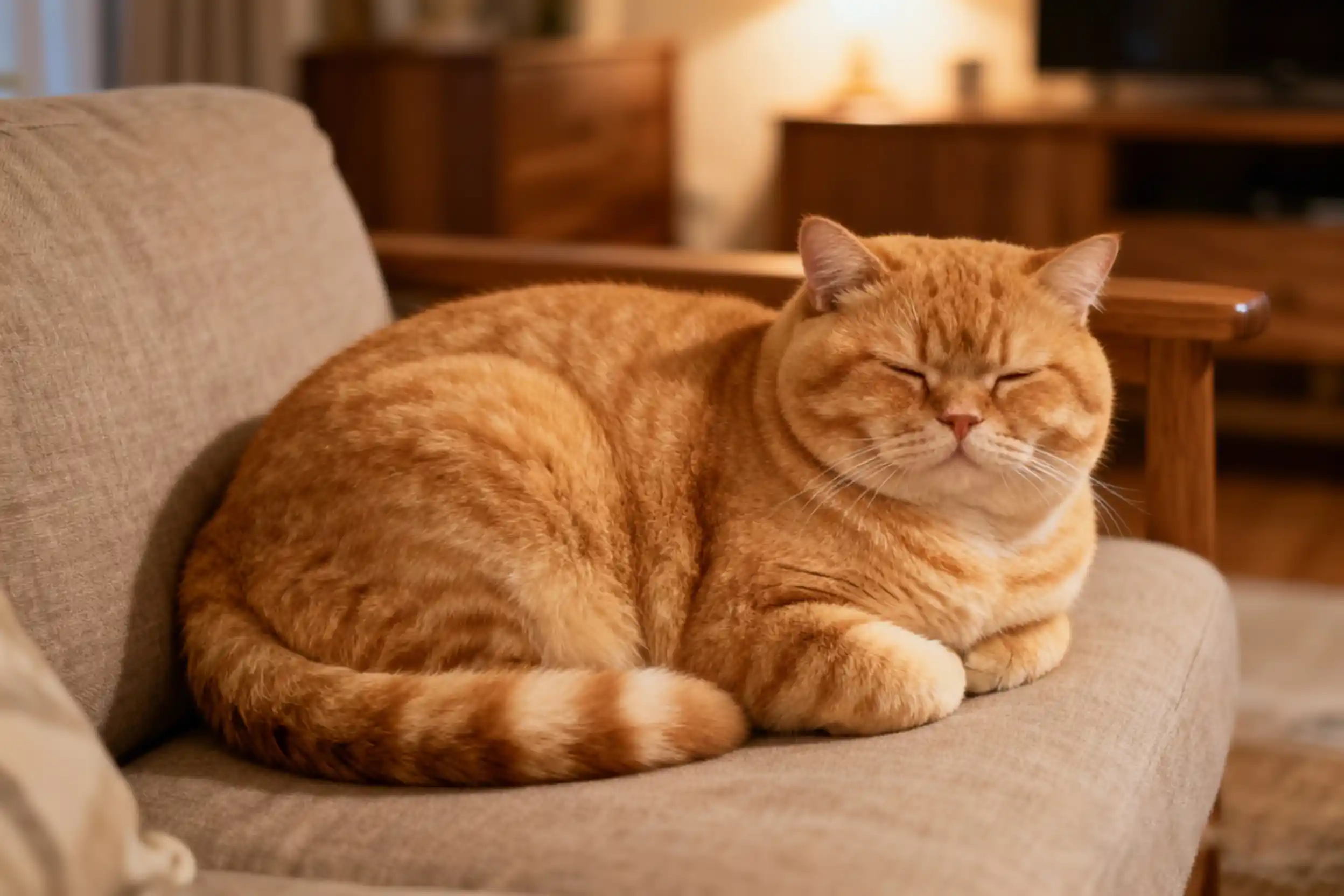
Set up a low-stimulation room to serve as her safe haven. A quiet environment with fewer visitors and a gentle routine provides predictability, which reduces stress.
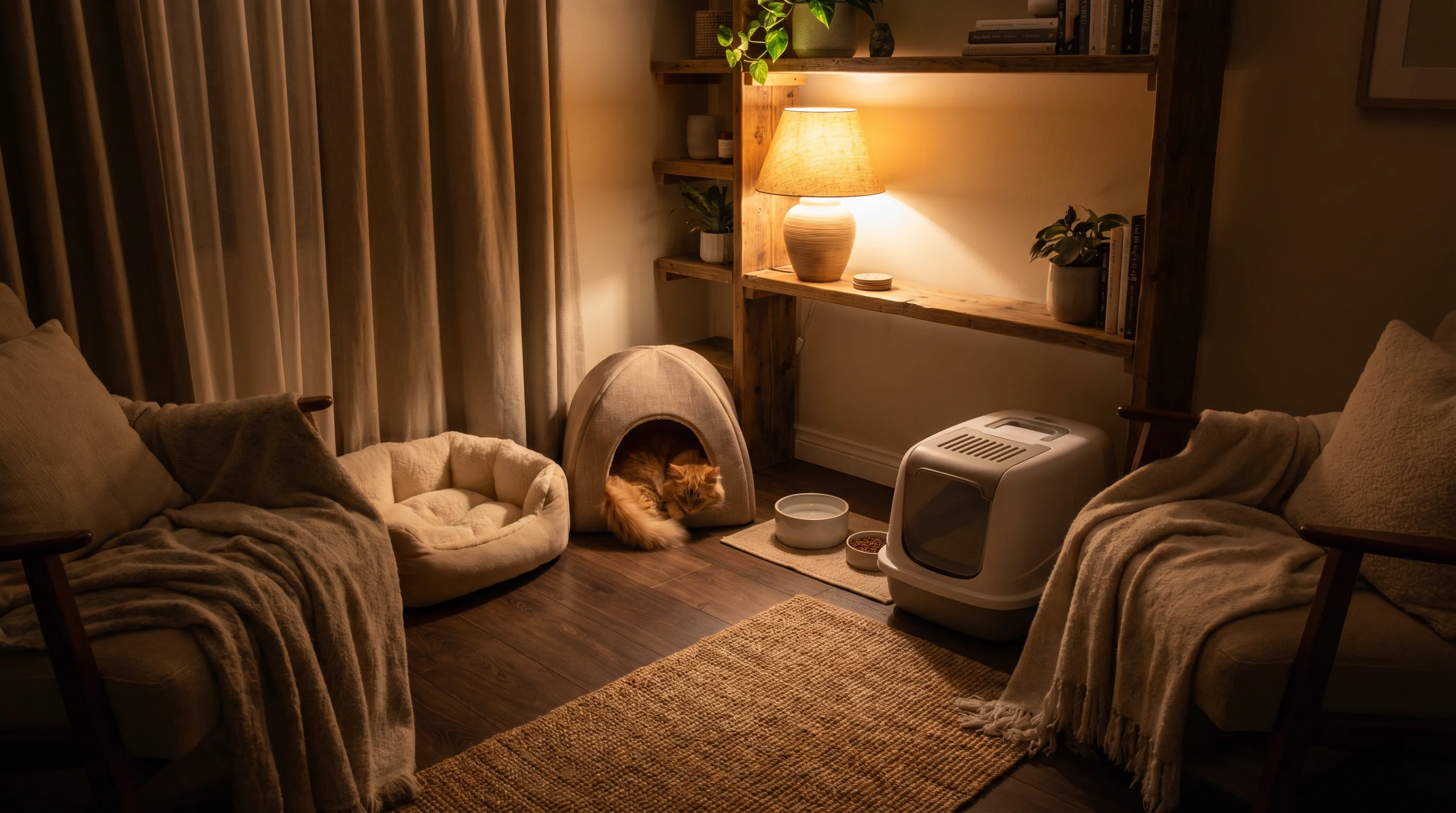
A dedicated “heat room” should include a covered bed for hiding, clean litter, fresh water, and dim lighting to reduce overstimulation.
Heat Room Checklist:
- Low stimulation: Quiet room, dim lighting.
- Soft nest + hiding option: A covered bed, cardboard box, or igloo bed (hiding is a core feline coping strategy).
- Warmth (optional): A pet-safe heating pad on low under a blanket, or a warm water bottle wrapped in a towel. Ensure she can easily move away if she gets too warm.
- Scratch surface + toys: Supports normal stress outlets.
- Extra litter box: More resources can reduce accidents and stress behaviors.
3. Use “Reset Play”: Short, Intense Bursts
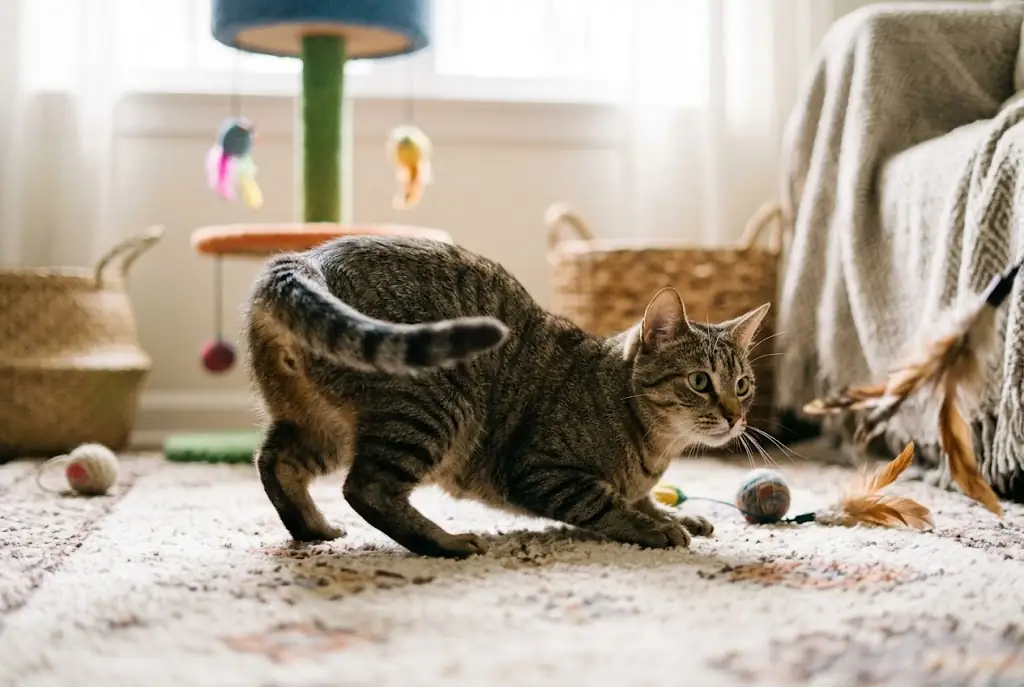
Interactive play and enrichment are widely recommended to support feline wellbeing and reduce stress-related behaviors. However, one long play session might overstimulate her. Instead, use short bursts of play to tire her out.
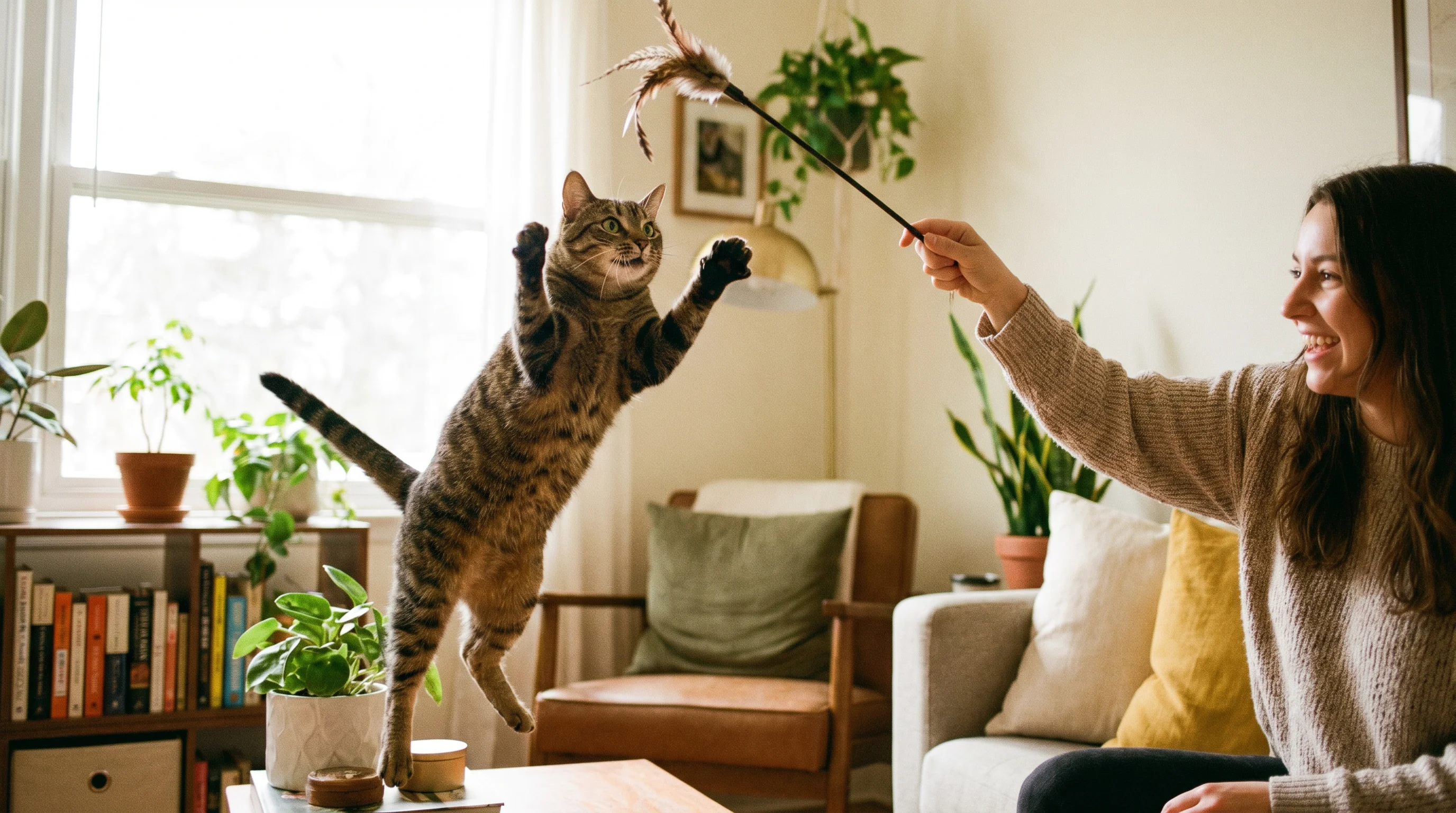
Short, 5-minute bursts of interactive play with a wand toy can help burn off the restless energy associated with the heat cycle.
Try this “Reset Play” pattern (3–5 micro-sessions/day):
- 5 minutes: Use a wand toy with fast, prey-like movements.
- 1–2 minutes: Pause and let her catch her breath.
- Repeat: Do 2–3 rounds.
- End with food: Offer a small treat or meal. This helps many cats settle down, mimicking the natural “hunt, catch, kill, eat, groom, sleep” cycle.
4. Offer Extra TLC (On Her Terms)
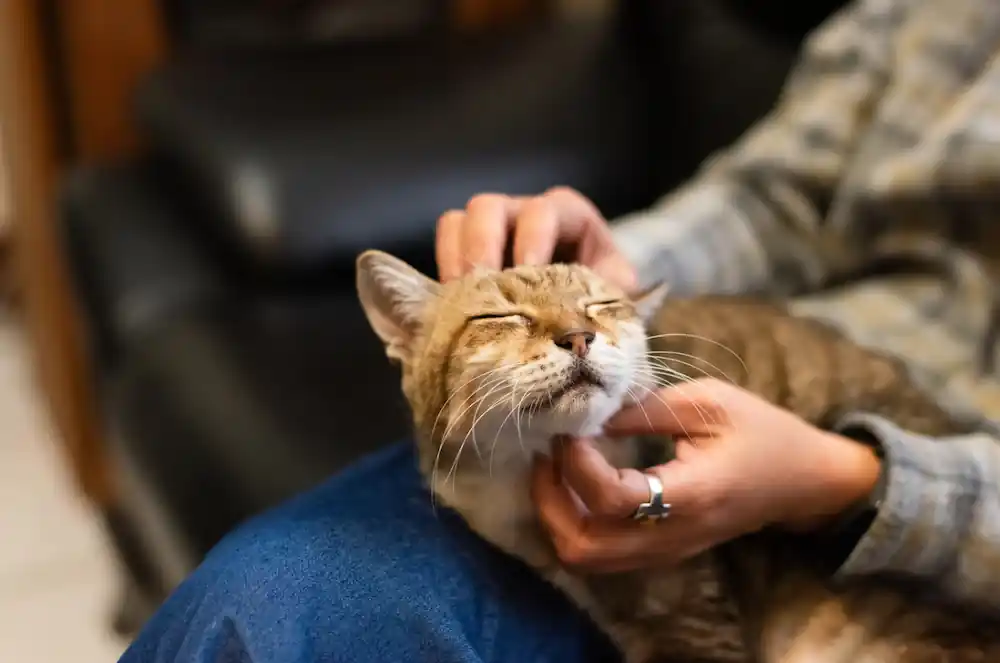
In heat, many cats become more affectionate, vocal, and restless. If she seeks attention, offer gentle petting, brushing, or calm companionship. Some cats find relief when you gently rub their lower back or stomach, but be observant.
If she becomes overstimulated, her skin ripples, or she swats, pause immediately and give her space. Let her “vote” with her body language—consent-based handling reduces stress.
5. Keep the Litter Box Spotless
Some cats may urinate more frequently or mark vertical surfaces during heat. The urine of a queen in heat contains specific hormones and pheromones that advertise her fertility.
Scoop the litter boxes 1–2 times daily, and keep them very clean to reduce scent buildup. Add an extra box in or near her heat room. If accidents appear suddenly or seem painful, consider medical causes, as house soiling can be linked to urinary tract issues.
6. Try Pheromone Calming Support
Feline pheromone products (like Feliway) have clinical studies showing they can reduce certain stress-related behaviors and may help with situational stress in some cats.
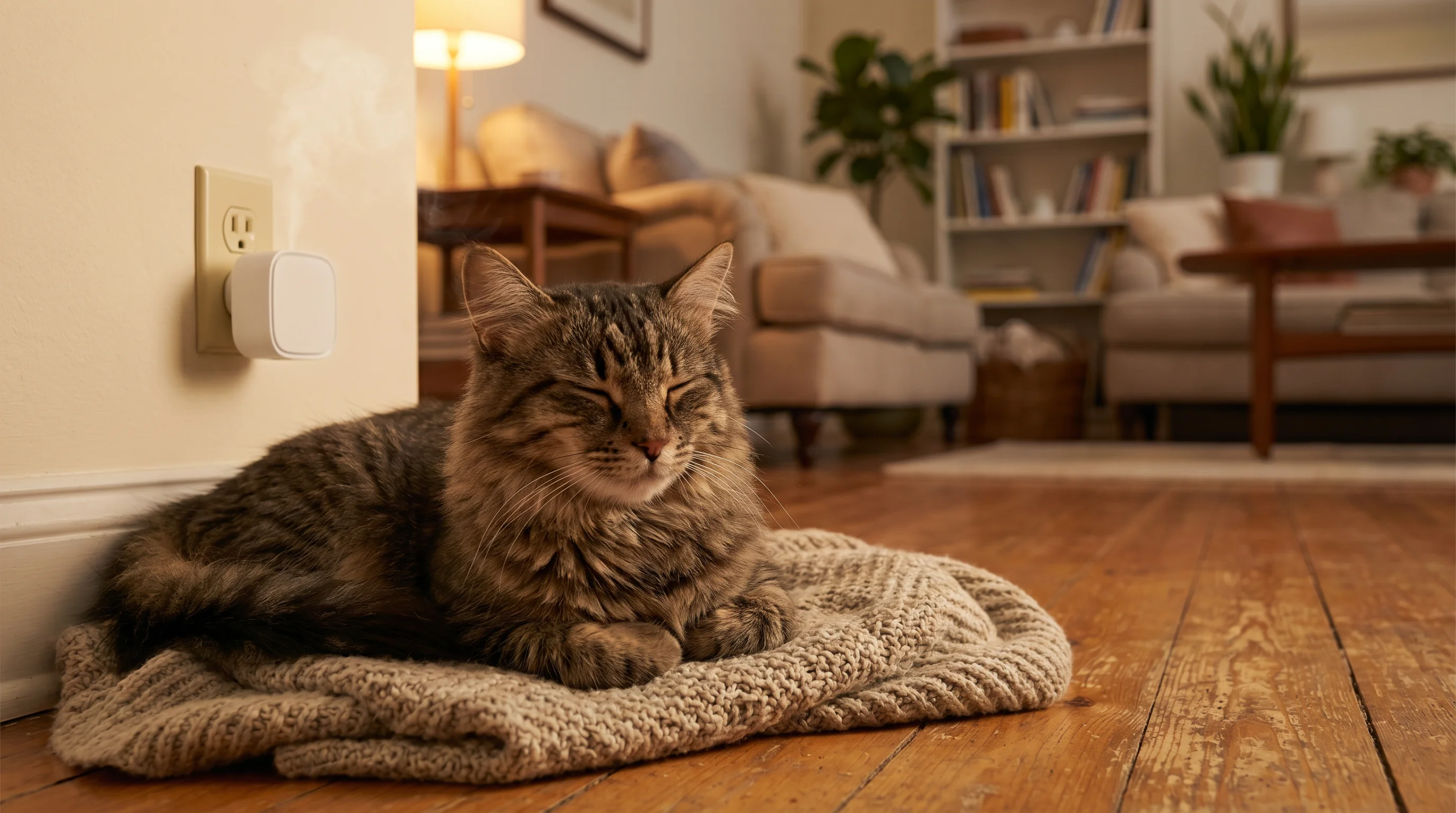
Plug-in pheromone diffusers release synthetic calming scents that mimic a mother cat’s natural nursing pheromones, helping to soothe anxious cats.
Run a diffuser in her main heat room and follow the product’s directions for placement. While it will not “stop” the heat cycle, it can take the edge off her anxiety.
7. Consider Vet-Approved Calming Supplements
There are several natural and over-the-counter calming aids available, but you should always ask your veterinarian before using them, especially if your cat has medical conditions.
- Catnip: It varies widely by cat. Some become relaxed, while others get more stimulated. Try a tiny amount once, supervised. If it amps her up, skip it during heat.
- Herbal Remedies: Some owners use valerian root or chamomile, but these should only be used under veterinary guidance.
- Never use human medications: Do not give human meds or random sedatives, as they can be highly toxic to cats.
8. Use White Noise and a Night Routine
If the yowling is worst at night, establish a strict evening routine. Play hard for 10–15 minutes about 60–90 minutes before bedtime. Feed her a small meal right after play. Settle her in the heat room with dim lighting and a warm spot.
Use white noise (a fan, a sound machine, or gentle classical music) outside the room. This helps mask outdoor sounds that might trigger her, and it helps you sleep through the caterwauling.
9. Plan Your Spay Appointment Now
Spaying is the only reliable, long-term way to prevent future heat cycles, eliminate the risk of unintended pregnancy, and drastically reduce the risk of mammary cancer and uterine infections.
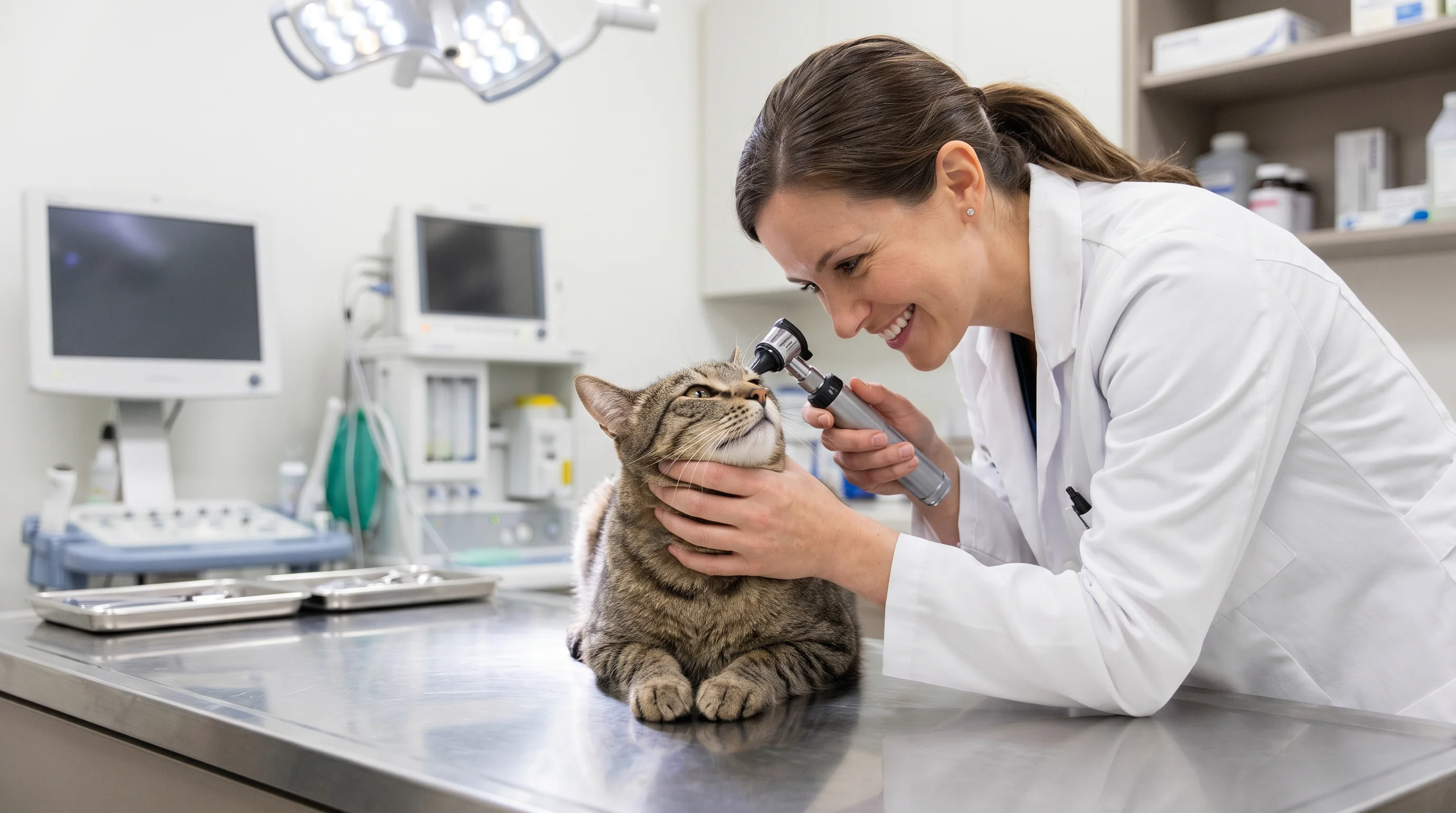
Consult your veterinarian to schedule a spay surgery. It is the only permanent solution to heat cycles and provides significant long-term health benefits.
Can you spay a cat while she is in heat?
Yes, it is possible, but many veterinarians prefer to wait until the cycle ends. During heat, the tissues and blood vessels in the reproductive tract are more engorged, making surgery slightly more complex with a higher risk of bleeding. Call your clinic now to ask about their specific policies and get on their schedule.
How much does it cost to spay a cat?
The cost typically ranges from $50 to $500. Private veterinary hospitals usually charge between $300 and $500, which often includes pre-anesthetic bloodwork and comprehensive monitoring. Low-cost spay/neuter clinics and local animal shelters often offer the procedure for $50 to $150.
Multi-Cat Households: Special Safety Protocol
If you have intact male cats in the home, you must implement a strict safety setup to prevent accidental mating and reduce arousal triggers.
- Strict Separation: Keep the female in the dedicated heat room behind a closed door at all times.
- Secondary Barrier: Use a door plus a baby gate, or place a towel/draft stopper at the bottom gap of the door.
- Reduce Scent Transfer: Female urine in heat contains pheromones that trigger intact males. Minimize bedding swaps and wash your hands thoroughly after handling the female before you pet the male.
What NOT to Do (Common Mistakes That Backfire)
When you are sleep-deprived, it is easy to make mistakes. Avoid these common pitfalls:
| Don’t do this | Why it’s risky / unhelpful | Do this instead |
|---|---|---|
| Let her outside “to calm down” | High pregnancy risk; cats can mate in minutes. | Secure her indoors in a comfortable heat room. |
| Punish yowling or spraying | Punishment increases fear/stress and worsens behavior. | Use redirection, routine, and positive reinforcement. |
| Give human meds or sedatives | Highly toxic and potentially fatal. | Ask your vet for safe, feline-approved options. |
| Force constant petting | Can cause overstimulation and aggression. | Pet only when she asks, and watch her body language. |
| Ignore bleeding or discharge | Cats should not bleed in heat; this indicates a medical issue. | Contact a veterinarian promptly. |
Conclusion
A cat in heat can be loud, clingy, and exhausting—but these behaviors are typical estrus signs, not “bad behavior.” Your goal is not to “stop” the cycle (you cannot do that safely at home), but to reduce her stress and keep her safe until it passes.
Focus on safety first by keeping her strictly indoors. Provide comfort through a calm, dim room and clean litter. Use short play sessions to distract her and burn off energy. Most importantly, use this time to call your vet and schedule her spay surgery. It is the most effective solution to prevent repeated heat cycles and ensure her long-term health.
If you are concerned about what happens after a heat cycle—or if your cat may have mated—our guide on How Long Are Cats Pregnant walks you through the next steps. And if you are preparing for your cat’s first vet visit, our New Cat First Vet Visit guide will help you know exactly what to ask.
If you are running on no sleep, remember that you are not alone. Join our cozy SnuggleSouls community—cat parenting is easier when you don’t have to guess your way through it.
FAQ: How to Help a Cat in Heat
How long does a cat stay in heat?
Most cats stay in heat for about 7 days on average, but it can range from 3 to 14 days. If she isn’t mated, she may go out of heat briefly and cycle again every 2 to 3 weeks.
How often will my indoor cat go into heat?
While outdoor cats cycle seasonally (spring to fall), indoor cats exposed to artificial light and warm temperatures can experience heat cycles year-round, often every few weeks.
Can my cat get pregnant during her first heat?
Yes. Cats can become pregnant any time they are in heat, including their very first cycle at 4 to 6 months of age.
Why is my cat yowling and rolling on the floor—is she in pain?
These are common behavioral signs of heat driven by hormones, not pain. However, if she seems weak, won’t eat, or hides unusually, call your vet.
Will catnip help calm my cat in heat?
It varies widely. Some cats relax with catnip, while others become more stimulated and hyperactive. Try a tiny amount supervised to see how she reacts.
Should I let my cat outside during heat to calm her?
No. She can become pregnant extremely quickly if she encounters an intact male. Keep her strictly indoors.
Do male cats go into heat?
No. “Heat” (estrus) refers to the female reproductive cycle. Intact males do not go into heat, but they will roam, spray, and vocalize when they detect a female in heat nearby.
Is bleeding during heat normal for cats?
No. Cats typically do not bleed during heat. If you see blood or thick discharge, contact a veterinarian immediately to rule out a severe infection like pyometra.
Do pheromone diffusers (like Feliway) actually help?
Studies show feline pheromone products can reduce certain stress-related behaviors. While they won’t stop the heat cycle, they can help take the edge off her anxiety.
How much does it cost to spay a cat?
Spaying typically costs between $50 and $500. Private clinics charge more ($300-$500) for comprehensive care, while local shelters and low-cost clinics offer the procedure for $50-$150.
References
[1] Vetster. (2025). Becoming an adult: Kitten puberty and heat cycles explained.
[2] PetMD. (2024). Cats in Heat: How Long It Lasts and What To Do.
[3] Best Friends Veterinary Hospital. How Often Do Cats Go Into Heat?
[4] VCA Animal Hospitals. Estrous Cycles in Cats.
[5] Ellis, S. L. H., Rodan, I., et al. (2013). AAFP and ISFM Feline Environmental Needs Guidelines. Journal of Feline Medicine and Surgery.
[6] AAFP & ISFM. (2014). Guidelines for Diagnosing and Solving House-Soiling Behavior in Cats. Journal of Feline Medicine and Surgery.
[7] Pereira, J., et al. (2022). Effect of a synthetic feline facial pheromone product in alleviating the stress of short-distance transport in domestic cats. Journal of Feline Medicine and Surgery.
[8] Cornell University College of Veterinary Medicine. Spaying and Neutering.
[9] Chewy. (2025). Spaying Cats: Everything You Need To Know.
[10] PetMD. (2025). How Much Does It Cost to Spay a Cat?
[11] ASPCA. Cat Care: Spay/Neuter Your Pet.
[12] Merck Veterinary Manual. Reproductive Management of the Female Small Animal.


 EN
EN DE
DE ES
ES PT
PT