
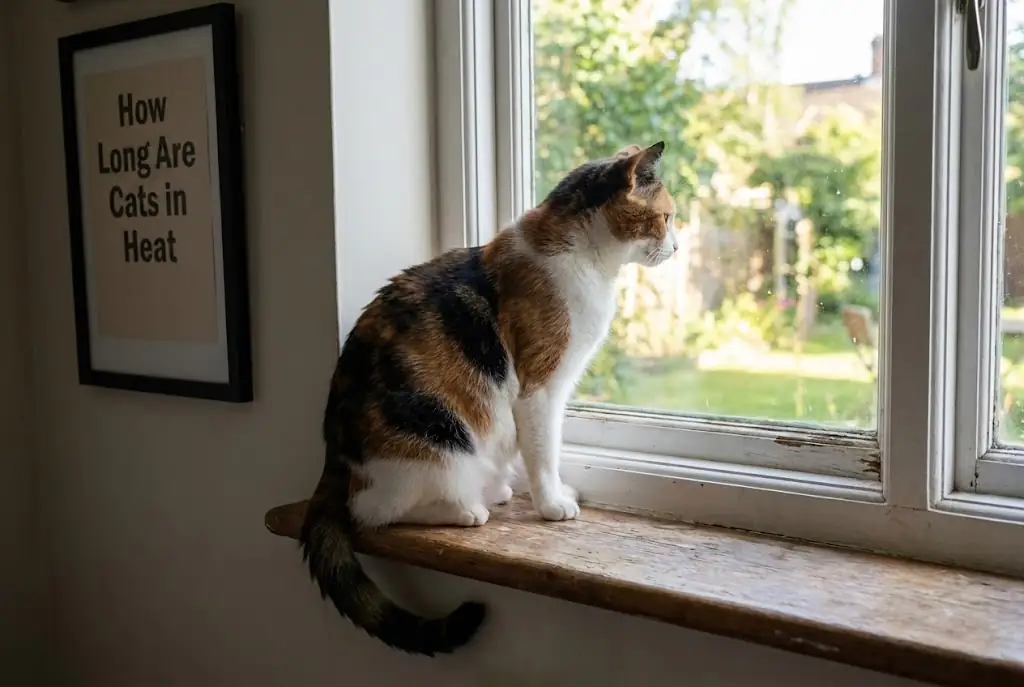
Most female cats stay in heat for about 3-14 days, with many lasting around 5-7 days. If an unspayed cat does not mate or ovulate, heat can return every 2-3 weeks during breeding season. Loud yowling, rolling, rubbing, restlessness, and the mating posture can be normal heat signs, but illness signs are not normal and deserve veterinary advice.
If your cat is in heat right now, the safest plan is simple: keep her indoors, prevent contact with intact males, reduce stimulation, track dates and symptoms, and talk with your veterinarian about spaying when appropriate. Do not use home hormone remedies or human medications.
Table of Contents
- How long are cats in heat?
- Cat heat cycle timeline at a glance
- What are the signs that a cat is in heat?
- How often do cats go into heat?
- Why does it seem like my cat is always in heat?
- What should I do while my cat is in heat?
- When should I call a vet?
- Does spaying stop heat cycles?
- Frequently Asked Questions
- References
How long are cats in heat?
A cat is usually in heat for several days, often about 5-7 days, though some cats show heat behavior for as little as 3 days or as long as about 2 weeks. VCA notes that the full estrous cycle can range from one to six weeks, with an average cycle length of about three weeks 1.
The word “heat” usually refers to estrus, the stage when a female cat is sexually receptive. Owners often notice this stage because the behavior can be intense: yowling, rolling, rubbing, raising the hindquarters, and trying to escape outdoors.
If your cat’s signs stop after a week and return soon after, that may be repeated cycles rather than one continuous heat. If heat-like behavior truly continues beyond about 14 days, or if your cat seems sick, painful, weak, or has abnormal discharge, call your veterinarian.
Cat heat cycle timeline at a glance
The feline heat cycle has several stages. You do not need to identify every stage perfectly at home, but the timeline can help you understand why the behavior starts, stops, and returns.
| Stage | Typical timing | What owners may notice | What to do |
|---|---|---|---|
| Proestrus | About 1-2 days | Mild affection, restlessness, subtle behavior change; may be hard to notice | Keep her indoors and start tracking dates. |
| Estrus, or heat | About 3-14 days; often 5-7 days | Yowling, rolling, rubbing, lordosis, tail to side, escape attempts | Prevent mating, reduce stress, and monitor for illness signs. |
| Interestrus if not bred | Often about 1-3 weeks | A quieter break before signs return | Keep prevention in place; heat can return quickly. |
| Diestrus if ovulation occurs | Often several weeks | Heat signs stop; pregnancy is possible if mating occurred | Call your vet if mating may have happened. |
| Anestrus | Seasonal rest period in some cats | No heat signs | Timing varies with daylight, geography, and indoor lighting. |
Merck describes the cat’s cycle as including proestrus, estrus, postestrus, diestrus, and anestrus, and notes that queens are induced ovulators 2. In plain English, that means mating can trigger ovulation, and whether ovulation happens can change what comes next.
What are the signs that a cat is in heat?
The clearest heat signs are behavioral. Many cats become louder, more restless, more affectionate, and more determined to get outside.
Common signs include:
- Loud yowling or calling, often at night.
- Rolling, rubbing, and extra affection.
- Restlessness or pacing.
- Raising the hindquarters and moving the tail to one side.
- Treading the back feet when touched near the lower back.
- More attention to doors and windows.
- Escape attempts.
- Urine marking or spraying in some cats.
- Reduced appetite in some cats.
Heat can look dramatic, but normal heat behavior should not include severe illness signs. A cat in heat may be loud and difficult to distract; she should not be collapsed, extremely weak, breathing with difficulty, producing pus-like discharge, bleeding heavily, or refusing all food while declining.
If the main issue is vocalizing, this SnuggleSouls guide to sudden vocal changes can help you describe the pattern. If urine marking or accidents are part of the picture, compare the pattern with stress-related litter box changes, but call your vet urgently if she is straining or unable to urinate.
How often do cats go into heat?
Unspayed female cats can go into heat repeatedly during the breeding season. If a cat does not mate or ovulate, heat may return every 2-3 weeks, and sometimes sooner, depending on season, light exposure, and the individual cat.
Merck notes that queens generally cycle about every three weeks seasonally if not bred 3. VCA also describes cats as seasonally polyestrous, meaning they can have multiple cycles during the breeding season 1.
This is why it may feel like your cat is constantly in heat:
- Heat lasts several days.
- The quiet break may be short.
- The cycle repeats during long-day seasons.
- Indoor lighting can reduce the seasonal pause for some cats.
If your cat is young and you are unsure of her age, the cat age calculator may help you estimate life stage, but puberty and heat timing still vary by individual. Ask your vet if a very young cat appears to be cycling.
Why does it seem like my cat is always in heat?
It may seem endless because heat behavior is loud, repetitive, and emotionally hard to ignore. A cat may have 5-7 intense days, a short break, and then another heat soon after. That pattern can feel like one long episode even when the cycle is stopping and restarting.
Common reasons heat seems prolonged:
| Pattern you notice | Possible explanation | Next step |
|---|---|---|
| Signs last about a week, then stop | Typical estrus length | Track dates and prevent mating. |
| Signs return after 1-3 weeks | Repeated cycling during breeding season | Discuss spay timing with your vet. |
| Signs are milder but frequent | Individual variation, indoor lighting, or early cycles | Track behavior and ask your vet if unsure. |
| Behavior continues beyond about 14 days | Possible prolonged heat or a health issue mimicking heat | Call your veterinarian. |
| Heat signs stop after outdoor escape | Mating or pregnancy may have occurred | Contact your vet about pregnancy timing and next steps. |
Do not assume pregnancy just because heat signs stopped. Also do not assume no pregnancy because signs returned. If your cat got outside, had contact with an intact male, or you are not sure what happened, call your vet.
What should I do while my cat is in heat?
Your job is to prevent mating, reduce stress, and keep the household calm until the heat passes or until your veterinarian advises next steps.
Safe steps:
- Keep her indoors with doors and windows secured.
- Keep her away from intact male cats.
- Check screens, balconies, pet doors, and entryways.
- Offer quiet resting spots and familiar bedding.
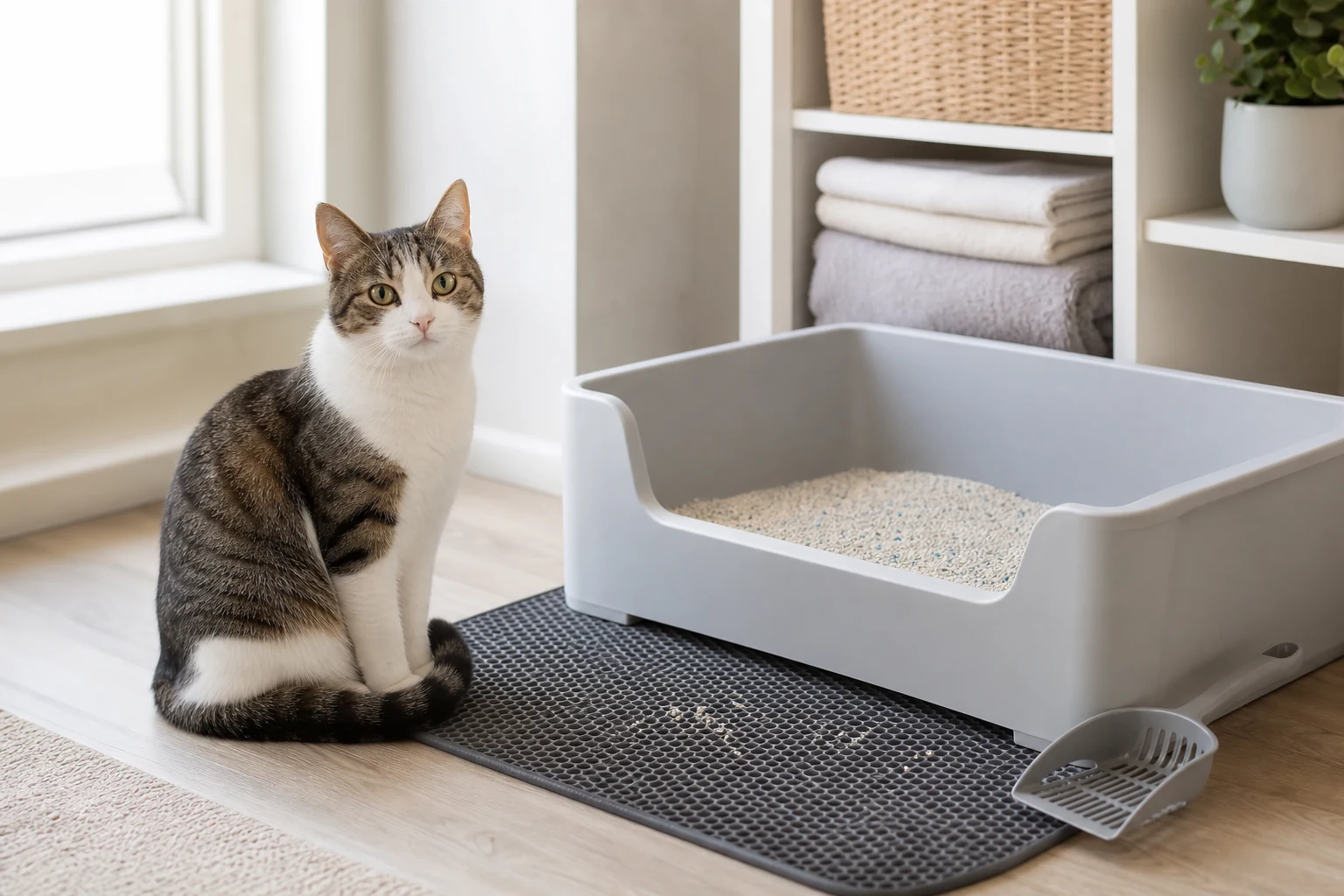
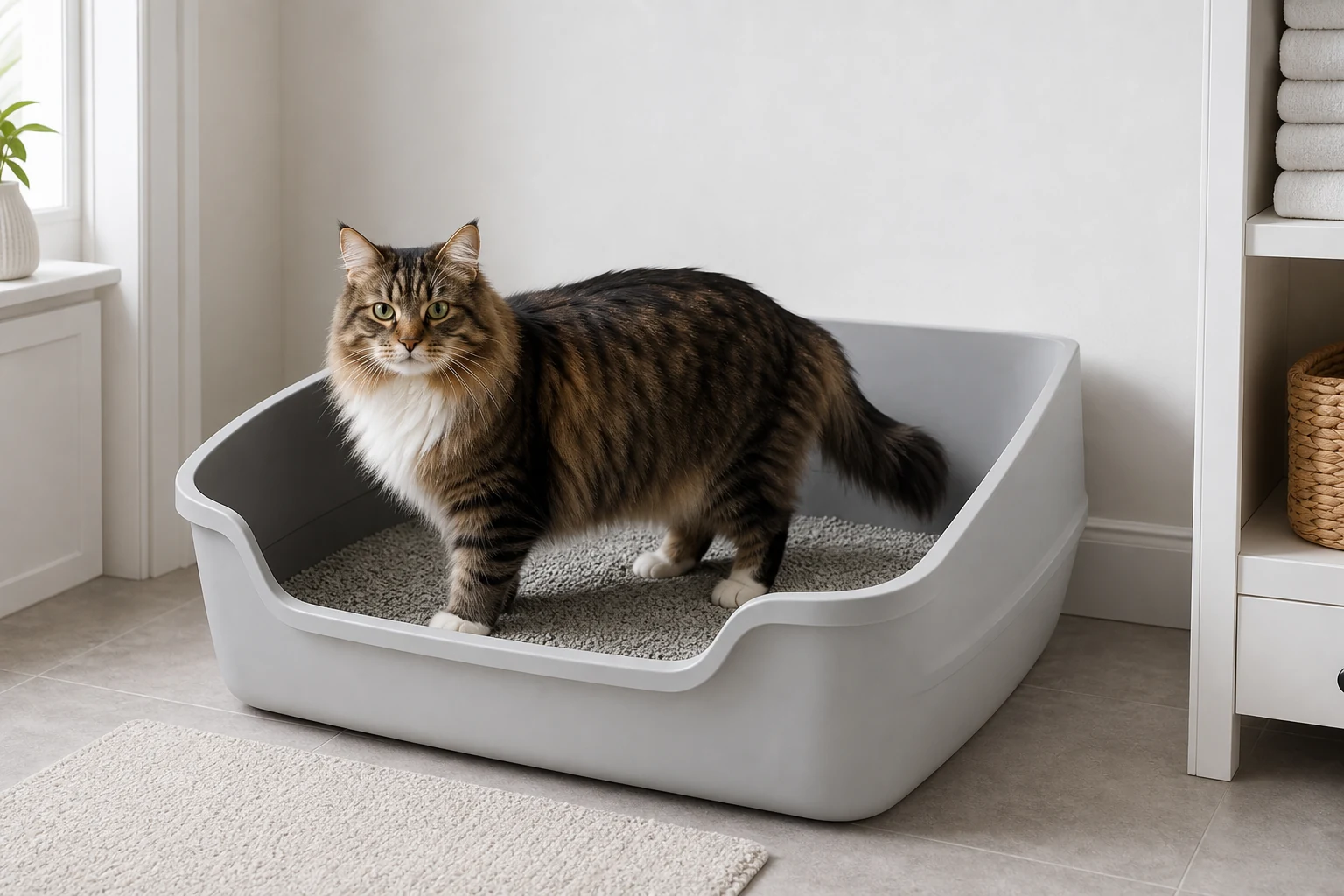
- Keep the litter box clean.
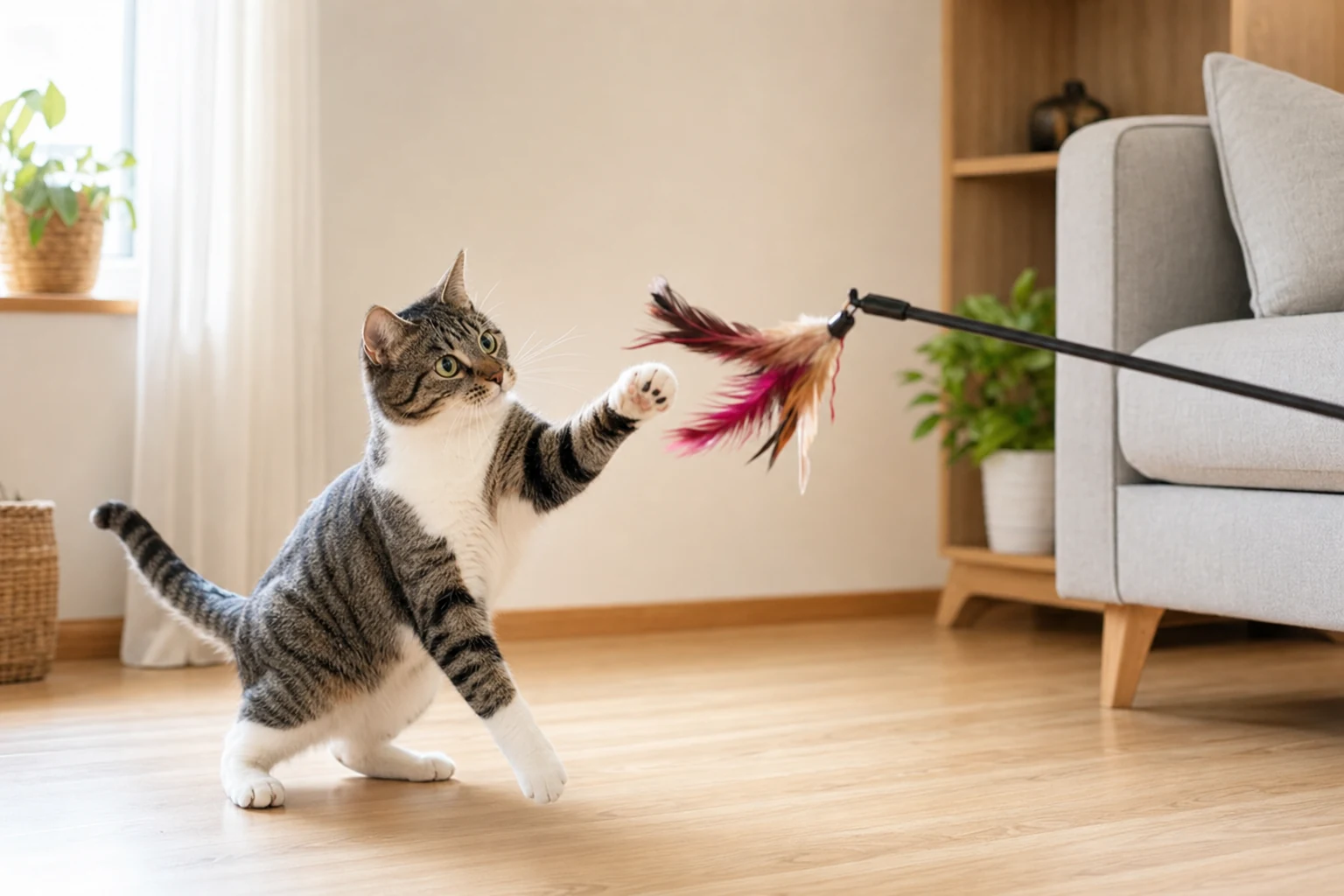
- Use gentle play if she is interested, but do not overstimulate her.
- Avoid punishment for yowling, rolling, rubbing, or restlessness.
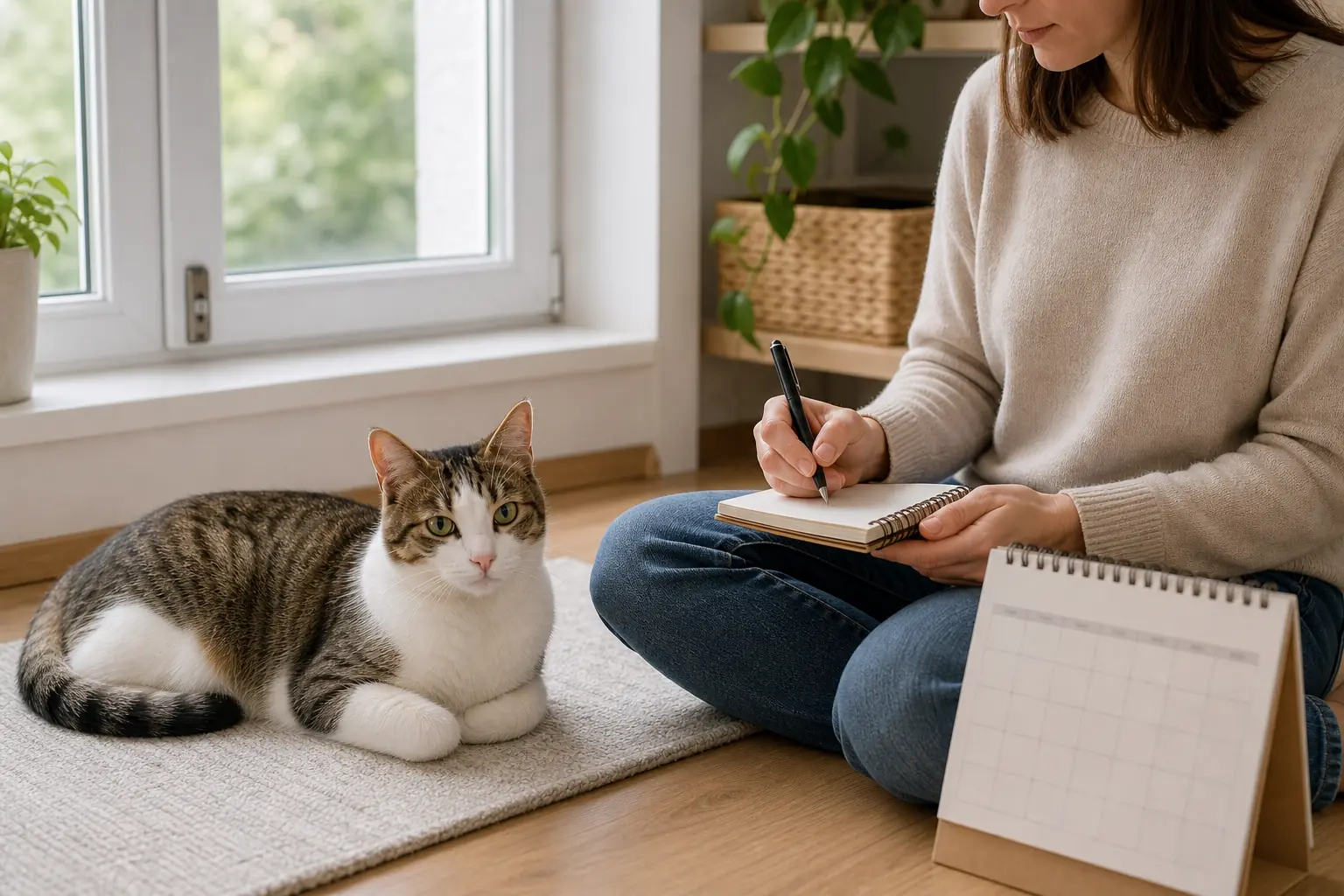
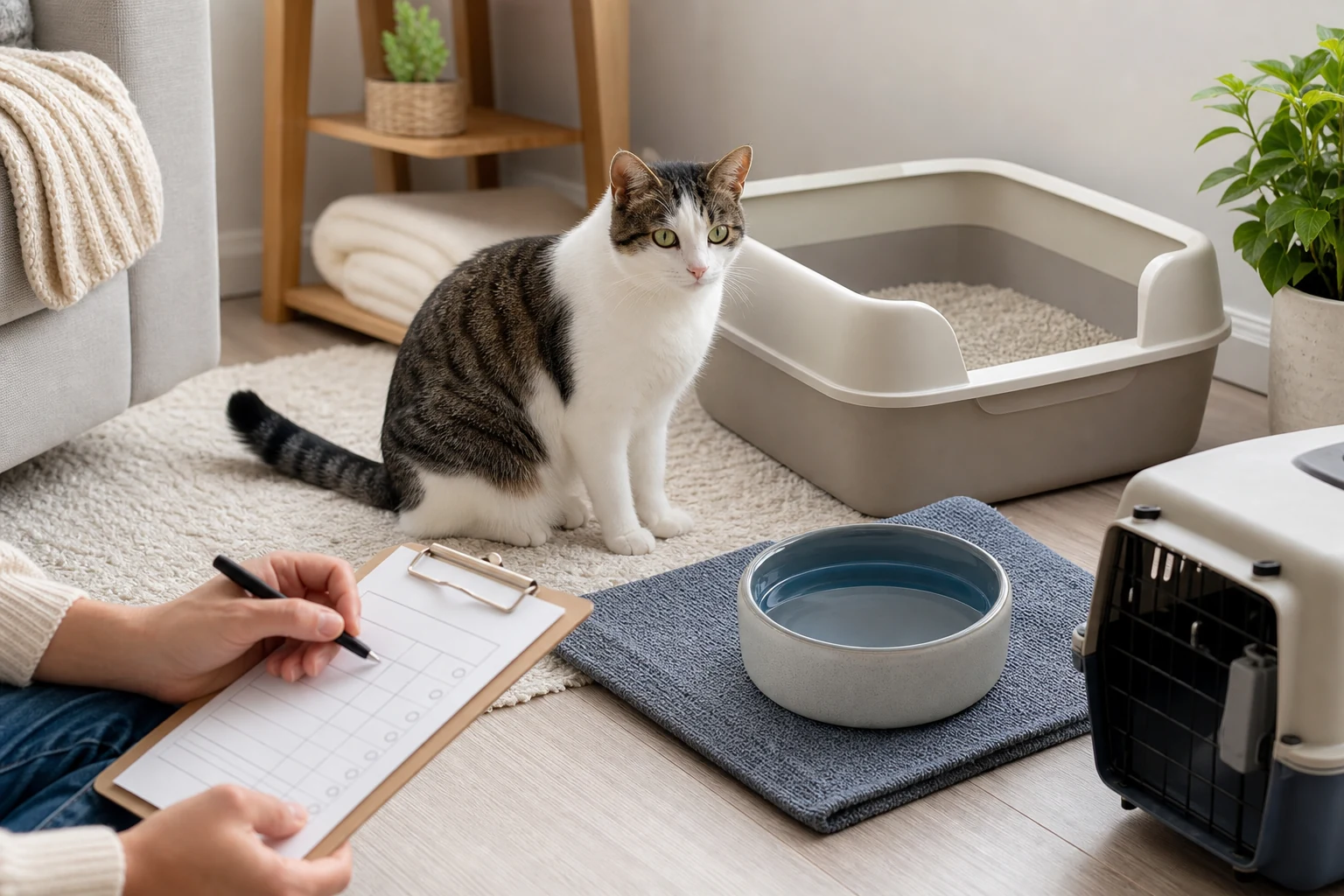
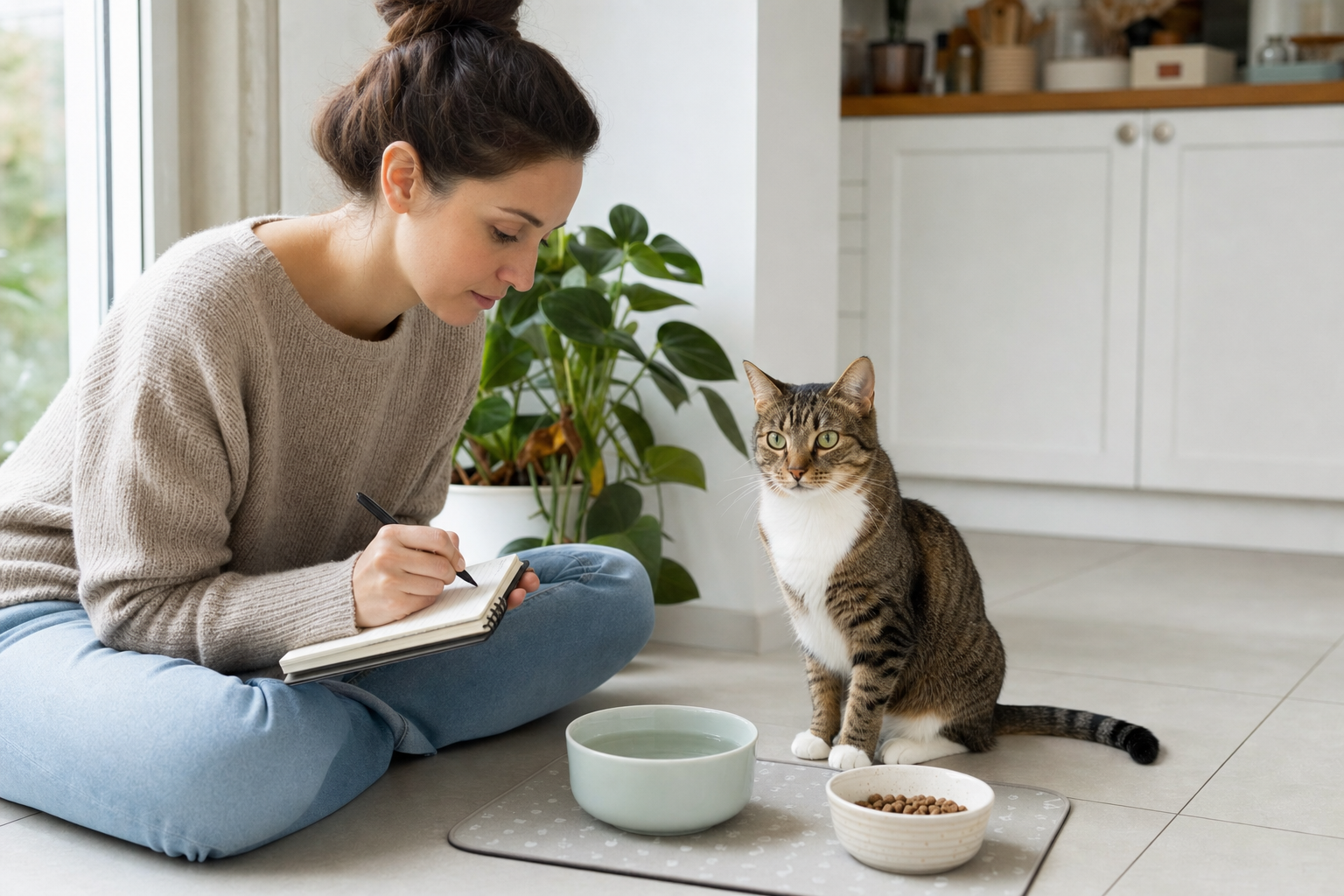
- Track the first day, last day, intensity, appetite, litter box use, and any abnormal signs.
What not to do:
- Do not let her outside “for a break.”
- Do not allow a mating “just once” unless you are intentionally breeding under veterinary guidance.
- Do not give human medications, sedatives, supplements, or hormone products.
- Do not physically restrain her to stop the behavior.
- Do not punish vocalizing or urine marking.
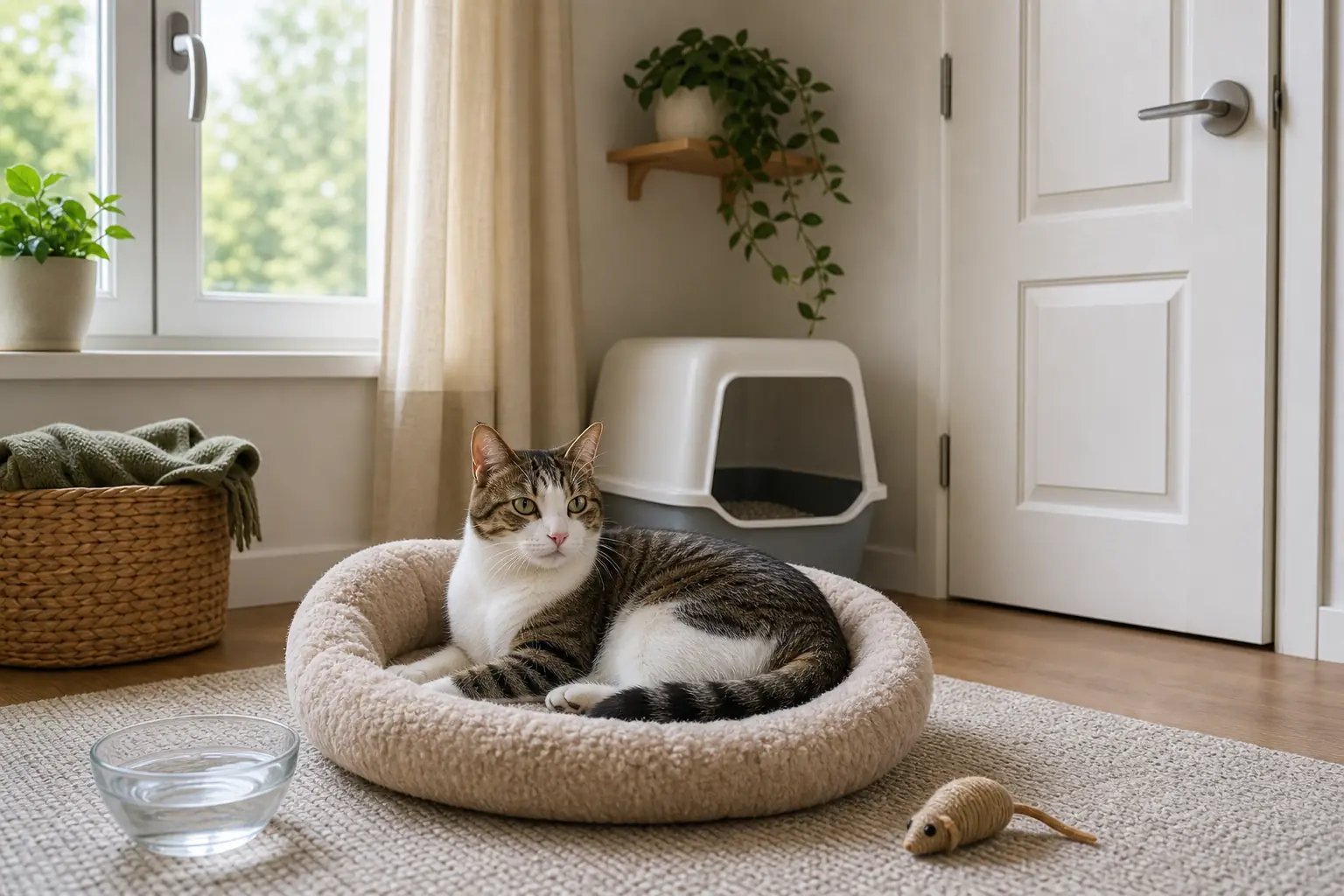
Some cats are calmer in a quiet room with familiar bedding, water, food, litter, and low stimulation. This may make the behavior easier to manage, but it does not stop the hormone cycle.
When should I call a vet?
Call your veterinarian if heat-like behavior lasts longer than about 14 days, if cycles seem unusually frequent or hard to distinguish, or if any illness sign appears. A heat cycle can be annoying; it should not look like a medical crisis.
Call promptly if you notice:
- Heat-like behavior beyond about 2 weeks.
- Foul-smelling, pus-like, green, yellow, or bloody discharge.
- Heavy bleeding.
- Lethargy, weakness, collapse, or hiding with illness signs.
- Vomiting or diarrhea.
- Refusing food for about 24 hours, or sooner if your cat is young, old, or already unwell.
- A swollen or painful abdomen.
- Straining in the litter box.
- Breathing trouble.
- Pain, crying, or sudden aggression when touched.
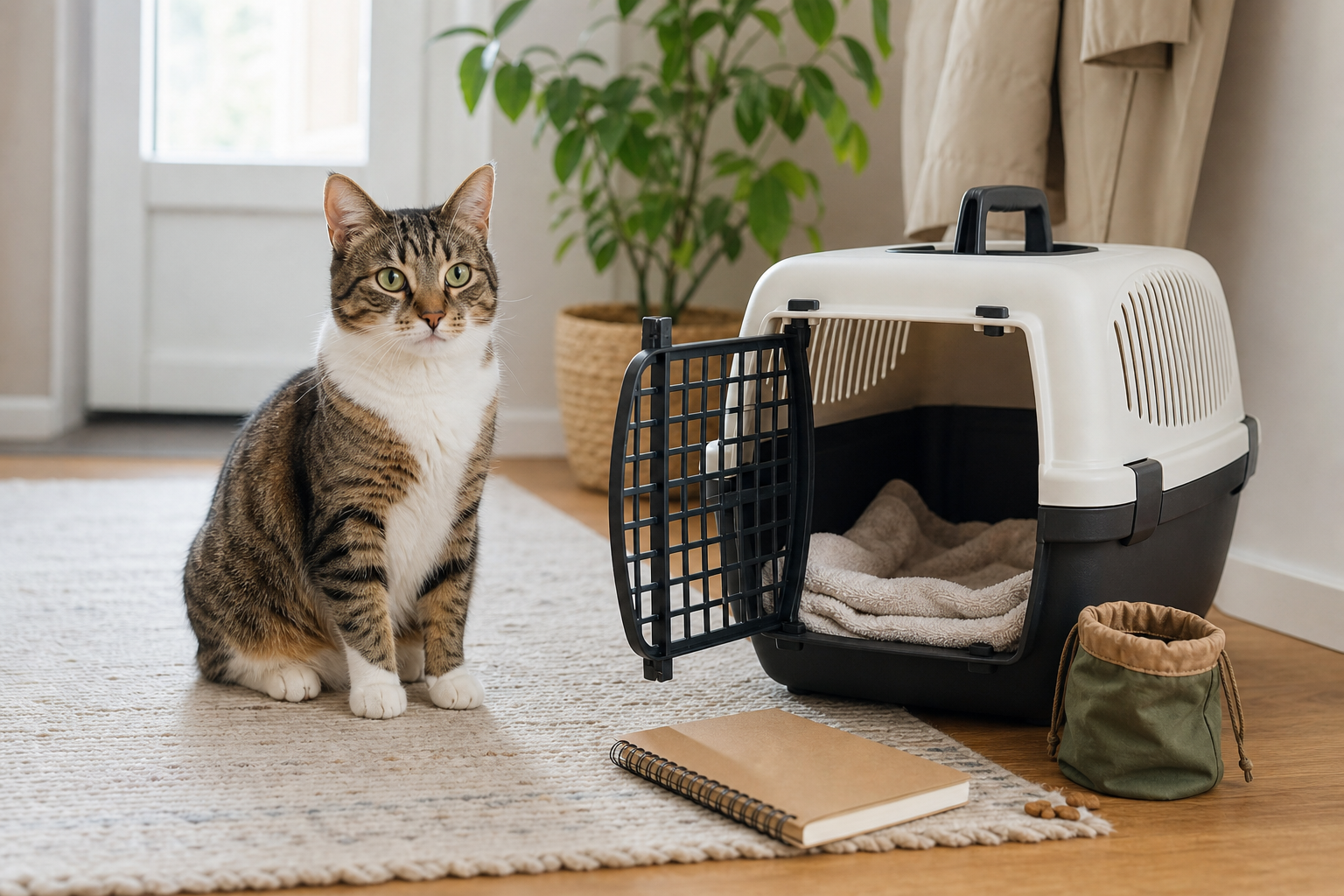
- Possible mating, escape outdoors, or pregnancy.
These signs are not something to treat at home as “just heat.” They may point to reproductive disease, urinary disease, pregnancy-related concerns, infection, pain, or another medical issue that needs a professional exam.
If pregnancy is possible, SnuggleSouls’ guide on how long cats are pregnant can help you understand the timeline while you arrange veterinary guidance. If your cat is already confirmed pregnant, see how to care for a pregnant cat and keep the cat giving birth guide handy for later preparation.
Does spaying stop heat cycles?
Yes. Spaying removes the female reproductive organs and stops heat cycles. Cornell notes that spaying eliminates heat-cycle behaviors such as howling and restlessness, prevents unwanted pregnancies, and greatly reduces mammary cancer risk 4.
Ask your veterinarian about timing. Some veterinarians will spay during heat; others may prefer to wait until the heat passes because the tissue can be more vascular. The right choice depends on your cat’s age, health, risk of pregnancy, local surgical practice, and your veterinarian’s judgment.
Spaying is especially worth discussing if:
- You do not plan to breed your cat.
- Heat cycles are frequent or stressful.
- Your cat is trying to escape.
- There are intact male cats nearby.
- You live in a multi-cat household.
- Accidental pregnancy would be difficult to manage.
There is no need to let a cat have one heat cycle or one litter for emotional reasons. If you are unsure, ask your vet for a plan based on your cat’s age, health, and risk of getting outside.
Frequently Asked Questions
How long does a cat’s first heat last?
A first heat often lasts several days, commonly around 5-7 days, but it can be shorter or longer. Early cycles may be irregular or subtle. Call your vet if signs last beyond about 14 days or your cat seems unwell.
How long is too long for a cat to be in heat?
Heat-like signs lasting longer than about 2 weeks should be discussed with a veterinarian. Call sooner if you see discharge, bleeding, vomiting, lethargy, appetite loss, pain, or litter box straining.
Do cats bleed when they are in heat?
Cats usually do not have obvious bleeding like dogs. Any heavy bleeding, foul-smelling discharge, pus-like discharge, or discharge with illness signs should prompt a veterinary call.
Are cats in pain when they are in heat?
Heat can look intense, but the yowling and rolling are usually hormone-driven mating behaviors rather than pain. However, pain signs, weakness, vomiting, abnormal discharge, or a swollen abdomen are not normal heat signs.
How often will my cat go into heat if she is not spayed?
During breeding season, an unspayed cat may cycle about every 2-3 weeks if she does not mate or ovulate. Indoor lighting and individual variation can make some cats cycle more often or for more of the year.
Can a cat get pregnant during her first heat?
Yes. A cat can become pregnant during a heat cycle once she is sexually mature. Keep her indoors and away from intact males, even if she seems young.
Can I stop my cat’s heat at home?
You cannot reliably stop a heat cycle at home. You can reduce stimulation, keep her indoors, prevent mating, and make her comfortable, but spaying is the long-term way to stop heat cycles.
Can my cat be spayed while in heat?
Sometimes, but it depends on the veterinarian and the cat. Some clinics spay during heat; others prefer to wait. Ask your vet instead of trying to time it yourself.
References
[1] VCA Animal Hospitals. Estrous Cycles in Cats.
[2] Merck Veterinary Manual. Reproductive Management of the Female Small Animal.
[3] Merck Veterinary Manual. Social Behavior of Cats.
[4] Cornell Feline Health Center. Choosing and Caring for Your New Cat.
 EN
EN DE
DE ES
ES PT
PT