
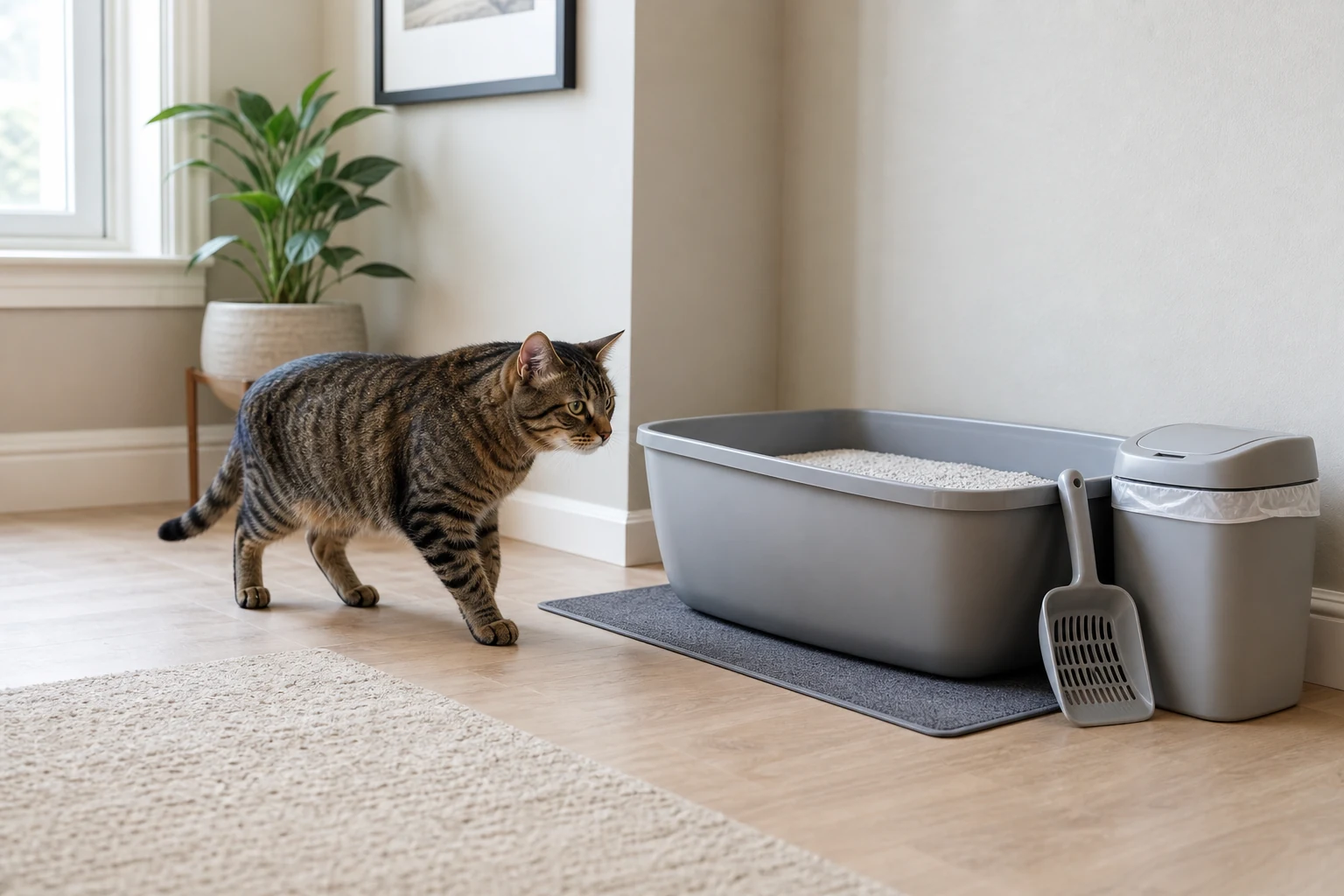
A melhor configuração para a caixa de areia do seu gato consiste em oferecer a ele uma caixa grande e limpa, em um local tranquilo e de fácil acesso, com um número suficiente de caixas separadas para que cada gato tenha uma opção segura. Comece com uma caixa por gato mais uma extra, limpe a caixa pelo menos uma vez por dia e ajuste-a de acordo com o tamanho, a mobilidade e as preferências do seu gato.
Uma boa organização não consiste em esconder a caixa o máximo possível. Trata-se de fazer com que uma atividade diária necessária pareça segura e previsível. A caixa certa pode ajudar a evitar acidentes evitáveis, reduzir a tensão em lares com vários gatos e facilitar que você perceba mudanças na urina ou nas fezes.
Índice
- Qual é a melhor configuração básica para uma caixa de areia?
- Qual deve ser o tamanho de uma caixa de areia para gatos?
- Onde é melhor colocar a caixa de areia do gato?
- De quantas caixas de areia os gatos precisam?
- Que tipo de areia e de caixa de areia a maioria dos gatos prefere?
- Com que frequência se deve limpar a caixa de areia?
- Como você deve adaptar uma caixa de areia para um gatinho ou um gato idoso?
- E se o seu gato, de repente, deixar de usar a caixa de areia?
- Conclusão: Monte um ambiente que seu gato vá preferir
- Perguntas frequentes
- Referências
Qual é a melhor configuração básica para uma caixa de areia?
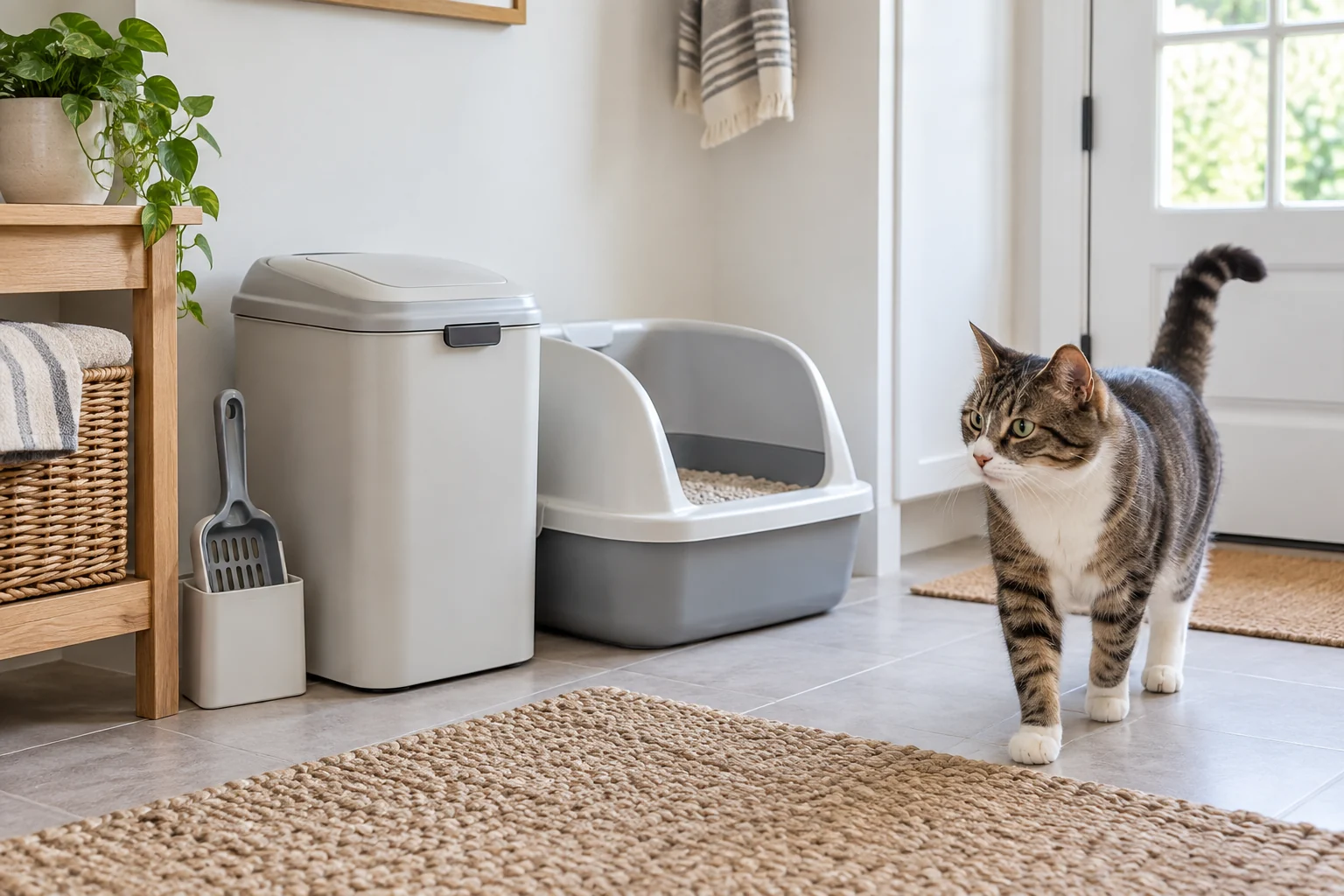
Para muitos gatos, a melhor opção inicial é uma caixa retangular grande e aberta, com uma entrada fácil de acessar, preenchida com uma camada moderada de areia sem perfume e colocada em um local tranquilo, mas de fácil acesso. Mantenha uma pá e um recipiente fechado para resíduos por perto, para facilitar a limpeza.
Use esta lista de verificação prática:
- Coloque uma caixa de areia para cada gato, mais uma extra, em locais diferentes.
- Escolha uma caixa com comprimento aproximadamente 1,5 vez o comprimento do seu gato, medido do nariz até a base da cauda.
- Proporcione ao gato uma visão desobstruída e mais de uma maneira de sair do local.
- Mantenha a caixa longe de alimentos, água, camas e aparelhos barulhentos.
- Retire os grumos de urina e as fezes pelo menos uma vez por dia.
- Lave e higienize a caixa regularmente com produtos suaves e sem perfume.
- Observe qual caixa, textura da areia e profundidade seu gato realmente escolhe.
Trate a bandeja sanitária como parte da sua rotina normal rotinas diárias de cuidados com gatos, e não como um objeto desagradável para enfiar no canto mais inacessível.
Qual deve ser o tamanho de uma caixa de areia para gatos?
Geralmente, quanto maior, melhor, pois o gato precisa de espaço para entrar, virar-se, cavar, escolher um local limpo, fazer suas necessidades e cobrir os dejetos sem se sentir apertado. As orientações sobre o uso inadequado da caixa de areia por gatos recomendam uma caixa retangular com cerca de 1,5 vez o comprimento do gato, medido do nariz até a base da cauda.1
Muitas caixas comerciais padrão são pequenas demais para um gato adulto. Um recipiente grande de armazenamento ou uma bandeja de mistura podem ser boas alternativas quando as caixas específicas para esse fim não oferecem espaço suficiente. Qualquer alternativa deve ser estável, fácil de limpar e adaptada de forma que a entrada não tenha bordas afiadas.
| Necessidades do gato | Recurso útil da caixa | Evitar |
|---|---|---|
| Adulto saudável médio | Ampla área útil e entrada confortável | Uma caixa apertada que obriga a manobras desajeitadas |
| Gato de corpo grande ou alongado | Caixa retangular extragrande | Escolher apenas com base no peso indicado no rótulo |
| Gato que urina em lugares altos | Paredes traseiras e laterais altas, com uma entrada mais baixa | Uma entrada alta em todos os lados |
| Gato com mobilidade reduzida | Acesso fácil e piso antiderrapante | Paredes altas que o gato precisa escalar |
Uma caixa com tampa não gera automaticamente mais espaço útil. Meça a área interna do fundo, verifique se seu gato consegue se virar confortavelmente e lembre-se de que a tampa pode reter odores que as pessoas não percebem imediatamente.
Onde é melhor colocar a caixa de areia do gato?
Coloque cada caixa em um local tranquilo e de fácil acesso, onde seu gato não se sinta preso, assustado ou bloqueado por outro animal de estimação. O local deve ser conveniente o suficiente para que o gato possa chegar até ele rapidamente e você possa limpá-lo diariamente.
Bons locais costumam ter:
- Um trajeto claro e bem iluminado a qualquer hora do dia.
- Baixo fluxo de pessoas, sem isolamento total.
- Distância de máquinas de lavar, secadoras, fornos e ruídos repentinos.
- Mais de um caminho de saída possível.
- Espaço suficiente para que outro gato não consiga bloquear a entrada.
Evite colocar a única caixa em um porão distante, atrás de uma porta que possa fechar, ao lado de tigelas de comida ou em um beco sem saída estreito. A Iniciativa para Animais de Estimação em Ambientes Internos da Universidade Estadual de Ohio recomenda que haja caixas em cada andar de uma casa de vários andares e enfatiza a importância de distribuí-las por toda a casa.2 As caixas alinhadas lado a lado costumam funcionar como um único local para fazer as necessidades, em vez de oferecerem várias opções significativas.1
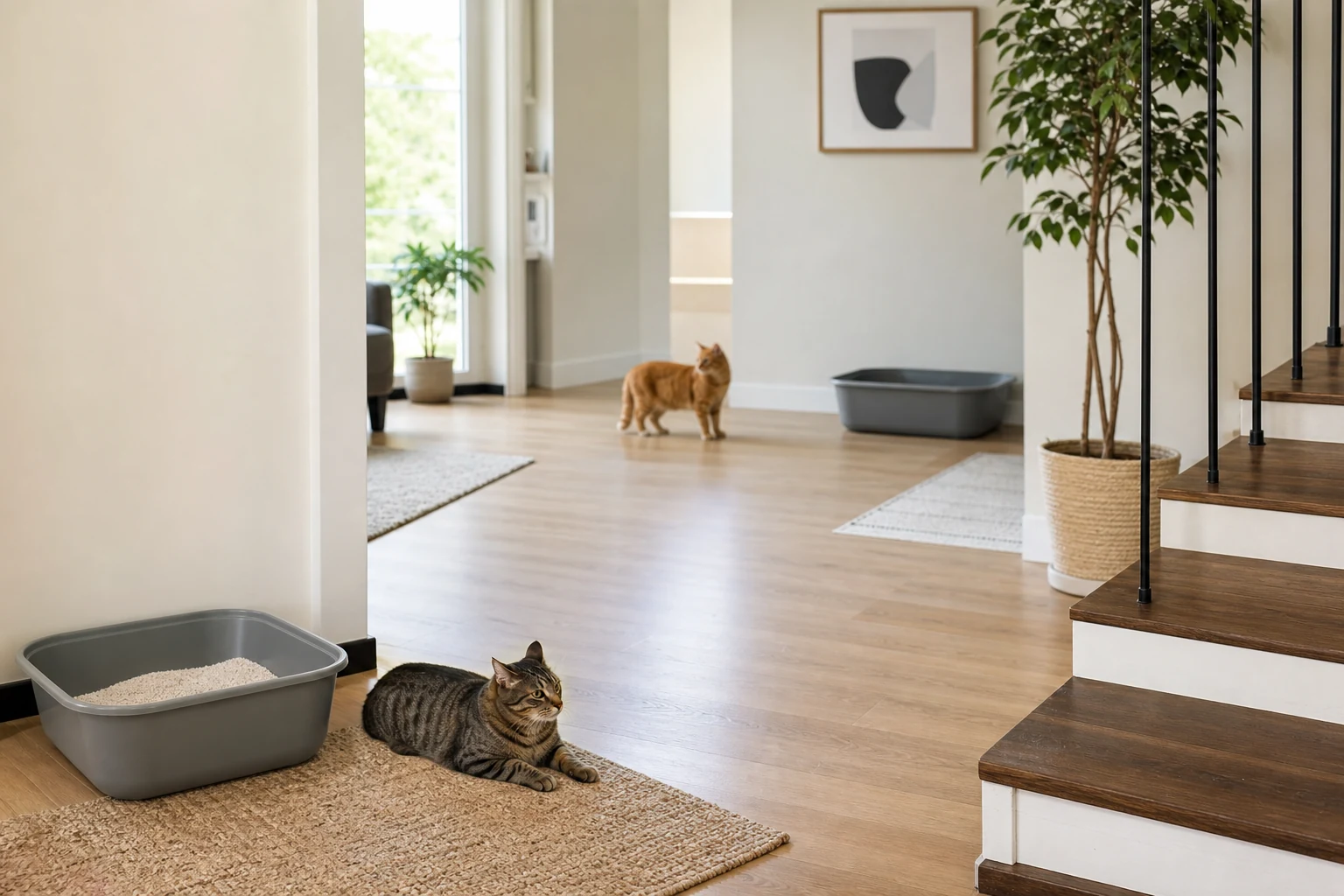
A escolha do local também depende do comportamento. Um gato tímido pode evitar uma caixa de areia próxima a um corredor movimentado, enquanto a tensão entre gatos pode fazer com que uma caixa aparentemente limpa pareça insegura. Nossa Guias sobre o comportamento dos gatos e guia para por que os gatos se escondem pode ajudá-lo a reconhecer sinais de estresse. Ao planejar rotas de acesso, inclua a área de descanso em sua abordagem mais ampla para Proteção de sua casa contra gatos.
De quantas caixas de areia os gatos precisam?
A regra básica geralmente é uma caixa por gato, mais uma extra. Um gato recebe duas caixas; dois gatos, três; três gatos, quatro. Essa é uma referência útil, mas o objetivo principal é oferecer opções suficientes, limpas e separadas de forma segura para os gatos e grupos sociais em sua casa.1
Duas caixas encostadas uma na outra não oferecem a mesma proteção que duas caixas em locais separados. Se um gato puder ficar de guarda no quarto ou no corredor, o outro gato pode, na prática, não ter nenhuma opção segura.
Adicione ou reposicione caixas quando:
- Um gato espera que o outro termine.
- Um gato embosca ou persegue outro perto de uma caixa.
- Um gato evita sempre um determinado andar ou cômodo.
- Um gato urina em uma caixa, mas defeca em outra.
- Um gato idoso não consegue chegar com segurança aos locais existentes.
- Os acidentes acontecem quando a caixa preferida está suja.
O número certo é aquele que permite que todos os gatos façam suas necessidades sem demora, conflito ou desconforto.
Que tipo de areia e de caixa de areia a maioria dos gatos prefere?
Muitos gatos aceitam uma caixa grande e aberta com areia macia, de grãos finos e sem perfume, mas as preferências individuais são importantes. Perfumes fortes, mudanças bruscas de areia, texturas desconfortáveis e caixas sujas podem contribuir para que o gato evite usá-la. A Cornell observa que a caixa, a areia e a localização podem, cada uma à sua maneira, contribuir para a aversão à caixa de areia.3
Se o seu gato usa a areia atual de maneira consistente, não a troque apenas porque um novo produto parece mais prático. Se precisar testar uma alternativa, coloque uma segunda caixa ao lado da que ele já conhece, temporariamente, e altere apenas uma variável por vez. Deixe que a escolha consistente do seu gato sirva de orientação para você.
As caixas com tampa podem oferecer privacidade visual e conter a sujeira espalhada, mas podem parecer apertadas, restringir as rotas de fuga ou reter odores. As caixas autolimpantes podem ajudar em algumas casas, mas seu movimento e ruído podem assustar alguns gatos. Mantenha uma caixa familiar e não automatizada disponível ao introduzir qualquer novo sistema.
Com que frequência se deve limpar a caixa de areia?
Limpe todas as caixas de areia pelo menos uma vez por dia, e com mais frequência quando vários gatos compartilham a mesma caixa ou quando um gato faz suas necessidades com frequência. A limpeza diária mantém as áreas utilizáveis disponíveis e permite que você perceba alterações, como diarreia, constipação, grumos de urina excepcionalmente grandes ou pouca ou nenhuma urina.
Uma rotina simples funciona bem:
| Tarefa | Cronograma prático | Por que isso é importante |
|---|---|---|
| Remova os resíduos de fezes e urina | Pelo menos uma vez por dia | Mantém as opções limpas e reduz o odor |
| Verifique o nível da cama e se há pedaços espalhados | Diariamente | Mantém a profundidade de escavação adequada e os caminhos bem arrumados |
| Recarregar a areia compatível | Conforme necessário | Mantém uma superfície uniforme |
| Esvazie e lave a caixa | Com base no tipo e nas condições da cama | Remove resíduos e odores persistentes |
| Verifique se a caixa apresenta arranhões ou danos | Durante cada lavagem completa | Arranhões profundos podem reter odores e se tornar mais difíceis de limpar |
Use sabonete neutro e sem perfume e enxágue bem. Evite fragrâncias muito intensas ou produtos de limpeza agressivos que deixem um cheiro forte. Substitua a caixa quando os danos dificultarem a limpeza.
Não castigue um gato por um acidente. Limpe bem a área suja com um produto para remoção de odores seguro para animais de estimação e descubra por que a caixa de areia preferida não estava em condições de uso ou não era atraente.
Como você deve adaptar uma caixa de areia para um gatinho ou um gato idoso?
Gatinhos, gatos idosos e gatos com dor ou mobilidade limitada precisam de uma entrada pela qual possam passar com conforto e de uma caixa próxima às áreas onde costumam ficar. Uma entrada baixa, uma base estável e um trajeto sem obstáculos podem fazer uma grande diferença.
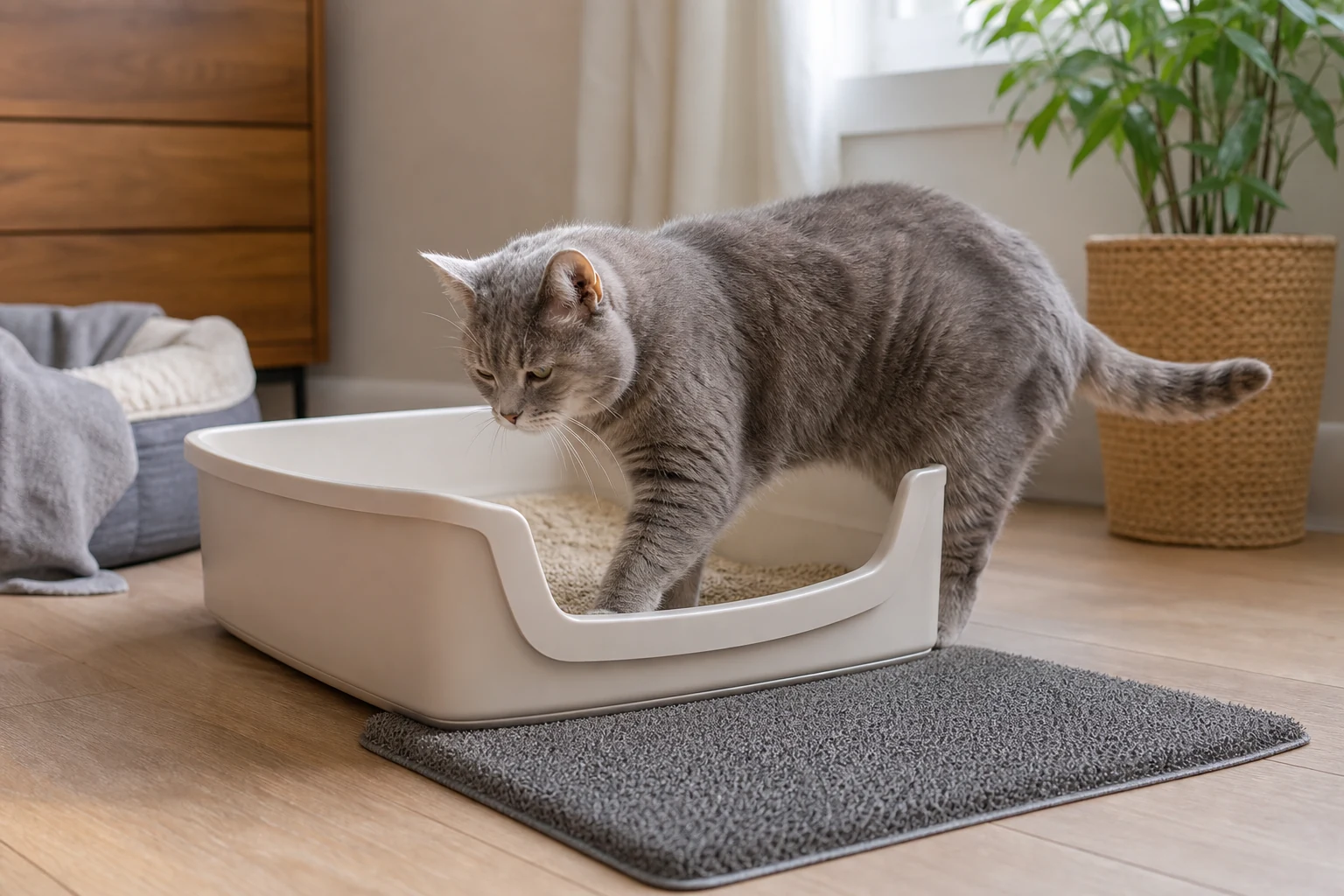
No caso de um gatinho, certifique-se de que a caixa seja fácil de encontrar e que ele consiga entrar nela sem dificuldade. Mantenha as caixas longe de cômodos perigosos e supervisione o acesso até que os hábitos da família estejam estabelecidos.
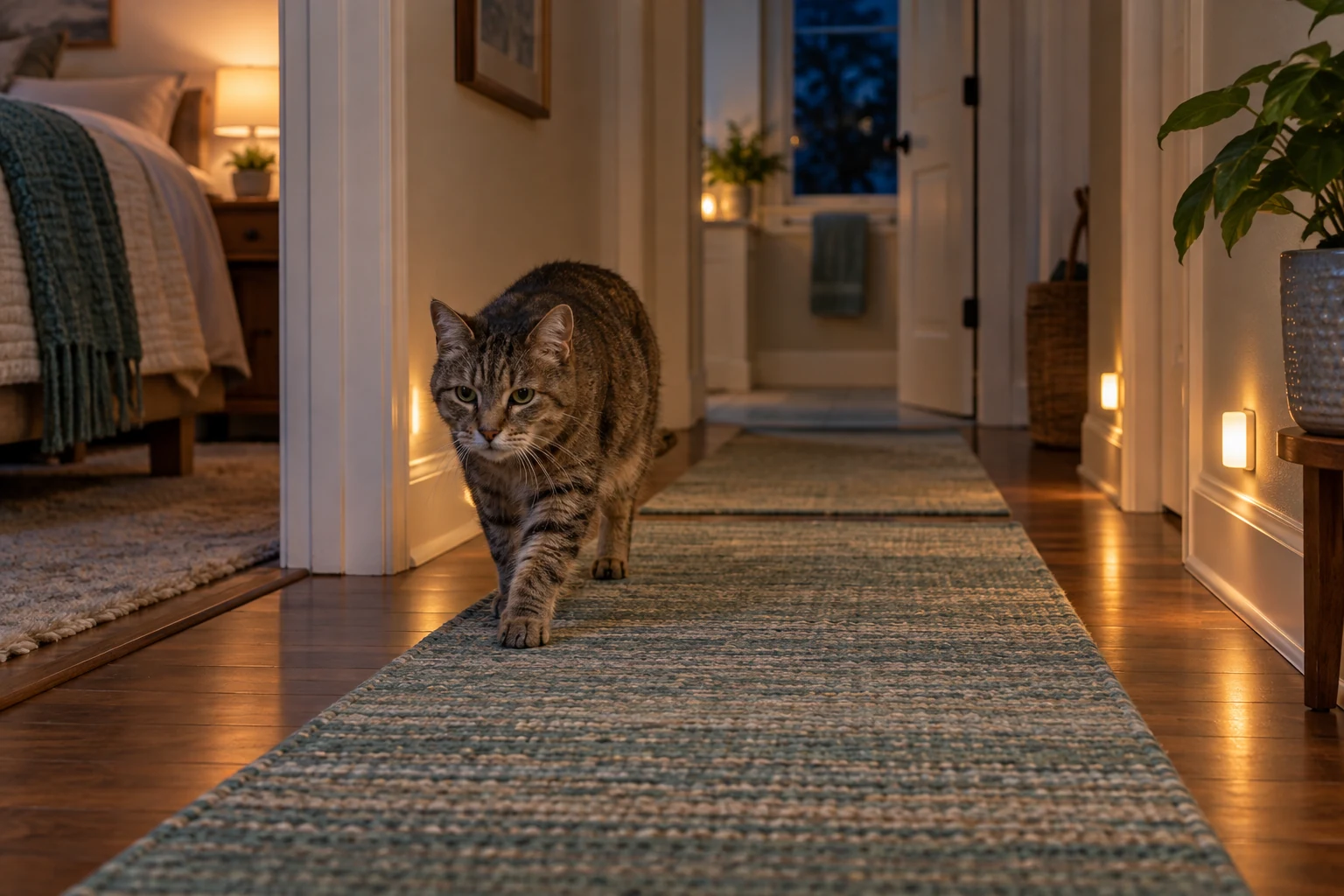
Para um gato idoso, coloque pelo menos uma caixa de areia com entrada baixa no mesmo andar em que ficam seus locais favoritos para descansar. A VCA observa que dor, rigidez, fraqueza e aumento da frequência de micção podem dificultar o acesso ou a entrada na caixa de areia.4 Uma luz noturna pode ajudar quando o caminho está escuro, enquanto um tapete antiderrapante pode aumentar a segurança em pisos escorregadios.
E se o seu gato, de repente, deixar de usar a caixa de areia?
A perda repentina do controle de esvaziamento em casa é um motivo para entrar em contato com o veterinário, especialmente quando o gato costumava usar a caixa de areia regularmente. Desconforto físico, doenças do trato urinário, constipação, diarreia, dor, alterações na mobilidade e aumento da produção de urina podem afetar o uso da caixa de areia.3
Procure atendimento veterinário de urgência se o seu gato entrar repetidamente na caixa de areia, mas produzir pouca ou nenhuma urina, fazer força, chorar, vomitar, ficar fraco ou parecer angustiado. A incapacidade de urinar pode ser uma emergência com risco de vida, especialmente em gatos machos.
Ao providenciar os cuidados, observe o seguinte:
- Se o acidente envolveu urina, fezes ou respingos em uma superfície vertical.
- Alterações na frequência, no volume, na cor ou na consistência.
- Quais caixas ainda estão sendo utilizadas?.
- Mudanças recentes relacionadas à areia para gatos, produtos de limpeza, localização, animais de estimação ou rotinas.
- Sinais de dor, perda de apetite, tendência a se esconder ou diminuição da atividade.
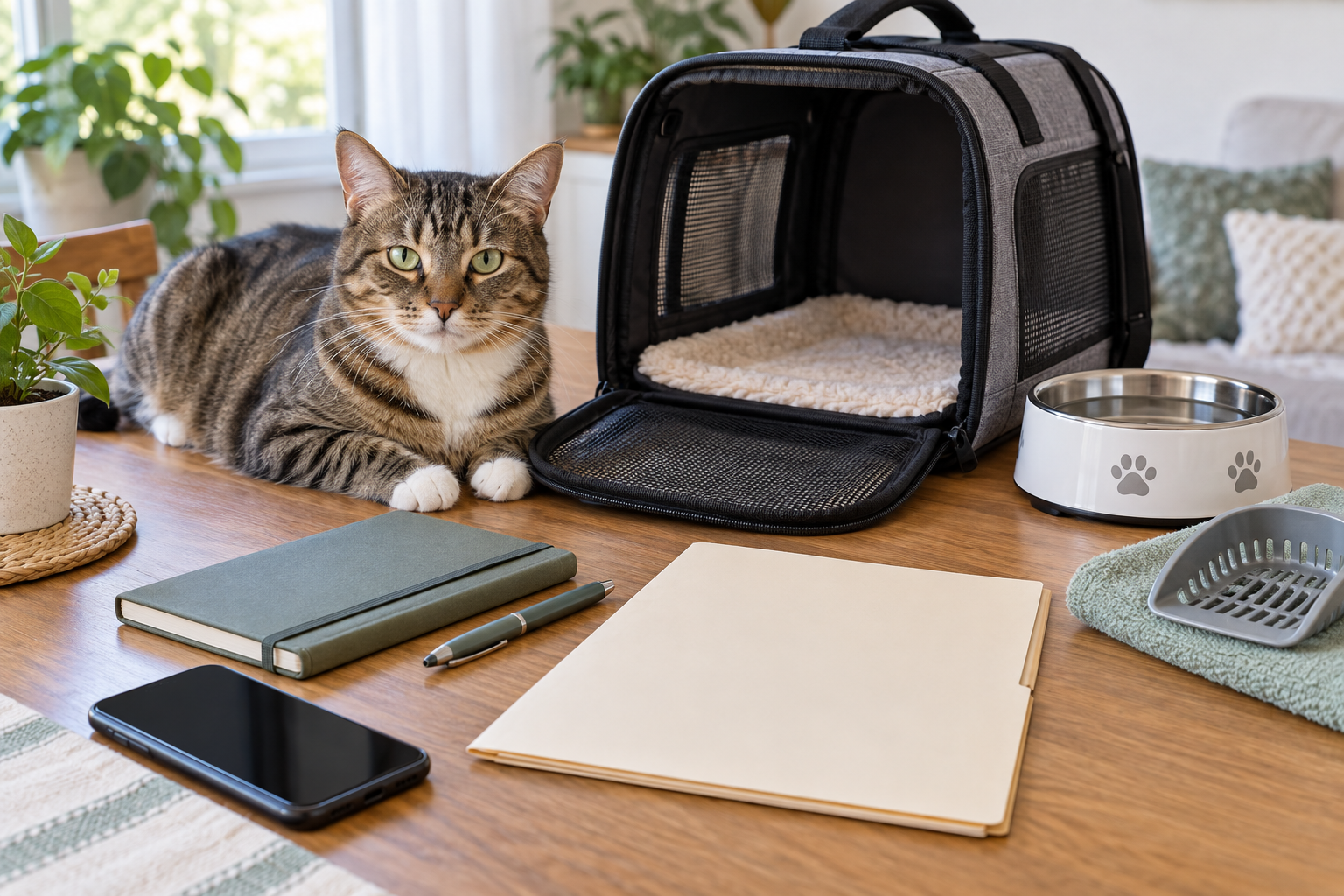
Não presuma que o gato esteja agindo por maldade. Verifique o ambiente, mas consulte um veterinário para descartar problemas de saúde antes de considerar essa mudança como algo puramente comportamental. Nossa abordagem mais ampla guias sobre saúde felina pode ajudá-lo a preparar observações úteis para essa conversa.
Conclusão: Monte um ambiente que seu gato vá preferir
A melhor disposição das caixas de areia para gatos é espaçosa, limpa, silenciosa, acessível e distribuída por toda a casa. Comece com uma caixa grande por gato mais uma extra, separe os locais, limpe a areia diariamente e adapte as entradas e os percursos à mobilidade de cada gato.
Acima de tudo, observe o comportamento do seu gato. O uso regular da caixa de areia indica que a configuração está funcionando bem; uma mudança repentina é um sinal que merece uma resposta calma e imediata.
Perguntas frequentes
Uma caixa de areia é suficiente para um gato?
Uma caixa pode ser suficiente, mas duas caixas em locais diferentes oferecem a um único gato uma alternativa quando uma delas estiver suja, inacessível ou associada a um evento assustador. A regra comum para começar é uma caixa por gato mais uma extra.
As caixas de areia devem ficar cobertas ou descobertas?
Muitos gatos se adaptam bem a caixas sem tampa, pois elas oferecem espaço, ventilação e vias de saída desobstruídas. Uma caixa com tampa pode funcionar se for realmente grande, mantida bem limpa e escolhida livremente pelo gato.
Posso colocar uma caixa de areia ao lado da máquina de lavar?
Geralmente, é melhor evitar esse local. Movimentos bruscos, vibrações e ruídos podem assustar um gato quando ele está vulnerável e fazer com que a caixa pareça um lugar inseguro.
Qual deve ser a profundidade da areia para gatos?
Comece com uma camada moderada e uniforme, que permita que seu gato cave e cubra os dejetos sem afundar muito. As preferências variam, portanto, ajuste gradualmente e observe qual profundidade seu gato usa com mais conforto.
Por que meu gato usa uma caixa de areia, mas ignora a outra?
A caixa de areia ignorada pode apresentar diferenças em termos de tamanho, tipo de areia, limpeza, acessibilidade ou sensação de segurança. Compare um fator de cada vez e lembre-se de que duas caixas próximas podem parecer um único local para o seu gato.
Referências
[1] Associação de Medicina Veterinária Felina e Sociedade Internacional de Medicina Felina. (2014). Diretrizes da AAFP/ISFM de 2014 para o diagnóstico e tratamento do comportamento de urinar em locais inadequados em gatos. Leia as orientações
[2] Iniciativa para Animais de Estimação que Vivem dentro de Casa da Universidade Estadual de Ohio. (2026). Caixas de areia. Leia as orientações sobre a caixa de areia
[3] Centro de Saúde Felina da Cornell. (2026). Problemas de comportamento felino: Sujeira na casa. Leia o guia da Cornell
[4] Hospitais Veterinários VCA. (2026). Problemas de comportamento em gatos: fazer suas necessidades dentro de casa. Leia o guia da VCA
 EN
EN DE
DE ES
ES PT
PT