
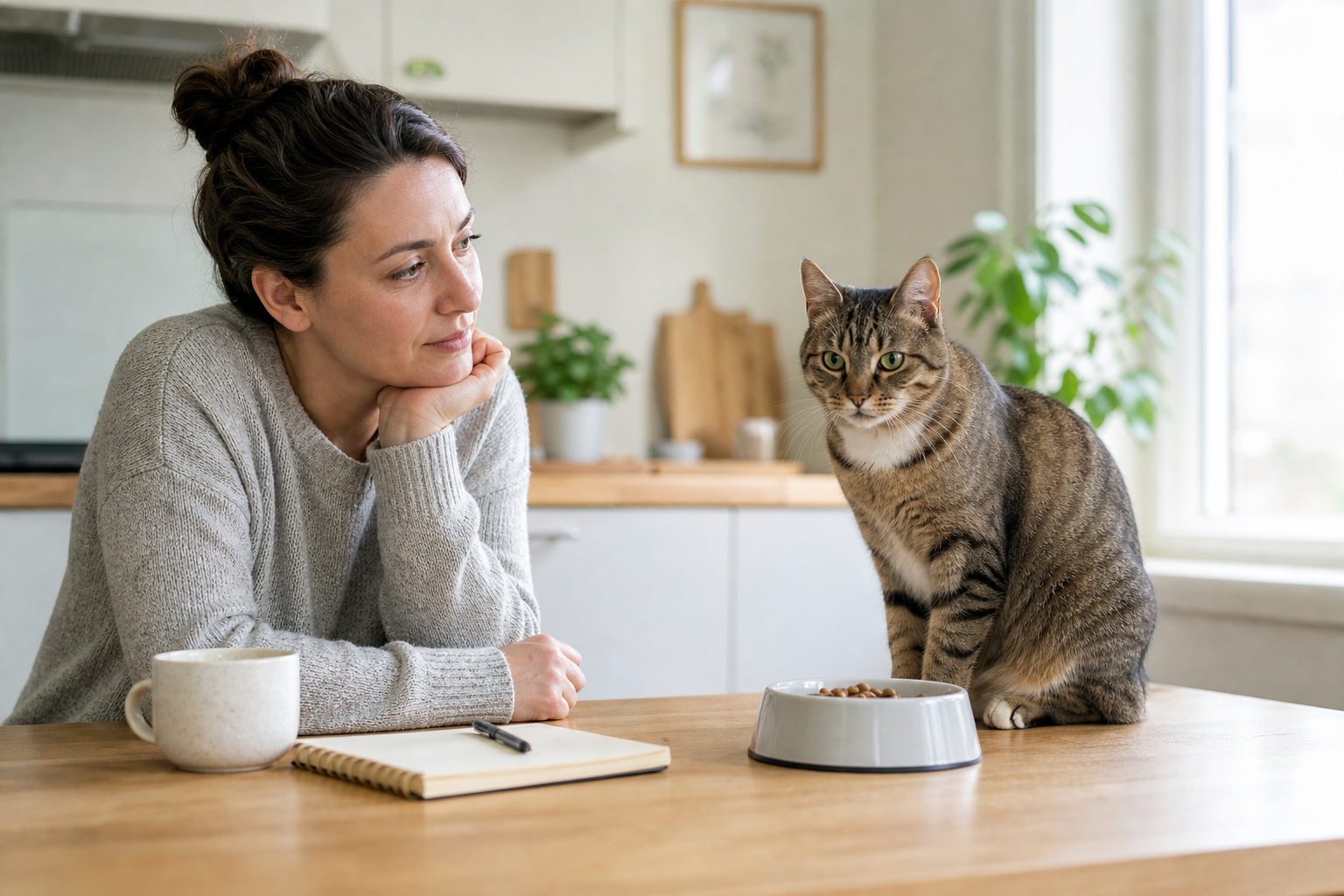
An isolated vomiting episode can happen when a cat eats too quickly or brings up a hairball, but repeated vomiting is not normal and can signal illness, obstruction, poisoning, or another problem that needs veterinary care. The safest response depends on what happened, how often it is happening, and whether your cat has other symptoms.
This guide helps you tell vomiting from regurgitation or coughing, recognize emergency warning signs, and collect useful information for your veterinarian. It cannot diagnose your cat, and you should not give medication or try to induce vomiting unless a veterinarian or poison-control professional specifically directs you.
Índice
- Is your cat vomiting, regurgitating, or coughing?
- What commonly causes a cat to vomit?
- Are hairballs a normal reason for vomiting?
- Could food be making your cat vomit?
- What symptoms make vomiting more concerning?
- When is cat vomiting an emergency?
- What should you track after your cat vomits?
- What should you avoid doing at home?
- Conclusion: Know when vomiting needs veterinary care
- Perguntas frequentes
- Referências
Is your cat vomiting, regurgitating, or coughing?
Vomiting usually involves nausea, drooling, repeated swallowing, abdominal heaving, and forceful expulsion of stomach contents. Regurgitation is more passive: undigested food or liquid may come up soon after eating without obvious abdominal effort. Coughing can look similar from across the room because a cat may crouch, extend the neck, and make hacking movements.
These differences matter because they point your veterinarian toward different body systems. A video is often more useful than trying to describe the motion from memory. If the episode looks respiratory, compare the pattern with our guide to coughing versus vomiting, especially if you notice wheezing or breathing changes.
| O que você percebe | Vômito | Regurgitation | Coughing |
|---|---|---|---|
| Effort | Abdominal heaving is common | Often passive and sudden | Chest or throat movements |
| Material | Food, liquid, foam, bile, or hair | Often undigested food or liquid | Usually no food; may produce foam |
| Cronograma | Any time | Often soon after eating | May follow activity or occur in spells |
| O melhor próximo passo | Track details and symptoms | Record timing and food pattern | Video the episode and call a vet if repeated |
What commonly causes a cat to vomit?
Cat vomiting has many possible causes, ranging from a short-lived stomach upset to serious disease. Cornell notes that vomiting can accompany gastrointestinal problems, parasites, foreign material, toxins, medication effects, and diseases affecting organs outside the digestive tract 1.
Possible causes include:
- Eating too quickly, overeating, or a sudden food change.
- Hairballs or swallowed material.
- Dietary intolerance or spoiled food.
- Intestinal parasites.
- Inflammation of the stomach or intestines.
- Foreign-body obstruction from string, ribbon, toys, or other objects.
- Pancreatic, kidney, liver, endocrine, or other systemic disease.
- Medication reactions or toxin exposure.
The appearance of vomit rarely proves the cause by itself. Clear liquid, foam, bile, food, or hair can provide clues, but frequency and the cat's overall condition matter more than color alone.
Are hairballs a normal reason for vomiting?
An occasional hairball can occur because cats swallow loose fur while grooming, but frequent hairballs, repeated unproductive retching, or ongoing vomiting should not be dismissed as normal. Cornell advises veterinary consultation when hairballs occur frequently or are accompanied by repeated retching, lethargy, reduced appetite, constipation, or diarrhea 4.
A true hairball is usually a damp, tube-shaped mass of compacted fur. If your cat repeatedly hacks without producing hair, the episode may be coughing or unproductive retching instead. Record a video and arrange veterinary evaluation rather than assuming every hacking sound is a hairball.
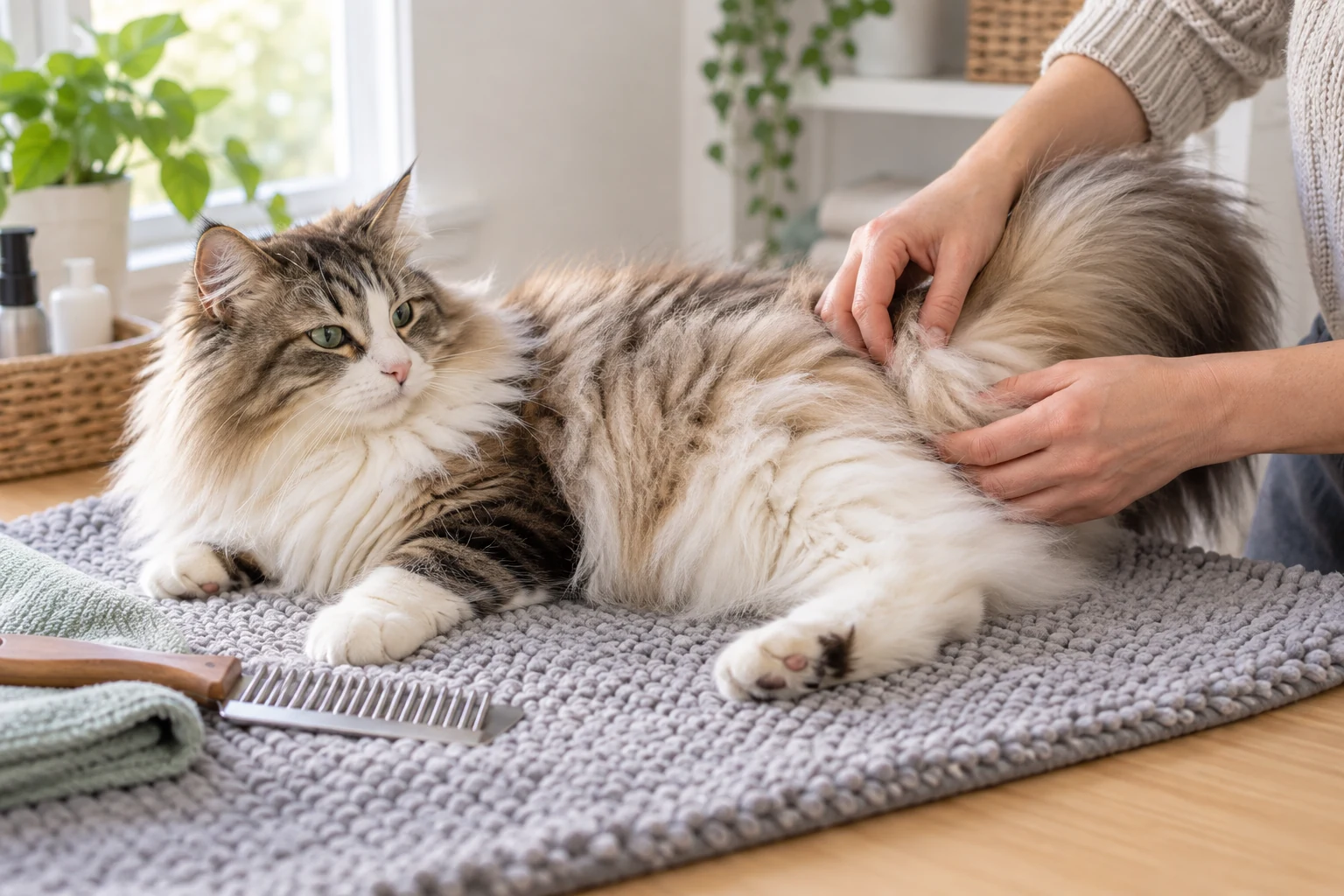
Regular brushing may reduce swallowed loose fur, but it does not explain or treat repeated vomiting. Never give a hairball product, laxative, oil, or supplement without checking that it is appropriate for your individual cat.
Could food be making your cat vomit?
Food can be involved when a cat eats too quickly, receives an abrupt diet change, gets into spoiled food, or does not tolerate an ingredient. However, recurring vomiting should not be managed by cycling through foods indefinitely because the cause may not be dietary.
If vomiting follows meals, note the exact food, portion, timing, treats, and whether the material looks digested. Ask your veterinarian before making a major diet change, especially for kittens, seniors, cats with chronic disease, or cats that are losing weight. Our guides to escolhendo ração saudável para gatos e storing wet cat food safely can help you review the basics without replacing veterinary care.
Do not deliberately withhold food for a prolonged period unless your veterinarian instructs you to do so. Cats that do not eat can become seriously ill, and a cat that cannot keep food or water down needs prompt professional advice.
What symptoms make vomiting more concerning?
Vomiting is more concerning when it repeats, persists, or appears with changes in appetite, hydration, stool, urination, weight, energy, or behavior. Merck explains that the severity and duration of vomiting, plus associated signs and examination findings, guide diagnostic decisions 2.
Call your veterinarian promptly if vomiting occurs with:
- Reduced appetite or refusal to eat.
- Diarrhea, constipation, blood in stool, or black tarry stool.
- Weight loss, increased thirst, or increased urination.
- Lethargy, hiding, weakness, pain, or a tense abdomen.
- Repeated retching, drooling, or difficulty swallowing.
- Vomiting that keeps returning over days or weeks.
Digestive signs often overlap. A tabela de cores das fezes de gato can help you describe stool changes, while our guide to chronic diarrhea in cats explains why persistent diarrhea deserves evaluation.
When is cat vomiting an emergency?
Seek urgent veterinary care when your cat is repeatedly vomiting, cannot keep water down, may have swallowed a foreign object, may have contacted a toxin, or is showing rapid decline. Kittens, senior cats, and cats with chronic disease can deteriorate faster.
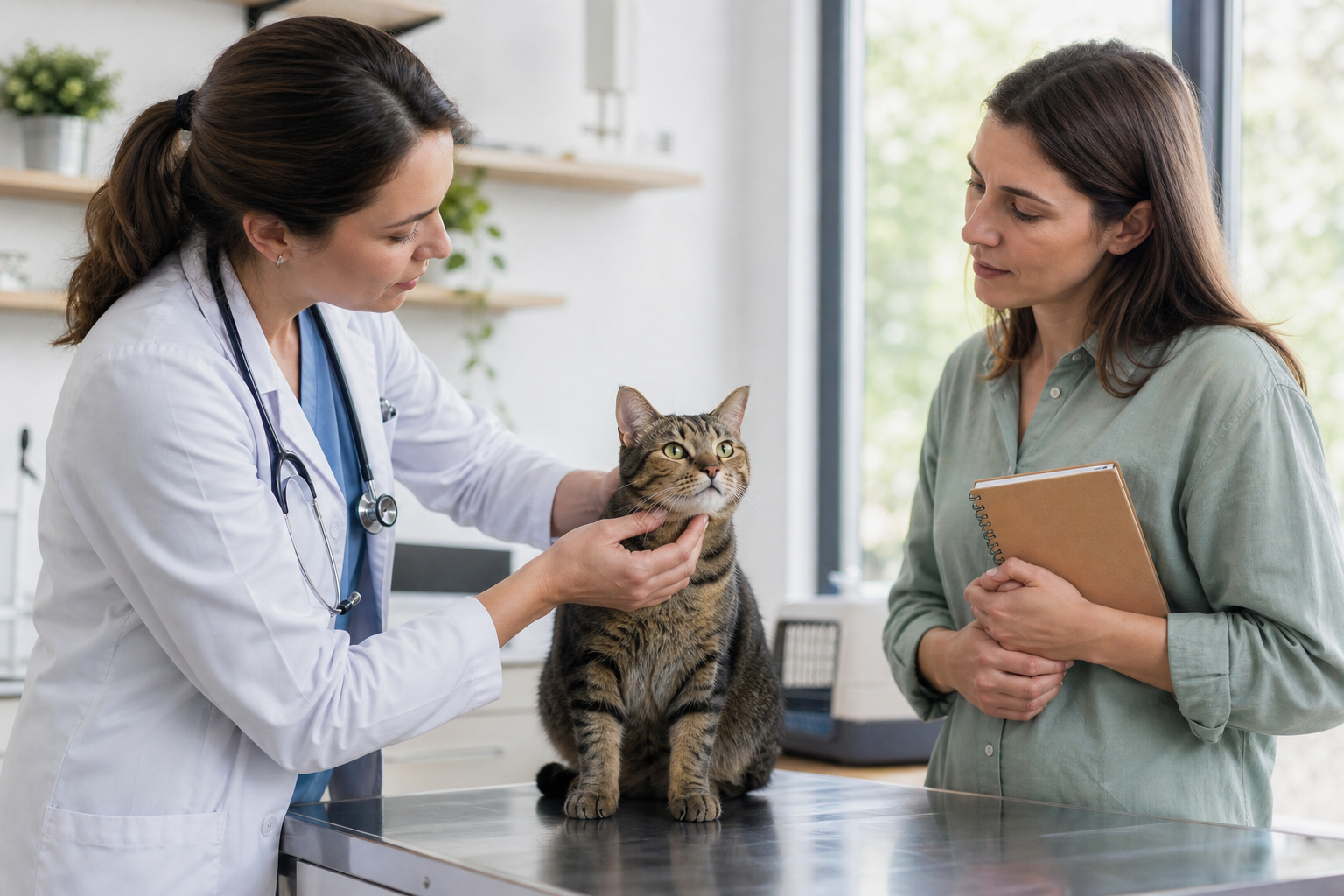
Go to an emergency veterinarian now for:
- Trouble breathing, collapse, seizures, severe weakness, or unresponsiveness.
- Suspected poisoning or medication exposure.
- Suspected string, ribbon, thread, toy, bone, or other foreign-body ingestion.
- Blood in vomit, dark coffee-ground-like material, or repeated forceful vomiting.
- A swollen or painful abdomen.
- Repeated vomiting with inability to keep water down.
- Vomiting plus inability to urinate, severe dehydration, or rapid decline.
VCA advises urgent assessment when vomiting is severe, persistent, or accompanied by signs such as weakness, dehydration, fever, abdominal pain, weight loss, or blood 3. Use our broader guias sobre saúde felina for education, but do not delay emergency care to keep researching.
If string or thread is visible from the mouth or anus, do not pull it. Pulling can cause severe internal injury. Keep your cat from chewing it and seek urgent veterinary care.
What should you track after your cat vomits?
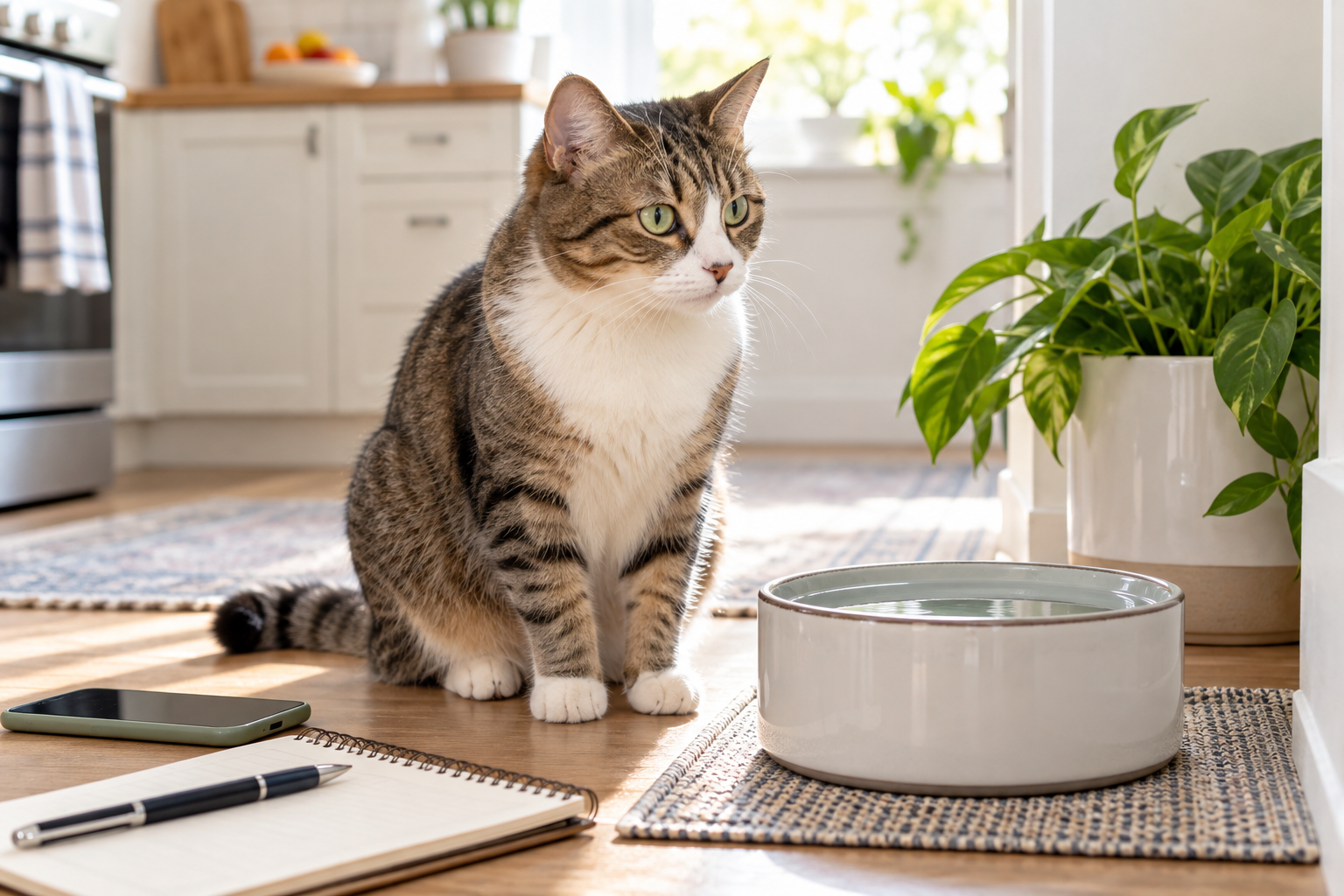
Track the event immediately so you can report an accurate pattern. One short video, a photo of the material, and a concise symptom log can help your veterinarian decide what testing or care is appropriate.
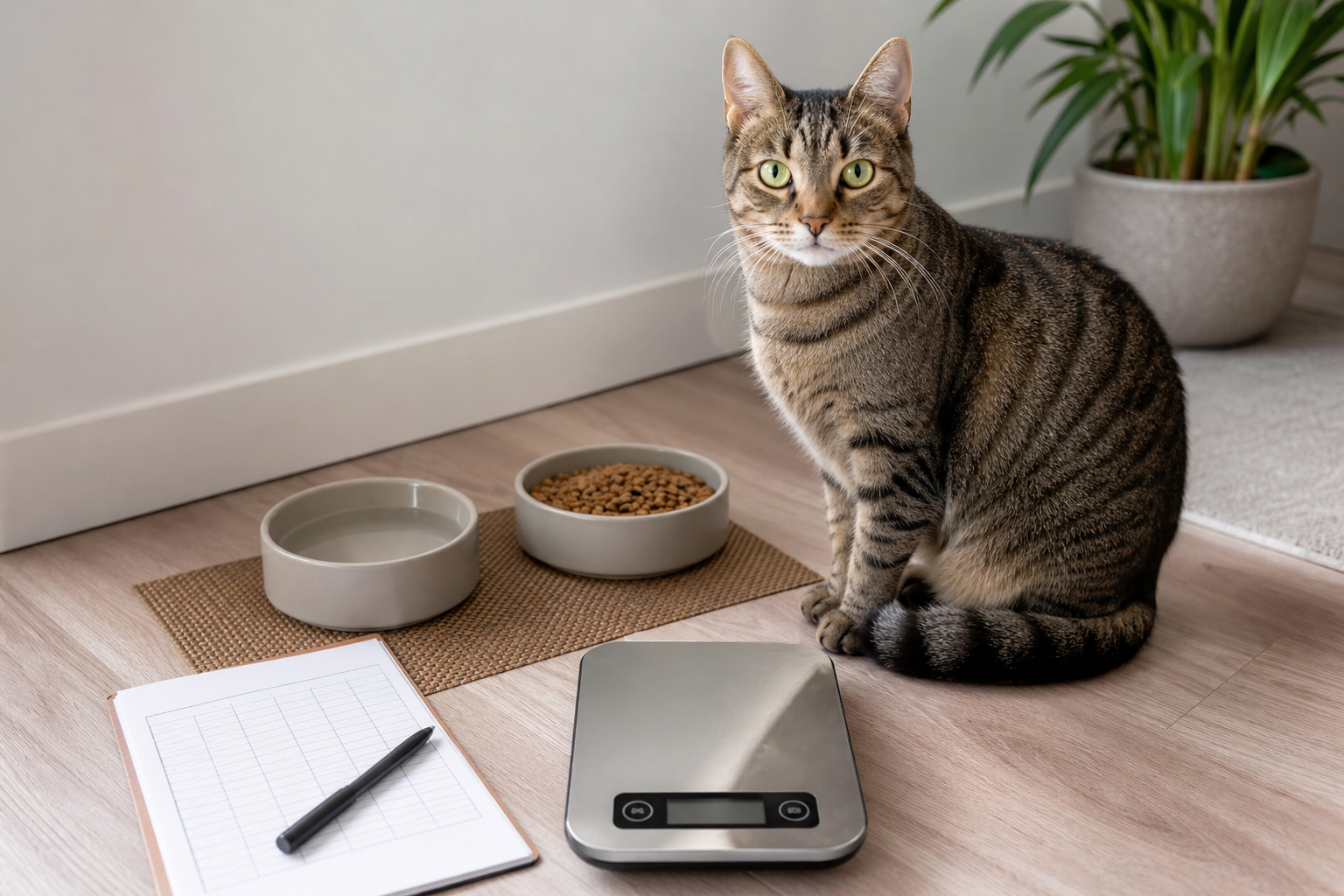
Registro:
- Date, time, and number of episodes.
- What happened before the episode and whether your cat had just eaten.
- Whether there was heaving, passive regurgitation, or coughing.
- What came up: food, liquid, foam, bile, hair, blood, or possible foreign material.
- Appetite, water intake, urination, stool, energy, and behavior.
- Recent foods, treats, medications, plants, chemicals, or objects your cat could access.
- Your cat's recent weight and any known health conditions.
Do not wait for a perfect log if your cat has an emergency warning sign. The log supports veterinary care; it does not replace it.
What should you avoid doing at home?
Avoid unverified remedies and do not give human medication. Many common medicines and substances are unsafe for cats, and inducing vomiting can be dangerous or ineffective depending on what was swallowed.
Não faça o seguinte:
- Give hydrogen peroxide to make a cat vomit.
- Give human anti-nausea, pain, stomach, or diarrhea medicine.
- Pull visible string or thread.
- Force food or water into a nauseated or weak cat.
- Assume repeated vomiting is simply a hairball.
- Delay veterinary care while repeatedly changing foods or trying supplements.
Call your veterinarian or an animal poison-control service immediately after a possible toxin exposure. Bring the package, plant name, medication label, or a photo when possible.
Conclusion: Know when vomiting needs veterinary care
One isolated vomiting episode in an otherwise normal cat may be brief, but repeated vomiting, vomiting with other symptoms, or any possible toxin or foreign-body exposure needs veterinary attention. Focus on the pattern, your cat's overall condition, and emergency warning signs rather than trying to diagnose the cause from the vomit alone.
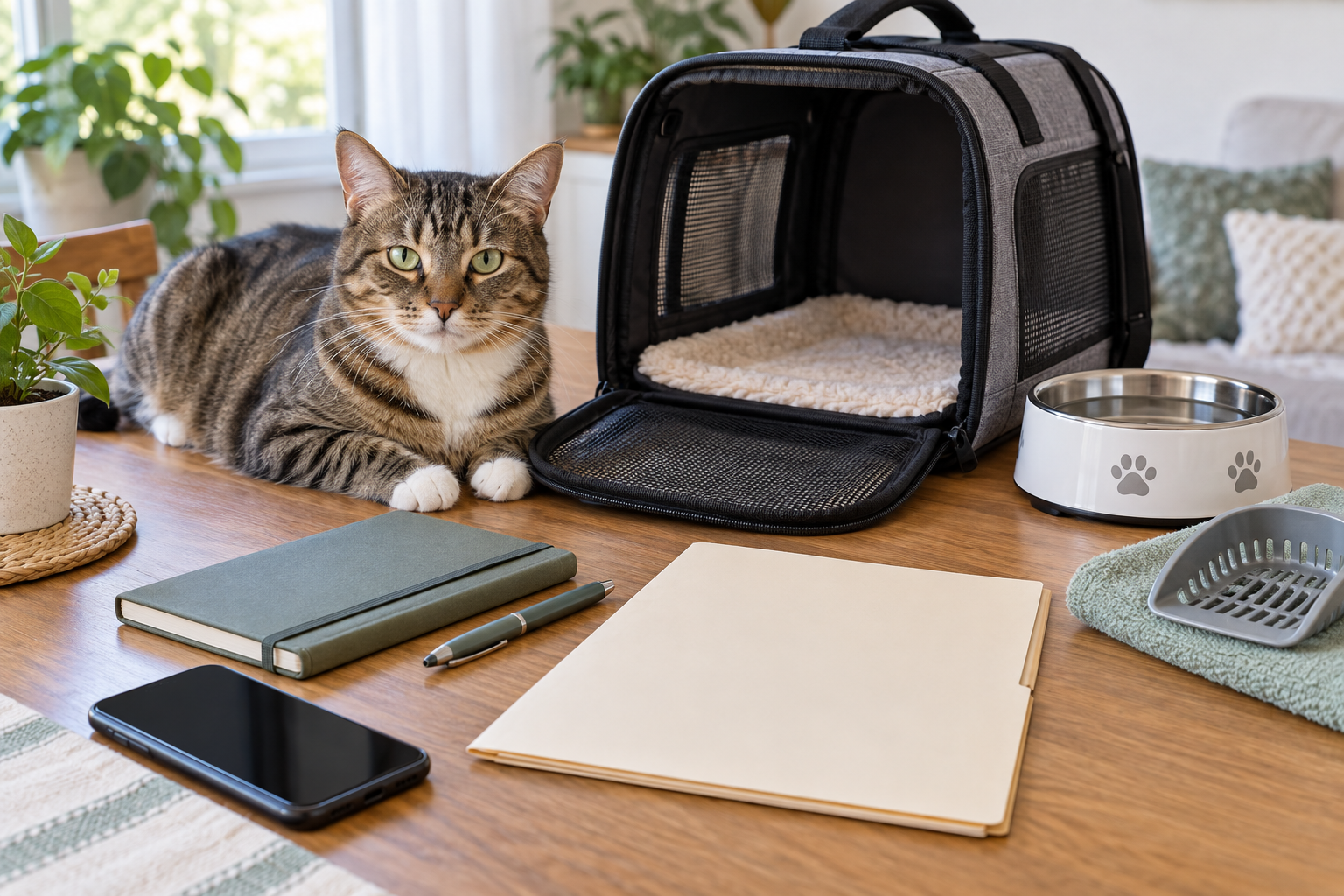
Record a video and useful details, keep unsafe remedies out of the plan, and call a veterinarian promptly whenever your cat is unwell or the vomiting returns.
Perguntas frequentes
Why is my cat vomiting undigested food?
Undigested food may appear after vomiting or passive regurgitation, especially soon after eating. Eating quickly can contribute, but repeated episodes can also indicate an esophageal, gastrointestinal, or other medical problem. Record the timing and motion, then contact your veterinarian if it recurs.
Why is my cat vomiting yellow liquid?
Yellow liquid may be bile, but color alone cannot identify the cause. If the vomiting repeats, your cat cannot keep water down, or you notice appetite loss, pain, lethargy, diarrhea, or another change, contact a veterinarian promptly.
How often is too often for a cat to vomit?
Repeated episodes in a day, vomiting that returns over days or weeks, or any vomiting paired with other symptoms deserves veterinary advice. Frequent vomiting should not be considered normal simply because a cat has produced hairballs before.
Should I feed my cat after vomiting?
Do not force food or water and do not withhold food for a prolonged period without veterinary guidance. Call your veterinarian for an individual plan, especially if your cat vomits again, refuses food, cannot keep water down, or has another health condition.
Can I give my cat hydrogen peroxide to make them vomit?
No. Hydrogen peroxide is not a safe home method for inducing vomiting in cats. Contact a veterinarian or animal poison-control service immediately after a suspected toxin exposure and follow their instructions.
Referências
[1] Centro de Saúde Felina da Cornell. (2026). Vômito. Read Cornell's feline vomiting guide
[2] Manual Veterinário da Merck. (2025). Vomiting in Small Animals. Leia a visão geral do Manual Veterinário da Merck
[3] Hospitais Veterinários VCA. (2026). Vomiting in Cats. Read the VCA vomiting guide
[4] Centro de Saúde Felina da Cornell. (2026). Bolas de pelo. Read Cornell's hairball guidance
 EN
EN DE
DE ES
ES PT
PT