
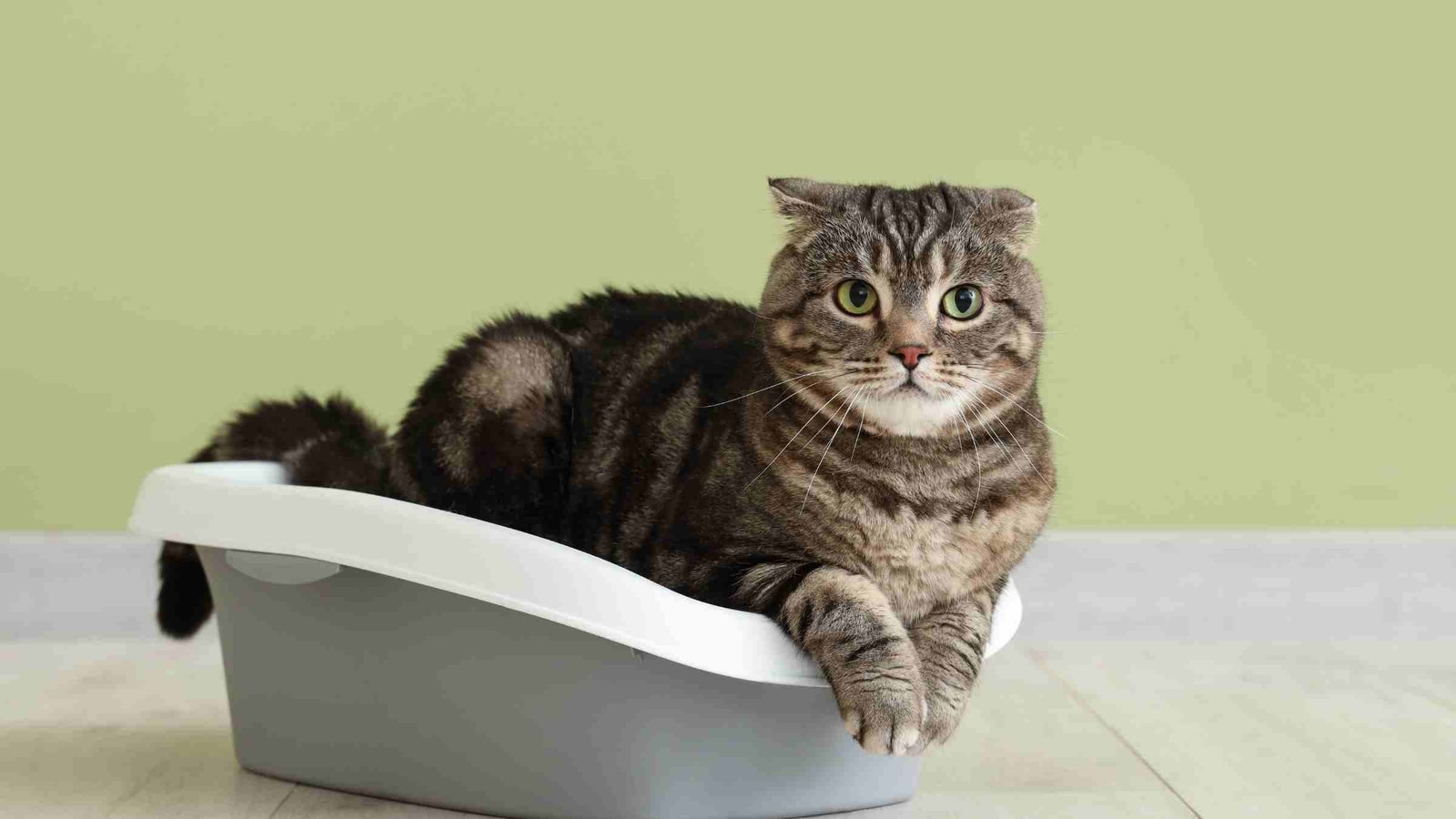
Na maioria das vezes, as fezes de um gato saudável são de cor marrom médio a escuro, bem formadas e fáceis de recolher. Uma única evacuação anômala pode ocorrer após uma mudança na alimentação, o consumo de um petisco, estresse ou uma leve indisposição estomacal. Procure um veterinário imediatamente se as fezes forem pretas e pegajosas, contiverem muito sangue fresco, forem cinza-claro ou brancas, forem acompanhadas de vômitos repetidos, diarreia grave, fraqueza, desidratação, dor ou se o seu gato não conseguir evacuar.
Use este quadro para descrever o que você observa, e não para diagnosticar seu gato em casa. A cor das fezes é mais importante quando combinada com a consistência, a frequência, o odor, o apetite, a energia, os vômitos, a ingestão de água, peso mudanças e comportamento na caixa de areia.
Índice
- Tabela de cores das fezes de gato: significado rápido e o que fazer a seguir
- Como deve ser o cocô normal de um gato?
- Quando devo ligar para o veterinário agora?
- O que cada cor das fezes de gato pode significar
- Por que a consistência é tão importante quanto a cor
- O que verificar antes de ligar para o veterinário
- Casos especiais: gatinhos, gatos idosos e gatos com problemas de saúde
- Como promover fezes normais com segurança
- Perguntas frequentes
- Referências
Tabela de cores das fezes de gato: significado rápido e o que fazer a seguir
A cor das fezes do gato dá pistas, mas não confirma a causa. Use a cor como um indicador de gravidade: fezes marrons normais geralmente podem ser acompanhadas, enquanto fezes pretas, vermelhas, cinza-claras, brancas ou diarreia persistente exigem consulta veterinária imediata.
| Cor ou aspecto das fezes do gato | O que isso pode sugerir | O que fazer em seguida |
|---|---|---|
| Castanho médio a escuro, formado | Muitas vezes normal | Mantenha a alimentação normal e observe os hábitos habituais do gato em relação à caixa de areia. |
| Castanho muito escuro, mas bem definido | Pode estar relacionado à alimentação ou ser uma constipação leve | Fique atento para ver se o seu gato está animado e comendo; ligue para o veterinário se isso persistir ou se as fezes ficarem duras. |
| Fezes pretas, com aspecto de alcatrão e pegajosas | Possível sangue digerido proveniente de uma parte superior do trato digestivo | Ligue para um veterinário com urgência, especialmente se houver fraqueza, vômitos, gengivas pálidas ou perda de apetite. |
| Sangue vermelho vivo nas fezes ou na areia | É possível haver sangue fresco próximo ao cólon, ao reto ou ao ânus | Ligue para o veterinário, especialmente se for mais do que um pequeno traço de sangue, se for recorrente ou se vier acompanhado de diarreia ou esforço ao evacuar. |
| Fezes amarelas ou cor de mostarda | Passagem rápida pelo intestino, mudança na dieta, distúrbios digestivos, problemas hepáticos ou biliares, ou outras causas | Entre em contato com o veterinário se isso se repetir, se o vômito for aquoso ou se vier acompanhado de alterações no apetite ou na energia. |
| Fezes verdes | A cor da dieta, a presença de grama, a bile, o trânsito intestinal acelerado ou distúrbios digestivos podem estar envolvidos | Fique atento a uma evacuação normal isolada; entre em contato se isso se repetir, se a evacuação for aquosa ou se o seu gato parecer não estar bem. |
| Banqueta laranja | Podem estar envolvidos a cor das fezes, alterações relacionadas à bile ou distúrbios digestivos | Entre em contato com o veterinário se o sintoma persistir ou se for acompanhado de vômitos, falta de apetite ou gengivas/olhos amarelados. |
| Fezes de cor cinza claro, argilosa ou branca | Possível problema relacionado à bile, ao fígado, à vesícula biliar, ao pâncreas ou à absorção | Ligue imediatamente para o veterinário. Não espere vários dias se as fezes estiverem realmente claras ou brancas. |
| Fezes com muco | Pode haver irritação ou inflamação do cólon | Ligue se a diarreia for recorrente, contiver sangue, for aquosa ou for acompanhada de esforço ao evacuar. |
| Vermes ou segmentos semelhantes a grãos de arroz | Possíveis parasitas intestinais | Marque uma consulta com o veterinário e leve uma amostra recente de fezes. |
| Cabelo, fio, plástico ou material estranho | Risco de engasgo, ingestão de objetos ou corpos estranhos | Entre em contato com o veterinário se o problema se repetir, se for possível ver o fio saindo do ânus ou se ocorrer vômito ou perda de apetite. |
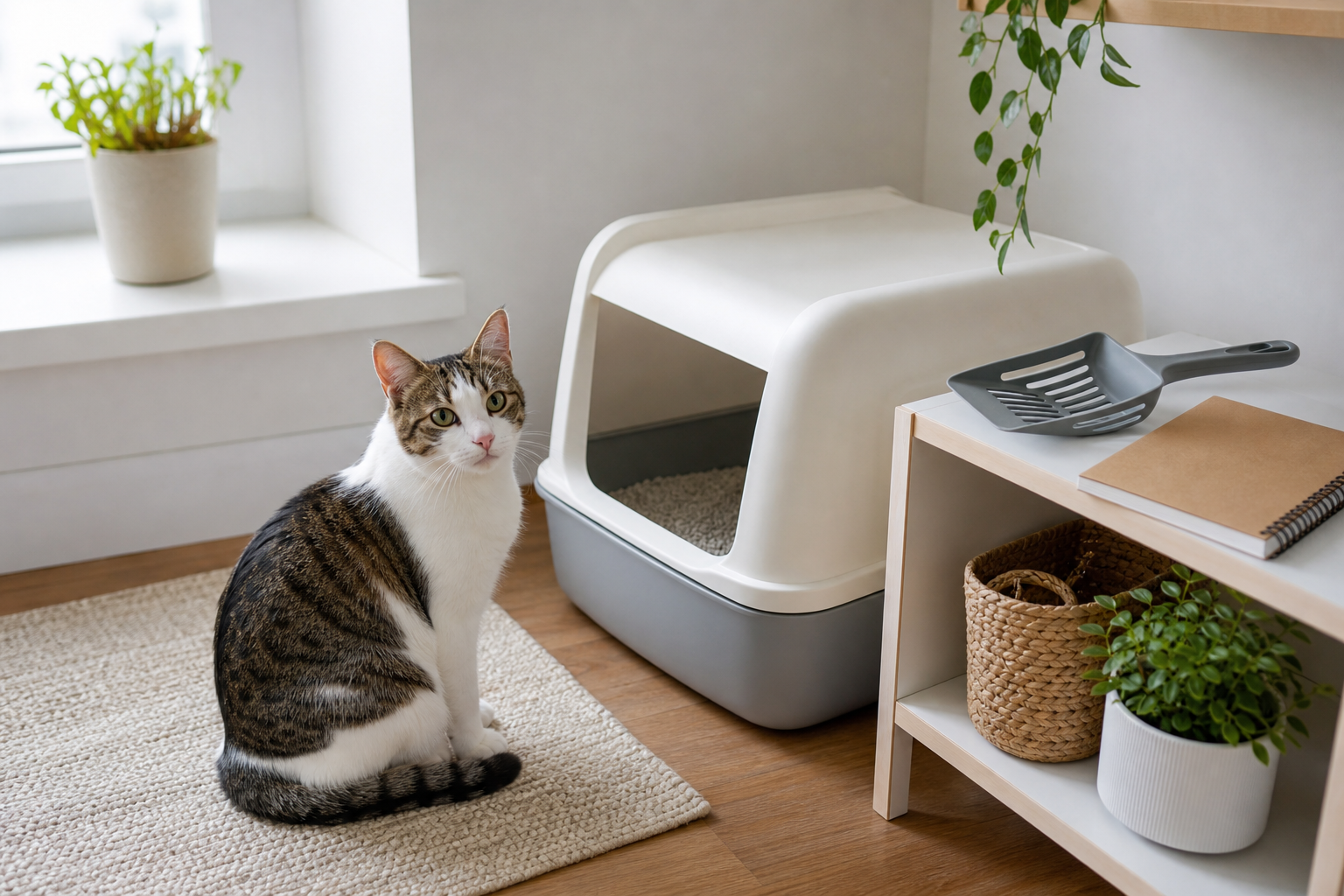
Se o seu gato estiver com diarreia aquosa, este gráfico combina bem com o da SnuggleSouls’ Guia sobre diarreia em gatos. Se o gato for um gatinho, use o Guia sobre diarreia em gatinhos como medida preventiva enquanto providencia os cuidados veterinários, pois os gatinhos podem ficar desidratados rapidamente.
Como deve ser o cocô normal de um gato?
As fezes normais de gato costumam ser marrons, com formato de tronco ou pequenos pedaços, úmidas, mas não aquosas, e firmes o suficiente para serem recolhidas sem deixar poças ou manchas. Não devem ser duras como pedra, escorregadias, oleosas, cobertas de muco ou com sangue.
Uma lista de verificação prática do “normal”:
- Cor marrom, variando do marrom médio ao marrom escuro.
- Forma moldada que se mantém unida.
- Odor suave, sem cheiro repentino de podridão ou acidez incomum.
- O bebê nasceu sem dor aparente, sem choro e sem esforços repetidos.
- Não há grande quantidade de sangue, muco, vermes ou materiais estranhos.
- Seu gato está comendo, bebendo, brincando, se limpando e se comportando normalmente.
É normal que haja alguma variação. Um novo alimento, um petisco roubado, estresse, ingestão de pelos ou um distúrbio digestivo temporário podem alterar as fezes. O risco aumenta quando a alteração se repete, piora ou surge acompanhada de outros sintomas.
Quando devo ligar para o veterinário agora?
Entre em contato com um veterinário imediatamente se as alterações na cor das fezes forem acompanhadas de sinais de emergência, ou se a cor sugerir a presença de sangue, problemas no fluxo biliar, diarreia grave, desidratação ou uma possível obstrução.
Procure orientação veterinária imediata se observar:
- Fezes pretas, com aspecto de alcatrão e pegajosas.
- Uma grande quantidade de sangue vermelho fresco, sangue repetido ou sangue misturado com diarreia.
- Fezes de cor cinza claro, cor de argila ou brancas.
- Diarreia aquosa recorrente, intensa ou explosiva.
- Vômito mais de uma vez, especialmente acompanhado de diarreia.
- Fraqueza, colapso, escondido, letargia grave ou dor.
- Recusa em comer, especialmente por 24 horas ou mais.
- Sinais de desidratação, como gengivas pegajosas, olhos encovados ou fraqueza incomum.
- Esforçar-se na caixa de areia sem conseguir evacuar ou urinar.
- Um fio, uma fita, um fio de costura ou outro objeto pendurado no ânus.
- Um gatinho, um gato idoso, uma gata grávida ou em lactação, ou um gato com uma condição médica conhecida que apresente fezes anormais.
Não puxe fios ou cordões da boca ou do ânus do seu gato. Eles podem estar presos no interior do trato digestivo, e puxá-los pode causar lesões. Ligue para o seu veterinário ou para uma clínica de emergência.
O que cada cor das fezes de gato pode significar
Cada cor das fezes pode ter várias causas possíveis. A interpretação mais segura é: “o que essa cor pode me ajudar a relatar ao veterinário?”, em vez de “que doença meu gato tem?”.”
Fezes de gato marrons
Fezes marrons e bem formadas são geralmente normais. Se as fezes forem marrons, mas moles, aquosas, muito duras, oleosas ou cobertas de muco, preste atenção à consistência e ao comportamento geral do seu gato.
Observe se o seu gato está animado, se está comendo e bebendo, e se a mudança ocorre apenas uma vez. Entre em contato com o veterinário se a diarreia marrom se repetir, durar mais de um dia ou for acompanhada de vômitos, perda de apetite, perda de peso ou letargia. A diarreia pode ser causada por mudanças na alimentação, parasitas, infecções, doenças inflamatórias, medicamentos, estresse ou outras condições 1, 2.
Fezes de gato preto
Fezes pretas, com aspecto de alcatrão e pegajosas são motivo de preocupação, pois podem indicar a presença de sangue digerido. Esse tipo de fezes costuma ter uma cor mais escura do que o marrom escuro comum e pode apresentar uma textura pegajosa, semelhante a alcatrão.
Ligue para o veterinário imediatamente se notar fezes pretas e pegajosas, especialmente se o seu gato estiver fraco, pálido, sem apetite, vomitando ou demonstrando sinais de dor. Não presuma que se trata apenas de um problema relacionado à cor da comida, a menos que o veterinário ajude a descartar causas mais graves.
Sangue vermelho nas fezes do gato
Sangue vermelho vivo pode aparecer na forma de manchas nas fezes, gotas na areia higiênica ou muco vermelho. Isso pode ser causado por irritação na região do cólon, do reto ou do ânus, mas a causa pode variar de leve a grave.
Pequenas manchas de sangue em fezes de consistência firme podem não ser motivo de preocupação se o seu gato estiver bem, mas a presença repetida de sangue, uma grande quantidade de sangue, sangue acompanhado de diarreia ou sangue associado a esforço ao defecar deve ser avaliada. Leve uma foto e uma amostra recente de fezes, caso a clínica solicite.
Fezes amarelas de gato
As fezes amareladas podem ocorrer quando as fezes passam rapidamente pelo trato digestivo, mas também podem surgir em caso de distúrbios digestivos ou outros problemas de saúde. A cor por si só não é suficiente para identificar a causa.
Entre em contato com o veterinário se as fezes amareladas forem aquosas, recorrentes, malcheirosas, oleosas ou acompanhadas de vômito, perda de peso, falta de apetite ou falta de energia. Se o seu gato mudou de ração recentemente, anote a data e os ingredientes para que o veterinário possa interpretar o padrão.
Fezes verdes de gato
As fezes verdes podem ocorrer após a ingestão de grama ou de alimentos de cor verde, mas também podem surgir quando o trânsito intestinal é muito rápido ou quando a digestão é prejudicada.
Se o seu gato evacuar uma vez, com fezes esverdeadas, mas bem formadas, e parecer normal, observe a próxima vez que ele for à caixa de areia. Ligue para o veterinário se as fezes forem aquosas, se houver evacuações repetidas, se houver sangue nas fezes ou se isso for acompanhado de vômito, falta de apetite, tendência a se esconder ou fraqueza.
Fezes de gato laranja
Fezes alaranjadas podem ser resultado da cor dos alimentos, de alterações relacionadas à bile ou de distúrbios digestivos. É importante prestar mais atenção se for um quadro novo e recorrente, em vez de uma mudança pontual de cor após a ingestão de um alimento específico.
Ligue imediatamente se as fezes ficarem alaranjadas acompanhadas de amarelecimento das gengivas, das orelhas ou dos olhos; vômitos; perda de apetite; dor; fraqueza; ou fezes muito claras. Esses sinais podem indicar algo mais grave do que uma simples alteração na cor das fezes.
Fezes de gato cinza-claro, cor de argila ou brancas
Fezes de cor cinza-claro, cor de argila ou brancas não são comuns em gatos. Isso pode estar relacionado a problemas no fluxo biliar, na digestão ou na absorção, entre outras possibilidades.
Entre em contato com o veterinário imediatamente se as fezes estiverem muito claras, cinzas, com cor de argila ou brancas. Se possível, tire uma foto nítida sob luz natural, pois a poeira da areia higiênica e a iluminação interna podem fazer com que as fezes marrons pareçam mais claras do que realmente são.
Muco nas fezes do gato
O muco se apresenta como uma camada brilhante e gelatinosa ou uma gota nas fezes. Uma pequena quantidade pode ocorrer ocasionalmente devido a irritação, mas a presença repetida de muco pode indicar inflamação do cólon ou distúrbios digestivos.
Entre em contato com o veterinário se houver muco repetidamente, se houver sangue, se o seu gato fizer força com frequência ou se as fezes estiverem moles. A diarreia crônica ou recorrente pode ter várias causas e, muitas vezes, requer um exame de fezes, um exame físico e, às vezes, exames diagnósticos adicionais 1, 3.
Minhocas, pedaços parecidos com grãos de arroz ou material em movimento
A presença de vermes ou segmentos semelhantes a grãos de arroz pode indicar a presença de parasitas intestinais, incluindo segmentos de tênia. Os gatos podem ter parasitas mesmo que vivam dentro de casa, especialmente se caçam, já tiveram pulgas ou vieram de um abrigo ou centro de resgate. A Cornell observa que os parasitas gastrointestinais são comuns em gatos e que o diagnóstico geralmente envolve uma avaliação veterinária e exames de fezes 4.
Não adivinhe qual o vermífugo adequado, especialmente no caso de gatinhos, gatas grávidas, gatos doentes ou em lares com vários animais de estimação. Ligue para o seu veterinário e pergunte se deve levar uma amostra de fezes.
Por que a consistência é tão importante quanto a cor
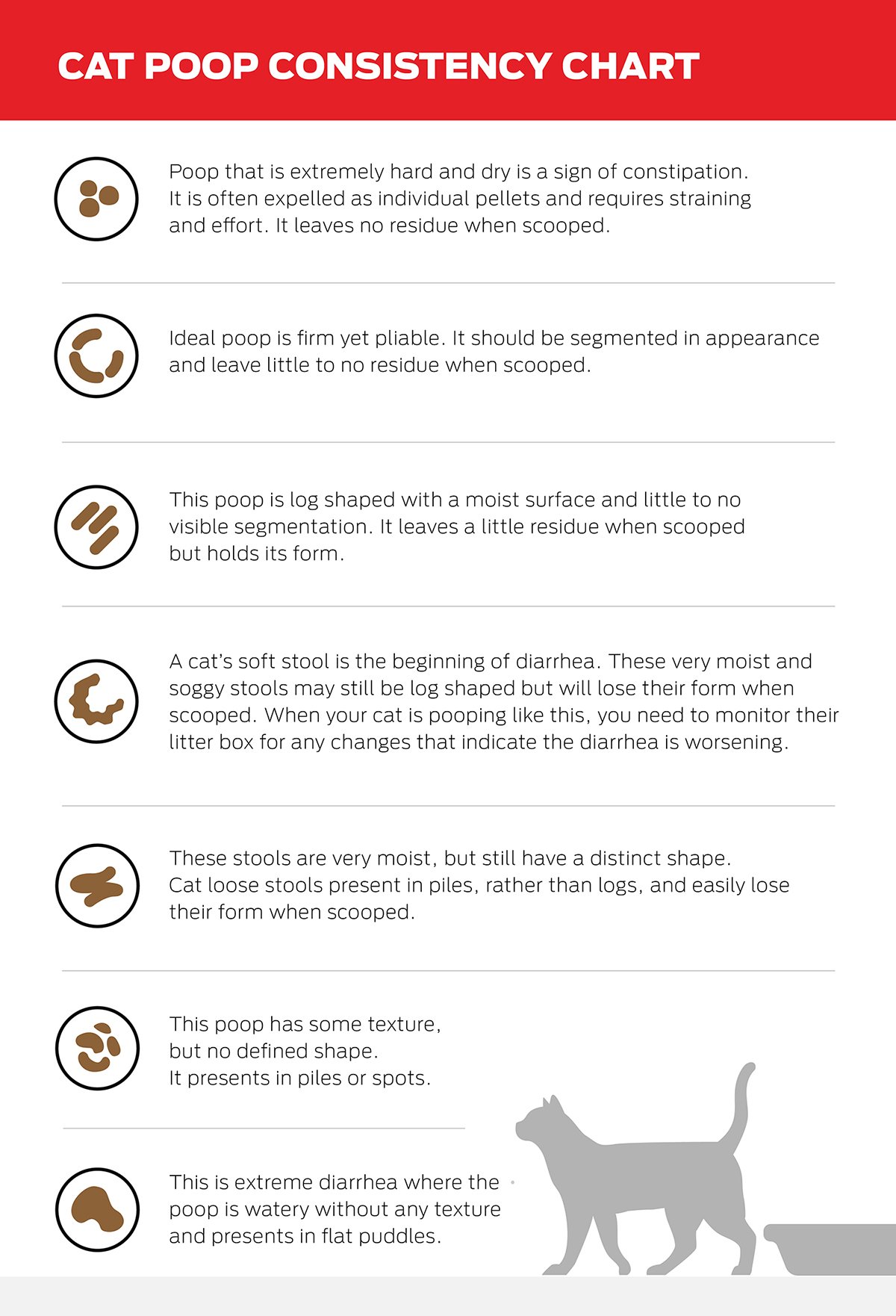
A consistência das fezes costuma indicar o grau de urgência da alteração. Uma cor incomum em fezes bem formadas pode ser menos urgente do que diarreia aquosa, esforço repetido ao evacuar ou fezes com aparência preta e pegajosa.
| Consistência das fezes | O que isso pode sugerir | Próximo passo |
|---|---|---|
| Moldável e fácil de retirar | É normal que seja marrom, desde que seu gato se sinta bem | Acompanhar a rotina normal. |
| Macio, mas com formato definido | É possível que ocorram pequenas alterações digestivas | Observe uma ou duas evacuações, caso seu gato esteja bem. |
| Com consistência de pudim ou mais líquido | Diarreia ou distúrbios digestivos | Ligue se os sintomas se repetirem, se houver sangue nas fezes ou se forem acompanhados de vômito ou falta de energia. |
| Aguado | Mais informações sobre o risco de diarreia e desidratação | Ligue para o veterinário, especialmente no caso de gatinhos, animais idosos ou episódios recorrentes. |
| Pellets duros | Pode haver constipação ou desidratação | Ligue se isso se repetir, causar dor ou se o seu gato fizer força. |
| Não há evacuação, apesar do esforço | A constipação, a obstrução ou o esforço ao urinar podem ser confundidos | Ligue imediatamente, especialmente se não tiver certeza se está conseguindo urinar. |
O esforço ao urinar é um problema delicado, pois os donos podem confundir esse esforço com constipação. Um gato que vai repetidamente à caixa de areia, miando, assumindo posturas estranhas ou produzindo pouca ou nenhuma urina precisa de atendimento veterinário urgente. Se o problema parecer estar relacionado ao sistema urinário ou ao estresse, o guia da SnuggleSouls sobre mudanças na caixa de areia relacionadas ao estresse pode ajudar a identificar os sinais, mas não deve atrasar a procura de atendimento médico se o seu gato não conseguir urinar.
O que verificar antes de ligar para o veterinário
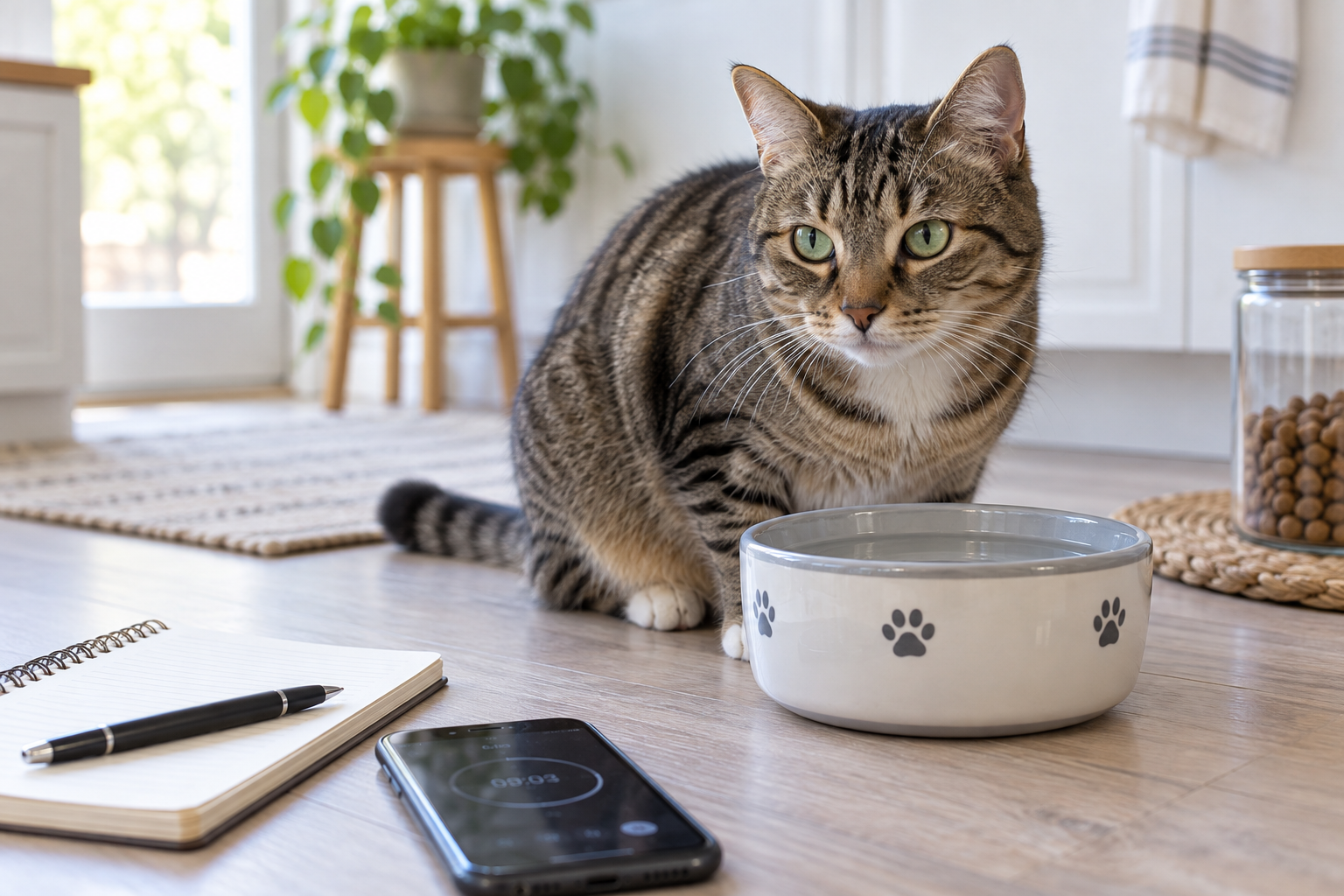
Antes de ligar, reúna um breve histórico factual das fezes do animal. Isso ajuda a clínica a decidir se o seu gato precisa de atendimento de emergência, de uma consulta no mesmo dia ou de acompanhamento.
Anote:
- Cor e consistência das fezes.
- Quantas fezes anormais você observou e durante quanto tempo?.
- Se houver sangue, muco, vermes, cabelos, fios, plástico ou um cheiro forte e novo.
- Se o seu gato está vomitando.
- Apetite, ingestão de água, energia, higiene pessoal e comportamento de se esconder.
- Qualquer mudança na alimentação, novo petisco, restos de comida, mastigação de plantas, medicamentos, suplementos ou possível exposição a substâncias tóxicas.
- Se o seu gato está urinando normalmente.
- Do seu gato idade, problemas de saúde e se estão seguindo uma dieta prescrita.
Se puder fazê-lo com calma, tire uma foto nítida antes de recolher a amostra. Se o veterinário solicitar uma amostra de fezes, use um saco ou recipiente limpo e siga as instruções da clínica quanto ao prazo. Não traga uma amostra de uma caixa de areia compartilhada, a menos que tenha certeza de qual gato a produziu.
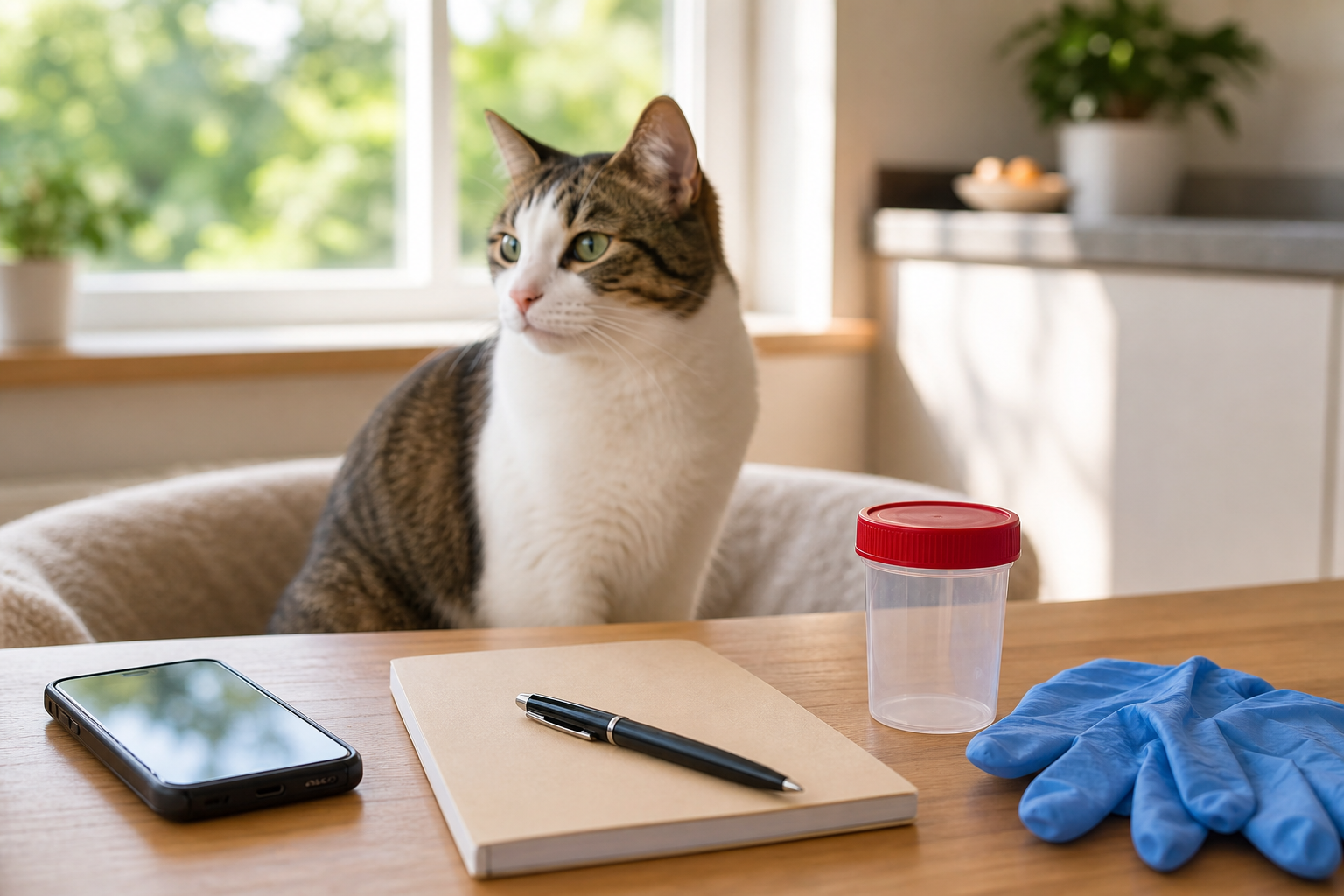
Se forem observadas fezes anormais acompanhadas de comportamento de se esconder, retraimento ou quietude incomum, compare esse comportamento com o guia da SnuggleSouls sobre por que os gatos se escondem e, em seguida, entre em contato com o veterinário se a alteração for recente ou estiver acompanhada de sintomas físicos.
Casos especiais: gatinhos, gatos idosos e gatos com problemas de saúde
Alguns gatos precisam de atendimento mais rápido, pois fezes anormais podem afetá-los mais rapidamente ou indicar um problema subjacente mais grave.
| A situação do gato | Por que é preciso ter cuidado | Resposta sugerida |
|---|---|---|
| Gatinho | A diarreia pode causar desidratação rapidamente | Ligue para o veterinário, especialmente se o vômito for aquoso, contiver sangue ou for recorrente. |
| Gato idoso | Maior risco de doenças crônicas ou desidratação | Ligue o mais rápido possível, especialmente em caso de perda de peso, alteração no apetite ou vômitos. |
| Gata grávida ou em fase de amamentação | A doença pode afetar tanto a mãe quanto os gatinhos | Consulte o seu veterinário antes de prolongar o acompanhamento. |
| Gato com doença renal, tireoidiana, diabetes, gastrointestinal, hepática, pancreática ou imunológica | Alterações nas fezes podem interferir no tratamento em curso | Entre em contato com seu veterinário para obter orientações personalizadas. |
| Gato em dieta prescrita | Mudanças na alimentação e guloseimas podem atrapalhar o plano | Não altere a dieta sem orientação do veterinário. |
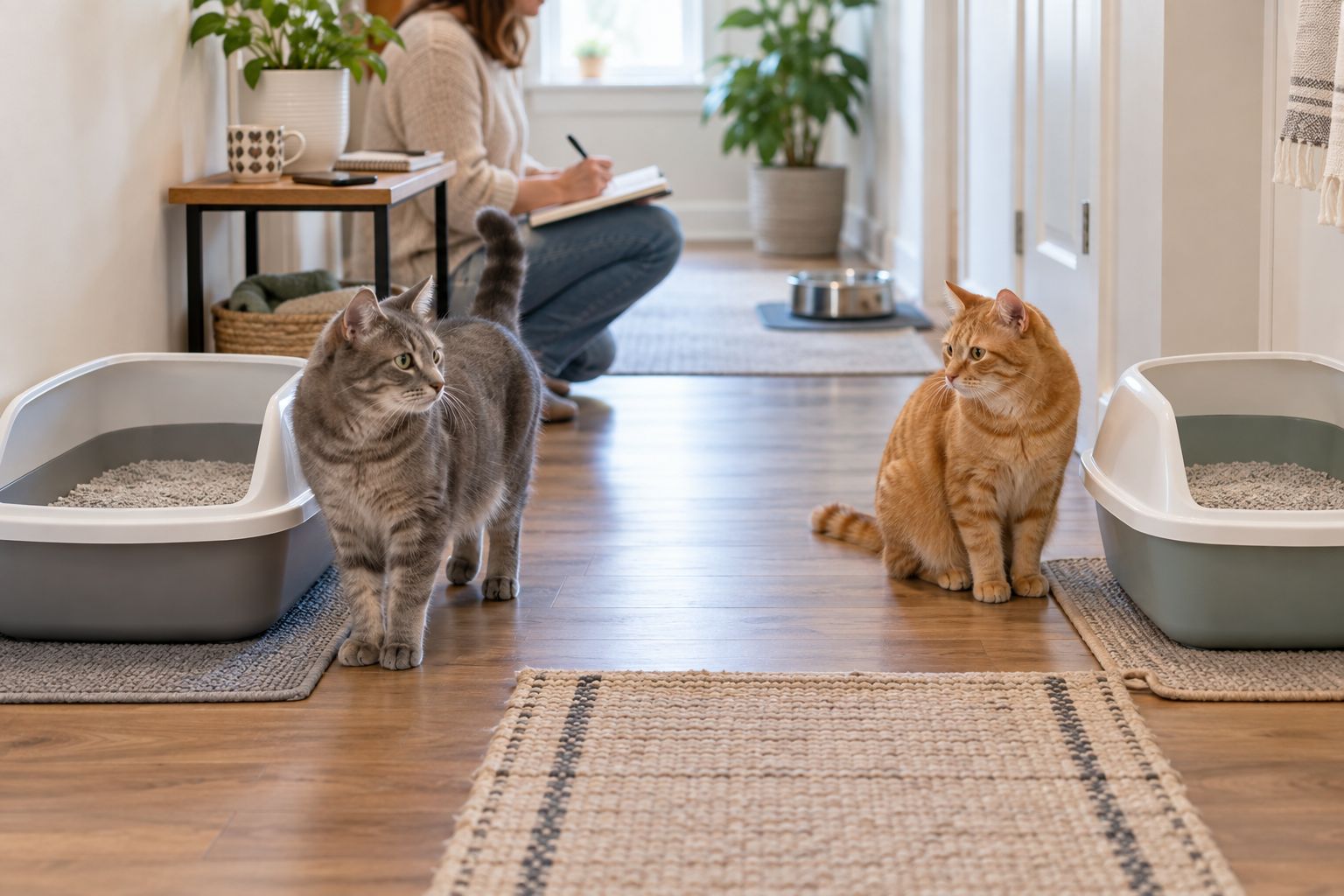
| Casa com vários gatos | A origem das fezes pode ser incerta | Separe temporariamente o acesso à ninhada, se for seguro, ou use fotos e anotações com horários. |
No que diz respeito à silhueta, ao apetite e ao peso, use o SnuggleSouls guia de condição física para descrever as alterações com mais clareza. A cor das fezes é apenas um dos aspectos do quadro de saúde.
Como promover fezes normais com segurança
Você pode ajudar a manter as fezes normais mantendo uma alimentação equilibrada, fazendo mudanças gradualmente, fornecendo água fresca, reduzindo o estresse e consultando o veterinário antes de experimentar suplementos, medicamentos para humanos ou remédios caseiros.
Noções básicas de segurança:
- Alimente seu gato com uma ração completa e equilibrada, adequada à fase da vida dele.
- Evite mudanças bruscas na dieta, a menos que o veterinário as recomende.
- Introduza novos alimentos gradualmente, ao longo de vários dias, quando for o caso.
- Mantenha água fresca à disposição.
- Limpe a areia diariamente para detectar alterações logo no início.
- Mantenha em dia a prevenção contra parasitas e as consultas veterinárias.
- Evite restos de comida, alimentos muito gordurosos, ossos e mudanças bruscas na dieta.
Não administre medicamentos antidiarreicos, laxantes, analgésicos, antibióticos, probióticos, abóbora, óleos ou suplementos destinados ao uso humano sem orientação veterinária. Alguns produtos comuns para uso humano não são seguros para gatos, e mesmo remédios considerados “suaves” podem não ser adequados para o problema em questão.
Se as alterações nas fezes parecerem estar relacionadas a escolhas alimentares recentes, consulte o guia da SnuggleSouls sobre escolhendo ração saudável para gatos e leve o rótulo do alimento ou a lista de ingredientes ao seu veterinário.
Perguntas frequentes
De que cor deve ser o cocô de gato?
As fezes normais de gato costumam ter uma cor que varia do marrom médio ao marrom escuro. Elas devem estar bem formadas, úmidas, fáceis de recolher e ser eliminadas sem dor aparente ou esforço repetido.
O cocô de gato preto é uma emergência?
Fezes pretas, pegajosas e com aspecto de alcatrão podem ser um sinal de emergência, pois podem indicar a presença de sangue digerido. Entre em contato com um veterinário imediatamente, especialmente se o seu gato estiver fraco, vomitando, pálido, sem comer ou demonstrando sinais de dor.
O que significa encontrar sangue vermelho nas fezes do gato?
A presença de sangue vermelho indica que há sangue fresco, mas isso por si só não identifica a causa. Entre em contato com o veterinário se houver sangue repetidamente, se for mais do que um pequeno traço, se estiver misturado à diarreia ou se for acompanhado de esforço ao evacuar, vômitos, perda de apetite ou letargia.
Por que o cocô do meu gato está amarelo?
As fezes amareladas podem ocorrer devido a um trânsito intestinal acelerado, mudanças na alimentação, distúrbios digestivos ou outros problemas. Entre em contato com o veterinário se isso se repetir, se as fezes ficarem aquosas, exalarem um odor desagradável incomum ou se forem acompanhadas de vômitos, perda de peso, falta de apetite ou baixa energia.
Por que o cocô do meu gato está verde?
Fezes verdes podem estar relacionadas à ingestão de grama, corantes alimentares, bile, trânsito intestinal acelerado ou distúrbios digestivos. Uma única evacuação verde-esverdeada em um gato que, de resto, se apresenta normal pode ser apenas observada, mas fezes verdes repetidas ou aquosas devem ser avaliadas.
O que significa encontrar muco nas fezes do gato?
Pode haver presença de muco quando o cólon ou o trato digestivo inferior estão irritados. Entre em contato com o veterinário se o muco persistir, se houver sangue, se o gato estiver fazendo força para evacuar ou se as fezes estiverem moles ou aquosas.
Devo levar uma amostra de fezes ao veterinário?
Consulte a sua clínica. Muitos veterinários podem solicitar uma amostra de fezes recente, especialmente se houver suspeita de diarreia, sangue, muco ou parasitas. Uma foto nítida também é útil quando a cor é a principal preocupação.
O estresse pode alterar as fezes do gato?
O estresse pode contribuir para distúrbios digestivos em alguns gatos, mas não se deve presumir que o estresse seja a causa se as fezes estiverem pretas, com sangue, pálidas, aquosas, se houver evacuações repetidas ou se forem acompanhadas de vômitos, perda de apetite, tendência a se esconder ou fraqueza.
Referências
[1] Cornell Feline Health Center. Diarreia.
[2] Manual Veterinário da Merck. Distúrbios do estômago e do intestino em gatos.
[3] Clínicas Veterinárias VCA. Doença inflamatória intestinal em gatos.
[4] Centro de Saúde Felina da Cornell. Parasitas gastrointestinais de gatos.
 EN
EN DE
DE ES
ES PT
PT