
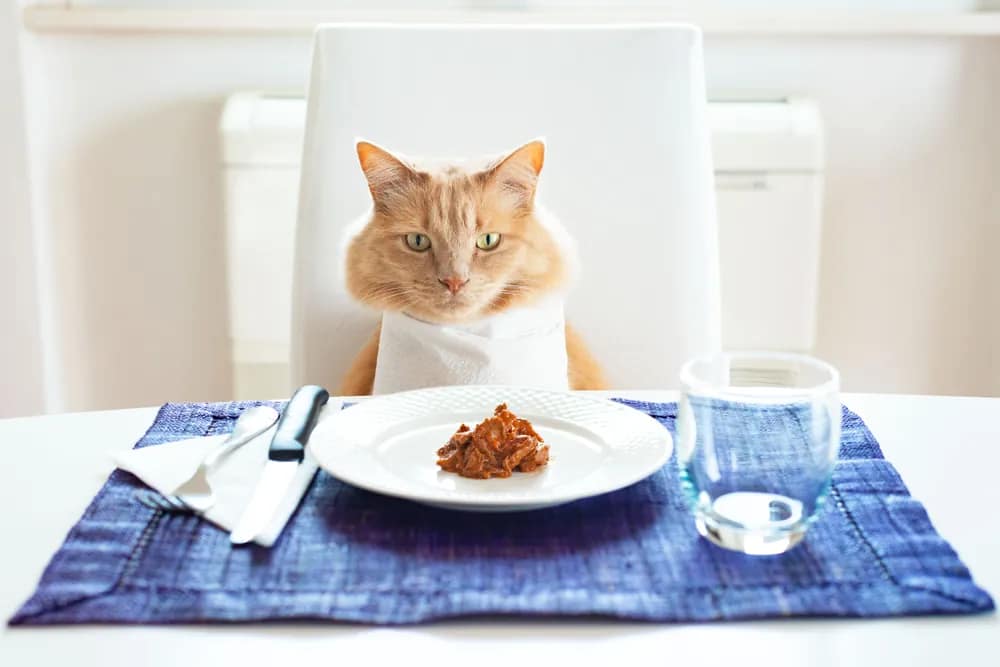
Homemade cat food can be better—but only when it’s complete and balanced for cats (often with guidance from a veterinarian or veterinary nutritionist). Otherwise, a high-quality commercial diet is usually safer, more consistent, and easier to get right.
This guide will help you decide when homemade makes sense, when it’s risky, and how to do it safely if you choose to cook for your cat.
Quick answer: For most homes, cooked homemade is safer than raw. The CDC does not recommend feeding raw pet food to dogs or cats because raw products can be contaminated with germs that make pets and people sick.
The FDA also warns that handling raw pet food can expose people to Salmonella or Listeria through cross-contamination (hands, utensils, counters, bowls).
Veterinary guidance from groups like WSAVA notes there’s no proven health benefit of raw over commercial or balanced cooked diets—and that risks (including bacterial contamination and household exposure) are well documented.
Table of Contents
Who this article is for
You’ll get the most value from this guide if you’re:
- Considering switching to homemade for allergies, picky eating, or ingredient control
- Wondering raw vs cooked safety
- Looking for a safe checklist instead of random recipes
Key Takeaways
- Homemade isn’t automatically healthier—nutritional completeness matters more than freshness.
- Cooked homemade is generally safer than raw due to pathogen risk.
- Most homemade failures come from missing/incorrect supplements and mineral ratios.
- If you go homemade, follow a vet-formulated recipe, measure precisely, and monitor your cat.
Homemade vs Commercial: Which is better for most cats?
Homemade isn’t automatically healthier—nutritional completeness matters more than freshness.
For most healthy cats, a complete-and-balanced commercial food is the safest default because it’s formulated and tested for consistency.
Homemade becomes the “better” option mainly when:
- your cat has a specific need (allergies/medical/palatability), AND
- you can follow a cat-specific, professionally formulated recipe with supplements.
If you’re choosing between the two, nutrition balance matters more than whether the food is “homemade.”
When homemade is worth considering
- Your cat has allergies/sensitivities and you can follow a vet-formulated recipe
- You’re willing to use supplements and measure accurately
- You can batch-cook, store safely, and keep a consistent routine
When commercial is usually the better choice
- You want the lowest-risk, most consistent option
- You don’t want to weigh supplements or track nutrients
- Your household includes higher-risk humans (kids/elderly/immunocompromised) and you’re considering raw
Tip: If weight management is part of your plan, use our Cat Calorie Calculator before changing diets.
Homemade vs Commercial Cat Food (Quick Comparison Table)
Before we go deeper, here’s the clearest way to think about it: the real difference isn’t “homemade vs commercial”—it’s whether the diet is complete and balanced for cats. This quick comparison helps you choose based on your cat’s needs and your daily reality.
| Option | Best for | Biggest benefits | Biggest risks / downsides |
|---|---|---|---|
| Homemade (cooked) | Owners willing to follow a formulated recipe | Ingredient control, customization, often higher palatability | Nutrient imbalance if not properly formulated; time/cost; supplement precision required |
| Homemade (raw) | Only if you can maintain strict food safety + professional formulation | “Natural” appeal; some cats prefer it | Pathogen risk (for cats + humans); cross-contamination; bone/tooth/GI injury risk |
| High-quality commercial (wet/dry) | Most cats and most households | Complete & balanced, consistent nutrients, convenient | Quality varies; marketing can be misleading; overfeeding treats/toppers can unbalance diet |
| Veterinary/prescription diet | Allergies/medical conditions | Controlled formulation, designed for specific issues | Cost; less flexibility; requires vet guidance |
Best rule of thumb: If you can’t commit to supplements + consistency, commercial is usually safer.
Why Homemade Cat Food Appeals to Loving Pet Parents (and when it actually makes sense)
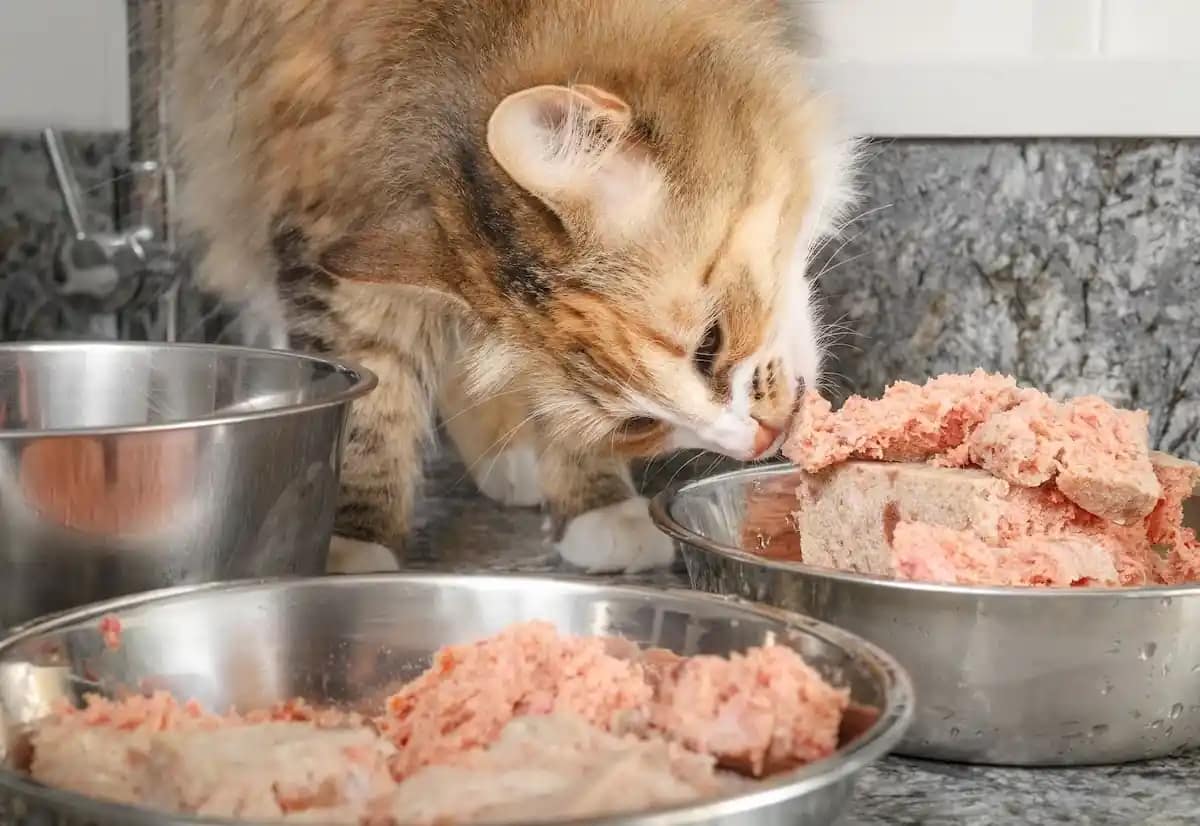
Homemade cat food appeals because it feels personal—you can choose ingredients you trust and tailor meals to your cat’s preferences. But the real question isn’t “homemade vs. store-bought”—it’s whether homemade fits your cat’s needs and your ability to do it safely and consistently.
Homemade can make sense if your cat:
- Has confirmed sensitivities (and you want tighter control over ingredients)
- Is picky, recovering from illness, or needs extra palatability (often short-term)
- Needs a tailored plan for a health condition—with a vet or nutritionist guiding the recipe
- Does best with simple, consistent ingredients and you can stick to a measured routine
Homemade is usually NOT the best starting point if:
- You’re hoping to “improvise” meals without supplements or exact measurements
- You’re short on time to batch-prep, portion, freeze, and maintain food safety
- Your cat is a kitten, senior, pregnant, or medically fragile and needs maximum nutritional consistency
- You’re mainly motivated by “fresh = healthier” (fresh matters less than complete nutrition)
If you’re still interested, here’s the safest way to approach it:
Start by deciding whether you want cooked homemade (lower risk) or raw (higher risk), then commit to using a formulated recipe designed specifically for cats—because good intentions alone don’t guarantee nutritional balance.
To expand on this, consider how customization extends to life stages. Kittens might need extra calories for growth, while senior cats could benefit from joint-supporting additions like omega-3s from fish. For instance, incorporating safe fish options can enhance these benefits—check out our guide on whether cats can eat salmon for tips on including it responsibly in your cat’s diet.
Next, let’s compare homemade vs. high-quality commercial food—so you can choose what’s truly best for your cat and your lifestyle.
Is Homemade Cat Food Always the Healthier Choice?
Homemade cat food isn’t automatically healthier. The real difference isn’t homemade vs. store-bought—it’s whether the diet is complete and balanced for cats (with the right nutrients in the right amounts).
Verdict: For most households, a high-quality commercial diet is the safest, easiest way to get consistent nutrition. Homemade can be “better” only when it’s properly formulated and you’re willing to follow the recipe and supplements precisely.
If you skipped the comparison above: commercial diets usually win on consistency and completeness, while homemade only “wins” when it’s professionally formulated and followed exactly.
Common situations (and the safest default path)
Most pet parents considering homemade cat food fall into one of these three situations. Find yours, then follow the safest default path.
1. “My cat is picky or recovering from illness”
Safest default path: Don’t jump straight to full homemade. Start with a high-quality complete & balanced wet food, warmed slightly for aroma, and use vet guidance if appetite is low.
When homemade may help: Short-term, as a vet-approved appetite support (or a properly formulated cooked plan) if your cat refuses commercial foods.
Avoid: Raw feeding (higher safety risk) and “mixing random meats” without supplements.
2. “My cat has allergies, chronic itching, or recurring GI upset”
Safest default path: Start with a vet-guided plan such as an elimination diet or prescription/limited-ingredient diet. This is often the fastest way to identify triggers with the lowest risk.
When homemade may help: If commercial options fail or ingredient control must be extremely strict, use a veterinary nutritionist–formulated cooked recipe.
Avoid: Switching proteins repeatedly without a plan (it makes triggers harder to identify).
3. “I want ingredient control / ‘fresh food’ for health”
Safest default path: Choose a complete & balanced commercial food as your base. You can “upgrade quality” without taking on the full risk of homemade.
When homemade may help: If you have the time and routine for batch cooking + precise supplements, cooked homemade can be a “fresh” option only when formulated and followed exactly.
Avoid: Treating freshness as the main metric—nutritional completeness matters more than homemade.
Quick takeaway: Homemade becomes “better” mainly when it solves a specific problem (allergies, medical needs, extreme pickiness) and you can commit to a formulated recipe + supplements.
How to shop for a good commercial cat food (quick checklist)
Use this checklist to avoid getting misled by marketing:
- Look for “complete and balanced” + life stage
- Choose a food labeled for your cat’s life stage (kitten / adult / senior, if shown).
- Prioritize the formulation over buzzwords
- “Grain-free,” “natural,” “premium,” or “human-grade” can be fine—but they don’t guarantee nutritional completeness.
- Match the format to your cat’s needs
- Wet food can help with hydration and may be easier for some cats to eat.
- Dry food can be convenient and budget-friendly; just watch portions and water intake.
- Use ingredients as a tie-breaker, not the main test
- Meat-forward ingredients are generally preferable, but the bigger issue is whether the food is nutritionally complete.
- Choose veterinary diets when there’s a real medical need
- For allergies or chronic health issues, vet-guided diets reduce guesswork and can prevent flare-ups.
Common commercial-food mistakes (that quietly ruin results)
Even a “good” food can fail if these happen:
- Mixing too many foods too often (harder to spot what triggers GI upset)
- Overfeeding treats/toppers (turns “complete and balanced” into “unbalanced”)
- Choosing a formula your cat tolerates poorly and not tracking stool/itching/weight
- Switching foods too quickly (GI upset → you assume “this food is bad”)
Simple rule: Pick one solid food, transition gradually, and evaluate it for 2–4 weeks unless your cat reacts badly.
When homemade can be worth it (summary)
Homemade is usually only worth it when it solves a specific problem (like confirmed sensitivities or special medical needs) and you can follow a formulated recipe + supplements precisely. If you can’t commit to that system, a high-quality commercial diet is the safer default.
If that isn’t realistic, choosing a reliable commercial food is still a loving, responsible decision.
Raw vs. Cooked Homemade Cat Food: Which Is Safer?
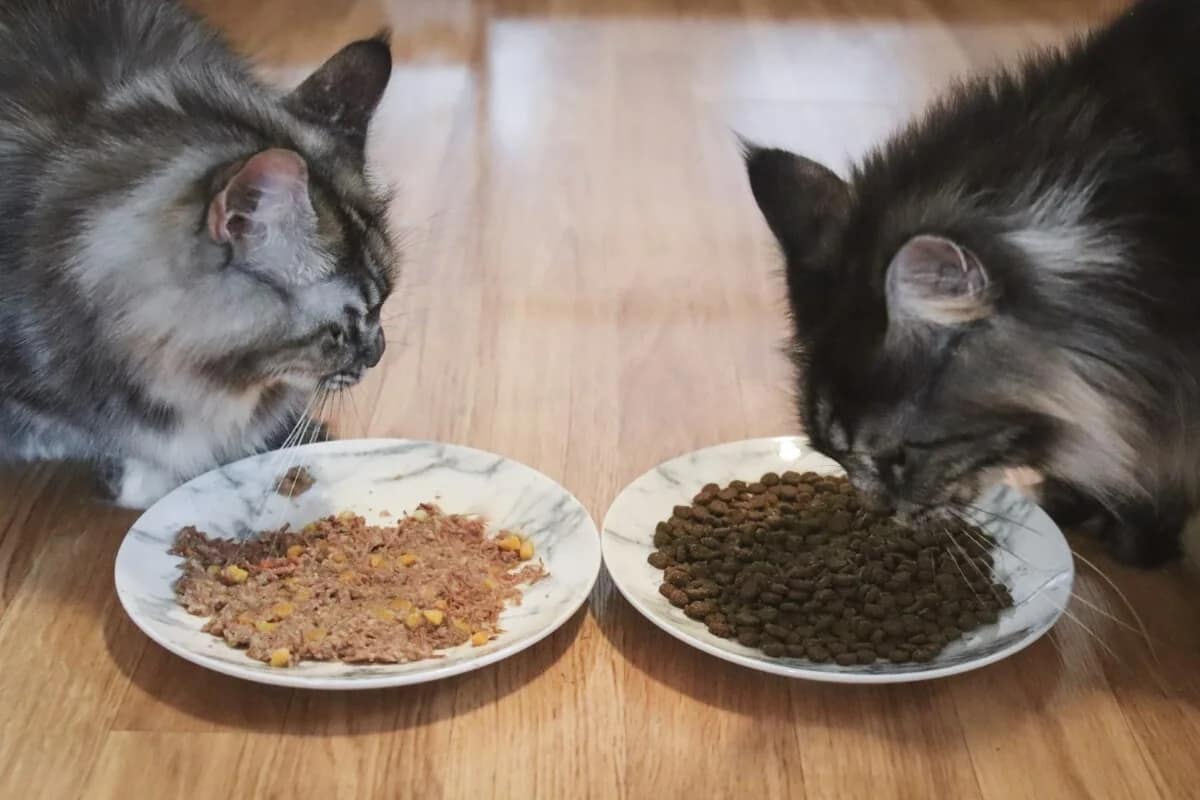
Quick answer: For most homes, cooked homemade is safer than raw. Raw diets can carry germs that may make pets and people sick, and major public health/vet organizations caution against feeding raw pet food routinely.
If you’re still considering raw, see our guide on cats and raw meat—and read the safety checklist below first.
Raw homemade: the real risks (for cats and humans)
Raw pet food can carry germs such as Salmonella and Listeria, and people can be exposed during normal handling—especially if bacteria spreads from food to hands, counters, utensils, bowls, or your mouth.
Even pets that look healthy may carry pathogens without obvious symptoms and still pose a risk to other animals and people—particularly young children, older adults, pregnant people, and immunocompromised individuals.
Who should avoid raw entirely (highest-risk situations)
Avoid raw diets if your household includes:
- Children, elderly adults, pregnant people, or anyone immunocompromised
- Kittens, seniors, or cats with chronic illness (they’re less resilient to diet-related upsets and infections)
- Anyone who can’t consistently follow strict kitchen hygiene (separate prep tools, immediate disinfection, safe storage)
“But raw is more natural”—does it provide proven benefits?
Do raw diets have proven benefits? WSAVA notes there’s no evidence raw meat-based diets provide health benefits over commercial or balanced cooked homemade diets, while the contamination and household-exposure risks are well recognized.
Bones: one more hazard to call out
Many raw-feeding approaches include bones. Bones can cause broken teeth, intestinal/esophageal obstruction, and constipation—and they don’t reliably prevent dental disease.
WSAVA also notes bones can lead to broken teeth, obstruction, and constipation, and they don’t reliably prevent dental disease.
If you still want raw (harm-reduction checklist)
If you’re committed to raw despite the guidance above, treat it like a food-safety project. CDC and FDA warnings focus on preventing germ exposure during handling and preventing spread around your kitchen and home.
- Use separate cutting board/knife/bowl for pet food only
- Disinfect counters/sinks immediately after prep
- Wash hands with soap after handling food, bowls, or litter
- Thaw/store safely; discard leftovers promptly
- Keep pets away from food-prep areas (reduce environmental spread)
- Work with a vet/nutritionist so the diet is complete & balanced (raw can still be nutritionally wrong)
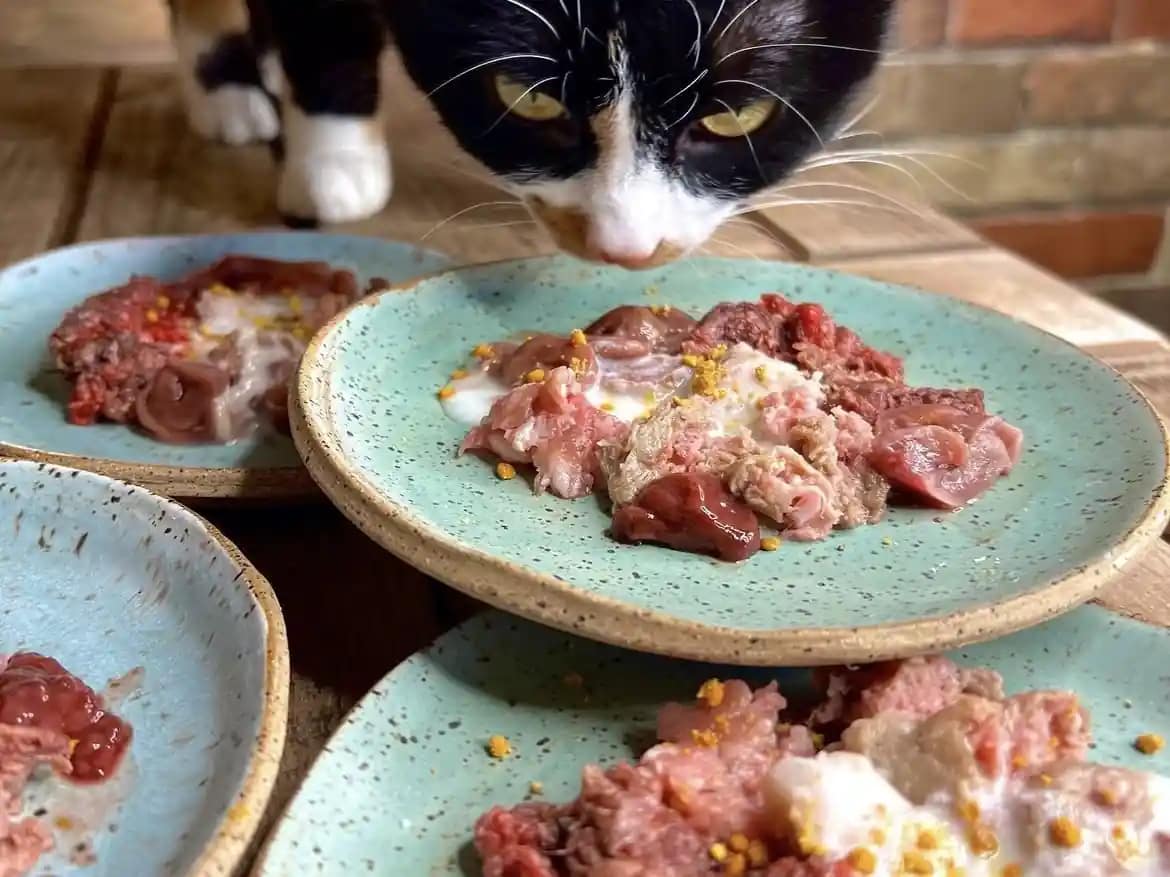
Cooked homemade: a safer “fresh food” middle ground
Cooked homemade food preserves the “fresh” appeal while reducing pathogen risk. If you want homemade, cooked + properly formulated supplements is the safer default for most pet parents.
This is the main reason many guidelines prefer cooked (or reputable commercial) diets for most households: you can pursue “fresh” while reducing avoidable contamination risk.
One-sentence bridge to your next section:
Next, let’s cover the nutrients cats can’t miss (taurine, calcium/phosphorus balance, vitamins) and how to avoid common homemade diet mistakes.
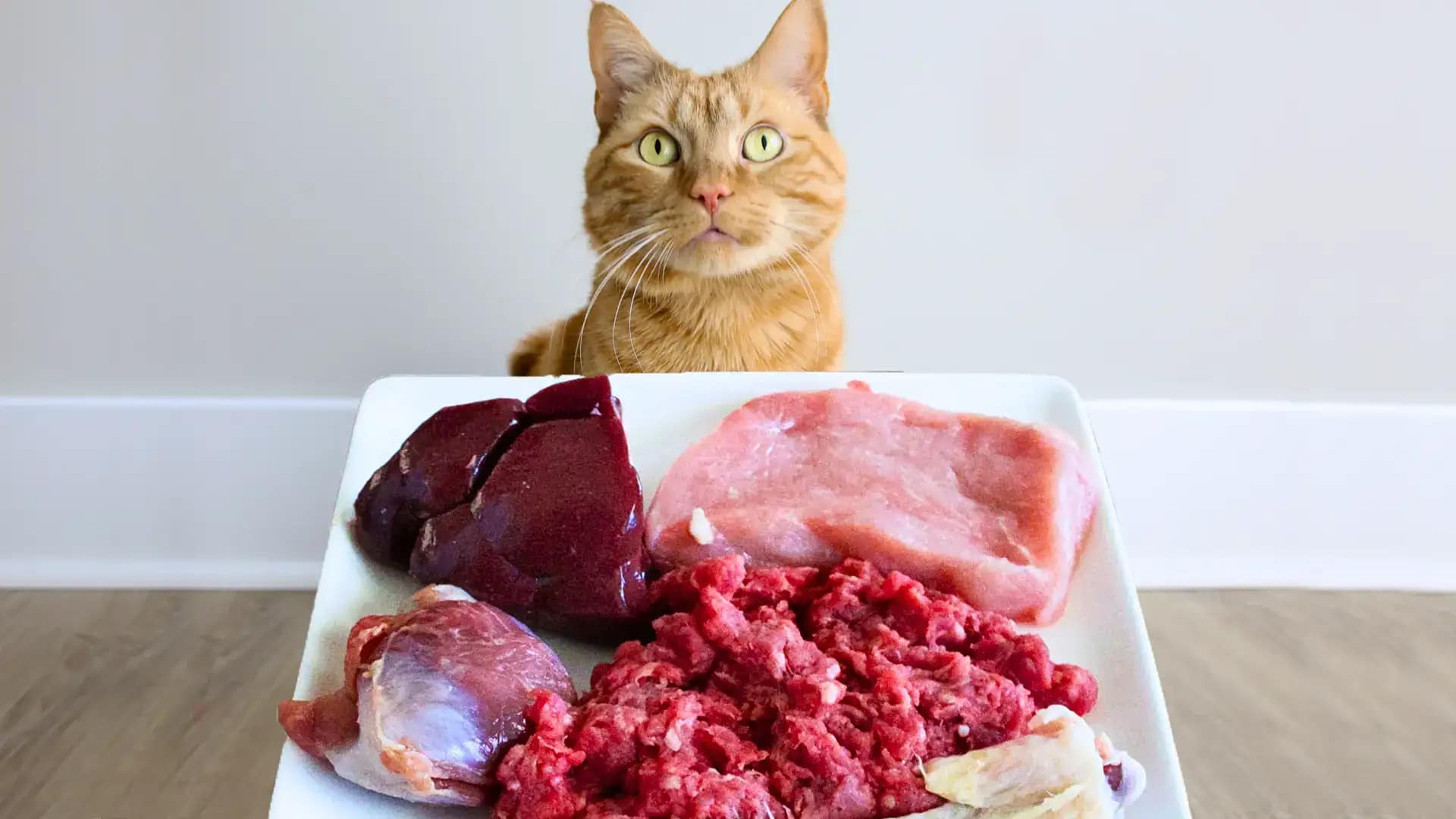
Essential Guidelines for Crafting Balanced Homemade Cat Food
Homemade cat food can be a great choice—but only if you treat nutrition like a checklist, not a vibe. If you remember nothing else, remember these:
The 3 non-negotiables of homemade cat food
1. Use a recipe formulated specifically for cats
Not “pet food,” not a blog mashup, not a recipe you adjust based on what’s in the fridge.
2. Measure supplements exactly as written
For cats, “close enough” can quietly become a deficiency months later.
3. Monitor and adjust with your vet
Weight, stool, coat quality, and periodic bloodwork are your safety net—especially long-term.
Homemade Done Right: Minimum Viable System (Do This Before You Cook Anything)
If you want homemade cat food to be truly safer than “guesswork,” set up a simple system you can follow every week.
Step 1 — Get a cat-specific formulated recipe
- Use a recipe formulated specifically for cats (ideally by a veterinary nutritionist or vet-guided formulation service).
- Don’t use generic “pet food” recipes, dog recipes, or blog mashups.
Step 2 — Buy the two tools that prevent most mistakes
- Digital gram scale (for supplements—“close enough” can become a deficiency over time)
- Freezer-safe containers/bags + labels (date + recipe version + calories/portion if known)
Step 3 — Batch cook and portion consistently
- Cook a batch large enough for 7–14 days.
- Portion into daily servings and freeze what you won’t use within 2–3 days.
- Thaw in the fridge (not on the counter) and discard leftovers that sit out too long.
Step 4 — Follow the supplement plan exactly
- Add supplements in the exact dose specified by the recipe (especially taurine + mineral balance).
- Don’t swap supplement brands or “eyeball” amounts without checking equivalence.
Step 5 — Transition slowly (7–14 days)
- Mix increasing amounts of homemade with the current food to reduce vomiting/diarrhea.
- If your cat has a sensitive stomach, go slower.
Step 6 — Track outcomes for 2 weeks (your safety net)
Track:
- weight (weekly),
- stool quality (daily),
- appetite/energy (daily),
- coat/itching (weekly).
Step 7 — Set a monitoring cadence if you continue long-term
- Weigh monthly (or weekly if weight is a concern).
- Schedule periodic vet check-ins if homemade becomes the primary diet.
If you can’t commit to these three steps, a high-quality commercial diet is usually the safer, more consistent option.
Nutritional balance: what cats must get (and what homemade often misses)
Cats are obligate carnivores. That means they don’t just “prefer meat”—they rely on specific nutrients that are easy to miss when cooking at home.
The most common “silent failure” nutrients in homemade diets:
- Taurine — essential for heart and eye health; low levels can cause serious long-term problems.
- Calcium + phosphorus balance — especially risky if you feed mostly muscle meat without a proper calcium source.
- Vitamin A (preformed) — cats can’t reliably convert plant beta-carotene into what they need.
- Thiamine (Vitamin B1) — deficiency can develop faster than many people expect.
- Essential fatty acids (including arachidonic acid) — cats require fats they don’t make efficiently on their own.
- Trace minerals (zinc, copper, iodine, manganese, etc.) — tiny amounts matter, and they’re hard to “eyeball.”
Why this matters: a homemade diet can look wholesome and still be incomplete.
A 2019 review of 114 homemade cat food recipes found nutritional problems in every recipe evaluated—showing how easy it is to miss critical nutrients without professional formulation.
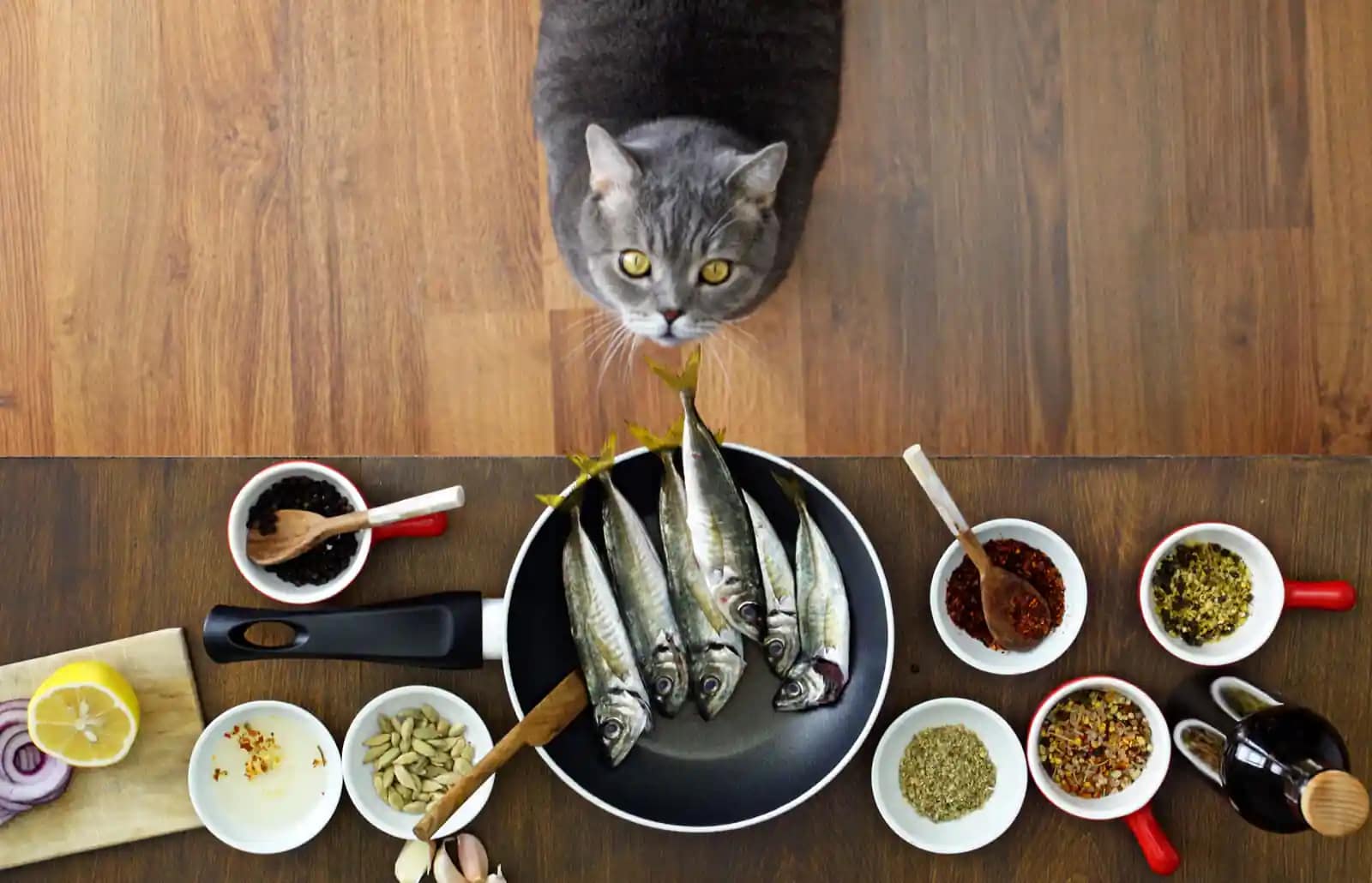
Sourcing Vet-Approved Recipes
Skip random internet finds; opt for recipes from board-certified veterinary nutritionists. Your vet can refer you to specialists via the American College of Veterinary Nutrition, or check services like Petdiets.com or BalanceIt.com. These pros customize for your cat’s age, weight, and health, ensuring nothing falls through the cracks.
For example, a basic framework might include 80-90% protein from meats like chicken or turkey, 5-10% organs for vitamins, and small amounts of veggies or carbs if needed. But always personalize.
The Crucial Role of Supplements
No homemade diet is complete without supplements—it’s nearly impossible to hit all nutrients naturally. Key ones include taurine (for heart and eye health), vitamin E, B vitamins, and minerals like calcium and phosphorus. Reputable recipes specify exact amounts; ignoring this is a common pitfall leading to deficiencies.
Common mistakes here? Forgetting choline, iron, thiamine, zinc, manganese, or copper, which can cause anemia or coat problems. Always source pet-safe supplements and measure precisely.
Time, Cost, and Routine (Be honest about sustainability)
Homemade cat food often costs more than you expect once you include supplements, storage containers, and the time needed to cook, portion, and keep things sanitary. If you can’t realistically follow a consistent prep routine, a high-quality commercial diet is usually the safer long-term choice.

Common Mistakes to Avoid in Homemade Cat Food
Even with good intentions, errors happen. Top ones include not supplementing taurine (vital for cats, as they can’t make it themselves), skimping on essential fats, or altering recipes without guidance. Over time, many parents substitute ingredients, leading to imbalances—always consult before changes.
Other pitfalls: Over-relying on one protein source (causing allergies), ignoring calorie counts (leading to obesity), or poor hygiene (risking contamination). Start small and monitor closely.
Homemade cat food allows you to tailor recipes to your cat’s specific needs, such as adjusting portions for weight management or incorporating supplements for joint health. To make this even more precise, consider using our Cat Calorie Calculator to determine your cat’s daily energy requirements based on weight, activity level, and age—this can help ensure your homemade meals provide the right balance without overfeeding.
Switching to a new diet safely (7–14 days)
Cats can get GI upset if you switch foods too fast. Transition slowly over 7–14 days:
- Days 1–3: 75% old food + 25% new
- Days 4–6: 50/50
- Days 7–9: 25% old + 75% new
- Day 10+: 100% new (if your cat is doing well)
If your cat has a sensitive stomach, go slower. If symptoms show up, pause or step back to the previous ratio.
When to stop and call the vet (red flags)
Diet changes shouldn’t cause prolonged illness. Stop the diet change and contact your veterinarian if you notice any of the following:
Urgent / same-day veterinary advice is recommended if:
- Repeated vomiting, or vomiting with lethargy
- Diarrhea lasting more than 24–48 hours (or sooner if severe/watery)
- Refusing food for 24 hours (or 12 hours for kittens/senior cats)
- Rapid weight loss, weakness, or dehydration (sticky gums, sunken eyes)
- Blood in stool, black/tarry stool, or straining/pain when pooping
- New or worsening skin/ear flare-ups after changing proteins (itching, hot spots, ear debris)
- Constipation for more than 48 hours or obvious discomfort in the litter box
Go to an emergency vet immediately if you see:
- Trouble breathing, collapse, extreme lethargy/unresponsiveness
- Continuous vomiting + inability to keep water down
- Signs of severe dehydration or intense abdominal pain
Safety note: Kittens, seniors, pregnant cats, and cats with chronic disease are less resilient to diet mistakes—talk to your vet before making major changes.
Vet monitoring plan (simple but effective)
If you feed homemade long-term, build a basic monitoring routine:
- Weigh weekly for the first month, then monthly
- Track stool quality, appetite, energy, coat, and itching
- Schedule vet follow-ups if you’re continuing homemade beyond the short term
- If your cat has medical conditions, ask your vet whether bloodwork is appropriate to catch silent deficiencies early
This is how you keep “homemade” from becoming “unbalanced over time.”
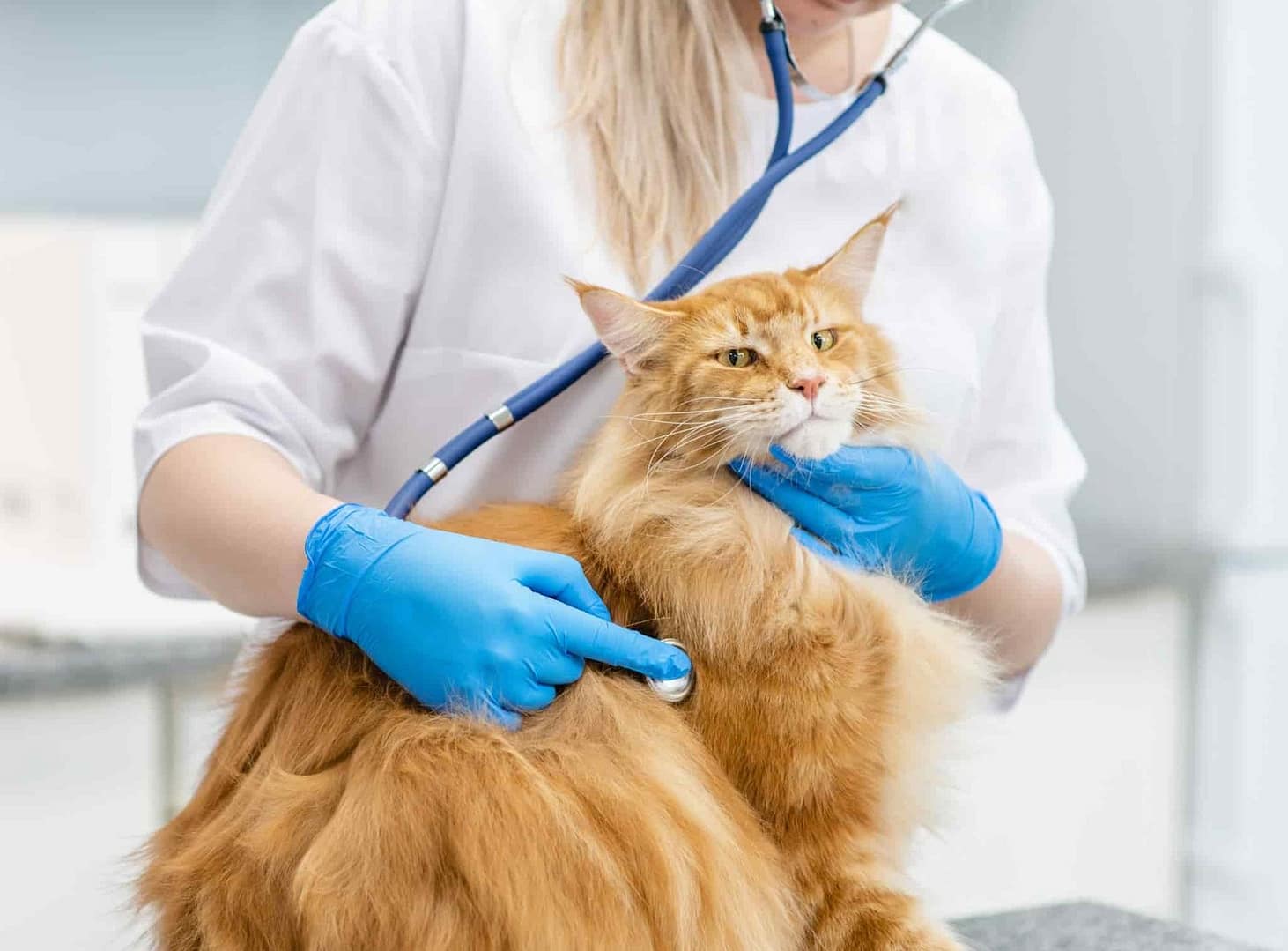
Should you feed homemade cat food? A quick decision checklist
First, identify your situation (picky eater, allergies/GI issues, or ingredient-control goals) in the “Common situations” section above—then use this checklist to confirm you can do homemade safely.
Homemade cat food isn’t automatically “better”—it’s only better when it’s complete, balanced, and realistically sustainable for you.
Use this checklist to decide.
Homemade may be a good fit if you can say YES to most of these:
- I’m willing to use a cat-specific recipe formulated by a veterinary nutritionist (not a random internet recipe).
- I can measure supplements precisely (especially taurine and minerals like calcium/phosphorus).
- I can batch-cook, portion, and store food safely (freezer space, food hygiene, clean prep habits).
- I’m comfortable doing a slow transition (7–14 days) and adjusting if my cat’s stomach is sensitive.
- I can commit to regular monitoring (weight, stool quality, coat, energy—and vet checkups).
Homemade is probably not the best choice right now if:
- I want to “improvise” ingredients or frequently swap foods based on convenience.
- I don’t have time to measure supplements or follow a structured prep routine.
- My household includes high-risk humans (young children, elderly, immunocompromised) and I’m considering raw.
- My cat is a kitten, senior, or medically complex, and I can’t work closely with a vet on formulation.
If you’re on the fence, here’s the safest middle path
For most pet parents, the safest and simplest option is a high-quality commercial diet that’s complete and balanced, with homemade used as:
- Occasional toppers (vet-approved)
- Short-term appetite support during recovery (with guidance)
- A transition step while you consult a vet nutritionist
Next steps (do this in order)
- Choose your approach: commercial, cooked homemade, or vet-formulated plan.
- If homemade: get a formulated recipe + supplement plan before you cook anything.
- Transition slowly over 7–14 days, and watch stool/appetite closely.
- Recheck your cat’s weight regularly and schedule vet monitoring if you continue long-term.
Bottom line: The “best” diet is the one your cat thrives on and you can maintain safely and consistently.
Still deciding? The FAQ below answers the most common safety and balance questions cat parents ask.
FAQ
What are the main benefits of homemade cat food?
Homemade cat food offers control over ingredients, making it ideal for avoiding allergens and using fresh, organic options. It can also tempt picky or sick cats to eat better.
Is raw homemade cat food safe for my cat?
Raw diets risk bacterial contamination like Salmonella, especially for vulnerable cats. Cooked versions are safer; always consult a vet.
How do I ensure my homemade cat food is nutritionally balanced?
Homemade cat food is only safe long-term when it’s complete and balanced for cats. The most reliable way is to use a recipe formulated by a veterinary nutritionist (or your veterinarian) and follow it exactly, including the supplement plan (especially taurine and minerals like calcium/phosphorus). If you feed homemade long-term, monitor weight, stool quality, coat, and energy, and schedule periodic vet checkups to catch silent deficiencies early.
What common mistakes should I avoid with homemade cat food?
The biggest mistakes are (1) skipping supplements or guessing amounts, (2) using random online recipes not designed to be complete for cats, and (3) “improvising” swaps (meat/organs/supplement brands) that quietly break the nutrient balance. Other common pitfalls include poor food hygiene, feeding too much of one protein (which can worsen sensitivities), and switching too fast. If you want homemade to be “better,” the non-negotiables are: formulated recipe, precise supplements, and consistent monitoring.
Can I mix homemade and commercial cat food?
Yes—mixing can be a practical middle path. Many cats do best with a complete-and-balanced commercial diet as the base, with homemade used as a topper or partial portion. Transition gradually over 7–14 days and watch appetite and stool. If your homemade portion is more than occasional, make sure it’s formulated (not improvised), so the overall diet stays nutritionally balanced.
These quick answers reinforce the key rule: balance matters more than “fresh.”
References
Get the Facts! Raw Pet Food Diets can be Dangerous to You and Your Pet












 EN
EN DE
DE ES
ES PT
PT