

Cat Body Condition Score Calculator:
Is My Cat at a Healthy Weight?
 Veterinary-reviewed by Dr. Priya Nair, DVM | Last reviewed: April 2026
A bathroom scale alone cannot tell you if your cat is healthy. The Body Condition Score (BCS) system evaluates fat coverage and body shape — the same clinical method veterinarians use worldwide. Complete this free 2-minute assessment to get a personalized weight report for your cat.
Key Takeaways
- BCS is a 1–9 scale that measures body fat, not just weight — a 12-lb Maine Coon and a 12-lb Domestic Shorthair have very different healthy weights.
- You can assess BCS at home by checking rib palpation, waistline from above, and abdominal tuck — but your vet gives the most accurate score.
- Approximately 59.5% of domestic cats in the US are classified as overweight or obese, according to APOP's 2023 survey.
- Safe weight loss for cats is 0.5–2% of body weight per month; faster loss risks hepatic lipidosis (fatty liver disease).
Cat Body Condition Assessment
3 simple steps — personalized results in under 2 minutes
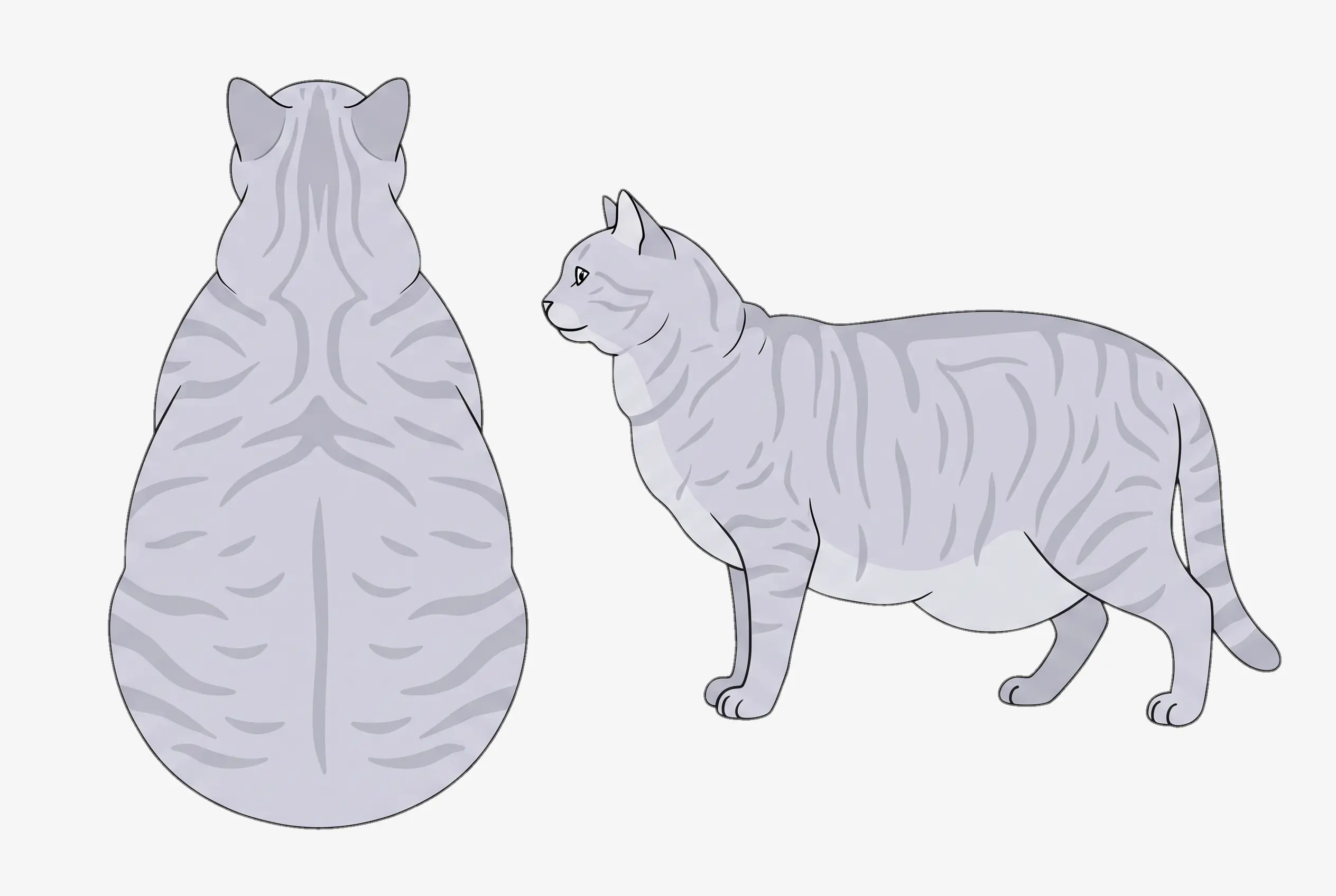
👁 Look at your cat from above and from the side, then gently run your fingertips along the ribcage. Click the image that best matches your cat's body shape to select a score.
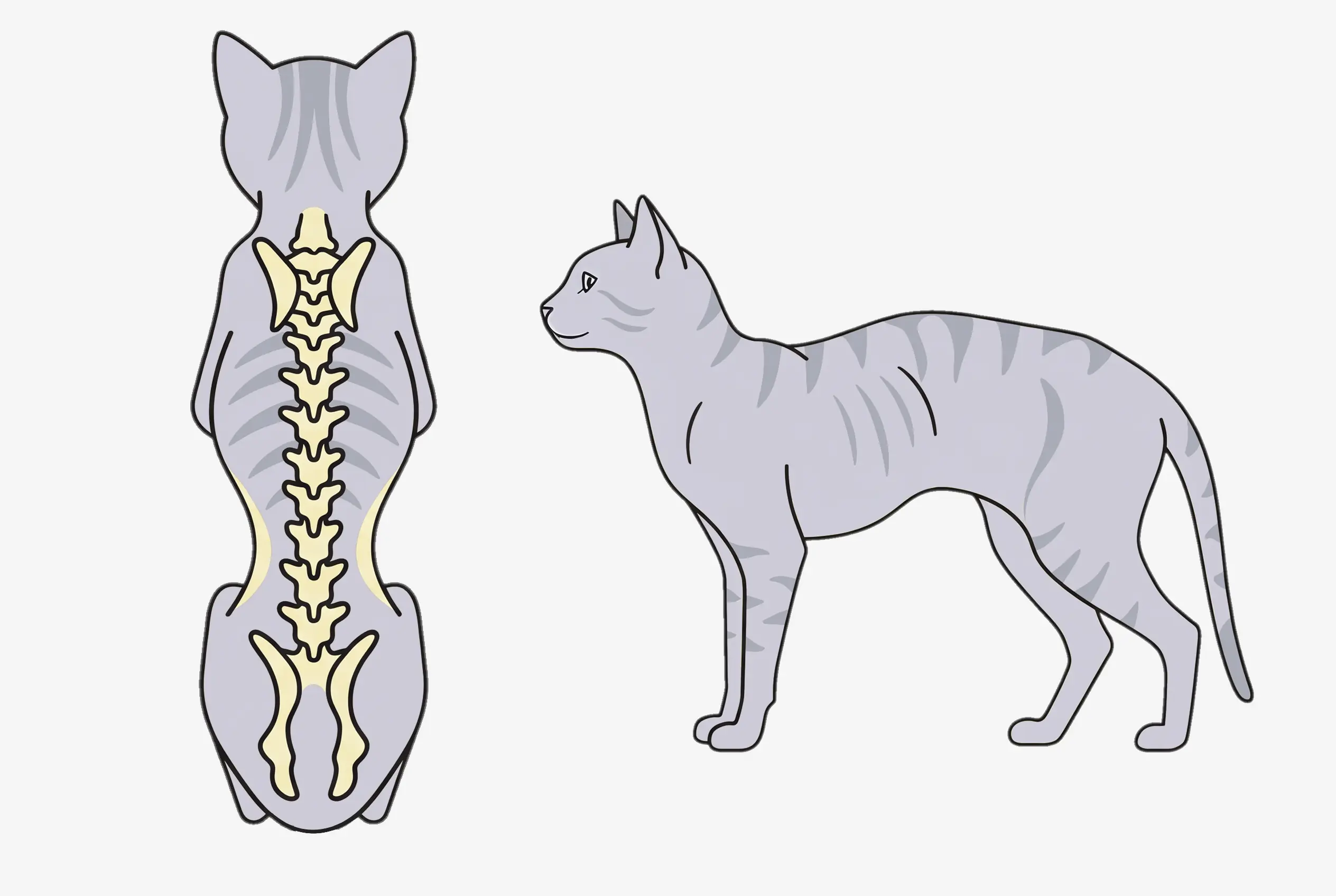
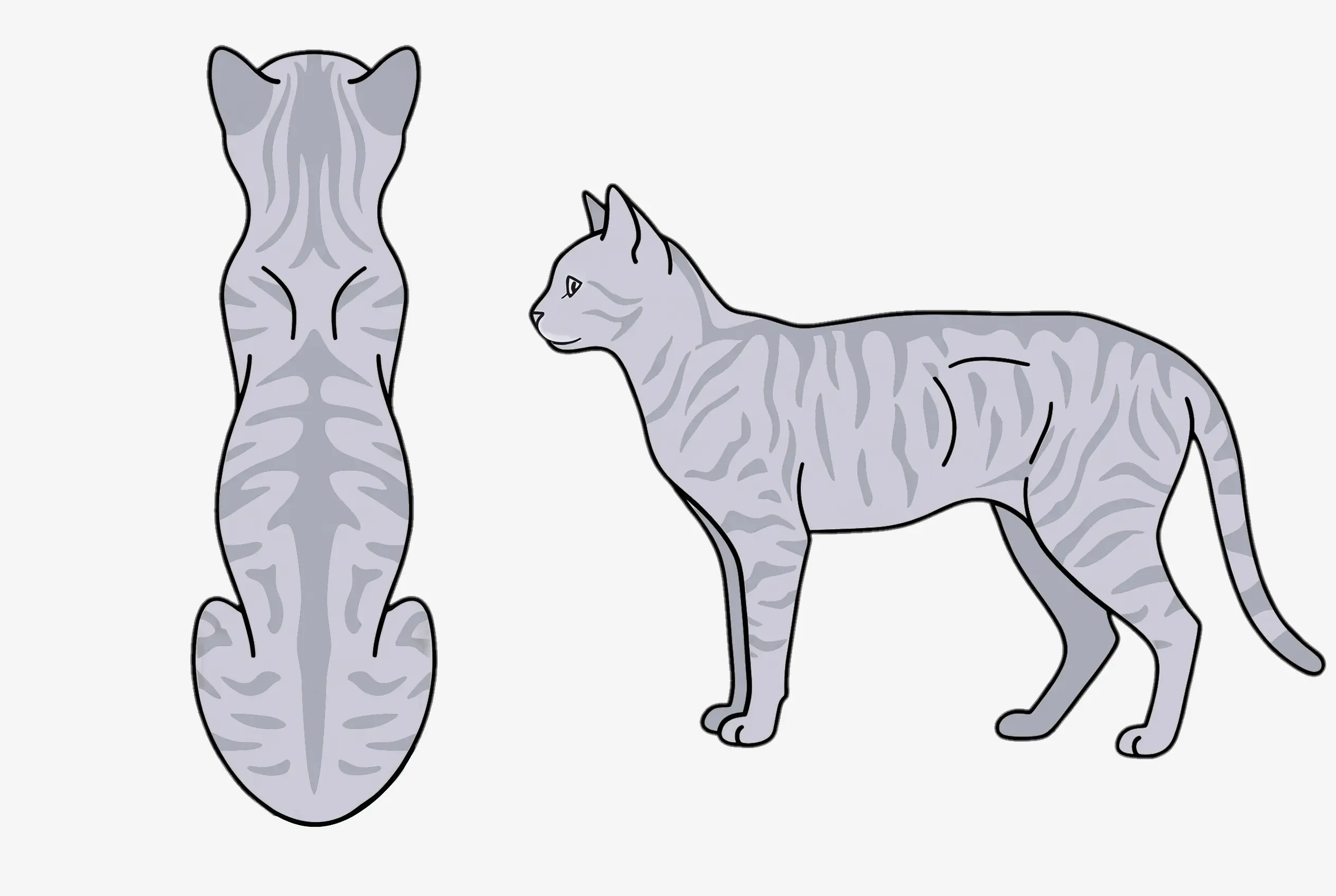
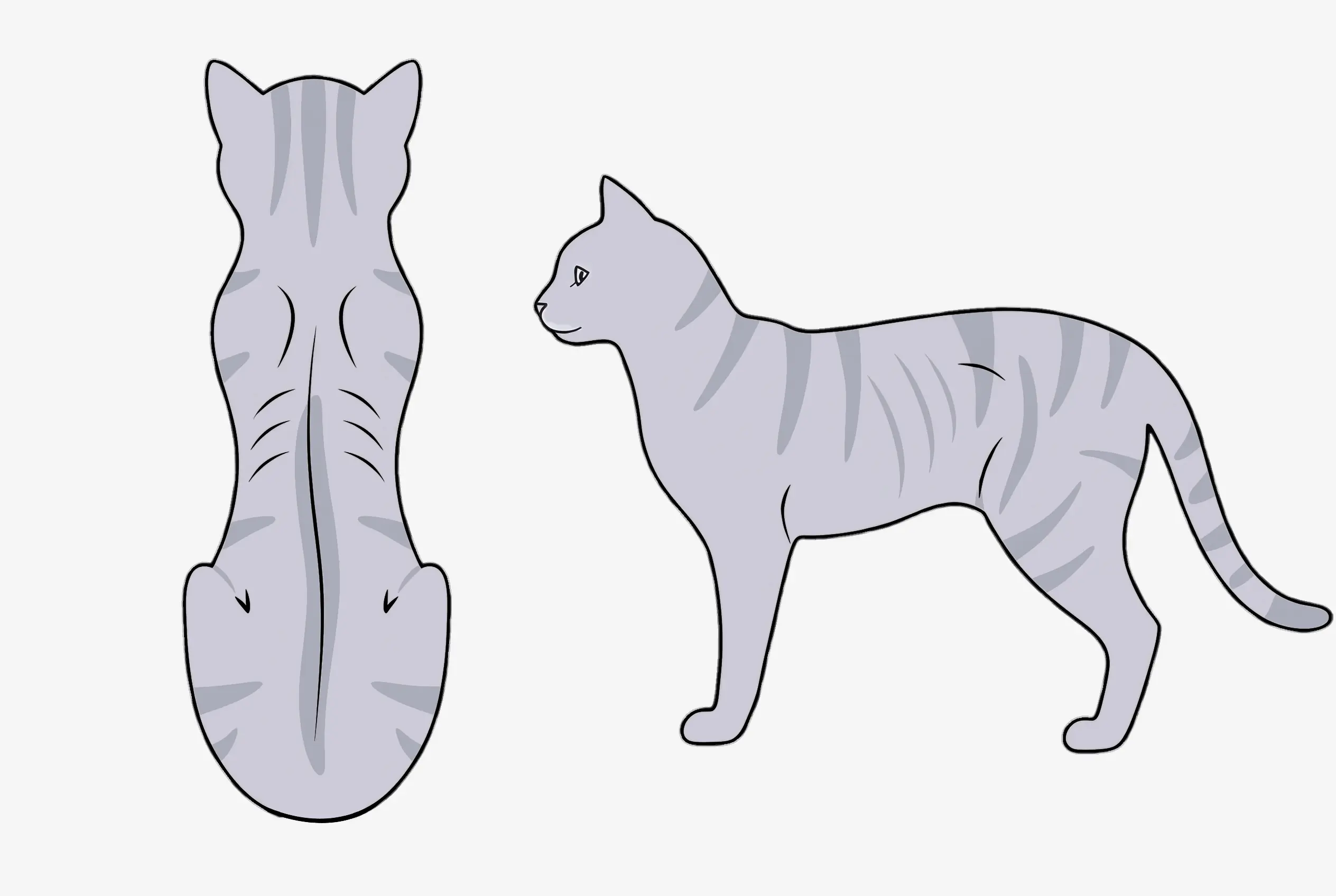
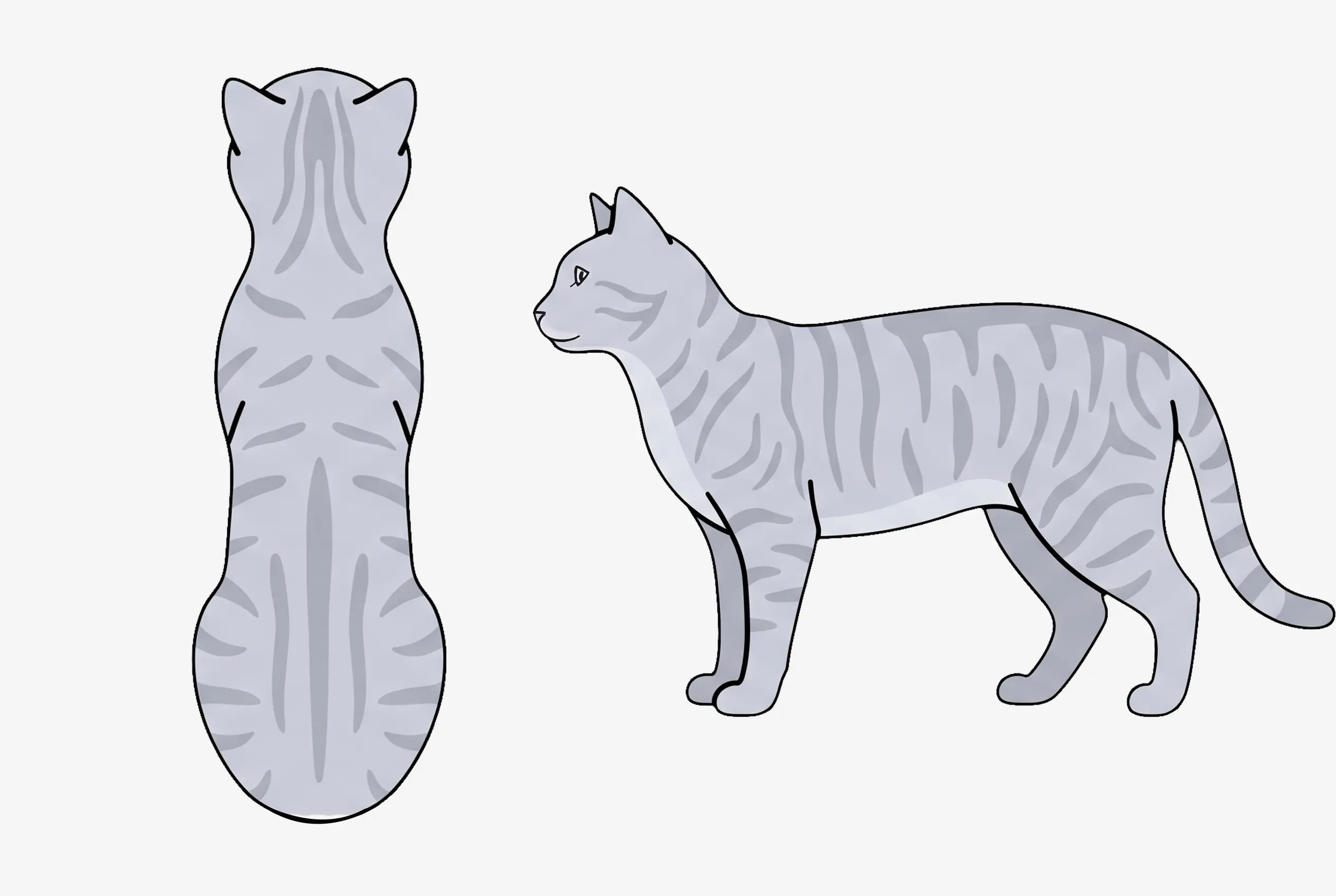
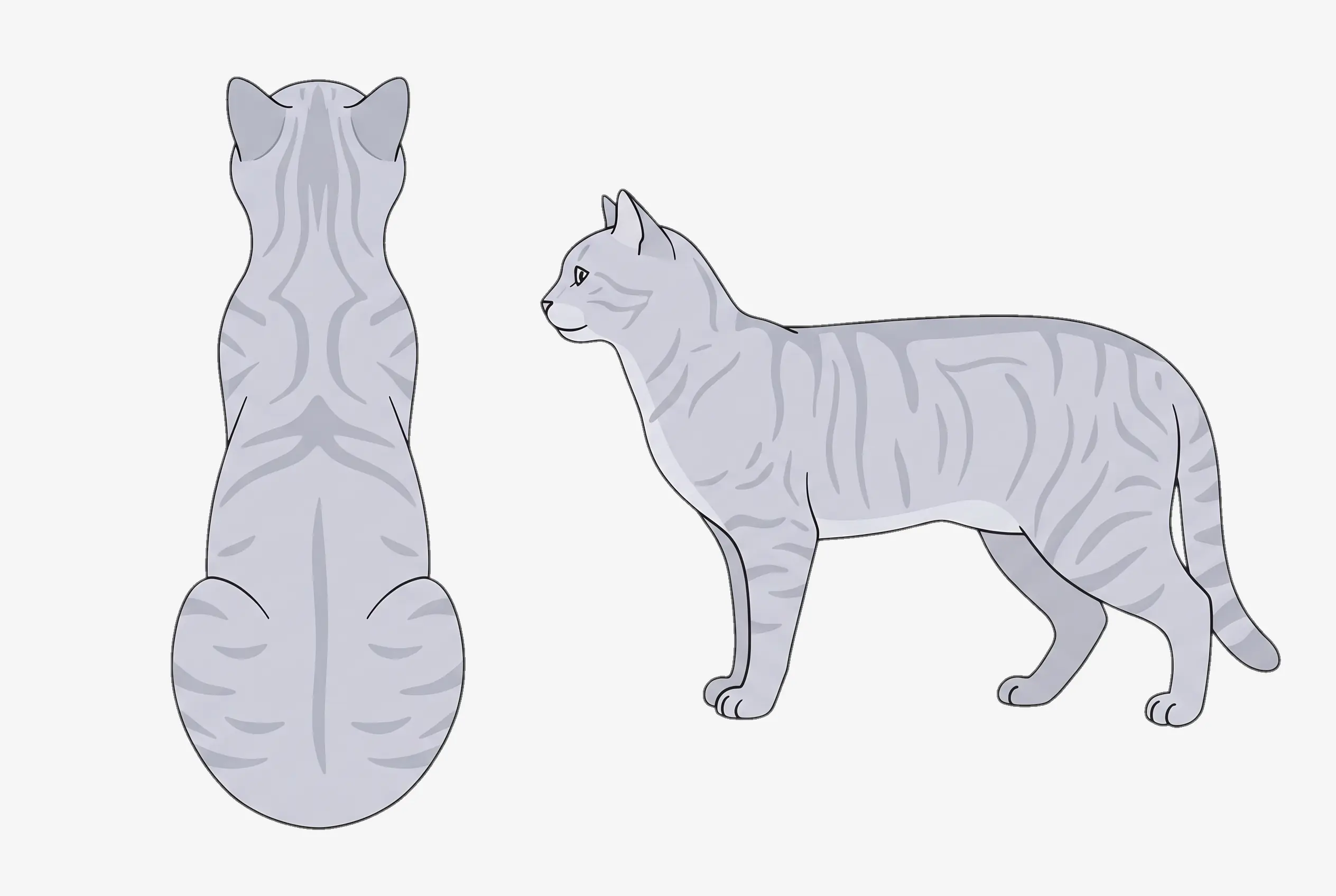
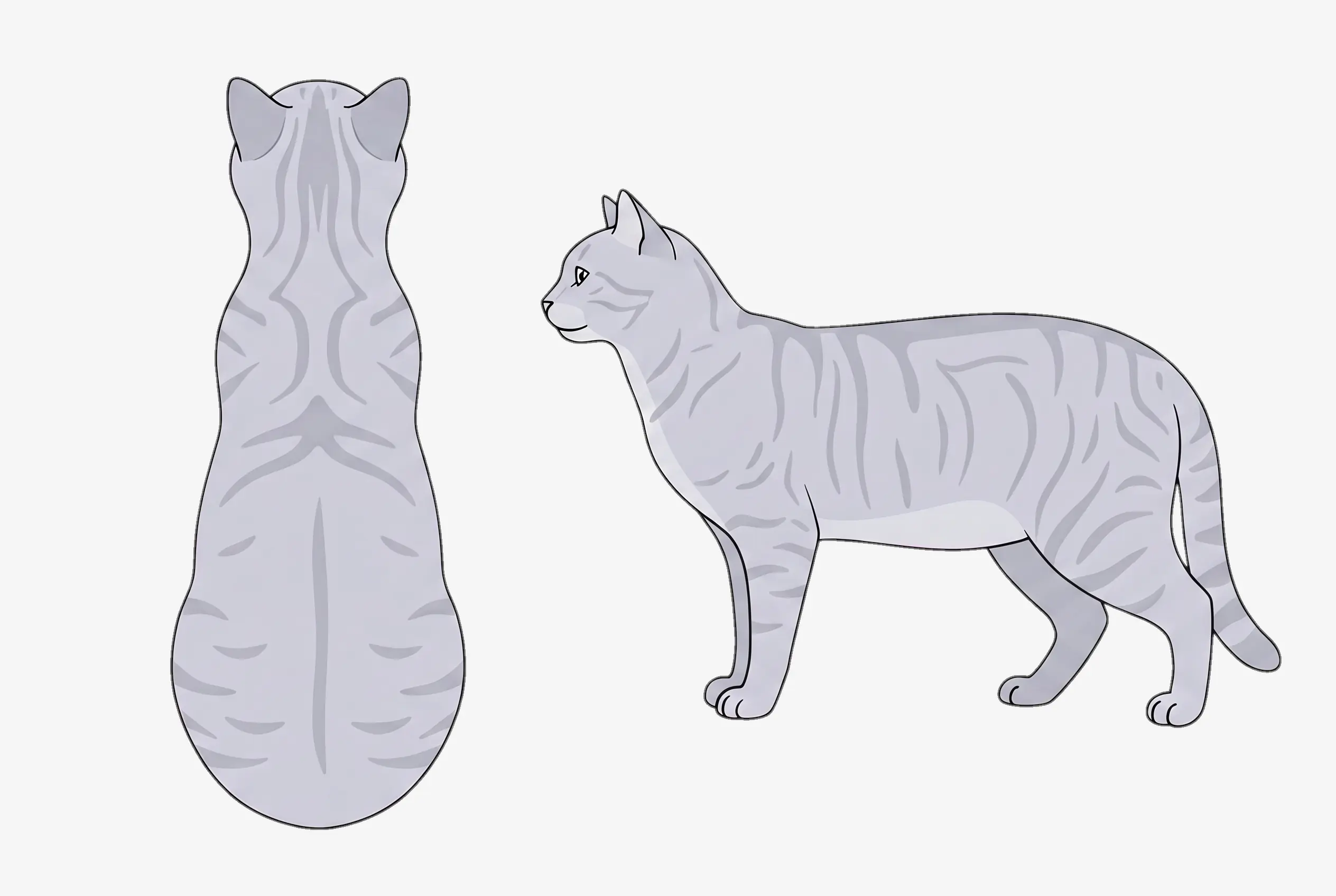
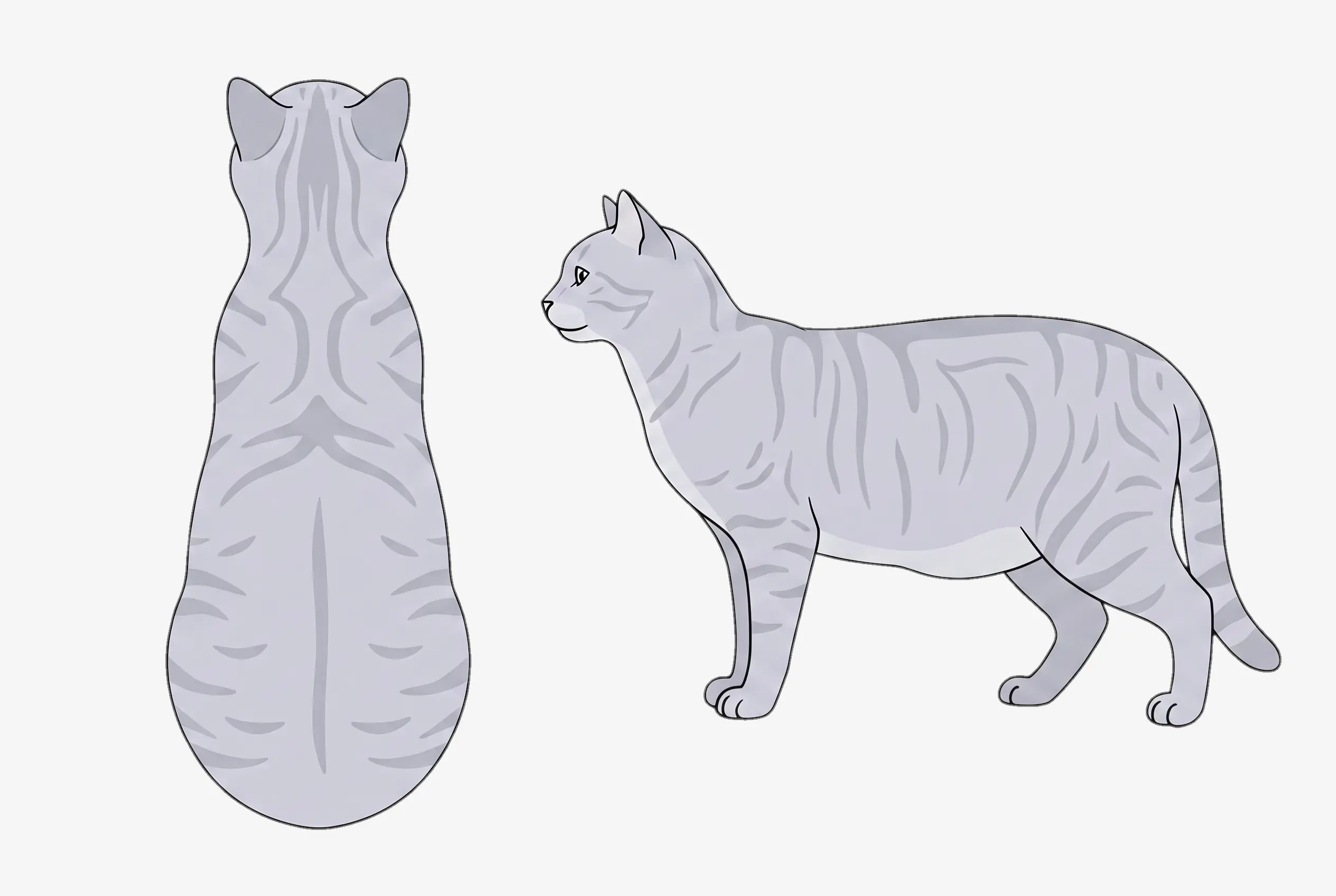
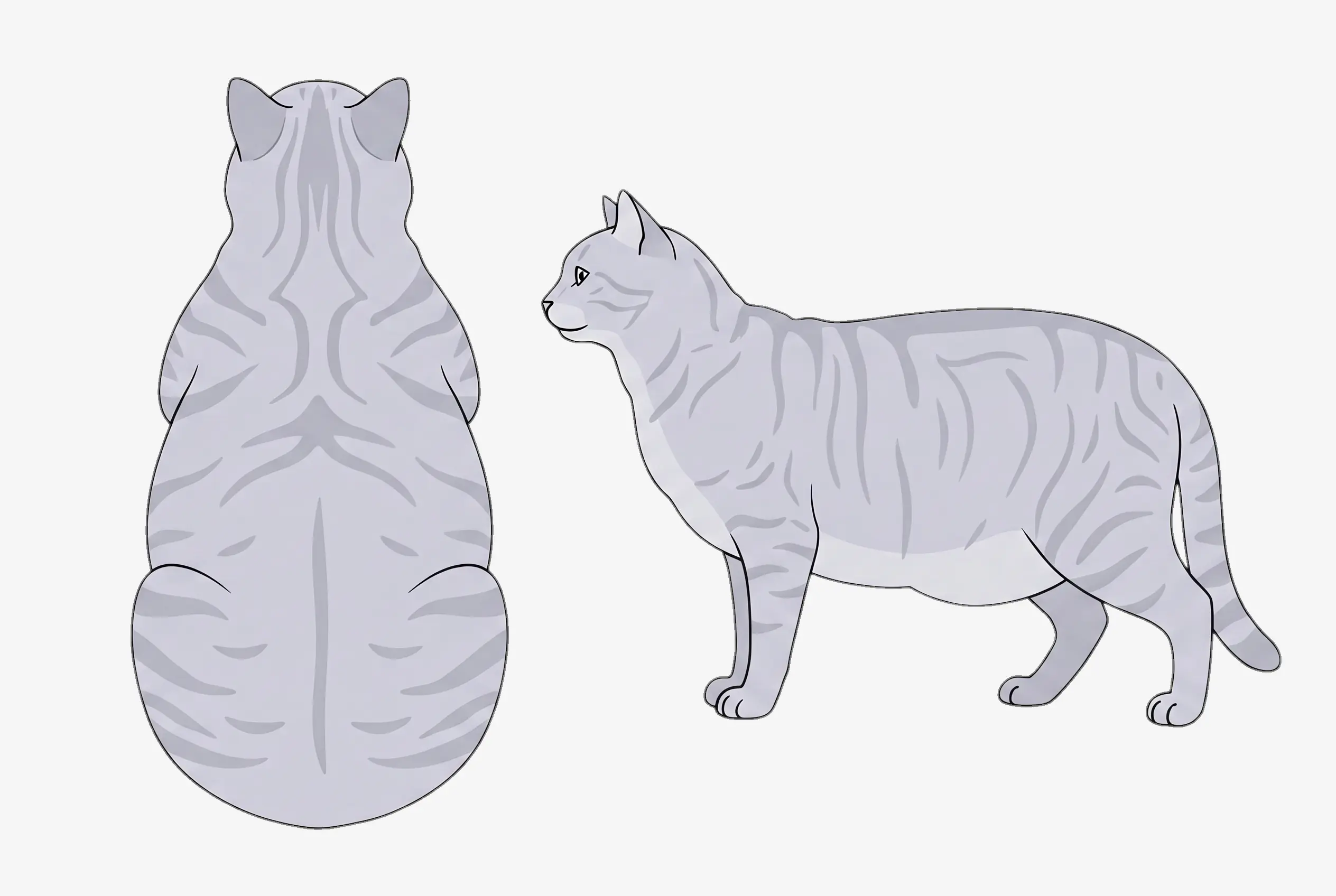

Analyzing your cat's body condition...
Results for Your Cat
Veterinary Assessment
📋 Your 30-Day Action Plan
Get a Personalized 30-Day Plan for Your Cat
Enter your email to receive a customized weight management guide — including a calorie calculator, vet-approved food transition schedule, and weekly check-in tracker. Free, no spam.
We respect your privacy. Unsubscribe anytime. See our Privacy Policy.
Complete BCS Chart: 9-Point Body Condition Score for Cats
The Body Condition Score (BCS) is the gold standard used by veterinarians worldwide to assess a cat's body fat and overall physique. Below is the complete 9-point scale recommended by the World Small Animal Veterinary Association (WSAVA).
Understanding Your Cat's Weight: What Every Cat Parent Should Know
Evidence-based information to help you understand and manage your cat's body condition for a longer, healthier life. Sources include WSAVA, AAHA, APOP, and peer-reviewed veterinary research.
Why a Scale Alone Cannot Tell You If Your Cat Is Healthy
Many cat owners rely solely on a bathroom scale to determine whether their cat is at a healthy weight. However, weight alone is a poor indicator of body condition. A 12-pound domestic shorthair and a 12-pound Maine Coon have vastly different body compositions — one may be obese while the other is perfectly lean. This is exactly why veterinarians developed the Body Condition Score (BCS) system: it evaluates where fat is stored and how much fat covers the body, rather than relying on a single number on a scale.
The WSAVA 9-point BCS system is the international gold standard for feline body condition assessment. It was developed through decades of veterinary research and is used in clinics worldwide. Unlike a simple weigh-in, BCS accounts for bone structure, muscle mass, and fat distribution — giving you a far more accurate picture of your cat's health status.
BCS Score vs. Estimated Body Fat Percentage
Each BCS score correlates with an estimated percentage of body fat. Veterinary research (VCA Animal Hospitals; Laflamme, 1997) has established the following approximate ranges:
| BCS Score | Category | Est. Body Fat % | Clinical Status |
|---|---|---|---|
| 1/9 | Emaciated | <5% | Critical |
| 2/9 | Very Thin | ~5–9% | Underweight |
| 3/9 | Thin | ~10–14% | Underweight |
| 4/9 | Slightly Lean | ~15–19% | Below Ideal |
| 5/9 | Ideal | ~20–25% | Ideal |
| 6/9 | Slightly Overweight | ~26–30% | Monitor |
| 7/9 | Overweight | ~30–35% | Overweight |
| 8/9 | Obese | ~35–45% | Obese |
| 9/9 | Severely Obese | >45% | Critical |
Note: A BCS of 7/9 in cats correlates to approximately 30% body fat, which is the clinical threshold for "overweight" in veterinary medicine. Source: Laflamme DP (1997); VCA Animal Hospitals.
There are two recognized BCS scales for cats: the 5-point scale (scores 1–5) and the 9-point scale (scores 1–9). The 9-point scale allows for more subtle distinctions. It is important to always note which scale you are using: a score of 3 means ideal on the 5-point scale, but thin on the 9-point scale. This tool uses the WSAVA 9-point scale.
How to Properly Feel Your Cat's Ribs: A 3-Step Palpation Guide
Rib palpation is the single most important skill for assessing your cat's body condition at home. The technique recommended by veterinarians is simple, takes less than 30 seconds, and can be done during a regular cuddle session.
The Knuckle Analogy (Used by Veterinarians)
Important note for long-haired cats: Breeds like Maine Coons, Persians, Ragdolls, and Norwegian Forest Cats can appear heavier than they are due to their thick coats. Always part the fur and rely on palpation rather than visual assessment alone. For these breeds, the rib palpation test is especially critical.
What about the primordial pouch? Many cats — especially Bengals, Egyptian Maus, and domestic cats — have a natural flap of loose skin along the belly called the primordial pouch. This is not fat and should not influence your BCS assessment. Focus on rib palpation and the waistline viewed from above, not the belly pouch. A cat with a prominent primordial pouch can still have a healthy BCS of 4–5.
The 6 Hidden Health Risks of Feline Obesity
Carrying excess weight is not merely a cosmetic concern for cats. Obesity is a recognized medical condition that significantly increases the risk of several serious diseases. Understanding these risks is the first step toward taking action.
1. Type 2 Diabetes Mellitus
Obese cats are up to 4 times more likely to develop diabetes mellitus. Excess fat tissue causes insulin resistance, forcing the pancreas to produce more insulin until it can no longer keep up. Weight loss alone can reverse early-stage diabetes in cats — a phenomenon rarely seen in other species. [1, 6]
2. Hepatic Lipidosis (Fatty Liver Disease)
Paradoxically, rapid weight loss in overweight cats can trigger hepatic lipidosis — a potentially fatal condition where fat accumulates in the liver. This is why cats must never be put on crash diets. Safe weight loss is 0.5–2% of body weight per month. Any cat that stops eating for more than 24–48 hours needs immediate veterinary attention. [3]
3. Osteoarthritis & Joint Disease
Excess weight places significant mechanical stress on joints. Obese cats are 2–3 times more likely to develop osteoarthritis. Because cats are stoic animals that hide pain, owners often don't notice joint disease until it is advanced. Signs include reluctance to jump, changes in grooming habits, and altered gait. [4]
4. Lower Urinary Tract Disease (FLUTD)
Overweight cats, particularly those that are sedentary and indoor-only, have a higher incidence of feline lower urinary tract disease (FLUTD), including urinary blockages. Increased water intake through wet food and weight management are key preventive strategies. [6]
5. Reduced Lifespan
A landmark study published in the Journal of Veterinary Internal Medicine found that overweight cats have a significantly shorter lifespan than ideal-weight cats. Maintaining a healthy BCS of 5/9 is one of the most impactful things you can do for your cat's longevity. [5]
6. Anesthetic & Surgical Risk
Obese cats face higher risks during anesthesia and surgery, including respiratory complications, longer recovery times, and wound healing issues. Veterinarians may recommend weight loss before elective procedures. [4]
Senior Cats, Geriatric Cats, and the Critical Role of Muscle Condition Score (MCS)
As cats age, their nutritional needs and body composition change significantly. Understanding these changes is essential for keeping senior and geriatric cats healthy.
Age categories in cats: Mature adult (7–10 years), Senior (11–14 years), Geriatric (15+ years). Many veterinary organizations now use 7+ years as the threshold for "senior" care protocols.
A critical concept that many cat owners — and even some veterinarians — overlook is the Muscle Condition Score (MCS). While BCS measures fat coverage, MCS evaluates muscle mass. According to the 2021 AAHA Nutrition and Weight Management Guidelines, BCS and MCS should always be assessed together — they are not causally related.
What is Muscle Condition Score (MCS)?
MCS is graded on a 4-point scale: Normal, Mild Loss, Moderate Loss, or Severe Loss. It is assessed by palpating the epaxial muscles over the spine and the temporal muscles on the skull.
Why this matters: A cat can have a normal or even overweight BCS (6–7/9) but still have significant muscle loss — especially in senior cats with hyperthyroidism, chronic kidney disease, or cancer. A 2020 study in the American Journal of Veterinary Research found that 91% of cats with cancer had muscle loss, even those with normal or overweight BCS scores. [7]
Sarcopenia in senior cats: Age-related muscle loss (sarcopenia) is common in cats over 12 years old. Senior cats often need more protein per kilogram of body weight than younger adults, not less. If your senior cat has a BCS of 4 or below, consult your veterinarian about a high-protein senior diet before attempting any weight management program.
BCS targets for senior cats: Many veterinarians recommend a slightly higher target BCS of 5–6/9 for senior cats (rather than a strict 5/9) to maintain muscle and fat reserves that can be drawn upon during illness. Discuss the appropriate target with your veterinarian based on your cat's individual health status.
Daily Calorie Needs & Breed-Specific Ideal Weight Reference
Understanding your cat's calorie needs is essential for weight management. The following tables are derived from the APOP Calorie Calculator methodology and WSAVA nutritional guidelines.
Estimated Daily Calorie Needs by Weight & Status
| Cat Weight | Neutered Adult (maintenance) | Indoor Sedentary | Weight Loss Goal | Active / Outdoor |
|---|---|---|---|---|
| 3 kg (6.6 lbs) | ~160 kcal/day | ~130 kcal/day | ~100 kcal/day | ~190 kcal/day |
| 4 kg (8.8 lbs) | ~200 kcal/day | ~165 kcal/day | ~130 kcal/day | ~240 kcal/day |
| 5 kg (11 lbs) | ~240 kcal/day | ~195 kcal/day | ~155 kcal/day | ~285 kcal/day |
| 6 kg (13.2 lbs) | ~275 kcal/day | ~225 kcal/day | ~180 kcal/day | ~330 kcal/day |
| 7 kg (15.4 lbs) | ~310 kcal/day | ~255 kcal/day | ~200 kcal/day | ~370 kcal/day |
| 8 kg (17.6 lbs) | ~345 kcal/day | ~280 kcal/day | ~220 kcal/day | ~410 kcal/day |
* Weight loss calories are based on RER (Resting Energy Requirement) × 0.8 factor. Always consult your veterinarian before starting a weight loss program. For precise calorie calculations, use our Cat Calorie Calculator.
Breed-Specific Ideal Weight Reference Chart
These ranges are provided as a starting point. Final ideal weight must be determined by BCS assessment and veterinary evaluation, not breed alone.
| Breed | Ideal Weight (Female) | Ideal Weight (Male) | Frame Size |
|---|---|---|---|
| Domestic Shorthair | 3.5–5 kg (7.7–11 lbs) | 4–6 kg (8.8–13.2 lbs) | Medium |
| Maine Coon | 4–6 kg (8.8–13.2 lbs) | 6–9 kg (13.2–20 lbs) | Large |
| Ragdoll | 4.5–6.5 kg (10–14.3 lbs) | 5.5–9 kg (12.1–20 lbs) | Large |
| Norwegian Forest Cat | 4–5.5 kg (8.8–12.1 lbs) | 5–7.5 kg (11–16.5 lbs) | Large |
| Siberian | 4–6 kg (8.8–13.2 lbs) | 5–8 kg (11–17.6 lbs) | Large |
| British Shorthair | 4–5.5 kg (8.8–12.1 lbs) | 5–8 kg (11–17.6 lbs) | Large / Stocky |
| American Shorthair | 3.5–5.5 kg (7.7–12.1 lbs) | 4.5–7 kg (9.9–15.4 lbs) | Medium |
| Bengal | 3.5–5 kg (7.7–11 lbs) | 4.5–7 kg (9.9–15.4 lbs) | Medium / Athletic |
| Persian | 3–4.5 kg (6.6–9.9 lbs) | 4–6 kg (8.8–13.2 lbs) | Medium / Stocky |
| Siamese | 2.5–4 kg (5.5–8.8 lbs) | 3.5–5.5 kg (7.7–12.1 lbs) | Small / Slender |
| Burmese | 3–4.5 kg (6.6–9.9 lbs) | 4–6 kg (8.8–13.2 lbs) | Medium / Muscular |
| Russian Blue | 3–4.5 kg (6.6–9.9 lbs) | 4–6 kg (8.8–13.2 lbs) | Medium |
| Scottish Fold | 3–4.5 kg (6.6–9.9 lbs) | 4–6 kg (8.8–13.2 lbs) | Medium |
| Devon Rex | 2.5–4 kg (5.5–8.8 lbs) | 3–5 kg (6.6–11 lbs) | Small / Slender |
| Sphynx | 3–4.5 kg (6.6–9.9 lbs) | 4–6 kg (8.8–13.2 lbs) | Medium / Muscular |
| Singapura | 1.8–3 kg (4–6.6 lbs) | 2.5–4 kg (5.5–8.8 lbs) | Small |
| Abyssinian | 2.5–4 kg (5.5–8.8 lbs) | 3.5–5.5 kg (7.7–12.1 lbs) | Small / Athletic |
| Savannah (F1–F3) | 5–8 kg (11–17.6 lbs) | 7–11 kg (15.4–24.2 lbs) | Very Large |
Sources: APOP Breed Weight Ranges; WSAVA Global Nutrition Guidelines; individual breed club standards. Ranges represent BCS 5/9 targets for neutered adult cats.
Indoor vs. Outdoor Cats: How Lifestyle Affects Obesity Risk
Your cat's living environment has a profound impact on their calorie needs, activity level, and obesity risk. Indoor-only cats are significantly more prone to weight gain than their outdoor counterparts — and require a different management approach.
🏠 Indoor-Only Cats
- Burn ~20–30% fewer calories than outdoor cats
- Higher risk of boredom eating and food-seeking behavior
- Lower activity levels lead to faster muscle loss with age
- Require puzzle feeders and interactive play to simulate hunting
- Benefit from 2–3 scheduled meal times rather than free-feeding
- Neutered indoor cats have the highest obesity risk of any cat group
- Target: 160–240 kcal/day for a 4–5 kg neutered adult
🌿 Indoor & Outdoor Cats
- Natural hunting behavior burns significant calories
- Higher daily activity reduces obesity risk substantially
- May eat prey animals — account for this in daily calorie budget
- More natural weight regulation through activity variation
- Still benefit from regular BCS monitoring every 3–6 months
- Seasonal weight fluctuations are normal (heavier in winter)
- Target: 200–285 kcal/day for a 4–5 kg neutered adult
The Impact of Spaying/Neutering on Weight
Spaying and neutering reduces a cat's metabolic rate by approximately 20–30% and can increase appetite. This is a well-documented hormonal effect. The key implication: a neutered cat needs significantly fewer calories than an intact cat of the same weight. Failing to adjust food portions after neutering is one of the most common causes of feline obesity.
Practical guidance: After spaying or neutering, reduce your cat's daily food intake by approximately 20–25% compared to pre-surgery amounts. Monitor BCS every 4–6 weeks for the first 6 months post-surgery, as this is the highest-risk period for weight gain.
Enrichment Strategies to Prevent Indoor Cat Obesity
Physical and mental enrichment is as important as calorie restriction for indoor cats. Evidence-based strategies include:
- Puzzle feeders: Make your cat "hunt" for their food. Studies show puzzle feeders reduce anxiety and increase activity in indoor cats.
- Scheduled play sessions: Two 10–15 minute interactive play sessions per day (wand toys, laser pointers) can significantly increase daily calorie burn.
- Vertical space: Cat trees and wall-mounted shelves encourage climbing, which burns calories and reduces stress-related overeating.
- Portion control: Measure food with a kitchen scale, not a cup. Cup measurements can vary by 20–30% depending on kibble size and how tightly packed the cup is.
- Wet food integration: Wet food has higher water content and lower calorie density, which helps cats feel full on fewer calories. Consider replacing 50% of dry food with wet food.
Frequently Asked Questions
Answers to the most common questions about cat body condition assessment, weight management, and healthy feeding.
References & Sources
- World Small Animal Veterinary Association. (2020). Body Condition Score (Cat). WSAVA Global Nutrition Guidelines
- Purina Institute. (n.d.). The Purina Body Condition System. Purina BCS
- Veterinary Partner. (2025). Hepatic Lipidosis (Fatty Liver Disease) in Cats. VIN
- American Animal Hospital Association. (2021). AAHA Nutrition and Weight Management Guidelines for Dogs and Cats. AAHA Guidelines
- Association for Pet Obesity Prevention. (2023). National Pet Obesity Survey. APOP
- Cornell Feline Health Center. (n.d.). Obesity in Cats. Cornell Feline Health Center
- Freeman LM, et al. (2020). Usefulness of muscle condition score and ultrasonographic measurements in cats. American Journal of Veterinary Research, 81(3), 254–261. AVMA
- Laflamme DP. (1997). Development and validation of a body condition score system for cats. Feline Practice, 25(5–6), 13–18.
- VCA Animal Hospitals. (n.d.). Body Condition Score in Cats. VCA Hospitals
 EN
EN DE
DE ES
ES PT
PT