
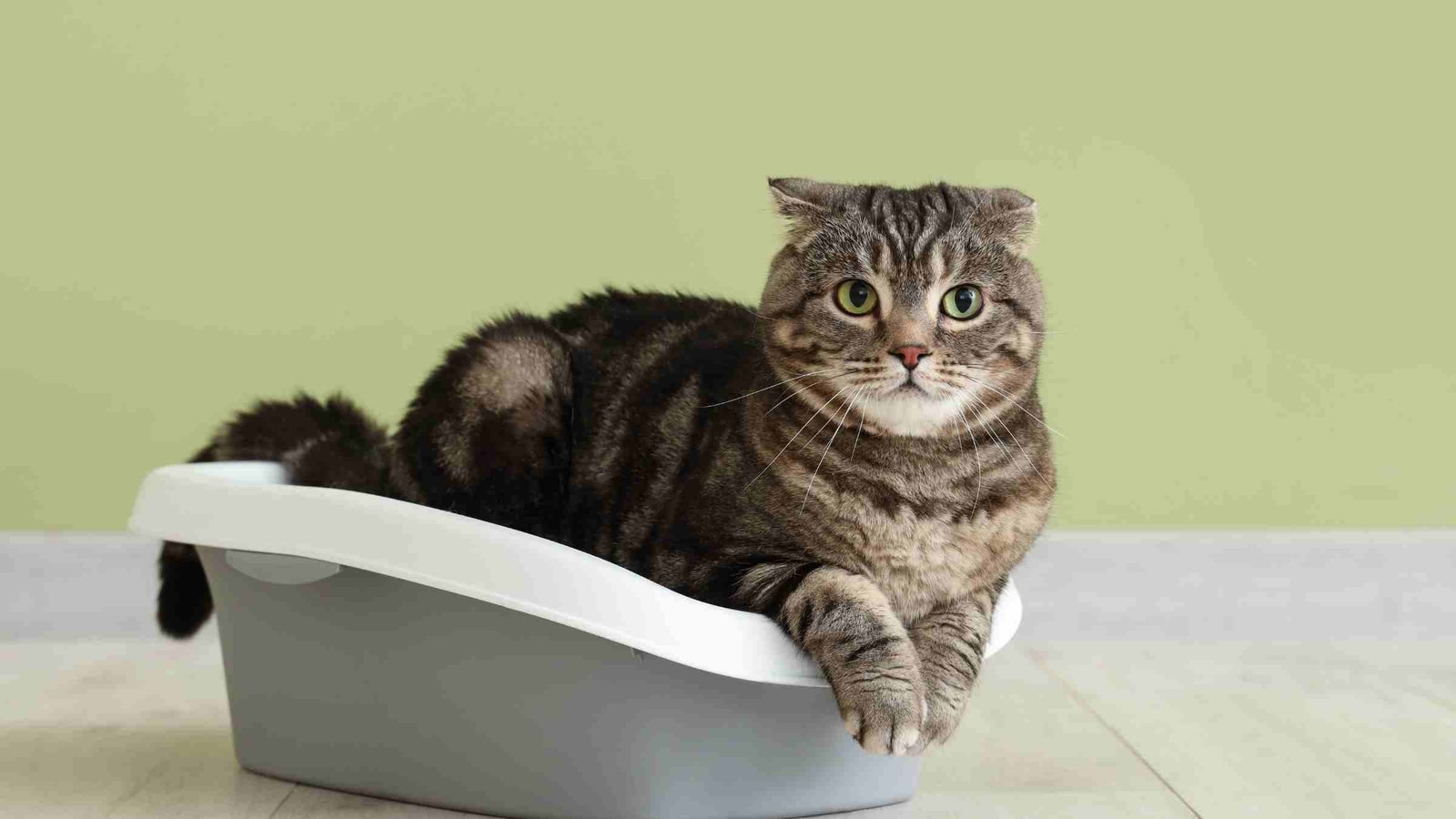
Most healthy cat poop is medium to dark brown, formed, and easy to scoop. A single odd stool can happen after a food change, treat, stress, or mild stomach upset. Call a veterinarian urgently if stool is black and tarry, contains a lot of fresh blood, is pale gray or white, comes with repeated vomiting, severe diarrhea, weakness, dehydration, pain, or your cat cannot pass stool.
Use this chart to describe what you see, not to diagnose your cat at home. Stool color matters most when you combine it with consistency, frequency, odor, appetite, energy, vomiting, water intake, peso change, and litter box behavior.
Índice
- Cat poop color chart: quick meaning and next step
- What should normal cat poop look like?
- ¿Cuándo debería llamar al veterinario?
- What each cat poop color can mean
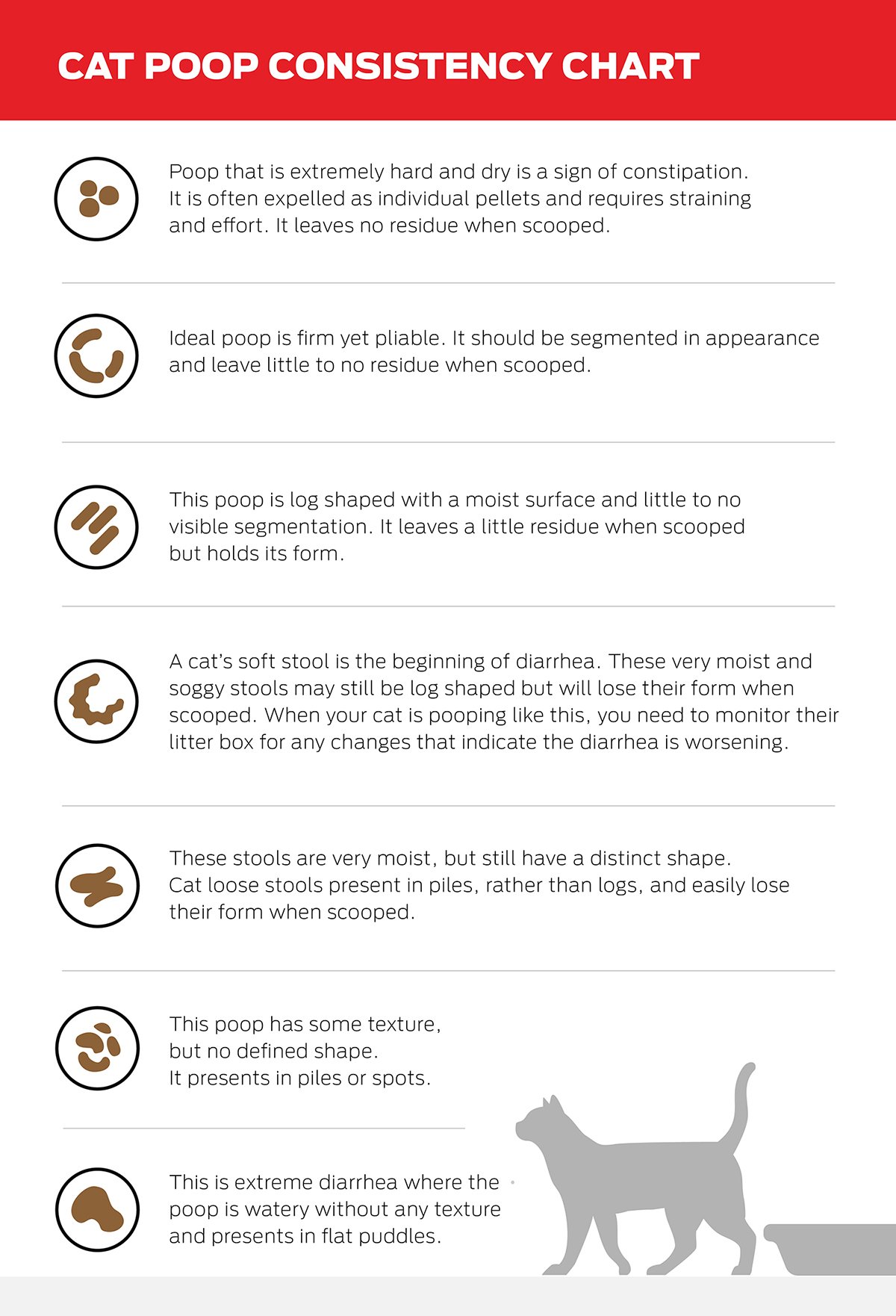
- Why consistency matters as much as color
- What to check before you call the vet
- Special cases: kittens, seniors, and cats with medical conditions
- How to support normal stool safely
- Preguntas frecuentes
- Referencias
Cat poop color chart: quick meaning and next step
Cat poop color gives clues, but it does not confirm the cause. Use color as a triage tool: normal brown can usually be monitored, while black, red, pale gray, white, or ongoing watery stool deserves faster veterinary advice.
| Cat poop color or look | Lo que esto podría indicar | ¿Qué hacer ahora? |
|---|---|---|
| Medium to dark brown, formed | Often normal | Keep normal feeding and monitor routine litter box habits. |
| Very dark brown but formed | May be diet-related or mild constipation | Monitor if your cat is bright and eating; call your vet if it persists or stool becomes hard. |
| Black, tarry, sticky stool | Possible digested blood from higher in the digestive tract | Call a vet urgently, especially with weakness, vomiting, pale gums, or appetite loss. |
| Bright red blood on stool or litter | Fresh blood near the colon, rectum, or anus is possible | Call your vet, especially if more than a small streak, repeated, or paired with diarrhea or straining. |
| Yellow or mustard-colored stool | Fast transit, diet change, digestive upset, liver/bile concerns, or other causes | Call your vet if it repeats, is watery, or comes with appetite or energy changes. |
| Green stool | Diet color, grass, bile, fast transit, or digestive upset may be involved | Monitor one isolated normal stool; call if repeated, watery, or your cat seems unwell. |
| Orange stool | Diet color, bile-related changes, or digestive upset may be involved | Call your vet if it persists or appears with vomiting, poor appetite, or yellow gums/eyes. |
| Pale gray, clay, or white stool | Possible bile, liver, gallbladder, pancreatic, or absorption concern | Call your vet promptly. Do not wait several days if the stool is truly pale or white. |
| Mucus-coated stool | Colon irritation or inflammation can be involved | Call if repeated, bloody, watery, or paired with straining. |
| Worms or rice-like segments | Possible intestinal parasites | Schedule a vet visit and bring a fresh stool sample. |
| Hair, string, plastic, or foreign material | Grooming, swallowed material, or foreign body risk | Call your vet if repeated, if string is visible from the anus, or if vomiting/appetite loss occurs. |
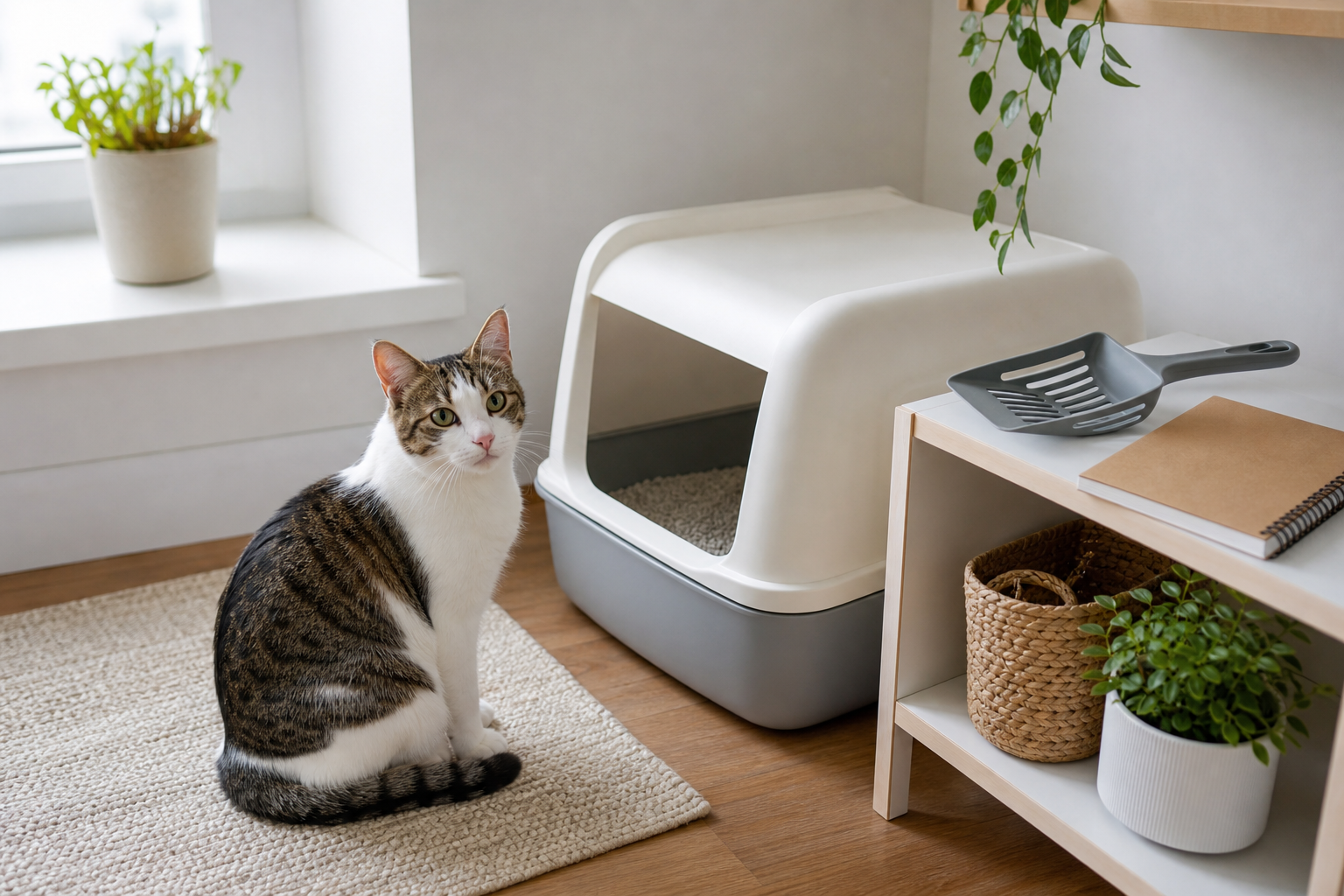
If your cat has watery diarrhea, this chart pairs well with SnuggleSouls’ cat diarrhea guide. If the cat is a kitten, use the kitten diarrhea guide as background while arranging veterinary care, because kittens can become dehydrated quickly.
What should normal cat poop look like?
Normal cat poop is usually brown, shaped like a log or small segments, moist but not watery, and firm enough to scoop without leaving a puddle or smear. It should not be rock-hard, tarry, greasy, covered in mucus, or full of blood.
A practical “normal” checklist:
- Brown color, from medium to dark brown.
- Formed shape that holds together.
- Mild odor, not suddenly foul or unusually sour.
- Passed without obvious pain, crying, or repeated straining.
- No large amount of blood, mucus, worms, or foreign material.
- Your cat is eating, drinking, playing, grooming, and acting normally.
Some variation is normal. A new food, a stolen treat, stress, hair ingestion, or a temporary digestive upset can change the next stool. The risk rises when the change repeats, worsens, or appears with other symptoms.
¿Cuándo debería llamar al veterinario?
Call a veterinarian now if stool color changes are paired with emergency signs, or if the color suggests blood, bile-flow problems, severe diarrhea, dehydration, or a possible blockage.
Seek urgent veterinary advice if you see:
- Black, tarry, sticky stool.
- A large amount of fresh red blood, repeated blood, or blood with diarrhea.
- Pale gray, clay-colored, or white stool.
- Watery diarrhea that is repeated, severe, or explosive.
- Vomiting more than once, especially with diarrhea.
- Weakness, collapse, ocultar, severe lethargy, or pain.
- Refusal to come, especially for 24 hours or more.
- Signs of dehydration, such as tacky gums, sunken eyes, or unusual weakness.
- Straining in the litter box without producing stool or urine.
- A string, ribbon, thread, or other object hanging from the anus.
- A kitten, senior cat, pregnant/nursing cat, or cat with a known medical condition having abnormal stool.
Do not pull string or thread from your cat’s mouth or anus. It can be anchored inside the digestive tract and pulling can cause injury. Call your veterinarian or an emergency clinic.
What each cat poop color can mean
Each stool color has a range of possible causes. The safest interpretation is “what might this color help me report to my vet?” rather than “what disease does my cat have?”
Brown cat poop
Brown, formed stool is usually normal. If the stool is brown but loose, watery, very hard, greasy, or covered in mucus, focus on consistency and your cat’s overall behavior.
Monitor if your cat is bright, eating, drinking, and the change happens once. Call your vet if brown diarrhea repeats, lasts more than a day, or comes with vomiting, appetite loss, weight loss, or lethargy. Diarrhea can come from diet change, parasites, infection, inflammatory disease, medications, stress, or other conditions 1, 2.
Black cat poop
Black, tarry, sticky stool is concerning because it can suggest digested blood. This type of stool often looks darker than ordinary dark brown and may have a sticky, tar-like texture.
Call your veterinarian urgently if you see black tarry stool, especially if your cat is weak, pale, not eating, vomiting, or acting painful. Do not assume it is only a food-color issue unless your vet helps rule out more serious causes.
Red blood in cat poop
Bright red blood can appear as streaks on stool, drops in the litter, or red mucus. It may come from irritation near the colon, rectum, or anus, but the cause can range from mild to serious.
Small streaks with one firm stool may be less urgent if your cat is otherwise normal, but repeated blood, a large amount of blood, blood with diarrhea, or blood with straining should be checked. Bring a photo and a fresh stool sample if your clinic asks for one.
Yellow cat poop
Yellow stool can happen when stool moves through the digestive tract quickly, but it can also appear with digestive upset or other medical issues. The color alone is not enough to identify the cause.
Call your vet if yellow stool is watery, repeated, foul-smelling, greasy, or paired with vomiting, weight loss, poor appetite, or low energy. If your cat recently changed foods, note the timing and ingredients so your vet can interpret the pattern.
Caca de gato verde
Green stool may happen after eating grass or green-tinted material, but it can also appear when stool moves too quickly or when digestion is disrupted.
If your cat passes one greenish but formed stool and feels normal, monitor the next litter box trip. Call your vet if the stool is watery, repeated, bloody, or paired with vomiting, not eating, hiding, or weakness.
Orange cat poop
Orange stool may reflect food color, bile-related changes, or digestive upset. It deserves more attention if it is new and repeated rather than a one-time color change after a specific food.
Call promptly if orange stool appears with yellowing of the gums, ears, or eyes; vomiting; appetite loss; pain; weakness; or very pale stool. Those signs can point beyond a simple stool-color issue.
Pale gray, clay, or white cat poop
Pale gray, clay-colored, or white stool is not typical for cats. It can be associated with problems involving bile flow, digestion, or absorption, among other possibilities.
Call your veterinarian promptly if the stool is truly pale, gray, clay-colored, or white. Take a clear photo in natural light if possible, because litter dust and indoor lighting can make brown stool look lighter than it is.
Mucus in cat poop
Mucus looks like a shiny, jelly-like coating or blob on the stool. A small amount once may occur with irritation, but repeated mucus can suggest colon inflammation or digestive upset.
Call your vet if mucus appears repeatedly, if there is blood, if your cat strains often, or if the stool is loose. Chronic or recurring diarrhea can have many causes and often requires a stool test, exam, and sometimes additional diagnostics 1, 3.
Worms, rice-like pieces, or moving material
Worms or rice-like segments can suggest intestinal parasites, including tapeworm segments. Cats can have parasites even if they live indoors, especially if they hunt, had fleas, or came from a shelter or rescue environment. Cornell notes that gastrointestinal parasites are common in cats and diagnosis usually involves veterinary evaluation and stool testing 4.
Do not guess at dewormers, especially for kittens, pregnant cats, sick cats, or multi-pet homes. Call your vet and ask whether to bring a stool sample.
Why consistency matters as much as color
Consistency often tells you how urgent the stool change is. A strange color in a formed stool may be less urgent than watery diarrhea, repeated straining, or stool that looks black and tarry.
| Stool consistency | Lo que esto podría indicar | Siguiente paso |
|---|---|---|
| Formed and scoopable | Often normal if brown and your cat feels well | Monitor normal routine. |
| Soft but shaped | Mild digestive change is possible | Monitor one to two stools if your cat is otherwise normal. |
| Pudding-like or loose | Diarrhea or digestive upset | Call if repeated, bloody, or paired with vomiting or low energy. |
| Watery | More concerning diarrhea and dehydration risk | Call your vet, especially for kittens, seniors, or repeated episodes. |
| Hard pellets | Constipation or dehydration may be involved | Call if repeated, painful, or your cat strains. |
| No stool despite straining | Constipation, obstruction, or urinary straining can be confused | Call promptly, especially if you are not sure whether urine is passing. |
Straining is tricky because owners can mistake urinary straining for constipation. A cat repeatedly visiting the litter box, crying, posturing, or producing little to no urine needs urgent veterinary care. If the issue looks urinary or stress-related, SnuggleSouls’ guide to Cambios en el uso de la bandeja sanitaria relacionados con el estrés can help you organize clues, but it should not delay care if your cat cannot urinate.
What to check before you call the vet
Before calling, gather a short, factual stool history. This helps the clinic decide whether your cat needs emergency care, a same-day visit, or monitoring.
Write down:
- Stool color and consistency.
- How many abnormal stools you saw and over what time period.
- Whether there is blood, mucus, worms, hair, string, plastic, or a strong new odor.
- Whether your cat is vomiting.
- Appetite, water intake, energy, grooming, and hiding behavior.
- Any food change, new treat, table scrap, plant chewing, medication, supplement, or possible toxin exposure.
- Whether your cat is urinating normally.
- Your cat’s edad, medical conditions, and whether they are on a prescription diet.
Take a clear photo before scooping if you can do so calmly. If your vet asks for a stool sample, use a clean bag or container and follow the clinic’s timing instructions. Do not bring a sample from a shared litter box unless you are sure which cat produced it.
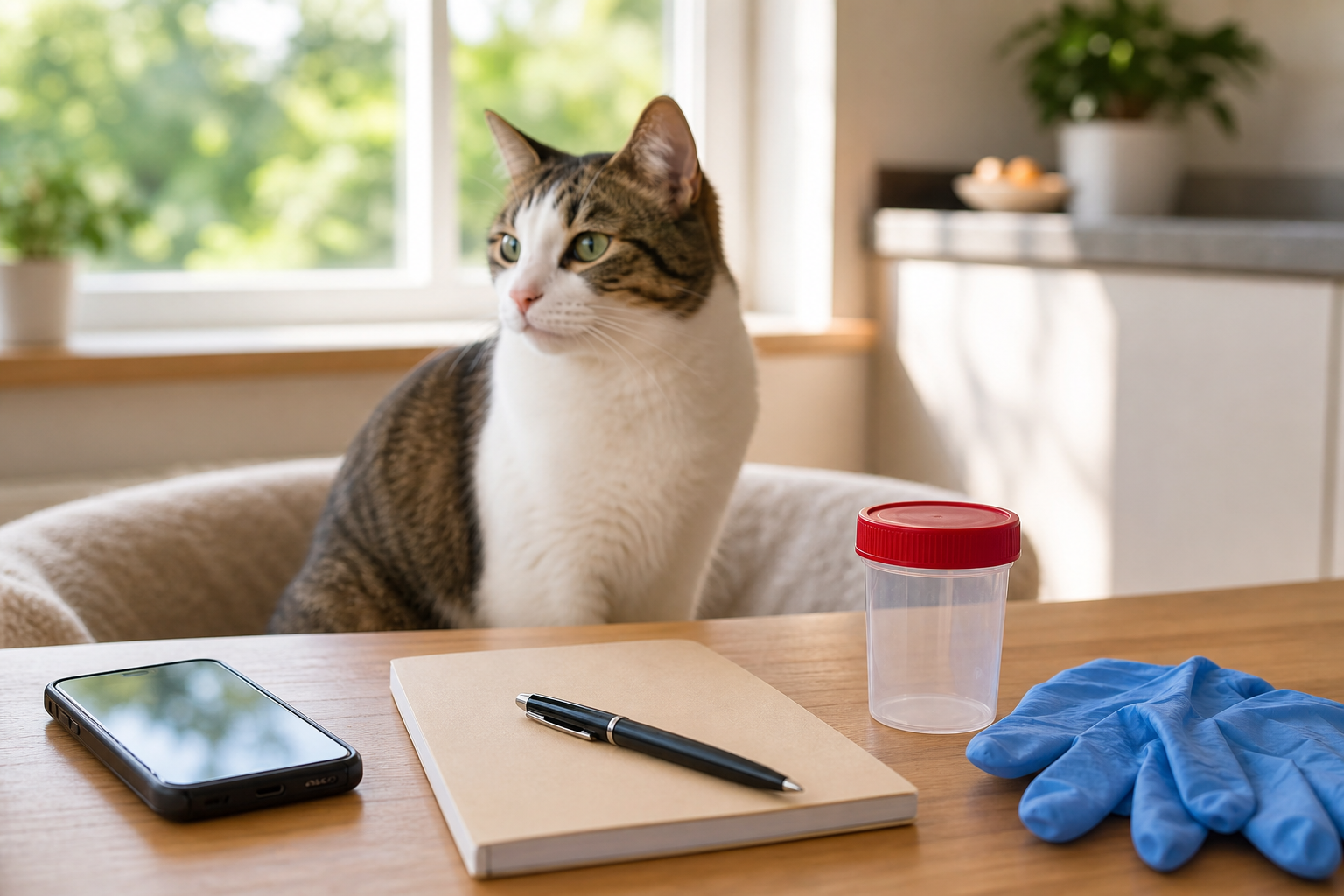
If abnormal stool appears with hiding, withdrawal, or unusual stillness, compare the behavior with SnuggleSouls’ guide on por qué se esconden los gatos and then call your vet if the change is new or paired with physical symptoms.
Special cases: kittens, seniors, and cats with medical conditions
Some cats need faster help because abnormal stool can affect them more quickly or signal a bigger underlying problem.
| Cat situation | Why to be cautious | Suggested response |
|---|---|---|
| Gatito | Diarrhea can lead to dehydration quickly | Call your vet, especially if watery, bloody, or repeated. |
| Senior cat | Higher chance of chronic disease or dehydration | Call sooner, especially with weight loss, appetite change, or vomiting. |
| Pregnant or nursing cat | Illness can affect both mother and kittens | Ask your vet before monitoring for long. |
| Cat with kidney, thyroid, diabetes, GI, liver, pancreatic, or immune disease | Stool changes may interact with existing care | Contact your vet for individualized guidance. |
| Cat on prescription food | Diet changes and treats can interfere with the plan | Do not change diet without veterinary advice. |
| Multi-cat household | Source of stool may be uncertain | Separate litter access temporarily if safe, or use photos and timing notes. |
For body-shape, appetite, and weight context, use the SnuggleSouls Guía sobre el estado físico to describe changes more clearly. Stool color is only one part of the health picture.
How to support normal stool safely
You can support normal stool by keeping food consistent, making changes gradually, providing fresh water, reducing stress, and calling your vet before trying supplements, human medicines, or home remedies.
Safe basics:
- Keep your cat on a complete and balanced cat food that fits their life stage.
- Avoid sudden diet changes unless your vet directs them.
- Introduce new foods slowly over several days when appropriate.
- Keep fresh water available.
- Scoop litter daily so you notice changes early.
- Keep parasite prevention and vet checkups current.
- Avoid table scraps, rich foods, bones, and sudden treat experiments.
Do not give human anti-diarrhea medication, laxatives, pain medicine, antibiotics, probiotics, pumpkin, oils, or supplements without veterinary guidance. Some common human products are unsafe for cats, and even “gentle” remedies can be wrong for the cause.
If stool changes seem connected to recent food decisions, review SnuggleSouls’ guide to choosing healthy cat food and bring the food label or ingredient list to your vet.
Preguntas frecuentes
What color should cat poop be?
Normal cat poop is usually medium to dark brown. It should be formed, moist, scoopable, and passed without obvious pain or repeated straining.
Is black cat poop an emergency?
Black, tarry, sticky stool can be urgent because it may suggest digested blood. Call a veterinarian promptly, especially if your cat is weak, vomiting, pale, not eating, or acting painful.
What does red blood in cat poop mean?
Red blood means fresh blood is present, but it does not identify the cause by itself. Call your vet if blood is repeated, more than a tiny streak, mixed with diarrhea, or paired with straining, vomiting, appetite loss, or lethargy.
Why is my cat’s poop yellow?
Yellow stool can happen with fast stool movement, food changes, digestive upset, or other issues. Call your vet if it repeats, becomes watery, smells unusually foul, or appears with vomiting, weight loss, poor appetite, or low energy.
Why is my cat’s poop green?
Green stool may be linked to grass, food color, bile, fast transit, or digestive upset. One formed greenish stool in an otherwise normal cat may be monitored, but repeated or watery green stool should be checked.
What does mucus in cat poop mean?
Mucus can appear when the colon or lower digestive tract is irritated. Call your vet if mucus repeats, if there is blood, if your cat strains, or if stool is loose or watery.
Should I bring a stool sample to the vet?
Ask your clinic. Many vets may request a fresh stool sample, especially if diarrhea, blood, mucus, or parasites are suspected. A clear photo is also useful when color is the main concern.
Can stress change cat poop?
Stress can contribute to digestive upset in some cats, but do not assume stress is the cause if stool is black, bloody, pale, watery, repeated, or paired with vomiting, appetite loss, hiding, or weakness.
Referencias
[1] Centro de Salud Felina de Cornell. Diarrea.
[2] Manual Veterinario de Merck. Trastornos del estómago y los intestinos en los gatos.
[3] Hospitales veterinarios VCA. Inflammatory Bowel Disease in Cats.
[4] Centro de Salud Felina de Cornell. Parásitos gastrointestinales de los gatos.
 EN
EN DE
DE ES
ES PT
PT