Las razas de gatos más perezosas: 5 gatos falderos de baja energía (más menciones honoríficas tranquilas)

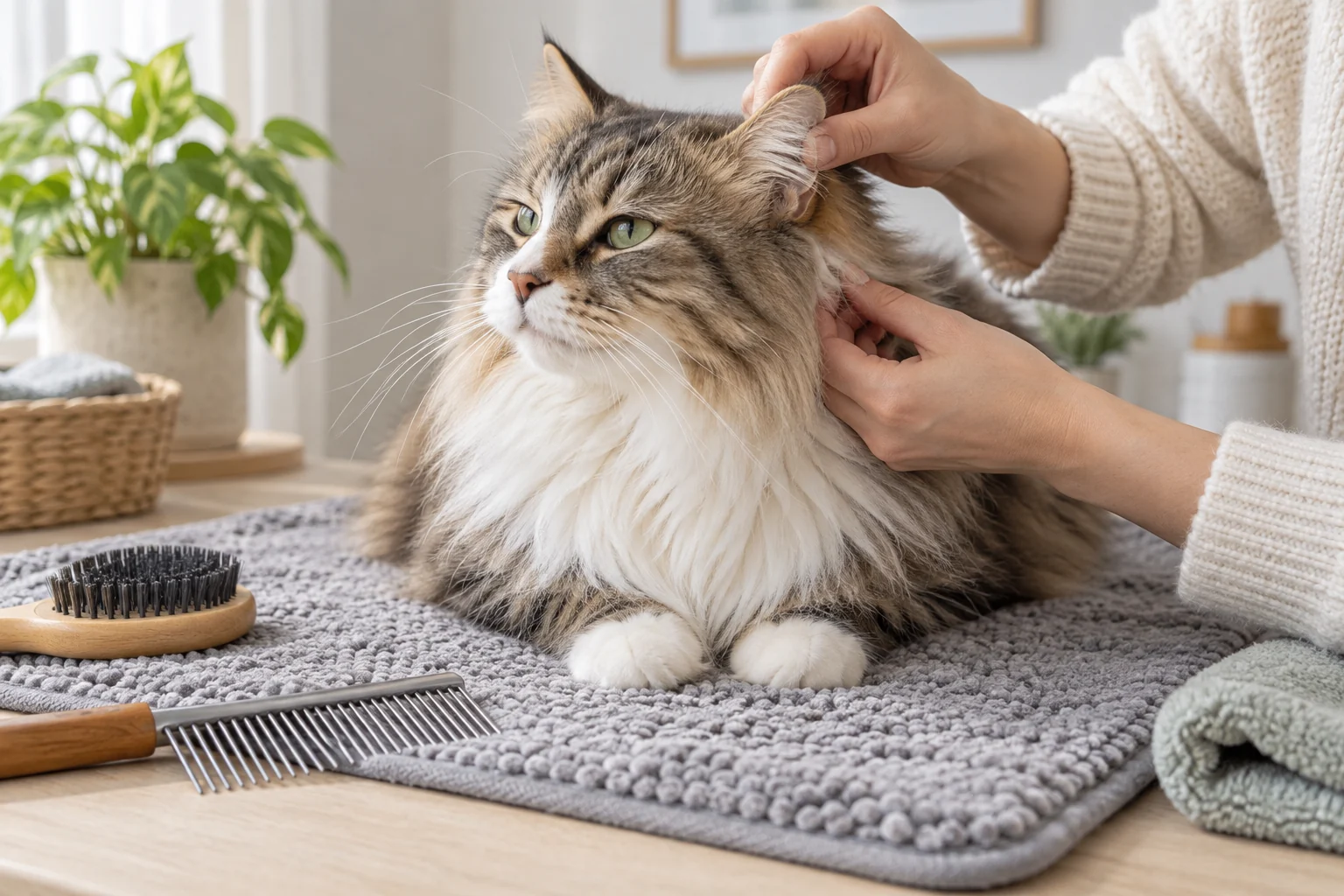
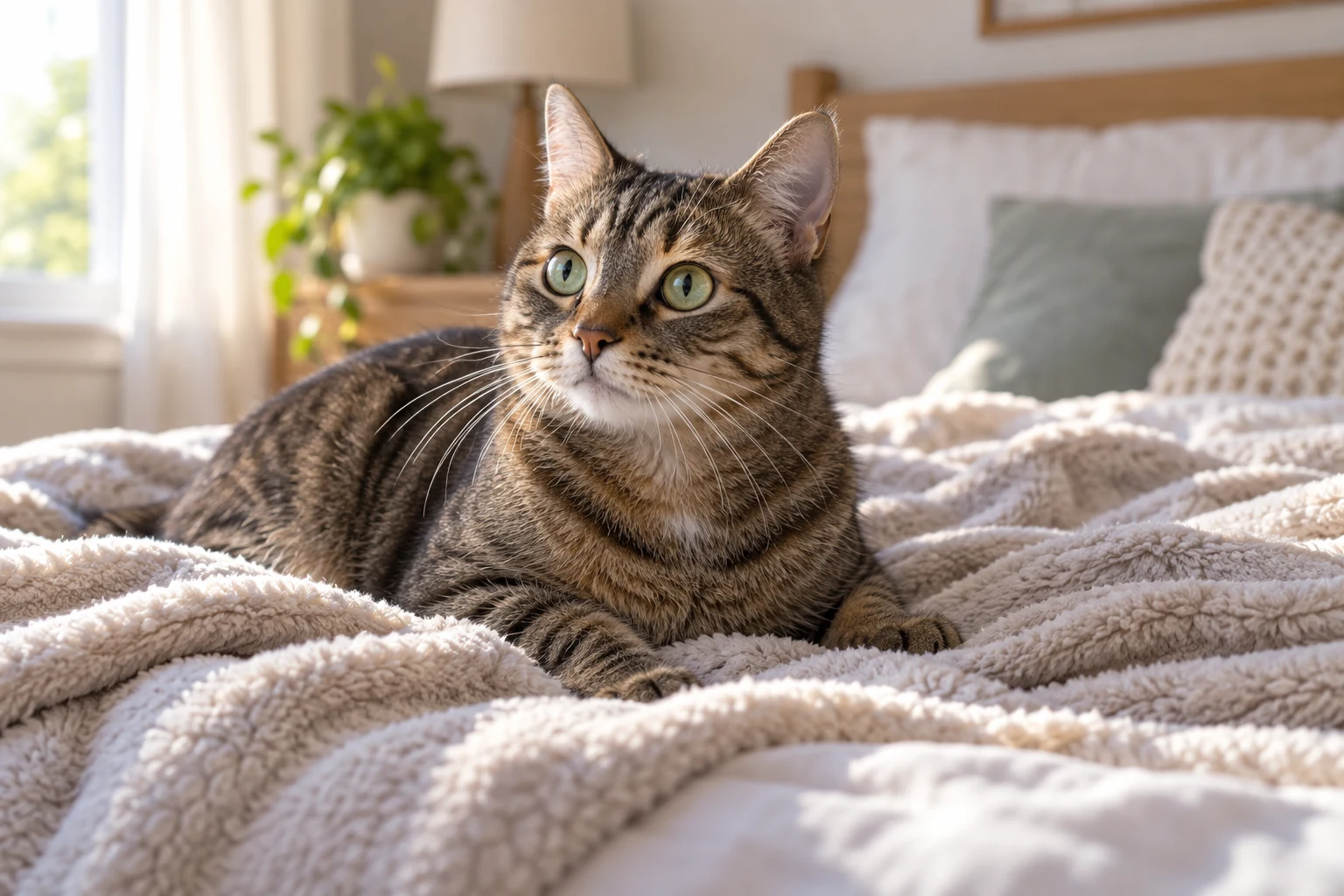
Un esponjoso gato atigrado de ojos penetrantes descansa en el interior, luciendo su hermoso pelaje y sus bigotes.

Introducción

Looking for a cat that prefers naps over nonstop zoomies? You’re not alone. Many cat lovers want a companion that’s calm, peluche, and low-energy—especially for apartments, quiet homes, or relaxed routines.

What “lazy cat breed” usually means: a cat with lower activity needs y un calmer temperament that’s happy with short play sessions and lots of lounging (not a cat that “never plays” or doesn’t need care).

Quick answer (Top 5 laziest cat breeds):

  • Persa — maximum chill, high grooming
  • Exótico de pelo corto — Persian vibe, easier coat
  • Ragdoll — ultra-affectionate “cuddle shadow”
  • Británico de pelo corto — calm + independent, low grooming
  • Mapache de Maine — gentle giant, often relaxed (but can be playful)

Choose your best match fast:

  • Want the sleepiest couch companion? Start with Persa o Británico de pelo corto.
  • Want the most lap-cat affection? Look at Ragdoll o Exótico de pelo corto.
  • Want a bigger, friendlier presence? Consider Mapache de Maine (with space and enrichment).

We chose these breeds based on common temperament patterns and what owners consistently report: low energy + high snuggle potential, with practical differences in grooming time, space needsy how clingy they feel day-to-day. (And yes—individual cats still vary.)

Next, check the comparison table to quickly spot the best fit for your lifestyle.

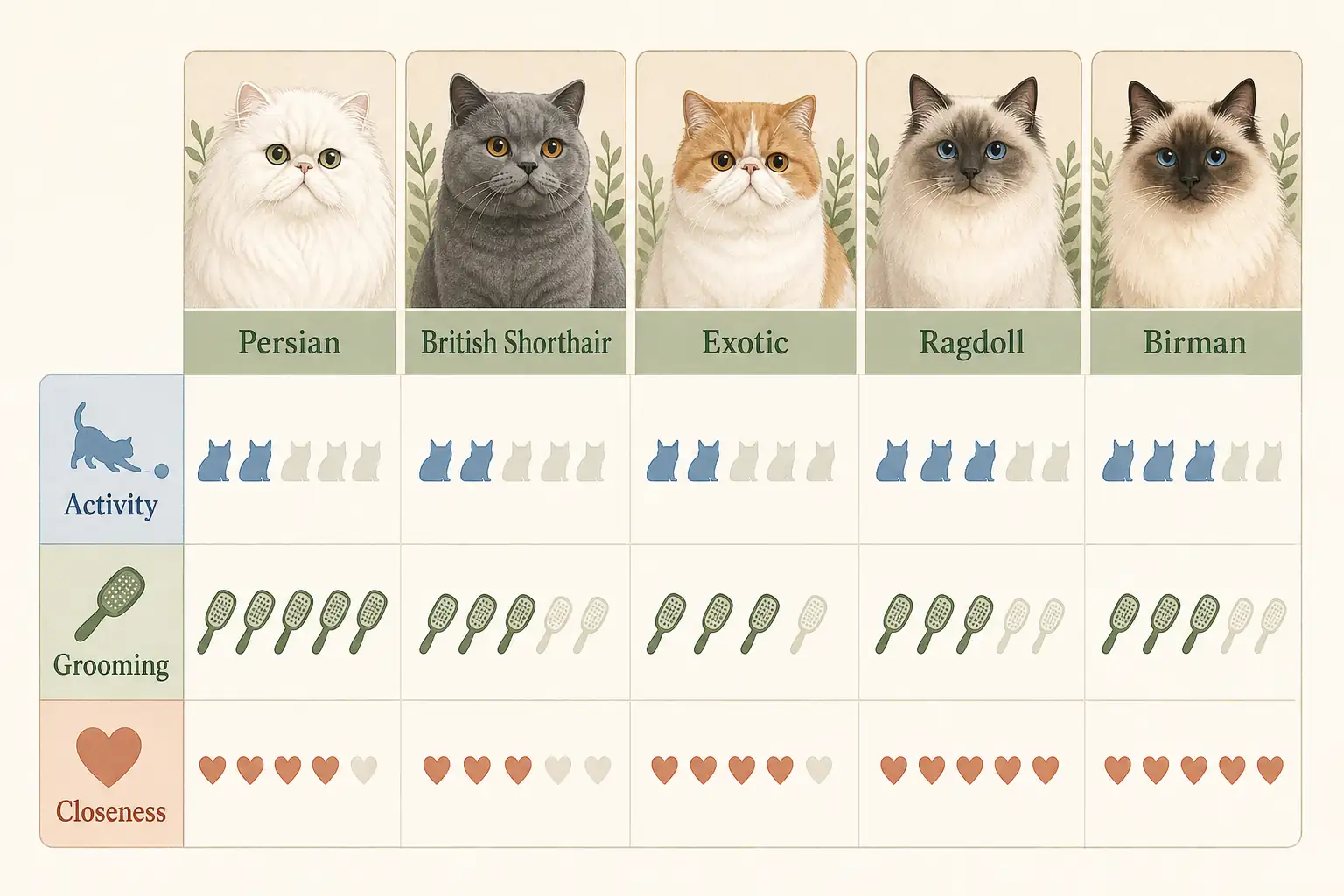
Quick Glance: 5 Lazy Cat Breeds (Decision Table)

Use this table to choose by “cuddle style” first (true lap-cat vs “snuggle-beside-you”), then check grooming and daily play needs. These are typical breed tendencies—individual cats vary.

RazaCuddle styleActivity patternGroomingDaily play needAlone-time toleranceLo mejor para
PersaLap/nearby cuddlerPlacid, with short “kitten bursts”High (daily brushing)Low (short sessions)MedioQuiet homes + routine lovers
Exótico de pelo cortoLap napperCalm + playful momentsLow–Moderate (weekly brushing)Bajo-ModeradoMedioPersian vibe, easier coat care
RagdollVery cuddly (often “flops”)Relaxed + gentle playModerate (regular combing)ModeradoBajo-MedioPeople who want a sweet shadow
Británico de pelo cortoUsually “beside you,” not lapNot very active, occasional “mad moments”Bajo (cepillado semanal)BajoAltaBusy owners who want calm company
Mapache de MaineClose companion; not always lapGentle, sometimes mischievousModerado (cepillado semanal)ModeradoBajo-MedioSociable homes who want a big buddy

Note: Individual cats vary. Breed tendencies help you stack the odds—but personality is never guaranteed.

What Makes a Cat “Lazy” (And What It Doesn’t)

Nota importante: Cats naturally sleep a lot—often 12–16 hours/day (and more for kittens/seniors), so “sleepy” can be totally normal.

What matters is whether your cat seems bright and normal when awake (eats, drinks, grooms, uses the litter box) versus truly lethargic (abnormally low alertness and activity that doesn’t improve with rest).

When people say “lazy,” they usually mean one (or both) of these:

  • Low energy: Prefers short play sessions and long naps
  • Calm temperament: Less likely to bounce off the walls or demand constant stimulation

But “lazy” doesn’t mean:

  • “Never plays” (even calm cats benefit from daily play)
  • “Zero maintenance” (some low-energy breeds are high-grooming)
  • “Always cuddly” (some calm cats prefer to sit near you instead of on you)

If your dream cat is a soft presence—gentle, affectionate, and content indoors—these breeds are a great place to start.

Lazy vs Normal Cat Sleep (And When to Worry)

A lot of “lazy cat” searches are really asking: “Is this normal… or is my cat unwell?” This quick guide helps you tell the difference.

What’s normal cat sleep?

Most cats sleep a lot—often 12–16 hours a day, and sleep needs can vary by edad and lifestyle.
Cats also nap in many short chunks instead of one long stretch (so it can look like they “sleep all day”).

Normal (even if it looks lazy) usually means:

  • Your cat wakes up for food, explores, and reacts to sounds/toys sometimes
  • Eating/drinking is normal
  • Litter box habits look normal
  • Grooming is normal
  • They’re basically “themselves” when awake

“Lazy personality” vs “lethargy” (they’re not the same)

A genuinely low-energy temperament can be totally healthy. Lethargy, on the other hand, is an abnormal decrease in activity and alertness—your cat seems “out of it,” withdrawn, and doesn’t bounce back after rest.

Common lethargy clues:

  • More withdrawn / less responsive
  • Grooming less
  • Playing or walking around much less
  • Avoiding stairs/jumps they normally do
  • Sleeping more than usual y still acting unwell when awake

When to call a vet (use this simple rule)

Contact a vet right away if lethargy is sudden or extreme, or if it comes with serious symptoms like difficulty breathing or severe vomiting/diarrhea.
Also, if your cat hasn’t eaten properly for 24 hours, seek urgent veterinary advice.

If appetite is reduced for longer, it’s still important to contact your clinic—International Cat Care advises getting in touch urgently if reduced appetite persists (they flag 3 days or more as urgent).

Quick “at home” check (no guesswork)

If you’re unsure whether it’s just a sleepy day:

  1. Track food + water (did they come today? drink?)
  2. Check the litter box (any straining, not peeing, or major changes?)
  3. Watch their “wake behavior” (do they perk up at treats/toys, or stay dull?)
  4. Compare to their baseline (a sudden change matters more than “a cat who’s always chill”)

If your gut says “this isn’t my cat,” err on the side of caution and contact your vet.

How We Chose These Lazy Cat Breeds

We focused on breeds that are widely known for:

  1. Low-to-moderate activity as adults
  2. People-friendly, calm behavior (lap-cat potential)
  3. Indoor suitability (apartment-friendly temperament)
  4. Practical ownership factors: grooming, size, and typical watch-outs

Health & welfare note (quick): This guide is for general education, not medical advice. Breed tendencies are averages—individual cats vary. If you’re buying, choose ethical breeders/rescues, ask for health screening records, and partner with a veterinarian for personalized guidance.

Now let’s meet the snuggle professionals.

Conozca a su gato: razas encantadoras

Conozcamos un poco mejor a cada uno de estos tiernos gatitos. Presentaremos lo que hace especial a cada raza y luego preguntaremos, "¿Esta es tu SnuggleSoul?" - ayudarle a decidir si la personalidad y las necesidades de esa raza se ajustan a su estilo de vida.

Persa

gato persa blanco

Snapshot

  • Energía: Bajo
  • Afecto: High (gentle cuddler)
  • Aseo: High (daily brushing)
  • Ideal para: Quiet homes, predictable routines, dedicated groomers

Health & welfare note:

Persians are bred for a flatter face (brachycephaly). When the face is very short/flat, it can be associated with breathing difficulty, eye/tear-drainage problems, dental issues, and trouble grooming.

Choose ethical breeders who prioritize healthier, less extreme facial structure and provide vet documentation; at home, keep Persians cool (heat can make breathing harder) and stay consistent with eye/face cleaning and dental checkups.

Why Persians feel “lazy”
Persians are the poster cats for tranquility. They’re usually content to lounge, observe, and soak up calm affection rather than chase chaos around the house.

Grooming & care reality check
That luxurious coat is the trade-off. If you want Persian-level chill, you’re also choosing consistent coat care. Daily brushing prevents mats and makes them more comfortable.

Lo mejor para

  • People who enjoy slow routines
  • Calm apartments or quiet households
  • Anyone who wants a soft, steady lap presence

Vigilantes
Daily grooming is non-negotiable, and flatter-faced Persians may need extra routine care (eyes/face, breathing comfort).

¿Es esta tu SnuggleSoul?
If your ideal companion is a peaceful nap buddy who wants gentle attention and predictable days, the Persian might be your SnuggleSoul.

Más información sobre su Persa

Exótico de pelo corto

Un hermoso gato exótico de pelo corto descansa sobre el fondo marrón del estudio.

Snapshot

  • Energía: Bajo
  • Afecto: Alta
  • Aseo: Bajo-Moderado
  • Ideal para: People who want Persian vibes with a simpler coat

Health & welfare note:

Exotic Shorthairs share the Persian “flat-face” trait. More extreme brachycephaly can raise the risk of breathing and eye issues; some sources also note a link between extreme brachycephaly and serious congenital problems in kittens.

When choosing a kitten, prioritize moderate facial structure, clear breathing, and breeder transparency about health testing and veterinary care.

Why Exotics feel “lazy”
Think of the Exotic Shorthair as “couch-cat mode” with occasional short play bursts. They’ll play a little… then return to their true calling: sleeping near you.

Grooming & care
Their short, plush coat is much easier than a Persian’s. A weekly brushing routine is usually enough to keep shedding manageable and build bonding time.

Lo mejor para

  • Vivir en un apartamento
  • Busy but affectionate owners
  • Las personas que desean un gato faldero without daily coat maintenance

Vigilantes
Low-energy cats can gain peso if snacks are unlimited and playtime is zero—keep tiny daily play sessions. Also avoid “extreme” flat-faced lines—comfortable breathing matters more than a super-squished look.

¿Es esta tu SnuggleSoul?
If you want a loving, mellow companion who fits a relaxed schedule and doesn’t demand heavy grooming, the Exotic Shorthair could be your SnuggleSoul.

Más información sobre su Exótico de pelo corto

Ragdoll

Adulto joven lindo gato Ragdoll

Snapshot

  • Energía: Bajo-Moderado
  • Afecto: Muy alta
  • Aseo: Moderado
  • Ideal para: Families, first-time owners, “I want a cuddly shadow” people

Health & welfare note:

Ragdolls are a large, laid-back breed—so aumento de peso can sneak up if food portions are generous and playtime is rare.

Ragdolls are also one of the breeds with a known genetic mutation associated with hypertrophic cardiomyopathy (HCM); responsible breeders may use DNA testing and/or cardiac screening, and results should be interpreted with veterinary guidance (a negative or “carrier” result doesn’t guarantee lifelong absence of disease).

Why Ragdolls feel “lazy”
Ragdolls are famous for being soft, gentle, and people-oriented. They often follow you around, then settle nearby like a fluffy emotional-support cloud.

Grooming & care
Their coat is plush and benefits from regular combing. They’re calm enough that grooming is often a peaceful routine rather than a wrestling match.

Lo mejor para

  • Homes that want an affectionate indoor companion
  • People who want a cat that actively seeks closeness
  • Families who want a tolerant temperament (with respectful handling)

Vigilantes
They still need play. Keep daily low-stress activity and sensible portions to reduce obesity risk; if buying, ask what heart screening/testing the breeder does and discuss with your vet.

¿Es esta tu SnuggleSoul?
If you want a gentle cat who melts into cuddles and thrives on human presence, the Ragdoll may be your SnuggleSoul.

Más información sobre su Ragdoll

Británico de pelo corto

Gato británico de pelo corto descansando en una silla moderna.

Snapshot

  • Energía: Bajo
  • Afecto: Medium–High (often “near you,” not “on you”)
  • Aseo: Bajo
  • Ideal para: Busy households, calm companionship, low-maintenance coat

Health & welfare note:

British Shorthairs are famously easygoing—and that calm nature can make them more prone to becoming overweight if calories are high and activity is low. Use a body-condition approach (not just the scale), keep portions consistent, and build small daily play routines to protect joints and long-term health.

Why British Shorthairs feel “lazy”
They’re famously mellow and self-contained. Many British Shorthairs don’t demand constant attention—they’re content to nap, supervise your life, and accept affection on their terms.

Grooming & care
Easy. Weekly brushing keeps shedding under control.

Lo mejor para

  • People who want an undemanding compañero
  • Apartments, professionals, families with structure
  • Anyone who likes a calm cat who doesn’t cling

Vigilantes
Some Brits prefer “beside you” over “on you,” and they can gain weight easily if lifestyle is too sedentary—keep gentle daily play and portion control.

¿Es esta tu SnuggleSoul?
If you want calm company without constant attention demands, the British Shorthair could be your SnuggleSoul.

Más información sobre su Británico de pelo corto

Mapache de Maine

Maine Coon gato carey sentado en la casa del gato

Snapshot

  • Energía: Moderate (but often very chill at home)
  • Afecto: Alta
  • Aseo: Moderado
  • Ideal para: Sociable homes, people who want a big friendly companion

Health & welfare note:

Maine Coons have a known breed-associated risk for hypertrophic cardiomyopathy (HCM), including a documented genetic mutation that can increase risk.

Because HCM has incomplete penetrance (and testing isn’t a perfect “yes/no”), the strongest approach is: ask breeders about DNA testing y cardiac screening practices, and keep your own vet involved over your cat’s lifetime.

Why Maine Coons feel “lazy”
They’re often relaxed, friendly, and happy to be part of the household routine—following you around, then sprawling somewhere comfy. Many owners describe them as gentle giants with a calm vibe.

Grooming & care
Their coat needs regular brushing, but it’s usually manageable with a weekly routine (more during shedding seasons).

Lo mejor para

  • Homes that want a social, friendly cat
  • Families and multi-pet households (with good introductions)
  • People who want a cat that feels like a big cozy presence

Vigilantes
Size = bigger litter boxes, sturdy furniture, and more space. Also, many Maine Coons dislike being alone for long stretches. If buying, ask about heart screening/testing history in the line and plan routine vet checkups as they age.

¿Es esta tu SnuggleSoul?
If you want a large, affectionate companion who loves being near the family (in a relaxed way), the Maine Coon could be your SnuggleSoul.

Más información sobre su Mapache de Maine

Honorable Mentions: Calm / Low-Energy Cat Breeds Worth Considering

These breeds aren’t always the absolute laziest, but they’re commonly described as calmer, lower-drama indoor companions—which helps if you’re searching for “calm cat breeds,” “quiet cats,” “apartment-friendly cats,” o “low-energy lap cats.”

Honorable Mentions at a Glance

RazaWhy it can feel “calm”Lo mejor paraOne watch-out
BirmanoGentle, affectionate, people-orientedFamilies, relaxed homesNot a true couch potato—still enjoys play
ChartreuxAttentive, gentle companionQuiet companionshipCan have energetic play bursts
Azul rusoAffectionate with family; reserved with strangersQuiet householdsMay be shy; can be “softly talkative”
Selkirk RexPatient, cuddly, laid-backSnuggly homesNeeds attention—can dislike long alone time
Americano de pelo cortoEasy-going, adaptableAlmost any householdNot “lazy”—still playful/curious
HimalayaGentle, quiet, likes calm environmentsCalm homes, lap-cat fansHigh grooming + flat-face concerns
NebelungGentle, quiet, somewhat shyCalm apartmentsLikes climbing/play—needs enrichment
Bosque de NoruegaGentle and lovingFamilies wanting gentle big catOften playful; needs climbing options
Pliegue escocésOften calm—but major welfare concern(See note)Cartilage mutation can cause painful joint disease
Funny Lazy Cat

Birmano

Why it’s on this list: The Birman is widely described as gentle and affectionate, people-loving, and adaptable to many home types.

Best home fit: If you want a calm companion who likes being near you (often a “follow you around” vibe) without constant chaos.

Watch-out: “Calm” doesn’t always mean “lazy.” Expect some daily play interest—especially with interactive toys.

Chartreux

Why it’s on this list: Chartreux cats are often described as an attentive, gentle companion.
Best home fit: Great for people who want a cat that can relax quietly, but still engages with the household.
Watch-out: They’re not low-energy 24/7—some have athletic “burst play” moments.

Azul ruso

Why it’s on this list: Russian Blues are often described as friendly and intelligent, but reserved with strangers—and very bonded to their family.

Best home fit: Calm households that like a cat who’s affectionate in a “quiet loyalty” way.

Watch-out: Shyness can look like “laziness.” Give them time to warm up—especially in busy homes.

Selkirk Rex

Why it’s on this list: Selkirks are commonly described as loving, patient, and notably laid-back, with a tolerant temperament.

Best home fit: Homes that want a cuddly, easygoing cat with a friendly “hug me” energy.

Watch-out: Many laid-back cats still dislike being ignored for long periods—plan for companionship.

Americano de pelo corto

Why it’s on this list: The American Shorthair is widely described as good-natured, easy-going, and highly adaptable, including in homes with children or seniors.

Best home fit: If you want a stable, easy companion rather than a high-maintenance “project cat.”

Watch-out: They’re often playful and curious—more “balanced energy” than truly lazy.

Himalaya

Why it’s on this list: Himalayans are often described as gentle and quiet, preferring calm environments and lounging with their families.

Best home fit: Quiet, predictable homes where you want a cuddly lap presence.

Watch-out: Expect major grooming needs (like Persian-types) and be mindful of flat-face health considerations when choosing a breeder.

Nebelung

Why it’s on this list: Nebelungs are described as gentle, quiet, somewhat shy, often observing before engaging.

Best home fit: Calm apartments and households that enjoy a “soft presence” cat.

Watch-out: Quiet ≠ inactive—many still enjoy climbing and play; they do best with enrichment.

Gato de los Bosques de Noruega

Why it’s on this list: Despite their size, Norwegian Forest Cats are often described as gentle and loving.

Best home fit: Families who want a big, mellow companion (often affectionate on their own terms).

Watch-out: Many are still athletic and love climbing—so they’re not always “low-energy lap cats.”

Pliegue escocés

Important welfare note: International Cat Care explains the folded-ear trait is caused by a cartilage mutation that can also lead to painful joint problems, and UFAW describes the condition as severe chronic pain with no cure.

Recommendation: If you love the look, consider adopting/rescuing rather than supporting breeding, and talk with a vet about joint health.

lazy cat

Pick Your Lazy Cat by Lifestyle

If you want the most “couch potato” energy:

  • Persian, British Shorthair

If you want maximum cuddles (lap-cat priority):

  • Ragdoll, Exotic Shorthair (often very affectionate)

If grooming time must stay low:

  • British Shorthair, Exotic Shorthair

If you live in an apartment:

  • British Shorthair, Ragdoll, Exotic Shorthair (calm indoor temperaments)

If you want a big friendly presence:

  • Maine Coon, Ragdoll

Lazy Cat Care: Keep Calm Cats Healthy (Not Round)

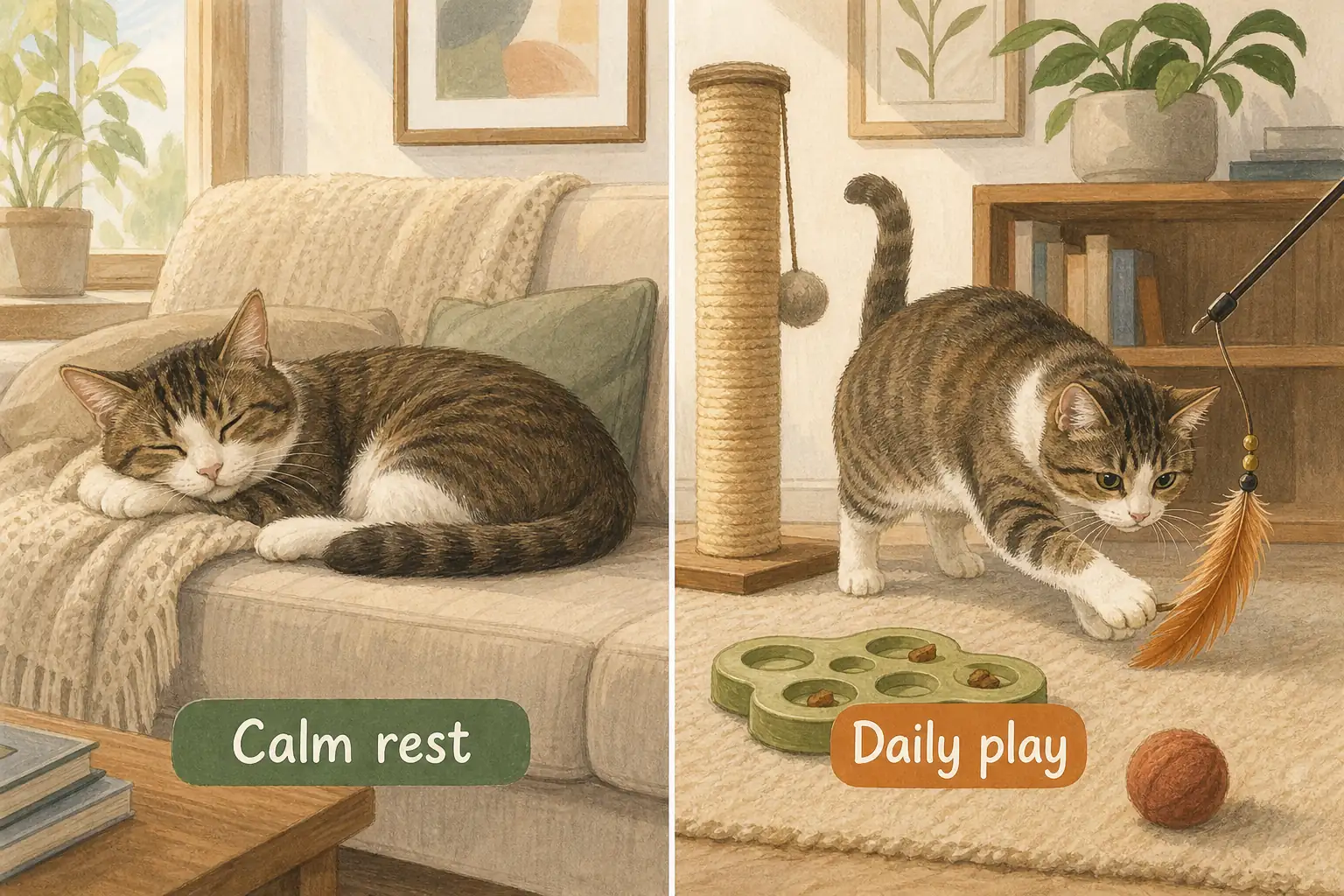
Low-energy cats are wonderful—but they can gain weight if food is unlimited and play is nonexistent.

A simple routine:

  • 5–10 minutes of play daily (wand toy, rolling ball, short chase)
  • Portion-controlled meals (treats count!)
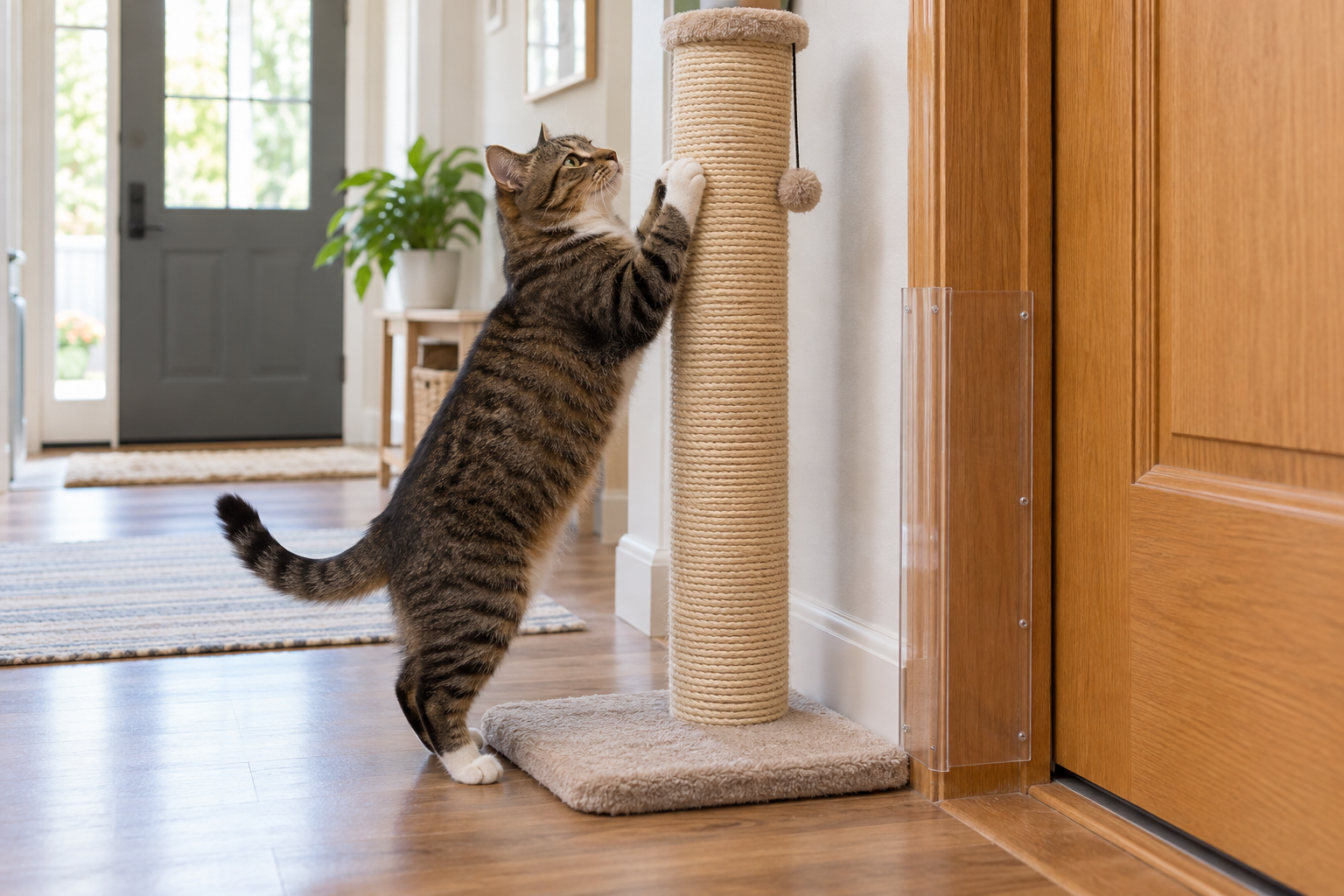
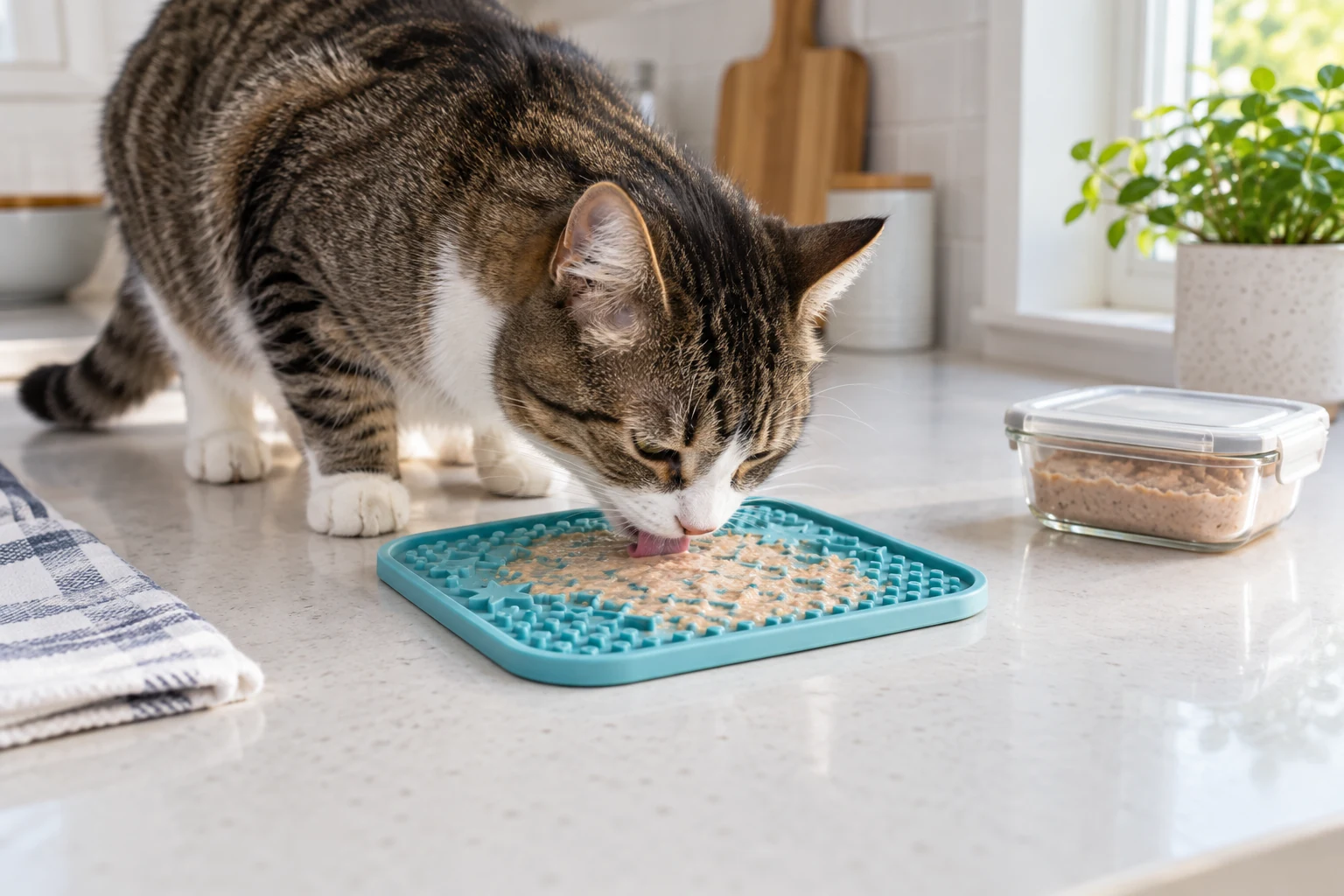
  • Enrichment: window perch, puzzle feeder, scratching posts
  • Cepillado regular (even shorthair cats benefit)

¿Quiere encontrar su pareja perfecta entre todas las razas de gatos?

En SnuggleSouls, creemos que todos los gatos merecen un hogar para siempre, y todos los amantes de los gatos merecen el compañero felino perfecto. Tanto si te atrae el encanto de razas de gatos pequeñosla naturaleza equilibrada de gatos medianoso la majestuosa presencia de razas de gatos grandesTenemos guías detalladas para ayudarte a elegir.

¿Prefieres que el aseo sea coser y cantar? Echa un vistazo a nuestras razas de gatos de pelo cortogatos sin pelorazas con poco pelo. ¿Anhela abrigos de lujo? Nuestro guía de razas de gatos de pelo largo podría derretirte el corazón.

Si usted o los miembros de su familia son alérgicos, no se preocupe: también hemos elaborado una lista de confianza de razas de gatos hipoalergénicos que podrían funcionar mejor para los hogares sensibles.

Explore todas nuestras guías de razas para encontrar el alma cariñosa que realmente está hecha para usted.

PREGUNTAS FRECUENTES

¿Cuál es la raza de gato más perezosa?

En Persa is often considered one of the lowest-energy cat breeds because many adult Persians prefer quiet lounging over intense play. That said, “laziest” isn’t guaranteed—each cat has its own personality, health status, and activity needs. Use breed tendencies as a starting point, then choose based on temperament, grooming time, and lifestyle fit.

Are there truly “lazy cat breeds,” or is it just individual personality?

It’s both. Breed tendencies can influence energy level and temperament, but individual cats still vary a lot based on age, health, socialization, and home environment. Two cats of the same breed can behave very differently. If you want a calmer companion, look for a relaxed temperament y confirm it during adoption or breeder visits.

What are the calmest lazy cat breeds for apartments?

For apartment-friendly calm, many people start with the Británico de pelo corto, Ragdolly Exótico de pelo corto. These breeds are commonly described as indoor-suited and less “hyper,” which can be helpful in smaller spaces. Still, any cat needs enrichment: scratching posts, window perches, and short daily play sessions help prevent boredom and weight gain.

Which lazy cat breed is the most affectionate “lap cat”?

If “lap cat” is your top goal, the Ragdoll y Exótico de pelo corto are popular picks because they’re often people-oriented and cuddly. The Persa can also be very affectionate in a calm home. Keep in mind: some calm cats show love by sitting near you rather than on you, especially British Shorthairs.

¿Los gatos perezosos son más fáciles de cuidar?

Lazy (low-energy) cats can be easier in some ways because they may be less destructive and need less intense exercise. But they’re not automatically “low maintenance.” Some calm breeds—especially long-haired types—require frequent grooming, and all cats need routine health care, mental stimulation, and a clean litter box. “Easy” depends on grooming, shedding, and your schedule.

¿Los gatos perezosos engordan con facilidad?

Yes, low-energy cats can gain weight more easily if food portions are high and activity is low. The fix is simple: measured meals, treat limits, and short daily play (even 5–10 minutes helps). If your cat gains weight quickly or seems unusually inactive, check with a veterinarian—sudden changes in appetite or energy can have medical causes.

Do lazy cats still need exercise and enrichment?

Absolutely. Even the chillest cat benefits from daily movement and mental stimulation. A few minutes of wand-toy play, puzzle feeders, and climbing/perching options can keep a calm cat healthy without turning your home into a gym. The goal isn’t intense workouts—it’s consistent, low-stress activity that supports joints, weight management, and mood.

How can I tell if my cat is “lazy” or not feeling well?

A naturally calm cat still has normal routines: eating, grooming, using the litter box, and showing interest in the environment. If you notice a sudden drop in energy, appetite changes, ocultar, breathing issues, or behavior that seems “off,” treat it as a health signal and contact a veterinarian. When in doubt, it’s better to check early.

These answers are general guidance for choosing a calm companion. For health concerns (sudden lethargy, weight changes, appetite issues), consult a veterinarian.

Respaldado por la ciencia · Revisado por veterinarios · Independiente

¿Quién está detrás de esta guía?

Todos los artículos de SnuggleSouls están escritos por verdaderos cuidadores de gatos y revisados por expertos cualificados, para que puedas estar seguro de que recibes consejos fiables y compasivos.

Autor

Chris

Amante de los gatos e investigador independiente.

Chris ha pasado muchos años viviendo con gatos, observándolos y cuidándolos, y ahora se dedica a convertir la investigación científica en guías claras y prácticas para los cuidadores de gatos.
Te ayuda a comprender el “porqué” de los cuidados adecuados para los felinos, para que puedas comunicarte mejor con tu veterinario y tomar decisiones más informadas para tu gato.

Revisión editorial

Equipo SnuggleSouls

Normas del sitio SnuggleSouls y control de calidad

Este contenido ha sido sometido a un riguroso proceso de verificación de datos y control de precisión por parte del equipo editorial de SnuggleSouls.
Nos aseguramos de que todas las recomendaciones se basen en directrices disponibles públicamente y fuentes fiables, con interpretaciones detalladas de organizaciones autorizadas como la AVMA.

SnuggleSouls es una plataforma independiente y sin ánimo de lucro dedicada a la educación sobre el cuidado de los gatos. Nuestro contenido tiene fines educativos y no sustituye el diagnóstico ni el tratamiento veterinario personalizado. Si tu gato parece estar enfermo, ponte en contacto con tu veterinario local lo antes posible.

Consejos recientes sobre plantas

Únete a nuestra comunidad y comparte tus mascotas

Todos los amigos peludos tienen una bonita historia. Nos encantaría conocer la tuya.

Póngase en contacto con nosotros