
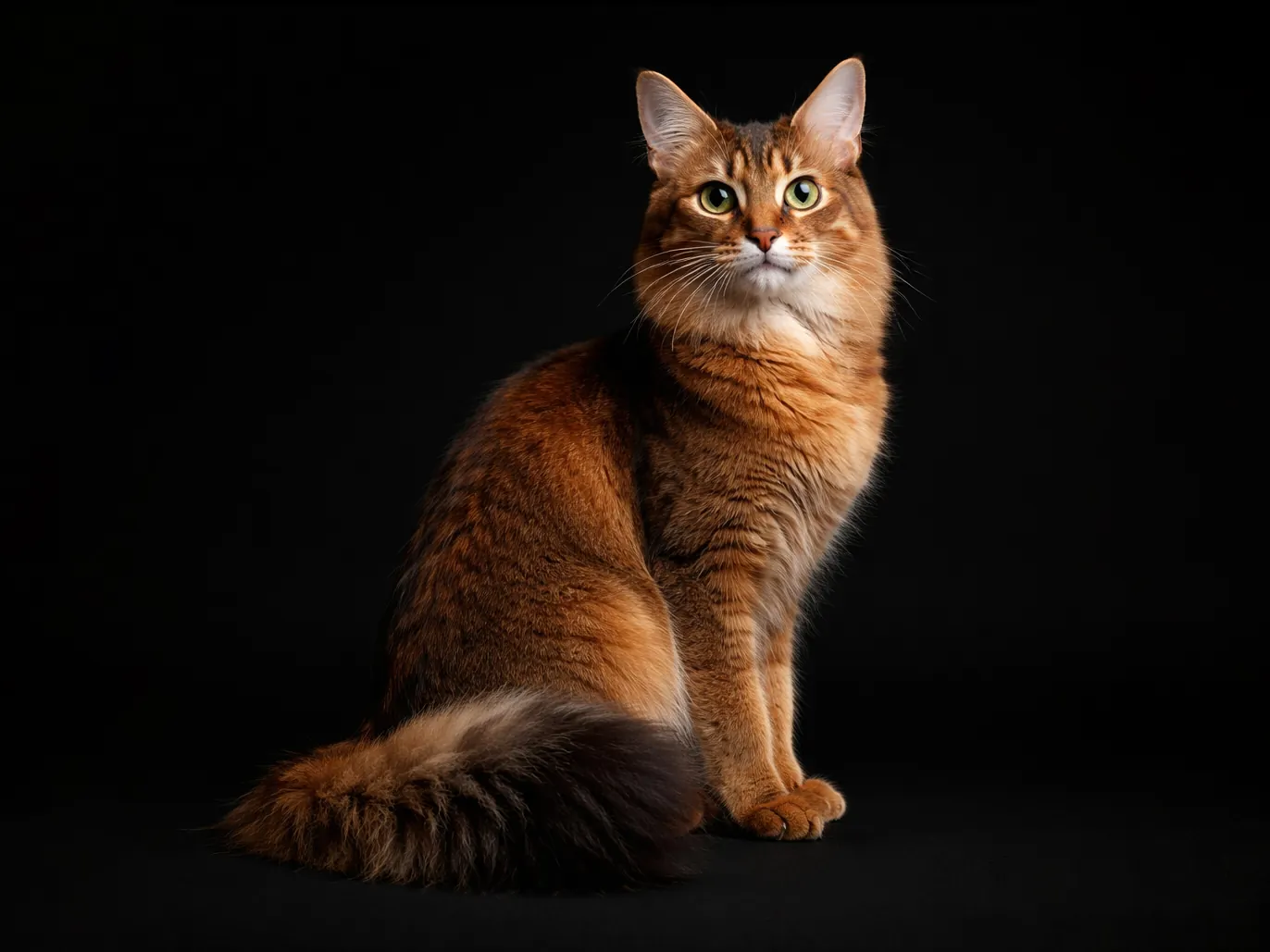
Un gato somalí es un lleno de energía, centrado en las personas raza —a menudo descrita como la pelo semilargo Abisinio—conocido por un pelaje moteado y sedoso y una personalidad curiosa y “siempre activa”. Son cariñosos, aunque no siempre les gusta estar en el regazo, y se desenvuelven mejor si tienen juego diario, espacio para trepar y rompecabezas mentales.
Contenido de esta guía: el temperamento en entornos domésticos reales, las necesidades de cuidados (especialmente el enriquecimiento) y los riesgos para la salud asociados a la raza, junto con preguntas prácticas de evaluación para los criadores.
Índice
Visión general de la raza
| Característica | Descripción |
| Personalidad | Juguetón, vivaz, divertido, curioso, inteligente, sociable, cariñoso, leal, activo, aventurero, extrovertido |
| Tipo de carrocería | De estatura media, delgado, bien proporcionado, musculoso y de complexión atlética. |
| Peso | 6-12 libras (aprox. 2,7-5,4 kg) |
| Origen Región | Estados Unidos (raza desarrollada), descendientes de pelo largo de los gatos abisinios, vinculados a la antigua Abisinia (la actual Etiopía) |
| Vida útil | De 12 a 16 años (algunas fuentes indican que hasta los 17-19 años) |
| Tipo de abrigo | Pelo de largo medio a largo, exuberante, de doble capa, muy suave, extremadamente fino, sedoso, no lanudo. Abundante, con mechones exagerados en las orejas, y especialmente espeso alrededor del cuello (cuello) y las patas traseras (pantalones). |
| Colores del manto | Marcado atigrado patrón. Entre los colores más comunes se encuentran el rojizo (color habitual/de caza), el alazán (rojo/canela), el azul y el beige. También el negro plateado, el alazán plateado, el azul plateado y el beige plateado. Otros colores reconocidos son el lila, el chocolate y el crema. Cada pelo tiene entre 3 y 20 bandas de color. |
| Nivel de desprendimiento | ⭐⭐⭐☆☆ (Moderado) |
| Afecto hacia los humanos | ⭐⭐⭐⭐☆ (Moderado a alto) |
| Dificultad asistencial | ⭐⭐⭐☆☆ (Moderado) |
Introducción
En Gato somalí es el versión de pelo largo del abisinio, apreciado por su brillo abrigo a cuadros y complexión atlética. Su cola tupida y emplumada y su silueta parecida a la de un zorro son las razones por las que muchas organizaciones de criadores mencionan el apodo “gato zorro”.”
Conocido por ser alegre, dinámico y centrado en las personas, Los somalíes suelen estar cerca de sus dueños —vigilando, jugando y explorando— en lugar de pasar el día holgazaneando. Si buscas un compañero interactivo al que le encante jugar a diario y recibir estimulación mental, la curiosidad y la energía del somalí, heredadas de sus antepasados abisinios, son una parte importante del atractivo de esta raza.

Historia de la raza
En El gato somalí es la variante de pelo semilargo del abisinio., que se desarrolló cuando los criadores conservaron intencionadamente un rasgo natural de pelo largo que aparecía en ocasiones en las líneas de la raza abisinio.
Cómo se convirtió el somalí en una raza
Cachorros de pelo largo “tipo abisinio” Históricamente, se consideraban una sorpresa fuera de la norma en algunas camadas de abisinios. Un pequeño grupo de criadores decidió desarrollar estos gatos hasta convertirlos en un tipo consistente, en lugar de eliminar este rasgo mediante la cría selectiva.
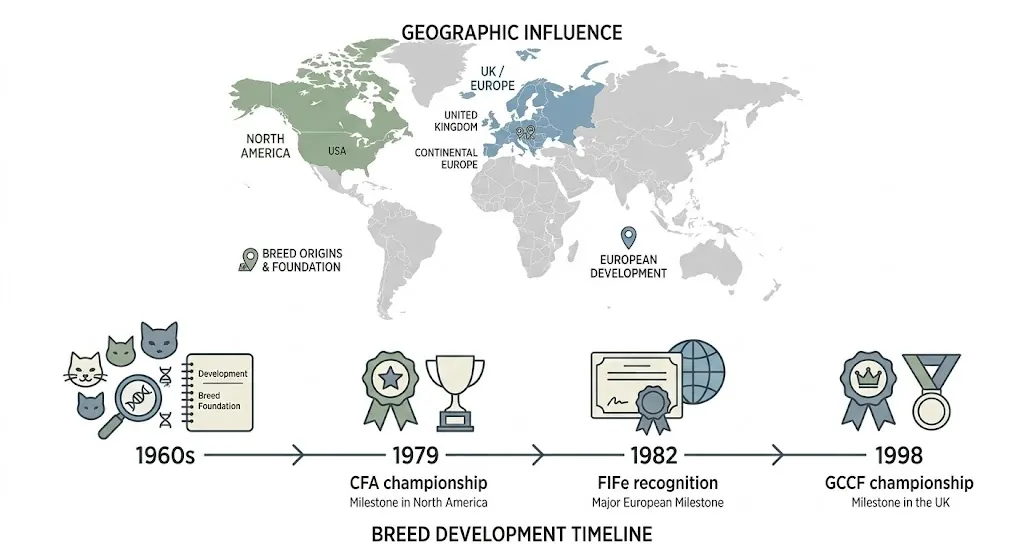
En el a mediados de la década de 1960, criador estadounidense Evelyn Mague crió a uno de los primeros abisinios de pelo largo de los que se tiene constancia (“George”) y comenzó a dar a conocer esta raza en ciernes bajo un nuevo nombre: somalí.
¿Por qué se llama “somalí” a esta raza?”
El nombre no significa que la raza sea originaria de Somalia. Se eligió para “combinar” con el nombre abisinio: Somalia limita con Abisinia (la actual Etiopía)—una forma simbólica de describir lo estrechamente emparentada que está la somalí con la abisinia.
Cronología de la acreditación (registro por registro)
El reconocimiento de las razas felinas varía según la organización, por lo que es mejor indicar el registro al que te refieres:
- CFA (Asociación de Amigos de los Gatos): comenzó a registrar a los somalíes en 1976; su condición de campeón en 1979.
- FIFe (Federación Internacional Felina): reconocimiento indicado como 1982.
- GCCF (Reino Unido): Los somalíes que llegaron al Reino Unido en 1980; Situación en el campeonato de la GCCF en 1998.
La GCCF también señala que la La primera somalí reconocida por una organización de criadores de gatos fue Mayling Tutsuta, criado por el juez canadiense Ken McGill.
Características físicas
De un vistazo: El somalí es un gato de tamaño mediano a grande, atlético y “listo para saltar” con un cabezal en cuña modificado, orejas grandes y peludas, ojos almendrados con marcas que parecen “delineador de ojos”, a pelaje doble, suave y extremadamente finoy un cola tupida, parecida a la de un zorro.
Corte y silueta
El reglamento de exposiciones de la Asociación de Amigos de los Gatos (CFA) describe al somalí como bien proporcionado, musculoso, ágil y vigorosocon un con la espalda ligeramente arqueada que da la impresión de ser un gato a punto de estallar.
Cabeza, orejas y ojos (“expresión” facial característica)
- La cabeza: a cuña modificada, ligeramente redondeada con contornos suaves (no planos).
- Orejas: grandes, vivaces, anchos y cóncavoscon mechones que se considera deseable.
- Ojos: grandes, almendradas, brillantes y expresivas, que suele ir precedida de un línea oscura de la “párpado” con “gafas” más claras, además de pequeñas marcas oscuras en forma de “lápiz” que resaltan los ojos. La CFA indica que el color de los ojos es dorado o verde (se prefiere un color más intenso).
Textura y longitud del pelaje (por qué parecen “mullidos”)
La CFA especifica un pelaje que es muy suave, muy finoy de doble recubrimientocon longitud media (un poco más corto a la altura de los hombros). A cuello y pantalones (pelo más espeso en las patas traseras) se prefieren porque aportan a la raza ese aspecto de pelaje denso.
Patrón “ticked” (agouti) y «shimmer»
El estilo característico de los somalíes proviene de motivo «agouti ticking»: se ve cada pelo bandas que se alternan entre más oscuras y más claras, lo que produce un efecto translúcido y brillante en lugar de rayas marcadas. La TICA describe esto como un pelaje con un aspecto iridiscente creado por un tictac uniforme y oscuro que contrasta con franjas más claras.
La cola y la imitación del “gato zorro”
CFA propone una cola con un pincel completo, grueso en la basey ligeramente cónico, con una longitud proporcionada al torso, uno de los rasgos clave que dan lugar al conocido aspecto “de zorro” del somalí.
Nota para los lectores: Estos datos se han extraído de las descripciones de los principales registros y reflejan las normas; Los somalíes pueden presentar variaciones individuales sin dejar de reflejar el tipo básico de la raza.

Comportamiento y personalidad
En una frase: El gato somalí es un activo, curioso, muy inteligente, con don de gentes raza que prospera gracias a juego interactivo y estimulación mental diaria.
Resumen del temperamento
- Energía: alto; se espera que se juegue a diario y que se dedique tiempo a escalar
- Curiosidad: “No hay nada que no se explore” en casa
- Inteligencia: aprende rápido; puede que se le den bien los cierres y las puertas, así como los retos tipo rompecabezas
- Estilo social: cariñoso y participativo; suele sentirse más feliz cuando se le incluye en las actividades del hogar
1) Juguetón, atlético y siempre “en movimiento”
Los registros de razas felinas suelen describir a los somalíes como activo y curioso—el tipo de gato que busca lugares elevados desde los que observar, explora las habitaciones a fondo y convierte el juego en una rutina diaria.
Así es como se ve en casa: saltar, trepar, perseguir juguetes y “vigilar” desde lo alto de las puertas, las estanterías o los rascadores.
2) Exploradores inteligentes (“gatos de las preposiciones”)
El somalí (y el abisinio, con el que está estrechamente emparentado) es conocido por el apodo de “gato de las preposiciones” porque a menudo es dentro, debajo, encima, entre y a través de todo: una forma sencilla de resumir su incesante exploración.
CFA señala específicamente que les intrigan retos como armarios cerrados y quizá aprendan a desbloquear ellos.
3) Sociable y cariñoso, pero no siempre es un gato al que le guste sentarse en el regazo
Los somalíes suelen establecer vínculos muy fuertes y disfrutan de compañía humana, y suelen preferir estar cerca y participar, en lugar de mantenerse discretamente independientes.
Muchos propietarios los describen como cariñosos a su manera—Le encanta seguirte, sentarse cerca de ti o posarse a tu lado, pero no siempre le gusta que lo cojas en brazos durante mucho tiempo.
4) Comunicación: expresivo, sin maullidos fuertes y constantes
Aunque cada gato es diferente, a los somalíes se les suele describir como interactivo y expresivo, utilizando vocalizaciones y un lenguaje corporal más sutiles para mantener el contacto con sus dueños (sobre todo cuando quieren atención o jugar).
5) Con niños y otras mascotas: suele ser amistoso; se lleva mejor con mascotas que tengan un nivel de energía similar
La mayoría de los somalíes se adaptan bien a hogares activos y pueden ser una opción ideal para las familias cuando se enseña a los niños a tratar a los animales con delicadeza y las interacciones están supervisadas.
Además, suelen obtener mejores resultados con compañeros de juegos (otro gato sociable o un perro que se lleve bien con los gatos) si se les presenta adecuadamente, ya que el juego interactivo les ayuda a satisfacer sus elevadas necesidades de estimulación.
6) El aburrimiento es el verdadero riesgo conductual
La inteligencia y la energía de un somalí son una ventaja sólo si tienen formas de desahogarse. Si no tienen suficiente espacio para jugar, trepar y actividades estimulantes, los gatos suelen canalizar su energía hacia conductas problemáticas (arañar objetos del hogar, morder, tirar cosas, etc.).
Conclusión práctica: Prevé juegos interactivos diarios, espacio en altura y juguetes giratorios; de lo contrario, el somalí podría “inventarse su propia diversión”.”

Somali frente a abisinio: ¿en qué se diferencian?
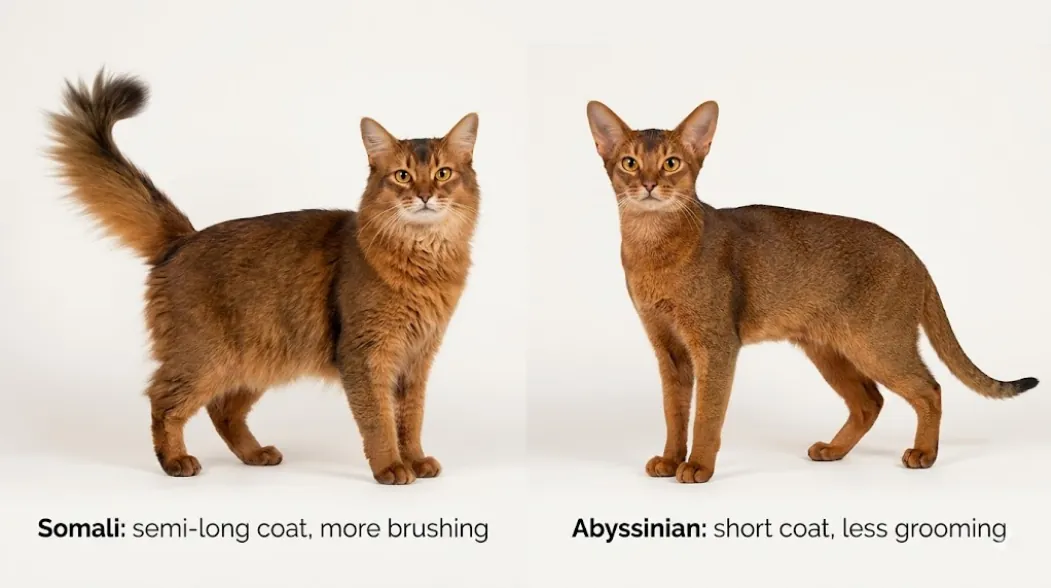
En El somalí es, en esencia, la versión de pelo semilargo (pelo largo) del abisinio.. En la vida cotidiana, la mayor diferencia es Longitud del pelaje y cuidados: Los somalíes tienen un pelaje más tupido, hirsuto y moteado (a menudo con mechones en las orejas y un cola de zorro), mientras que los abisinios tienen un pelaje corto y con pelitos que suele requerir menos cuidados. En cuanto al temperamento, son bastante similares: ambos son atlético, curioso, sociable gatos.
Comparación rápida (diferencias relevantes para el propietario)
| Tema | somalí | Abisinio |
|---|---|---|
| “De qué se trata” | Tipo abisinio de pelo semilargo | Raza de pelo corto |
| Abrigo | Más largo y desgreñado marcado pelaje; a menudo con collarín o mechones en las orejas; cola parecida a la de un zorro | Corto, pegado al cuerpo marcado abrigo |
| Grooming | Hay que cepillarlo más (para darle más volumen al pelaje) | Por lo general, requiere menos cuidados (pelo corto) |
| Aspecto/Esquema | “Silueta más voluminosa” debido a la longitud del abrigo | Una silueta más estilizada |
| Temperamento (nivel alto) | Muy activo, comprometido y con don de gentes | Muy activo, comprometido y con una curiosidad desmesurada |
| El más adecuado | Quieres la energía de un Aby, además de un pelaje más abundante y un aspecto de “zorro”, y poder cepillarlo | Buscas un gato Aby con un mantenimiento mínimo del pelaje |
(“Ticked” = cada pelo presenta bandas, lo que le confiere ese característico aspecto brillante.)
Las diferencias que realmente importan
1) Carga de trabajo relacionada con el pelaje y el aseo
Si quieres disfrutar del ambiente abisinio con más abrigo, elige un somalí. El pelaje de los somalíes se describe como el de los abisinios “con una collarina abundante… y una cola espectacular y tupida”, lo que suele significar cepillarse más que un abisinio de pelo corto.
2) Aspecto: “gato zorro” frente a atleta esbelto
Los somalíes suelen presentar más “rasgos debidos al pelaje” (gorguera, adornos en las orejas, cola más tupida), mientras que los abisinios dan la impresión de ser más esbeltos, ya que el patrón moteado se aprecia sobre un pelaje corto.
3) Personalidad: más similitudes que diferencias
Ambas razas son descritas sistemáticamente por los principales registros felinos como activo/deportista, despierto y con una curiosidad desmesurada, y con un carácter muy sociable, así que no elijas entre ellos pensando que unos son tranquilos y otros salvajes. Elige principalmente en función del pelaje y de tu tolerancia a los cuidados.
Conclusión
Elija somalí si desea un más esponjoso, con cola de zorro, de pelo semilargo si tienes una versión de la raza Aby y no te importa dedicarle un poco más de tiempo al aseo; elige Abisinio si quieres el con la misma energía y curiosidad personalidad con un corto, que requiere menos mantenimiento abrigo.
Guía de cuidados
Los gatos somalíes son atlético, curioso y muy activo, y suelen desenvolverse mejor en hogares que les proporcionan alimentación estructurada, juegos interactivos diarios y muchas actividades de enriquecimiento.
Dieta
Objetivo: Mantén a tu somalí en una condición física ideal (no solo un número en la báscula) con un completo y equilibrado dieta y porciones medidas. Cornell recomienda consultar con tu veterinario para determinar el peso ideal y ajustar la dieta en consecuencia.
Qué alimentar
- Elige un gato alimentos etiquetado completo y equilibrado para cada etapa de la vida de tu gato (gatito / adulto / mayor).
- A la hora de comparar marcas, plantea preguntas basadas en datos contrastados (por ejemplo, control de calidad, experiencia en nutrición, ensayos de alimentación) en lugar de basarte únicamente en la lista de ingredientes.
Con qué frecuencia hay que dar de comer
- A modo de calendario general, Cornell señala lo siguiente:
- Gatitos (hasta unos 6 meses): ~3 comidas al día
- De 6 a 12 meses: ~2 comidas al día
- Adultos (a partir de aproximadamente 1 año): 1-2 comidas al día en la mayoría de los casos
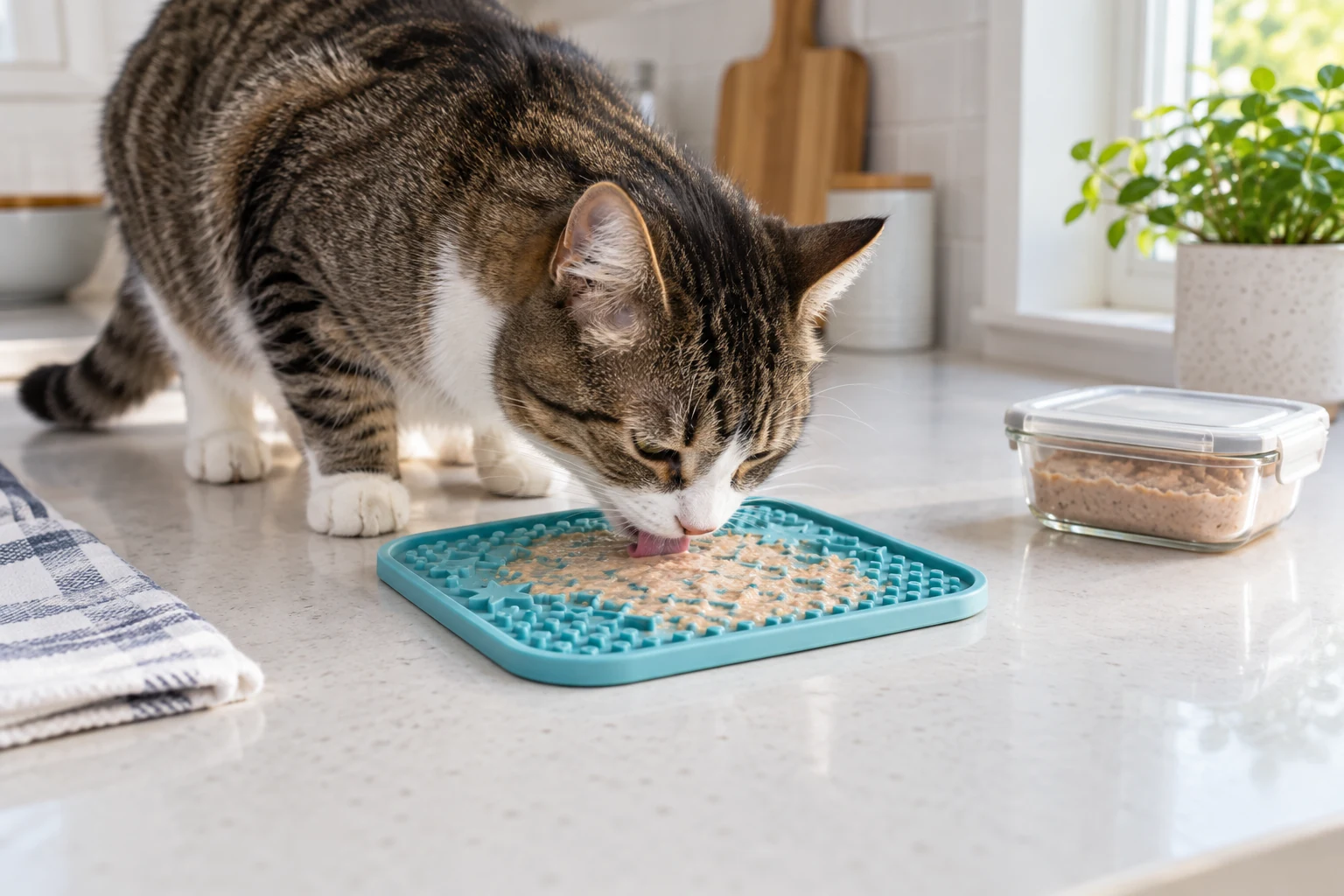
- Si a tu somalí le gusta “picotear”, puedes dividir la ración diaria en varias raciones pequeñas utilizando comederos con temporizador o juguetes para comer, sin dejar comida a disposición de la mascota de forma ilimitada. (Esto ayuda a evitar que coma por aburrimiento.)
Control de las raciones + aburrimiento
- Muchos casos de “hambre constante” son, en realidad, con falta de estímulos Gatos que buscan algo que hacer. Usa rompecabezas de alimentos, breves sesiones de entrenamiento y más tiempo de juego para convertir la búsqueda de la merienda en una actividad saludable.
- Si su gato rechaza la comida y está perdiendo peso, lo cual puede constituir una urgencia médica; Cornell recomienda que se le realice una revisión veterinaria.
Ejercicio
Los somalíes suelen ser más felices cuando consiguen juegos interactivos todos los días, y no solo en lo que respecta a los gatos de exposición: tanto la CFA como la TICA los describen como notablemente activos y atléticos.
Una rutina práctica
- Objetivo varias sesiones cortas de juego al día (más eficaz que una sola sesión larga).
- Utiliza juguetes que imiten a las presas (juguetes con varita, juguetes para “perseguir”). Deja que tu gato “atrape” el juguete de vez en cuando para evitar que se frustre.
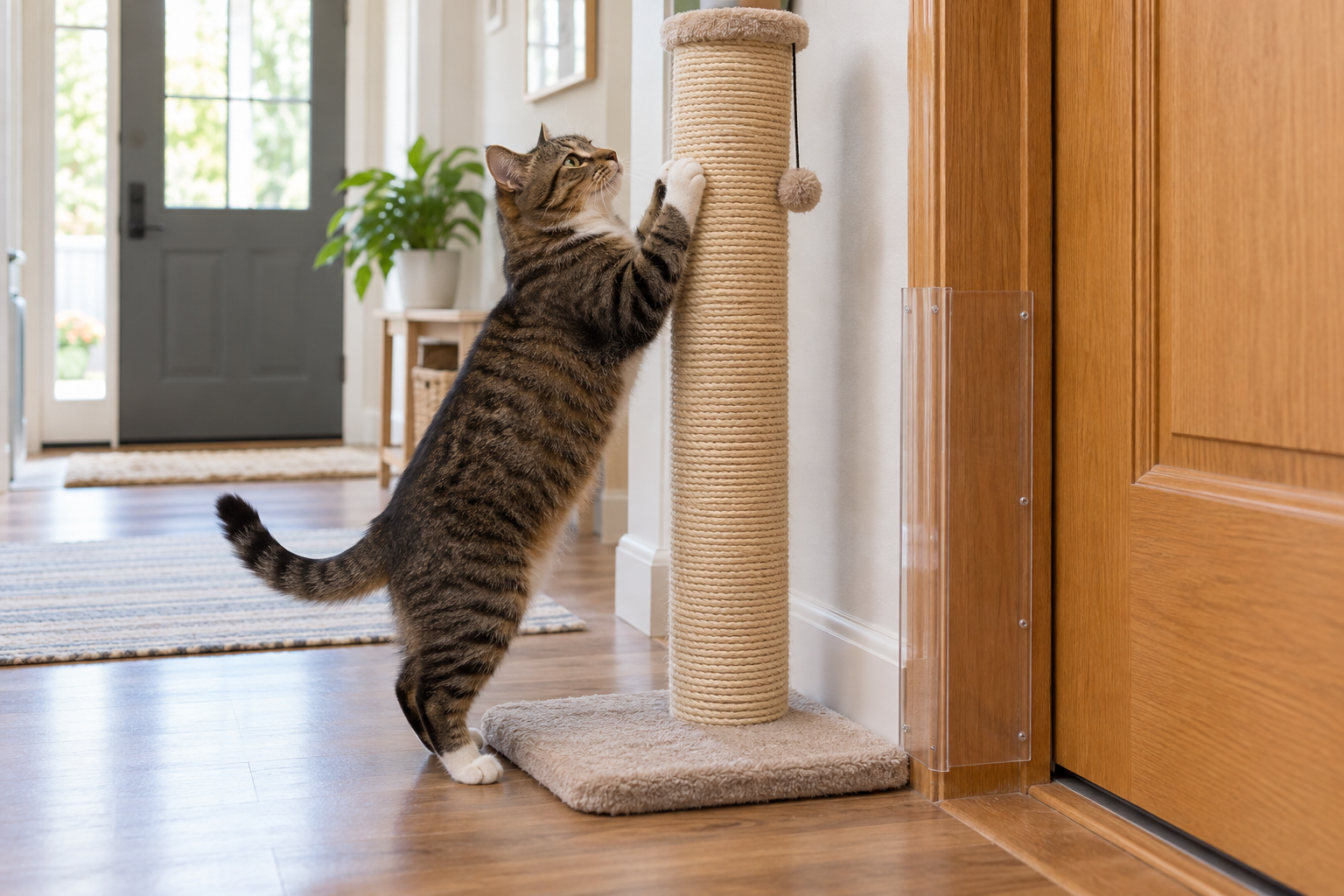
- Incorpora elementos que permitan el “ejercicio libre”: rascadores altos, repisas seguras y rascadores para fomentar que trepen y hagan sprints.
Opcional: tiempo de uso del arnés
- Si sales al aire libre con tu gato, asegúrate de que esté bajo control (con arnés, en el carrito o en un «catio»). Empieza a acostumbrarlo al arnés poco a poco y hazlo de forma positiva.
Medio ambiente y enriquecimiento
Las directrices de la AAFP y la ISFM hacen hincapié en que satisfacer las necesidades ambientales de un gato es esencial para el bienestar —no es opcional—, sobre todo para las razas inteligentes y activas.
Prepara tu hogar para el éxito
- Curiosidad a prueba de gatos: Asegura los objetos frágiles, tapa los huecos peligrosos y mantén fuera del alcance de los niños los cordones, las gomas elásticas y los objetos que puedan morder y que sean peligrosos.
- Espacio vertical: al menos una opción de escalada de altura + algunos puntos de descanso elevados.
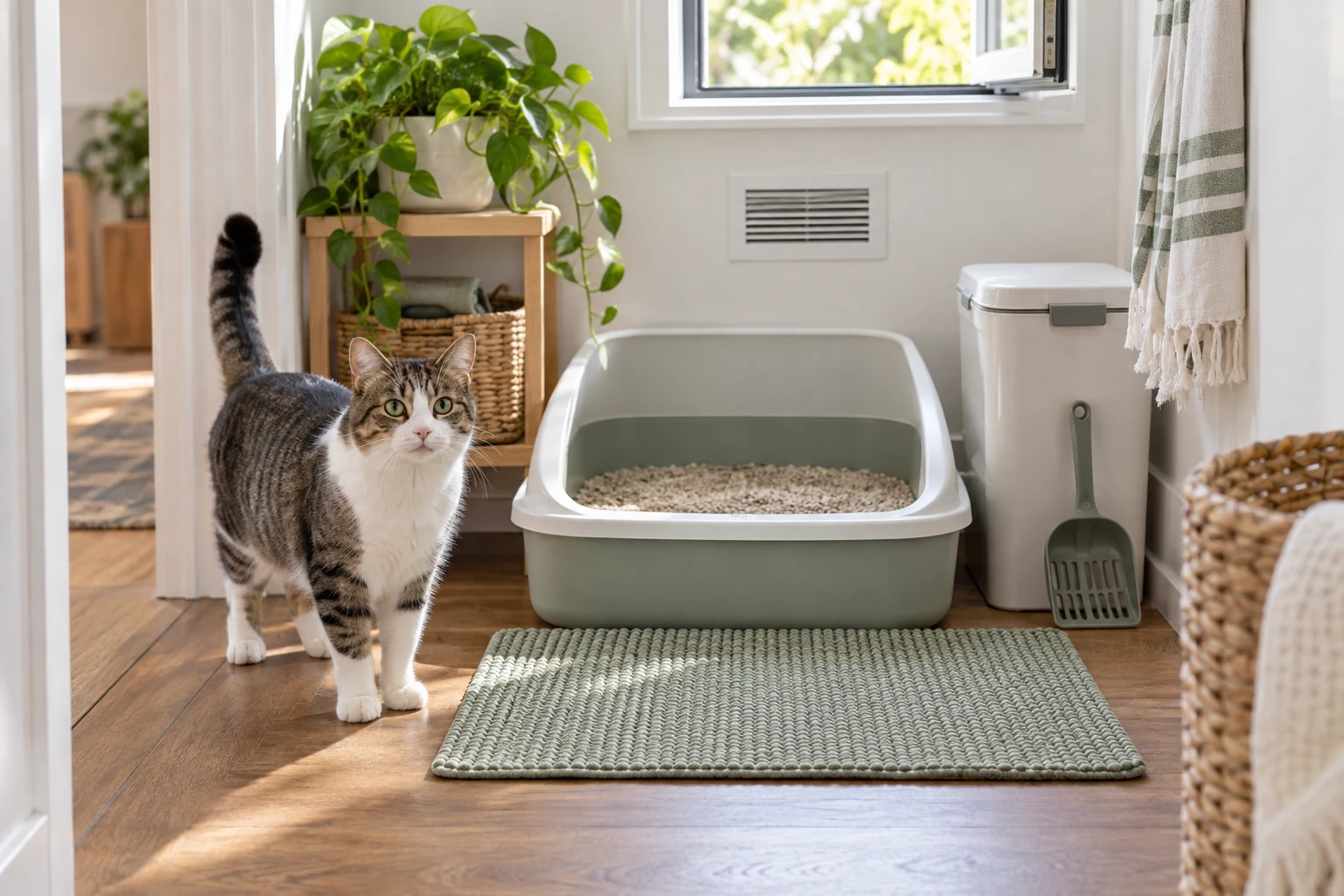
- Distribución de los recursos (especialmente en hogares con varios gatos): Coloca comida, agua, bandejas sanitarias y zonas de descanso en varios lugares para que los gatos no tengan que “competir”.”
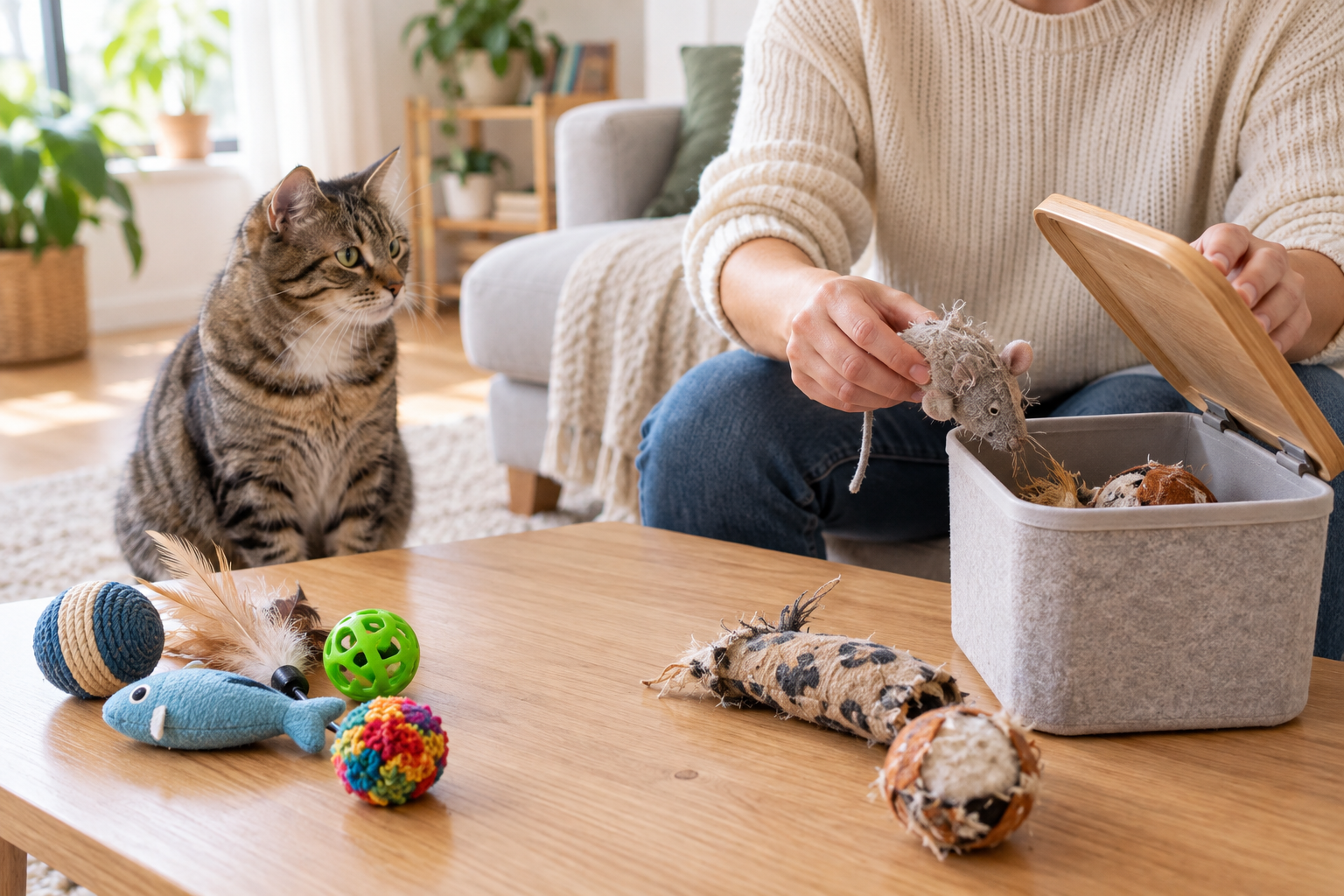
- Rotación de juguetes: Cambia los juguetes cada semana para que sigan resultando novedosos.
Grooming
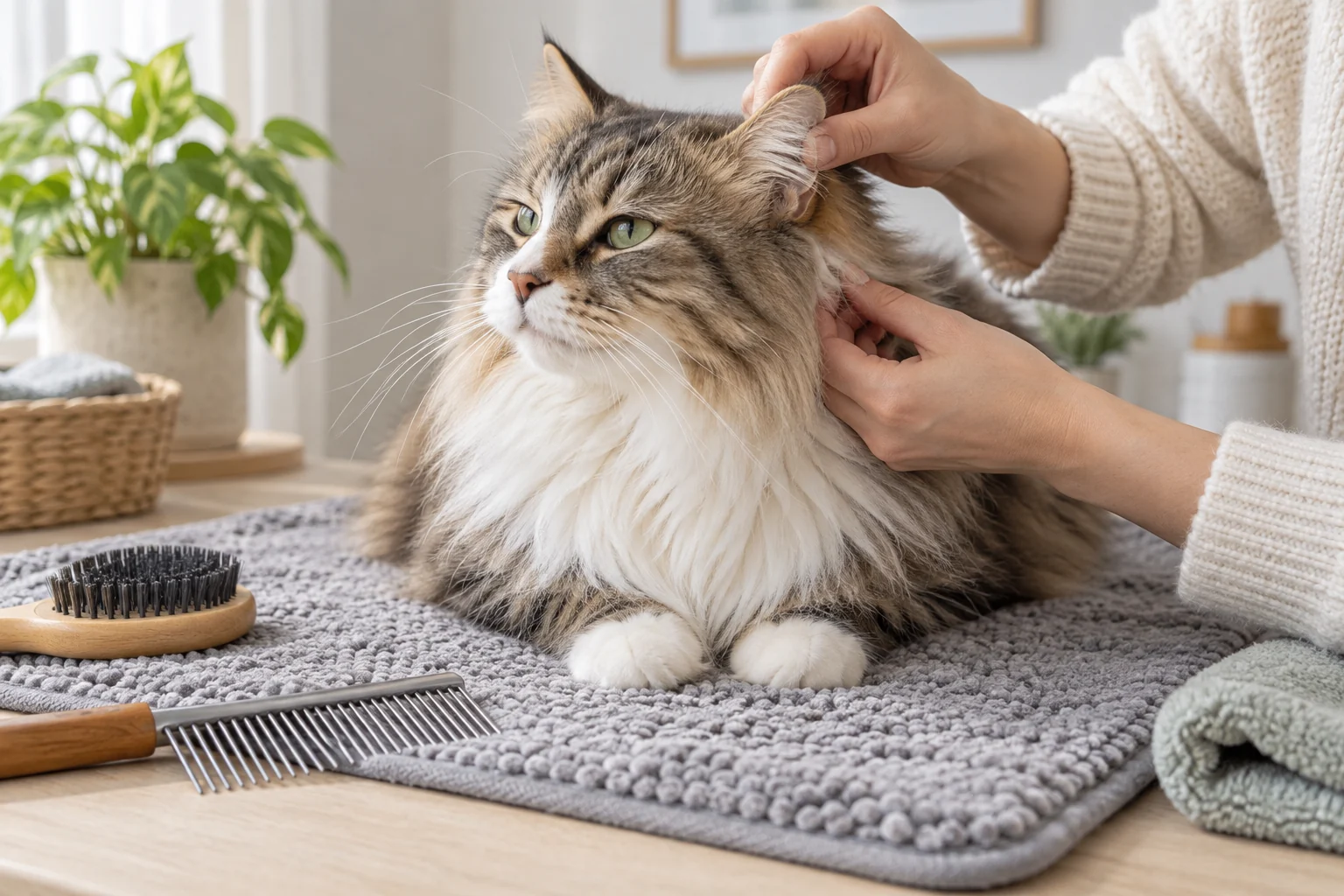
Los somalíes tienen un pelaje suave y semilargo. Aunque su pelaje tiende a enredarse relativamente poco, cepillado diario Ayuda a reducir la caída del pelo y evita que los enredos se conviertan en nudos dolorosos.
Plan de aseo con bajo nivel de estrés
- Las sesiones deben ser breves y tranquilas; detente si tu gato está estresado e inténtalo de nuevo más tarde. Premia los comportamientos relajados.
- Utiliza los utensilios que tu gato tolere mejor (peine, cepillo de púas, rastrillo).
- Si se forman nudos, no los tires de un tirón: los nudos muy graves pueden requerir los cuidados de un peluquero canino profesional o la ayuda de un veterinario.
Estimulación mental (entrenamiento + juegos mentales)
Los somalíes son famosos por su curiosidad e inteligencia, y se desenvuelven muy bien cuando se les dan “tareas” que hacer.
Ideas de enriquecimiento de gran valor
- Adiestramiento con clicker o basado en recompensas: “Siéntate”, «al objetivo», «ven», «choca esos cinco», «trae» (sesiones cortas).
- Comederos tipo rompecabezas / bolas de comida: imitan la búsqueda natural de alimento y hacen que las comidas resulten más satisfactorias.
- Actividades de enriquecimiento para hacer en casa: rompecabezas con cajas de cartón bajo supervisión, bolsas de papel (sin asas) y búsquedas del tesoro con golosinas.

Problemas de salud
| Condición | Descripción y síntomas | Gestión y prevención |
|---|---|---|
| Enfermedades dentales | Inflamación de las encías e infección de la raíz dental provocadas por la acumulación de sarro; pueden provocar la pérdida de dientes o problemas sistémicos. | Cepíllate los dientes al menos tres veces por semana; acude a limpiezas profesionales con regularidad. |
| Obesidad | Puede provocar diabetes, artritis, esteatosis hepática y una reducción de la esperanza de vida. | Ofréceles una dieta equilibrada, controla las raciones y fomenta el juego para evitar que coman por aburrimiento. |
| Infecciones prevenibles mediante vacunación | Con riesgo de contraer la rabia, la panleucopenia, el calicivirus, la rinotraqueítis, etc. | Mantén al día las vacunas básicas. |
| Parásitos | Incluye gusanos, pulgas, garrapatas y ácaros; pueden causar dolor o enfermedades, y algunos son zoonóticos. | Utiliza con regularidad los productos antiparasitarios y antiparasitarios orales recomendados por el veterinario. |
| Asma | Provoca dificultad respiratoria en los gatos. | Revisiones veterinarias periódicas; controlar y tratar a tiempo los problemas respiratorios. |
| Problemas digestivos / Vómitos | Puede provocar una mala absorción de nutrientes y molestias. | Proporcione una alimentación de alta calidad y adecuada a su edad; consulte al veterinario si los síntomas persisten. |
| Deficiencia de piruvato quinasa (PKD) | Deficiencia enzimática hereditaria en los glóbulos rojos que provoca anemia; síntomas: letargo, encías pálidas, fatiga, diarrea, falta de apetito y pérdida de peso. | Pruebas genéticas para la cría; análisis de sangre periódicos; control de los síntomas de anemia. |
| Atrofia progresiva de retina (ARP) | Ceguera hereditaria que se manifiesta entre el año y medio y los cuatro años de edad; comienza con ceguera nocturna. | Pruebas genéticas; evitar la cría de portadores; vigilar si muestra torpeza en condiciones de poca luz. |
| Amiloidosis renal | La acumulación de proteínas en los riñones, el hígado o el páncreas provoca insuficiencia orgánica; síntomas: sed excesiva, micción frecuente, pérdida de peso y de apetito, letargo. | Cuidados de apoyo con una dieta especial y medicación; seguimiento veterinario periódico. |
| Fragilidad osmótica de los glóbulos rojos | Anemia genética debida a la fragilidad de los glóbulos rojos; suele presentarse en niños somalíes de entre 6 meses y 5 años. | No existe cura; se recurren a transfusiones de sangre en los casos graves. |
| Isoeritrolisis neonatal (NI) | Reacción inmunitaria mortal en los recién nacidos cuando no coinciden los grupos sanguíneos de la madre y el gatito; la mayoría muere en cuestión de días. | Comprueba el grupo sanguíneo antes de la cría; evita los emparejamientos incompatibles. |
¿Es el gato somalí adecuado para ti?
Ideal para: personas que busquen un compañero muy interactivo, atlético y “siempre activo”, y que puedan ofrecerle juego diario, espacio para trepar y compañía.
No es ideal para: hogares que necesiten un gato tranquilo e independiente al que les guste estar en el regazo, o que no puedan ofrecerle estimulación y atención de forma regular.
Lista de verificación para la toma rápida de decisiones
Un somalí es probablemente sea una buena opción si puedes ofrecer de forma constante:
- Entre 60 y 90 minutos al día de participación activa (juego, entrenamiento, comederos tipo rompecabezas, exploración), divididas en sesiones cortas
- Territorio vertical (árbol para gatos alto, estanterías, repisas junto a la ventana) y habitaciones seguras “a prueba de gatos”
- Contacto social habitual (a menudo prefieren estar cerca de ti y participar en lo que sea que estés haciendo)
- Estimulación mental (juguetes giratorios, rompecabezas de comida, adiestramiento con clicker)
Un somalí puede lucha si:
- Están fuera casi todos los días y tienen poca interacción (algunos somalíes pueden ponerse nerviosos o volverse traviesos cuando no reciben estímulos suficientes)
- Prefiero un gato tranquilo, poco activo y al que le guste estar en el regazo
- No soporta que se trepe por las cosas, el caos provocado por la curiosidad ni los comportamientos ocasionales para llamar la atención
A quién suele ir bien esta raza:
Propietarios de gatos con experiencia o bien preparados
- Ideal para quienes se sienten a gusto con un gato inteligente y lleno de energía que necesita una rutina estructurada y actividades estimulantes.
Casas diseñadas para la escalada y la exploración
- Árboles para gatos, estanterías, rascadores, juguetes de rompecabezas y una distribución segura del interior de la vivienda (o un «catio» seguro).
Personas con horarios flexibles o que trabajan desde casa
- Una interacción más frecuente ayuda a prevenir los comportamientos derivados del aburrimiento.
Familias con hijos mayores y respetuosos
- Es ideal cuando los niños saben cómo tratar los juguetes con cuidado y jugar de forma interactiva.
Hogares con varias mascotas, en los que los animales son amigables y sociables
- Suele llevarse bien con otro gato activo o con un perro que se lleve bien con los gatos, sobre todo si las presentaciones se hacen de forma gradual y positiva.
Para quién no suele ser ideal esta raza:
Personas que compran su primera vivienda y esperan que sea “fácil y tranquila”
- Esta raza suele requerir más atención de lo habitual.
Hogares con mucha actividad y en los que los miembros de la familia pasan muchas horas fuera de casa cada día
- Algunos somalíes pueden desarrollar comportamientos relacionados con el estrés si carecen de compañía y estímulos.
Hogares minimalistas con una decoración delicada (o sin medidas de protección contra los gatos)
- Los niños curiosos pueden tirar cosas, abrir puertas y armarios, y explorar sin descanso.
Hogares en los que suele haber mucho jaleo o con niños muy pequeños
- A un gato sensible, que se sobreexcita con facilidad, esto le puede resultar estresante.
Hogares con varios gatos en los que cada uno tiene su territorio
- Si existe competencia por la atención o los recursos, los conflictos pueden aumentar, a menos que se disponga de espacio y de un plan de introducción sólido.
Preguntas frecuentes sobre el gato somalí
¿Cuál es el apodo del gato somalí?
Lo más habitual: “gato zorro”—un guiño a la cola tupida y con plumas del somalí y a su aspecto de zorro. Muchos registros de razas también describen al somalí como el primo de pelo semilargo / largo del abisinio.
¿Son muy ruidosos los gatos somalíes?
A menudo es “comunicativo” sin levantar la voz. Muchos somalíes dependen en gran medida de lenguaje corporal y pueden comunicarse con las personas de formas que “pueden no ser vocales”, en lugar de maullar con frecuencia y en voz alta. (Esto varía según cada gato.)
¿A los gatos somalíes les gusta sentarse en el regazo?
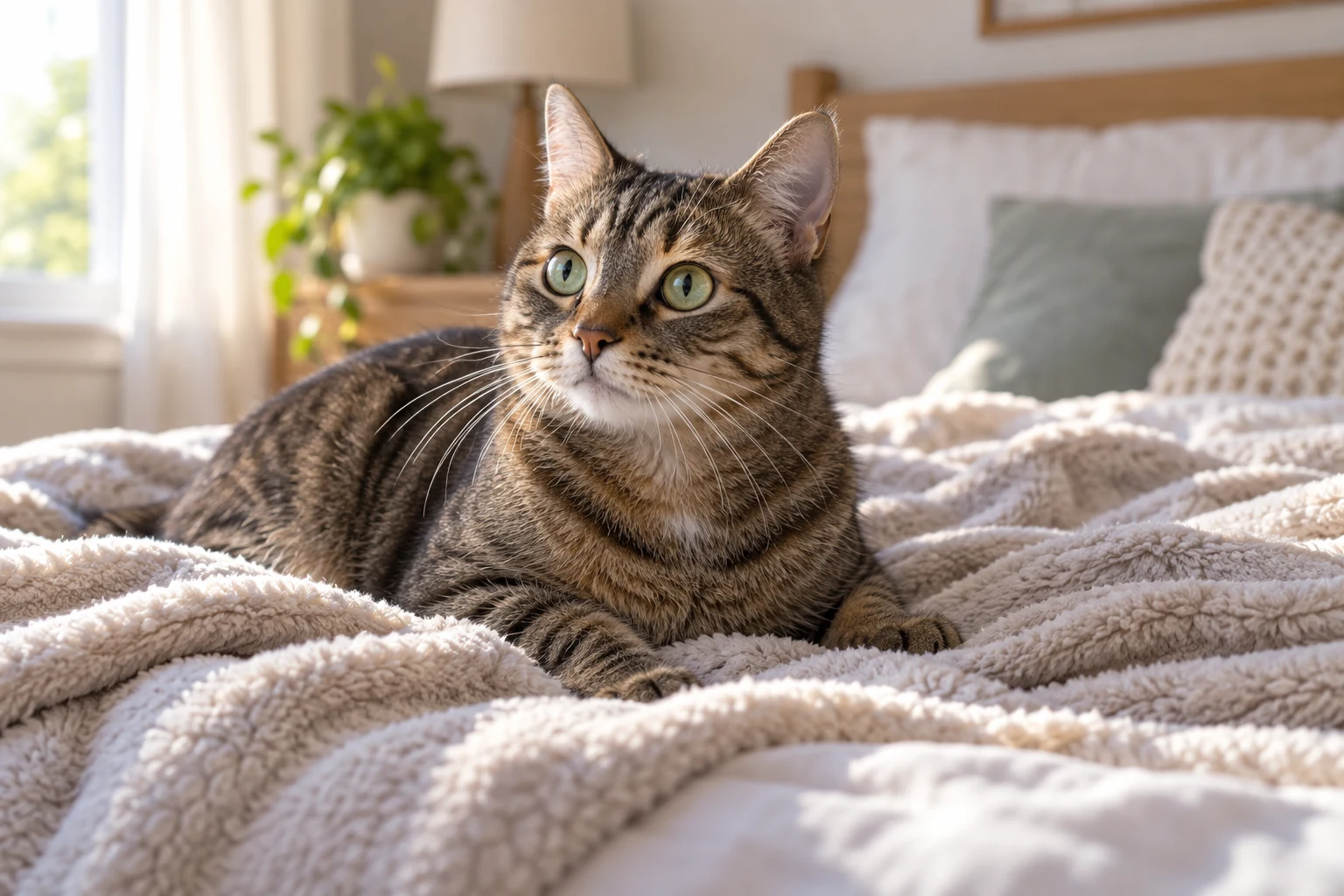
No suele ser el típico gato que se sube al regazo—su gran energía y curiosidad suelen hacer que no paren quietos. Dicho esto, muchos… visita tu regazo quedarse un rato o acurrucarse cerca (incluso debajo de las mantas) cuando les apetezca.
¿Se llevan bien los gatos somalíes con los niños y con otras mascotas?
Suele ser una buena opción para niños respetuosos y mascotas amigables porque los somalíes anhelan la compañía y el contacto con los demás.
¿Qué tipo de cuidados necesitan los gatos somalíes?
Cuidados moderados: A pesar de que tienen el pelaje más largo, según las recomendaciones sobre la raza, los somalíes son no es difícil de cuidar.
¿Tienen los gatos somalíes tendencia a padecer algún problema de salud concreto?
A menudo se describe a los somalíes como personas robustas, pero hay riesgos hereditarios asociados a la raza que los criadores y propietarios de confianza comprueban: deficiencia de piruvato quinasa (PK), atrofia progresiva de la retina (PRA rdAc) y algunas guías de la raza también recomiendan preguntar a los criadores sobre antecedentes familiares de amiloidosis renal.
¿Se puede adiestrar a los gatos somalíes?
Sí, los somalíes suelen ser muy inteligentes y aprenden rápido., sobre todo cuando la formación es interactiva y gratificante.
Datos adicionales (típicos de la raza, no universales)
“Comportamiento de ”peluquero»
Es posible que algunos somalíes “ayuden” al cambiarte el peinado—una peculiaridad divertida, propia de la raza.
“Hacer galletas” (amasar)
Amasar es un comportamiento de consuelo habitual en los gatos, y las descripciones de los somalíes mencionan específicamente amasando como una de las formas en que muestran su cariño.
Tarda en madurar (sobre todo en cuanto al color del pelaje y el moteado)
Es posible que los somalíes sean tarda en madurar en cuanto al color del pelaje y al moteado, y en las instrucciones se indica que puede tardar hasta unos 18 meses para que estas características alcancen su pleno desarrollo.
Un detalle revelador (por qué el abrigo “brilla”)
El pelaje del somalí es una variedad de motivo «agouti ticking»: cada tallo capilar tiene bandas de colores alternas, lo que le da un aspecto iridiscente y brillante.
Exploradores curiosos (“gatos de las preposiciones”)
A menudo se les llama “gatos de las preposiciones” porque exploran por encima, por debajo, dentro, debajo y a través de Todo: es ideal para el enriquecimiento, y una de las razones por las que no les gusta el aburrimiento.
Referencias
“Gatos somalíes | Información y fotos sobre la raza de gatos somalíes | petMD”. www.petmd.com. Consultado el 15 de abril de 2016.
“Perfil de la raza: el somalí”. cfa.org. Archivado desde el original el 25 de junio de 2018. Consultado el 13 de abril de 2016.
“El gato somalí”. www.micetto.com. Consultado el 21 de abril de 2016.
Fogle, Bruce (2001) [1997]. La enciclopedia del gato: la guía visual definitiva. Dorling Kindersley Pr., pág. 224. ISBN 978-1-4053-3490-7.
“Somali”. Planeta Animal. Consultado el 11 de abril de 2016.
Stephens, Gloria; Yamazaki, Tetsu (1990). El legado del gato. San Francisco: Chronicle.
“Tipos y colores de pelaje”. Club del Gato Somalí.
Oliver, James A.C.; Mellersh, Cathryn S. (2020). "Genetics". En Cooper, Barbara; Mullineaux, Elizabeth; Turner, Lynn (eds.). Libro de texto de enfermería veterinaria de la BSAVA (Sexta ed.). Asociación Veterinaria Británica de Pequeños Animales. p. 131. ISBN 978-1-910-44339-2.
Narfström, Kristina; David, Víctor; Jarret, Oswald; Beatty, Julia; Barrs, Vanessa; Wilkie, David; O’Brien, Stephen; Menotti-Raymond, Marilyn (1 de septiembre de 2009). “Degeneración retiniana en los gatos abisinios y somalíes (rdAc): correlación entre genotipo y fenotipo y frecuencia alélica de rdAc en dos continentes”. Oftalmología veterinaria. 12 (5): 285-291. doi:10.1111/j.1463-5224.2009.00710.x. ISSN 1463-5224. PMID 19751487.
 EN
EN DE
DE ES
ES PT
PT