

Table of Contents
Welcome to the World of Long-Haired Cat Breeds
Long-haired cat breeds are beloved for their plush coats, dramatic ruffs, and often gentle personalities—but “more fluff” also means you should choose based on grooming time, shedding, and energy level, not looks alone.
Long hair is usually tied to genetics (it can show up in some kittens and not others), which is why coat length varies so much even across similar-looking cats.
In this guide, we’ll introduce you to 10 popular long-haired cat breeds in depth, plus a quick list of additional long-haired breeds you may want to compare.
Key Takeaways (Read This First)
- Lowest-maintenance long-hair coats tend to be silky and less prone to mats (weekly brushing is often enough).
- Dense double/triple coats look majestic but usually need more brushing—especially during seasonal “coat blows.”
- The “best” long-haired cat is the one that matches your lifestyle: apartment vs. house, kids vs. quiet, lots of playtime vs. calm lap cat.
How to Choose the Right Long-Haired Cat Breed (Fast Decision Guide)
Searchers don’t just want a list—they want help picking. This section targets tons of long-tail queries like “best long-haired cat for apartments / kids / low grooming / calm,” which creates impressions early.
If you want the calmest lap cat
Choose breeds known for low to moderate energy and cuddly temperaments:
- Ragdoll (ultra-affectionate, people-oriented)
- Persian / Himalayan (calm, quiet—but daily grooming)
- Birman / Ragamuffin (gentle, cuddle-ready)
If you have kids or a busy family home
Look for “patient + social” breeds that tend to handle activity well:
- Maine Coon
- Siberian
- Ragamuffin
- Birman
If you live in an apartment
Pick breeds that are content indoors and don’t require constant high-energy outlets:
- Ragdoll
- Persian / Himalayan
- Birman
(Still provide climbing/scratching options and daily play.)
If you want the lowest grooming commitment (for long-haired cats)
Weekly brushing breeds are often the easiest entry point:
- Ragdoll (usually low–moderate)
- Birman
- Turkish Angora (often less matting due to coat type)
- Ragamuffin
(You still need routine brushing—just not always daily.)
If allergies are a concern
No cat is truly hypoallergenic, but some people report better tolerance with certain cats; individual response varies. (Keep expectations realistic.)
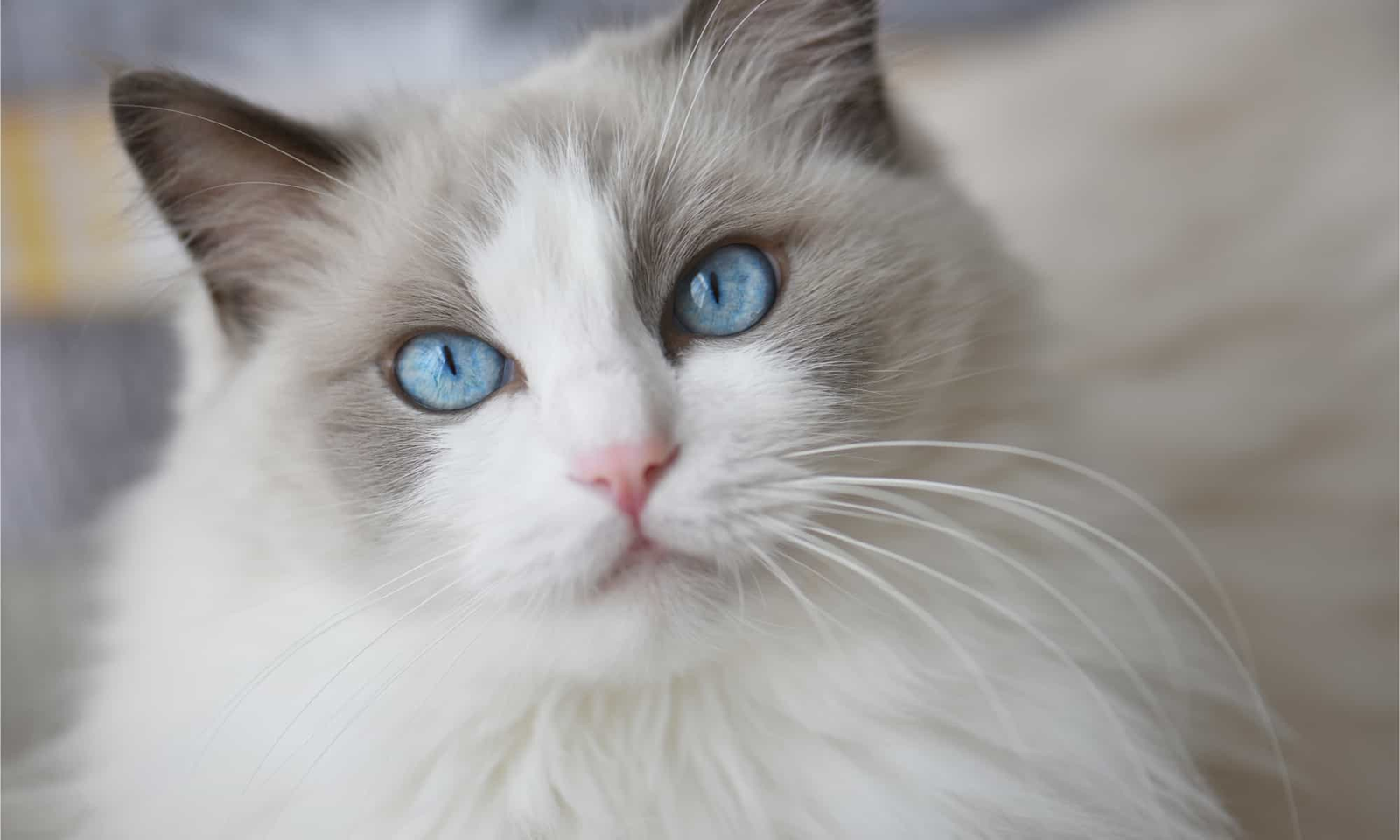
Quick Glance: Long-Haired Cat Breeds (Compare Fast)
Use this chart to shortlist 2–3 breeds based on grooming time, shedding, and lifestyle fit. (Details and individual personalities vary.)
Definitions
- Grooming: how often most owners should brush to prevent mats
- Shedding: how much loose fur you’ll notice in normal weeks (seasonal sheds can spike)
- Apartment-friendly: generally adapts well to smaller spaces with enrichment
| Breed | Temperament (3 traits) | Grooming | Shedding | Energy | Best for | Apartment-friendly |
|---|---|---|---|---|---|---|
| Maine Coon | gentle, social, playful | 2–3×/week | Med–High | Medium | families, social homes | Yes (with play) |
| Persian | calm, sweet, quiet | Daily | Medium | Low | quiet lap-cat homes | Yes |
| Ragdoll | affectionate, docile, clingy | 1–2×/week | Medium | Low–Med | cuddly indoor companion | Yes |
| Norwegian Forest | adaptable, independent, friendly | 2–4×/week (daily in sheds) | High (seasonal) | Medium | climbers, active homes | Sometimes |
| Siberian | playful, athletic, people-oriented | 2–3×/week (more in sheds) | High (seasonal) | Medium | families, interactive owners | Yes (with play) |
| Himalayan | gentle, quiet, sensitive | Daily | Medium | Low | calm homes, routine lovers | Yes |
| Balinese | vocal, intelligent, energetic | 1×/week | Low–Med | High | interactive, talkative cats | Yes (with play) |
| Turkish Angora | active, devoted, clever | 1×/week | Low–Med | High | playful households | Yes (with climbing) |
| Birman | loving, easygoing, gentle | 1×/week | Medium | Low–Med | first-time owners, families | Yes |
| Ragamuffin | cuddly, gentle, tolerant | 1×/week | Medium | Low | lap-cats, families | Yes |
Notes to keep under the table (short + useful):
Seasonal shedding can increase brushing needs for double/triple-coated cats.
“Daily” = most days per week, especially for flat-faced/dense-coated breeds.
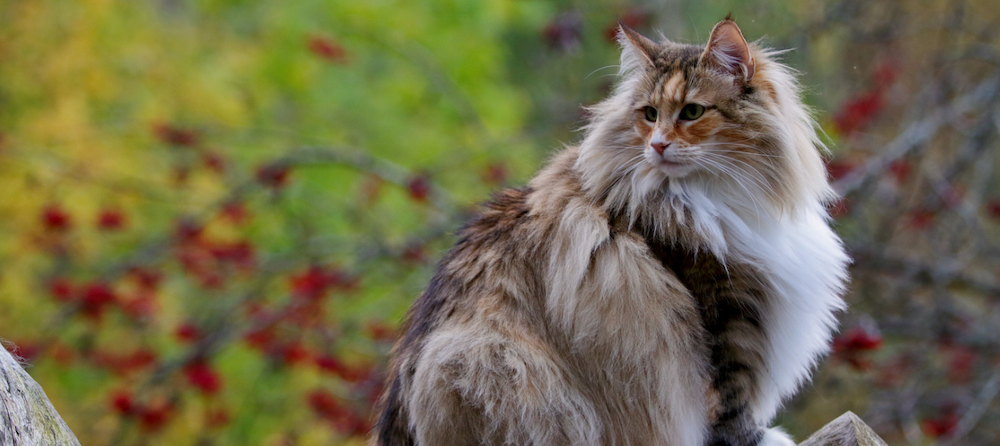
Long-Haired Cats 101: Facts That Help You Choose
Long-haired cats aren’t all the same. What matters most is coat type (silky vs. dense) and undercoat thickness, because those determine matting, shedding, and grooming time.
1. Coat types you’ll see in long-haired cats
- Silky / low-undercoat coats: tend to tangle less and are easier to maintain with weekly brushing (still important, just usually less intense).
- Dense double coats: fluffier and warmer; often shed more and need more brushing to prevent mats.
- Triple coats (very dense): built for cold climates; gorgeous but typically higher maintenance during seasonal shedding.
2. Seasonal shedding (“coat blow”) is real
Many long-haired cats shed heavily in spring/fall. During those weeks, a cat that’s normally “weekly brushing” may need grooming daily or every other day to avoid mats and fur tumbleweeds.
3. Mats + hairballs happen when grooming falls behind
- Mats form most often behind the ears, under the arms, along the belly, and in the “pants” (hind legs).
- Hairballs are more likely when loose hair isn’t removed by brushing, because cats swallow it during self-grooming.
Rule of thumb: If you want long hair, budget a little time each week to keep the coat comfortable and healthy.
Pros and Cons of Long-Haired Cats
Pros
- Unmatched fluff + beauty: dramatic ruffs, plumed tails, and plush coats.
- Often gentle companions: many popular long-haired breeds are known for calm or affectionate temperaments (individual personality still varies).
- Great “bonding routine”: brushing can become relaxing one-on-one time.
Cons
- More grooming time: some breeds need daily brushing, especially thick-coated types.
- Mats can be painful if neglected (and can require professional grooming).
- More visible shedding (especially seasonal).
- Hairballs can increase if brushing isn’t consistent.
Grooming Essentials: A Simple Routine That Works
You don’t need a complicated routine—just consistency.
Your basic toolkit
- Wide-tooth comb (for detangling + checking down to the skin)
- Soft slicker brush (for removing loose topcoat; use gently)
- Dematting tool (optional; only if you know how to use it safely)
- Treats (makes grooming easier and builds cooperation)
Weekly grooming schedule (adjust by coat density)
- Easy coats: 1–2× per week
- Medium coats: 2–4× per week
- High-maintenance coats: daily
- During seasonal shedding: daily or every other day for most long-haired cats
5-minute mat check (do this every session)
Focus on:
- behind ears
- armpits
- belly
- collar area
- hind-leg “pants” + base of tail
How to brush (quick method)
- Start with gentle strokes on the back and sides.
- Use a comb to check if you’re reaching the undercoat (you should glide, not snag).
- If you hit tangles, don’t yank—hold hair close to the skin and work slowly from the ends.
Hairballs: prevention basics
- Brush more often during sheds
- Keep hydration and diet consistent
- If hairballs are frequent or severe, consult a vet for safe options (diet changes or supplements)
Now let’s meet these fluffy friends one by one and discover what makes each breed special. We’ll share their unique charm and help you decide, “Is this your SnuggleSoul?”
Meet Your Cat: 10 Delightful Breeds
After these 10 in-depth profiles, you’ll also find a bonus ‘More Breeds’ section with additional long-haired cats people commonly compare.
Maine Coon

At a Glance
- Personality: Gentle, sociable, often “dog-like”
- Grooming: 2–3× weekly combing (more if mats appear)
- Shedding: Medium–high (often seasonal)
- Energy: Moderate
- Best for: Families, social homes, gentle kids/dogs
- Apartment-friendly: Yes (better with daily play + space to stretch)
Their Unique Charm
Often called the gentle giants of the cat world, Maine Coons are one of the largest long-haired cat breeds—and they usually have the personality to match their impressive look.
They’re typically friendly, outgoing, and social with people and many other pets. Many owners describe Maine Coons as “dog-like” because they enjoy being near you, following you around, and joining in on family routines.
Their shaggy coat looks rugged and dramatic, but it’s often more manageable than you’d expect. With consistent combing and basic mat checks (especially around the chest, belly, and behind the legs), most Maine Coons stay comfortably fluffy.
Watch-outs: big cats need space to stretch, sturdy cat furniture, and regular play to prevent boredom.
Is This Your SnuggleSoul?
A Maine Coon can be your SnuggleSoul if you want a big, friendly companion that fits into everyday life like a family member.
You’ll probably love this breed if you:
- Want a social cat that often enjoys people (and may tolerate kids and other pets well)
- Like a mix of playtime + couch time
- Don’t mind a larger cat with a larger footprint (and a larger appetite)
You might choose another breed if you:
- Prefer a very quiet, low-interaction cat
- Don’t have room for sturdy climbing/scratching setups
- Want truly minimal grooming responsibility
If you’re ready for a warm, people-focused long-haired cat with presence and personality, the Maine Coon is a strong match.
Read more about Maine Coons
Persian
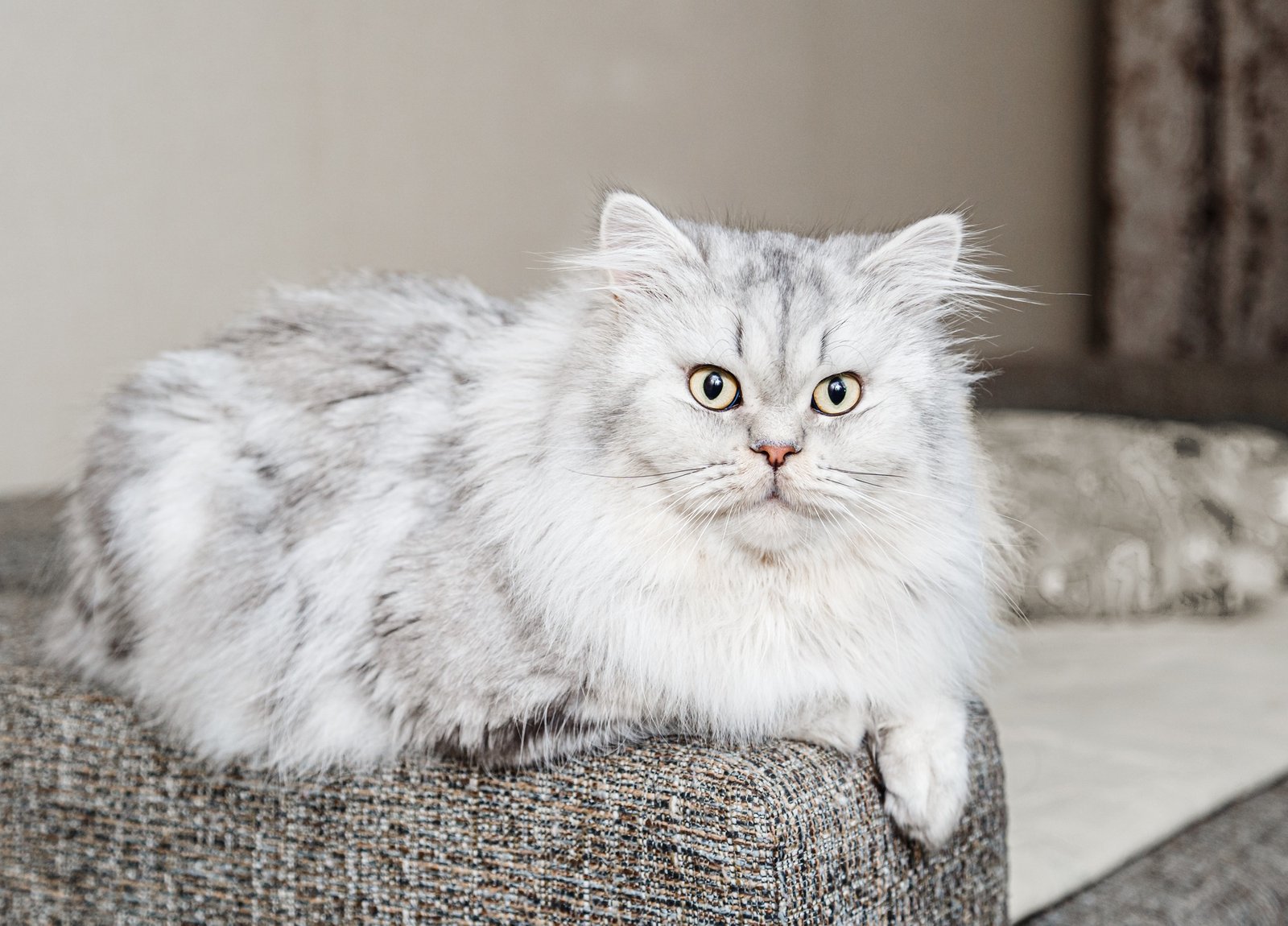
At a Glance
- Personality: Calm, sweet, gentle
- Grooming: Daily brushing (coat mats easily)
- Shedding: Medium–high
- Energy: Low
- Best for: Quiet homes, routine lovers, lap-cat companionship
- Apartment-friendly: Yes (excellent indoor cat if grooming is consistent)
Their Unique Charm
The Persian is the definition of calm elegance. With a plush coat and a peaceful temperament, this long-haired cat breed is often happiest in a quiet, predictable home.
Persians tend to be sweet and gentle with their people, and they often prefer soft affection over high-energy play. They’re the kind of cat who makes your home feel calmer—slow blinks, cozy naps, and unhurried companionship.
The tradeoff is coat care: that glamorous fur needs consistent brushing and routine upkeep to stay comfortable and mat-free.
Watch-outs: Persians are best for owners who can keep up with grooming and prefer a low-energy companion.
Is This Your SnuggleSoul?
Choose a Persian if your dream cat is a quiet lap companion who thrives on calm routines.
You’ll probably love this breed if you:
- Want a low-energy, indoor-friendly long-haired cat
- Enjoy peaceful bonding time (gentle pets, quiet presence)
- Don’t mind grooming as part of the relationship
You might choose another breed if you:
- Have a very busy, loud household with lots of unpredictable activity
- Want a playful, athletic cat that needs constant stimulation
- Don’t have time for regular coat maintenance
If you want a serene, plush companion and you’re committed to grooming, the Persian is hard to beat.
Read more about Persian
Ragdoll

At a Glance
- Personality: Affectionate, docile, very people-oriented
- Grooming: 1–2× weekly brushing
- Shedding: Medium
- Energy: Low–moderate
- Best for: Cuddly indoor companion, multi-pet homes, WFH households
- Apartment-friendly: Yes (one of the best long-haired indoor options)
Their Unique Charm
Ragdolls are famous for being exceptionally affectionate and relaxed—often described as “puppy-like” because they love being close to their people.
They’re usually gentle, friendly, and deeply people-oriented, which makes them a favorite for households that want a long-haired cat breed with a truly cuddly temperament. Their semi-long coat is often softer and less prone to tangles than it looks, as long as you keep up a simple brushing routine.
Ragdolls also tend to stay playful longer than many breeds, so you get a nice blend of sweetness and fun.
Watch-outs: they can crave company and may not thrive if left alone all day, every day.
Is This Your SnuggleSoul?
A Ragdoll is an excellent SnuggleSoul if you want a true indoor best friend.
You’ll probably love this breed if you:
- Want a cat that enjoys affection and being near you
- Prefer a calm temperament over “wild” energy
- Have time for companionship (or another pet for company)
You might choose another breed if you:
- Want an independent cat that rarely seeks attention
- Travel frequently or are away long hours without pet support
- Prefer a highly athletic, constantly-on-the-move cat
If you want a long-haired cat that acts like your shadow (in the best way), the Ragdoll is a top pick.
Read more about Ragdoll
Norwegian Forest Cat

At a Glance
- Personality: Friendly, confident, affectionate-but-not-clingy
- Grooming: 2–4× weekly; daily during seasonal shedding
- Shedding: High (seasonal “coat blow”)
- Energy: Moderate
- Best for: Homes that like a hardy climber + can keep up with grooming
- Apartment-friendly: Sometimes (works best with vertical space)
Their Unique Charm
The Norwegian Forest Cat (often called a “Wegie”) looks like a fairy-tale forest guardian—thick ruff, tufted paws, and a rugged coat built for harsh climates.
Despite the wild look, they’re usually friendly, curious, and confident. Many Wegies enjoy being near their people while still keeping a bit of independence—more “companion nearby” than “constant lap cat.”
Their dense coat is stunning, but it’s also a shedding machine during seasonal coat changes. Grooming matters most during those times, when loose undercoat can build up quickly.
Watch-outs: they often love climbing and benefit from vertical space and sturdy cat furniture.
Is This Your SnuggleSoul?
A Norwegian Forest Cat can be your SnuggleSoul if you want a majestic, semi-independent companion with an adventurous side.
You’ll probably love this breed if you:
- Like a cat that’s affectionate but not overly clingy
- Can offer climbing space (tall trees, shelves, scratching posts)
- Don’t mind heavier seasonal shedding
You might choose another breed if you:
- Want a low-shed, low-grooming coat
- Prefer a cat that stays mostly on the couch
- Don’t have room for a climber’s lifestyle
If you want “gentle wilderness energy” in a fluffy package, the Wegie is a beautiful fit.
Read more about Norwegian Forest Cat
Siberian
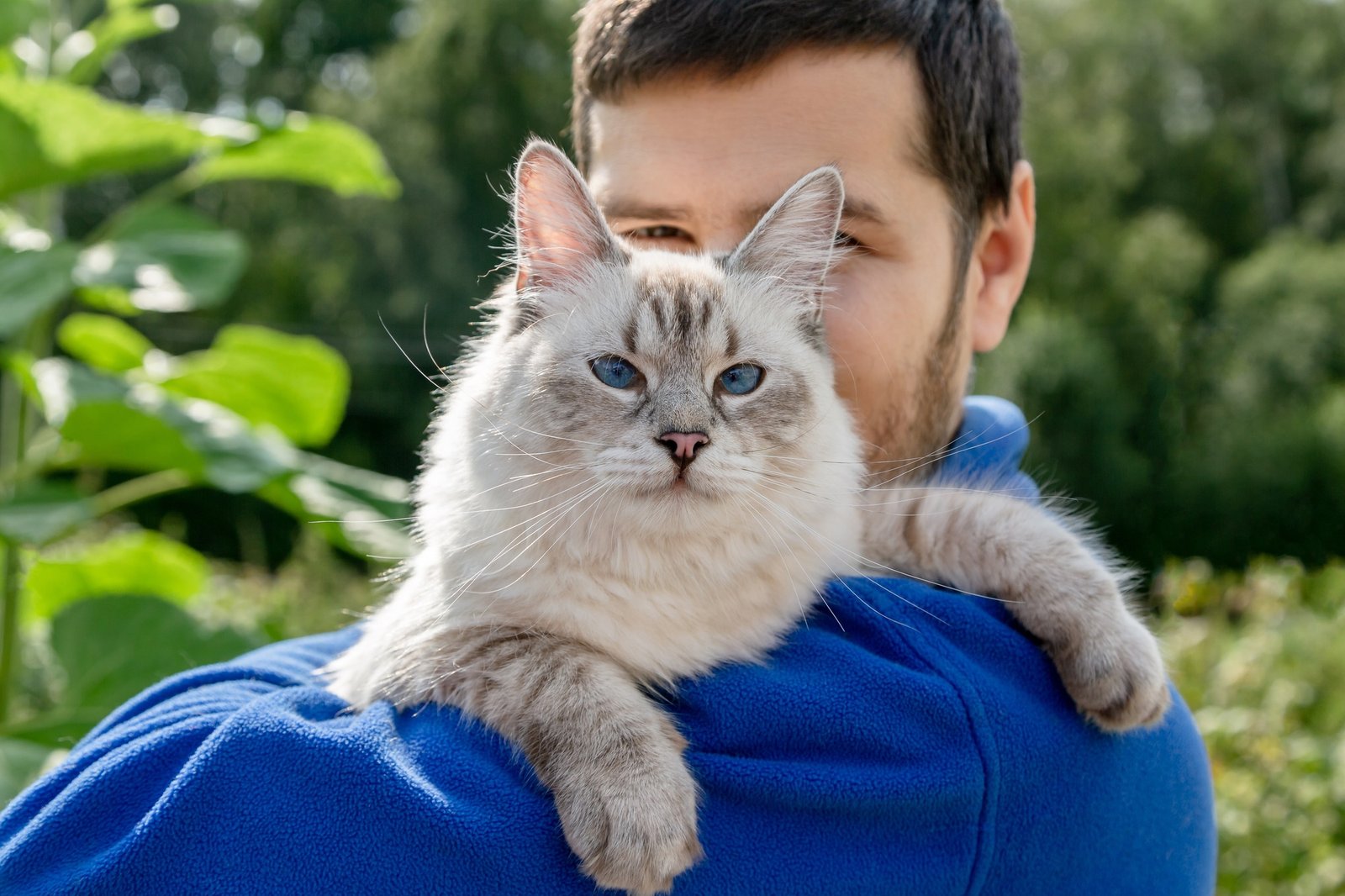
At a Glance
- Personality: Playful, affectionate, confident
- Grooming: 2–3× weekly; more during heavy shedding
- Shedding: High (often seasonal)
- Energy: Moderate (athletic)
- Best for: Families who want play + cuddles, interactive owners
- Apartment-friendly: Yes (with daily play + climbing options)
Their Unique Charm
Siberians are sturdy, athletic, and affectionate—often the kind of long-haired cat that plays hard and then happily snuggles up nearby.
They tend to be confident and people-friendly, and many enjoy interactive play, climbing, and exploring. Their thick coat is designed for cold weather and can shed heavily during seasonal changes, so brushing becomes especially important during those periods.
Some people with mild allergies report better tolerance with certain Siberians, but it varies by individual cat—so it’s best to spend time with a specific cat before committing.
Watch-outs: they’re active and thrive with play, enrichment, and attention.
Is This Your SnuggleSoul?
Pick a Siberian if you want a playful, affectionate long-haired cat that feels like a true family teammate.
You’ll probably love this breed if you:
- Want an interactive cat that enjoys play and people
- Have kids/pets and want a confident, sturdy companion
- Can provide enrichment (climbing, puzzle toys, daily play)
You might choose another breed if you:
- Want a low-energy lap cat with minimal activity needs
- Don’t have time for daily play and engagement
- Prefer lighter shedding throughout the year
If you want a cat that brings both fun and affection, the Siberian is a strong match.
Read more about Siberian
Himalayan

At a Glance
- Personality: Gentle, quiet, calm
- Grooming: Daily brushing (thick coat mats easily)
- Shedding: Medium–high
- Energy: Low
- Best for: Quiet homes, lap-cat nights, owners who enjoy grooming
- Apartment-friendly: Yes
Their Unique Charm
The Himalayan is like a Persian with dramatic colorpoint markings—blue eyes, plush coat, and a calm, indoor-loving temperament.
They typically prefer peaceful environments and predictable routines. Many Himalayans are content with gentle affection, cozy perches, and calm companionship rather than high-energy chaos.
Their thick coat is gorgeous but high-maintenance: consistent brushing helps prevent mats and keeps them comfortable.
Watch-outs: best for quiet homes and owners who can commit to regular grooming.
Is This Your SnuggleSoul?
A Himalayan may be your SnuggleSoul if you want a quiet, affectionate indoor companion and you’re okay being the “official groomer.”
You’ll probably love this breed if you:
- Want Persian-like calm with striking colorpoint beauty
- Prefer a relaxed cat that enjoys a steady routine
- Don’t mind frequent coat care
You might choose another breed if you:
- Want an energetic, athletic cat
- Have a loud, unpredictable household
- Need a truly low-maintenance grooming schedule
If you want a gentle long-haired cat who thrives on calm affection, the Himalayan is a wonderful fit.
Read more about Himalayan
Balinese
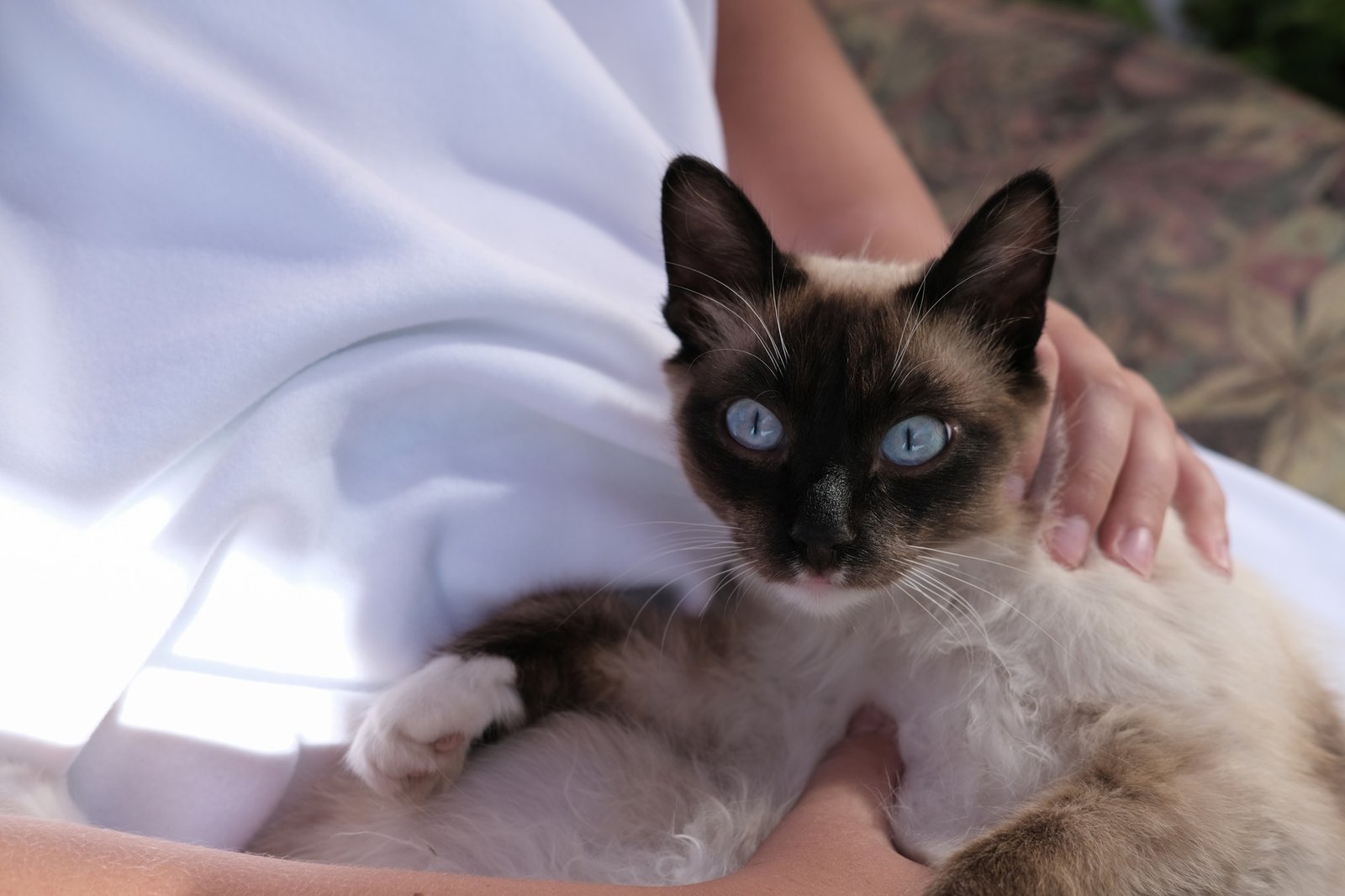
At a Glance
- Personality: Vocal, intelligent, highly interactive
- Grooming: Weekly brushing
- Shedding: Often lower than many long-haired breeds (less undercoat)
- Energy: High
- Best for: People who want an engaged “conversation buddy” cat
- Apartment-friendly: Yes (if you meet play + mental stimulation needs)
Their Unique Charm
The Balinese is essentially a long-haired Siamese—meaning you get a sleek, elegant coat paired with a big, expressive personality.
They’re known for being intelligent, highly interactive, and often very talkative. Many Balinese love “being involved” in whatever you’re doing and thrive on attention, play, and mental stimulation.
Their coat is often finer and less prone to heavy matting than many long-haired breeds, but they still benefit from routine brushing and lots of engagement.
Watch-outs: if you want a quiet, hands-off cat, this probably isn’t your match.
Is This Your SnuggleSoul?
Choose a Balinese if you want a smart, social cat who acts like a companion, not a decoration.
You’ll probably love this breed if you:
- Enjoy a chatty, interactive cat who follows you around
- Want an energetic cat that still enjoys cuddles after play
- Can provide daily play + mental challenges
You might choose another breed if you:
- Prefer a quiet, low-interaction cat
- Are away long hours without enrichment
- Want a low-energy lap cat first and foremost
If you want a cat with personality for days, the Balinese delivers.
Read more about Balinese
Turkish Angora
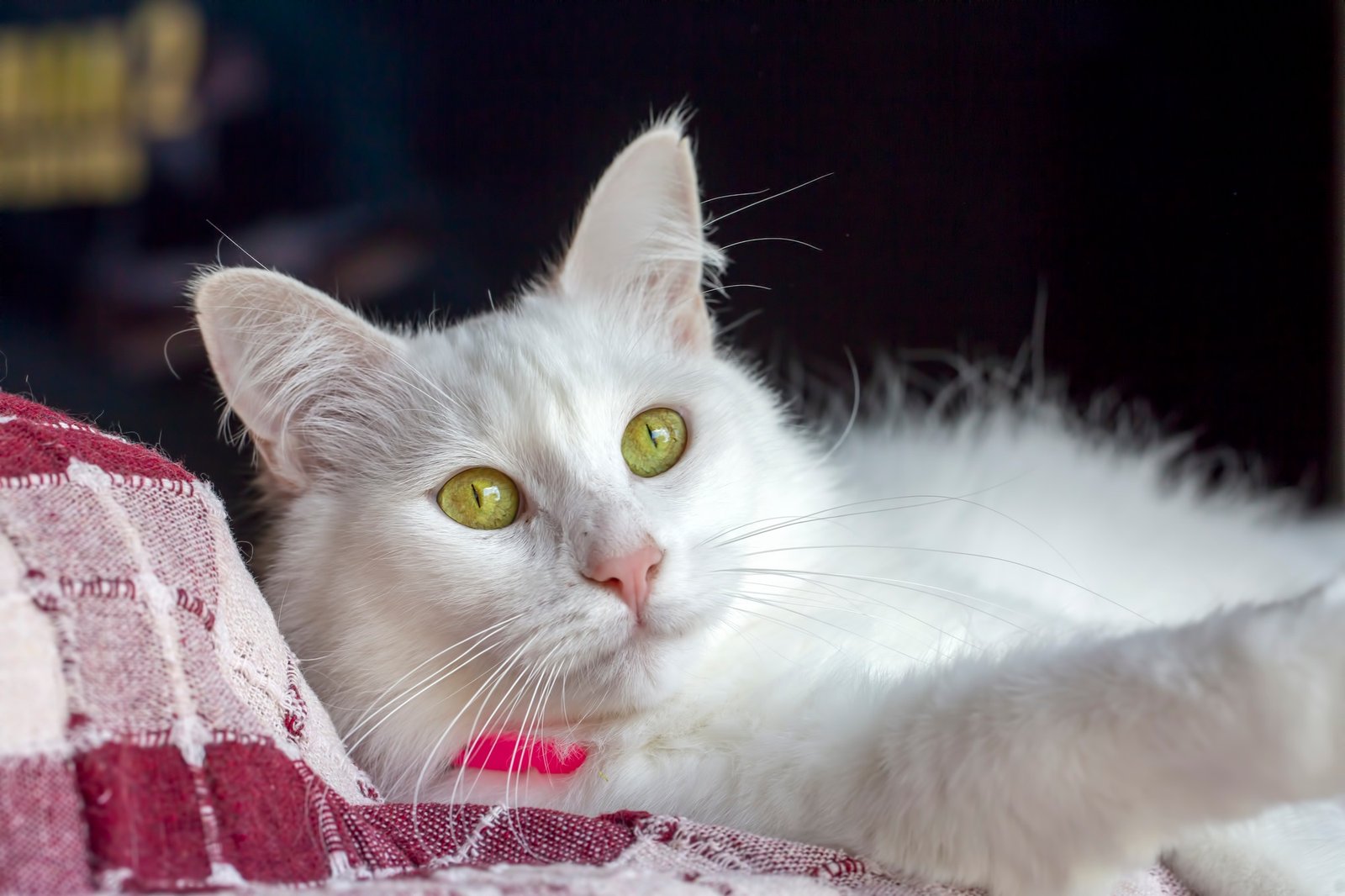
At a Glance
- Personality: Active, devoted, clever (a little mischievous)
- Grooming: Weekly brushing
- Shedding: Low–moderate
- Energy: High
- Best for: Owners who enjoy a playful, smart cat with strong bonds
- Apartment-friendly: Yes (with vertical space + daily play)
Their Unique Charm
Turkish Angoras are graceful, athletic, and clever. They’re often associated with white coats, but they come in many colors and patterns.
Their coat is typically soft and fine, and many Angoras aren’t as mat-prone as you’d expect from a long-haired cat breed. The real standout is temperament: Turkish Angoras are energetic, curious, and often surprisingly inventive.
They love climbing, observing from high perches, and being part of the household’s daily action.
Watch-outs: bored Angoras can “create their own fun,” so enrichment is key.
Is This Your SnuggleSoul?
A Turkish Angora can be your SnuggleSoul if you want an elegant, playful cat with brains.
You’ll probably love this breed if you:
- Want an active cat who bonds strongly with people
- Can provide vertical space and daily play
- Enjoy clever, curious personalities
You might choose another breed if you:
- Want a laid-back, low-energy couch cat
- Don’t have time for daily engagement
- Prefer a cat that doesn’t climb or explore much
If you want a fluffy acrobat who still enjoys affection, the Angora is a great match.
Read more about Turkish Angora
Birman

At a Glance
- Personality: Loving, easygoing, gentle
- Grooming: Weekly combing
- Shedding: Moderate
- Energy: Low–moderate
- Best for: First-time owners, families, calm homes
- Apartment-friendly: Yes
Their Unique Charm
Birmans are gentle, affectionate, and famously easy to live with. Their calm confidence, soft demeanor, and striking blue eyes make them feel like a peaceful presence in the home.
Their coat is silky and often less prone to matting than many long-haired breeds, which makes them appealing for owners who want fluff without daily grooming pressure.
Birmans tend to enjoy being near their people and often adapt well to typical household routines.
Watch-outs: they usually prefer companionship, so they do best when they’re not ignored for long stretches every day.
Is This Your SnuggleSoul?
Pick a Birman if you want a sweet, steady long-haired companion that fits naturally into everyday life.
You’ll probably love this breed if you:
- Want a gentle cat that’s friendly without being hyper
- Prefer a calm home vibe with affectionate moments
- Want long hair with a relatively manageable grooming routine
You might choose another breed if you:
- Want a highly athletic, constant-play cat
- Prefer a very independent cat who rarely seeks people
- Need a cat that’s happiest with minimal interaction
If you want “easygoing affection” in a fluffy package, the Birman is a top choice.
Read more about Birman
RagaMuffin
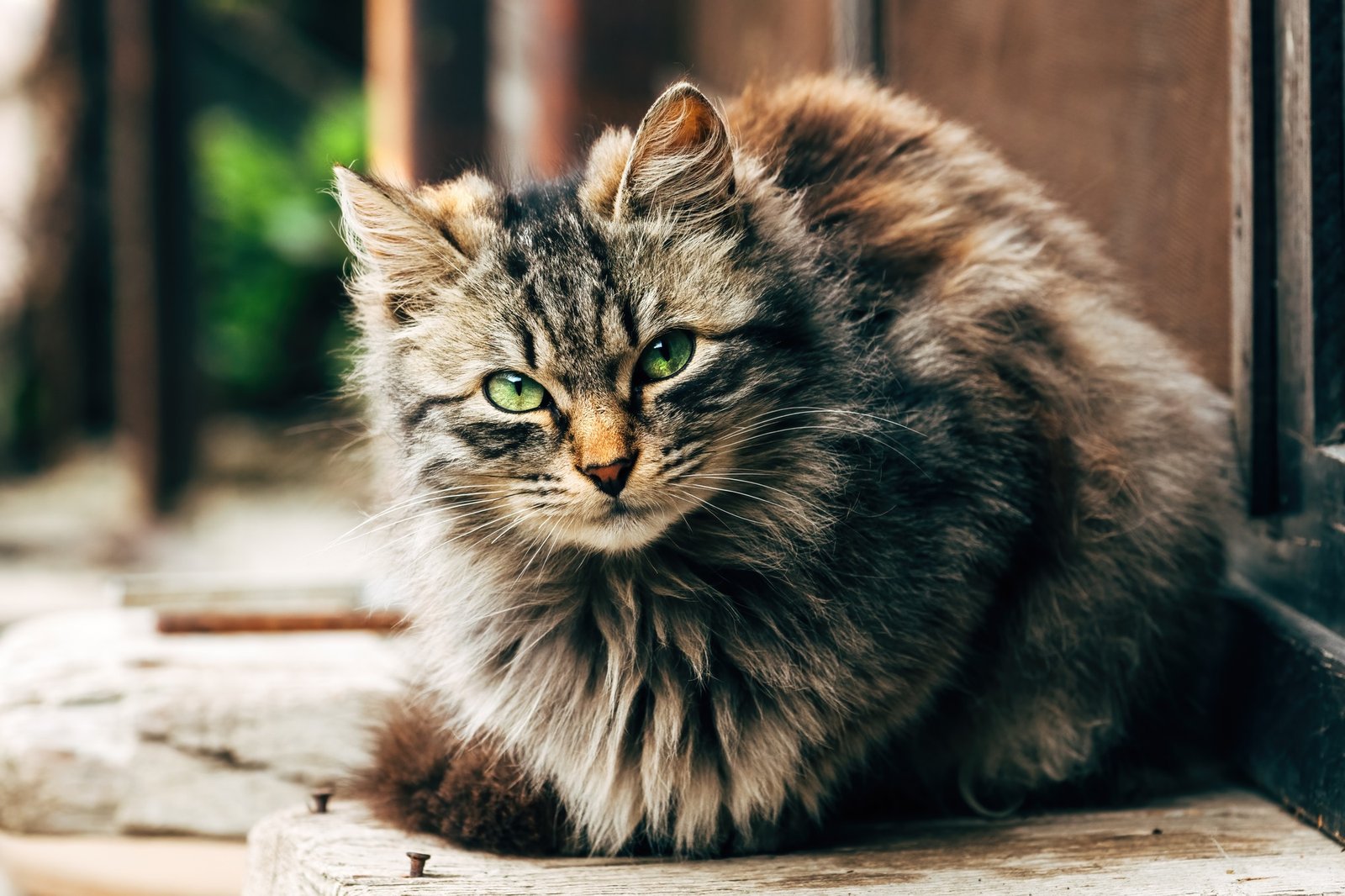
At a Glance
- Personality: Cuddly, gentle, tolerant
- Grooming: Weekly comb-through
- Shedding: Moderate
- Energy: Low
- Best for: Families, lap-cat seekers, multi-pet homes
- Apartment-friendly: Yes
Their Unique Charm
Ragamuffins are built for cuddling—gentle, tolerant, and famously affectionate. They’re closely related to Ragdolls and share that relaxed, “pick-me-up-and-I’m-happy” vibe.
They come in many colors and patterns, and their plush coat is often easier to maintain than it looks because it tends to resist heavy matting when brushed consistently.
Temperament is the headline: Ragamuffins usually want to be included in the household and enjoy being close to their people.
Watch-outs: they can be sensitive to being ignored and thrive best with daily affection.
Is This Your SnuggleSoul?
A Ragamuffin may be your SnuggleSoul if you want a living teddy bear who genuinely loves human attention.
You’ll probably love this breed if you:
- Want a gentle, tolerant cat (often a good fit for families)
- Enjoy a cuddly companion who wants to be involved
- Prefer low-energy sweetness over high-energy chaos
You might choose another breed if you:
- Want a very independent, hands-off cat
- Don’t want a cat that seeks frequent affection
- Prefer a more athletic “explorer” personality
If you want a long-haired cat that acts like a warm-hearted cuddle buddy, the Ragamuffin is a perfect match.
Read more about RagaMuffin
More Long-Haired Cat Breeds You Might Love (Honorable Mentions)
Not seeing “the one” yet? These long-haired (or semi-long-haired) cats are also commonly compared when people search for long-haired cat breeds. We’re keeping these as quick picks for now—if you want, we can expand any of them into full breed profiles later.
| Breed | Grooming | Energy | Best for |
|---|---|---|---|
| Somali | 2–3×/week | High | Active owners |
| Nebelung | 1–2×/week | Low–Med | Quiet homes |
| Turkish Van | 1–2×/week | High | Playful, adventurous homes |
| Selkirk Rex (Longhair) | 1–2×/week | Med | Families, laid-back homes |
| LaPerm (Longhair) | 1–2×/week | Med | Affectionate companions |
| Domestic Longhair | Varies | Varies | Shelter adopters |
Quick Picks by Lifestyle
If you want a playful, energetic fluffball
- Somali — Fox-like coat, very active, needs daily play and regular brushing.
- Oriental Longhair — Sleek long coat, highly social and talkative, loves interactive attention.
If you want a distinctive or unusual coat
- Selkirk Rex (Longhair) — Curly coat and cuddly vibe; gentle brushing helps avoid tangles.
- LaPerm (Longhair) — Soft, wavy curls; tends to be affectionate and people-focused.
If you love “rare-looking” long coats
- Nebelung — Silvery-blue coat with a plush look; typically calm and loyal to their people.
- British Longhair — Round-faced and teddy-bear fluffy; usually calmer, with regular coat care.
If you want something athletic and adventurous
- Turkish Van — Semi-long coat; confident and energetic, often fascinated by water.
If you’re open to the best long-haired cat of all: a shelter match
- Domestic Longhair (Mixed Breed) — Many shelters have gorgeous fluffy cats with unique personalities. Coat care varies by individual, but regular brushing helps prevent mats and hairballs.
Bonus Tip: Turn this list into your shortlist
Pick 3 breeds from the sections above, then compare them by:
- Grooming time you can realistically commit to each week
- Energy level that matches your household
- Whether you want a “lap cat,” a “play partner,” or a balanced mix
Our Promise to You: Practical, Evidence-Informed Cat Care Guidance
Choosing a long-haired cat is a lifestyle decision as much as an aesthetic one. Beyond appearance, the best match usually comes down to time for grooming, shedding tolerance, energy level, and household fit (kids, other pets, apartment vs. house).
This guide is designed to help you compare common long-haired cat breeds using consistent criteria—temperament tendencies, coat maintenance, and activity level—so you can narrow your shortlist. Keep in mind that individual cats vary widely. Breed traits can be a helpful starting point, but your cat’s personality, environment, early socialization, and health history will strongly shape real-life behavior.
Quick Decision Checklist (Use Before You Adopt)
- Grooming time: Can you commit to weekly brushing—or daily for some coats?
- Shedding & hairballs: Are you comfortable with seasonal shedding and routine coat care?
- Energy & enrichment: Can you provide playtime, climbing options, and mental stimulation?
- Home environment: Quiet vs. busy household, children, other pets, and available space.
- Health planning: Are you prepared for routine vet care and potential breed-associated risks?
A Note on Health and Allergies
No cat breed is guaranteed “hypoallergenic.” If allergies are a concern, the most practical approach is to spend time with the specific cat you may adopt and consult a healthcare professional for guidance. For any breed, consider talking with a veterinarian about preventive care, grooming routines, and nutrition suited to your cat’s age and medical needs.
Continue Your Research
If you’re still deciding, these guides help you choose a cat based on lifestyle, coat care, and household fit:
- Beginner’s Guide to Cat Adoption — A step-by-step checklist for choosing responsibly and preparing your home (supplies, setup, first-week basics).
- Cat Breed Encyclopedia — Browse breed profiles with consistent details on temperament, grooming needs, and activity level.
Browse More Breed Guides
By size
- Small Cat Breeds — Compare compact breeds and what they’re typically like at home.
- Medium Cat Breeds — Balanced size options with a wide range of temperaments.
- Large Cat Breeds — Bigger cats with notes on space, enrichment, and feeding considerations.
By coat and grooming
- Shorthair Cat Breeds — Lower coat upkeep and simpler grooming routines for many households.
- Hairless Cats — Minimal fur but unique skin-care and temperature needs.
- Low-Shedding Breeds — Breeds often chosen by people who want less visible fur at home.
If allergies are a concern
- Hypoallergenic Cat Breeds — A practical overview of breeds people commonly try, plus realistic expectations (individual tolerance varies).
FAQ
Are long-haired cats harder to take care of than short-haired cats?
Yes and no. Long-haired cats typically need more grooming (brushing 2–7 times per week) to prevent mats and reduce shedding. However, many breeds like Ragdolls and RagaMuffins have coats that tangle less easily. If you’re prepared for regular coat care, they can be just as manageable as short-haired cats.
What are some other long-haired cat breeds besides Maine Coon and Persian?
Besides Maine Coons and Persians, people commonly compare breeds like Somali, Nebelung, Turkish Van, Selkirk Rex (Longhair), LaPerm (Longhair)—and many Domestic Longhair cats found in shelters. Grooming and temperament can vary, so use the comparison chart above to shortlist the best match for your lifestyle.
What is the calmest long-haired cat breed?
Persians and Ragdolls are among the calmest long-haired breeds. They love quiet homes and gentle companionship, making them ideal lap cats for peaceful households.
Which long-haired cat breeds are best with children?
Maine Coons, RagaMuffins, and Siberians are generally great with kids. They are patient, affectionate, and often enjoy interactive play, making them ideal family pets.
Do long-haired cats shed a lot?
Most long-haired cats do shed, especially during seasonal changes. Breeds like Siberians and Norwegian Forest Cats have dense double or triple coats that “blow out” in spring and fall. Regular grooming helps control shedding and keeps their coats healthy.
Which long-haired cat breeds are more hypoallergenic?
While no breed is truly hypoallergenic, some Siberians produce lower levels of the Fel d 1 protein, which is often the cause of cat allergies. Individual tolerance varies, so it’s best to spend time with the breed before adopting.
Are long-haired cats good for apartments?
Yes, many long-haired breeds like Ragdolls, Persians, and Birmans adapt well to apartment life due to their low to moderate activity levels. Just be sure to meet their grooming needs and provide enrichment.
How often should I groom a long-haired cat?
It depends on the breed. Persians and Himalayans usually need daily brushing, while others like Birmans or Turkish Angoras may only require weekly maintenance. Always monitor for tangles or shedding patterns.
Do long-haired cats get hairballs more often?
They can, especially if not groomed regularly. Brushing reduces loose fur your cat might ingest, helping prevent hairballs. High-fiber diets and vet-recommended hairball remedies can also help.



 EN
EN DE
DE ES
ES PT
PT