
If you’ve ever caught your cat staring at your dinner and wondered, “What can cats eat?”, you’re not alone. As cat parents, we want to share our food and treats—but we also don’t want to accidentally make our cats sick.
Os gatos são carnívoros obrigatórios with unique nutritional needs. Their bodies process food very differently from ours, which means some human foods are safe, some should only be given in tiny amounts, and others are completely off-limits.
In this guide, we’ll walk through which human foods cats can and can’t eat, how much is safe, and simple rules so you can share snacks confidently.
Quick Answer – What Human Foods Can Cats Eat?
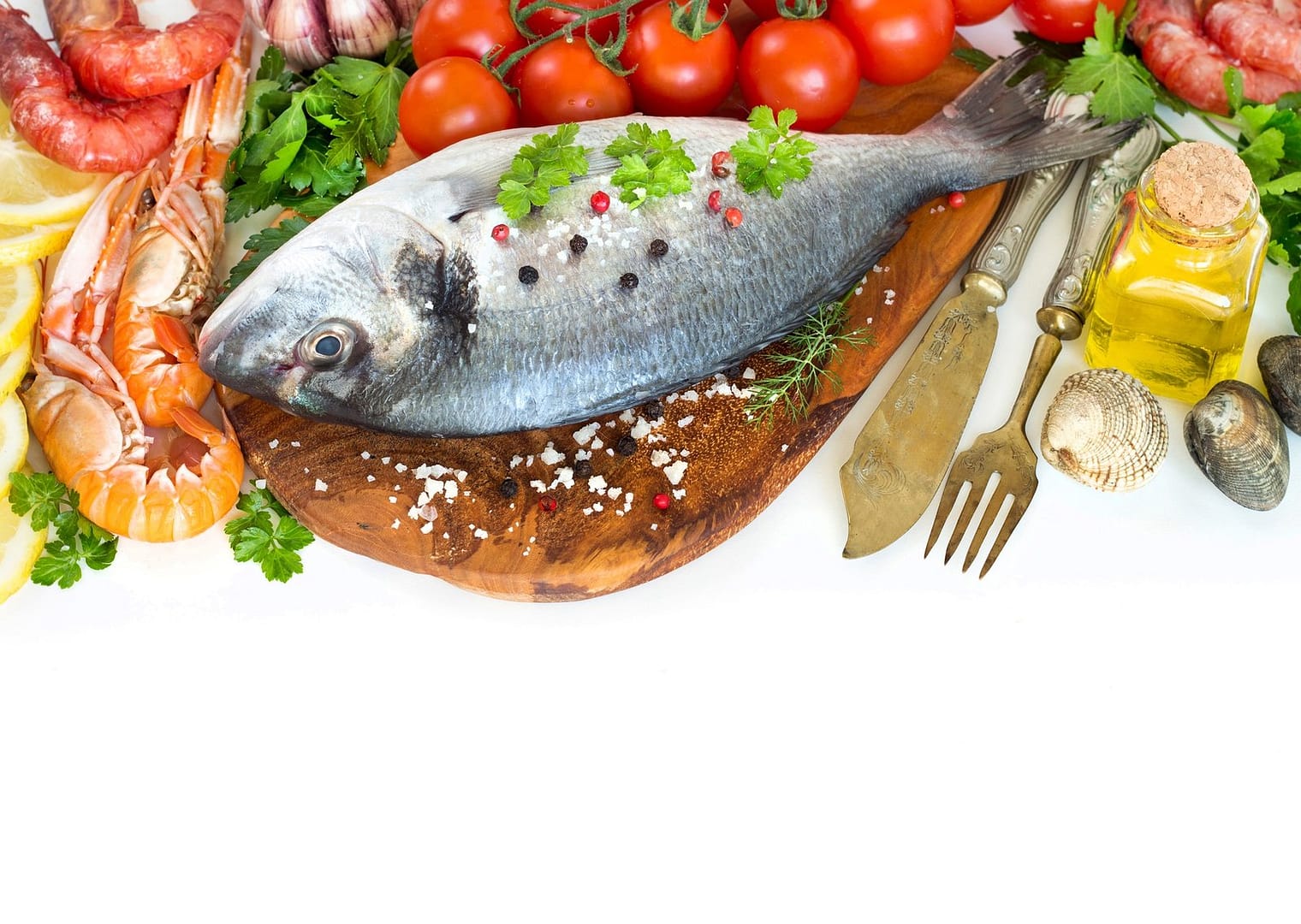
Healthy adult cats can safely enjoy small amounts of plain, cooked meat (chicken, turkey, beef, lamb), peixe cozido (como salmão or tuna in water), ovos cozidos, and tiny portions of certain fruits and vegetables (such as melon, banana, pumpkin, carrots, or green beans). All human foods must be unseasoned, boneless, and offered in moderation – no oil, butter, salt, onion, garlic, or sauces.
As a rule of thumb, all treats – including human foods – should stay under 10% of your cat’s daily calories. The remaining 90% or more should come from a complete and balanced cat food.
At-a-glance: Human foods most cats can eat in moderation
- Plain cooked meat: chicken, turkey, beef, lamb (boneless, skinless, no seasoning)
- Plain cooked fish: salmon, tuna, sardines, mackerel (deboned, no added salt or oil)
- Cooked eggs: scrambled or boiled, completely cooked, no butter or seasoning
- Fruits (tiny pieces only): banana, melon, blueberries, apple without seeds
- Vegetables (soft or finely chopped): pumpkin, carrots, green beans, peas, broccoli
- Plain grains (very small amounts): cooked rice or oatmeal, only if your cat shows interest
Important safety rules
- Introduce only one new food at a time, in fingertip-sized amounts.
- Watch for vomiting, diarrhea, gas, or appetite changes after a new treat.
- Never let human food replace your cat’s normal, complete diet.
- If your cat has a medical condition (kidney disease, pancreatitis, allergies, etc.), check with your vet before adding any new foods.
Many cat owners also wonder “What can cats eat besides cat food?” A resposta curta é que most of your cat’s calories must still come from cat food, but the right human foods can be used as occasional treats. The lists below will help you quickly check which human foods are safe, which should be limited, and which cats must avoid completely.

List of Human Foods Cats Can Safely Eat
When cat parents ask “What can cats eat?” they’re usually wondering which human foods are actually safe for cats. The foundation of your cat’s diet should always be a complete, balanced cat food, but some people foods can be shared as occasional treats.
In general, the best human foods cats can eat are plain, high-protein options like cooked meat, fish, and egg, plus tiny amounts of certain fruits, vegetables, and grains. Everything should be served cooked (where appropriate), unseasoned, boneless, and cut into small bites so it’s easy and safe to chew.
Even safe human foods should never replace your cat’s regular meals. Aim to keep all treats (including human food) under 10% of your cat’s daily calories.
Below you’ll find a list of human foods cats can eat, how to serve each one, and how often it’s safe to offer them.
Examples of Safe Human Foods for Cats
| Alimentos | Como servir | How Much / How Often |
|---|---|---|
| Lean meats (chicken, turkey, beef, lamb) | Thoroughly cooked (boiled, baked, or grilled) with no seasoning, skin, or bones. Cut into small, bite-sized pieces. | Excellent protein source. A few small bites (a 1-inch cube is already a large snack) can be given as treats, even daily, as long as the overall diet stays balanced. |
| Fish (salmon, tuna, sardines, mackerel) | Cooked and deboned. Remove all bones and skin. Do not add oil, salt, or spices. | Rich in omega-3s. Offer in moderation – for example a teaspoon of flaked fish or a small cube as a treat a few times per week. Too much tuna or oily fish adds excess calories. |
| Eggs (cooked) | Scrambled or hard-boiled, plain with no butter, oil, or seasoning. Cool and cut into tiny pieces. | Great source of protein and B vitamins. A small spoonful (e.g. 1/4 of a scrambled egg) 1–2 times per week is plenty. Always fully cook eggs to reduce bacterial risk. |
| Algumas frutas | Wash thoroughly and remove rinds, seeds, and inedible parts. Cut into very small cat-sized pieces. Serve raw. | Oferta only occasionally and in tiny amounts. Examples: a ½-inch cube of watermelon once or twice a week, or a very thin slice of banana as a rare treat. Watch for any digestive upset. |
| Vegetais | Many veggies should be lightly cooked or steamed until soft (pumpkin, carrots, green beans, peas, broccoli). Serve plain, no butter or seasoning. Let cool before offering. | Use as small treats or “fillers,” especially for cats needing weight control. Pumpkin is especially helpful for stool issues (a teaspoon to tablespoon of plain canned pumpkin mixed into food a few times per week, if your vet agrees). |
| Plain grains (limited) | Fully cooked rice or oatmeal with no salt, butter, or seasoning; or a tiny piece of plain bread. | Not particularly useful nutritionally for cats and often ignored. A teaspoon of rice or a tiny bread cube is fine if your cat enjoys it. Better reserved for specific situations where your vet recommends it. |
Como você pode ver, as carnes são as estrelas do cardápio do gato. De fato, os alimentos comerciais para gatos são projetados com base em carne, refletindo a necessidade dos gatos por proteína animal.
Sempre evite temperos em qualquer ração para gatos. Ingredientes como alho, cebola, excesso de sal, pimentas picantes, etc., que nós humanos adoramos, podem ser prejudiciais aos gatos (mais sobre alimentos proibidos adiante). Limite-se a preparações simples - seu gato não precisa de temperos gourmet para saborear seu petisco.
Ao oferecer alimentos seguros para humanos, introduzir um novo alimento de cada vez e em quantidades muito pequenas. Dessa forma, você pode monitorar como o sistema do seu gato reage. Se ele adorar a nova guloseima e lidar bem com ela, você encontrou um vencedor para adicionar ocasionalmente à rotação de guloseimas!
Human Foods Cats Should Only Eat With Caution
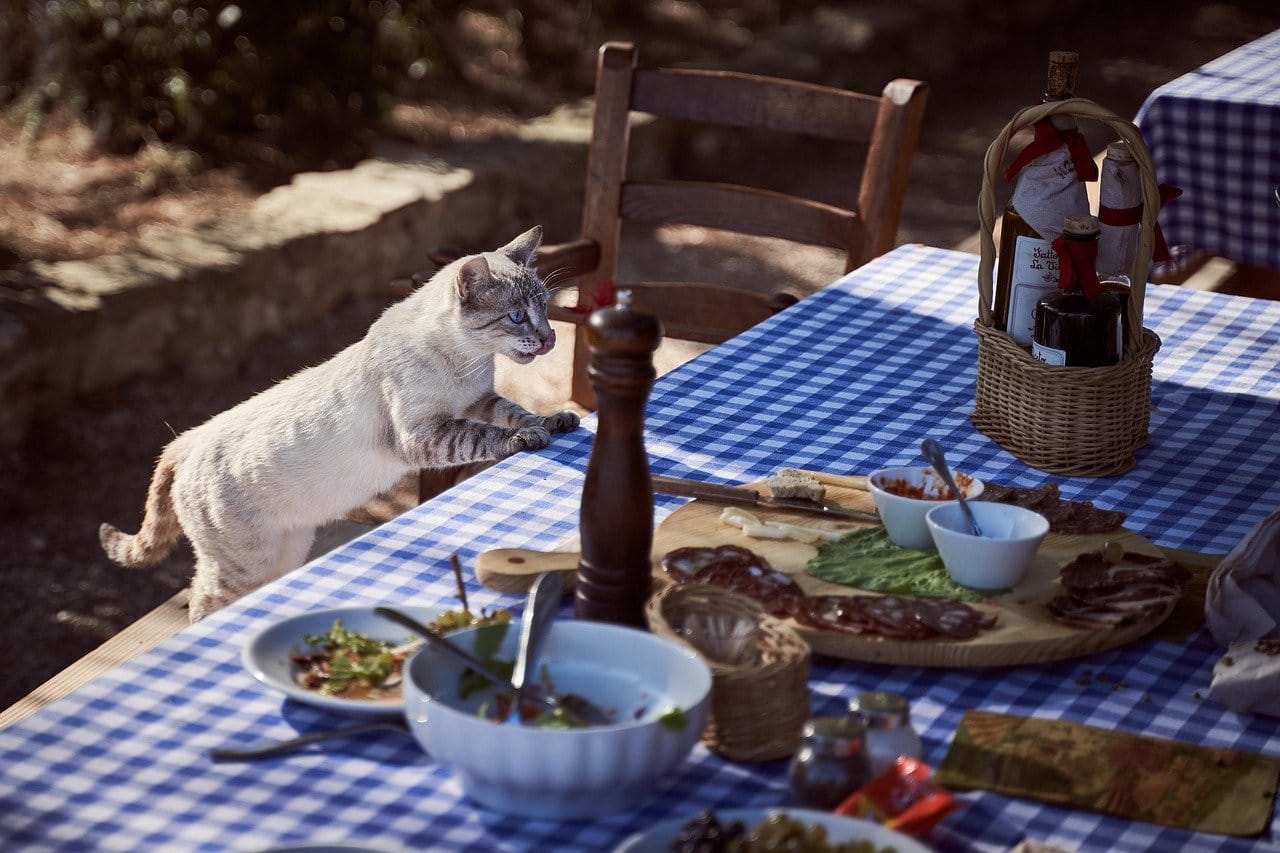
When people search "Os gatos podem comer queijo?" ou “Can cats eat tuna every day?” they’re really asking about human foods cats can eat, but only with strict limits. Not all non-toxic foods are truly good for cats. Some can cause digestive upset, weight gain, or long-term health issues if you give too much or too often.
In this section, we’ll look at “caution” foods – human foods that some cats can taste in very small, infrequent portions, or only in certain forms (like lactose-free dairy or tuna in water). These aren’t outright poisonous, but they do come with clear rules and risks.
Use this list whenever you’re tempted to share “just a little bit” of something from your plate, so you know whether that human food is a rare treat or better avoided altogether.
Os gatos podem ser tão atraídos por alimentos inadequados quanto os bebês - e, como cuidadores, é nosso dever limitar esses alimentos para proteger a saúde deles.
Abaixo está uma tabela de alimentos da área de cautelaPor que você precisa ter cuidado com eles e as diretrizes caso decida experimentar:
“Caution” Foods for Cats (Not Toxic, But Limit Greatly)
| Item alimentar | Why Use Caution | If You Offer It |
|---|---|---|
| Dairy products (milk, cheese, yogurt) | A maioria dos gatos adultos é intolerante à lactose and may develop diarrhea, gas, and stomach upset after regular dairy. | If your cat shows interest, try only very small amounts of low-lactose options (hard cheese, lactose-free “cat milk”, or a lick of plain yogurt). Stop immediately if you see loose stool or discomfort. |
| Tuna for humans (canned) | High in fat and not nutritionally complete for cats. Too much can contribute to vitamin E deficiency, mercury exposure, and picky eating habits. | Use as a rare treat only. A teaspoon of water-packed, low-sodium tuna once in a while is fine. Avoid oil-packed or seasoned tuna. Never let tuna replace balanced cat food. |
| Fígado e outras carnes de órgãos | Very rich and high in vitamin A. Excess can lead to vitamin A toxicity and digestive upset over time. | Offer only a tiny cooked sliver (about the size of a dime) no more than once a week, and avoid extra organ treats if your cat’s regular diet already includes organ meats. |
| Raw meat or raw fish | Can carry bacteria and parasites (Salmonella, E. coli, Toxoplasma) that may make your cat or your family sick if not handled properly. | Only consider raw feeding under the guidance of a veterinarian or nutritionist, with strict hygiene and a carefully balanced plan. For most guardians, cooked meat is safer. |
| Bones (cooked or raw) | Cooked bones can splinter and cause choking or internal injuries. Raw bones may still fracture teeth or cause blockages. | Em geral, avoid giving bones. If you’re interested in raw bones for dental health, only do so with your vet’s approval and always supervise closely. |
| Fat trimmings & very fatty meats | High-fat foods (like bacon or sausage) can trigger vomiting, diarrhea, and even pancreatitis. They are also loaded with salt and additives. | If you ever do share a fatty food, limit it to a tiny bite once in a blue moon and choose lean meat instead whenever possible. |
| Sal e lanches salgados | Cats have a low tolerance for sodium. Too much can cause dehydration, electrolyte imbalances, or salt poisoning in severe cases. | Don’t intentionally feed chips, pretzels, salted nuts, or salty meats. If your cat steals a lick, provide fresh water and don’t allow more. |
| Peanut butter and non-toxic nuts | Very high in fat and calories. Some peanut butters contain xylitol (toxic) or chocolate. Nuts can also be a choking hazard. | Only use xylitol-free peanut butter, and then just a pea-sized amount (for example, to hide a pill). Avoid giving nuts to cats altogether. |
When in doubt, it’s always safer to limit these “borderline” foods and stick to cat-formulated treats. See the section “How Much Human Food Is Safe for Cats?” below for general treat and portion rules.

Human Foods Cats Should Never Eat (Toxic & Dangerous)
Alongside the safe foods, there’s a group of human foods cats should never eat. Even a small amount of these can cause organ damage, severe illness, or even be life-threatening.
This section is your quick “what can cats not eat” list – the foods that are always off-limits for cats, including things like onion, garlic, grapes, raisins, chocolate, alcohol, and xylitol-sweetened products.
Understanding which human foods are toxic to cats helps you keep dangerous ingredients off your cat’s menu and out of reach in your kitchen.
Absolutely Forbidden Foods for Cats
| Food / Toxin | Why It’s Dangerous |
|---|---|
| Onions, garlic, chives, leeks (Allium family) | Damage red blood cells and can cause hemolytic anemia. All forms are unsafe (raw, cooked, powdered). Even small amounts in seasonings or baby food can be harmful. |
| Grapes, raisins, currants | Can cause insuficiência renal aguda in some pets. The exact toxin is unknown and sensitivity varies, but even a few can be dangerous. |
| Chocolate, coffee, caffeine | Contain methylxanthines (like theobromine and caffeine) that may cause vomiting, diarrhea, abnormal heart rhythms, tremors, seizures, and can be fatal. |
| Alcohol and yeast dough | Alcohol is rapidly absorbed and can lead to intoxicação por álcool even from a few licks. Rising yeast dough expands in the stomach and produces alcohol, risking bloat, rupture, and toxicosis. |
| Xylitol (sugar-free sweetener) | Causes a rapid insulin release in dogs and is presumed dangerous for cats as well. Can lead to hypoglycemia, seizures, and liver failure. Found in sugar-free gum, candies, some peanut butters, and baked goods. |
| Macadamia nuts and some walnuts | Macadamias are known to poison dogs and are considered unsafe for cats. Walnuts can grow molds that produce tremorgenic mycotoxins, causing neurological signs. |
| Very salty foods | Excess salt can cause vomiting, diarrhea, tremors, seizures, and in severe cases can be fatal. Cats have a much lower salt tolerance than humans. |
| Avocado (especially pit, skin, leaves) | Contains persin, which can cause digestive upset and is more toxic to other species. The high fat content may contribute to pancreatitis, and the pit is a choking hazard. |
| Wild or unidentified mushrooms | Some wild mushrooms contain potent toxins that may lead to liver failure, neurological signs, or death. Mushroom identification is difficult, so treat all wild mushrooms as dangerous. |
| Human medications and drugs | Many human medicines (e.g. acetaminophen, ibuprofen) are extremely toxic to cats. Even one pill can be life-threatening. Never give human medication without veterinary advice. |
(Mantenha esses alimentos fora do alcance das patas! Se o seu gato consumir qualquer um dos itens proibidos acima, mesmo que em pequena quantidade, ligue para o seu veterinário ou para um centro de controle de venenos para animais imediatamente para aconselhamento. Uma ação rápida pode salvar a vida de seu gato em casos de envenenamento).
Você pode notar que muitos desses itens proibidos são coisas que um gato dificilmente procurará por conta própria. nós, humanos, somos tipicamente a fonteA pessoa pode se sentir ameaçada, seja por deixar algo acessível acidentalmente ou por oferecer algo sem perceber o perigo.
What to Do If Your Cat Eats Dangerous Human Food
Even with the best intentions, accidents happen. A curious cat might lick chocolate off a plate, chew on a garlic clove, or jump on the counter and grab something they shouldn’t have.
If you think your cat has eaten any toxic human food (such as onion, garlic, grapes/raisins, chocolate, alcohol, xylitol, or human medication), here’s what to do:
1. Stay calm, but act quickly.
Panicking makes it harder to think clearly. Take a breath and focus on the next steps.
2. Remove access to the food.
Move your cat away from the spill or plate, and clean up any remaining food so they can’t eat more.
3. Identify what and how much your cat ate.
Try to answer:
- What food or product was it?
- How much might they have eaten or licked?
- About how long ago did it happen?
- How much does your cat weigh, and do they have any health issues?
This information is very helpful for your vet or poison control.
4. Call your veterinarian or an animal poison control service immediately.
Don’t wait for symptoms to appear. Some toxins take time to cause visible signs, and early treatment can protect organs like the liver and kidneys.
5. Do não try home remedies unless a vet tells you to.
Avoid giving hydrogen peroxide, salt, or other “DIY” methods to make your cat vomit. Cats are sensitive to many substances, and the wrong home treatment can do more harm than good.
6. Monitor your cat closely.
Watch for vomiting, diarrhea, drooling, wobbliness, tremors, changes in breathing, or unusual behavior. Even if they seem normal at first, continue to keep a close eye on them and follow your vet’s instructions.
If you ever feel unsure whether a food is dangerous or not, it’s always safer to call a vet and ask rather than wait and see. Quick action can literally save a cat’s life in a poisoning situation.
How Much Human Food Is Safe for Cats?
Even when a human food is technically safe for cats, it should still be treated as an occasional extra, not a major part of their diet. Your cat’s primary nutrition should always come from a complete, balanced cat food that’s formulated for their age and health.
Why Human Food Can’t Replace Cat Food
Os gatos são carnívoros obrigatórios, which means their bodies are built to get most of their nutrients from animal protein. Good commercial cat foods are carefully balanced (often to meet AAFCO standards) to provide:
- Taurine – essential for heart, eye, and immune health
- Vitamin A and D – in forms cats can actually use
- Essential fatty acids – like arachidonic acid
- Balanced minerals – such as calcium and phosphorus
- The right mix of protein, fat, and carbohydrates for feline metabolism
Random human foods, even “healthy” ones like chicken or fish, rarely provide the right nutrients in the right ratios on their own. If too much of your cat’s calories come from table scraps and treats, they can slowly develop nutritional deficiencies or weight problems, even if they seem happy in the moment.
That’s why we recommend keeping human foods as a fun bonus on top of, not instead of, proper cat food.
The 10% Treat Rule
A simple guideline many vets use is the Regra 10%:
- At least 90% of your cat’s daily calories should come from complete, balanced cat food.
- No more than 10% should come from treats – including human food, store-bought treats, and extras.
This helps prevent nutritional imbalances and keeps your cat at a healthy weight.
How to Offer Human Food Safely
When you do share human food:
- Think small and occasional, not big and daily.
- Start with a fingertip-sized piece or a teaspoon of food.
- Apresentar only one new item at a time.
- Watch for any vomiting, diarrhea, soft stool, itchiness, or changes in appetite or energy.
If you notice any issues, stop that food and talk to your vet, especially if your cat has existing conditions like kidney disease, pancreatitis, diabetes, or food allergies.
Also remember that “not immediately toxic” ≠ “healthy”. Cats have very little need for sugar, refined carbs, or plant-based oils. Foods like bread, peanut butter, and many snacks may not poison your cat, but over time they can add up to extra calories and weight gain.
Obesity is sadly very common in pet cats and can quietly shorten their lifespan and quality of life. It often sneaks up when those “harmless” tidbits become a habit. We try to remind ourselves that treats are fun, but our cats won’t hate us if we don’t share every bite of ice cream or bacon. Often a play session, cuddle, or a new toy is just as rewarding for them as that extra snack.
Related: Can Cats Eat Specific Human Foods?
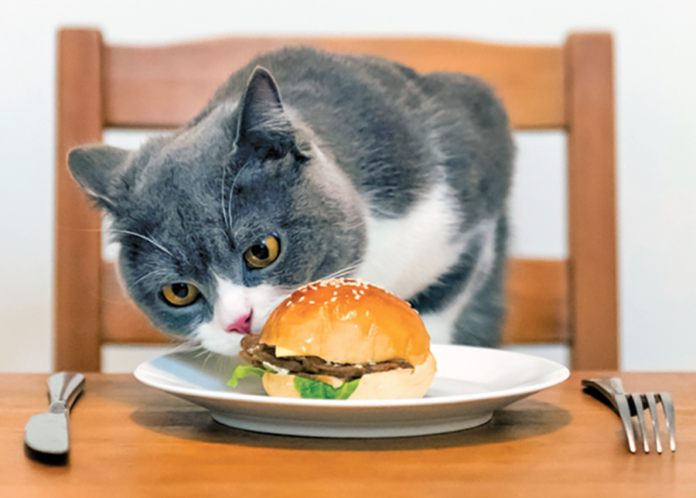
If you’ve landed here because your cat is staring at one particular food, these detailed guides may help:
Can cats eat cheese or other dairy?
Can cats eat watermelon, banana, or other fruits?
We’re gradually adding more “Can cats eat X?” guides for popular foods like bread, rice, shrimp, ham, potatoes, and more. Bookmark this page or check back any time you want to look up a specific food before sharing it with your cat.
Conclusion – Keeping Your Cat’s Treats Safe and Healthy
Esperamos que este guia abrangente tenha respondido suas perguntas sobre "O que os gatos podem comer" e lhe dar dicas práticas para manter seu gatinho feliz e saudável.
No final das contas, fornecer uma boa nutrição e petiscos adequados é uma das principais maneiras de cuidarmos de nossos gatos. Às vezes, isso pode ser confuso - há mitos e equívocos por aí, e o que é inofensivo para os humanos pode ser prejudicial para os gatos.
Mas, munido de conhecimento (e talvez de uma tabela útil de alimentos seguros/não seguros), você pode compartilhar com confiança os lanches certos e evitar os errados.
Lembre-se de sempre priorizar um dieta balanceada para seu gato - essa é a base da saúde dele.
Compartilhamos muitas de nossas experiências pessoais neste artigo e gostaríamos de ouvir seu experiências também. Você tem uma receita criativa de petisco que seu gato adora? Ou uma história de sucesso sobre como transformar um comedor exigente em um fã de comida? Vamos continuar a conversa e apoiar uns aos outros nessa jornada de cuidados com nossos companheiros felinos.
Venha Junte-se à comunidade SnuggleSouls para obter mais dicas, conselhos e suporte! Somos um grupo inclusivo de amantes de gatos - desde pais de gatinhos de primeira viagem até profissionais veterinários experientes - e aceitamos perspectivas globais.
Se você estiver procurando conselhos sobre alimentação, tiver dúvidas sobre o comportamento do seu gato ou apenas quiser compartilhar fotos e histórias engraçadas, nossa comunidade está aqui para você. Juntos, podemos garantir que todos os nossos gatos desfrutem de petiscos seguros, refeições saudáveis e muito amor.
FAQ – Common “Can My Cat Eat…?”
Os gatos podem comer produtos lácteos, como leite e queijo?
A maioria dos gatos adultos é intolerante à lactose e pode desenvolver diarreia ou dor de estômago se receberem leite ou queijo. Se o seu gato não apresentar reações adversas, uma pequena quantidade de queijo sem lactose ou iogurte natural pode ser tolerada, mas sempre comece com uma pequena porção e monitore de perto.
É seguro dar carne ou peixe crus aos gatos?
Carne e peixe crus podem conter bactérias nocivas, como Salmonela ou parasitas. A menos que você esteja seguindo uma dieta crua orientada por um veterinário, é melhor cozinhe bem todas as carnes e peixes antes de oferecê-los ao seu gato.
Os gatos podem comer atum humano de uma lata?
Em pequenas quantidades, sim.atum simples em água (sem sal ou tempero) é geralmente seguro como um tratamento ocasional. Mas a alimentação excessiva pode causar desequilíbrio nutricional, exposição ao mercúrio ou deficiência de vitamina E. Tratar apenas.
Meu gato implora por comida constantemente. Isso é normal?
Alguns gatos imploram por tédio ou hábito, mas se isso for novo ou extremo, pode ser um sinal de que hipertireoidismo, diabetes ou vermes. Se o apetite aumentar repentinamente ou for acompanhado de mudanças de peso, consulte o veterinário.
Qual é a fruta mais segura para oferecer como petisco ao meu gato?
Pequenos pedaços de banana, melão, mirtilo ou maçã (sem sementes) são geralmente seguros. Dê frutas apenas ocasionalmente e em pequenas quantidades - menos de 10% da ingestão diária de calorias.
Posso alimentar meu gato com meu prato?
Não é recomendado. Muitos pratos humanos contêm sal, cebola ou temperos que são perigosos para os gatos. Prepare carne simples e sem tempero separadamente se quiser compartilhar.
Como posso apresentar novos alimentos ao meu gato?
Lentamente e um de cada vez. Comece com uma quantidade do tamanho da ponta do dedo e monitore se há sinais de vômito, diarreia ou perda de apetite. Os gatos têm digestão sensível, especialmente se estiverem acostumados a uma dieta específica.
Meu gato não come há 24 horas - devo me preocupar?
Sim. Se um gato se recusar a comer por mais de 24 a 48 horas, especialmente se estiver acima do peso, ele corre o risco de lipidose hepática (fígado gorduroso). Entre em contato com um veterinário imediatamente.
Referências
ASPCA. (n.d.). Alimentos que as pessoas devem evitar dar a seus animais de estimação. Sociedade Americana para a Prevenção da Crueldade contra os Animais. Recuperado de https://www.aspca.org/pet-care/aspca-poison-control/people-foods-avoid-feeding-your-pets
Hospitais de animais da VCA. (2022). Felinos que comem muito - Dicas de manejo. Obtido de https://vcahospitals.com/know-your-pet/feline-picky-eaters
Conselho Nacional de Pesquisa. (2006). Necessidades nutricionais de cães e gatos. Imprensa das Academias Nacionais
AAHA (Associação Americana de Hospitais de Animais). (2020). Diretrizes de avaliação nutricional da AAHA para cães e gatos. Obtido de https://www.aaha.org
Hospital Veterinário Everhart. (2024, 19 de novembro). Alimentos humanos que os gatos podem comer.. Obtido de everhartvet.com
Williams, K. & Downing, R., DVM. (2019). Alimentando um gato que é guloso. VCA Animal Hospitals. Obtido de vcahospitals.com










 EN
EN DE
DE ES
ES PT
PT