
Índice
Introdução
Looking for a cat that prefers naps over nonstop zoomies? You’re not alone. Many cat lovers want a companion that’s calm, fofinho, and low-energy—especially for apartments, quiet homes, or relaxed routines.
What “lazy cat breed” usually means: a cat with lower activity needs e um calmer temperament that’s happy with short play sessions and lots of lounging (not a cat that “never plays” or doesn’t need care).
Quick answer (Top 5 laziest cat breeds):
- Persa — maximum chill, high grooming
- Pelo curto exótico — Persian vibe, easier coat
- Ragdoll — ultra-affectionate “cuddle shadow”
- Pelo curto britânico — calm + independent, low grooming
- Maine Coon — gentle giant, often relaxed (but can be playful)
Choose your best match fast:
- Want the sleepiest couch companion? Start with Persa ou Pelo curto britânico.
- Want the most lap-cat affection? Look at Ragdoll ou Pelo curto exótico.
- Want a bigger, friendlier presence? Consider Maine Coon (with space and enrichment).
We chose these breeds based on common temperament patterns and what owners consistently report: low energy + high snuggle potential, with practical differences in grooming time, space needse how clingy they feel day-to-day. (And yes—individual cats still vary.)
Next, check the comparison table to quickly spot the best fit for your lifestyle.
Quick Glance: 5 Lazy Cat Breeds (Decision Table)
Use this table to choose by “cuddle style” first (true lap-cat vs “snuggle-beside-you”), then check grooming and daily play needs. These are typical breed tendencies—individual cats vary.
| Raça | Cuddle style | Activity pattern | Limpeza | Daily play need | Alone-time tolerance | Melhor para |
|---|---|---|---|---|---|---|
| Persa | Lap/nearby cuddler | Placid, with short “kitten bursts” | High (daily brushing) | Low (short sessions) | Médio | Quiet homes + routine lovers |
| Pelo curto exótico | Lap napper | Calm + playful moments | Low–Moderate (weekly brushing) | Baixo-Moderado | Médio | Persian vibe, easier coat care |
| Ragdoll | Very cuddly (often “flops”) | Relaxed + gentle play | Moderate (regular combing) | Moderado | Baixo-Médio | People who want a sweet shadow |
| Pelo curto britânico | Usually “beside you,” not lap | Not very active, occasional “mad moments” | Baixo (escovação semanal) | Baixa | Alta | Busy owners who want calm company |
| Maine Coon | Close companion; not always lap | Gentle, sometimes mischievous | Moderado (escovação semanal) | Moderado | Baixo-Médio | Sociable homes who want a big buddy |
Note: Individual cats vary. Breed tendencies help you stack the odds—but personality is never guaranteed.
What Makes a Cat “Lazy” (And What It Doesn’t)
Important note: Cats naturally sleep a lot—often 12–16 hours/day (and more for kittens/seniors), so “sleepy” can be totally normal.
What matters is whether your cat seems bright and normal when awake (eats, drinks, grooms, uses the litter box) versus truly lethargic (abnormally low alertness and activity that doesn’t improve with rest).
When people say “lazy,” they usually mean one (or both) of these:
- Low energy: Prefers short play sessions and long naps
- Calm temperament: Less likely to bounce off the walls or demand constant stimulation
But “lazy” doesn’t mean:
- “Never plays” (even calm cats benefit from daily play)
- “Zero maintenance” (some low-energy breeds are high-grooming)
- “Always cuddly” (some calm cats prefer to sit near you instead of on you)
If your dream cat is a soft presence—gentle, affectionate, and content indoors—these breeds are a great place to start.
Lazy vs Normal Cat Sleep (And When to Worry)
A lot of “lazy cat” searches are really asking: “Is this normal… or is my cat unwell?” This quick guide helps you tell the difference.
What’s normal cat sleep?
Most cats sleep a lot—often 12–16 hours a day, and sleep needs can vary by age and lifestyle.
Cats also nap in many short chunks instead of one long stretch (so it can look like they “sleep all day”).
Normal (even if it looks lazy) usually means:
- Your cat wakes up for food, explores, and reacts to sounds/toys sometimes
- Eating/drinking is normal
- Litter box habits look normal
- Grooming is normal
- They’re basically “themselves” when awake
“Lazy personality” vs “lethargy” (they’re not the same)
A genuinely low-energy temperament can be totally healthy. Lethargy, on the other hand, is an abnormal decrease in activity and alertness—your cat seems “out of it,” withdrawn, and doesn’t bounce back after rest.
Common lethargy clues:
- More withdrawn / less responsive
- Grooming less
- Playing or walking around much less
- Avoiding stairs/jumps they normally do
- Sleeping more than usual e still acting unwell when awake
When to call a vet (use this simple rule)
Contact a vet right away if lethargy is sudden or extreme, or if it comes with serious symptoms like difficulty breathing or severe vomiting/diarrhea.
Also, if your cat hasn’t eaten properly for 24 hours, seek urgent veterinary advice.
If appetite is reduced for longer, it’s still important to contact your clinic—International Cat Care advises getting in touch urgently if reduced appetite persists (they flag 3 days or more as urgent).
Quick “at home” check (no guesswork)
If you’re unsure whether it’s just a sleepy day:
- Track food + water (did they eat today? drink?)
- Check the litter box (any straining, not peeing, or major changes?)
- Watch their “wake behavior” (do they perk up at treats/toys, or stay dull?)
- Compare to their baseline (a sudden change matters more than “a cat who’s always chill”)
If your gut says “this isn’t my cat,” err on the side of caution and contact your vet.
How We Chose These Lazy Cat Breeds
We focused on breeds that are widely known for:
- Low-to-moderate activity as adults
- People-friendly, calm behavior (lap-cat potential)
- Indoor suitability (apartment-friendly temperament)
- Practical ownership factors: grooming, size, and typical watch-outs
Health & welfare note (quick): This guide is for general education, not medical advice. Breed tendencies are averages—individual cats vary. If you’re buying, choose ethical breeders/rescues, ask for health screening records, and partner with a veterinarian for personalized guidance.
Now let’s meet the snuggle professionals.
Conheça seu gato: raças encantadoras
Agora, vamos conhecer um pouco melhor cada um desses gatinhos mansos. Apresentaremos o que torna cada raça especial e depois perguntaremos, "Essa é sua SnuggleSoul?" - ajudando você a decidir se a personalidade e as necessidades dessa raça se alinham com seu estilo de vida.
Persa
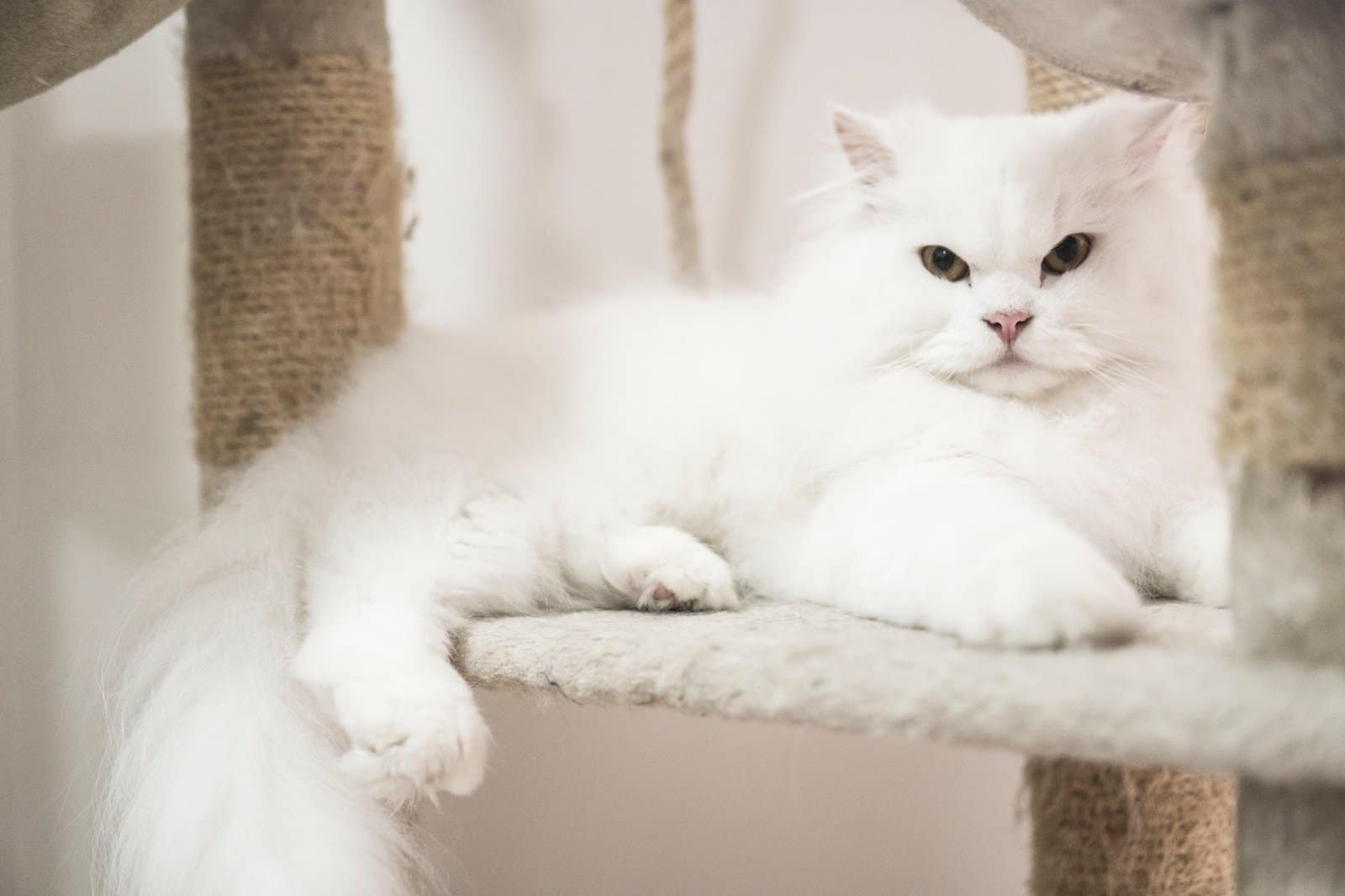
Snapshot
- Energia: Baixa
- Afeto: High (gentle cuddler)
- Preparação: High (daily brushing)
- Melhor para: Quiet homes, predictable routines, dedicated groomers
Health & welfare note:
Persians are bred for a flatter face (brachycephaly). When the face is very short/flat, it can be associated with breathing difficulty, eye/tear-drainage problems, dental issues, and trouble grooming.
Choose ethical breeders who prioritize healthier, less extreme facial structure and provide vet documentation; at home, keep Persians cool (heat can make breathing harder) and stay consistent with eye/face cleaning and dental checkups.
Why Persians feel “lazy”
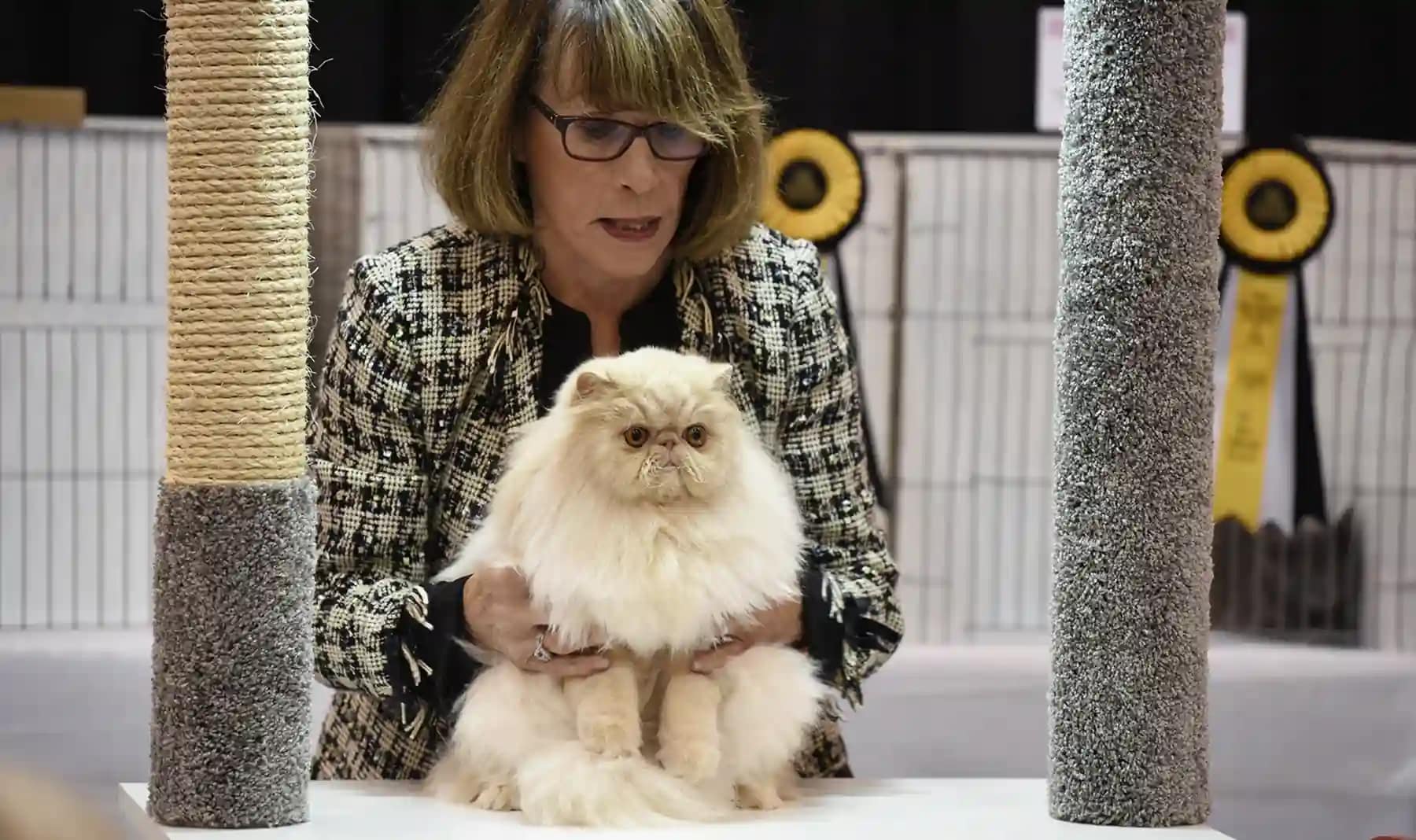
Persians are the poster cats for tranquility. They’re usually content to lounge, observe, and soak up calm affection rather than chase chaos around the house.
Grooming & care reality check
That luxurious coat is the trade-off. If you want Persian-level chill, you’re also choosing consistent coat care. Daily brushing prevents mats and makes them more comfortable.
Melhor para
- People who enjoy slow routines
- Calm apartments or quiet households
- Anyone who wants a soft, steady lap presence
Watch-outs
Daily grooming is non-negotiable, and flatter-faced Persians may need extra routine care (eyes/face, breathing comfort).
Esta é a sua SnuggleSoul?
If your ideal companion is a peaceful nap buddy who wants gentle attention and predictable days, the Persian might be your SnuggleSoul.
Leia mais sobre seu Persa
Pelo curto exótico
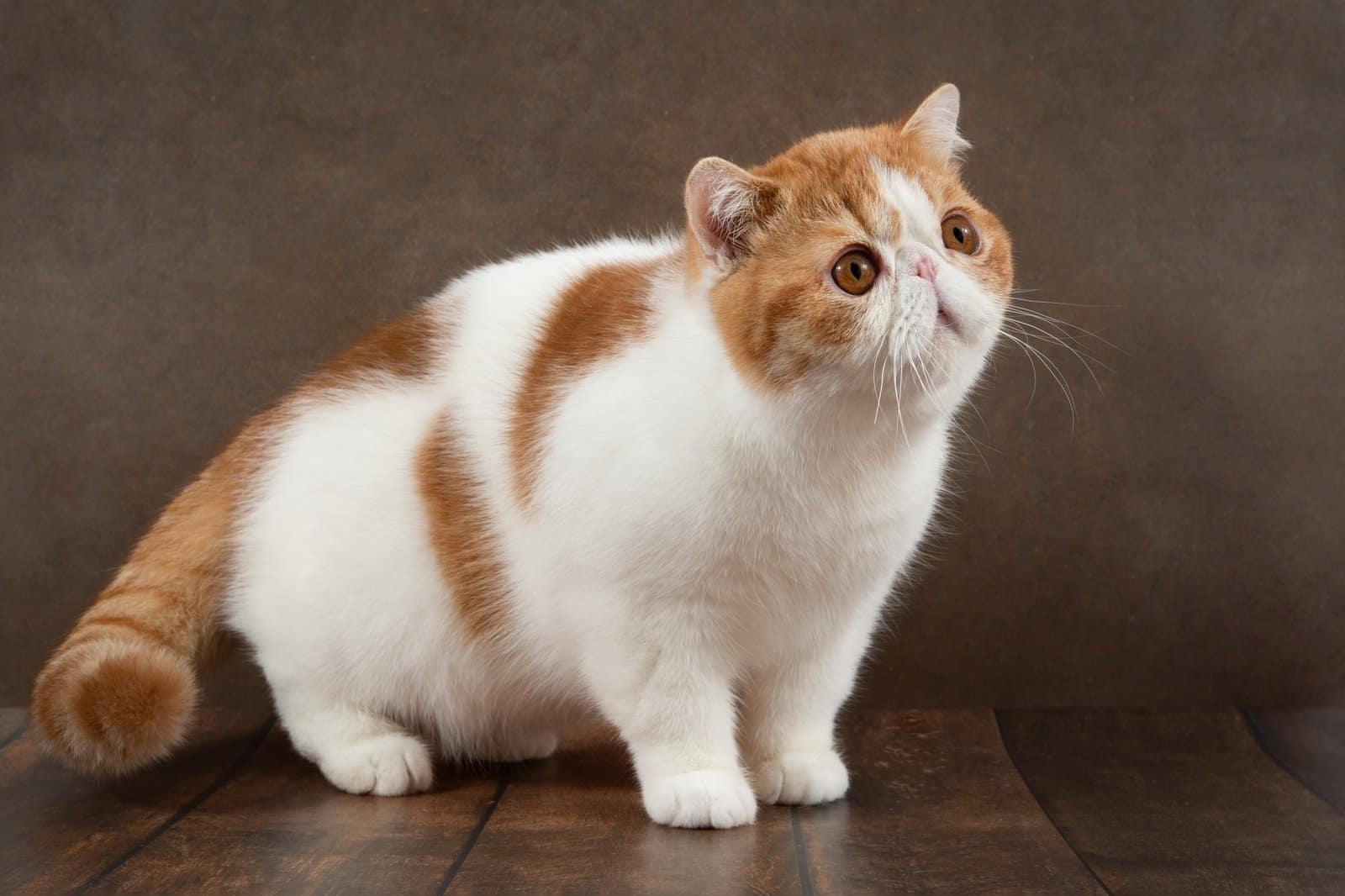
Snapshot
- Energia: Baixa
- Afeto: Alta
- Preparação: Baixo-Moderado
- Melhor para: People who want Persian vibes with a simpler coat
Health & welfare note:
Exotic Shorthairs share the Persian “flat-face” trait. More extreme brachycephaly can raise the risk of breathing and eye issues; some sources also note a link between extreme brachycephaly and serious congenital problems in kittens.
When choosing a kitten, prioritize moderate facial structure, clear breathing, and breeder transparency about health testing and veterinary care.
Why Exotics feel “lazy”
Think of the Exotic Shorthair as “couch-cat mode” with occasional short play bursts. They’ll play a little… then return to their true calling: sleeping near you.
Grooming & care
Their short, plush coat is much easier than a Persian’s. A weekly brushing routine is usually enough to keep shedding manageable and build bonding time.
Melhor para
- Moradia em apartamento
- Busy but affectionate owners
- People who want a gato de colo without daily coat maintenance
Watch-outs
Low-energy cats can gain weight if snacks are unlimited and playtime is zero—keep tiny daily play sessions. Also avoid “extreme” flat-faced lines—comfortable breathing matters more than a super-squished look.
Esta é a sua SnuggleSoul?
If you want a loving, mellow companion who fits a relaxed schedule and doesn’t demand heavy grooming, the Exotic Shorthair could be your SnuggleSoul.
Leia mais sobre seu Pelo curto exótico
Ragdoll
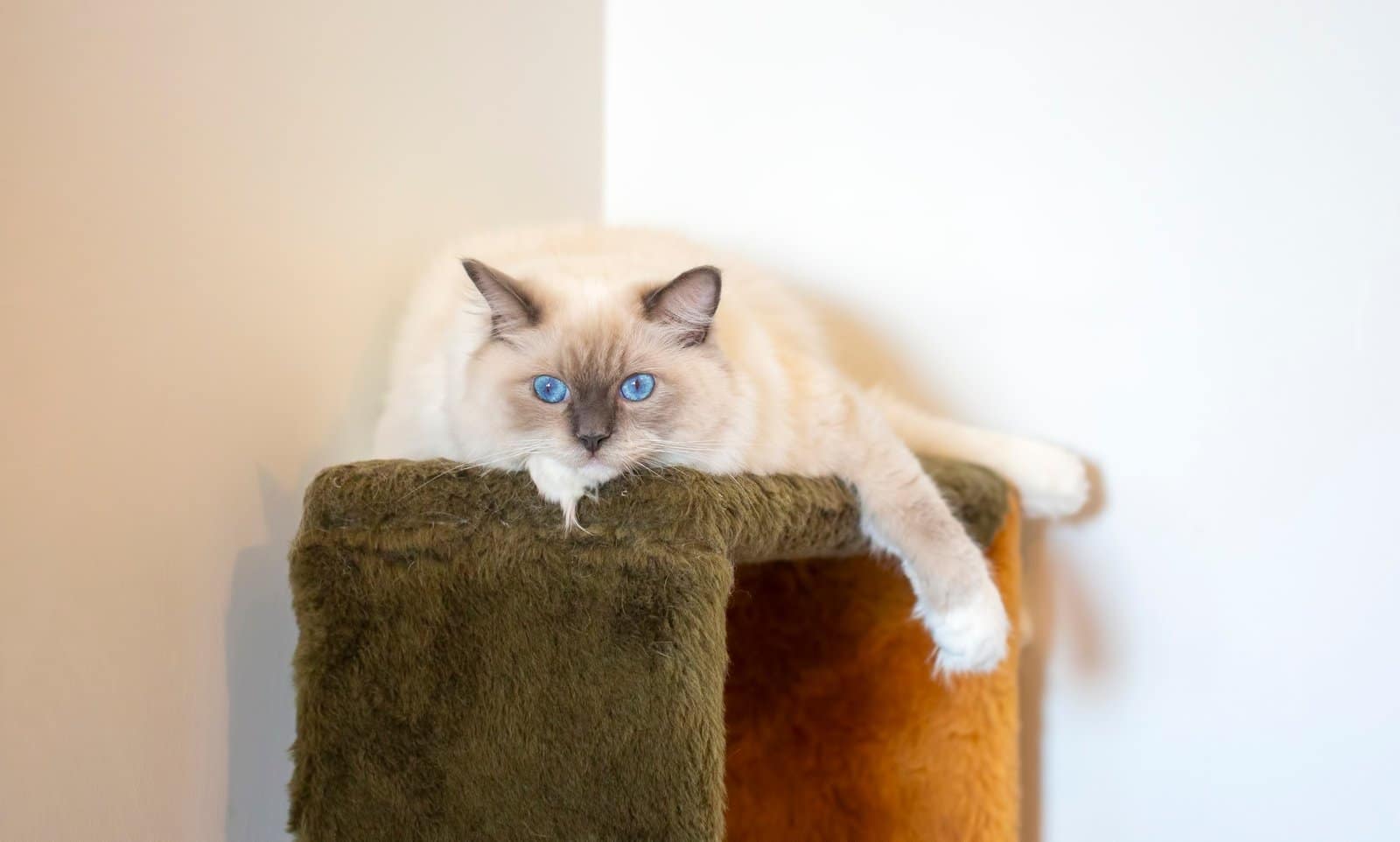
Snapshot
- Energia: Baixo-Moderado
- Afeto: Muito alta
- Preparação: Moderado
- Melhor para: Families, first-time owners, “I want a cuddly shadow” people
Health & welfare note:
Ragdolls are a large, laid-back breed—so ganho de peso can sneak up if food portions are generous and playtime is rare.
Ragdolls are also one of the breeds with a known genetic mutation associated with hypertrophic cardiomyopathy (HCM); responsible breeders may use DNA testing and/or cardiac screening, and results should be interpreted with veterinary guidance (a negative or “carrier” result doesn’t guarantee lifelong absence of disease).
Why Ragdolls feel “lazy”
Ragdolls are famous for being soft, gentle, and people-oriented. They often follow you around, then settle nearby like a fluffy emotional-support cloud.
Grooming & care
Their coat is plush and benefits from regular combing. They’re calm enough that grooming is often a peaceful routine rather than a wrestling match.
Melhor para
- Homes that want an affectionate indoor companion
- People who want a cat that actively seeks closeness
- Families who want a tolerant temperament (with respectful handling)
Watch-outs
They still need play. Keep daily low-stress activity and sensible portions to reduce obesity risk; if buying, ask what heart screening/testing the breeder does and discuss with your vet.
Esta é a sua SnuggleSoul?
If you want a gentle cat who melts into cuddles and thrives on human presence, the Ragdoll may be your SnuggleSoul.
Leia mais sobre seu Ragdoll
Pelo curto britânico
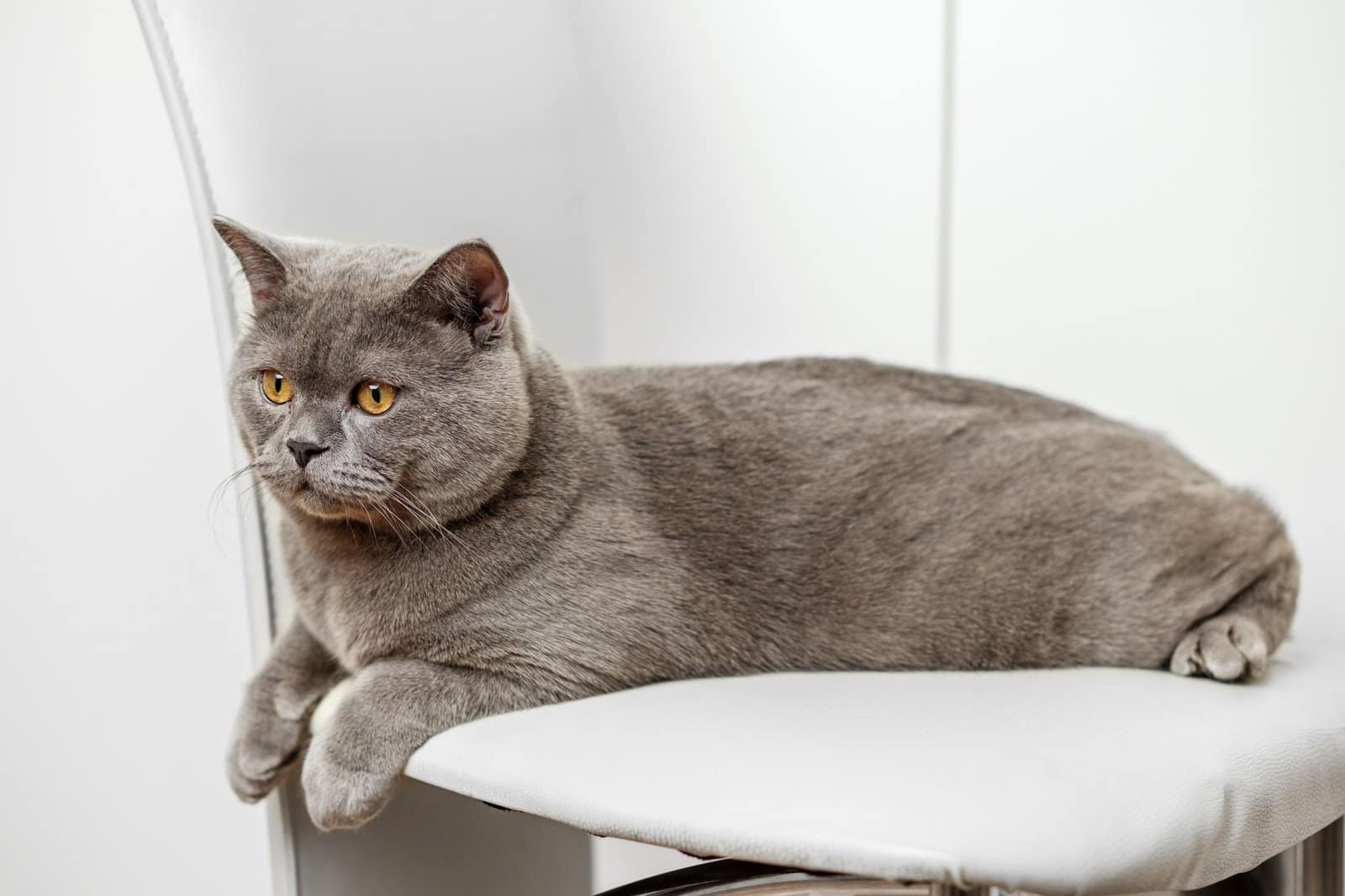
Snapshot
- Energia: Baixa
- Afeto: Medium–High (often “near you,” not “on you”)
- Preparação: Baixa
- Melhor para: Busy households, calm companionship, low-maintenance coat
Health & welfare note:
British Shorthairs are famously easygoing—and that calm nature can make them more prone to becoming overweight if calories are high and activity is low. Use a body-condition approach (not just the scale), keep portions consistent, and build small daily play routines to protect joints and long-term health.
Why British Shorthairs feel “lazy”
They’re famously mellow and self-contained. Many British Shorthairs don’t demand constant attention—they’re content to nap, supervise your life, and accept affection on their terms.
Grooming & care
Easy. Weekly brushing keeps shedding under control.
Melhor para
- People who want an undemanding companion
- Apartments, professionals, families with structure
- Anyone who likes a calm cat who doesn’t cling
Watch-outs
Some Brits prefer “beside you” over “on you,” and they can gain weight easily if lifestyle is too sedentary—keep gentle daily play and portion control.
Esta é a sua SnuggleSoul?
If you want calm company without constant attention demands, the British Shorthair could be your SnuggleSoul.
Leia mais sobre seu Pelo curto britânico
Maine Coon
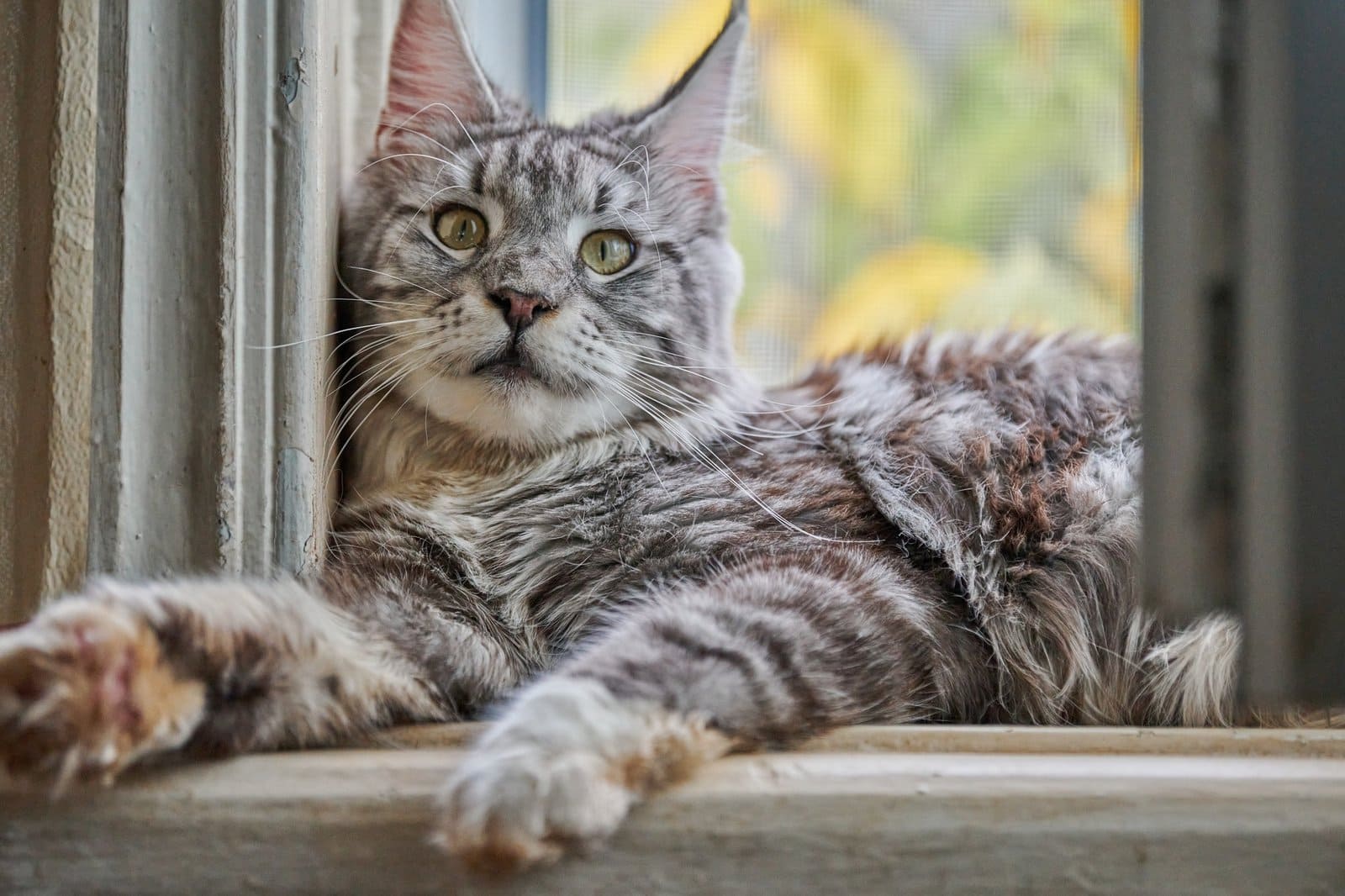
Snapshot
- Energia: Moderate (but often very chill at home)
- Afeto: Alta
- Preparação: Moderado
- Melhor para: Sociable homes, people who want a big friendly companion
Health & welfare note:
Maine Coons have a known breed-associated risk for hypertrophic cardiomyopathy (HCM), including a documented genetic mutation that can increase risk.
Because HCM has incomplete penetrance (and testing isn’t a perfect “yes/no”), the strongest approach is: ask breeders about DNA testing e cardiac screening practices, and keep your own vet involved over your cat’s lifetime.
Why Maine Coons feel “lazy”
They’re often relaxed, friendly, and happy to be part of the household routine—following you around, then sprawling somewhere comfy. Many owners describe them as gentle giants with a calm vibe.
Grooming & care
Their coat needs regular brushing, but it’s usually manageable with a weekly routine (more during shedding seasons).
Melhor para
- Homes that want a social, friendly cat
- Families and multi-pet households (with good introductions)
- People who want a cat that feels like a big cozy presence
Watch-outs
Size = bigger litter boxes, sturdy furniture, and more space. Also, many Maine Coons dislike being alone for long stretches. If buying, ask about heart screening/testing history in the line and plan routine vet checkups as they age.
Esta é a sua SnuggleSoul?
If you want a large, affectionate companion who loves being near the family (in a relaxed way), the Maine Coon could be your SnuggleSoul.
Leia mais sobre seu Maine Coon
Honorable Mentions: Calm / Low-Energy Cat Breeds Worth Considering
These breeds aren’t always the absolute laziest, but they’re commonly described as calmer, lower-drama indoor companions—which helps if you’re searching for “calm cat breeds,” “quiet cats,” “apartment-friendly cats,” ou “low-energy lap cats.”
Honorable Mentions at a Glance
| Raça | Why it can feel “calm” | Melhor para | One watch-out |
|---|---|---|---|
| Birmanês | Gentle, affectionate, people-oriented | Families, relaxed homes | Not a true couch potato—still enjoys play |
| Chartreux | Attentive, gentle companion | Quiet companionship | Can have energetic play bursts |
| Azul russo | Affectionate with family; reserved with strangers | Quiet households | May be shy; can be “softly talkative” |
| Selkirk Rex | Patient, cuddly, laid-back | Snuggly homes | Needs attention—can dislike long alone time |
| Pelo curto americano | Easy-going, adaptable | Almost any household | Not “lazy”—still playful/curious |
| Himalaia | Gentle, quiet, likes calm environments | Calm homes, lap-cat fans | High grooming + flat-face concerns |
| Nebelung | Gentle, quiet, somewhat shy | Calm apartments | Likes climbing/play—needs enrichment |
| Floresta norueguesa | Gentle and loving | Families wanting gentle big cat | Often playful; needs climbing options |
| Scottish Fold | Often calm—but major welfare concern | (See note) | Cartilage mutation can cause painful joint disease |
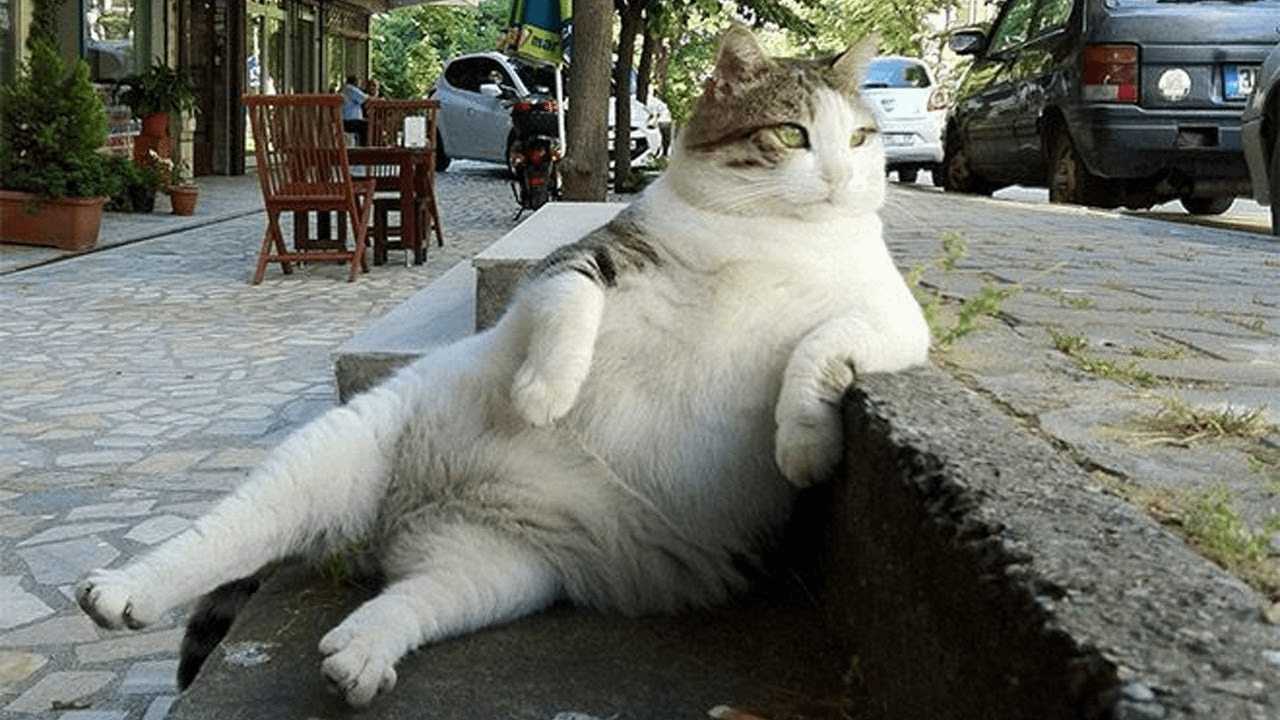
Birmanês
Why it’s on this list: The Birman is widely described as gentle and affectionate, people-loving, and adaptable to many home types.
Best home fit: If you want a calm companion who likes being near you (often a “follow you around” vibe) without constant chaos.
Watch-out: “Calm” doesn’t always mean “lazy.” Expect some daily play interest—especially with interactive toys.
Chartreux
Why it’s on this list: Chartreux cats are often described as an attentive, gentle companion.
Best home fit: Great for people who want a cat that can relax quietly, but still engages with the household.
Watch-out: They’re not low-energy 24/7—some have athletic “burst play” moments.
Azul russo
Why it’s on this list: Russian Blues are often described as friendly and intelligent, but reserved with strangers—and very bonded to their family.
Best home fit: Calm households that like a cat who’s affectionate in a “quiet loyalty” way.
Watch-out: Shyness can look like “laziness.” Give them time to warm up—especially in busy homes.
Selkirk Rex
Why it’s on this list: Selkirks are commonly described as loving, patient, and notably laid-back, with a tolerant temperament.
Best home fit: Homes that want a cuddly, easygoing cat with a friendly “hug me” energy.
Watch-out: Many laid-back cats still dislike being ignored for long periods—plan for companionship.
Pelo curto americano
Why it’s on this list: The American Shorthair is widely described as good-natured, easy-going, and highly adaptable, including in homes with children or seniors.
Best home fit: If you want a stable, easy companion rather than a high-maintenance “project cat.”
Watch-out: They’re often playful and curious—more “balanced energy” than truly lazy.
Himalaia
Why it’s on this list: Himalayans are often described as gentle and quiet, preferring calm environments and lounging with their families.
Best home fit: Quiet, predictable homes where you want a cuddly lap presence.
Watch-out: Expect major grooming needs (like Persian-types) and be mindful of flat-face health considerations when choosing a breeder.
Nebelung
Why it’s on this list: Nebelungs are described as gentle, quiet, somewhat shy, often observing before engaging.
Best home fit: Calm apartments and households that enjoy a “soft presence” cat.
Watch-out: Quiet ≠ inactive—many still enjoy climbing and play; they do best with enrichment.
Gato Norueguês da Floresta
Why it’s on this list: Despite their size, Norwegian Forest Cats are often described as gentle and loving.
Best home fit: Families who want a big, mellow companion (often affectionate on their own terms).
Watch-out: Many are still athletic and love climbing—so they’re not always “low-energy lap cats.”
Scottish Fold
Important welfare note: International Cat Care explains the folded-ear trait is caused by a cartilage mutation that can also lead to painful joint problems, and UFAW describes the condition as severe chronic pain with no cure.
Recommendation: If you love the look, consider adopting/rescuing rather than supporting breeding, and talk with a vet about joint health.
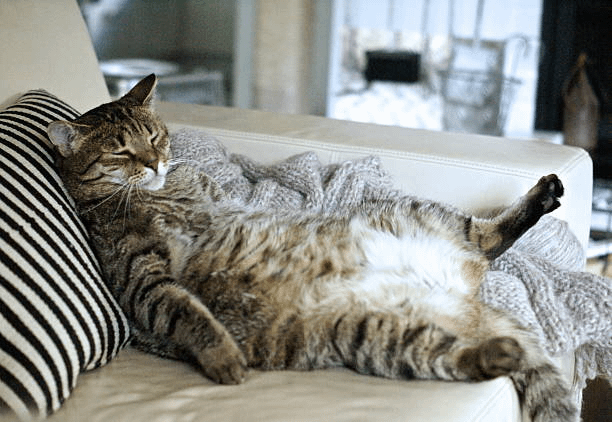
Pick Your Lazy Cat by Lifestyle
If you want the most “couch potato” energy:
- Persian, British Shorthair
If you want maximum cuddles (lap-cat priority):
- Ragdoll, Exotic Shorthair (often very affectionate)
If grooming time must stay low:
- British Shorthair, Exotic Shorthair
If you live in an apartment:
- British Shorthair, Ragdoll, Exotic Shorthair (calm indoor temperaments)
If you want a big friendly presence:
- Maine Coon, Ragdoll
Lazy Cat Care: Keep Calm Cats Healthy (Not Round)
Low-energy cats are wonderful—but they can gain weight if food is unlimited and play is nonexistent.
A simple routine:
- 5–10 minutes of play daily (wand toy, rolling ball, short chase)
- Portion-controlled meals (treats count!)
- Enrichment: window perch, puzzle feeder, scratching posts
- Escovação regular (even shorthair cats benefit)
Quer encontrar seu par perfeito entre todas as raças de gatos?
Na SnuggleSouls, acreditamos que todo gato merece um lar para sempre - e todo amante de gatos merece o companheiro felino perfeito. Se você se sente atraído pelo charme de raças pequenas de gatosA natureza equilibrada do gatos médiosou a presença majestosa de raças grandes de gatosTemos guias detalhados para ajudá-lo a escolher com sabedoria.
Prefere que os cuidados com o cabelo sejam fáceis? Confira nossas opções para raças de gatos de pelo curto, gatos sem pelose raças com pouco pelo. Desejando casacos luxuosos? Nossos Guia de raças de gatos de pelo longo pode simplesmente derreter seu coração.
Se você ou os membros de sua família tiverem alergias, não se preocupe - também selecionamos uma lista confiável de raças de gatos hipoalergênicos que podem funcionar melhor para famílias sensíveis.
Explore todos os nossos guias de raças para encontrar a alma aconchegante que realmente foi feita para você.
PERGUNTAS FREQUENTES
Qual é a raça de gato mais preguiçosa?
O Persa is often considered one of the lowest-energy cat breeds because many adult Persians prefer quiet lounging over intense play. That said, “laziest” isn’t guaranteed—each cat has its own personality, health status, and activity needs. Use breed tendencies as a starting point, then choose based on temperament, grooming time, and lifestyle fit.
Are there truly “lazy cat breeds,” or is it just individual personality?
It’s both. Breed tendencies can influence energy level and temperament, but individual cats still vary a lot based on age, health, socialization, and home environment. Two cats of the same breed can behave very differently. If you want a calmer companion, look for a relaxed temperament e confirm it during adoption or breeder visits.
What are the calmest lazy cat breeds for apartments?
For apartment-friendly calm, many people start with the Pelo curto britânico, Ragdolle Pelo curto exótico. These breeds are commonly described as indoor-suited and less “hyper,” which can be helpful in smaller spaces. Still, any cat needs enrichment: scratching posts, window perches, and short daily play sessions help prevent boredom and weight gain.
Which lazy cat breed is the most affectionate “lap cat”?
If “lap cat” is your top goal, the Ragdoll e Pelo curto exótico are popular picks because they’re often people-oriented and cuddly. The Persa can also be very affectionate in a calm home. Keep in mind: some calm cats show love by sitting near you rather than on you, especially British Shorthairs.
Os gatos preguiçosos são mais fáceis de cuidar?
Lazy (low-energy) cats can be easier in some ways because they may be less destructive and need less intense exercise. But they’re not automatically “low maintenance.” Some calm breeds—especially long-haired types—require frequent grooming, and all cats need routine health care, mental stimulation, and a clean litter box. “Easy” depends on grooming, shedding, and your schedule.
Os gatos preguiçosos ficam com sobrepeso facilmente?
Yes, low-energy cats can gain weight more easily if food portions are high and activity is low. The fix is simple: measured meals, treat limits, and short daily play (even 5–10 minutes helps). If your cat gains weight quickly or seems unusually inactive, check with a veterinarian—sudden changes in appetite or energy can have medical causes.
Do lazy cats still need exercise and enrichment?
Absolutely. Even the chillest cat benefits from daily movement and mental stimulation. A few minutes of wand-toy play, puzzle feeders, and climbing/perching options can keep a calm cat healthy without turning your home into a gym. The goal isn’t intense workouts—it’s consistent, low-stress activity that supports joints, weight management, and mood.
How can I tell if my cat is “lazy” or not feeling well?
A naturally calm cat still has normal routines: eating, grooming, using the litter box, and showing interest in the environment. If you notice a sudden drop in energy, appetite changes, escondido, breathing issues, or behavior that seems “off,” treat it as a health signal and contact a veterinarian. When in doubt, it’s better to check early.
These answers are general guidance for choosing a calm companion. For health concerns (sudden lethargy, weight changes, appetite issues), consult a veterinarian.








 EN
EN DE
DE ES
ES PT
PT