
Table of Contents
Quick Answer: Can Cats Eat Salmon?
Yes, cats can eat small amounts of cooked, plain salmon as an occasional treat. It’s high in protein and omega-3 fatty acids that can benefit your cat’s skin, coat, joints and overall health. However, salmon should never replace a complete cat food, and it must be served fully cooked, boneless, unseasoned and in very small portions.
Is Salmon Safe for Cats? (At a Glance)
| Salmon type | Safe for cats? | Why |
|---|---|---|
| Cooked, plain | Yes | Good protein & fats in tiny portions |
| Raw salmon | No | Parasites, bacteria, thiaminase risk |
| Smoked salmon | No | Very high salt, not fully cooked |
| Canned salmon | Rarely | Only no-salt, water-packed, rinsed; very small amount |
| Salmon skin | Tiny bits | Cooked only; very fatty, so just a few crumbs |
Why Cat Parents Ask About Salmon
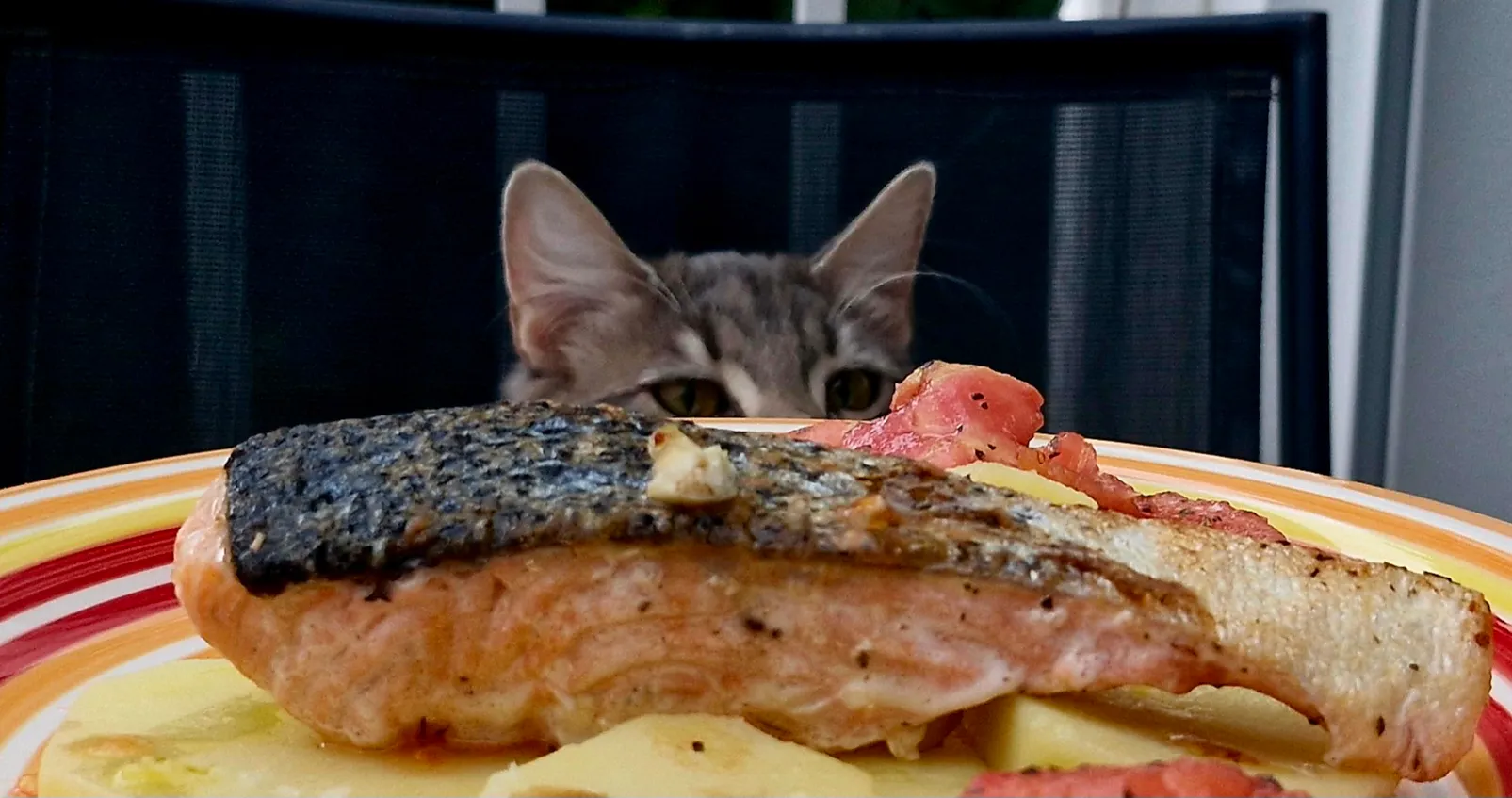
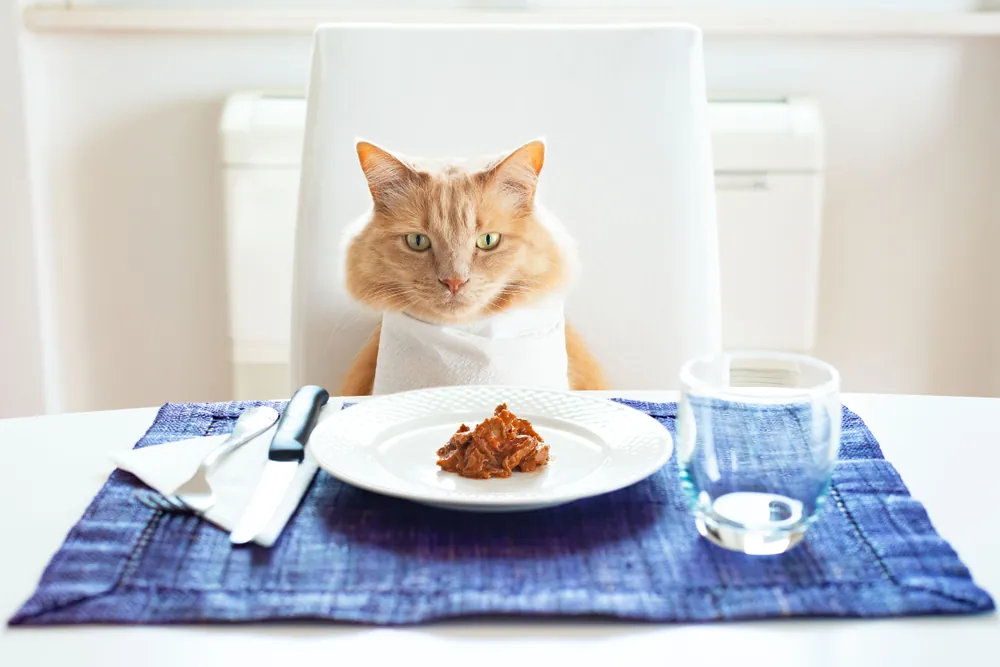
Picture this: You’re preparing a salmon dinner and suddenly feel a familiar brush against your legs. Your cat’s eyes are wide, nose twitching at the delectable aroma of fish.
We totally get it – as devoted cat parents at SnuggleSouls, we’ve been there too. You’re tempted to share a bite, but a nagging thought stops you: Can cats eat salmon safely, and is it actually good for them?
The short answer: Yes, cats can eat salmon as an occasional treat when it’s properly prepared. Salmon is high in protein and omega-3 fatty acids that can benefit your cat’s health. However, it’s not a complete meal on its own and must be given in moderation.
Key Takeaways
Cats Can Eat Salmon: Cooked, plain salmon (no bones, no seasoning) is safe for cats in small amounts. It provides high-quality protein and healthy fats that cats crave.
Health Benefits: Salmon is rich in omega-3 fatty acids (like DHA and EPA) which support a cat’s skin, coat, joints, and immune system. It also contains beneficial vitamins (B12, B6, niacin) and minerals (selenium, potassium) that contribute to overall health.
Moderation Is Crucial: Salmon should be an occasional treat, not a staple diet. Follow the 10% rule – treats (including salmon) should make up no more than 10% of your cat’s daily calories. For an average 10 lb cat, that’s only a bite or two of salmon. Too much fish can upset nutritional balance or discourage your cat from eating their regular food.
Preparation Matters: Always cook salmon thoroughly before giving it to your cat. Remove all bones, skin (if not crisped), head and tail. Serve it plain – no salt, no seasoning, no sauces – to avoid harmful ingredients like onion, garlic, excess sodium or fat. Never give raw or smoked salmon due to bacteria, parasites, and high salt content (these can make cats sick).
Can Cats Eat Raw Salmon? (Risks & Safety)
Watch for Risks: While salmon itself isn’t toxic to cats, beware of potential risks. Tiny fish bones can pose choking or internal injury hazards. Raw salmon can carry bacteria (e.g. Salmonella, E. coli) and enzymes that destroy vitamin B1 (thiamine), possibly leading to deficiencies. Some cats may also have fish allergies (causing vomiting, diarrhea or skin irritation). When in doubt, consult your veterinarian – especially if your cat has pre-existing health conditions.
Why Do Cats Love Salmon?
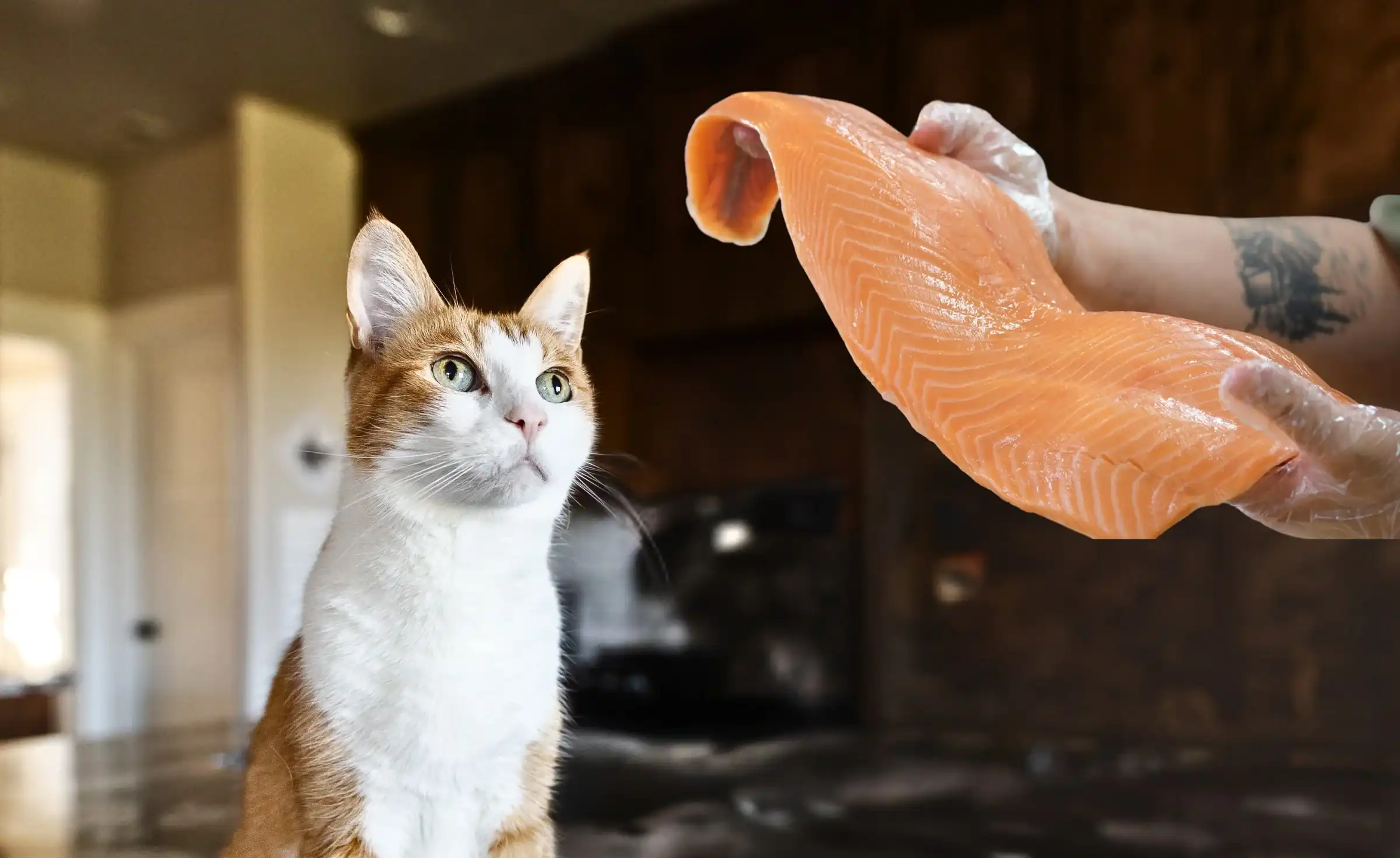
If your cat goes into a frenzy at the smell of fish, you’re not alone. Many cats seem almost magnetically attracted to salmon and other seafood. Why do cats love salmon so much?
First, remember that cats are obligate carnivores – their natural diet in the wild is high in animal protein. Fish like salmon are packed with protein and fats, so the scent signals “rich meat” to your cat’s instincts. Salmon’s strong aroma and savory taste stand out even to our cats’ superb sense of smell. From your cat’s perspective, that steaming salmon filet on your plate might as well be a five-star feast!
However, just because kitty wants your salmon doesn’t automatically mean it’s the best choice to give it to them freely. As caring pet parents, we need to balance their enthusiastic taste buds with what’s nutritionally and medically safe.
So yes, your cat’s love of salmon is real – and it can even be used to your advantage (for example, as a high-value treat or appetite enticer) – but it must be given safely.
Next, we’ll look at the health benefits salmon can provide, as well as the limitations and cautions to be aware of.
Benefits of Salmon for Cats (Omega-3s & Protein)
There’s a reason salmon is often called a “superfood” – it’s loaded with nutrients that can benefit humans and felines alike. When fed correctly, salmon can be a healthy, species-appropriate treat for your cat. Here are some of the key nutritional benefits:
| Nutrient / Benefit | Key Components in Salmon | Health Benefits for Cats | Notes / Considerations |
|---|---|---|---|
| High-Quality Protein for Lean Muscles | Animal protein, amino acids (incl. taurine) | Supports muscle, organ, and growth health; taurine aids heart and eye function | Salmon alone doesn’t meet full taurine needs |
| Omega-3 Fatty Acids (EPA & DHA) | EPA, DHA | Skin & Coat: Improves softness, shine, reduces drynessJoint Health: Eases stiffness, supports mobilityEye & Brain: DHA supports kitten development and adult vision/cognitionHeart Health: Promotes normal rhythm, reduces heart inflammation | Best as supplement to complete diet; fish oil can be vet-approved alternative |
| B Vitamins | Vitamin B12 (cobalamin), Niacin (B3), Vitamin B6 | B12: Nerve function, cell metabolism, immune healthNiacin/B6: Energy metabolism, brain function | Cats must get B12 from diet; salmon provides a boost but not sole source |
| Minerals | Selenium, Potassium | Selenium: Antioxidant, thyroid & immune supportPotassium: Muscle function, fluid balance | Complements balanced diet; especially helpful for aging cats |
| Vitamin D | Vitamin D (higher in wild salmon) | Bone health, immune support | Cats must obtain from diet; salmon provides a partial source |
| Tasty Hydration | High moisture content | Adds small hydration boost; supports kidney & urinary health | Not a water substitute; always provide fresh water |
To give you an idea of salmon’s nutrient profile, here’s an approximate breakdown of what’s in a plain cooked salmon fillet:
Salmon Nutrition (approximate per 100g cooked)
| Nutrient | Amount (per 100g salmon) |
|---|---|
| Calories | ~180 kcal |
| Protein | ~25 g |
| Total Fat | ~8 g (including ~2 g of omega-3 fatty acids) |
| Vitamin B12 | ~5 µg (micrograms) |
| Niacin (B3) | ~10 mg |
| Vitamin B6 | ~0.9 mg |
| Selenium | ~46 µg |
| Potassium | ~630 mg |
Source: USDA FoodData Central & nutrition analysis of cooked salmon; values are approximate.
As you can see, salmon is a nutrient-dense food. For a cat that gets a little bite as a treat, those nutrients are a small “extra credit” on top of their complete cat food.
Keep in mind, though, that salmon does not contain all nutrients cats require (for example, it has almost no fiber or calcium, and insufficient vitamin A for cats). That’s why it can’t replace a balanced diet. Think of salmon as a healthy snack or supplement to your cat’s regular meals – like how we might enjoy a power bar or smoothie on top of our normal diet.
Overall, the benefits of salmon for most healthy cats are real – it’s highly digestible animal protein, full of good fats and vitamins. Many cat owners report improvements in coat shine or a very happy, excited cat on “salmon treat day.”
However, salmon’s benefits come with conditions: portion size and preparation are everything. In the next sections, we’ll address the potential risks and precautions to be aware of (because even the best treat can cause problems if given improperly). Let’s ensure that feeding salmon remains a positive, safe experience for your kitty.
How to Cook Salmon for Cats: A Step-by-Step Guide
Now let’s get into the how-to: preparing salmon in a way that is delicious to your cat and safe for them to eat. Don’t worry, it’s not complicated.
In fact, it closely resembles safe food handling for ourselves. Here are our SnuggleSouls-approved steps to salmon snack success:
1. Start with High-Quality Salmon
Use fresh or frozen salmon fillet that’s fit for human consumption. Avoid any fish that is past its prime. If using frozen, thaw it properly in the refrigerator (not on the counter) to keep it free of bacterial growth.
We recommend using boneless cuts like a center fillet. If you have a whole fish or cut with bones, you’ll need to remove them diligently (see next step).
Using wild-caught or sustainably farmed salmon from a reputable source is ideal – we want it free of heavy pollutants and safe enough that you’d eat it too.
2. Debone and Clean the Fish
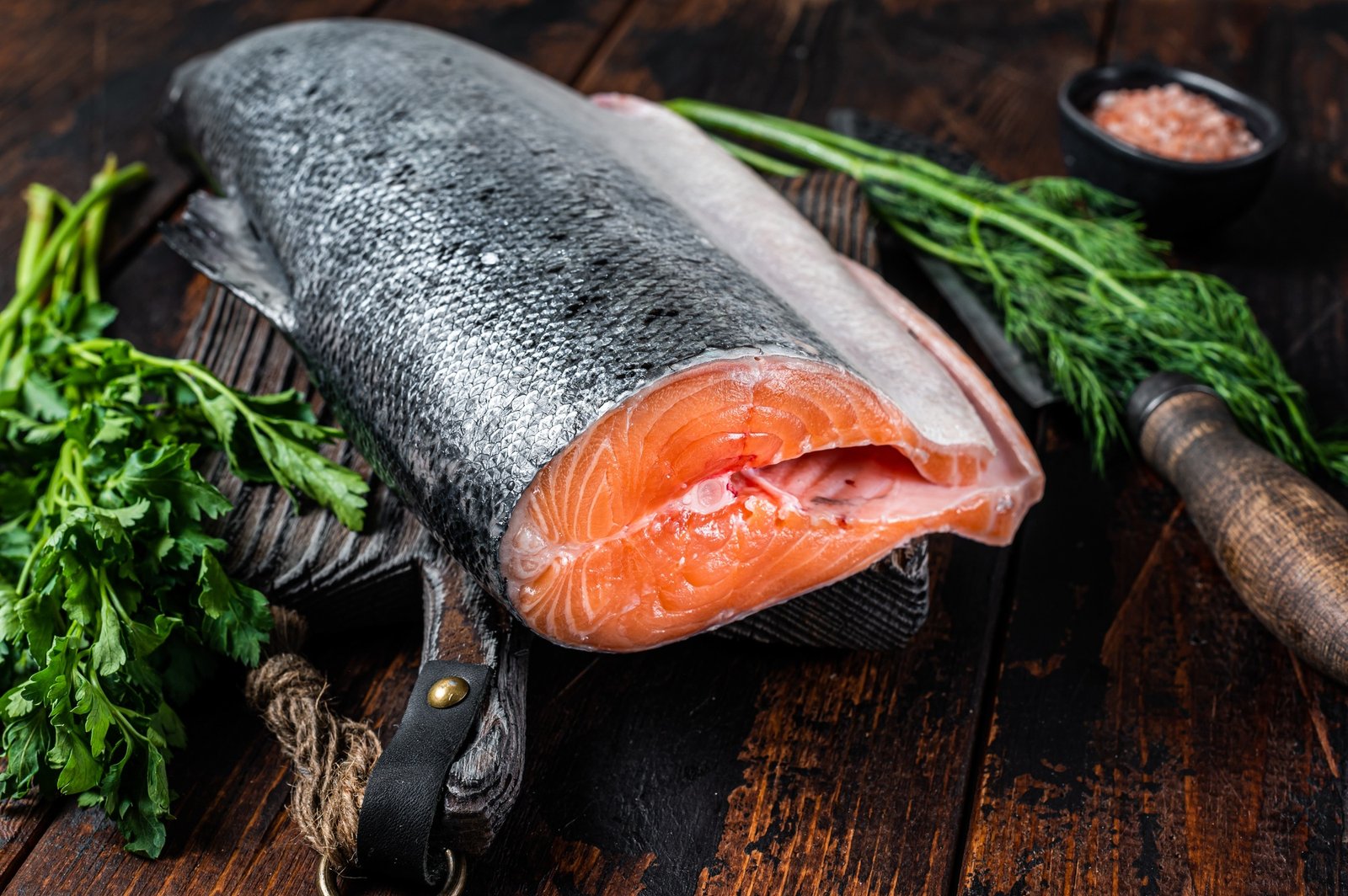
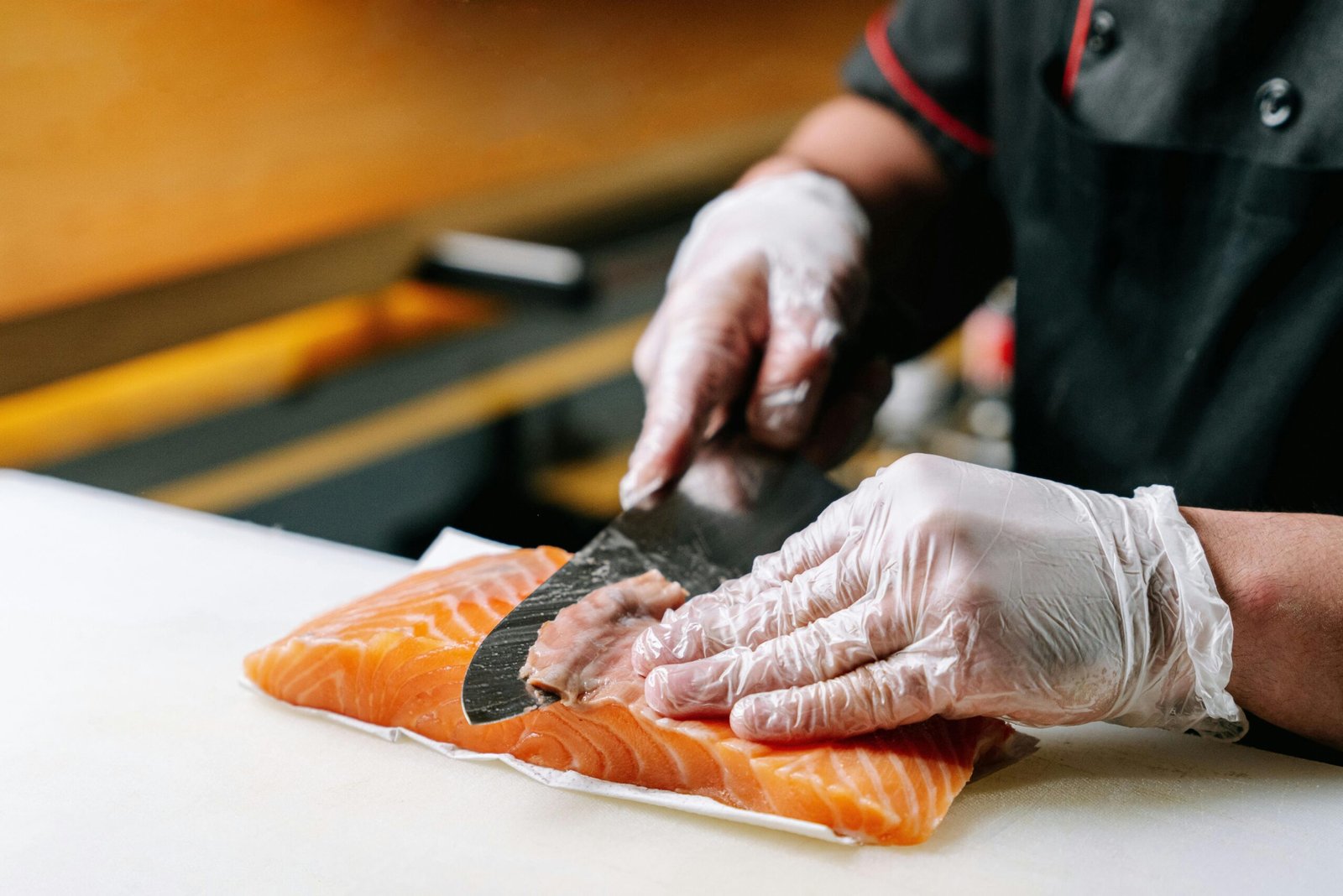
Cats do not know to “fillet” their fish – that’s our job. If there are any bones, remove them all. Run your fingers along the flesh to feel for pin bones and use clean tweezers or pliers to pull them out. Take out the backbone, rib bones, and any harder pieces.
Also remove the head, tail, and fins if present – these parts are not suitable for cats (bones + other tissues that could upset stomach). Rinse the salmon in cool water and pat it dry with a paper towel. You now have a nice clean piece of fish ready to cook.
3. No Seasoning or Marinade
This is critical – do not add salt, spices, or marinade to the cat’s portion. Cook it plain. It might be tempting to share some of your herb-seasoned salmon, but remember, many common seasonings (like garlic, onion, excessive salt) can harm your cat.
Cats actually don’t need the extras – they’ll happily eat unseasoned meat. So set aside a piece for your kitty before you slather human seasonings on the rest for your dinner.
4. Cook the Salmon Thoroughly
The safest ways to cook salmon for cats are baking, broiling, grilling, or poaching. The goal is to fully cook it through to kill any pathogens, but without adding unhealthy fats. You can:
- Bake in the oven at ~350°F (175°C) until it flakes easily (usually 10-15 minutes depending on thickness). Place the fish on parchment or foil (no butter or salt) to avoid sticking.
- Broil or Grill for a few minutes each side, again until completely opaque and flaky. Watch closely to prevent burning – remember no seasoning that could char.
- Pan-Sear in a nonstick pan or lightly greased pan. If using oil, just a drop of a cat-safe oil like olive oil is enough (too much oil = greasy fish not ideal for kitty). Cook on medium heat until done.
- Poach/Boil by simmering the salmon in plain water (or sodium-free broth) until cooked. This is a gentle method that keeps it moist.
5. Let It Cool & Cut into Cat-Sized Pieces
After cooking, let the salmon cool to just warm or room temperature. Cats can be finicky about very cold foods, but we also don’t want it hot enough to burn their mouth.
Flake the salmon into small bite-size pieces or shreds. This makes it easier for kitty to chew and reduces any risk of a larger chunk getting lodged.
Double-check for any hidden bones that might have been missed – they sometimes reveal themselves after cooking. Discard any skin that got very tough or oily (unless you intentionally prepared a bit of crispy skin for them – more on skin in a moment).
6. Serve a Small Portion
Offer just a small portion to your cat, especially the first time. For example, give a teaspoon-sized flake or two and see how they like it. Remember, this is a treat, not a meal.
A safe treat portion might be around 0.5 to 1 ounce of cooked salmon (roughly 15-30 grams), depending on your cat’s size.
If you’re mixing it into their regular food as a topper, you can use even less. The idea is to give them a taste and some nutritional benefit without overdoing it.
7. Refrigerate or Freeze Leftovers Promptly
Don’t leave cooked fish sitting out after you and your cat have had your fill. Store leftover plain salmon in an airtight container in the fridge and use it within 1-2 days for your cat (or yourself).
You can also freeze small portions for longer storage – this is handy to have ready-to-go treats. Always reheat (or at least bring to room temp) refrigerated/frozen salmon before serving to enhance aroma and palatability; very cold food straight from the fridge can be off-putting to some cats.
8. No Table-Scrap Trickery
Only feed the portion you prepared specially. Don’t give your cat scraps from your plate if they were seasoned or buttered. Consistency is key – your cat doesn’t understand why their fish is bland and yours is flavorful, but their body will thank you for sticking to the cat-safe version.
If your cat begs at the table, it’s better to pick up one of their pre-portioned salmon treats and give it to them away from the dining table. That way they associate treat time with their bowl or a specific treat location, not your plate.
9. Observe Your Cat During and After Eating
Especially the first few times, supervise your cat as they enjoy the salmon. Make sure they are chewing it well and not attempting to swallow overly large pieces whole (some greedy eaters might!).
After they’re done, watch for any signs of digestive upset over the next day – a single soft stool or a bit of vomit could just be from the richness, but repeated vomiting/diarrhea or any lethargy means salmon might not agree with them or something was off.
In the rare case of an allergic reaction (scratching, swelling, trouble breathing), seek veterinary care immediately. But again, such reactions are uncommon.
By following these steps, you’ll greatly minimize the risks we discussed earlier. Essentially, we’re removing physical hazards (bones), biological hazards (bacteria/parasites by cooking), and chemical hazards (seasonings). What’s left is plain, wholesome salmon meat – a lovely treat your cat can savor.
Special Types of Salmon & Salmon Products for Cats
Can Cats Eat Raw Salmon?
Short answer: no, cats should not eat raw salmon. Raw salmon can carry harmful bacteria (like Salmonella), parasites, and an enzyme called thiaminase that destroys vitamin B1 (thiamine) in cats. Over time, a thiamine deficiency can lead to serious neurological problems.
If your cat loves salmon, always cook it thoroughly, let it cool, and serve only a tiny, boneless portion instead. That means no raw sushi, sashimi scraps, or “just a little bite” of raw salmon while you’re cooking — keep raw fish strictly off-limits for your cat.
Can Cats Eat Salmon Skin?
Yes, cats can eat salmon skin, but only if it’s well-cooked, plain, and offered in tiny amounts. Raw or heavily seasoned skin can carry bacteria, parasites, or too much salt and fat, so it’s not safe in those forms.
Many cats would enjoy the crispy texture if it’s cooked well. If you do give skin, make sure it’s cooked thoroughly (preferably crisped, to kill parasites and make the texture more palatable). Remove any scales.
Offer only a small bit of skin to see if your cat likes it – some cats might find it too chewy if not crispy. Also be aware the skin is very fatty, so don’t give a large piece (too much fat at once can cause loose stool).
Never give raw salmon skin (same reasons as raw fish in general) and don’t give smoked salmon skin (too salty). Plain baked salmon skin, cooled and cut into tiny pieces, can be a crunchy treat.
Our advice: it’s optional. If it’s easy for you to remove the skin, you can avoid it; if you want to try giving it, ensure it’s safe as described. Always monitor how your cat handles it.
Can Cats Eat Canned Salmon?
Canned salmon made for humans usually isn’t ideal for cats because it’s often high in salt and may be packed in oils or seasoned sauces. As a routine treat, it’s safer to stick to their normal complete cat food or cat-specific treats.
If you occasionally use canned salmon, choose a plain, no-salt-added, water-packed option. Rinse it under running water to remove extra sodium and only offer a few small flakes. Never give canned salmon that contains added flavorings, onions, garlic, or rich sauces.
Can Cats Eat Smoked Salmon?
Smoked salmon is not recommended for cats. It’s typically very high in sodium and may not be fully cooked in the same way as plain baked salmon.
The high salt content can strain your cat’s kidneys and contribute to dehydration, and any undercooked areas may still carry bacteria or parasites. If you’re enjoying smoked salmon yourself, keep it off your cat’s plate and offer a tiny piece of plain cooked salmon instead.
Is Salmon Oil Good for Cats?
Salmon oil can be a useful supplement for some cats because it’s rich in omega-3 fatty acids that support skin, coat, and joint health. It’s much more concentrated than a bite of cooked salmon, though, so getting the dose right is very important.
Never start salmon oil on your own. Always ask your veterinarian which product to use and how many drops or pumps are safe for your cat’s weight and medical history. Too much oil can cause diarrhea, weight gain, or interact with existing health conditions.
Serving Size: How Much Salmon Can I Feed My Cat?
Most cats should only eat about 0.5–1 ounce (15–30 g) of cooked salmon per serving, and even that should make up no more than around 10% of their daily calories. The rest of this section walks you through the 10% treat rule so you can work out safe portions and frequency for your own cat.
Follow the 10% Treat Rule: Veterinarians and nutritionists often recommend the “10% rule” for treats. This means no more than 10% of your cat’s daily calorie intake should come from treats or human foods.
The other 90% (or more) of calories should be from their regular complete cat food. This rule helps ensure your cat’s overall diet stays balanced and nutritionally complete.
If treats make up more than 10%, you risk displacing some of the essential nutrients they’d otherwise get from their main food.
Let’s apply that rule to salmon: The average indoor adult cat (around 8-10 lbs, or ~4 kg) needs roughly 200 to 250 calories per day to maintain weight, though this can vary by age and activity level (some guidelines like WSAVA suggest about 240-290 kcal for a 10-pound cat per day).
Ten percent of, say, 250 calories is 25 calories. Salmon is about 180 kcal per 100g, which is ~50 kcal per ounce. So 25 calories of salmon is roughly 0.5 ounce (half an ounce) – that’s maybe a small chunk about the size of a large cube of dice or a spoonful of flaked fish.
For a concrete example:
If your cat weighs 10 lbs (4.5 kg), and their daily calorie need is ~270 kcal, they should get no more than ~27 kcal from treats. That equals approximately 1/10th of a typical salmon fillet piece (since a half of a salmon fillet has ~356 kcal, a tenth of that is ~35 kcal, close to our target).
In simpler terms, a piece of cooked salmon about the size of two small cubes or a large tablespoon of flakes is a safe treat portion.
It’s not an exact science, but using this rule-of-thumb prevents overfeeding. It may look disappointingly small to us (cats always act like they want more, right?), but remember, cats are small creatures and their caloric needs are a fraction of ours. A little salmon goes a long way for them.
Frequency – How often can you give salmon?
We recommend offering salmon (or any treat) 1-2 times a week at most in those small portions. You don’t even have to do it every week – just occasionally is fine.
There’s no strict frequency rule, but you wouldn’t want, for example, your cat eating salmon every single day as a treat; that could inadvertently supply too much of certain nutrients or too many calories, and they might start to prefer it over their proper food.
Some cat owners do give a tiny bite daily (within the 10% calorie limit) as part of bonding or training – that can be okay if the portion is truly tiny and you account for it. But many find it easier to do a once or twice weekly “fish day” treat.
In short, moderation is everything. Think of feeding salmon to your cat like giving a child a piece of candy – a little bit on occasion can be a delight, but you wouldn’t serve candy as dinner or dole out half the jar. By sticking to tiny, infrequent portions, you let your cat enjoy the benefits of salmon without risking the downsides.
Conclusion
Cats can indeed eat salmon and often love it. When fed properly, salmon can be a wholesome, enriching treat that contributes beneficial nutrients like protein and omega-3s to your kitty’s diet.
We’ve seen our own cats’ eyes light up at the smell of salmon, and it can be a wonderful way to bond and provide variety to your cat’s routine.
However, moderation and preparation are absolutely key. Always serve salmon fully cooked, plain, and bone-free. Think of it as a special snack, not a meal replacement. A little goes a long way in making your cat happy without harming their health.
By following the guidelines we’ve outlined – the 10% rule, safe cooking practices, and watching out for risky forms like raw or smoked fish – you can confidently share this treat with your feline friend.
As a caring cat parent, you’re doing the right thing by researching and ensuring any new food is safe. We at SnuggleSouls are here to help you solve these everyday puzzles of pet parenting. We hope this guide has given you clarity on Can cats eat salmon? (yes, with care) and Is salmon good for cats? (yes, in moderation and prepared right).
Now go ahead and enjoy that “seafood night” – you with your meal and your kitty with a small salmon treat of their own. Few things are more satisfying than seeing your cat blissfully lick their lips after a tasty treat you’ve shared responsibly. Bon appétit to you and a happy purr to your cat!
FAQ
Can cats eat raw salmon?
No. Cats should not eat raw salmon. Raw salmon can contain parasites, harmful bacteria (like Salmonella) and thiaminase, an enzyme that destroys vitamin B1 (thiamine) in cats. Always cook salmon thoroughly before feeding it to your cat.
Can cats eat salmon skin?
Yes, cats can eat salmon skin in tiny amounts if it is well-cooked, plain and free of seasoning. Avoid raw, smoked or heavily salted salmon skin, and only offer a small piece occasionally because the skin is very fatty and can upset your cat’s stomach if they eat too much.
Can cats eat canned salmon?
It’s usually best to avoid regular canned salmon for humans because it often contains a lot of salt and oil. If you do share canned salmon with your cat, choose a no-salt-added, water-packed variety, rinse it well, and only offer a very small amount as an occasional treat.
Can cats eat smoked salmon?
No. Cats should not eat smoked salmon. Smoked salmon is very high in sodium and is not fully cooked, which increases the risk of harmful bacteria and other health issues. It’s much safer to give your cat a tiny portion of plain, fully cooked salmon instead.
How much salmon can cats eat?
Follow the 10% treat rule: salmon and all other treats together should make up no more than 10% of your cat’s daily calories. For a typical 10 lb (4.5 kg) cat, that usually means about 0.5–1 oz (15–30 g) of cooked salmon once or twice a week, not every day.
Is salmon oil good for cats?
Yes, salmon oil can be good for cats when used correctly. It provides omega-3 fatty acids that support skin, coat and joint health. Always talk to your veterinarian before adding salmon oil, so they can recommend the right product and dosage for your cat.
References
Saylor, A. (2024, July 24). Can Cats Eat Salmon? Is Salmon Good for Cats? PetMD.
Howard, B. (2021, June 16). Is Salmon Good for Cats? Daily Paws.
VCA Animal Hospitals. (n.d.). Cat Treats – How many treats are too many?
Cima, G. (2012, October 3). AAHA warns about raw pet diet risks. Journal of the American Veterinary Medical Association News.
Animal Medical Center of NYC. (2013, March 20). Thiamine Deficiency in Cats: Q&A for Cat Families.
Four Paws International. (n.d.). Dangerous Foods for Cats.
Cornell University College of Veterinary Medicine. (n.d.). Feeding Your Cat (Feline Nutrition).
Pet Poison Helpline. (n.d.). Salmon poisoning in pets. Retrieved August 11, 2025, from https://www.petpoisonhelpline.com
American Animal Hospital Association & American Association of Feline Practitioners. (2012). AAHA-AAFP position statement on raw pet foods. Journal of the American Veterinary Medical Association, 241(10), 1249–1251. https://doi.org/10.2460/javma.241.10.1249
National Research Council. (2006). Nutrient requirements of dogs and cats. Washington, DC: The National Academies Press. https://doi.org/10.17226/10668
U.S. Department of Agriculture. (2023). FoodData Central: Salmon, cooked. Retrieved August 11, 2025.




 EN
EN DE
DE ES
ES PT
PT