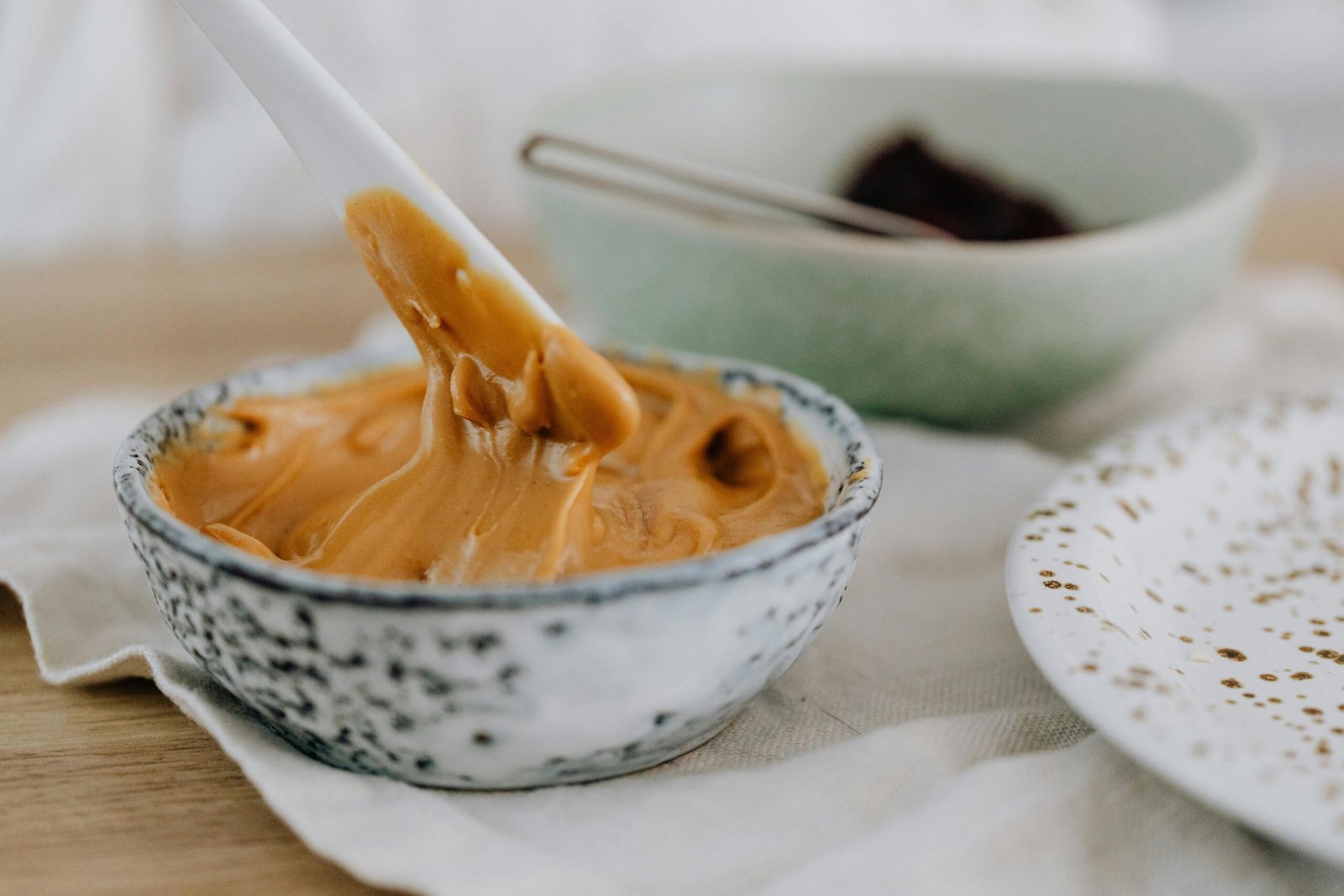
Can Cats Have Peanut Butter? Safety & Smart Alternatives
Peanut butter is not a nutritionally useful routine treat for cats. This guide explains what to do after an accidental lick and why medication or

A practical route from package to bowl
Start with the food label, turn a suitable daily calorie target into portions you can measure, then build a routine you can review.
✦Use your cat’s actual food packaging and recent measurements. This guide connects the right calculator with the care question that comes next.
Each step answers one practical question. The tools can pass compatible details forward, so you do not need to restart from scratch.
Find “Calorie Content” or “Metabolizable Energy (ME)” and keep the number with its unit. For a can or pouch, note its net weight too; for kcal per cup, the food’s grams per cup help convert a portion to weight.
Start with the label you have; the guide explains where common calorie units appear.
Use a recent measured weight and the profile that best fits your cat, or enter a calorie target from your veterinarian. The calculator gives a starting estimate for healthy cats; it does not prescribe a target for a medical or weight-change plan.
Not sure how to describe body condition? You can leave it unscored and read the guide before choosing.
Use the target with the calorie values from your packages to plan wet food, dry food, or a mix. A 50/50 setting means equal calories from each food—not equal grams or bowl volume. Optional price fields estimate food used and pack purchases.
The Cat Calorie Calculator can pass its target and compatible label details to the wet-and-dry calculator from the result controls.
Pick a meal rhythm your household can repeat, then use the calculator’s per-meal amounts instead of serving a full wet portion and a full dry portion together. Age and routine affect how a schedule fits; they do not replace the calorie and label math.
A measured routine also makes it easier to notice leftovers, treats, and food changes.
Keep dated weights and optional body-condition observations so you can see a trend rather than judge one meal or measurement. If your routine or your cat’s weight changes, review the feeding target with the context you recorded.
The tracker can open the calorie calculator with your latest recorded weight. A weight trend is useful context, not a diagnosis.
Browse practical answers on food choices, portions, feeding frequency, and everyday cat nutrition.
Explore practical guides for feeding equipment, food transitions, enrichment, and everyday nutrition questions.

Peanut butter is not a nutritionally useful routine treat for cats. This guide explains what to do after an accidental lick and why medication or
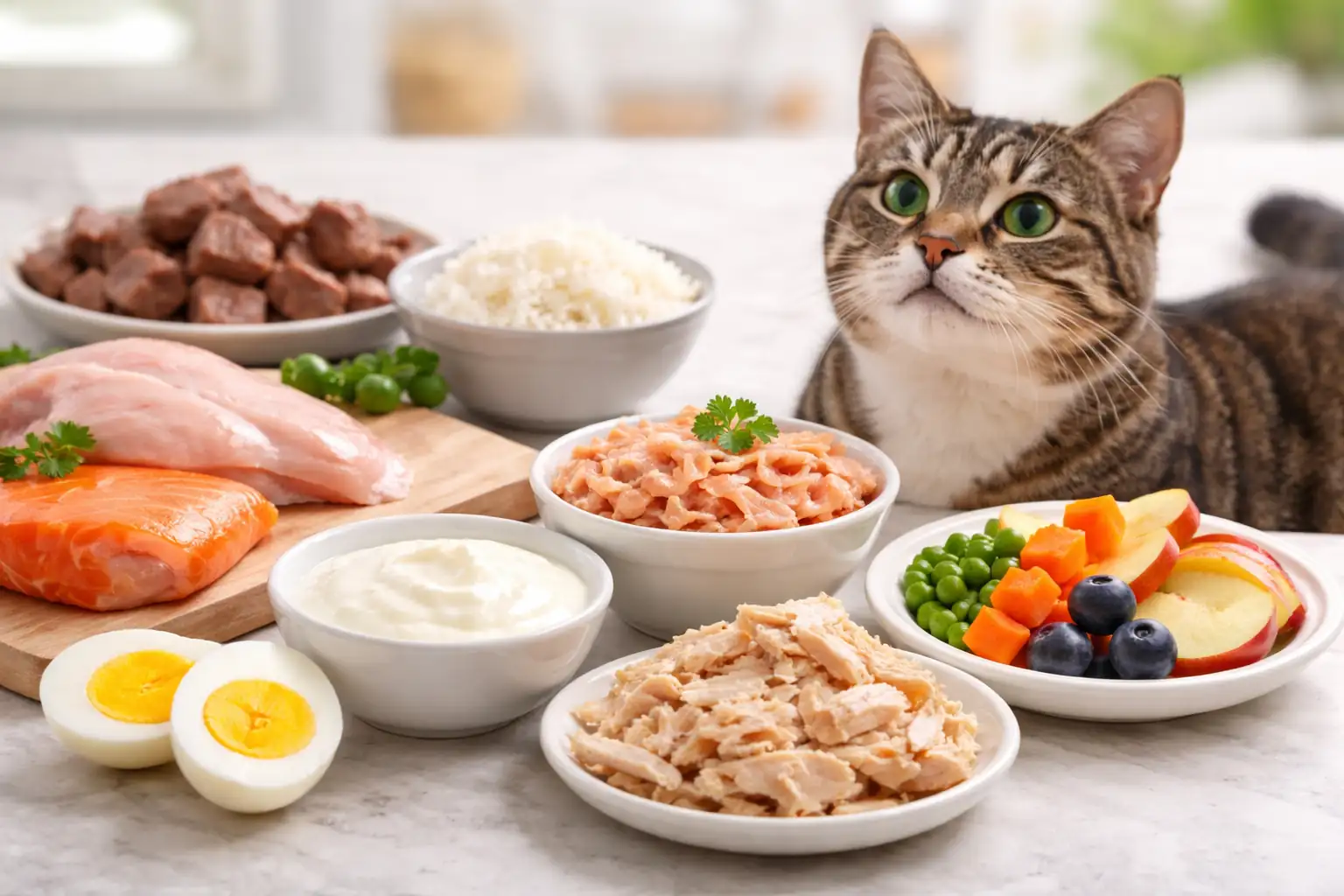
Cats can eat small amounts of some plain cooked human foods, such as unseasoned cooked chicken, turkey, lean meat, cooked egg, plain cooked corn kernels,
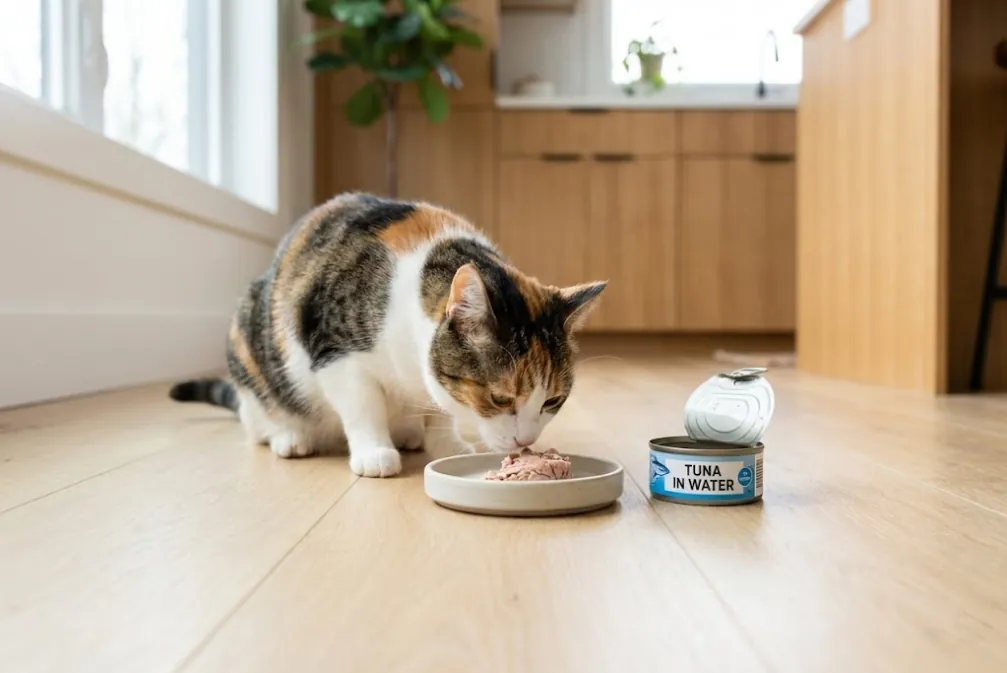
Most healthy adult cats can eat a tiny amount of plain, fully cooked tuna or no-salt-added tuna packed in water as an occasional treat. Human
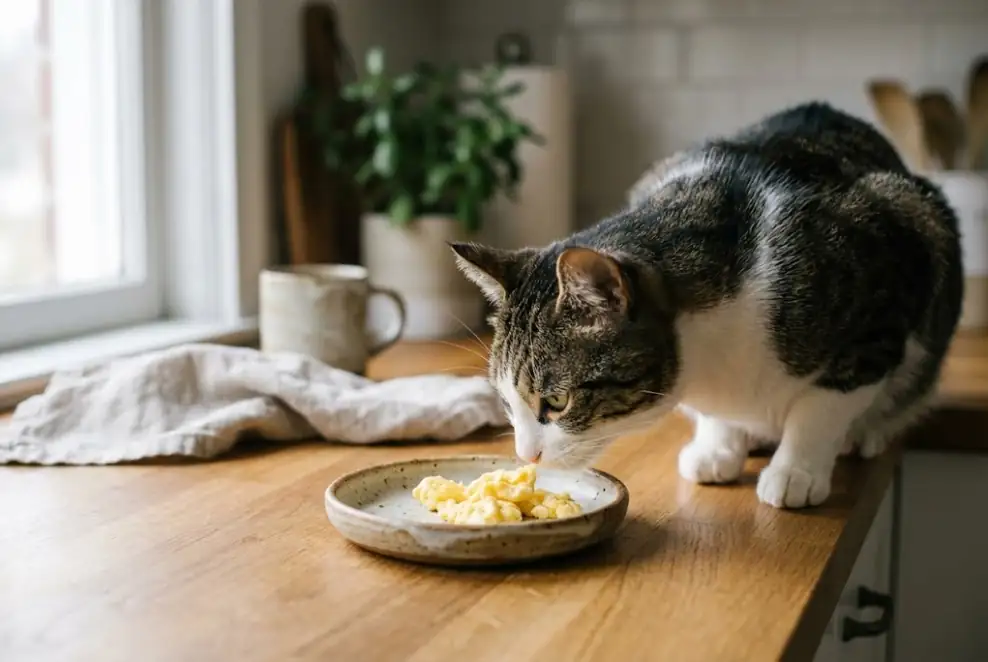
Many healthy cats can have a small amount of plain, fully cooked egg as an occasional treat. Egg is not a complete cat food, and
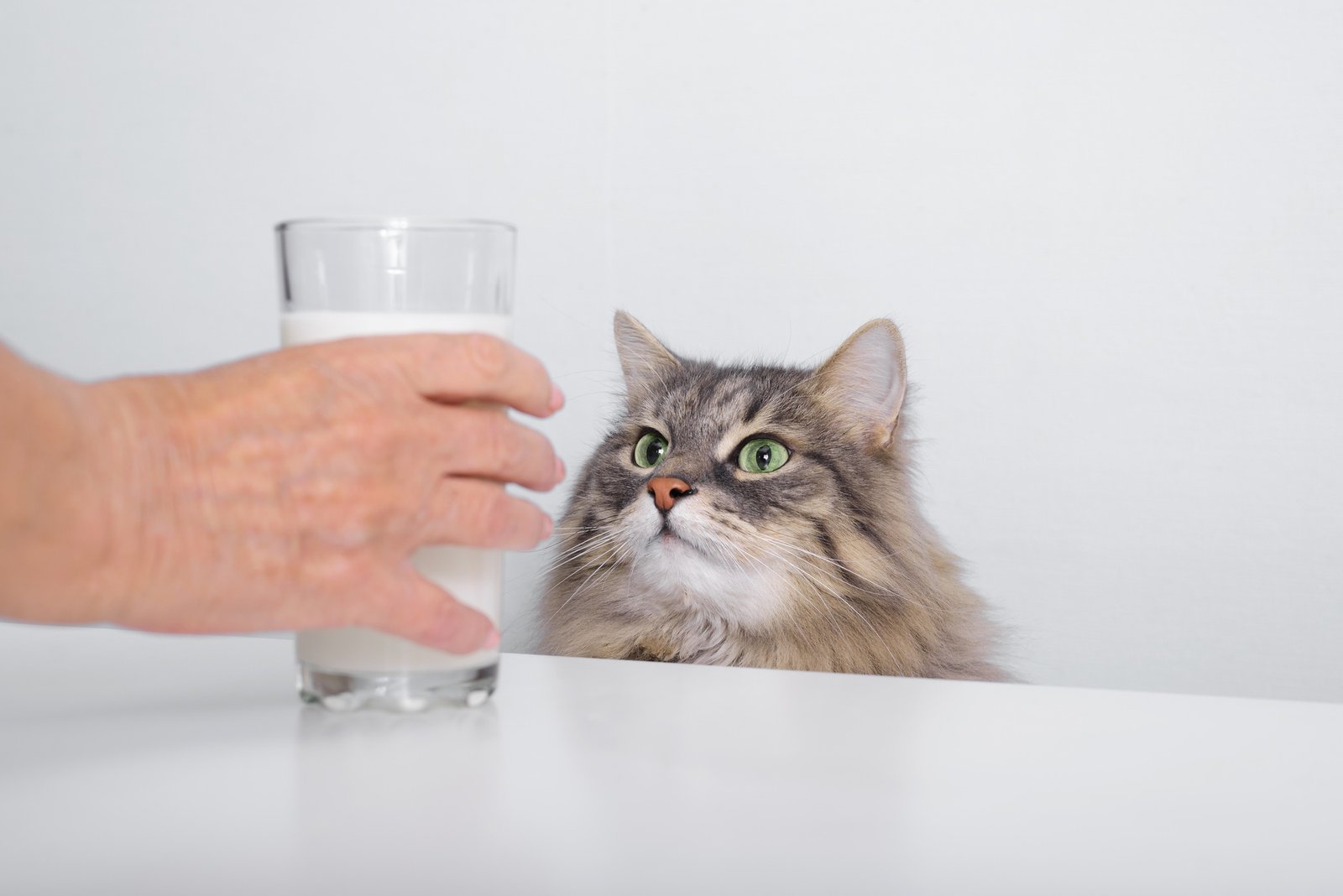
Table of Contents Table of Contents Can cats drink milk? Most adult cats should not be offered cow’s milk. Many cats digest lactose poorly after
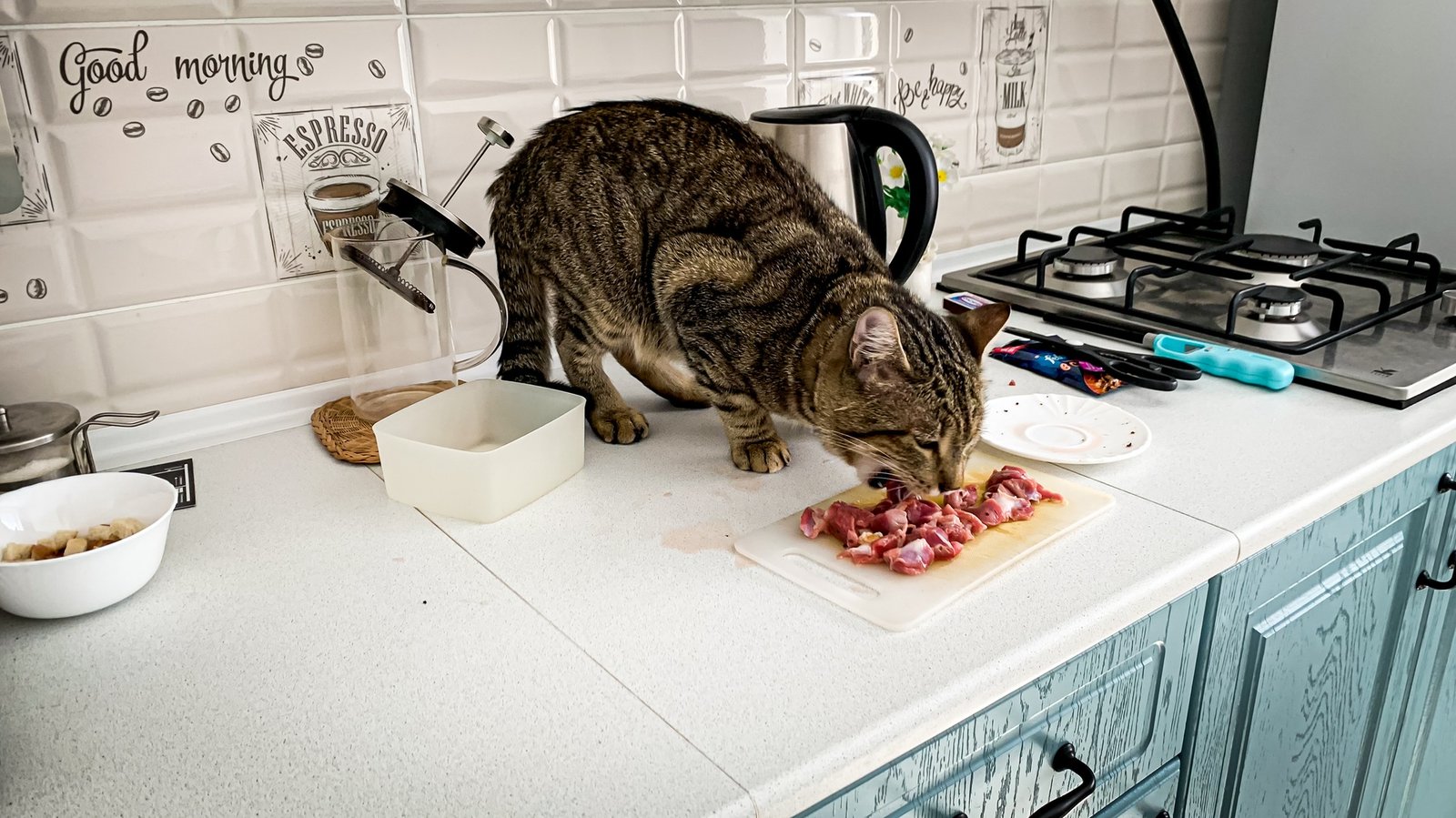
Table of Contents Can Cats Eat Raw Meat? Key takeaways Is raw meat safe for cats? What to do if your cat ate raw meat

Yes, cats can eat a little plain, boneless cooked salmon as an occasional treat. Learn safe portions, which salmon to avoid, and when to call your vet.
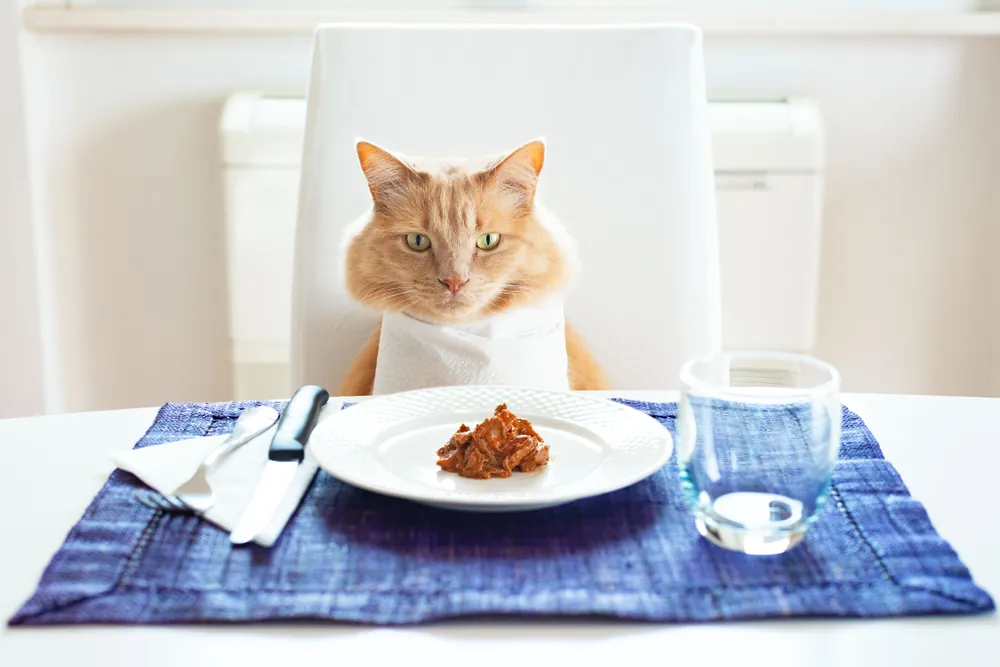
Is homemade cat food better? Learn why nutritional balance matters more than freshness, when a vet-formulated recipe may fit, and the risks of unbalanced diets.