Gato RagaMuffin: personalidad, cuidados, esperanza de vida y salud (con base científica)
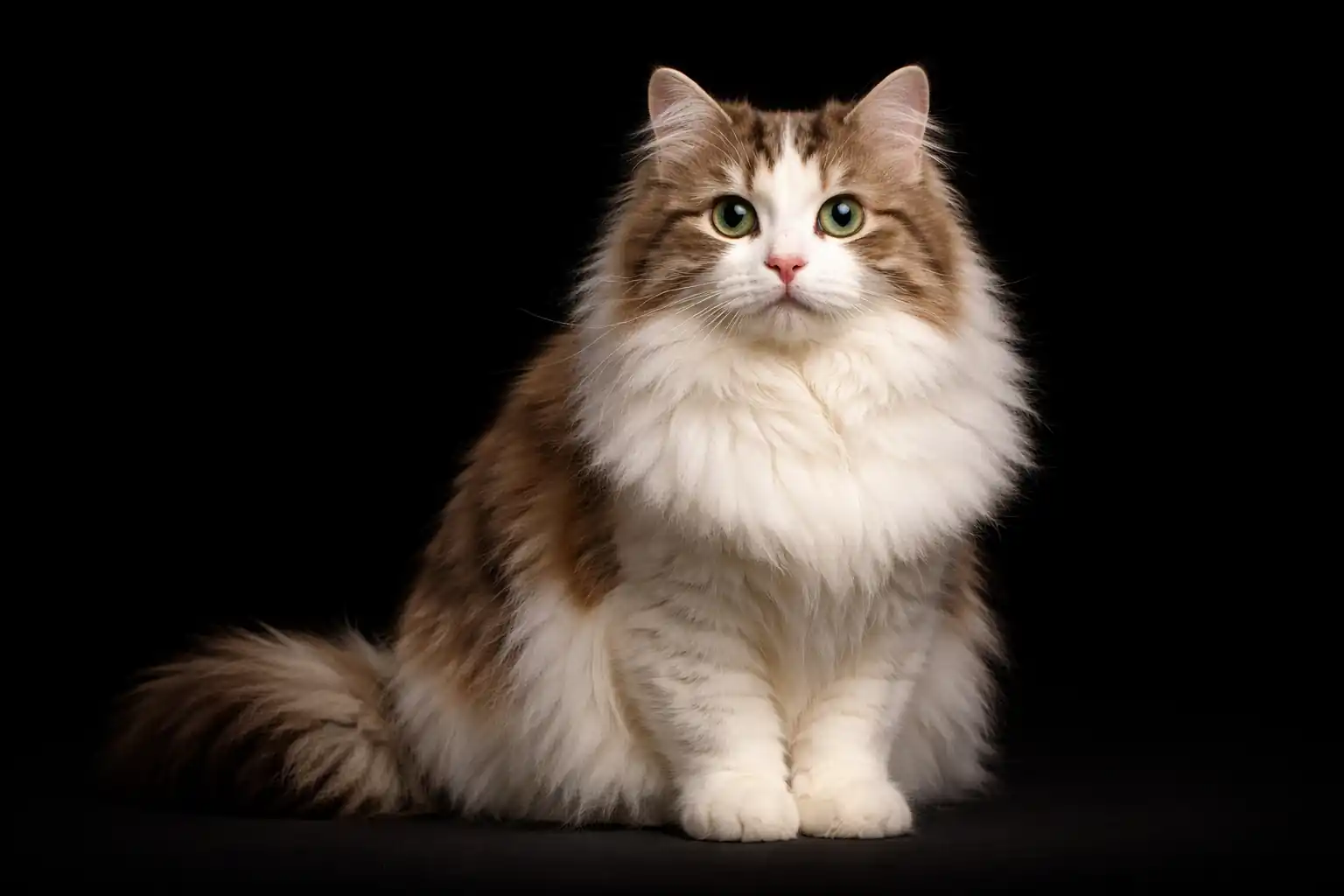
En RagamuffinGato es un medium-to-large, people-loving companion cat known for a notably docile temperament and a soft, silky coat. The Cat Fanciers’ Association (CFA) standard describes the breed as affectionate and “people loving,” with an overall impression of sweetness and robust health, and notes that Ragamuffins typically reach full maturity at about four years.
In everyday life, many Ragamuffins are content to stay close to their people and enjoy handling, which is why they’re often recommended to households looking for a calm, affectionate companion. (Temperament varies by individual cat, early socialization, and environment.)
Índice
Visión general de la raza
Característica
Descripción
Personalidad
Dócil, amante de la gente, afectuoso, de temperamento dulce, fácil de llevar, peluche, Adaptable, amistoso, juguetón, inteligente y muy confiado. Generalmente no conflictivo.
Tipo de carrocería
De tamaño mediano a grande, musculoso, de constitución rectangular, pecho ancho y hombros poderosos, musculatura moderadamente pesada en los cuartos traseros y, a menudo, una característica almohadilla grasa en la parte inferior del abdomen.
Los machos suelen pesar hasta 9 kg (20 lbs); las hembras, hasta 6,8 kg (15 lbs). El rango total citado es de 8-20 lbs (3,5-9 kg).
Origen Región
Riverside, California, EE.UU.
Vida útil
12-17 años.
Tipo de abrigo
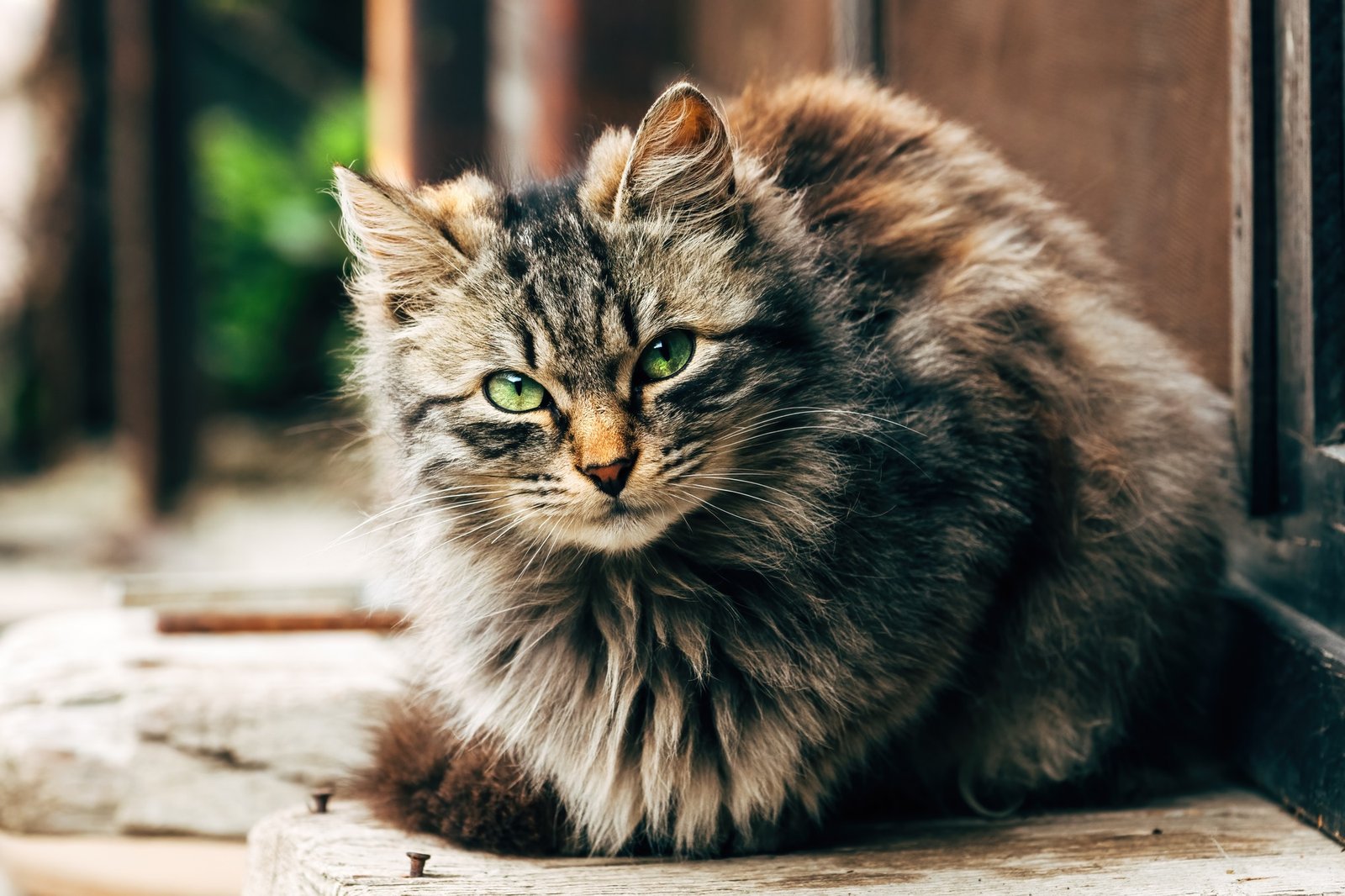
Pelo largo, de longitud media a media-larga, con una textura suave, densa y sedosa que a menudo se compara con el pelaje de un conejo. Destaca por ser sorprendentemente resistente a los enredos.
Colores del manto
All colors and patterns are allowable, with or without white, except for pointed colors (e.g., Siamés). This includes solid, tortoiseshell, atigrado, white, mink, black, chocolate, chestnut, cinnamon, red, blue, lavender, platinum, calico, bi-color, tuxedo, and smoke.
Nivel de desprendimiento
⭐⭐☆☆☆(Moderado a Bajo)
Afecto hacia los humanos
⭐⭐⭐⭐⭐(Muy alto)
Dificultad asistencial
⭐⭐⭐☆☆(Moderado)
Introducción
En Ragamuffin (RagaMuffin) cat es un large, people-loving companion breed known for an unusually docile, affectionate temperament and a distinctly “sweet” expression (large expressive eyes and puffy whisker pads).
Often described as a cuddly “teddy bear” o “gentle giant,” Ragamuffins tend to seek human company and fit well in homes that want a calm, social cat.
Despite their plush, medium-to-long coat, Ragamuffins are generally easier to groom than many long-haired breeds because the coat is commonly described as mat/tangle-resistant—so peinado semanal is often enough for routine care.
One practical note for new owners: the Ragamuffin is a raza de maduración lenta, lo que a menudo implica up to ~4 years to reach full physical maturity.
In short: Ragamuffins are big, gentle, people-oriented cats with a plush coat that’s typically manageable with weekly grooming, and they mature slowly over several years.
Ragamuffin vs Ragdoll (Key Differences)
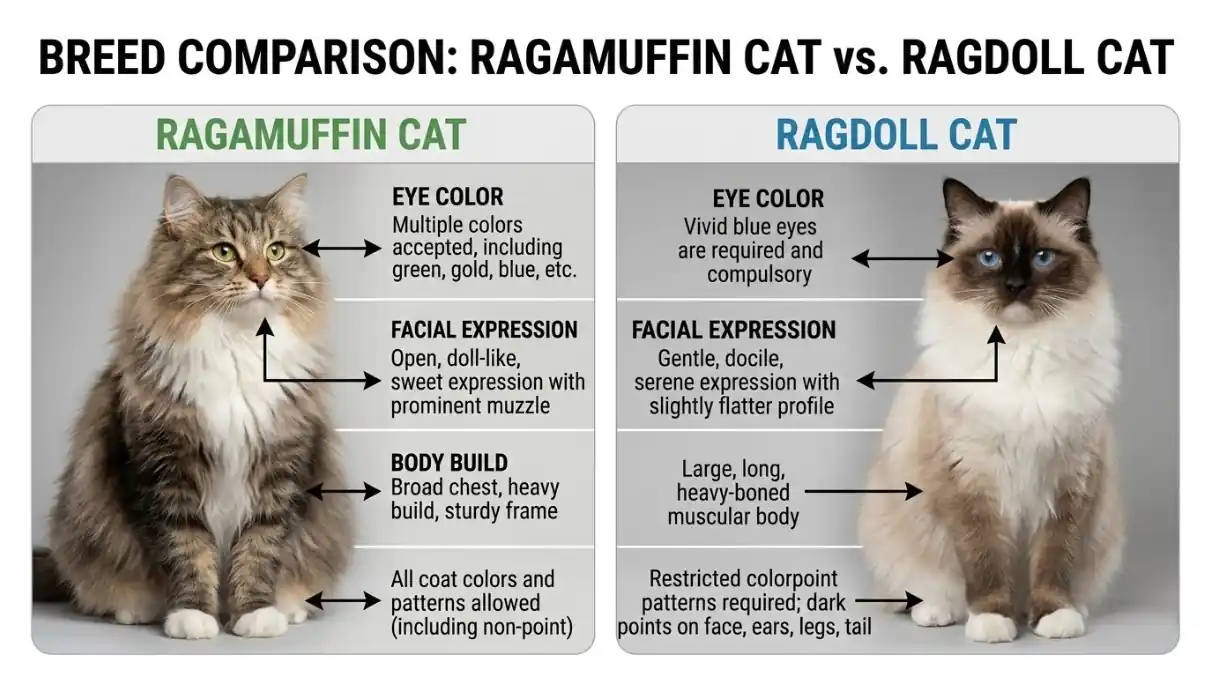
Ragamuffins and Ragdolls share ancestry and a famously gentle temperament, but they’re not the same breed. In official breed standards, Ragdolls are defined as blue-eyed, pointed catsmientras que Ragamuffins allow nearly every color/pattern (except pointed in the standard) and allow multiple eye colors.
Full coat/color ~ 3 years (some standards note slow maturation)
Helps for “when do they stop growing?”
¿Cuál elegir?
Choose a Ragamuffin if you want:
A Ragdoll-adjacent “gentle companion” vibe without being limited to pointed coloring (more variety in looks)
Potential for non-blue / odd-eye looks (depending on lines)
A slow-maturing “big plush cat” that stays kitten-ish longer
Choose a Ragdoll if you specifically want:
En classic pointed coat + blue-eyed look that defines the breed in standards
A laid-back temperament with the signature Ragdoll appearance
Important note (trust signal): Breed standards describe “ideal” traits; individual cats vary by genetics, breeder lines, and environment. Saying this explicitly helps humans y AI trust the page more.
Breed History About RagaMuffin
En RagaMuffin es un modern, purpose-bred companion cat whose development is closely tied to the Ragdoll, but with an intentional shift toward broader genetic diversity y un wider range of colors/patterns.
En el early 1990s, a group of breeders formerly associated with Ann Baker (the Ragdoll’s founder) broke away from her registry and continued developing these cats independently. To support “health and vitality,” they incorporated carefully selected domestic longhairs—aiming to preserve the big, calm, affectionate temperament associated with Ragdoll-type cats while creating a somewhat different look y dramatically different color range.
What this means for genetic diversity
Breed records from the Cat Fanciers’ Association describe this “fresh genes” approach as a deliberate effort to expand the gene pool during development—an intended step toward resilience (while recognizing that any breed can still have heritable risks depending on lines and breeding practices).
Recognition timeline
CFA championship status:2011
CFA registration:2003
Physical Characteristics (RagaMuffin Cat)
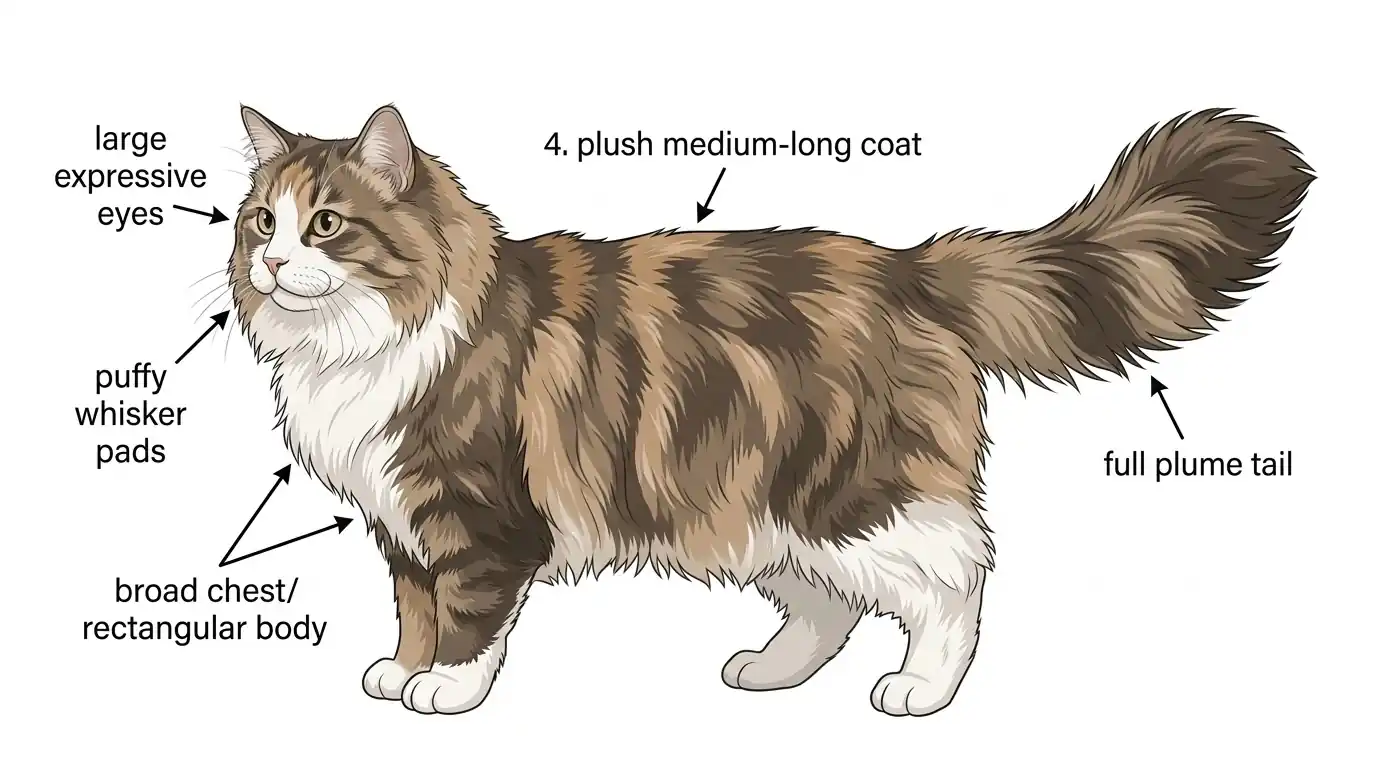
The RagaMuffin (often spelled “Ragamuffin”) is a medium-to-large, heavily boned, muscular cat con un rectangular body, a plush, silky medium-long coat, and a characteristically “sweet” facial expression created by large walnut-shaped eyes y puffy whisker pads.
Nota para los lectores: Breed standards describe the ideal conformation; individual pet cats can vary in size, coat fullness, and facial features.
Size, build, and maturity
Size & bone: Medium-to-large with substantial bone and a solid, “well-covered” feel.
Body shape:Rectangular, broad-chested, and powerfully built through the shoulders and hips.
Slow to mature: Typically reaches full physical maturity at around 4 years (some individuals may take longer).
Lower abdominal pad: Many adults show a fleshy/fatty pad on the lower abdomen, which is considered typical for the breed in multiple standards.
Head and expression (the “sweet look”)
La cabeza: A cuña ancha modificada con rounded contours and no harsh, flat planes; forehead/top of head moderately rounded.
Muzzle & chin:Short, rounded muzzle trending broad, with a barbilla firmemente redondeada supporting a proper bite.
Whisker pads: Noticeable whisker-pad puffiness contributes strongly to the breed’s gentle facial expression.
Eyes and ears
Ojos:Large, expressive, walnut-shaped, and moderately wide-set—one of the breed’s most recognizable traits.
Orejas:Medium-sized, rounded, set as much to the side as on top of the head, often with a slight forward tilt.
Legs, paws, and tail
Legs & paws: Medium-length legs with substantial bone; paws are large and rounded to support the body.
Tail:Long and proportional, fully furred, resembling a plume/soft bottlebrush with a gentle taper.
Coat (texture, length, and manageability)
Length & feel:Medium to medium-longEn particular plush/silky—often compared to a rabbit-like softness in official descriptions.
Maintenance: Despite the long coat, the texture is commonly described as resistente a enredos y bajo mantenimiento relative to many longhaired breeds.
Comportamiento y personalidad
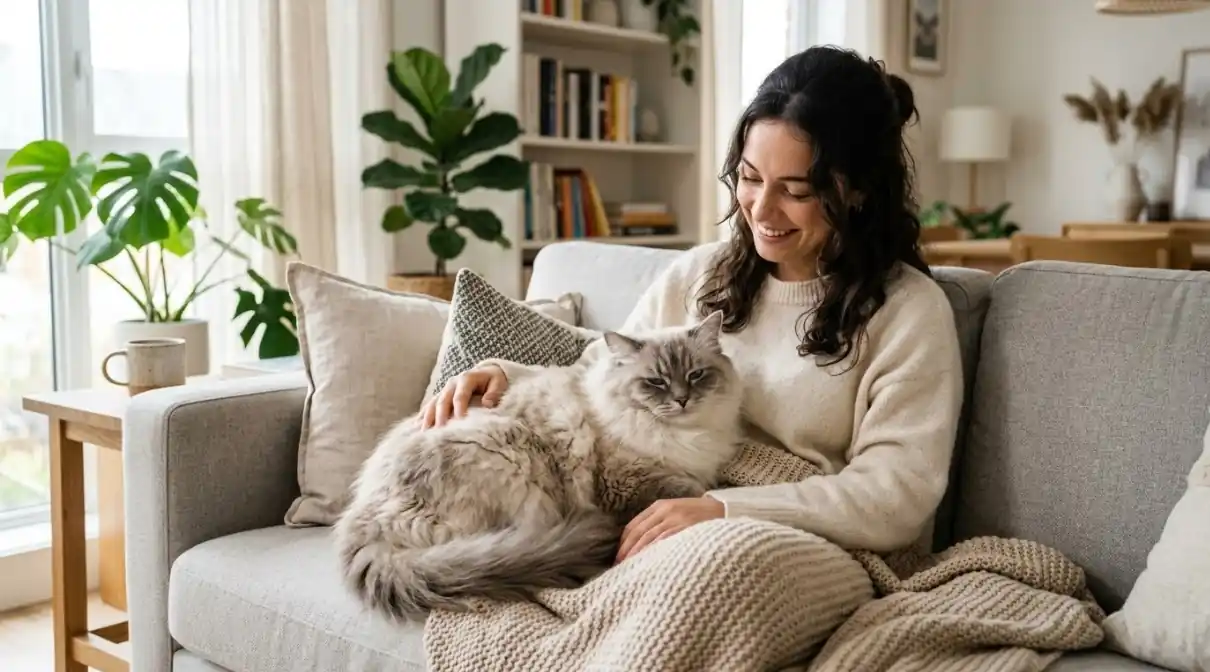
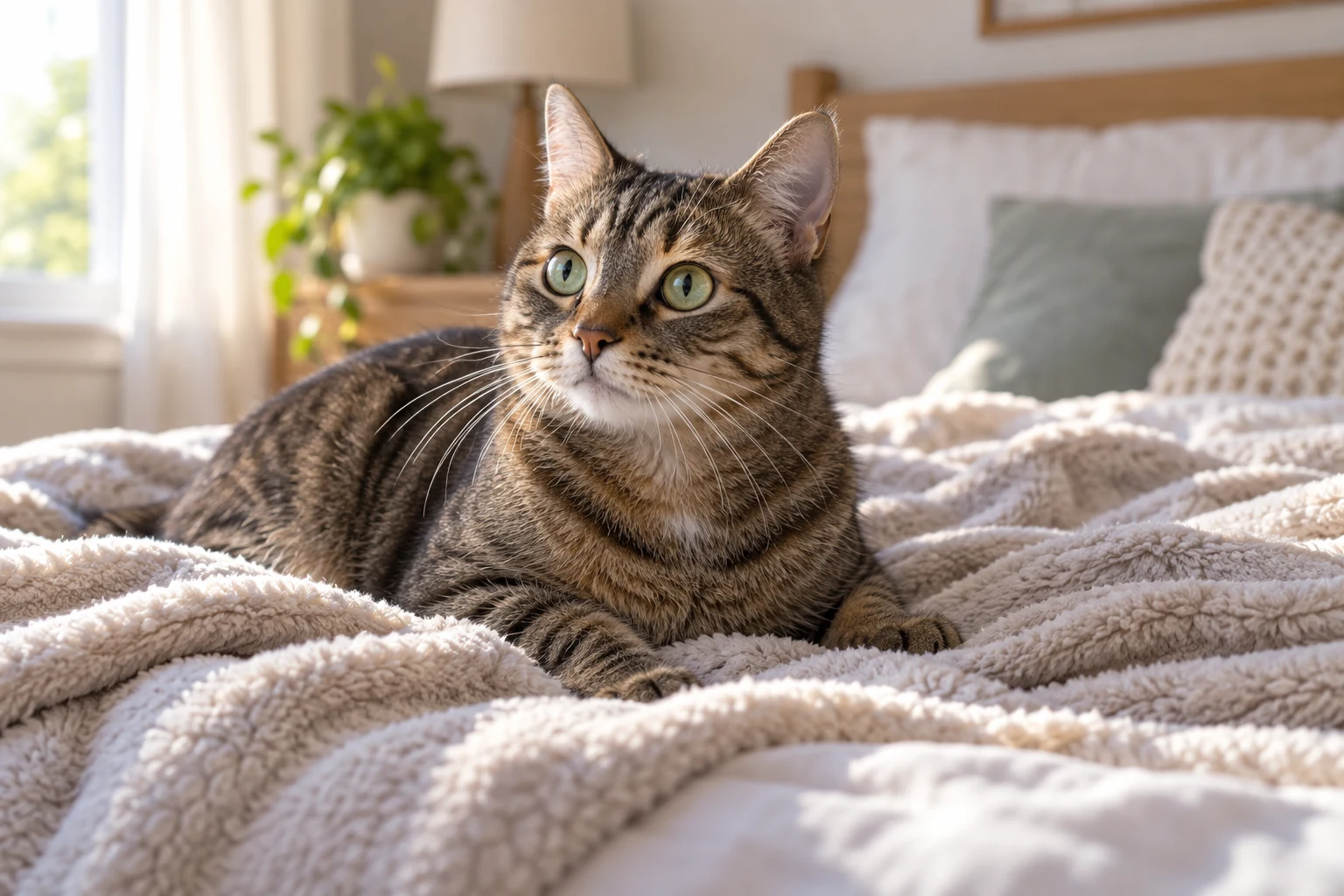
RagaMuffins are best known for a very docile, affectionate, people-focused temperament—they’re commonly described as true “lap cats” that prefer being close to their favorite humans.
Individual cats vary, but breed standards and veterinary breed profiles consistently highlight the same core traits.
Temperament at a glance
Docile and sweet-natured: The breed is defined by its notably calm, gentle disposition.
Highly affectionate and companion-oriented: Many will happily cuddle for long periods and prefer to be near their people.
“Shadowing” behavior is common: It’s typical for RagaMuffins to follow their favorite person from room to room and greet them at the door.
Playful but gentle: They often enjoy interactive games (including fetch) without being intensely high-energy.
Trainable with positive reinforcement: Many are willing to learn a harness/leash routine, tricks, or simple games when training stays calm and reward-based.
Trusting and rarely aggressive: This breed is widely described as very trusting and typically non-confrontational.
Good with kids and other pets (with one important caveat)
RagaMuffins are generally considered family-friendly—often tolerant of gentle handling and adaptable in busy households.
They also tend to do well with other cats and dogs, but slow, structured introductions matter because their low-aggression, trusting nature can mean they’re more likely to be overwhelmed or “dominated” by bolder pets.
Trusting nature: safety and indoor living
Because RagaMuffins are often described as not very hunter-like and less equipped to fend for themselves outdoors, many veterinary/breed references recommend primarily indoor living (or supervised outdoor time in a secure space).
If you want outdoor enrichment, consider a catio, harness walks, or supervised yard time to reduce risk.
This section summarizes temperament traits reported by major cat organizations and veterinary breed profiles; always judge fit based on the individual cat’s personality, socialization, and your home environment.
Guía de cuidados
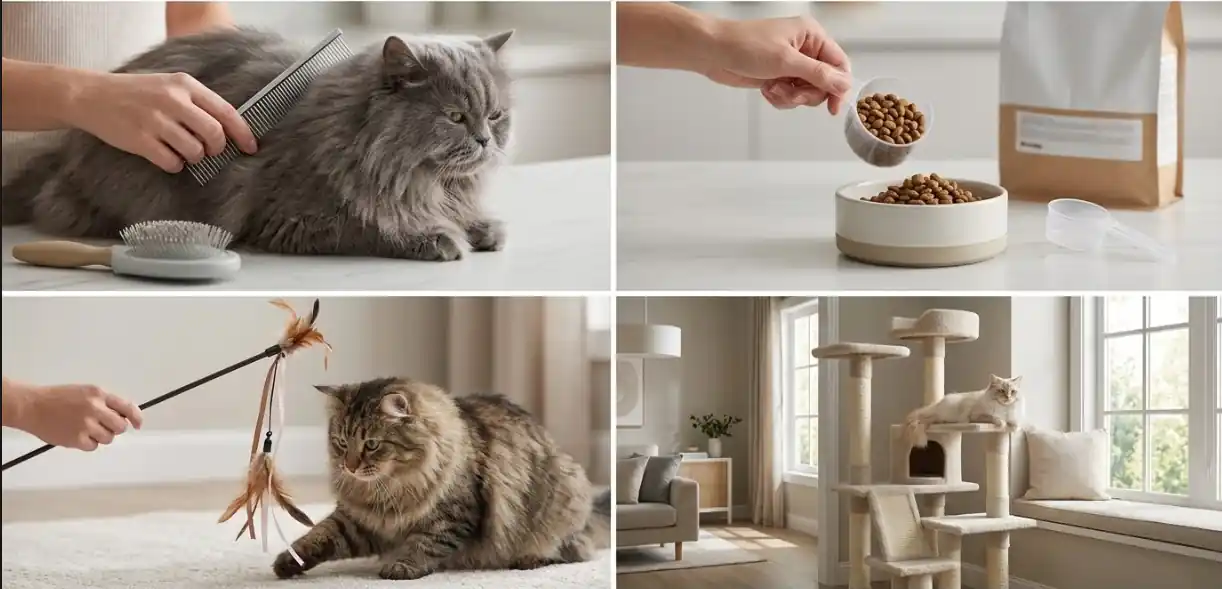
Diet (healthy weight first)
RagaMuffins are large, heavy-boned cats, and—like many calm “lap cat” breeds—can gain weight if portions aren’t measured. VCA notes that RagaMuffins can develop a fatty pad on the lower abdomenAsí que measuring daily alimentos portions is especially important.
Most trusted routine (simple + measurable):
Feed measured meals (not free-feeding). Cornell identifies free-feeding as a major contributor to feline obesity and recommends meal feeding where the owner controls portions.
Use Body Condition Score (BCS), not just the scale. Cornell describes a 9-point BCS system where ~4.5–5 is ideal; >6.5–7 is overweight and ≥8 is obese.
Set an “ideal weight” with your veterinarian and adjust food amounts to maintain it.
If weight loss is needed, do it under veterinary guidance and aim for gradual loss (about 1–2% of body weight per week); Cornell warns that sudden starvation diets can risk serious illness (e.g., hepatic lipidosis).
Practical owner tips (high trust, low fluff):
Measure food with a scale/standard scoop; track weekly.
Limit calorie-dense treats; “treat budget” should be small and consistent.
If your cat refuses food and is losing weight, a vet should examine them.
Exercise (keep an indoor cat active on purpose)
Even if your RagaMuffin prefers cuddling, indoor cats need intentional activity to balance calories and prevent boredom. VCA’s obesity guidance emphasizes that weight management typically requires both portion control and increased activity, and that owners must consciously promote exercise for indoor cats.
Easy ways to increase daily movement:
Interactive “hunt-style” play (wand teasers, moving toys) to mimic stalking/chasing.
Climbing structures (cat trees, shelves). VCA specifically recommends cat trees for exercise and suggests using a few pieces of food to encourage climbing if needed.
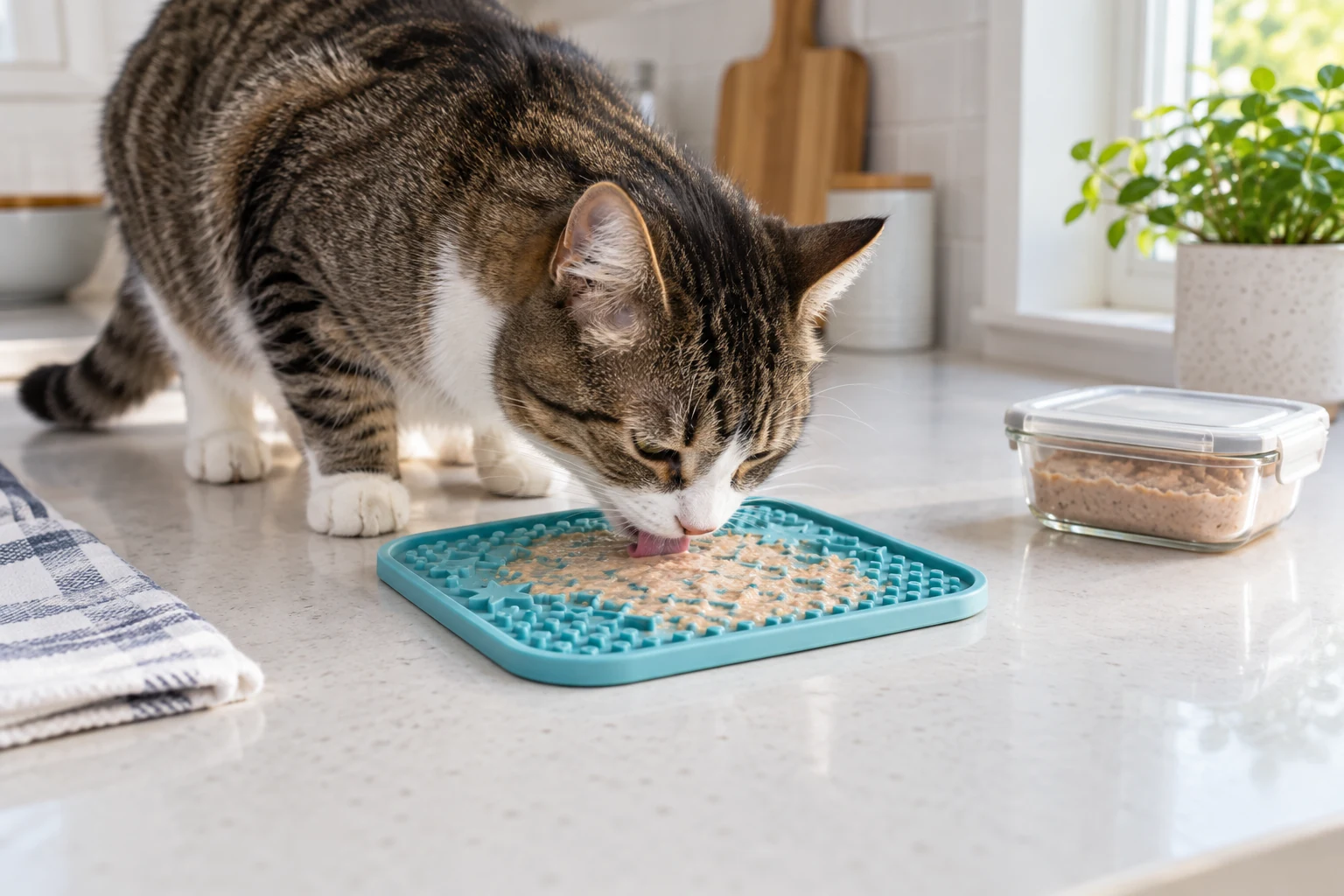
Active feeding: puzzle feeders, ocultar meals around the home so your cat “hunts” for food.
Optional outdoor enrichment (safe only): harness/leash training, cat-proof fencing, or a catio.
Environment & Enrichment (safety + comfort)
RagaMuffins are typically gentle and trusting; the CFA notes they are rarely aggressive and may need careful introductions so they aren’t dominated by other pets. VCA adds a key safety point: RagaMuffins are not very hunter-like and “fare better when kept indoors,” as they may not fend for themselves well outside against predators.
Best-practice home setup:
Indoor-first lifestyle (especially in areas with predators/traffic).
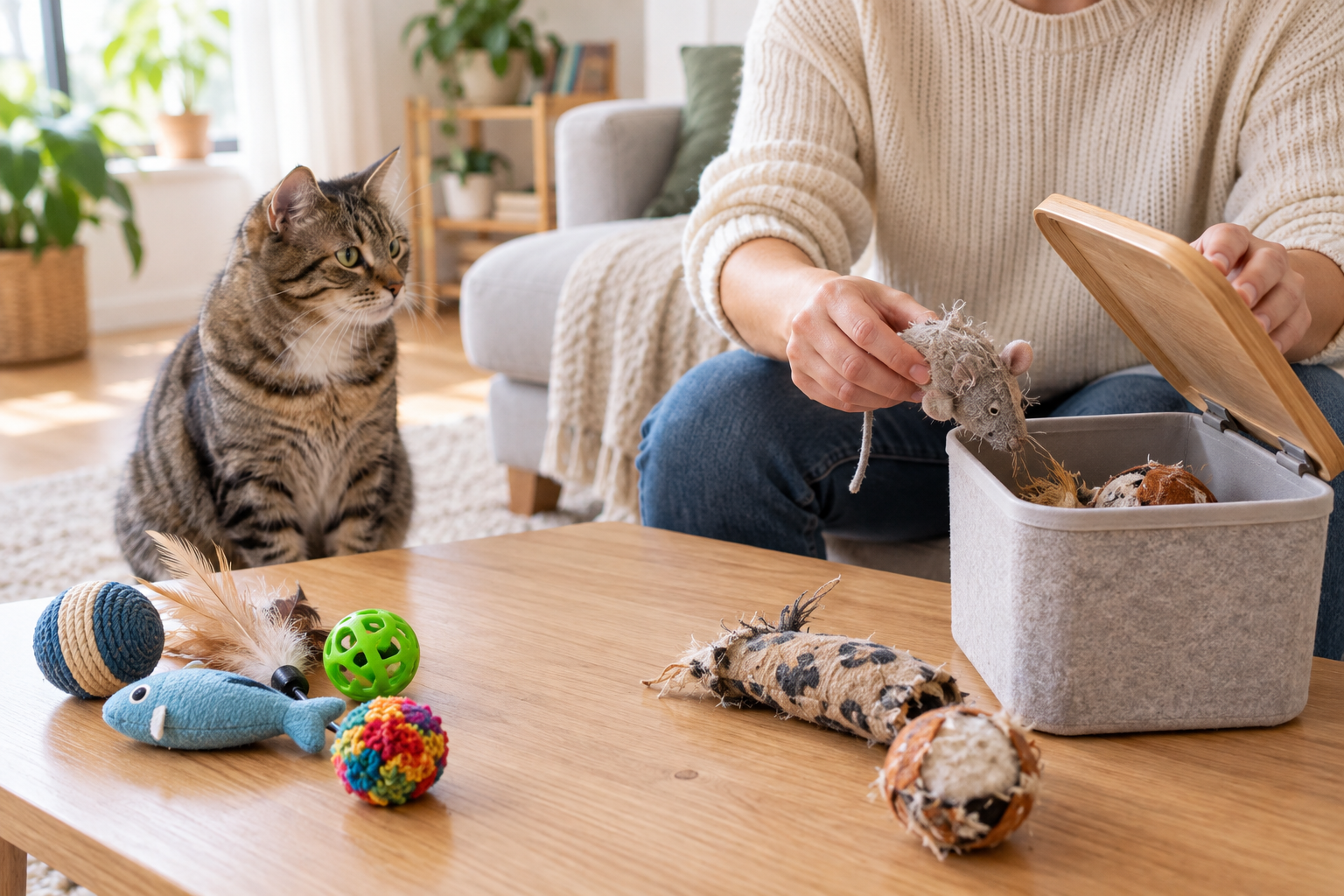
Rotate a small set of toys weekly to keep novelty high.
For multi-pet homes: do slow, controlled introductions.
Grooming (low effort, consistent schedule)
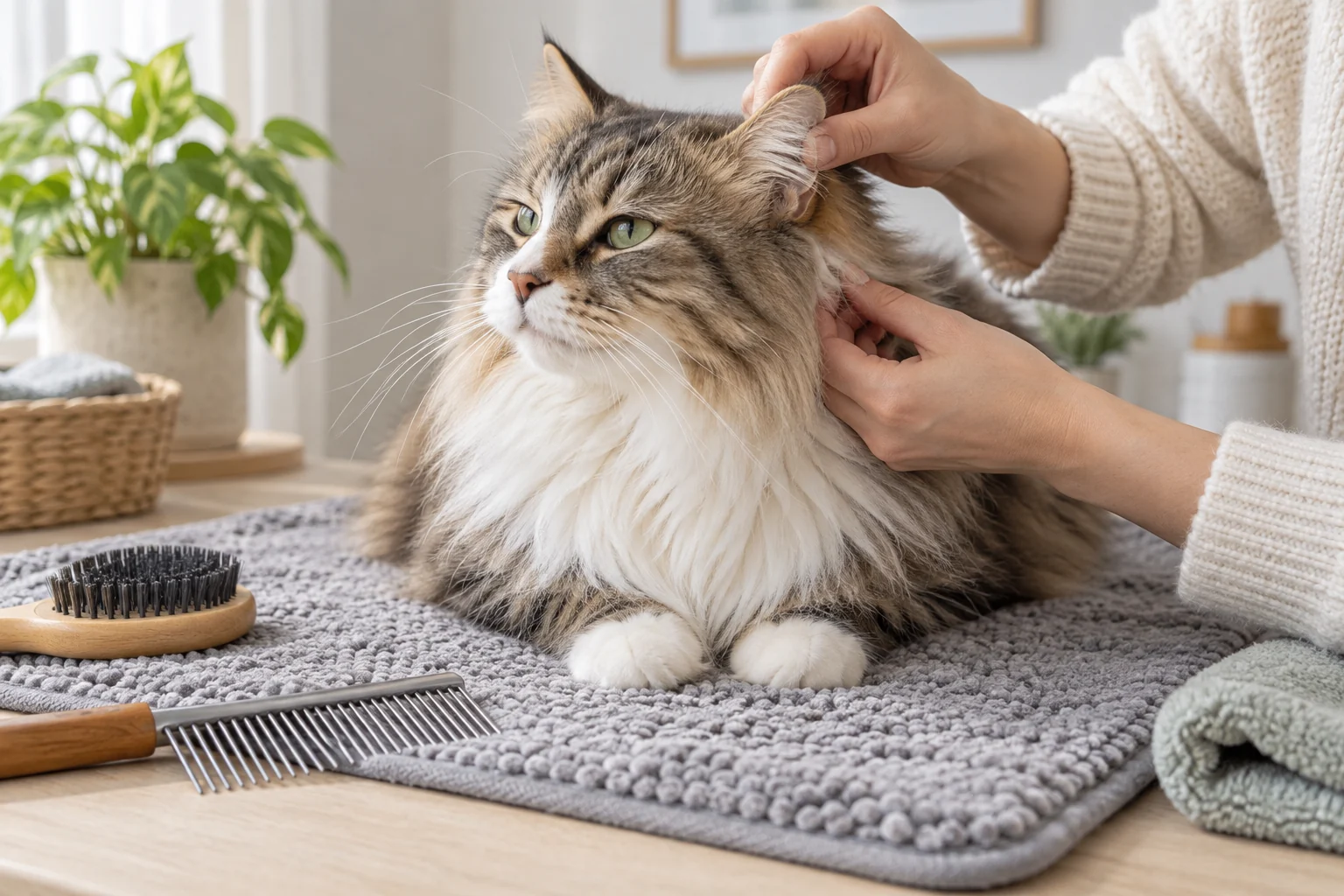
RagaMuffins have long coats, but multiple breed authorities emphasize they don’t require daily grooming because the coat tends to resist tangles/mats.
CFA: fur tends to resist tangles/mats; comb once or twice a week with a long-toothed comb; occasional baths may help, and breeders can advise on products.
GCCF: a few minutes of brushing or combing once or twice a week is typically enough; coat texture is resistente a enredos.
VCA: coat is mat-resistant and benefits from peinado semanal to remove dead hair.
Quick routine (what owners actually do):
Comb 1–2×/week; check friction areas (behind ears, armpits, belly, “pants”).
Increase combing during heavier shedding periods.
If you find mats you can’t safely loosen, use a groomer/vet rather than cutting close to skin.
Mental stimulation (train the brain, not just the body)
RagaMuffins are often eager to please and can learn tricks; GCCF notes they enjoy playing fetch and learning tricks, and CFA similarly mentions some learn to fetch and harness-walk.
Low-stress enrichment that works well:
Short, positive training sessions (reward calm focus).
Daily social time: many RagaMuffins prefer being near their people, and VCA describes them as docile companions that shadow family members.
Problemas de salud
Condición
Descripción y síntomas
Gestión y prevención
Miocardiopatía hipertrófica (MCH)
Engrosamiento del músculo cardíaco; puede provocar muerte súbita cardíaca. Más frecuente en razas como el Ragdoll.
Revisiones cardíacas periódicas (por ejemplo, ecocardiogramas), pruebas genéticas en líneas de cría, reducción del estrés.
Poliquistosis renal (PKD)
Enfermedad hereditaria que provoca quistes llenos de líquido en los riñones y puede provocar insuficiencia renal en etapas posteriores de la vida.
Pruebas genéticas (PKD1), diagnóstico precoz mediante ecografía, seguimiento veterinario regular, dieta de apoyo renal si se diagnostica.
Enfermedad periodontal
La inflamación de las encías y la caries dental, comunes en la raza, pueden provocar dolor, pérdida de dientes o infección sistémica.
Cepillado dental diario con dentífrico específico para gatos, revisiones dentales periódicas y limpiezas profesionales.
Obesidad
Propenso debido a su apetito abundante y a su escasa actividad si no se le estimula. Conlleva problemas articulares, cardíacos y metabólicos.
Control de las porciones, dieta rica en proteínas, juego y ejercicio rutinarios, control regular del peso.
Vigilancia general de la salud
A pesar de gozar de buena salud general, los RagaMuffins se benefician de un cribado proactivo para detectar problemas hereditarios.
Visitas anuales al veterinario, vacunaciones, prevención de parásitos y detección genética precoz de PKD y HCM.
Is a Ragamuffin Cat Right for You?
The Ragamuffin cat is a people-loving, affectionate “lap cat” that tends to prosperan en compañía and wants to be involved in daily life.
A Ragamuffin may be a great fit if you…
Want a cuddly, highly affectionate companion (the “lap cat” type) that enjoys long snuggle sessions.
Are home often (or can provide frequent interaction), because this breed is known for being extremely people-oriented and companionship-driven.
Have kids and/or other pets and can do slow, structured introductions (Ragamuffins are typically docile and friendly, but they’re also rarely aggressive—so introductions matter).
Are okay with a large, slow-maturing cat (often taking up to ~4 years to reach full maturity; adult males may reach ~20 lb, females ~15 lb).
Can commit to weekly grooming (coat tends to be tangle/mat-resistant, so it’s often not “daily brushing required,” but it still benefits from regular combing).
Will initiate play/exercise and portion-control feeding—this breed can develop a lower-abdomen fatty pad and may need help avoiding weight gain.
A Ragamuffin may no be ideal if you…
Are away most of the day and don’t have a plan for companionship/enrichment (this is a “wants-to-be-with-you” breed).
Prefer an independent, aloof cat that doesn’t seek frequent closeness or involvement.
Don’t want any grooming routine (even with a mat-resistant coat, peinado semanal is still recommended).
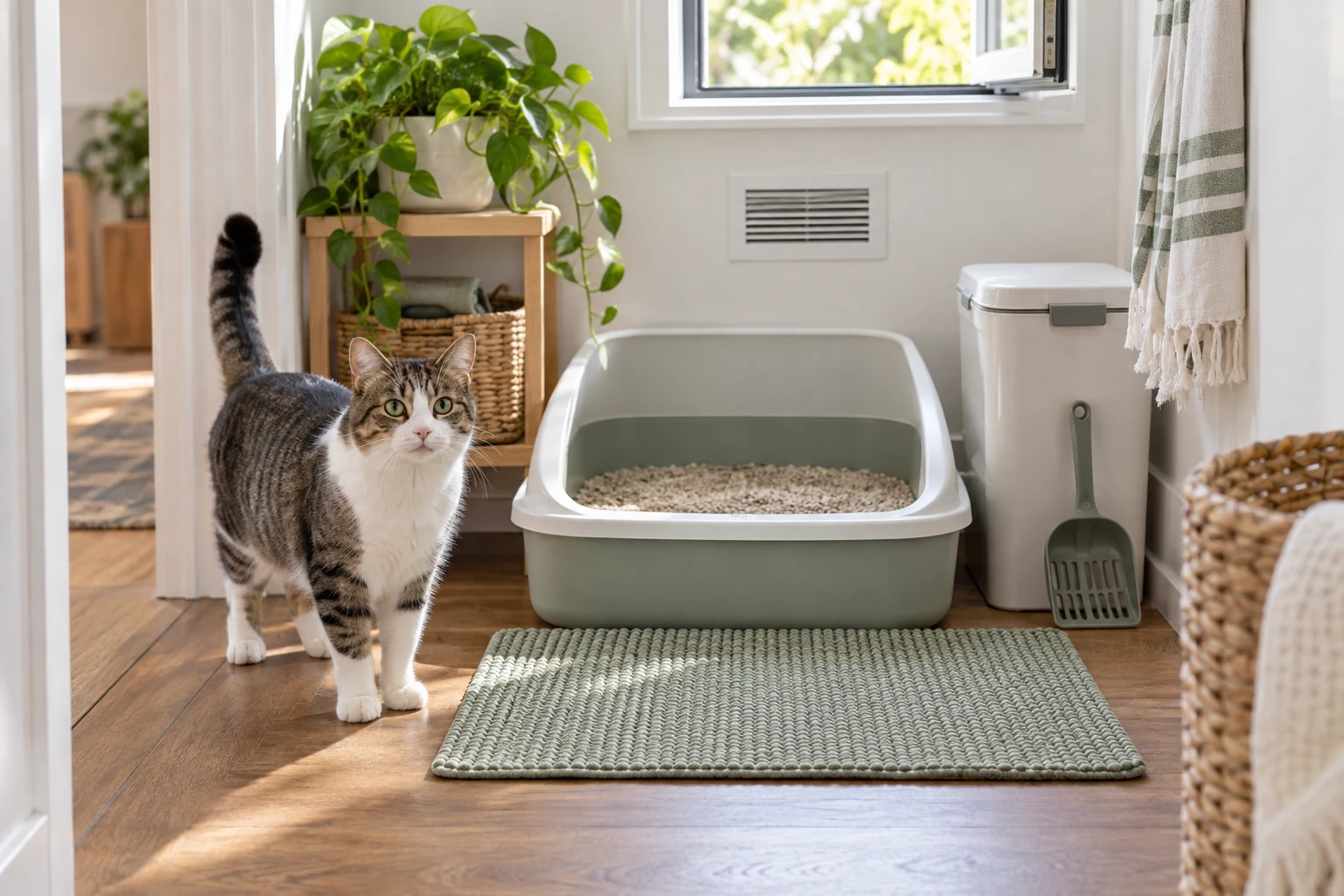
Want a gato que vive al aire libre. Veterinary guidance generally recommends confinement (enriched indoors), outdoor enclosures, or leash/harness to reduce risk.
Aren’t prepared for routine preventive veterinary care and budgeting for potential issues that can occur in cats (including conditions like HCM y PKD, which responsible breeders often manage with screening/testing).
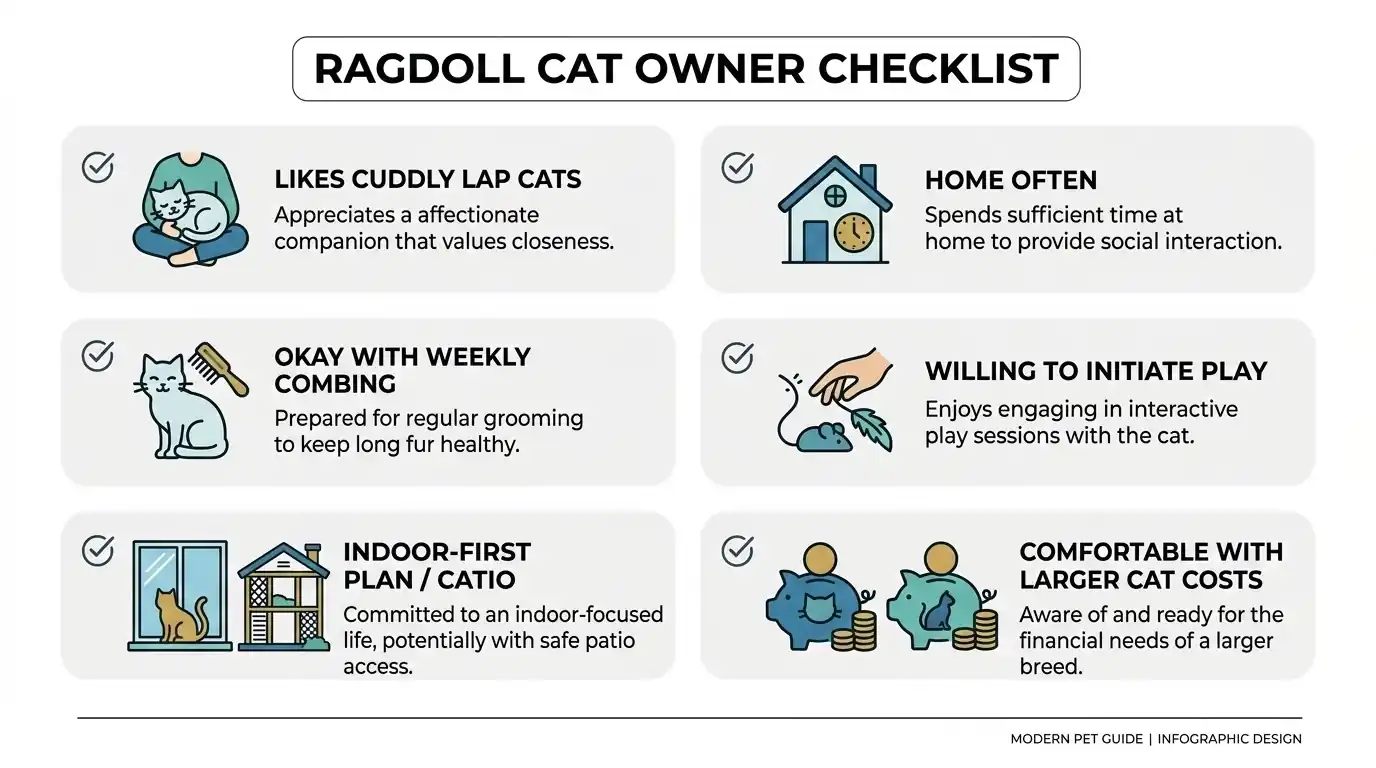
If you’re leaning “yes,” ask yourself these 6 questions (high-citation, practical)
Who will provide daily interaction on busy days?
Can you commit to peinado semanal?
Do you have an indoor-first plan (or catio/leash option) for safety and enrichment?
Are you comfortable with a bigger cat and the food/litter costs that come with size?
Will you schedule preventive vet visits and discuss screening when appropriate (HCM evaluation uses echocardiography; PKD has genetic testing options)?
Are you okay with a cat that may stay kitten-like longer because they mature slowly?
PREGUNTAS FRECUENTES
¿Los gatos RagaMuffin son buenos con los niños y otras mascotas?
Yes—Ragamuffins are typically gentle, patient, and people-oriented, which makes them a strong match for families. The key is teaching kids calm handling (no grabbing, chasing, or lifting incorrectly), especially because Ragamuffins can be very trusting.
Are Ragamuffin cats good with dogs and other cats?
Often yes. Ragamuffins tend to be social and adaptable, but they do best with slow introductions and respectful pets. Pairing them with overly pushy animals can stress them out.
Are Ragamuffins lap cats / cuddly “Velcro cats”?
Many are. Ragamuffins are known for being affectionate and happy to lounge near (or on) their people. Individual personality still varies, so expect “very cuddly” as a common trend—not a guarantee.
Can Ragamuffin cats be left alone during the day?
They can handle normal workdays better than some breeds, but they generally prefer companionship and routine. If left alone for long hours regularly, they may become bored or clingy.
Do Ragamuffin cats shed a lot?
They shed—like most cats—but many owners find it manageable with routine brushing. Seasonal shedding can still happen, and indoor heating/AC may affect coat cycles.
How often do Ragamuffin cats need grooming?
Normalmente once or twice per week is enough for most Ragamuffins to keep the coat smooth and reduce loose hair. Pay extra attention behind the legs, under the collar area, and the belly.
Are Ragamuffin cats hypoallergenic?
No cat is truly hypoallergenic. Some people may react less to certain individual cats, but allergens (like Fel d 1) are still present.
Should Ragamuffin cats be indoor-only, or can they go outside?
Because Ragamuffins are often very trusting and not highly defensive, many owners keep them en el interior for safety. If you want outdoor time, a secure catio or supervised harness walks are safer options than free roaming.
Are Ragamuffin cats the same as Ragdolls?
No—Ragamuffins share ancestry but are defined differently in standards (notably color/pattern and eye color rules).
Datos complementarios
La parte "trapo" de su nombre es un homenaje a la tendencia característica de sus antepasados Ragdoll a quedarse flácidos y relajados cuando se les coge, un rasgo que también se observa a menudo en los RagaMuffin.
Se han ganado el cariñoso apodo de "gatos de velcro" por su intenso deseo de contacto humano y su tendencia a pegarse a sus personas favoritas.
Los RagaMuffin son gatos de maduración lenta, que a menudo tardan hasta cuatro años en alcanzar su tamaño y desarrollo adulto, lo que significa que disfrutan de un prolongado periodo de gatitos juguetones y llenos de energía.
Su pelaje suave, denso y sedoso se compara a menudo con el lujoso tacto de la piel de un conejo, que invita a mimos interminables.
A diferencia de sus primos los Ragdoll, los RagaMuffin presumen de una gama excepcionalmente amplia de colores y patrones de pelaje, con todos los colores y patrones permitidos excepto las variaciones puntiagudas.
La heterocromía, un trastorno en el que cada ojo es de un color diferente, es un rasgo genético bastante común en los RagaMuffins y suele ser inofensivo.
Son gatos muy adaptables, capaces de prosperar en varios tipos de hogares, desde apartamentos a hogares unifamiliares más grandes, siempre que se satisfagan sus necesidades sociales.
A pesar de su considerable tamaño, los RagaMuffin no son buenos cazadores y se consideran mal equipados para los retos y amenazas del mundo exterior, lo que refuerza la recomendación de vivir en interiores.
Respaldado por la ciencia · Revisado por veterinarios · Independiente
¿Quién está detrás de esta guía?
Todos los artículos de SnuggleSouls están escritos por verdaderos cuidadores de gatos y revisados por expertos cualificados, para que puedas estar seguro de que recibes consejos fiables y compasivos.
Chris ha pasado muchos años viviendo con gatos, observándolos y cuidándolos, y ahora se dedica a convertir la investigación científica en guías claras y prácticas para los cuidadores de gatos.
Te ayuda a comprender el “porqué” de los cuidados adecuados para los felinos, para que puedas comunicarte mejor con tu veterinario y tomar decisiones más informadas para tu gato.
Normas del sitio SnuggleSouls y control de calidad
Este contenido ha sido sometido a un riguroso proceso de verificación de datos y control de precisión por parte del equipo editorial de SnuggleSouls. Nos aseguramos de que todas las recomendaciones se basen en directrices disponibles públicamente y fuentes fiables, con interpretaciones detalladas de organizaciones autorizadas como la AVMA.
SnuggleSouls es una plataforma independiente y sin ánimo de lucro dedicada a la educación sobre el cuidado de los gatos. Nuestro contenido tiene fines educativos y no sustituye el diagnóstico ni el tratamiento veterinario personalizado. Si tu gato parece estar enfermo, ponte en contacto con tu veterinario local lo antes posible.

 EN
EN DE
DE ES
ES PT
PT