

A complete, honest breakdown of adoption fees, first-year expenses, and ongoing costs — so you can say "yes" with confidence and a solid plan.

Bringing a cat into your home is one of life's most rewarding decisions — but it also comes with real financial responsibilities. Whether you are browsing shelter profiles for the first time or already have your heart set on a specific kitten, understanding the full cost of cat adoption before you commit is one of the kindest things you can do for both yourself and your future feline companion.
This guide breaks down every cost you can expect: from the initial cat adoption fee to the first-year setup expenses, ongoing monthly costs, and the occasional surprise vet bill. Our goal is not to discourage you — it is to empower you to say "yes" with confidence and a solid plan. And as part of our complete How to Adopt a Cat guide, this article gives you the financial clarity every first-time cat parent deserves.
What You'll Find in This Guide
How Much Does It Cost to Adopt a Cat? Here's the Short Answer
The cost of adopting a cat varies widely depending on where you adopt from, the cat's age, and your location. That said, most prospective owners can expect to pay between $0 and $255 in adoption fees, with first-year total costs ranging from approximately $1,000 to $2,500 for a healthy indoor cat. After the first year, ongoing annual costs typically settle between $700 and $1,500.
The table below gives you a complete overview of every cost category to expect. We will break each one down in detail throughout this guide.
| Cost Category | Type | Estimated Range |
|---|---|---|
| Adoption Fee | One-time | $0 – $255 |
| Initial Vet Visit & Vaccines | One-time | $100 – $300 |
| Spay/Neuter (if not included) | One-time | $0 – $500 |
| Microchip (if not included) | One-time | $0 – $60 |
| Essential Supplies | One-time | $155 – $550 |
| Food | Annual | $300 – $700 |
| Litter | Annual | $150 – $400 |
| Routine Vet Care | Annual | $150 – $400 |
| Flea/Parasite Prevention | Annual | $80 – $200 |
| Pet Insurance (optional) | Annual | $300 – $600 |
| First-Year Total (Est.) | — | $1,000 – $2,500+ |
| Ongoing Annual Cost (Est.) | — | $700 – $1,500 |
Many shelters and rescues include spay/neuter, vaccinations, and microchipping in the adoption fee — services that would cost $300–$600 if purchased separately. Always ask what is included before comparing fees between organizations. A higher adoption fee often represents significantly better value.
Understanding Cat Adoption Fees: Shelter, Rescue & Breeder
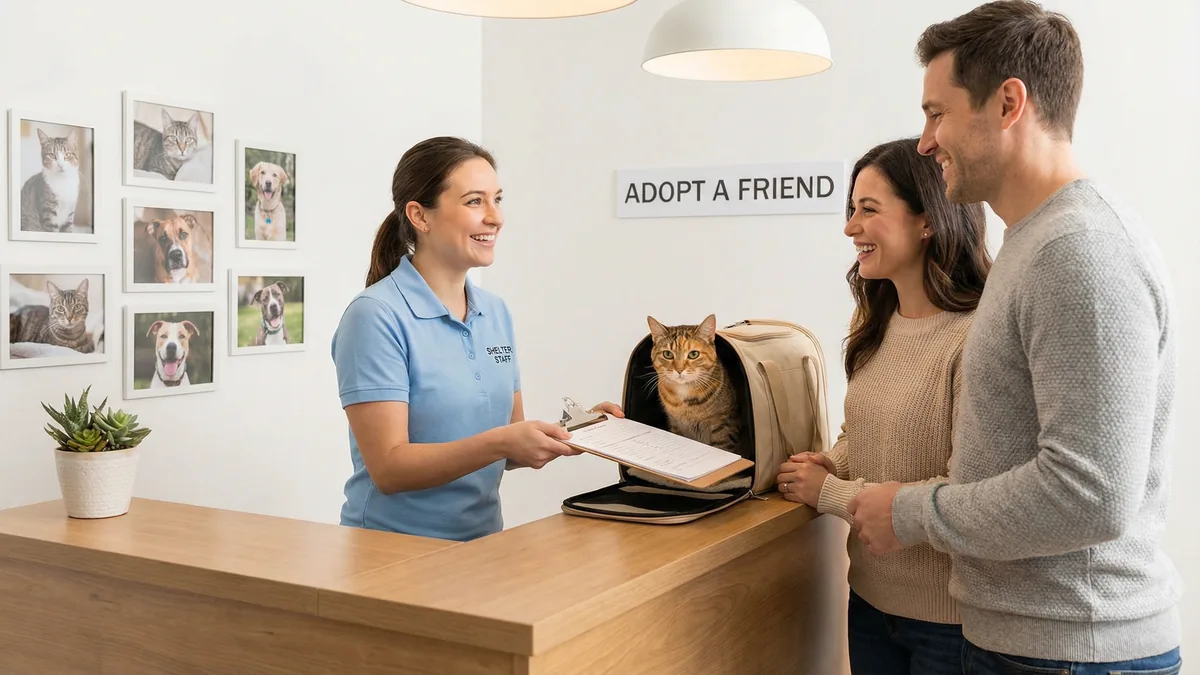
The adoption fee is the first cost you will encounter, and it varies considerably depending on where you adopt from. Understanding what each type of organization charges — and what that fee includes — helps you make a truly informed comparison. The cheapest option upfront is not always the most cost-effective once you factor in what is (or is not) included.
Below, we break down the three main sources for adopting a cat: animal shelters, rescue organizations, and breeders.
Animal Shelter Adoption Fees
Municipal and private animal shelters are typically the most affordable option, with fees ranging from $0 to $150. These fees usually cover spay/neuter surgery, core vaccinations (rabies, FVRCP), microchipping, and an initial health examination. Many shelters also run periodic free adoption events — particularly for adult and senior cats — so following your local shelter on social media is well worth it.
Rescue Organization Adoption Fees
Foster-based rescue organizations typically charge slightly more, with fees ranging from $75 to $255. The higher fee reflects the additional investment rescues make in each animal: more thorough behavioral assessments, additional veterinary care, and the detailed knowledge that comes from a foster family who has lived with the cat. For many adopters, this extra information is invaluable — especially if you have specific needs around temperament or compatibility with other pets.
Breeder Fees
If you have your heart set on a specific purebred cat, expect to pay significantly more: typically $500 to $3,500+ depending on the breed, pedigree, and breeder reputation. Common breeds like Siamese or Maine Coon typically range from $800 to $1,800, while rarer breeds such as Sphynx or Devon Rex can exceed $2,000 to $3,500. SnuggleSouls always encourages adopting from a shelter or rescue first — there are wonderful cats of every age and personality waiting for a home.
Municipal Shelter
Typically includes spay/neuter, vaccines, microchip. Often runs free adoption events for adult and senior cats.
Private Shelter / Rescue
Full vet care included. Foster-based rescues provide detailed behavioral history — ideal for adopters with specific needs.
Reputable Breeder
For specific purebred requirements. Includes health guarantee and pedigree papers. Always verify breeder credentials.
Private Rehoming
From owners who can no longer keep their cat. Ask for full vet records. Can be a great option but requires due diligence.
The True Cost of Cat Ownership: Your First Year Breakdown
The first year of cat ownership is typically the most expensive, because it combines one-time setup costs with the first round of ongoing expenses. Understanding each component helps you budget realistically — and avoid unpleasant surprises.
One-Time Setup Costs: Essential Supplies

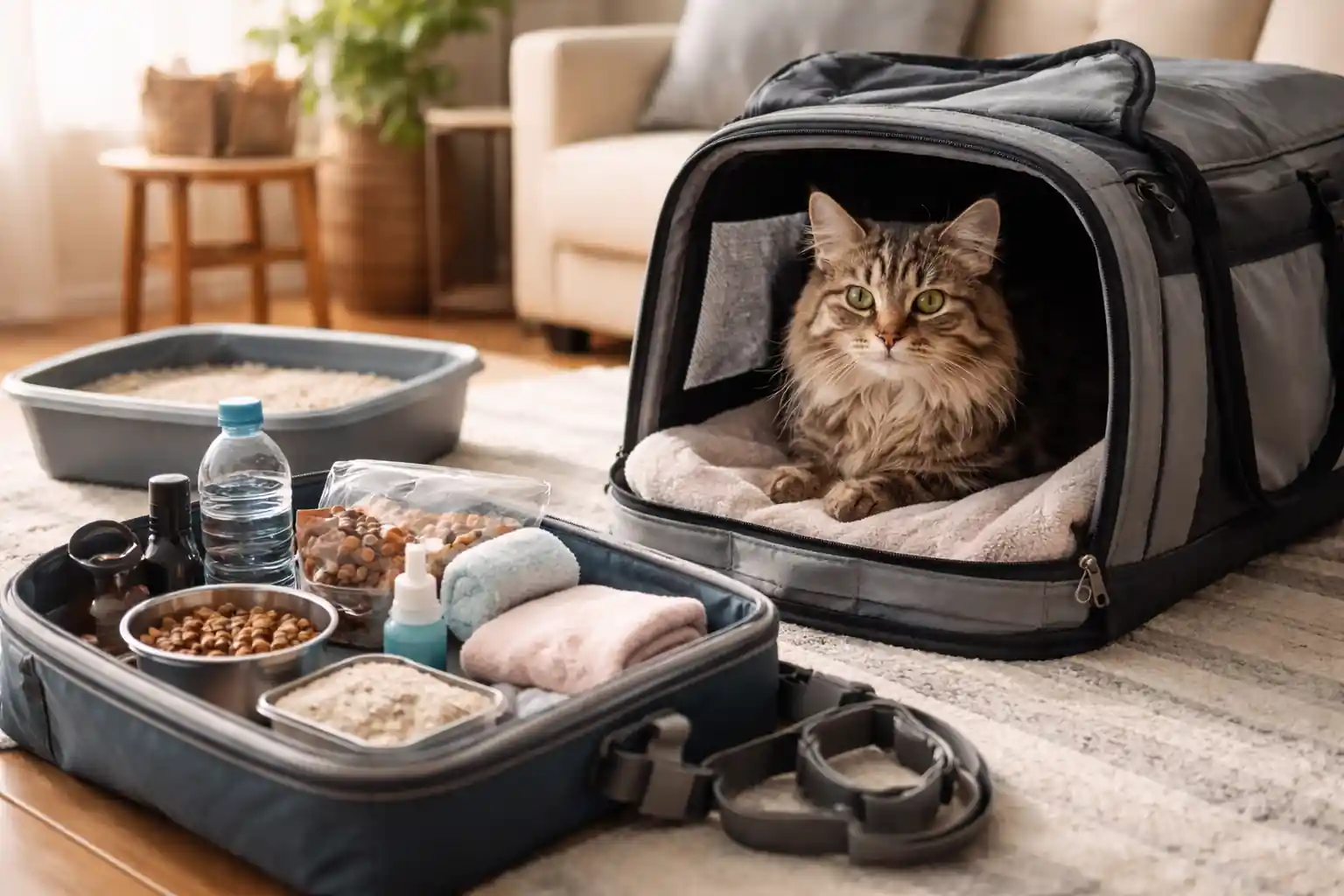
Before your new cat comes home, you will need to invest in a set of essential supplies. The good news is that most of these are one-time purchases that will last for years. Here is what to budget for:
| Supply Item | Budget Option | Mid-Range | Premium |
|---|---|---|---|
| Litter box + scoop | $15 – $25 | $30 – $60 | $80 – $200+ |
| Cat carrier | $20 – $35 | $40 – $80 | $100 – $200+ |
| Food & water bowls | $8 – $15 | $20 – $40 | $50 – $100+ |
| Cat bed or blanket | $15 – $25 | $30 – $60 | $80 – $150+ |
| Scratching post / cat tree | $20 – $35 | $40 – $100 | $120 – $300+ |
| Starter toy set | $10 – $20 | $20 – $40 | $50 – $100+ |
| Collar + ID tag | $8 – $15 | $15 – $30 | $35 – $80+ |
| Total Setup Estimate | $96 – $170 | $195 – $410 | $515 – $1,130+ |
First Vet Visit Costs
Even if your adopted cat comes with a health certificate, scheduling an independent wellness exam within the first week is strongly recommended. This gives your own veterinarian a baseline record and allows you to address any concerns early. Here is what to expect:
- Initial wellness exam: $50 – $150
- Vaccinations (if not included in adoption fee): $60 – $200
- Parasite screening + prevention: $50 – $150
- FeLV/FIV testing (if not done): $25 – $60
- Baseline bloodwork (optional but recommended): $50 – $150
Total first vet visit estimate: $100 – $500, depending on what was already completed by the shelter or rescue.
Food Costs in Year One
Food is one of the most significant ongoing expenses, and the range is wide depending on the quality and type of food you choose. A reasonable monthly food budget for a single adult cat is $25 to $60, which translates to $300 to $700 annually. Feeding a combination of wet and dry food is generally recommended by veterinarians for optimal hydration and nutrition.
Cost Comparison by Cat Age
One of the most important factors affecting your first-year costs is the age of the cat you adopt. Kittens require more initial veterinary care, while senior cats may have higher ongoing health needs. Here is how the numbers compare:
Kitten (Under 1 Year)
Requires multiple vaccine boosters. High energy means more toys and enrichment. First-year vet costs: $200–$500.
Adult Cat (1–7 Years)
Most cost-effective choice. Usually fully vaccinated and spayed/neutered. First-year vet costs: $100–$300.
Senior Cat (8+ Years)
Lowest adoption fee. May have pre-existing conditions requiring more frequent vet visits. First-year vet costs: $150–$400+.
What Does It Cost to Own a Cat Each Month and Year?
After the first year, cat ownership settles into a more predictable rhythm. Here is a realistic breakdown of what you can expect to spend on a monthly and annual basis for a single healthy adult cat.
Monthly Budget Breakdown
Monthly Cost Snapshot (Single Adult Cat)
Annual Veterinary Care Costs
Routine veterinary care is a non-negotiable part of responsible cat ownership. Annual costs for a healthy adult cat typically include:
| Vet Service | Frequency | Estimated Cost |
|---|---|---|
| Annual wellness exam | Yearly | $50 – $150 |
| Booster vaccinations | Yearly / every 3 years | $50 – $150 |
| Dental cleaning | Annually (strongly recommended) | $200 – $600 |
| Flea/tick/heartworm prevention | Monthly or quarterly | $80 – $200 |
| Parasite screening | Annually | $30 – $80 |
| Annual Vet Total (routine) | — | $150 – $400+ |
Pet Insurance — Is It Worth It?
Cat insurance typically costs $25 to $50 per month ($300 to $600 annually) for a comprehensive accident and illness plan. While it is an additional expense, it provides crucial financial protection against the costs that can truly derail a budget: emergency surgeries, specialist consultations, and chronic illness management.
To put it in perspective: a urinary blockage — one of the most common emergencies in male cats — can cost $1,000 to $3,000 to treat. A single emergency hospitalization can easily reach $2,000 to $5,000. One year of pet insurance premiums is a small price to pay for that peace of mind.
Unexpected & Emergency Costs
No matter how carefully you plan, cats have a talent for the unexpected. Building an emergency fund of $500 to $1,000 — or investing in pet insurance — is one of the most important financial preparations you can make. Common emergencies and their estimated costs include:
| Emergency / Condition | Estimated Treatment Cost |
|---|---|
| Upper respiratory infection | $100 – $300 |
| Urinary tract infection (UTI) | $200 – $500 |
| Urinary blockage (male cats) | $1,000 – $3,000 |
| Broken bone / fracture | $1,500 – $4,000 |
| Foreign body ingestion / surgery | $1,500 – $5,000 |
| Diabetes management (annual) | $800 – $2,000 |
| Kidney disease management (annual) | $600 – $2,500 |
Planning for the Long Term: Lifetime Cat Ownership Costs
Indoor cats have an average lifespan of 12 to 18 years, with many living well into their late teens. Over that lifetime, the total cost of cat ownership ranges from approximately $15,000 to $45,000+ — a wide range that reflects the enormous variation in individual cats' health needs and owners' lifestyle choices.
The cost curve is not linear. Year one is the most expensive due to setup costs and initial vet care. Years two through eight tend to be the most stable and affordable. From year nine or ten onward, costs typically begin to rise as age-related health conditions become more common — more frequent vet visits, specialist care, prescription diets, and medications.
Spread over 15 years, the average annual cost of cat ownership works out to roughly $1,000 to $3,000 per year — less than $250 per month at the high end. When you consider the companionship, the stress relief, and the genuine joy that a cat brings to daily life, the value proposition is extraordinary.
How to Adopt a Cat on a Budget: 7 Smart Money-Saving Tips

Adopting a cat does not have to strain your finances. With a little planning and smart decision-making, you can provide excellent care for your cat while keeping costs manageable. Here are seven proven strategies:
Choose an Adult or Senior Cat
Adult cats (1–7 years) are typically the most cost-effective adoption choice: lower adoption fees, already spayed/neutered and vaccinated, and generally calmer and easier to care for. Senior cats (8+ years) often have the lowest fees of all, and many shelters run free adoption events specifically for older cats. The love they give is no less than a kitten's.
Watch for Fee-Waived Adoption Events
Many shelters run "free adoption" or heavily discounted promotions, particularly during national adoption awareness events or when they are at capacity. Follow your local shelters on social media and sign up for their newsletters to catch these opportunities.
Always Ask What's Included in the Adoption Fee
A $150 adoption fee that includes spay/neuter, core vaccines, microchipping, and a health exam represents far better value than a $50 fee that includes nothing. Do the math before assuming the cheaper option is the better deal. The included services alone are worth $300–$600 if purchased separately.
Buy Food and Litter in Bulk
Food and litter are two of your largest recurring expenses, and both are significantly cheaper per unit when purchased in larger quantities. Subscription services from major pet retailers often offer an additional 5–10% discount on top of bulk pricing. Just make sure you have adequate storage space.
Consider Pet Insurance from Day One
Pet insurance is most affordable when your cat is young and healthy — premiums increase with age and pre-existing conditions. Starting a policy on adoption day locks in the lowest rate and ensures you are covered before any health issues arise. At $25–$50 per month, it is one of the best financial decisions you can make.
Use Low-Cost Veterinary Clinics for Routine Care
Many humane societies, veterinary schools, and community clinics offer significantly discounted wellness care — vaccinations, spay/neuter, and basic exams at a fraction of private practice prices. These are excellent options for routine care, though you will still want a regular vet for ongoing health management.
Embrace DIY Enrichment
Cats are famously entertained by the simplest things: a cardboard box, a paper bag with the handles removed, a crumpled piece of foil, or a feather tied to a stick. You do not need to spend a fortune on enrichment. Rotate toys regularly to maintain novelty, and save the premium purchases for items that genuinely improve your cat's quality of life, like a good scratching post or a window perch.
The Real Value of Cat Adoption: More Than Just Numbers
We have spent this entire guide talking about costs — and rightly so. Financial preparedness is one of the most responsible things you can do before adopting a cat. But it would be incomplete to end without acknowledging what the numbers cannot capture.
Research consistently shows that cat ownership is associated with reduced stress, lower blood pressure, improved sleep quality, and decreased feelings of loneliness. The gentle weight of a cat on your lap, the sound of a purr in a quiet room, the small daily rituals of feeding and play — these things have a measurable positive impact on human wellbeing that no spreadsheet can fully account for.
The costs are real. So is the love. And with the right preparation — the kind this guide has aimed to provide — adopting a cat is one of the most financially manageable and emotionally rewarding decisions you can make. You are not just spending money. You are investing in a relationship that will enrich your life for the next 15 years.
Ready to Take the Next Step?
Now that you have a clear picture of the costs, you are ready to begin your adoption journey with confidence. Our complete adoption guide walks you through every step — from finding the right shelter to welcoming your cat home.
Read Our Complete Adoption Guide Try Our Cat Calorie CalculatorFrequently Asked Questions About Cat Adoption Costs
Here are the questions we hear most often from prospective cat adopters. Click any question to expand the answer.
Most animal shelters charge between $0 and $150 to adopt a cat. The fee often includes spay/neuter surgery, core vaccinations, microchipping, and a health exam — services that would cost $300–$600 if purchased separately. Some shelters also run free adoption events for adult and senior cats, so it is worth following your local shelter on social media to catch these promotions.
Kittens typically cost more to adopt ($100–$255) and require more initial vet care, including a series of vaccine boosters. Adult cats (1–7 years) are usually cheaper to adopt ($50–$150) and often come fully vaccinated and spayed/neutered. Senior cats (8+ years) are frequently the most affordable, with many shelters offering free or reduced-fee adoptions. Adult and senior cats also tend to be calmer and easier to settle into a new home.
Most reputable shelters and rescues include spay/neuter surgery, core vaccinations (rabies, FVRCP), microchipping, FeLV/FIV testing, and an initial health examination in the adoption fee. Some also include a starter supply kit or a free first vet visit. Always ask what is included before comparing fees between organizations — a higher fee that covers all these services is almost always better value than a lower fee that covers nothing.
For a healthy adult cat, monthly costs typically range from $57 to $150, covering food ($25–$60), litter ($15–$35), treats ($5–$15), and flea/parasite prevention ($7–$20). If you add pet insurance ($25–$50/month), the total rises to approximately $82–$200 per month. This does not include annual vet care, which is best budgeted separately.
Budget between $1,000 and $2,500 for the first year, which includes the adoption fee, initial vet visits, essential supplies, and the first year of food and litter. If you adopt a kitten or a cat with health needs, costs may be higher. The first year is typically the most expensive due to one-time setup costs; subsequent years are generally more affordable.
Pet insurance is generally worth considering, especially for kittens and senior cats. At $25–$50 per month, it can prevent a single emergency from costing thousands. A urinary blockage, for example, can cost $1,000–$3,000 to treat — far more than a year's worth of premiums. Look for plans that cover accidents and illnesses, and consider enrolling when your cat is young and healthy to lock in the lowest rate.
Yes, there are several effective strategies. Choosing an adult or senior cat typically means lower adoption fees and fewer initial vet costs. Attending fee-waived adoption events can eliminate the adoption fee entirely. Buying food and litter in bulk reduces per-unit costs significantly. Using low-cost veterinary clinics for routine care, making DIY enrichment toys, and investing in pet insurance early are all proven ways to manage costs without compromising your cat's wellbeing.
The lifetime cost of owning a cat ranges from approximately $15,000 to $45,000, depending on the cat's health, lifespan (typically 12–18 years for indoor cats), and the level of care provided. This averages out to roughly $1,000–$2,500 per year. Costs are highest in year one (setup + initial vet care) and in the senior years (increased health management), with the middle years being the most stable and affordable.
Yes, in some cases. Many shelters run "free adoption" promotions, particularly for adult and senior cats. Even in these cases, you will still need to budget for supplies, food, litter, and veterinary care. The adoption fee is only a small part of the total cost of cat ownership — but it is a wonderful way to give an older cat a second chance at a loving home.
The most commonly overlooked costs include annual dental cleanings ($200–$600), emergency vet bills (potentially $500–$5,000+), pet deposits for rental housing ($100–$500), cat-sitting or boarding when you travel ($20–$50 per day), and the occasional cost of replacing scratched furniture or carpets. Building an emergency fund of $500–$1,000 is strongly recommended alongside any pet insurance plan.
Your Perfect Companion Is Waiting
You now have everything you need to plan your cat adoption budget with confidence. The costs are manageable — and the rewards are immeasurable. Start your journey today.
Start the Adoption Journey Explore Our Cat Tools





 EN
EN DE
DE ES
ES PT
PT