Behavior Decoding
Why is your cat acting out? We analyze the root causes of scratching, night crying, and aggression.
- Root cause analysis
- Emotional triggers
- Litter box issues

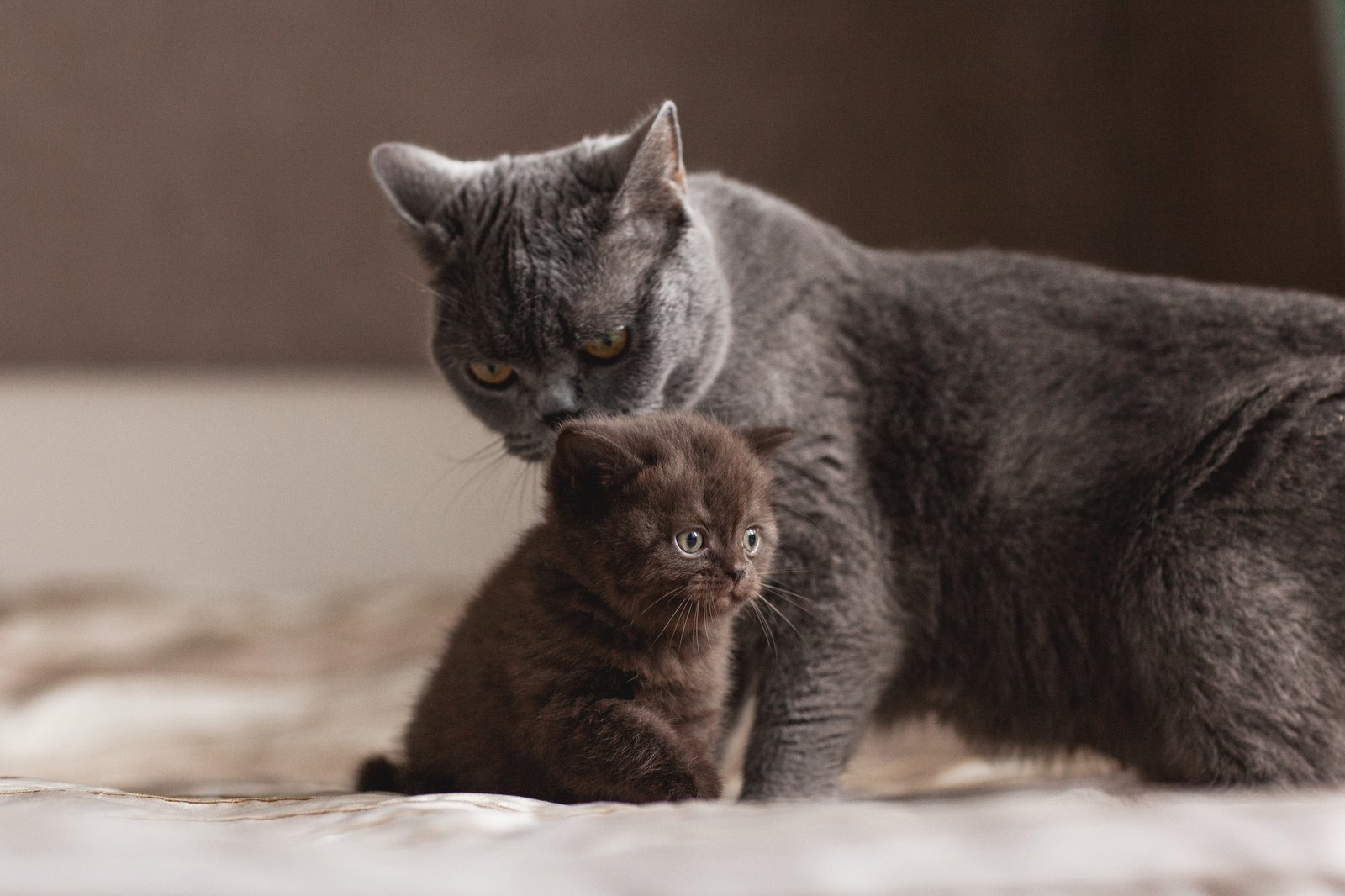

Table of Contents Introduction: Sometimes It’s Not Just Grooming—It’s Communication Quick answer: Cats lick themselves to clean and condition their coat, regulate temperature, remove loose
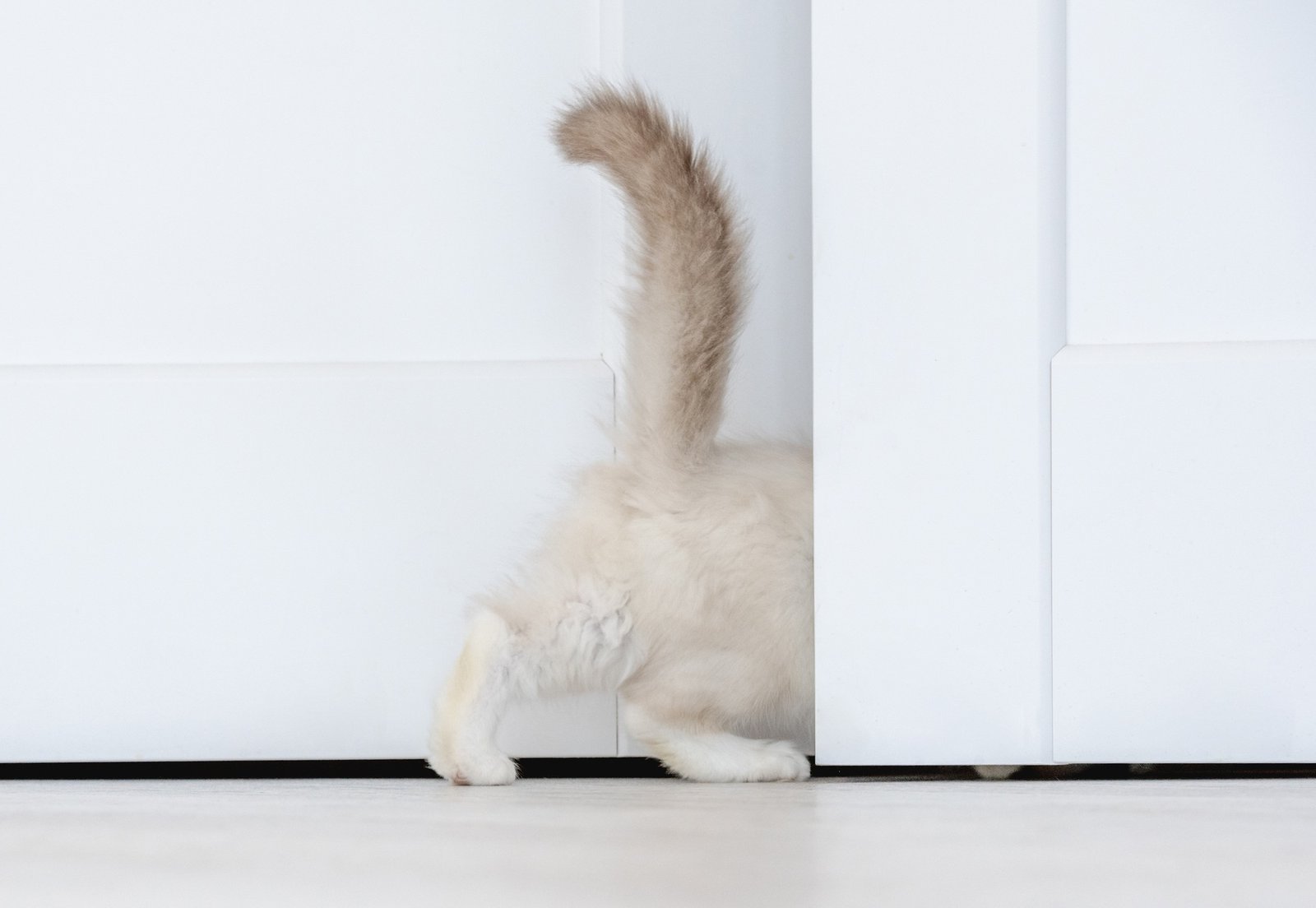
Table of Contents Cats use tail positions and movements to communicate mood and comfort levels—like confidence, fear, focus, irritation, or affection. The most reliable way
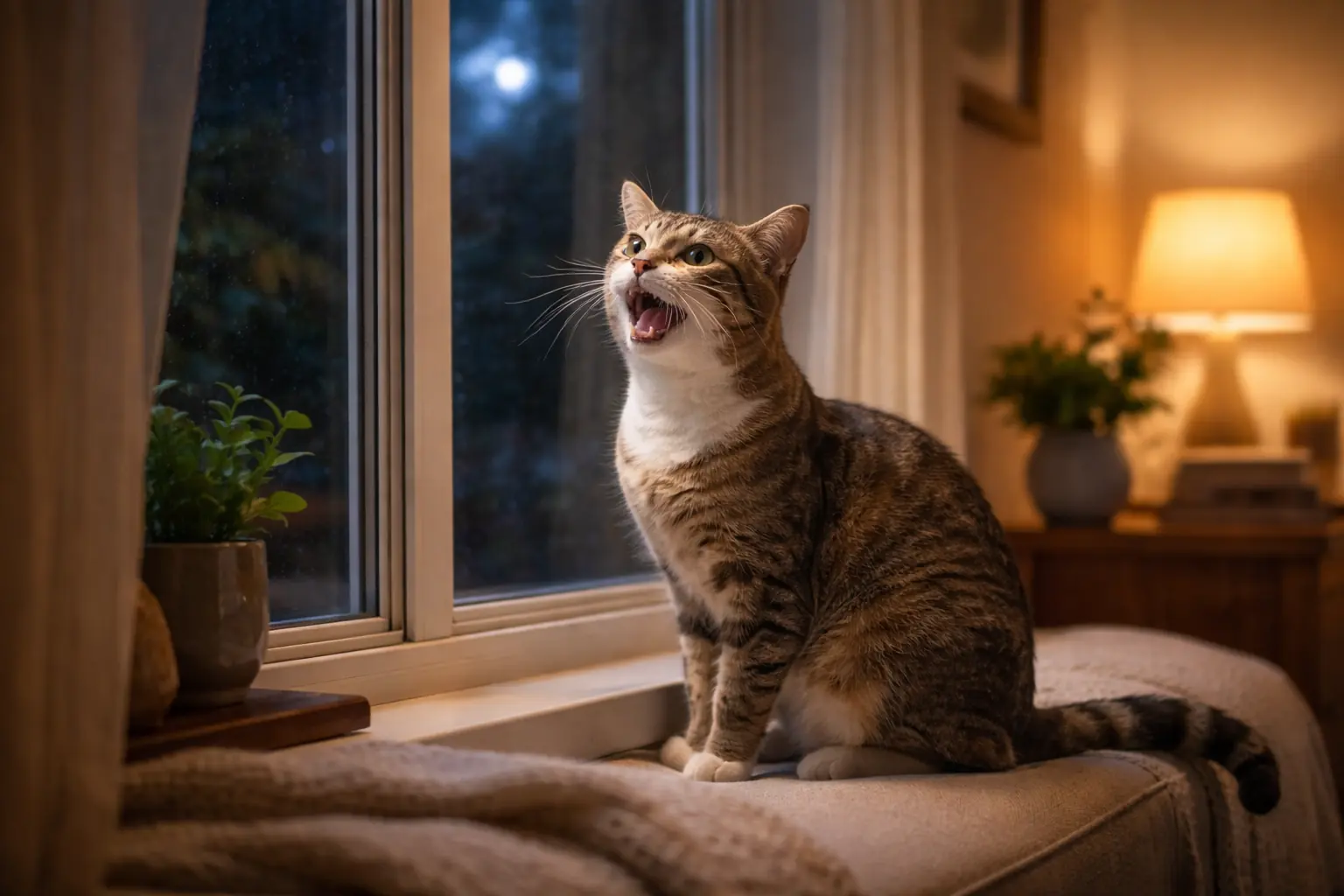
Table of Contents Introduction: Sometimes It’s Not Just a Mood—It’s Heat If your female cat suddenly starts yowling, rubbing on everything, rolling on the floor,
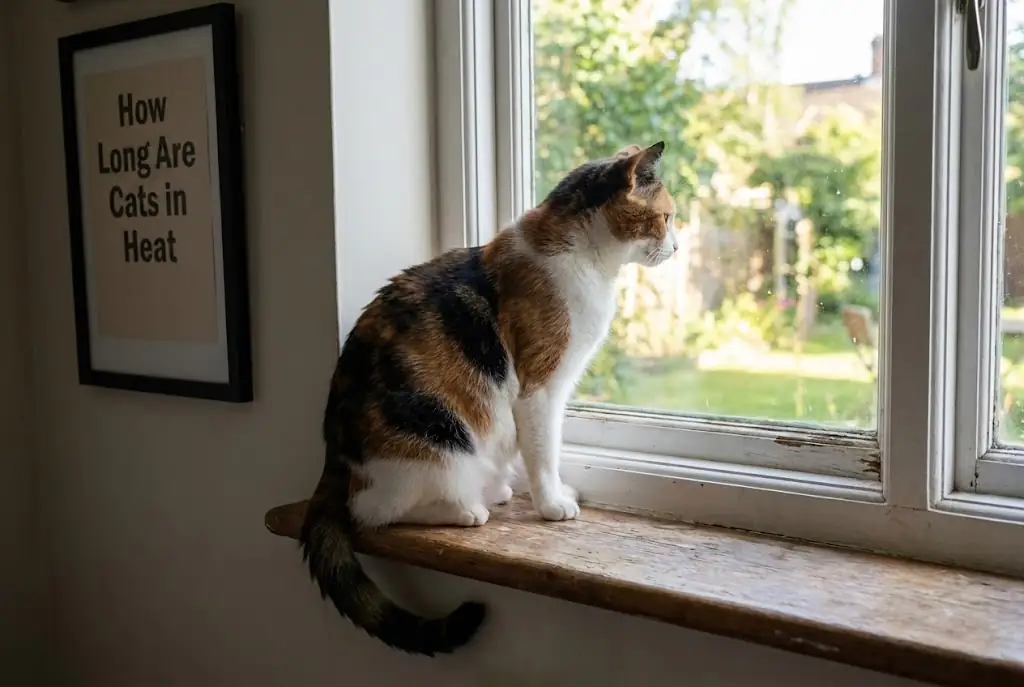
Table of Contents Quick answer: Most female cats stay in heat (estrus) about 5–7 days, but it can last as short as 3 days or
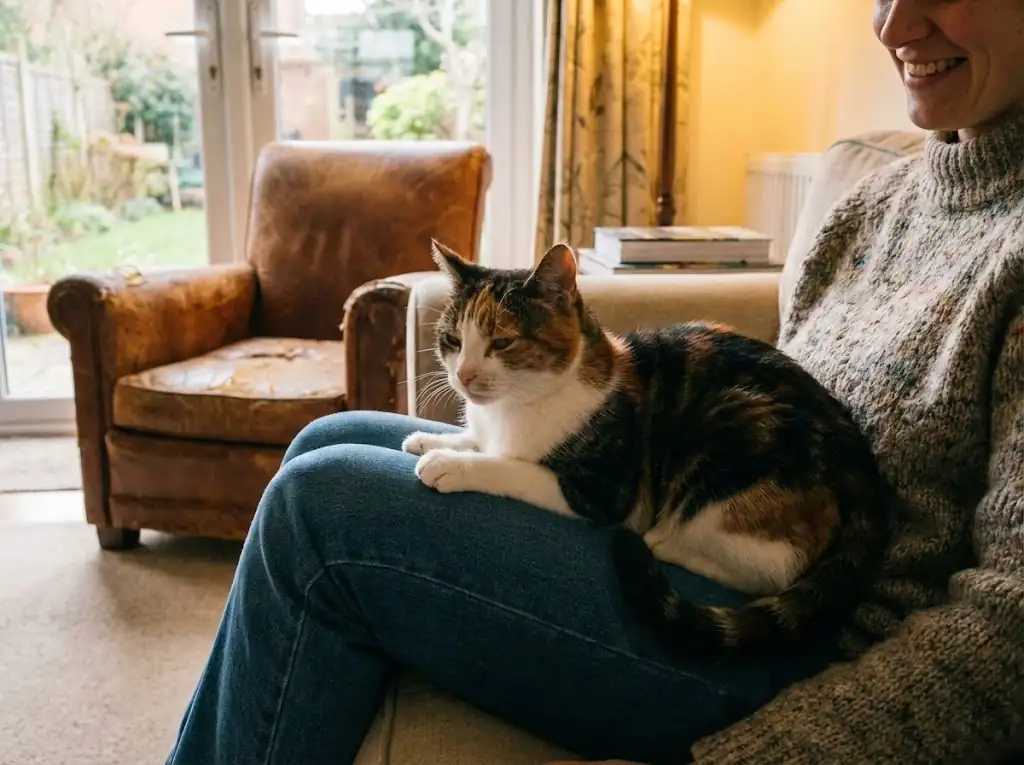
Cat kneading—often called “making biscuits”—is the rhythmic motion where cats press their front paws into a soft surface (like a blanket, bed, or your lap).
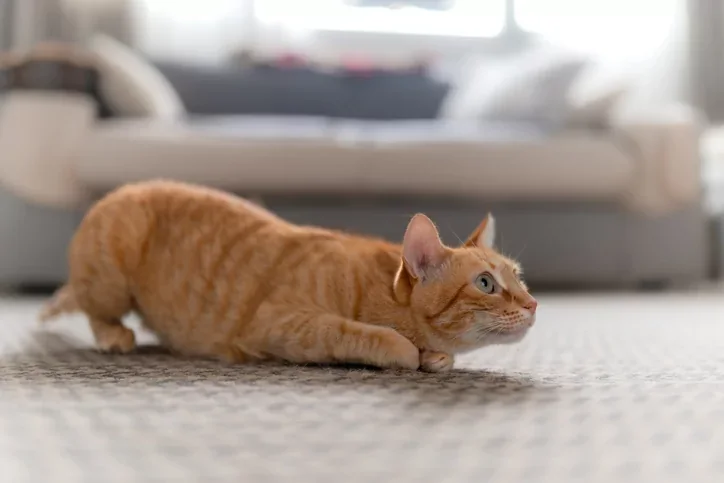
If you’ve ever seen your cat crouch low, lock onto a toy, and do that adorable butt wiggle right before a leap—you’re not imagining things.
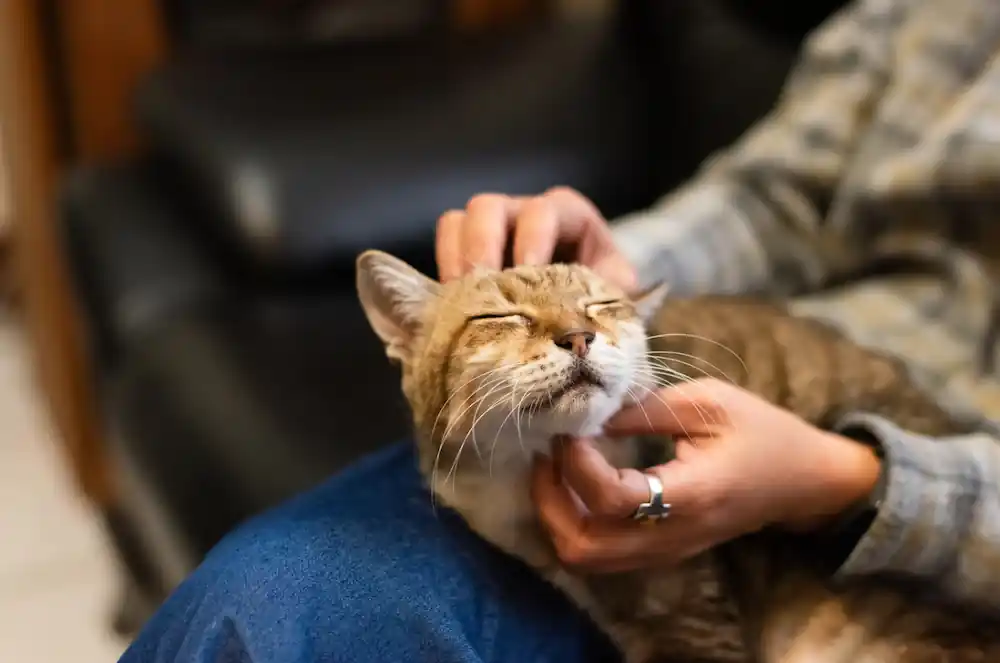
Cats get extra cuddly when they feel safe and bonded—but also when they’re cold, stressed, hormonal, or seeking comfort. Most of the time it’s perfectly
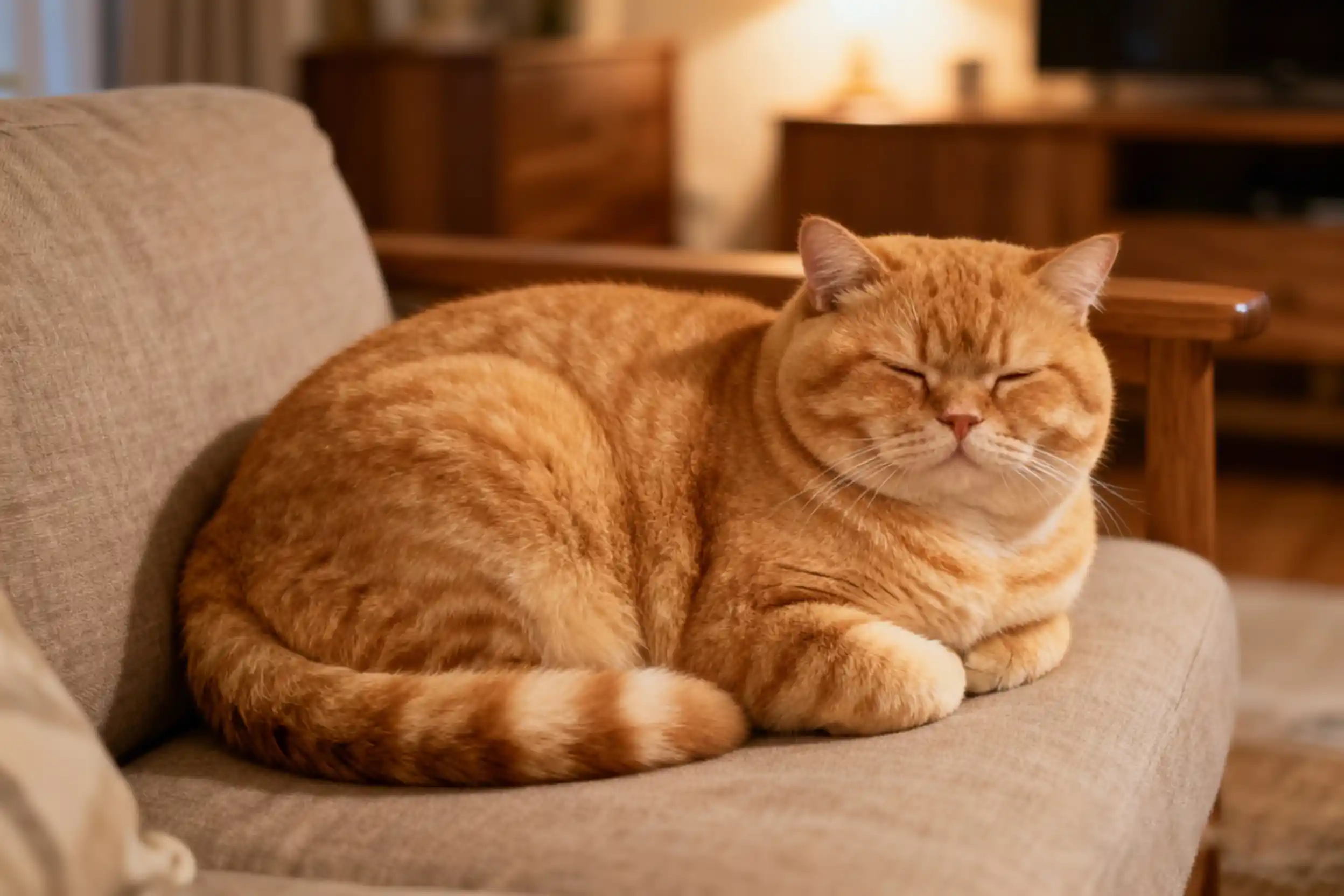
Cats loaf when they sit upright with their paws tucked under—like a little bread loaf. Most of the time, the cat loaf position means your
 EN EN
EN EN DE
DE ES
ES PT
PT