
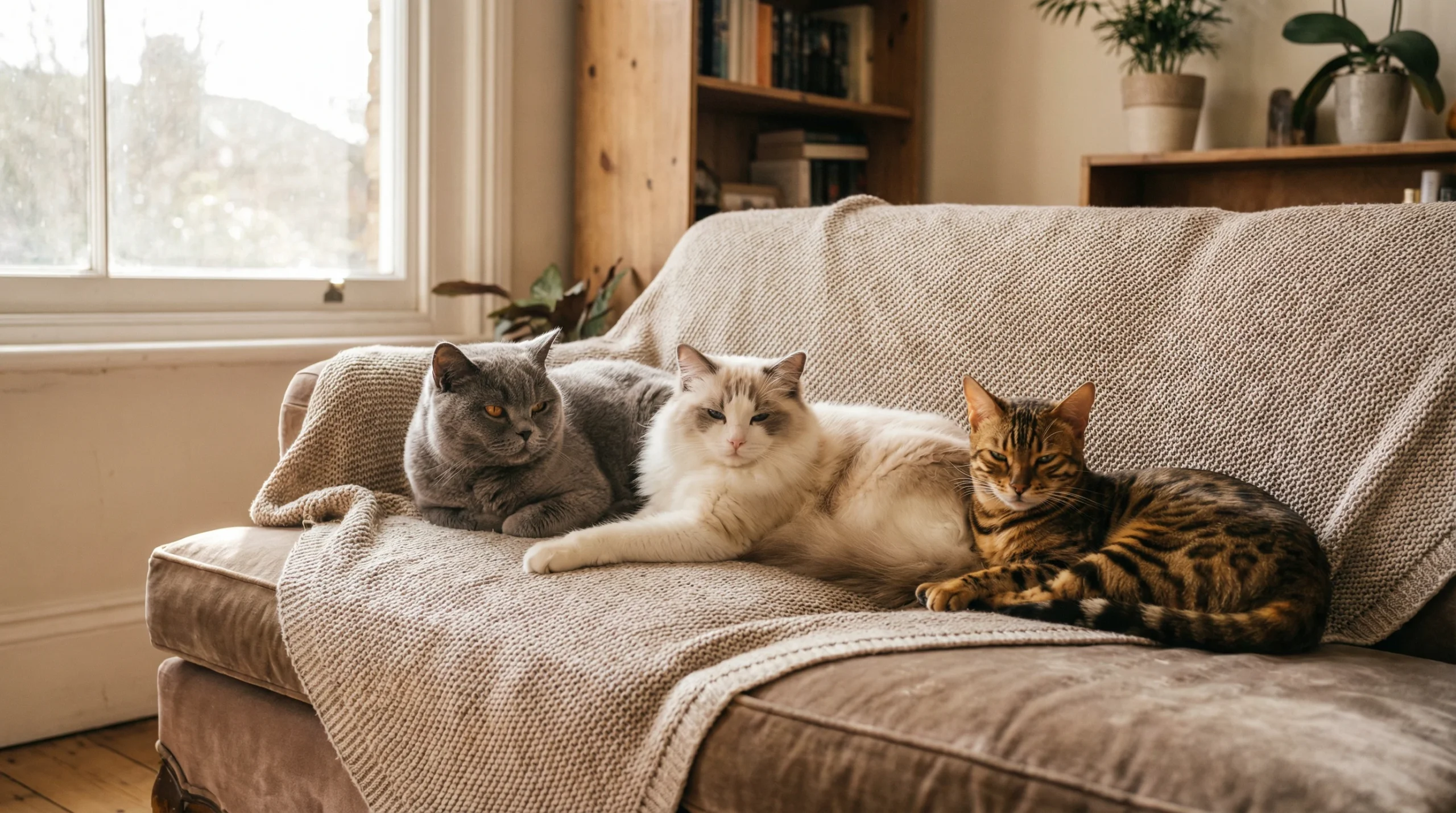
Medium-sized cats are often considered the “Goldilocks” of the feline world—they are substantial enough to feel sturdy and resilient, yet compact enough to comfortably share your lap or thrive in a smaller living space. While giant breeds like the Maine Coon require specialized accommodations and toy breeds remain perpetually kitten-sized, medium cat breeds strike a perfect balance that suits almost any household.
In this comprehensive, vet-reviewed guide, we will explore the 10 most popular medium cat breeds, comparing their essential traits including temperament, grooming requirements, energy levels, and expected lifespans. Whether you are searching for a tranquil companion for apartment living or an athletic playmate for a bustling family home, this guide will help you identify the perfect feline match for your lifestyle.
Quick Triage: What Counts as a “Medium” Cat?
According to veterinary standards and feline registries, a medium-sized cat typically weighs between 10 to 15 pounds (4.5 to 6.8 kg) as a healthy adult. However, this is not a strict rule. Males are frequently larger than females, and robust breeds like the British Shorthair can push the upper limits of this category. When selecting a breed, it is crucial to prioritize energy levels and grooming commitments over the precise number on the scale.
Índice
How to Choose the Right Medium Cat Breed for Your Lifestyle
Selecting a cat based solely on appearance is a common mistake. A successful adoption depends on aligning the cat’s innate temperament and energy levels with your daily routine.
If you desire a calm, easygoing companion, breeds like the British Shorthair, Ragdoll, and Exotic Shorthair are excellent choices. These cats generally prefer a relaxed environment and are content to lounge nearby while you work or read.
Conversely, if you are looking for a playful, highly active cat, the Bengal, Furgoneta turca, and Siberian will keep you entertained. These breeds require significant daily enrichment, including puzzle feeders and vertical climbing spaces, to prevent behavioral issues stemming from boredom.
For those who prioritize a low grooming effort, shorthaired breeds such as the American Shorthair, Azul rusoy Chartreux are ideal. While they still require weekly brushing to manage shedding, they do not demand the intensive daily detangling necessary for longhaired breeds.
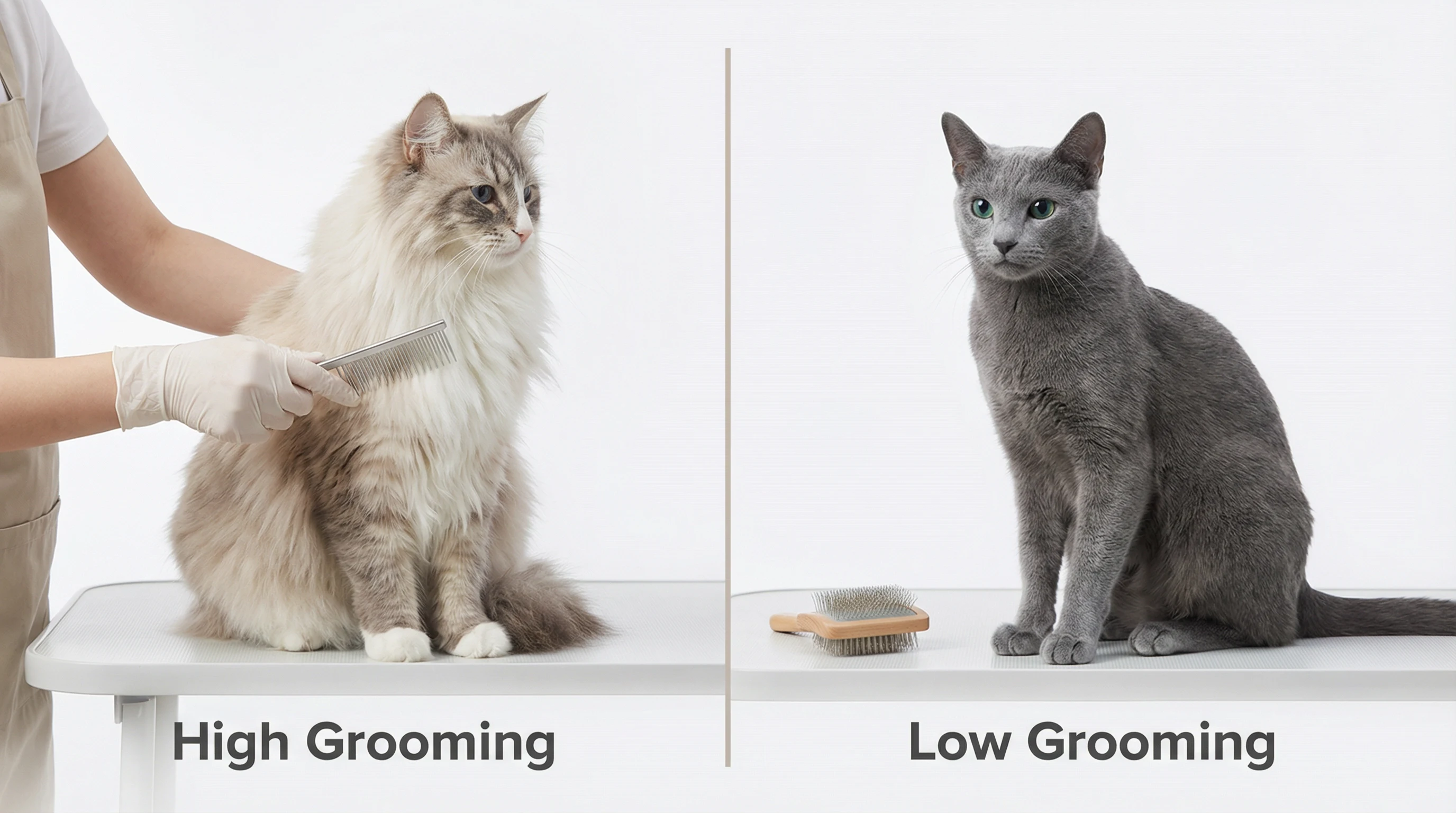
It is important to remember two critical realities of cat ownership: First, a cat’s energy level often impacts a home more significantly than its physical size. A highly active 10-pound Bengal will feel much “larger” and demand more space than a sedate 15-pound Ragdoll. Second, grooming is a lifestyle commitment. Adopting a longhaired cat means integrating regular coat maintenance into your weekly schedule to prevent painful matting.
Quick Glance: Medium Cat Breeds Comparison Table
Use the following comparison matrix to shortlist two or three breeds that align with your household dynamics, then explore their detailed profiles below.
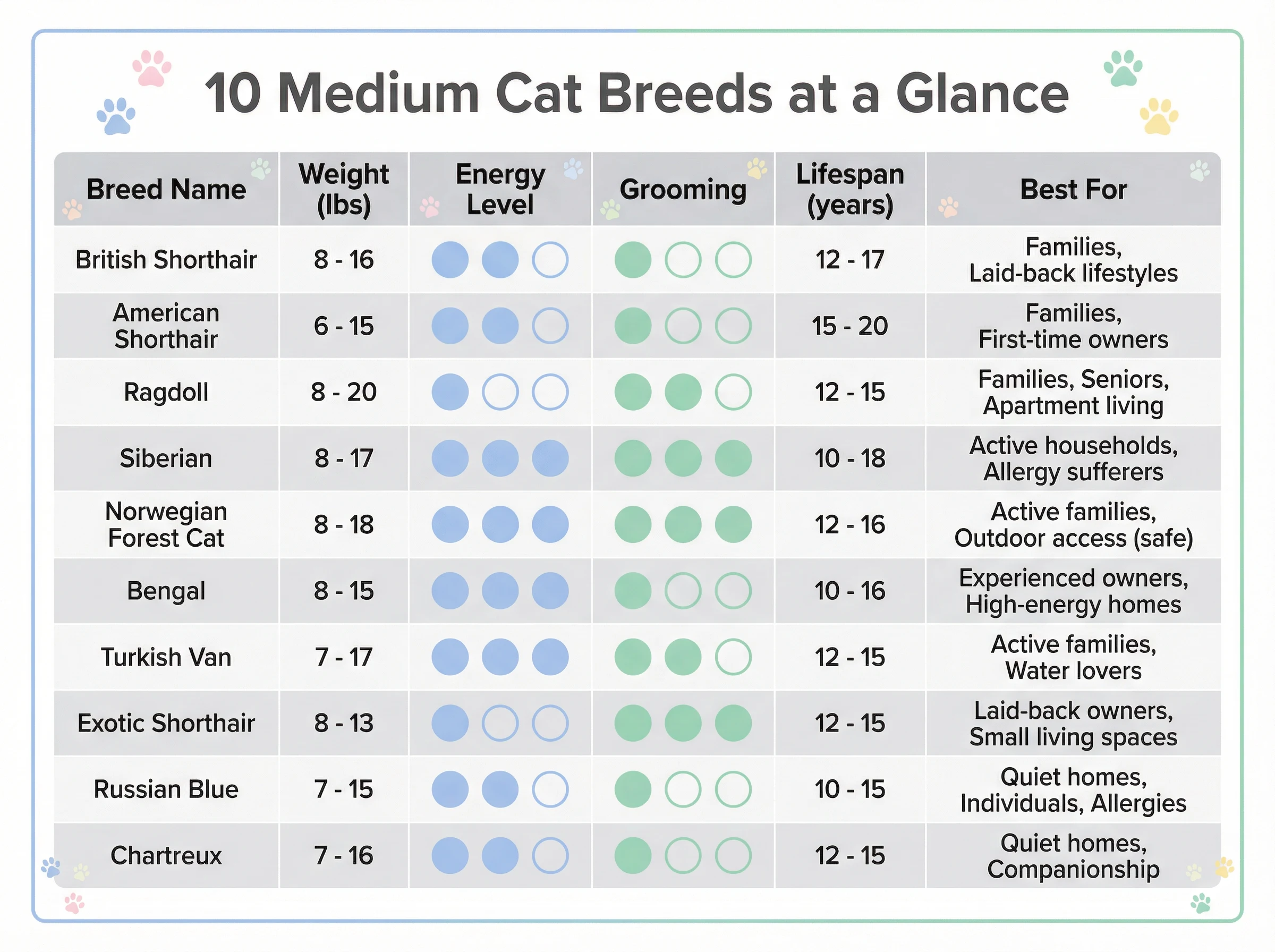
| Raza | Adulto típico Peso (libras) | Temperamento | Necesidades de aseo | Nivel de energía | Average Lifespan | Best Suited For |
|---|---|---|---|---|---|---|
| Británico de pelo corto | 12-15 | Calm, dignified | Bajo | Bajo | 14–20 years | Quiet homes, first-time owners |
| Americano de pelo corto | 10-15 | Adaptable, amable | Bajo | Moderado | 15–20 years | Families, easy-care households |
| Ragdoll | 12-15+ | Affectionate, docile | Moderado | Bajo-Moderado | 12–15 years | Peluche companionship, indoor living |
| Siberia | 12-15 | Social, inteligente | Moderado-alto | Alta | 11–18 years | Active families, allergy-prone owners |
| Gato de los Bosques de Noruega | 12-16 | Amable, independiente | Alta | Moderado | 14–16 years | Homes with vertical climbing space |
| Bengala | 10-15 | Bold, athletic | Moderado | Alta | 12-16 años | Highly interactive, experienced homes |
| Furgoneta turca | 10-15+ | Enérgico, extravagante | Moderado | Alta | 12–17 years | Play-focused owners, water lovers |
| Exótico de pelo corto | 9-14 | Sweet, peaceful | Bajo | Bajo | 12–15 years | Apartment life, relaxed environments |
| Azul ruso | 10-12 | Reserved, loyal | Bajo-Moderado | Medio | 15–20 years | Calm, predictable, routine households |
| Chartreux | 10-14 | Quiet, observant | Moderado | Medio | 12–15 years | Peaceful companionship, quiet homes |
Note: Weight ranges frequently overlap, and individual genetics play a significant role. Always consult your veterinarian to determine your cat’s ideal body condition score.
Detailed Profiles: Top 10 Medium Cat Breeds
1. British Shorthair
Origin: Gran Bretaña
Lifespan: 14–20 years
The British Shorthair is the quintessential calm and sturdy companion. Characterized by a dense, plush coat and a broad, rounded face, they project a dignified and relaxed aura. They are generally not “Velcro cats” that demand to be carried constantly; instead, they prefer to sit quietly beside you on the sofa. Their unobtrusive nature makes them an excellent fit for peaceful, routine-oriented households.
Care & Health:
Because of their low energy levels, British Shorthairs are prone to feline obesity if their diet is not carefully managed. Short, engaging play sessions with wand toys are essential to keep them active. Their dense coat requires weekly brushing, which should be increased during seasonal shedding periods to prevent hairballs.
2. American Shorthair
Origin: Estados Unidos
Lifespan: 15–20 years
American Shorthairs are celebrated for their adaptable and easygoing temperament. Originally bred as working cats to protect grain stores from rodents, they retain a moderate energy level and a keen intelligence. They are social enough to enjoy family interactions but independent enough to entertain themselves when necessary, making them highly versatile companions.
Care & Health:
This breed is generally robust and healthy, boasting a long lifespan. They benefit from 15 to 20 minutes of interactive play daily to satisfy their hunting instincts. A sturdy cat tree and a window perch will provide adequate environmental enrichment. Their short coat is low-maintenance, requiring only basic weekly grooming.
3. Ragdoll
Origin: Estados Unidos (California)
Lifespan: 12–15 years
Ragdolls are famously gentle, deeply affectionate, and highly people-oriented. They earned their name from their endearing tendency to go limp and relax completely when picked up. Unlike more independent breeds, Ragdolls often seek out physical closeness and thrive on human interaction, making them exceptional companions for those seeking an affectionate companion.
Care & Health:
While their semi-long coat lacks a dense undercoat, making it less prone to severe matting than a Persian’s, it still requires brushing two to three times a week. Ragdolls are an indoor-only breed due to their trusting nature. Owners should be aware of a genetic predisposition to Hypertrophic Cardiomyopathy (HCM), a common feline heart condition, and ensure their breeder screens for this mutation.
4. Siberian
Origin: Russia
Lifespan: 11–18 years
The Siberian is an athletic, highly intelligent cat with a thick, triple-layered coat designed to withstand harsh subarctic climates. They are remarkably social and often integrate seamlessly into active family life. Siberians are known for their problem-solving abilities and dog-like tendency to follow their owners from room to room.
Care & Health:
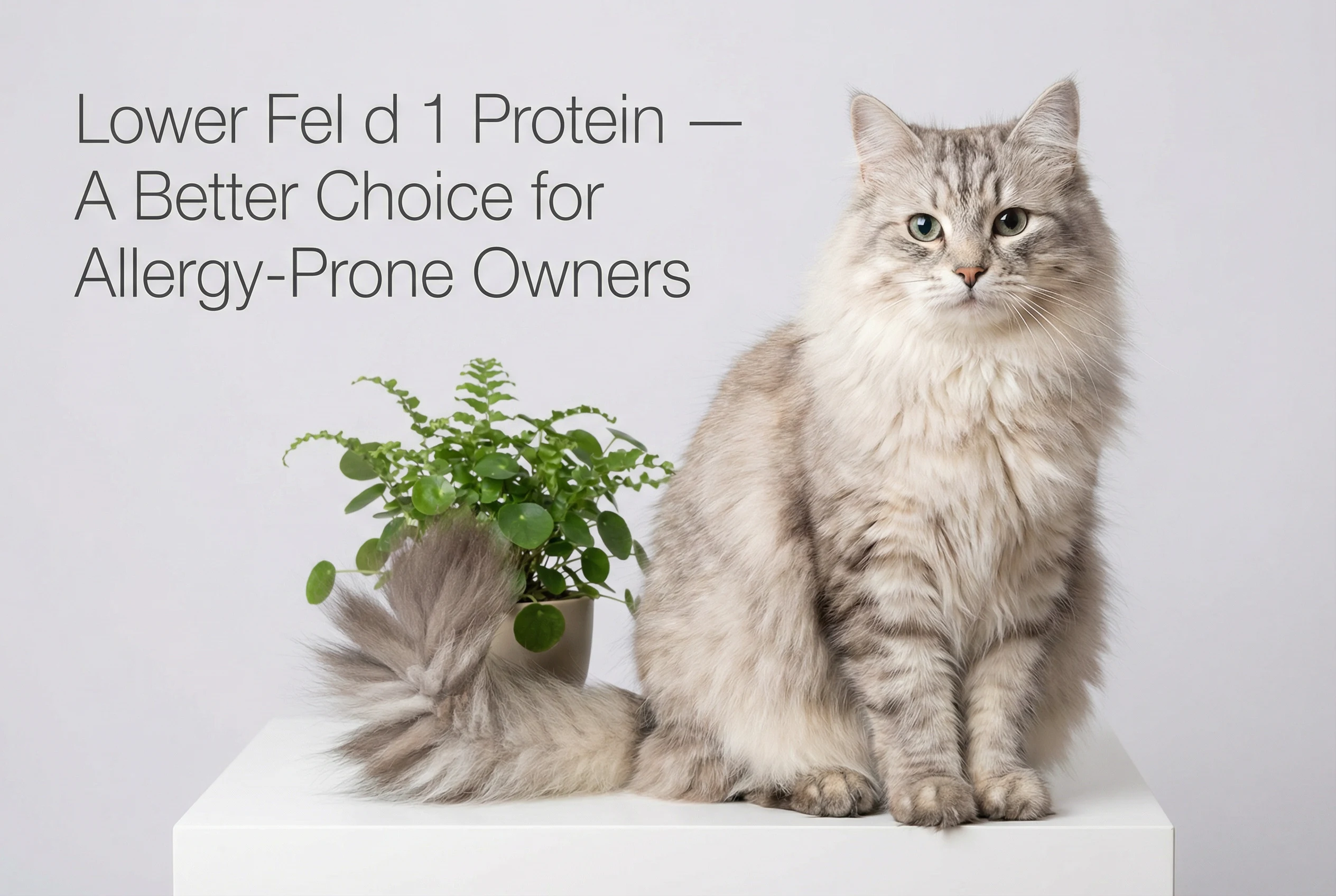
Siberians are frequently cited as a better option for allergy sufferers because they naturally produce lower levels of the Fel d 1 protein in their saliva—the primary trigger for cat allergies. However, no cat is truly 100% hypoallergenic. Their magnificent coat requires diligent grooming, particularly during the heavy spring shedding season, to prevent painful tangles along the belly and hindquarters.
5. Norwegian Forest Cat
Origin: Norway
Lifespan: 14–16 years
Affectionately known as “Wegies,” Norwegian Forest Cats are large-boned, robust felines with a calm and friendly disposition. They are highly observant and loyal, though they often prefer perching on a high vantage point to monitor the room rather than settling directly on a lap. They communicate with soft chirps and trills rather than loud meows.
Care & Health:
This breed possesses strong climbing instincts and requires significant vertical space, such as floor-to-ceiling cat trees or securely mounted wall shelves. Their thick, water-resistant double coat demands thorough weekly combing, which must be increased significantly during the spring shedding period. They are generally healthy but should be monitored for joint issues as they edad.
6. Bengal
Origin: Estados Unidos
Lifespan: 12-16 años
The Bengal is an athletic, strikingly beautiful cat renowned for its bold personality and striking rosette-patterned coat. They are intensely curious and require almost constant mental and physical stimulation to prevent boredom, which frequently leads to destructive behavior. A Bengal is less a lap cat and more an interactive “project buddy” who will actively participate in daily household routines.
Care & Health:
This breed thrives on structured play, such as learning tricks with a clicker or playing fetch. Puzzle feeders are essential to satisfy their hunting drive. Their short, sleek coat requires minimal grooming, but their high energy levels demand substantial commitment from an experienced owner. They are prone to HCM and progressive retinal atrophy (PRA), so ethical breeding is paramount.
7. Turkish Van
Origin: Turkey
Lifespan: 12–17 years
The Turkish Van is an energetic, quirky, and highly intelligent cat with a distinct fascination for water—a rarity in the feline world. They are deeply affectionate and form strong bonds with their families, but their high energy levels mean they prefer active play over passive cuddling. They are famously athletic and require substantial environmental enrichment.
Care & Health:
A Turkish Van’s semi-long coat lacks an undercoat, making it softer and less prone to matting than a Persian’s, but it still requires brushing two to three times a week. They are known for their love of swimming or playing in shallow water, so owners should ensure access to safe, supervised aquatic activities.
8. Exotic Shorthair
Origin: Estados Unidos
Lifespan: 12–15 years
The Exotic Shorthair is essentially a Persian cat with a short, dense coat, earning them the nickname “the lazy man’s Persian.” They share the Persian’s sweet, tranquil temperament and distinctive brachycephalic (flat) face. They are affectionate, easygoing companions who are perfectly content to follow you quietly from room to room before settling nearby for a nap.
Care & Health:
Their short, plush coat requires only weekly brushing to remove loose hair, making them a low-maintenance alternative to the Persian. However, their flat facial structure makes them susceptible to breathing difficulties, dental issues, and excessive tearing. Owners must commit to routine cleaning of their facial folds to prevent infections.
9. Russian Blue
Origin: Russia
Lifespan: 15–20 years
The Russian Blue is a calm, observant, and deeply loyal companion characterized by its striking silver-blue coat and vivid green eyes. They are known for their soft-spoken nature and tendency to form an intense bond with one primary person. While they can be reserved or shy around strangers, they are playful and affectionate with their trusted family members.
Care & Health:
This breed thrives in predictable, quiet environments and may become stressed in chaotic households. They require only minimal grooming, as their short, dense double coat naturally repels dust and tangles. A quick weekly brush is sufficient. Russian Blues are generally very healthy, contributing to their long average lifespan.
10. Chartreux
Origin: Francia
Lifespan: 12–15 years
The Chartreux is a robust, muscular cat often described as a “potato on toothpicks” due to its solid body and comparatively fine legs. They are quiet, loyal companions who prefer to stay close—often observing you from a nearby chair—rather than demanding constant attention. They are intelligent and possess strong hunting instincts, yet maintain a peaceful demeanor.
Care & Health:
Their dense, water-repellent blue-gray coat requires a thorough weekly comb-through to remove loose hair and maintain its plush texture. They benefit from short daily play sessions to satisfy their moderate energy levels and prevent weight gain. The Chartreux is a generally healthy breed, though they can be prone to polycystic kidney disease (PKD).
Medium Cat Breeds Good With Dogs and Kids
If you are integrating a medium cat into a bustling household, temperament is critical.
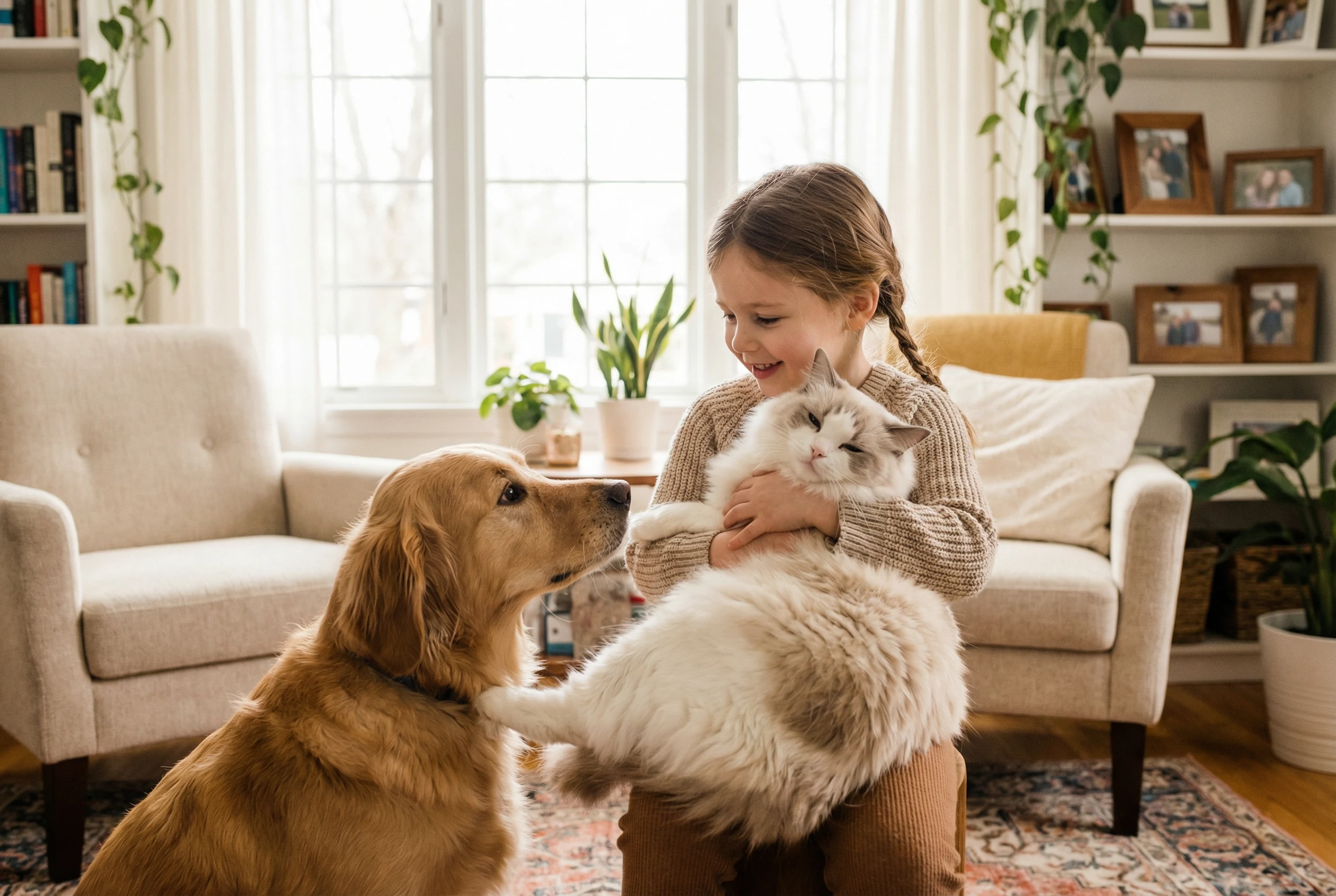
For families with young children, the Americano de pelo corto y Ragdoll are excellent choices. Both breeds are sturdy, adaptable, and generally tolerant of respectful handling. When introducing a cat to a dog, the confident Siberia or the playful Bengala often fare well, provided the dog is cat-friendly and the introduction is gradual and positive.
Always supervise interactions between young children and cats, teaching children how to read the cat’s body language—such as understanding ¿Por qué los gatos holgazanean?—to prevent stress or injury.
Adoption vs. Breeder Guidance
When deciding to bring a medium-sized cat into your home, you have two primary paths: adoption or purchasing from a reputable breeder.
Adoption:
Many medium-sized mixed-breed cats (often categorized as Domestic Shorthairs or Domestic Medium Hairs) possess the exact temperament and size you desire.
Shelters and rescues are filled with wonderful cats waiting for a home. Adopting an adult cat allows you to assess their established personality and energy level immediately, removing the guesswork of kittenhood.
Breeder:
If you are committed to a specific purebred cat, such as a Ragdoll or a Russian Blue, it is imperative to source your kitten from a reputable, ethical breeder registered with organizations like the Cat Fanciers’ Association (CFA) or The International Cat Association (TICA).
Ethical breeders prioritize health, temperament, and genetic screening (e.g., testing for HCM or PKD) over profit. Never purchase a kitten from a pet store or an online broker, as these are frequently supplied by kitten mills.
Nuestra promesa: Toda una vida de abrazos
En SnuggleSouls, nuestro objetivo es sencillo: ayudarle a elegir un gato que se adapte realmente a su vida, para que tanto usted como su compañero felino prosperen.
Las razas de gato medianas ofrecen un equilibrio poco frecuente: mimos sustanciosos, vida interior confortable y una amplia gama de personalidades, Desde tranquilos compañeros de sofá hasta atléticos compañeros de juegos.
Cuando reduzcas tus opciones, céntrate en lo más importante:
- Partido energético diario (tu rutina frente a sus necesidades de juego)
- Compromiso de aseo (cuidado semanal o frecuente del pelaje)
- Ajuste doméstico (niños, mascotas, hogar tranquilo, hogar ajetreado)
Una buena pareja no es la “mejor raza”. Se trata de la mejor combinación, para toda una vida de comodidad, confianza y mimos mutuos.
Encuentre su pareja perfecta entre todas las razas de gatos
¿No sabe por dónde empezar? Busque por la categoría que más le interese:
- Ver todos: Guía de razas de gatos
- Por tamaño: Pequeño - Medio - Grande
- Por cuidado del pelaje: Pelo corto - De pelo largo - Sin pelo
- Por descamación/alergias: Poco tupido - Hipoalergénico
- Por personalidad: El más afectuoso - Más amigable - Baja energía - Gatos con aspecto de perro
Razas de gatos medianos Preguntas frecuentes
¿Qué peso se considera un gato de tamaño mediano?
Most medium cats fall roughly in the 10–15 lb (4.5–6.8 kg) range, but size can vary significantly by sex, genetics, and body frame. Always consult your veterinarian regarding your cat’s ideal weight.
¿Qué razas de gatos medianos son mejores para los apartamentos?
Look for calmer, lower-energy breeds like the British Shorthair, Ragdoll, or Exotic Shorthair. Prioritize environmental enrichment, such as cat trees and interactive play, to keep them stimulated in a smaller space.
¿Qué razas de gatos medianos mudan menos?
Shorthaired breeds, such as the Russian Blue and Chartreux, generally require less grooming and appear to shed less than longhaired breeds, though all cats shed to some degree.
¿Son buenas las razas de gatos medianas para los que las adquieren por primera vez?
Many are excellent choices for beginners. The American Shorthair and British Shorthair are particularly adaptable. Focus on establishing a consistent routine, providing daily enrichment, and scheduling preventive veterinary care.
What is the healthiest medium cat breed?
The American Shorthair and Russian Blue are frequently cited as exceptionally healthy breeds, often living 15 to 20 years with proper care and nutrition.
How can I tell if my medium cat is overweight?
You should be able to feel, but not see, your cat’s ribs with a gentle touch, and they should have a visible waist when viewed from above. If you cannot feel their ribs beneath a layer of fat, consult your vet about adjusting their feeding routine.
Referencias
[1] VCA Animal Hospitals. (n.d.). Obesity in Cats.
[2] The Cat Fanciers’ Association (CFA). (n.d.). British Shorthair Breed Standard.
[3] Cornell University College of Veterinary Medicine. (n.d.). Hypertrophic Cardiomyopathy.
[4] PetMD. (2022). Brachycephalic Airway Syndrome in Cats.
[5] The International Cat Association (TICA). (n.d.). Russian Blue Breed Profile.
 EN
EN DE
DE ES
ES PT
PT