
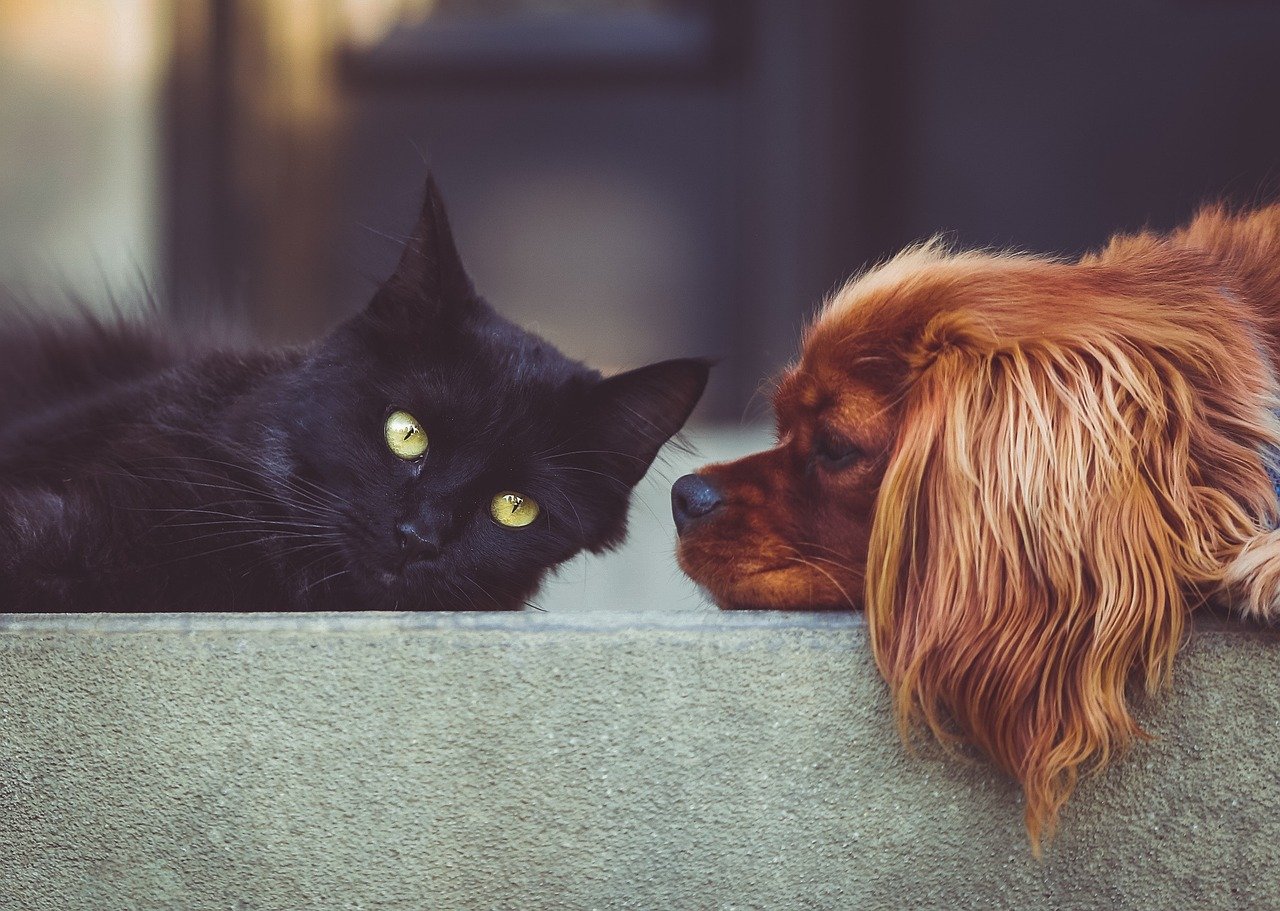
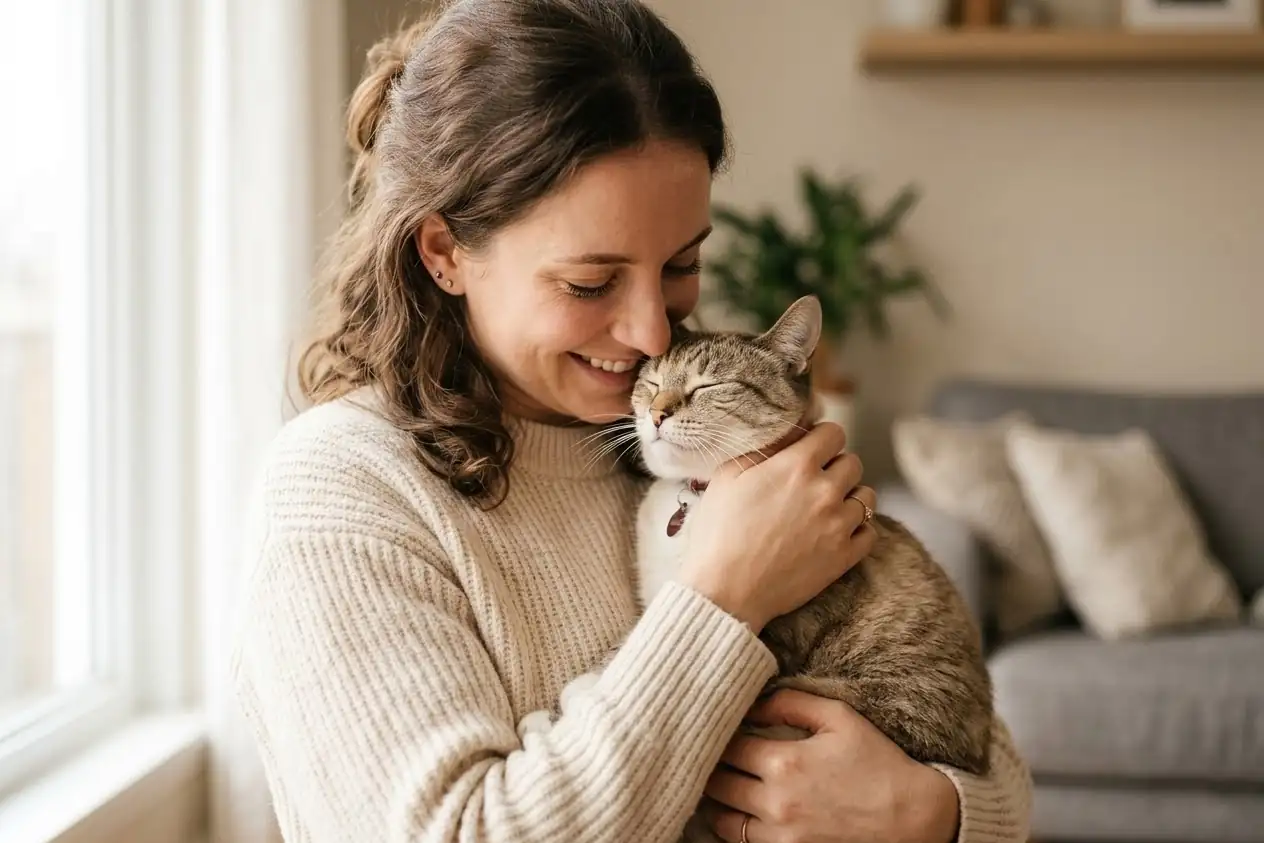
If you love dogs but prefer living with a cat, you’re probably searching for cats that act like dogs. The good news is that some cat breeds are so loyal, playful, and people-focused that they’re often called “puppy cats.” They greet you at the door, follow you from room to room, and may even enjoy leash walks or fetch.
At SnuggleSouls, we think of dog-like cats as friendly companions that bond deeply with their people. They tend to be social, trainable, and eager to be involved in everyday life rather than hiding under the bed.
In this guide, you’ll discover 10 cat breeds that act like dogs, plus a bonus rescue option. We’ll help you understand what makes them dog-like and how to choose the cat that fits your home and lifestyle.
Table of Contents
Best Dog-Like Cats for Dog-Loving Families
If you’re a dog person at heart but your home or schedule fits a cat better, dog-like cats can be the perfect compromise. These “puppy cats” are usually more social, trainable, and people-focused than the average feline, which makes them a great fit for:
- Families with kids who want a playful, friendly pet
- Dog owners looking for a cat that can keep up
- Apartment dwellers who want dog-style interaction without daily long walks
In the sections below, we’ll look at what makes a cat “dog-like,” share a quick list of 10 cat breeds that act like dogs, and then dive into detailed breed profiles so you can find your perfect SnuggleSoul.
What Makes a Cat “Dog-Like”?
Dog-like cats show behaviors we usually associate with dogs: they follow their owners, enjoy interactive play, and may even learn tricks or walk on a leash. Many of them like being involved in family life instead of staying independent and aloof.
These “puppy cats” often:
- Greet you at the door
- Walk around the house with you
- Play fetch or chase tossed toys
- Respond well to training and routines
By understanding these traits, you can pick a cat that matches your energy level and enjoy dog-style activities such as walks, fetch games, or even water play.
Quick List: 10 Cats That Act Like Dogs (At a Glance)
Each of these cat breeds is known for dog-like behaviors and specific care needs. Use this quick list to compare personality, grooming, and energy levels at a glance, then scroll down to meet each breed in detail and see if it’s your perfect SnuggleSoul.
Meet Your Dog-Like Cat: Comparison Table
| Breed | Key Personality Traits | Grooming Needs | Energy Level | Best For Families / Dogs |
|---|---|---|---|---|
| Turkish Angora | Intelligent, loyal, playful | Moderate (silky long coat) | High | Active families who enjoy training and play |
| Manx | Affectionate, playful, social | Low (short coat) | Medium–High | Homes with kids, cat-friendly dogs and lots of company |
| American Curl | Affectionate, curious, gentle | Medium (semi-long coat) | Medium | Families who want a friendly, involved “puppy cat” |
| Abyssinian | Lively, outgoing, adventurous | Low (short coat) | High | Active owners who want a playful, trainable cat |
| Burmese | Devoted, sociable, playful | Low (short coat) | High | People who are home a lot and want a “Velcro” companion |
| Ragdoll | Gentle, relaxed, affectionate | High (long coat) | Low–Medium | Families with kids who want a calm, cuddly cat |
| Maine Coon | Friendly, playful, confident | High (thick long coat) | Medium | Homes with space for a big, dog-like “gentle giant” |
| Birman | Sweet, affectionate, calm | Medium (semi-long coat) | Medium | Families wanting a gentle companion who follows them around |
| Sphynx | Lively, clownish, people-obsessed | High (hairless – regular baths) | High | Owners who want constant interaction and don’t mind extra care |
| Rescue Cat (Mixed) | Varies – often friendly and social | Varies by coat | Varies | Families open to adopting a unique, dog-like personality |
Each breed above tends to feel more like having a dog around. In the next section, we introduce each one in more detail and explain whether it might be your ideal companion.
Meet Your Dog-Like Cat (Breed Profiles)
Each breed above tends to feel more like having a dog around. In the next section, we introduce each one in more detail and explain whether it might be your ideal companion.
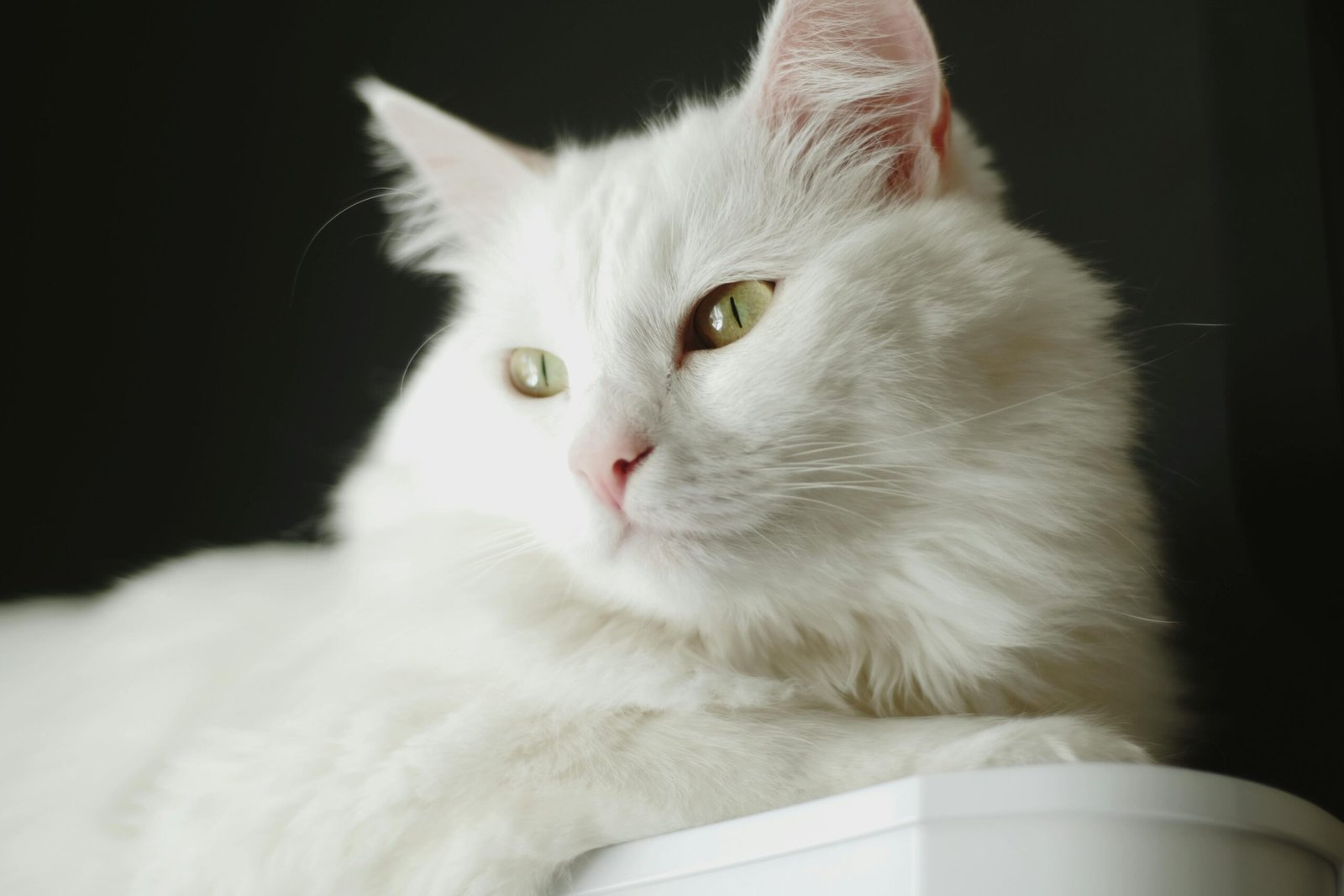
Turkish Angora – Athletic “Puppy Cat”
Introduce
Turkish Angoras are highly intelligent, energetic, and surprisingly loyal. They love being involved in everything the family is doing and often act more like curious little dogs than aloof cats.
Dog-Like Behaviors
- Often plays fetch or chases thrown toys
- Follows you from room to room to stay near you
- Many enjoy splashing in water or watching running taps
- Will “talk” back with meows or chirps when you speak to them
Best For
- Busy households that enjoy interactive play
- Owners who want to teach tricks or try leash walking
- People who don’t mind a chatty, attention-seeking companion
Care Watch-Outs
- Needs daily mental and physical stimulation to prevent boredom
- Long, silky coat benefits from regular brushing
- May become destructive if left alone with no play or enrichment
Is This Your SnuggleSoul?
If your ideal cat is a chatty, athletic friend who keeps up with your pace, the Turkish Angora could be a perfect match. These “puppy cats” love games, trick training, and greeting you at the door. If you want a cat that acts like a dog and stays closely bonded to you, an Angora might be your SnuggleSoul.
Read more about Turkish Angora
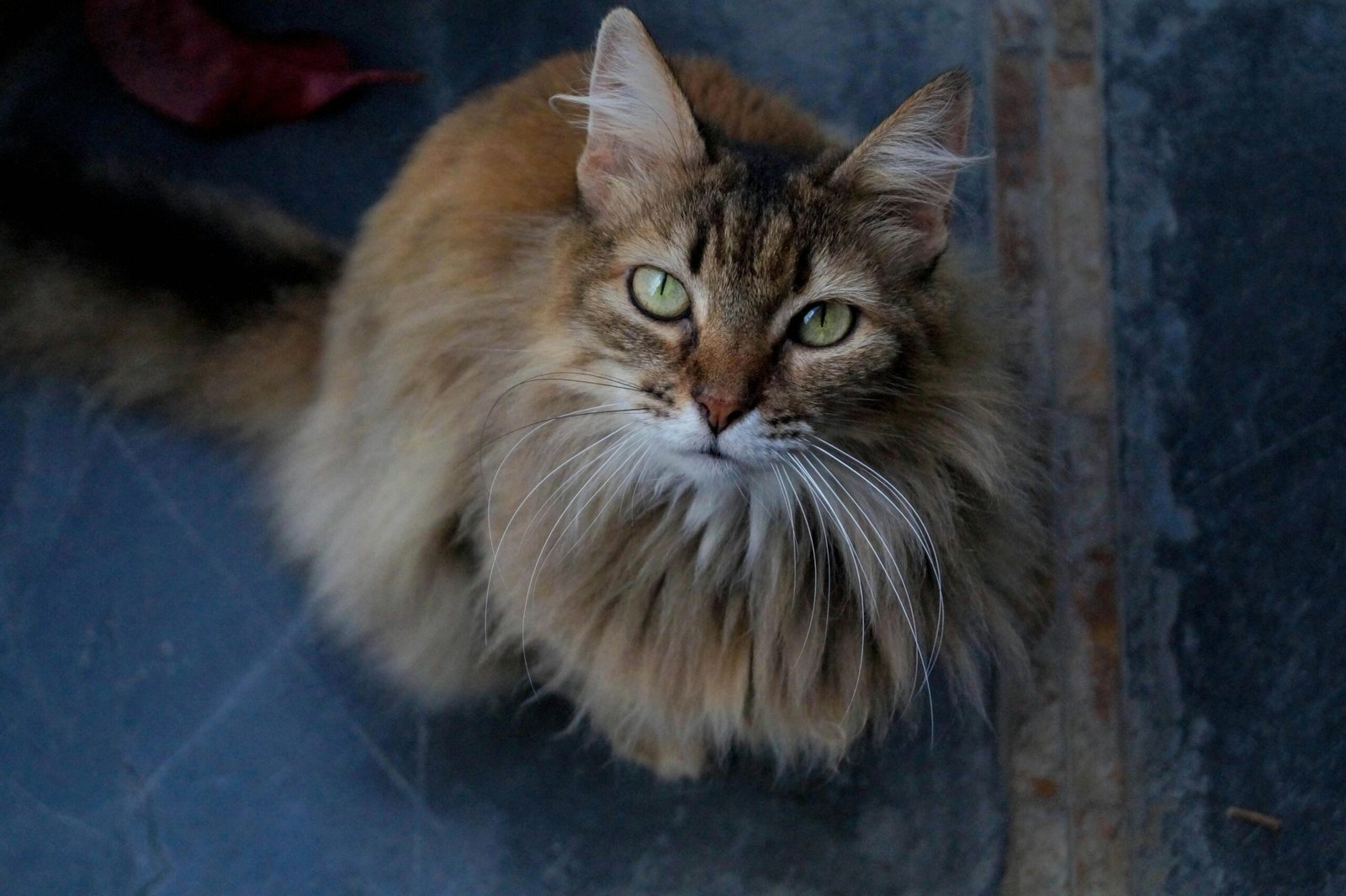
Manx – Loyal, Tailless Shadow
Introduce
The tailless Manx is famously affectionate and playful. Instead of disappearing for hours, many Manx cats stick close to their people, hopping onto the couch beside you or following you around like a little shadow.
Dog-Like Behaviors
- Follows owners from room to room
- Greets people at the door or with head-bumps
- Many enjoy games of fetch and simple commands
- Often relaxed and friendly with kids and other pets
Best For
- Families who want a social, people-focused cat
- Owners who want a companion that’s usually nearby
- Homes with other friendly pets that enjoy company
Care Watch-Outs
- Needs daily interaction and play to stay happy
- May become anxious or lonely if left alone too long
- Short coat is low-maintenance but still benefits from weekly brushing
Is This Your SnuggleSoul?
If you dream of a cat that acts like a loyal playmate and follows you everywhere, the Manx is a great choice. These dogs-in-cat-bodies thrive on attention, games, and human company. For someone who wants a furry friend always close by, a Manx may be your perfect SnuggleSoul.
Read more about Manx
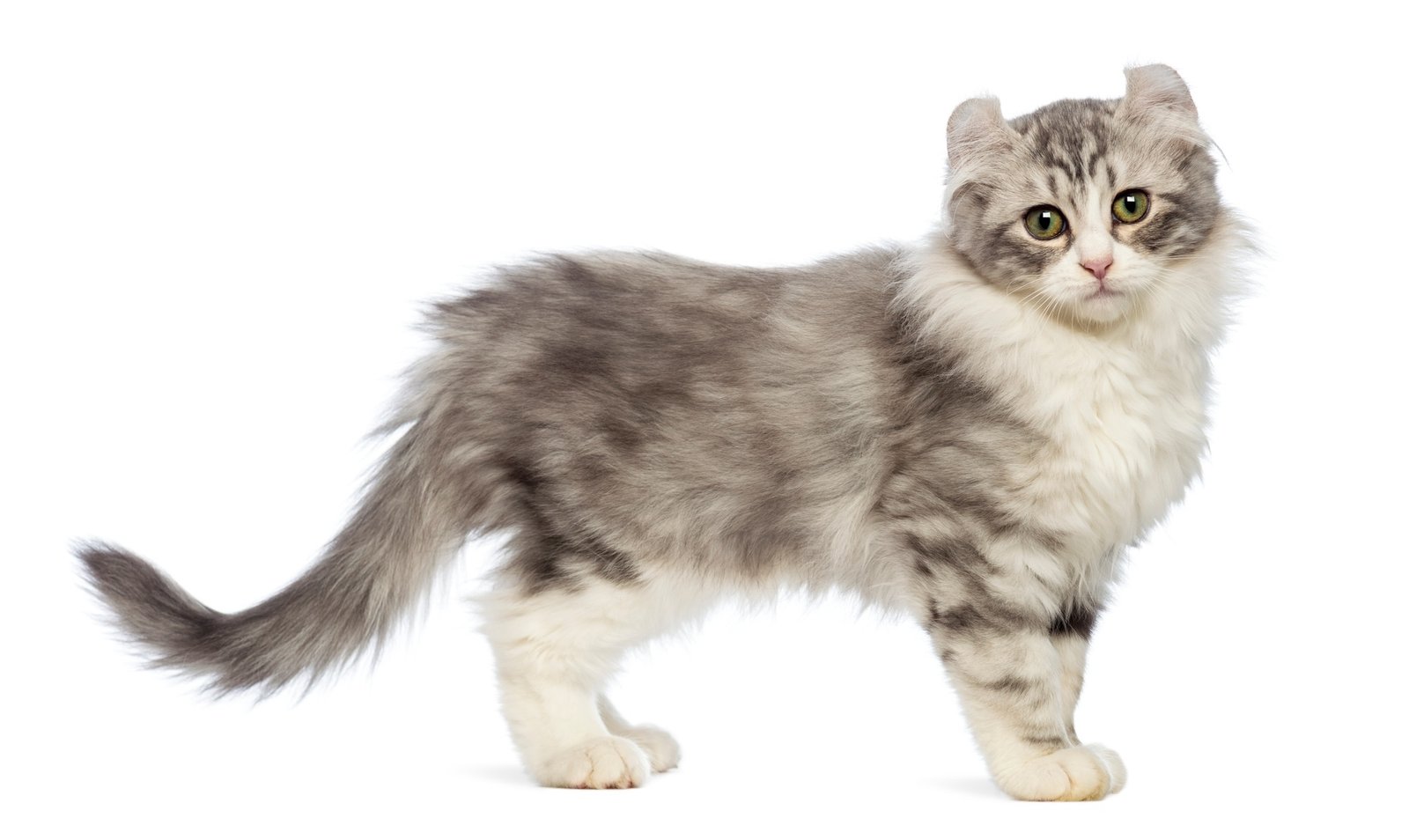
American Curl – Curious Family Cat
Introduce
Known for its adorable curled ears, the American Curl is also one of the most affectionate, people-loving cat breeds. They’re curious explorers who will investigate every corner of your home—then come back to your lap for cuddles.
Dog-Like Behaviors
- Actively seeks out people for attention and petting
- Often follows family members around the house
- Greets visitors and children with friendly curiosity
- Enjoys playing interactive games with toys and wands
Best For
- Families with kids who want a gentle, tolerant cat
- Owners who spend a lot of time at home and enjoy cuddles
- People who want a cat that integrates smoothly into family life
Care Watch-Outs
- Medium-length coat needs regular brushing to stay smooth
- Needs daily interaction and play to avoid boredom
- Not ideal for households where the cat is left alone all day
Is This Your SnuggleSoul?
If you picture a cat that welcomes guests, follows you like a puppy, and happily curls up in your lap, the American Curl fits beautifully. Dog lovers often adore this breed’s warm, family-focused personality, making it a wonderful SnuggleSoul for social households.
Read more about American Curl
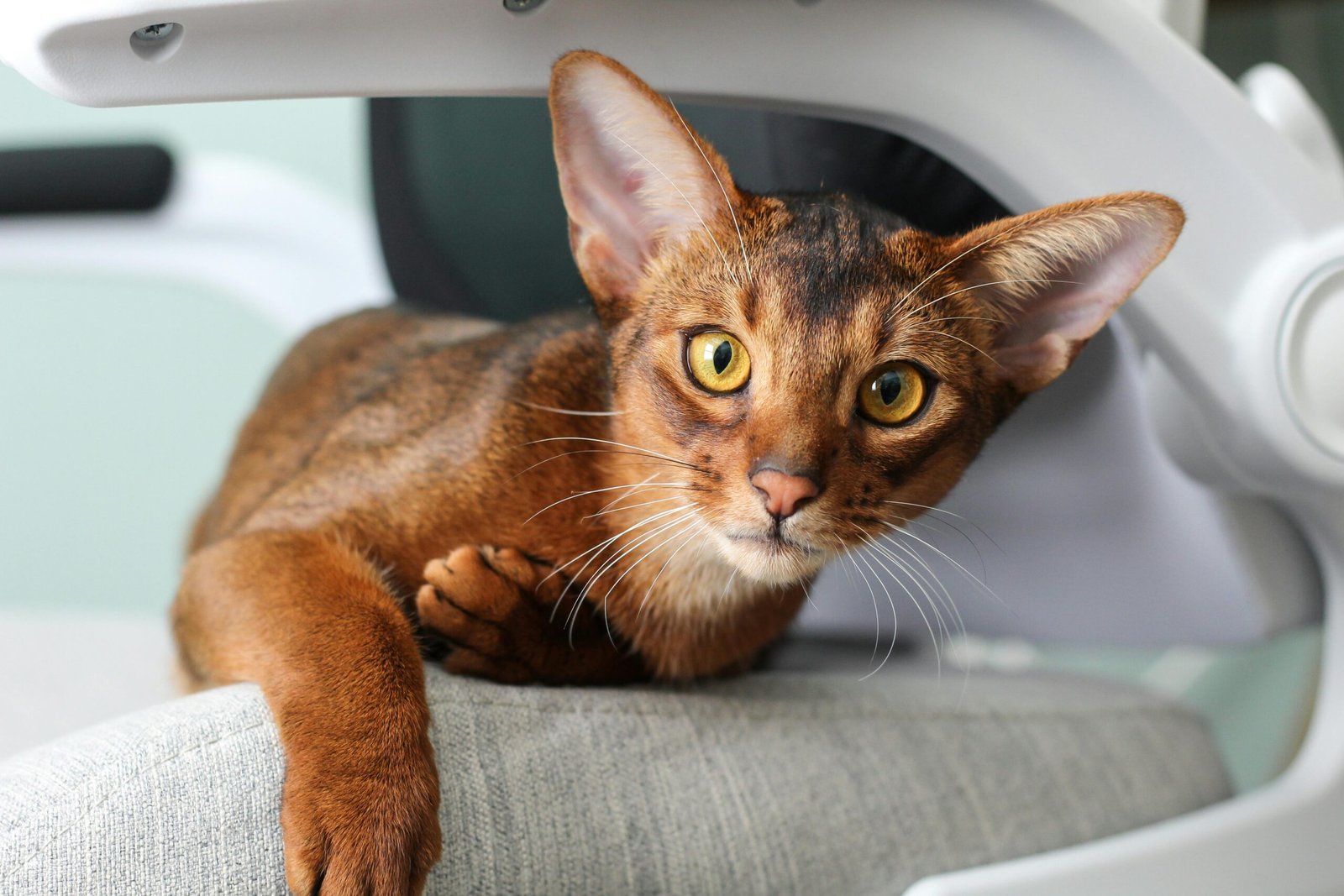
Abyssinian – High-Energy Play Partner
Introduce
Abyssinians are the entertainers of the cat world—lively, athletic, and full of affection. They rarely sit still for long and often seem more like playful puppies than quiet lap cats.
Dog-Like Behaviors
- Follows you from room to room, curious about everything you do
- Enjoys climbing, exploring, and playing fetch
- Many can learn tricks and even walk on a harness
- Loves interactive play and puzzle toys
Best For
- Active owners who enjoy spending time playing with pets
- People interested in clicker training and teaching tricks
- Homes that can provide vertical space (cat trees, shelves)
Care Watch-Outs
- Requires daily, energetic play sessions to burn off energy
- May become mischievous if understimulated
- Short coat is easy-care but regular brushing strengthens your bond
Is This Your SnuggleSoul?
If you want a high-energy companion who loves games, training, and constant interaction, the Abyssinian might be your perfect SnuggleSoul. These dog-like cats won’t just sit and watch life happen—they’ll insist on joining the fun.
Read more about Abyssinian
Burmese – Velcro Lap Cat
Introduce
Burmese cats are famously people-oriented, playful, and affectionate. They love being in the middle of family life and will often follow you around the house, chatting softly as they go.
Dog-Like Behaviors
- Forms strong bonds and prefers to be near “their” people
- Often greets you at doors, on the sofa, or at the table
- Enjoys gentle fetch games and simple training
- May roll over for belly rubs like a small dog
Best For
- Owners who want a cuddly, constant companion
- People who work from home or are home most of the day
- Families who want a cat that easily joins daily routines
Care Watch-Outs
- Can become sad or stressed if left alone too long
- Needs daily play and affection to stay emotionally healthy
- Short coat is low-maintenance but these cats crave touch and closeness
Is This Your SnuggleSoul?
If you’d love a cat that behaves like a loyal shadow—waiting by the fridge, curling up in your lap, and joining family activities—a Burmese is a beautiful fit. For dog lovers who don’t want daily walks but still want deep companionship, this breed is a classic SnuggleSoul.
Read more about Burmese
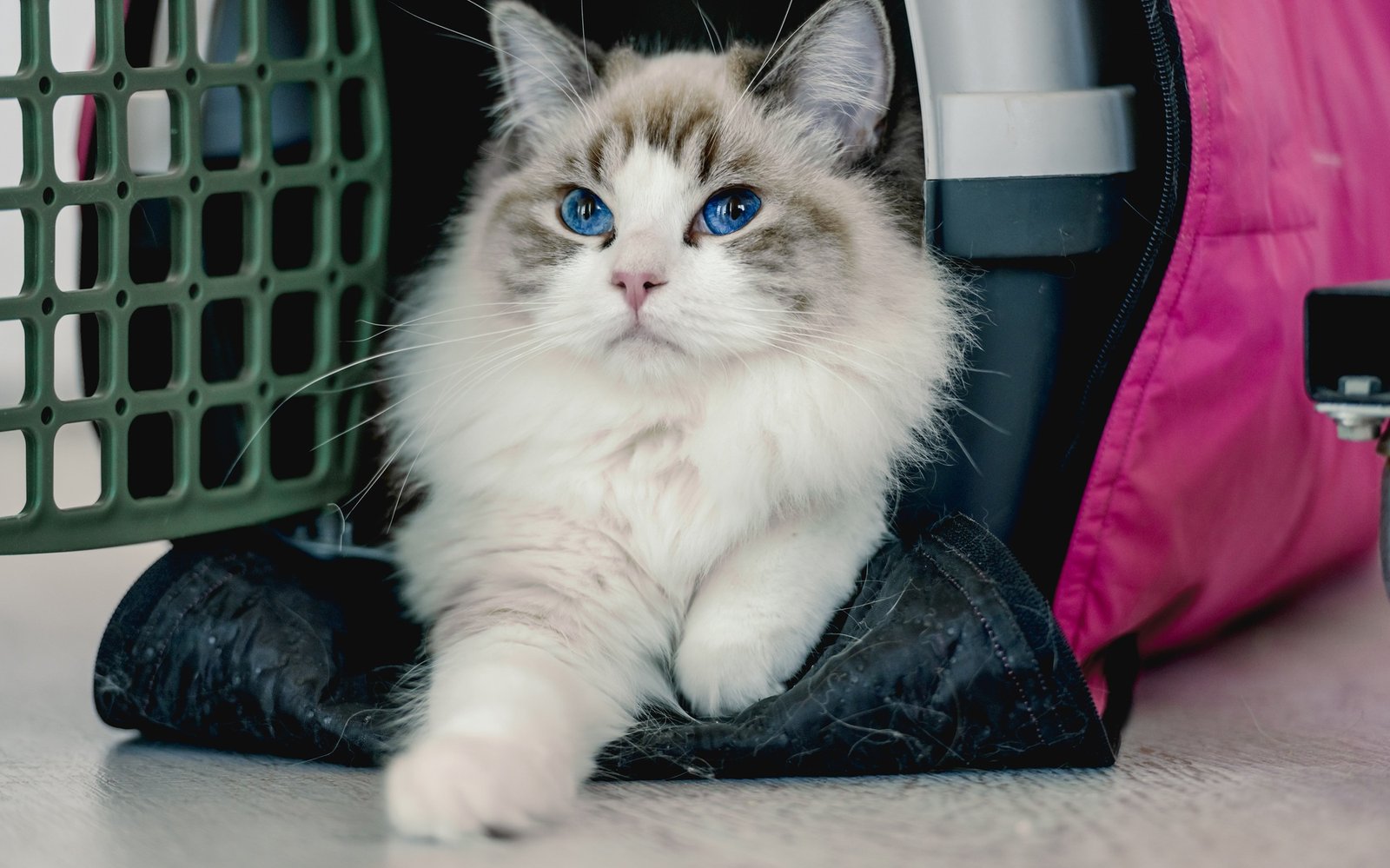
Ragdoll
Introduce
Ragdolls are gentle, relaxed cats known for going limp in your arms—hence the name. But behind that laid-back nature is a very dog-like affection: they often follow their people, greet them at the door, and love being carried or held.
Dog-Like Behaviors
- Follows you around the house and lies near wherever you settle
- Greets family members calmly and sweetly
- Often enjoys being picked up and held like a baby
- Many will play fetch with small toys or balls
Best For
- Families with children who want a gentle, tolerant cat
- Owners who like quiet companionship and cuddles
- People who prefer a lower-energy but very affectionate pet
Care Watch-Outs
- Long, silky coat needs regular brushing to prevent tangles
- Not as energetic—needs gentle play but not intense exercise
- Indoor life suits them best; they’re often too trusting outdoors
Is This Your SnuggleSoul?
If your dream is a calm, cuddly cat that behaves like a friendly, gentle dog, the Ragdoll is a top choice. These soft, relaxed “puppy cats” adore human contact and make wonderful SnuggleSouls for families and homebodies alike.
Read more about Ragdoll
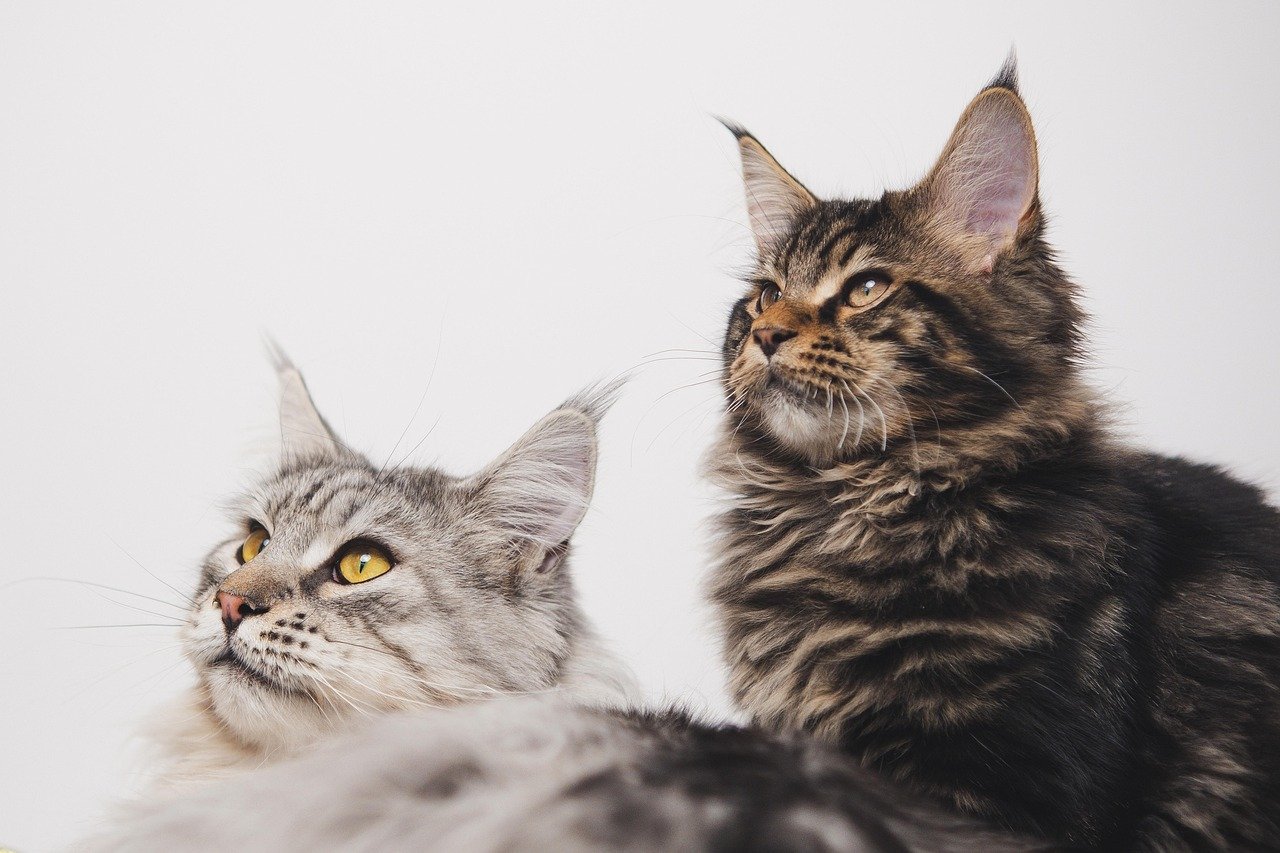
Maine Coon – Giant With a Dog Heart
Introduce
Often called the “gentle giant” of house cats, the Maine Coon combines impressive size with a huge, friendly heart. Many act like big, fluffy dogs—following their owners, learning simple commands, and staying close to family.
Dog-Like Behaviors
- Follows owners from room to room, often sitting nearby
- Greets visitors with curious, friendly interest
- Enjoys chasing toys and interactive play
- Some will learn to come when called or walk on a harness
Best For
- Families who want a large, sturdy, kid-friendly cat
- Dog lovers who want a cat with similar loyalty and presence
- Homes with enough space for a big, playful companion
Care Watch-Outs
- Thick, long coat needs regular brushing to prevent mats
- Moderate energy: needs playtime but also loves lounging
- Size means they may eat more and need sturdy cat furniture
Is This Your SnuggleSoul?
If you like the idea of a cat as big as a small dog—but twice as cuddly—a Maine Coon could be your match. These affectionate giants greet you at the door, follow you around like canine buddies, and make unforgettable SnuggleSouls.
Read more about Maine Coon
Birman – Calm, Affectionate Companion
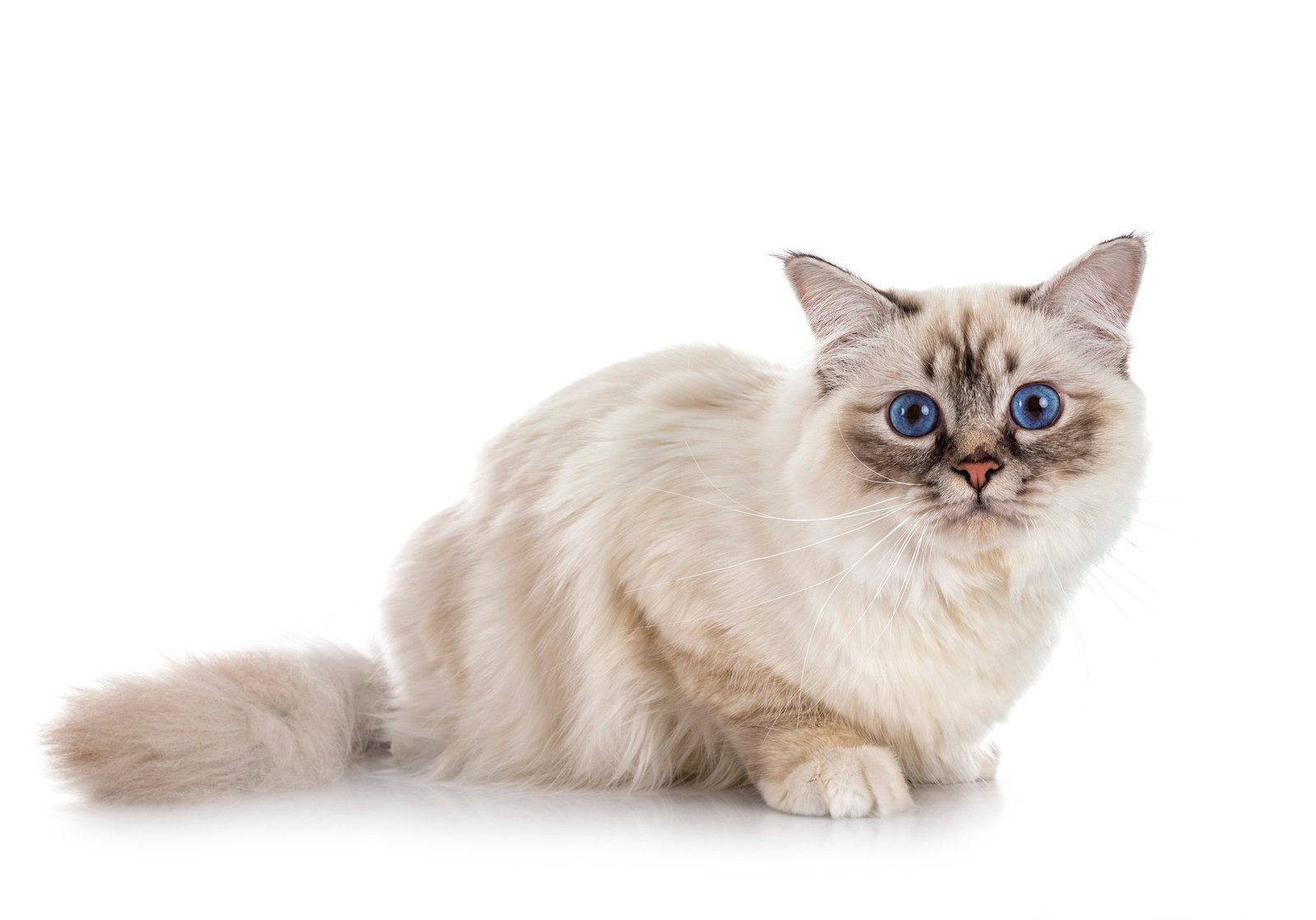
Introduce
The Birman is a calm, sweet-natured cat with a soft, loving personality. They enjoy being near their people without demanding constant high-energy play, making them feel like a gentle, easygoing family dog.
Dog-Like Behaviors
- Often follows favorite people from room to room
- Naps beside you on the sofa or at the foot of the bed
- Enjoys gentle play when you initiate it
- Commonly forms strong bonds with one or two special humans
Best For
- People who want a loving but low-key cat
- Families looking for a gentle companion for kids
- Owners who prefer quiet closeness over constant activity
Care Watch-Outs
- Medium-long coat needs regular brushing to stay tangle-free
- Needs affection and routine; doesn’t enjoy being ignored
- Not as hyper as some breeds—play tends to be moderate
Is This Your SnuggleSoul?
If you’d love a soft, loyal cat that quietly trails you from room to room, curls up beside you, and sticks to gentle routines, the Birman might steal your heart. For dog lovers who enjoy calm companionship, this breed is a wonderful SnuggleSoul.
Read more about Birman
Sphynx – Clownish, People-Obsessed Cat
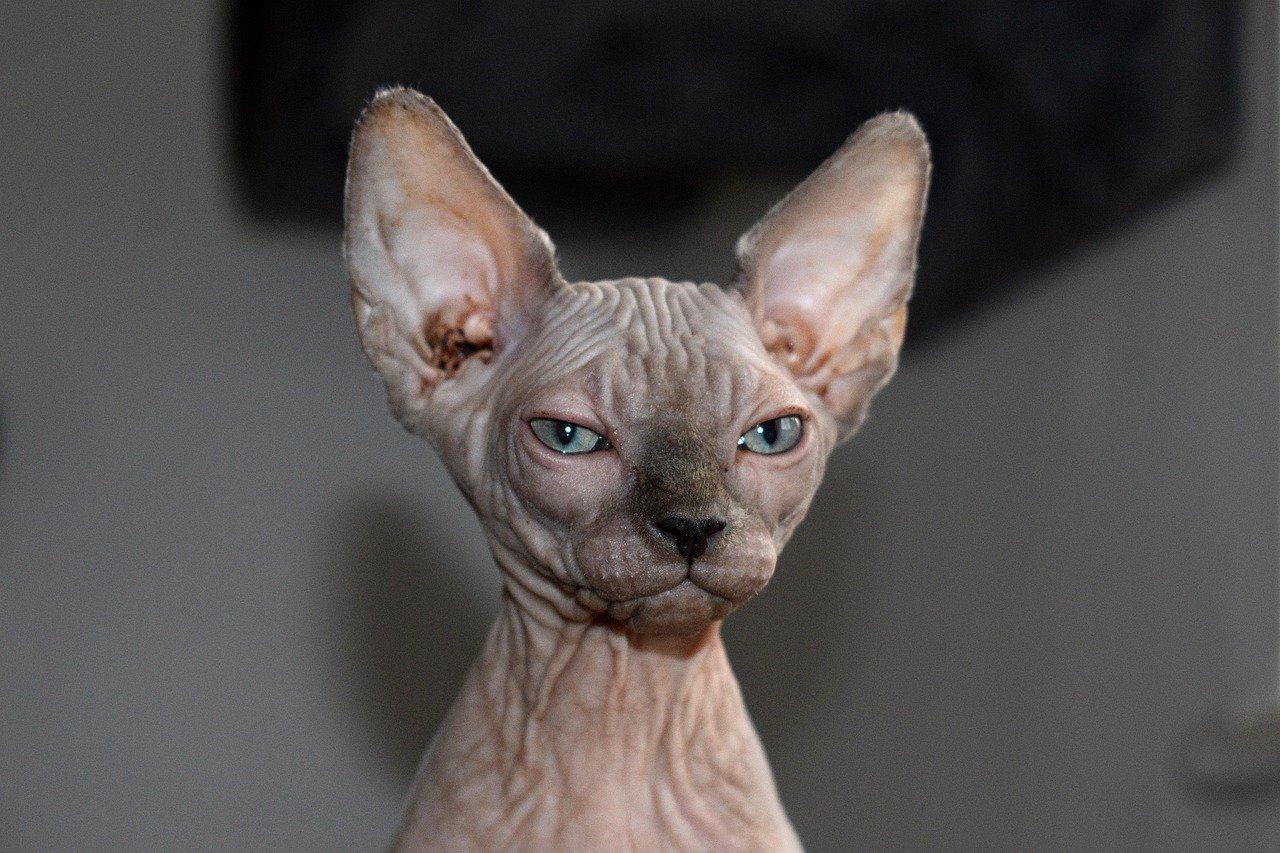
Introduce
Don’t be fooled by its lack of fur—the Sphynx has one of the biggest personalities in the cat world. These lively, loyal, and extremely affectionate cats often behave like tiny, mischievous puppies.
Dog-Like Behaviors
- Follows you everywhere and insists on being involved
- Greets you at the door and “talks” in trills, chirps, and meows
- Loves cuddling and sleeping under blankets with you
- Many enjoy learning tricks, playing fetch, and wearing sweaters
Best For
- Owners who want a highly interactive, people-obsessed cat
- Households where someone is home often
- People who don’t mind the extra care that comes with a hairless breed
Care Watch-Outs
- Needs regular baths to remove skin oils
- Sensitive to temperature—needs warmth and cozy sleeping spots
- Very social; may become anxious if left alone for long periods
Is This Your SnuggleSoul?
If you crave a cat that behaves almost exactly like a little puppy—greeting you at the door, following you everywhere, and demanding love on command—the Sphynx is a great choice. For owners who want constant interaction and hilarious antics, this breed makes an unforgettable SnuggleSoul.
Read more about Sphynx
Rescue Cat (Mixed Breed) – Surprise Dog-Like Personality

Introduce
Finally, remember that any cat can surprise you. Many rescue and shelter cats naturally show dog-like traits—following their people, playing fetch, or even walking on a leash. The “rescue” category here simply means a non-pedigree cat with a unique mix of genes and personality.
Shelter staff usually spend time observing each cat’s behavior. That means you can ask specifically for a cat that acts like a dog: one that enjoys being handled, greets visitors, or loves toys and training.
Dog-Like Behaviors
- Follows people around the shelter looking for attention
- Enjoys being picked up, petted, or brushed
- Shows interest in toys, games, and learning new things
- Greets staff at the front of the cage instead of hiding
Best For
- People who want to adopt and save a life
- Families open to discovering a unique, one-of-a-kind personality
- Owners who value temperament over pedigree
Care Watch-Outs
- History may be unknown—some cats need extra patience and kindness
- Energy level and grooming needs vary by individual
- Slow introductions to other pets are especially important
Is This Your SnuggleSoul?
If you’re open to adopting, a rescue cat can be an amazing dog-like companion. Talk to shelter staff about cats that are social, playful, and people-focused—they’ll often know exactly which ones “act like dogs.” With the right love and encouragement, a rescue cat will repay you with deep loyalty and affection, becoming a truly special SnuggleSoul.
We always encourage loving homes to give a friendly shelter kitty a chance; you might find your perfect SnuggleSoul unexpectedly.
Our Commitment to You and Your Cat: A Lifetime of Snuggles
At SnuggleSouls, we’re here to help you and your pet thrive together. Our passionate team combines experience with the latest research to give you trustworthy, practical advice on cat behavior and care.
We promise to guide you with warmth and clarity, so you’ll always feel confident about feeding, grooming, and entertaining your feline friend.
Whether you have one of the breeds above or any cat at all, we’re dedicated to supporting you and celebrating every meow, purr, and playful jump with you. Your satisfaction and your cat’s happiness are our top priorities – after all, snuggles are forever!
How to Train Your Cat to Act More Like a Dog
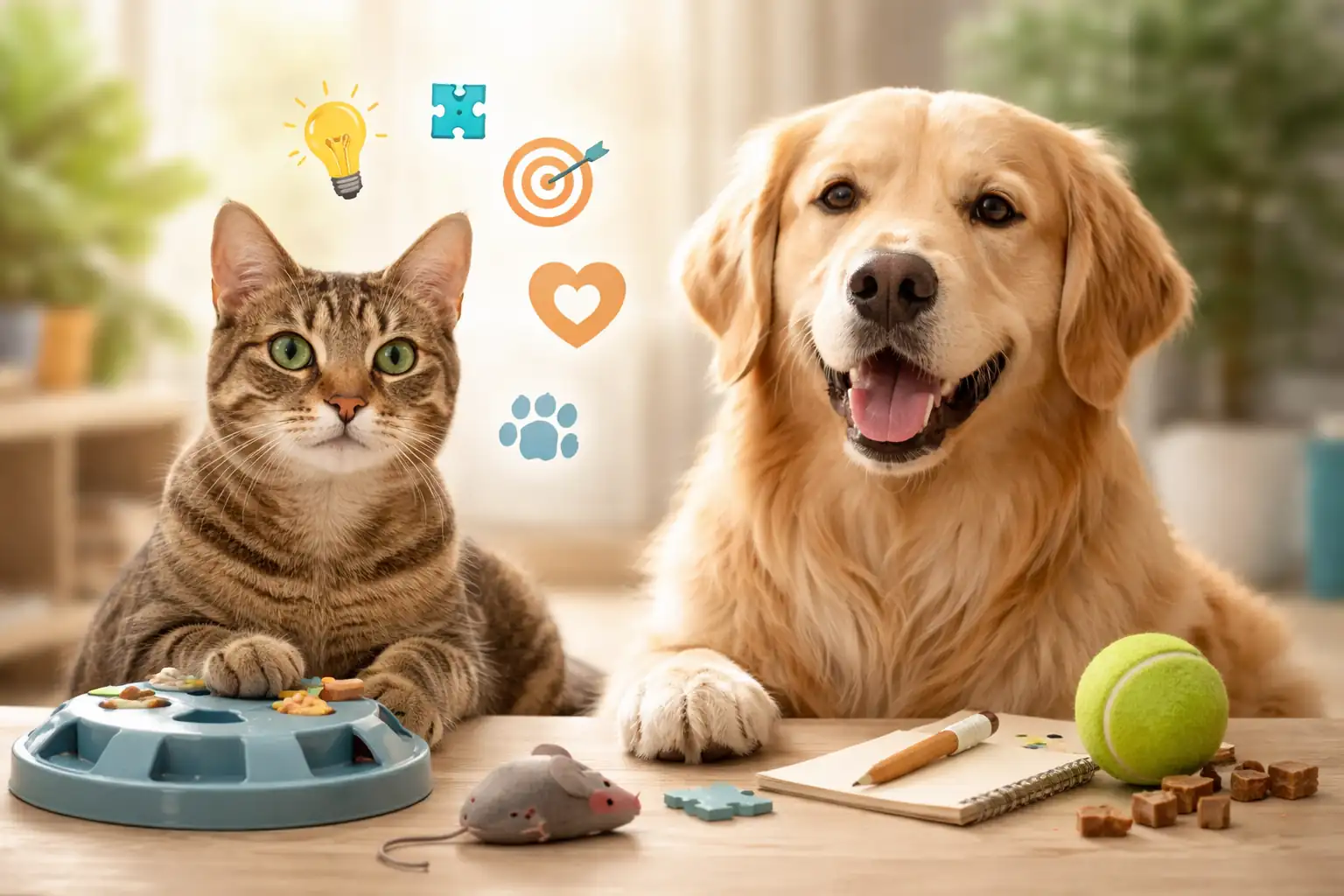
You don’t have to rely on breed alone—training makes a huge difference in how “dog-like” your cat becomes. With patience and positive reinforcement, many cats will happily learn to come when called, play fetch, or even walk on a leash.
Start With Their Name and “Come”
- Choose a short, clear name and a simple cue like “Name + come!”
- Say the cue in a happy voice, then reward your cat with a treat when they move toward you.
- Practice in short sessions throughout the day so your cat learns that coming to you is always rewarding.
Use Positive Reinforcement (Like a Dog)
- Keep tiny treats or a clicker handy.
- When your cat does something you like—coming when called, sitting politely, or touching your hand—reward them immediately.
- Avoid punishment; it makes cats hide or feel stressed instead of confident and dog-like.
Teach Fetch in Simple Steps
- Choose a light toy your cat already likes.
- Toss it a short distance on the floor.
- When your cat grabs it, gently encourage them back toward you with a treat or by backing up.
- Reward any movement toward you with the toy, even if they don’t bring it all the way at first.
Over time, many cats will happily chase and return the toy just like a small dog.
Try Harness and Leash Training
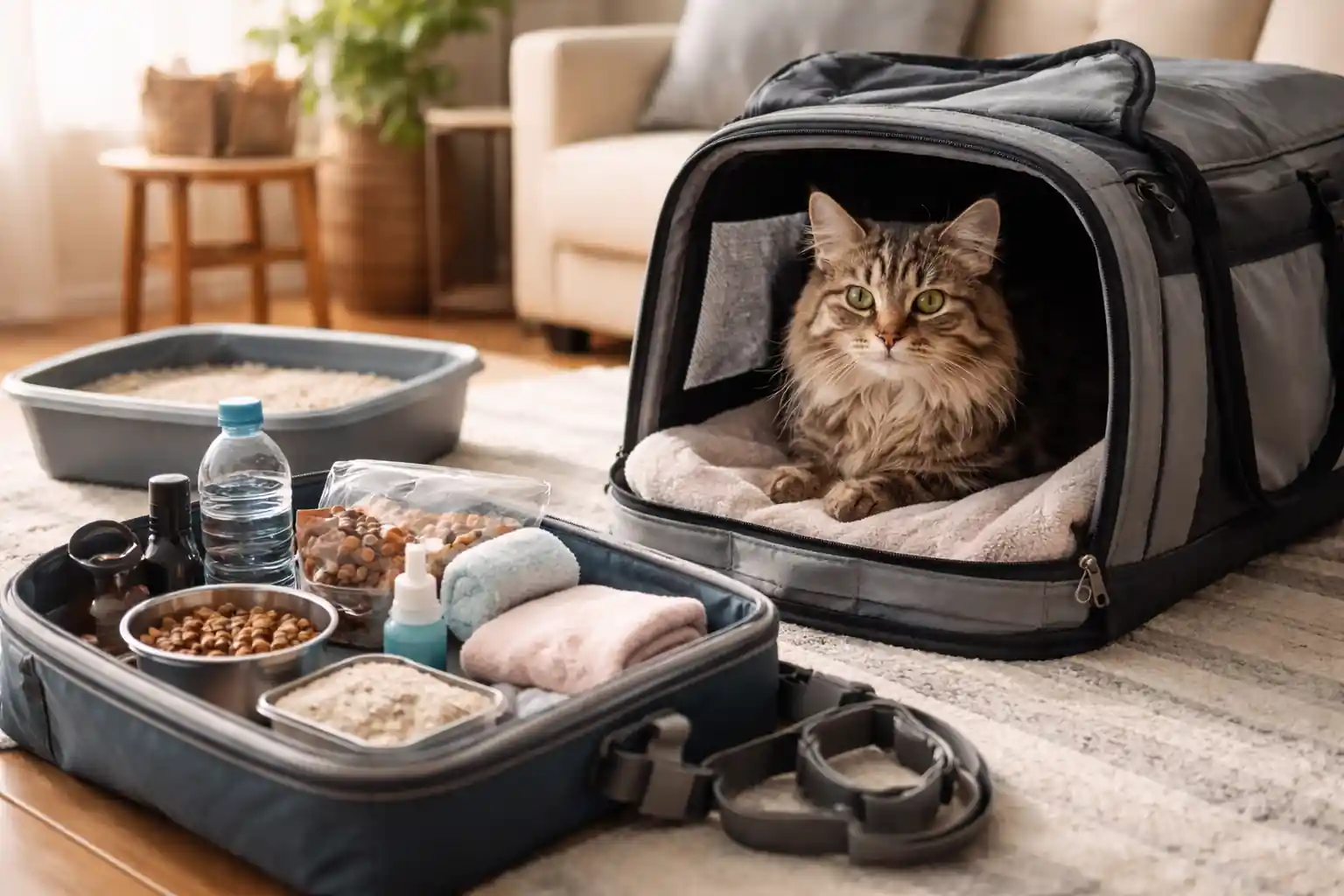
- Start by letting your cat sniff and wear a comfortable harness indoors with treats and praise.
- Once they’re relaxed in the harness, clip on a light leash and let it drag behind while you reward calm behavior.
- When your cat seems confident, guide them gently or follow them as they explore in a safe indoor or enclosed outdoor space.
Keep Sessions Short and Fun
Cats learn best in short bursts—3–5 minutes at a time, a few times per day. Always end on a positive note with a treat, play, or cuddles. With consistency, even a “regular” cat can develop very dog-like habits and deepen your bond in the process.

FAQ: Dog-Like Cat Breeds
What exactly makes a cat “dog-like”?
In general, dog-like cats are simply those that show behaviors we usually associate with dogs. For example, they might greet you at the door, follow you around the house, enjoy training games, and even walk on a leash.
According to experts, these traits include strong attachment to owners, an interest in water play, and a willingness to respond to commands. The label “dog-like” isn’t an official breed standard – it’s just a way to describe a cat with unusually loyal, social behavior.
Can any cat learn to act like a dog?
Absolutely. While some breeds tend to have these qualities, the environment plays a big role. Kittens who grow up well-socialized often become affectionate and trainable regardless of pedigree.
For example, rescue (mixed-breed) cats are often very loving and playful if they’ve had friendly early experiences. It’s really about your cat’s unique personality and how you raise it: with time, patience and positive reinforcement, you can encourage dog-like behaviors in almost any cat.
How do I train a cat to do tricks or come when called?
Many cat owners find that dog-like breeds are eager learners. Positive reinforcement works well: use treats or clicker training as you would with a dog. Certain cats will chase a thrown toy or ball much like a pup.
Ragdolls and Abyssinians, for example, often enjoy fetch games and can be taught to fetch or do simple tricks. The key is consistency and patience. Cats can be trained on command as long as you reward them, so feel free to teach yours to sit, stay or walk on a leash.
Will these cats get along with dogs, kids, or other pets?
In general, yes – dog-like breeds tend to be very sociable. Ragdolls are famous for being gentle with children and even getting along with dogs. Many Manx and Birman cats are also patient and adapt well to family life.
Because these breeds crave companionship, they often enjoy meeting new people and animals. Of course, every animal is individual, so proper introductions are important. But if you have other pets, a cat from one of these breeds will often become just another friendly member of the crew.
How much play and care do these cats need?
Most dog-like cats do best with daily interaction. Active breeds like Abyssinians or Sphynxes love vigorous play or puzzle toys. Make sure to set aside time each day for play – it keeps them happy and out of trouble.
Grooming needs vary: short-haired breeds (Abyssinian, Burmese) need little more than weekly brushing, while long-haired cats (Ragdolls, Maine Coons) benefit from regular combing to keep coats mat-free. Overall, plan to engage your cat mentally and physically – they’ll reward you with affectionate antics and loyalty in return.
Are any of these cats hypoallergenic?
Hypoallergenic cats are rare, and traits like “dog-like” personality don’t usually affect allergens. Among the listed breeds, none are truly hypoallergenic (even the Sphynx, though hairless, produces skin oils).
If you have allergies, talk to an allergist; some people handle certain short-haired breeds slightly better, but individual reactions vary. Whenever possible, spend time with a cat before adopting to see how your body reacts.

 EN
EN DE
DE ES
ES PT
PT