

How Long Do Cats Live?
Welcoming a cat into your home is one of the most rewarding commitments you can make—and naturally, one of the first questions every new (and experienced) pet parent asks is: how long do cats live? While we often joke about cats having nine lives, the reality is that they only have one. Its length and quality depend heavily on the choices you make every single day.
Most domestic pet cats live about 13 to 17 years. With consistent preventive care, a safe home environment, and proper nutrition, many indoor cats comfortably reach their late teens, and some even live well into their 20s. The oldest recorded cat, Creme Puff of Austin, Texas, lived an astonishing 38 years. While that is an extraordinary outlier, it does remind us that “average” is never the ceiling.
In this guide, we explore the real numbers behind feline life expectancy, compare indoor versus outdoor lifespans, break down how different breeds age, walk through each life stage, and provide five evidence-based practices to help your feline companion live a longer, healthier life.
Table of Contents
Average Cat Lifespan: What the Numbers Actually Mean

When you search for cat lifespan data, you will quickly notice that different sources quote different numbers. This is not a mistake—it is because they are measuring different things. Understanding the distinction will help you set realistic expectations and make smarter care decisions.
| Lifespan Figure | What It Measures | Best Used For |
|---|---|---|
| 13–17 years | The standard “average lifespan” range for domestic pet cats living in homes with routine care. | Setting realistic expectations for most household cats. |
| 20+ years | Achievable with excellent genetics, ideal body weight, and strong preventive veterinary care. | Understanding what is possible with dedicated, long-term care. |
| ~11.7 years | Life expectancy at birth across a large population dataset, which includes early-life deaths, strays, and high-risk cats. | Understanding population-level risk and how factors like sex and breed shift outcomes. |
Key Takeaway: For most pet owners, planning around a 13 to 17-year lifespan is the most practical approach. The most significant levers you control are maintaining a healthy weight, providing routine preventive care, and ensuring a safe lifestyle.
A landmark 2024 study published in the Journal of Feline Medicine and Surgery, drawing on data from the Royal Veterinary College’s VetCompass programme, provided some of the most detailed population-level insights to date. The research found that female cats live approximately 1.33 years longer than males on average. It also confirmed that cats maintaining an ideal body weight significantly outlived those that were either underweight or obese. These are not small differences—they represent real, actionable opportunities for every cat owner.
If you are curious about how your cat’s age translates to human years, our Cat Age Calculator provides an instant, personalized conversion.
Indoor vs. Outdoor: The Single Biggest Lifespan Decision
Of all the factors that influence how long a cat lives, the decision to keep them indoors or allow them to roam freely outdoors has the most dramatic impact. This is not a subtle difference—it is the difference between a typical lifespan of 13 to 17 years and an average of just 2 to 5 years.
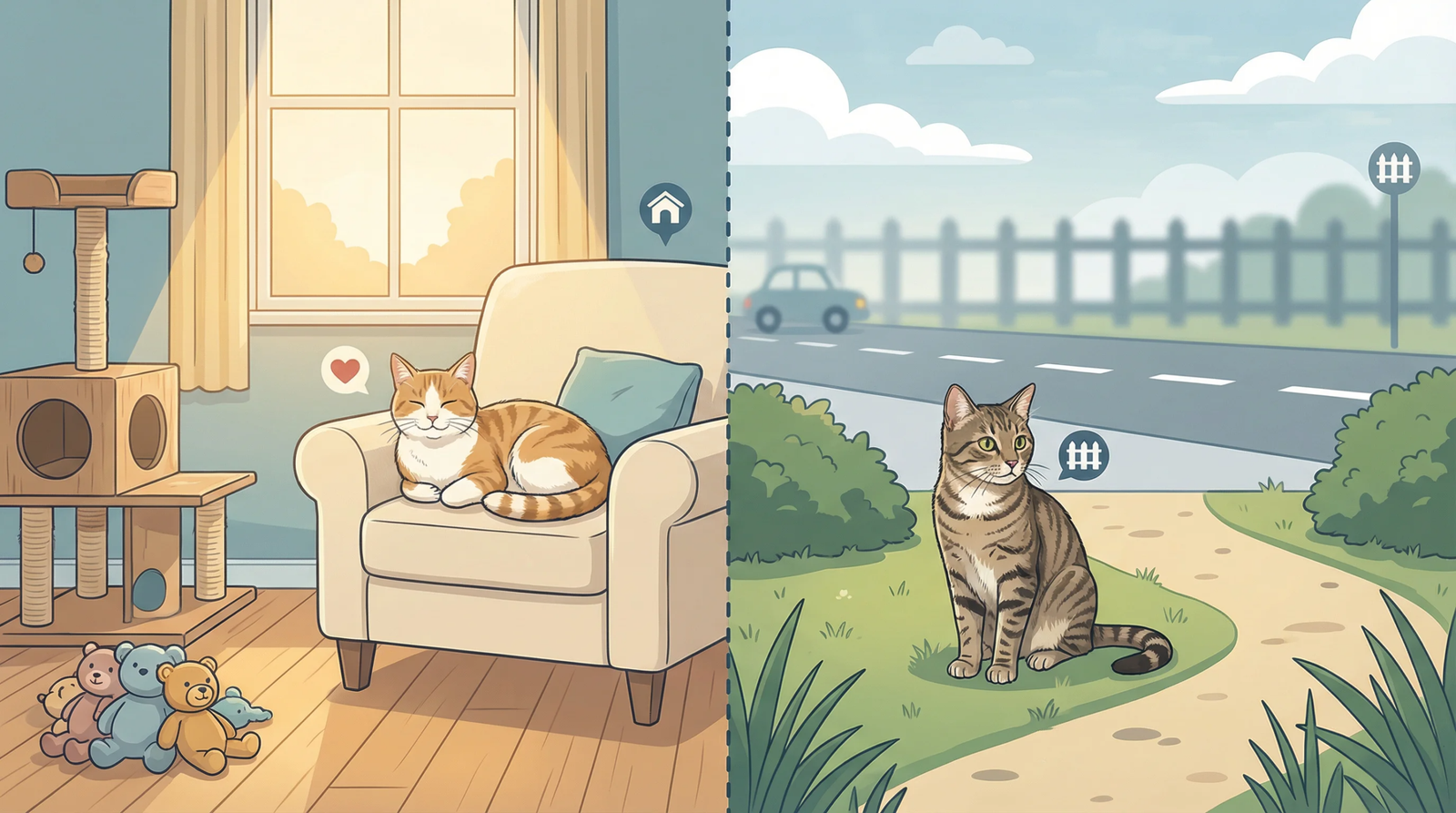
The reason for this gap is straightforward: outdoor cats face a constant gauntlet of hazards that their indoor counterparts are entirely shielded from. Traffic accidents are among the leading causes of death for free-roaming cats. Beyond cars, outdoor cats are regularly exposed to Feline Leukemia Virus (FeLV) and Feline Immunodeficiency Virus (FIV) through contact with other cats, as well as rabies from wildlife encounters. Parasites—fleas, ticks, intestinal worms, and heartworms—are far more prevalent outdoors. Poisoning from pesticides, rodenticides, and toxic plants is another significant risk.
It is worth addressing a common concern: many cat owners worry that keeping a cat indoors will make them bored, frustrated, or unhappy. This is a valid concern, but it is entirely solvable. A properly enriched indoor environment—with vertical climbing space, interactive toys, window perches, and daily play sessions—can fully satisfy a cat’s natural instincts. The key is active enrichment, not passive containment.
The Best of Both Worlds: Safe Outdoor Access
If you want your cat to experience the sensory enrichment of the outdoors without the associated risks, there are excellent middle-ground options. Building a secure “catio” (an enclosed outdoor cat patio) gives your cat access to fresh air, sunlight, and the sights and sounds of nature while eliminating exposure to traffic, predators, and disease. Alternatively, many cats can be trained to walk on a harness and leash, which provides supervised outdoor exploration.
For more on keeping indoor cats mentally stimulated and behaviorally healthy, explore our Cat Behavior and Enrichment guides.
Cat Lifespan by Breed: What Your Cat’s Genetics Mean for Their Future
While lifestyle and environment are the primary drivers of longevity, genetics and breed do play a meaningful supporting role. The most important genetic advantage a cat can have is simply being a mixed breed. Mixed-breed cats—commonly known as Domestic Shorthairs or Domestic Longhairs—tend to outlive purebreds due to “hybrid vigor,” a phenomenon where a broader gene pool reduces the concentration of inherited genetic diseases.
Among purebred cats, the differences in life expectancy can be significant, as the 2024 VetCompass study demonstrated:
| Cat Type / Breed | Typical Lifespan | Key Consideration | Best Owner Actions |
|---|---|---|---|
| Mixed-Breed (Domestic Shorthair/Longhair) | 15–18+ years | Genetic diversity reduces the risk of inherited diseases. | Prioritize indoor safety, balanced diet, and regular vet care. |
| Siamese | 15–20 years | Slim, athletic build; generally fewer breed-specific health issues. | Dental care, weight control, and routine annual screening. |
| Burmese | ~14.4 years average | Among the longest-lived purebreds in large-scale research. | Routine preventive care; watch for diabetes in older cats. |
| Birman | ~14.4 years average | Gentle, indoor-friendly temperament supports longevity. | Annual wellness exams, dental care, and enrichment. |
| Maine Coon | 10–13 years | Prone to hypertrophic cardiomyopathy (HCM); larger body size linked to faster aging. | Early cardiac screening, maintain lean weight, joint care. |
| Ragdoll | 10–13 years | Similar cardiac risks to Maine Coon; very docile temperament. | Regular cardiac and kidney monitoring from middle age. |
| Sphynx | ~6.8–10 years | Highest cardiac disease risk among common breeds; requires specialized skin care. | Frequent veterinary screening; strict indoor-only living is essential. |
These are typical ranges, not guarantees. Individual lifespan depends heavily on health history, body condition, and the quality of preventive care received throughout life.
Cat Life Stages: Tailoring Your Care at Every Age
Cats do not age at a uniform pace. A one-year-old kitten matures with breathtaking speed, while a ten-year-old cat changes more gradually. The American Animal Hospital Association (AAHA) and the American Association of Feline Practitioners (AAFP) have established a six-stage life framework to help owners align their care with their cat’s actual biological needs.
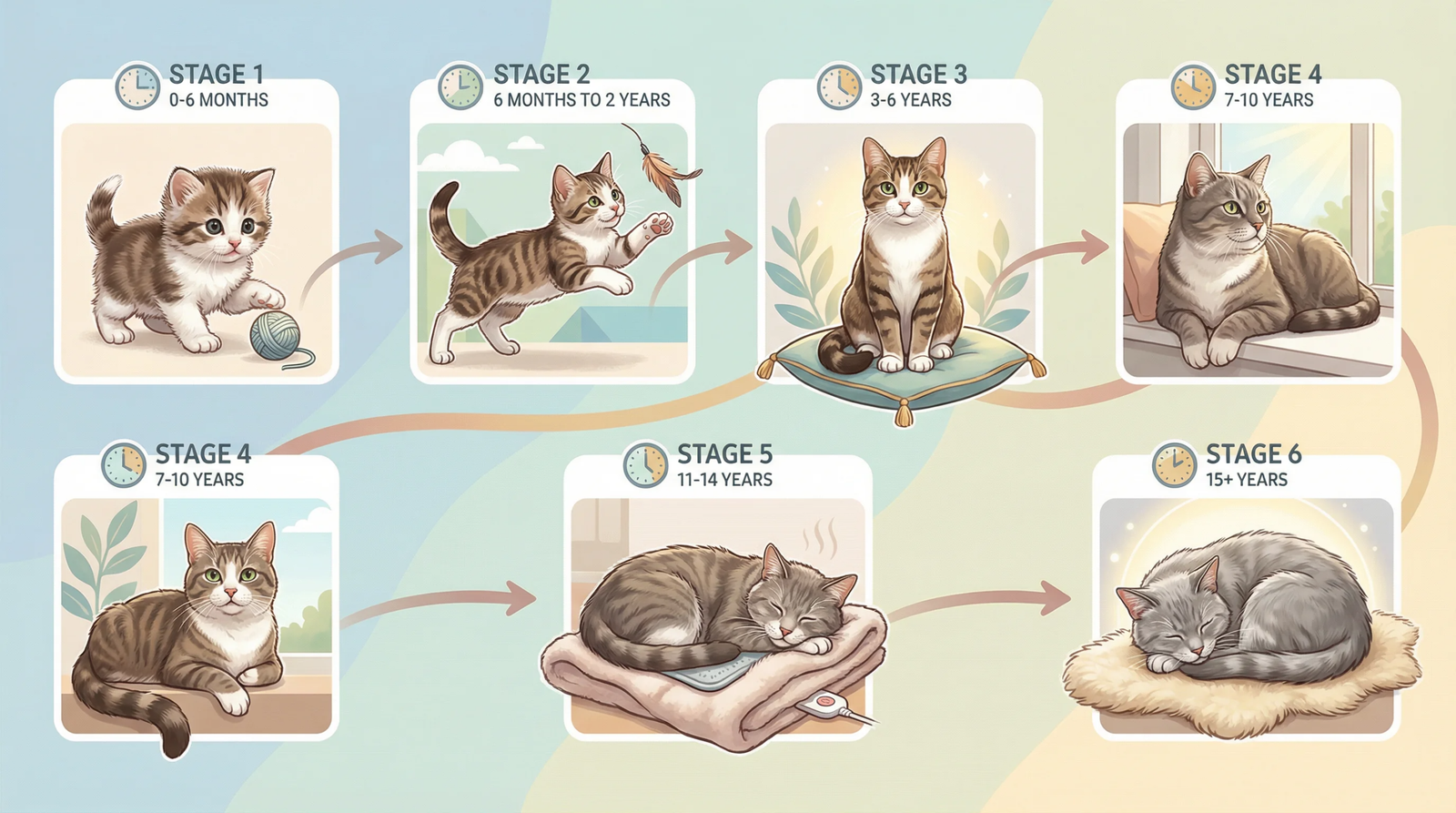
Understanding these stages is not just academic—it is the practical foundation for knowing when to adjust food, how often to schedule vet visits, and what warning signs to watch for.
Stage 1: Kitten (0–12 months)
This is the fastest period of growth and development in a cat’s life. Kittens are learning what “normal” looks and feels like—household sounds, handling, other pets, and play boundaries. Their nutritional needs are highest during this stage, requiring a diet specifically formulated for growth. Core vaccines (FVRCP and rabies) should be started at around 8 to 9 weeks, and spaying or neutering is typically recommended around 5 to 6 months of age. Beginning gentle daily handling of their paws, ears, and mouth during kittenhood makes future veterinary care significantly less stressful for both cat and owner.
Stage 2: Young Adult (1–3 years)
Young adult cats are fully grown and often at peak curiosity and energy. This is the best window to lock in healthy habits that will pay dividends for years to come. Transitioning to a high-quality adult food, measuring meal portions to prevent gradual weight gain, and establishing a routine of daily interactive play are the most important priorities. Annual wellness exams should begin here, even though this age group is relatively resilient to illness. Baseline bloodwork at this stage gives your vet a valuable reference point for future comparisons.
Stage 3: Adult (3–6 years)
The prime adult years are typically the healthiest phase of a cat’s life. The primary goal is maintenance and early detection. Dental disease is one of the most commonly overlooked health issues that begins during this stage—bacteria from untreated gum disease can enter the bloodstream and affect the kidneys, liver, and heart over time. Building a dental care routine now (tooth brushing, dental treats, or water additives) is one of the most impactful investments you can make in your cat’s long-term health.
Stage 4: Mature (7–10 years)
Equivalent to human middle age, the mature stage brings a gradual metabolic slowdown. Cats in this range are more prone to weight gain even on the same caloric intake they had at age three. Subtle mobility changes may begin to appear, and early signs of chronic conditions like kidney disease or hyperthyroidism can emerge. This is an excellent time to introduce periodic bloodwork and urinalysis, even if your cat appears perfectly healthy. Catching these conditions in their earliest stages dramatically improves treatment outcomes.
Stage 5: Senior (11–14 years)
Senior cats need more frequent check-ins because chronic diseases become significantly more likely, and early treatment makes a real difference in quality of life. Twice-yearly veterinary visits are commonly recommended for cats in this age range, with each visit including bloodwork, urinalysis, blood pressure measurement, and a mobility assessment. At home, focus on hydration (wet food and water fountains help), gentle daily play to preserve muscle mass, and making the home easier to navigate with ramps, low-sided litter boxes, and soft bedding.
Stage 6: Geriatric (15+ years)
In their golden years, comfort and pain management become the primary priorities alongside nutrition. Many geriatric cats have one or more managed chronic conditions. The goal shifts from prevention to quality of life: ensuring they can reach their food, water, and litter box without pain or difficulty, providing warmth and soft resting places, and maintaining the bond and routine that gives them a sense of security. Regular veterinary visits every three to six months are ideal for cats in this stage.
If you are unsure which stage best describes your cat, focus on their current energy, mobility, appetite, and behavior rather than their calendar age alone. For stage-specific dietary guidance, explore our Feeding & Nutrition guides.
5 Proven Ways to Help Your Cat Live Longer
Genetics are largely out of our hands, but daily care is entirely within our control. These five evidence-based practices represent the highest-impact actions any cat owner can take.
1. Keep Your Cat Indoors and Spay or Neuter Early
As discussed, indoor living is the single most powerful lifespan extender available to cat owners. Combined with spaying or neutering, the effect is compounded. Scientific evidence consistently shows that altered cats live longer than intact ones—not only because reproductive cancers are prevented, but because neutered cats are far less motivated to roam, fight, and engage in the high-risk behaviors that lead to injury and disease.
2. Maintain an Ideal Body Weight Through Portion Control
Obesity is a silent but serious threat to feline longevity. Excess weight increases the risk of diabetes, places chronic strain on joints, and compromises liver function. The solution is straightforward but requires consistency: measure your cat’s daily food portions rather than free-feeding, and reassess their caloric needs at every life stage. If you cannot easily feel your cat’s ribs without pressing firmly, it is time to consult your veterinarian about a safe, gradual weight-loss plan. Our Cat Calorie Calculator can help you estimate appropriate daily intake.
3. Protect Their Dental Health Before It Becomes a Problem
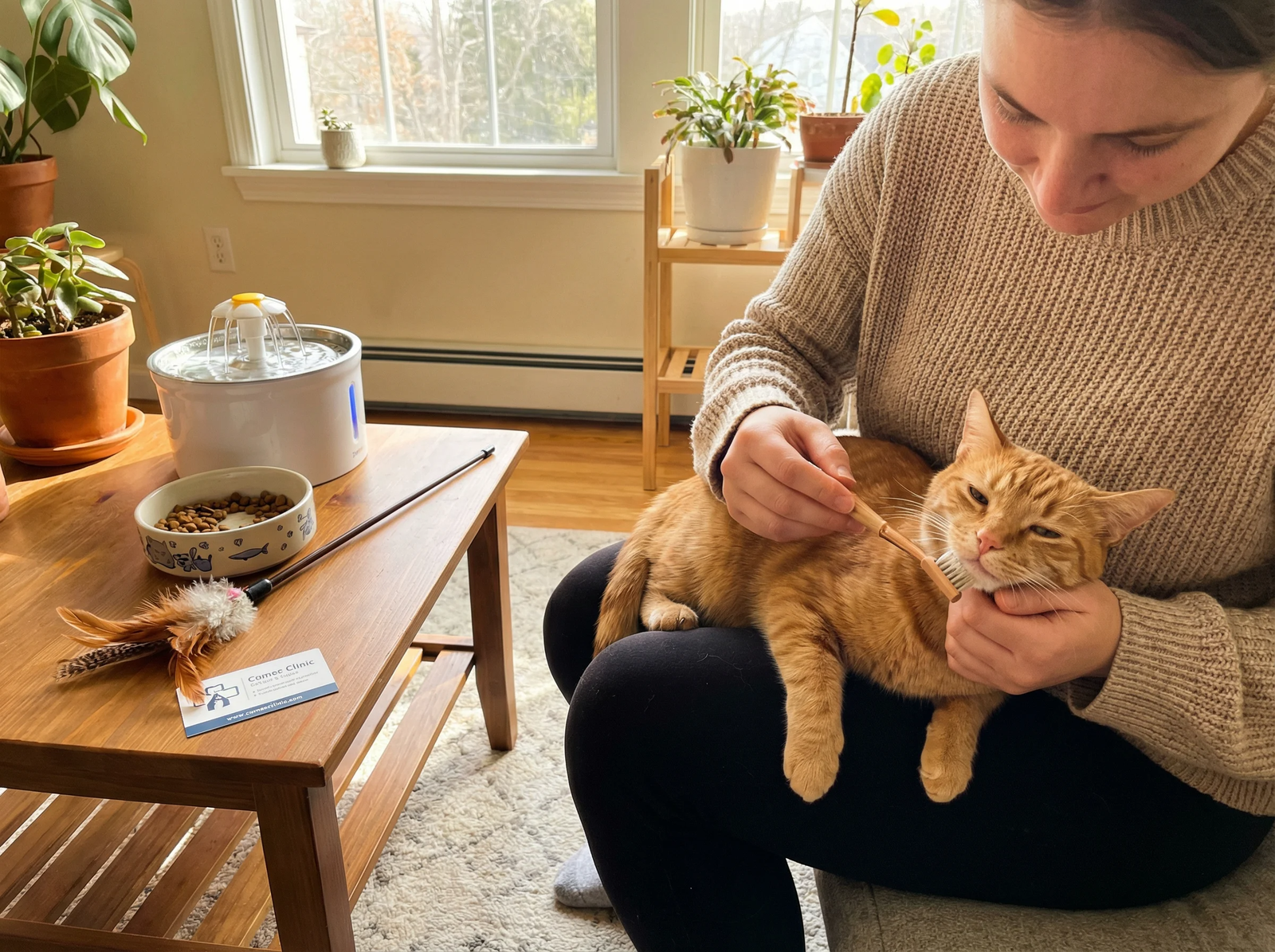
Dental disease affects the majority of cats over the age of three, yet it remains one of the most under-addressed health issues in feline care. The pain from untreated dental disease can reduce appetite, cause behavioral changes, and allow bacteria to enter the bloodstream, where they can damage the kidneys and heart over time. If daily tooth brushing is not realistic for your cat, vet-approved dental chews, water additives, and annual professional dental cleanings are effective alternatives.
4. Support Kidney Health Through Hydration
Chronic kidney disease (CKD) is one of the most prevalent conditions in senior cats, and while it cannot always be prevented, its progression can be slowed significantly with early detection and good hydration habits. Cats are naturally low-thirst animals with a biological preference for obtaining moisture from their prey. Encouraging water intake through multiple water stations, a flowing fountain, and incorporating wet food into their diet can meaningfully support kidney function over the long term.
5. Commit to Routine Preventive Veterinary Care
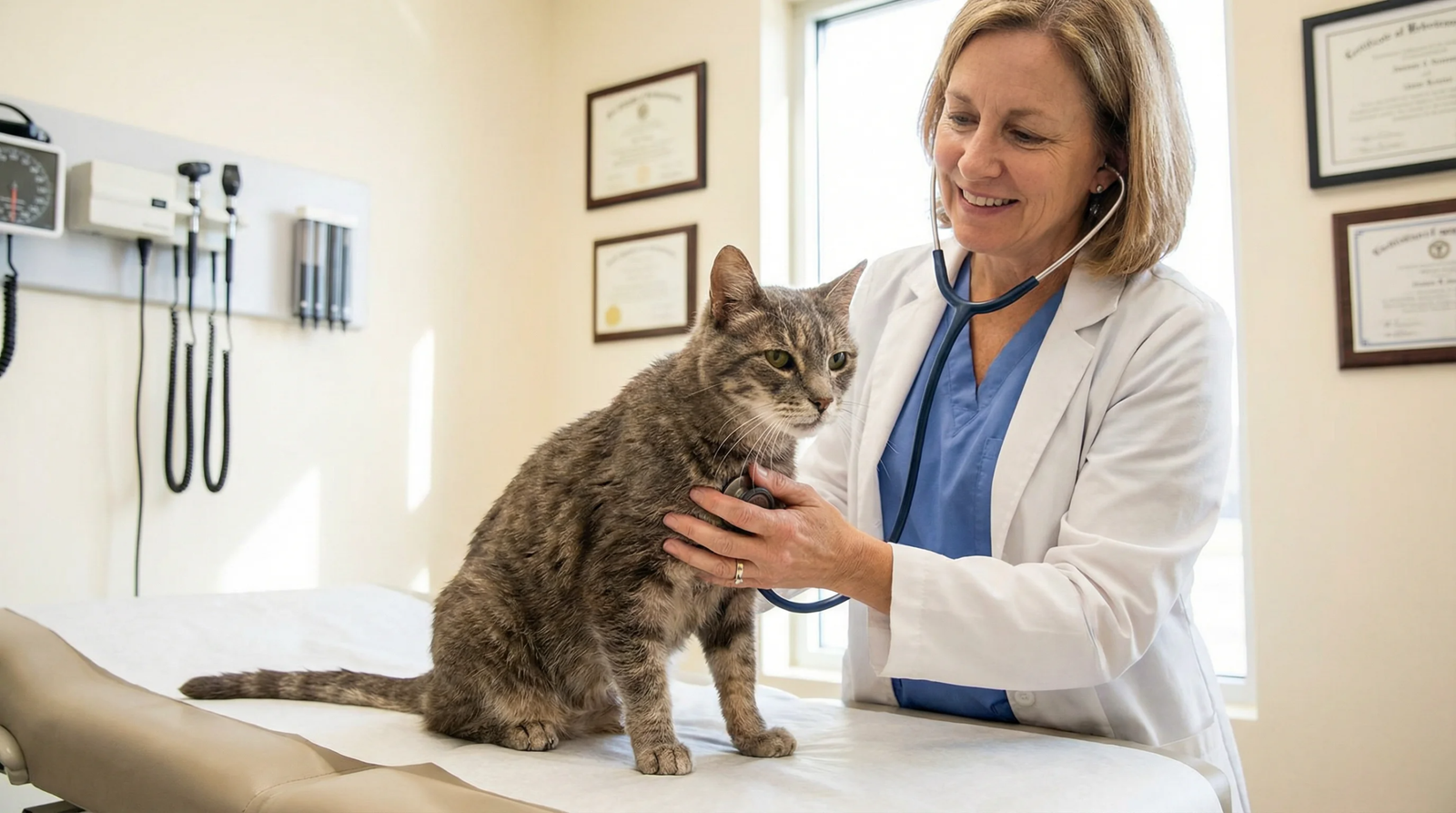
Cats are extraordinarily skilled at masking pain and illness—a survival instinct inherited from their wild ancestors. By the time a cat displays obvious signs of being unwell, the underlying condition is often already advanced. Routine annual exams for adult cats, and twice-yearly exams for seniors, allow veterinarians to detect changes in organ function, body weight, blood pressure, and mobility before they become crises. Early detection of hyperthyroidism, kidney disease, or diabetes is arguably the single biggest longevity multiplier available to cat owners.
Conclusion: One Life Well-Lived
Every cat gets one life, and it is completely natural to want it to be as long, comfortable, and joyful as possible. While we cannot control every factor—genetics, breed predispositions, and the unpredictability of life will always play a role—the evidence is clear that the choices we make as cat owners have a profound impact on feline longevity.
The framework is simple, even if the execution requires consistency: keep your cat safe indoors, maintain a healthy weight, protect their dental health, support their hydration, and commit to regular veterinary care. These are not complicated or expensive interventions. They are the fundamentals of responsible, loving cat ownership.
Start with one small upgrade today. Book that overdue wellness exam. Measure tonight’s dinner instead of eyeballing it. Introduce a water fountain. Each small action compounds over months and years into a meaningfully longer, healthier life for your cat. Because cats may not have nine lives—but with your care, one life can be extraordinarily full.
Frequently Asked Questions
How long do indoor cats live vs. outdoor cats?
Indoor cats generally live 13 to 17 years, with many well-cared-for cats reaching 20 years. Free-roaming outdoor cats face significantly higher risks from traffic, predators, infectious diseases, and parasites, which reduces their average lifespan to approximately 2 to 5 years.
What is 1 cat year equal to in human years?
A common approximation is that a 1-year-old cat is roughly equivalent to a 15-year-old human, and a 2-year-old cat to a 24-year-old human. After that, each additional cat year equals roughly 4 human years. By this scale, a 15-year-old cat is comparable to a 76-year-old person. This is a helpful approximation, not a medical rule—individual cats age at different rates depending on their health and genetics.
What are the most common health issues in senior cats?
As cats age past 11 years, the most frequently diagnosed conditions include chronic kidney disease, hyperthyroidism (overactive thyroid), arthritis, dental disease, diabetes, and hypertension. Many of these conditions are manageable when detected early through routine screening, which is why twice-yearly vet visits are so strongly recommended for senior cats.
Can neutering make cats live longer?
Yes. Spaying or neutering prevents certain reproductive cancers and life-threatening uterine infections (pyometra in females). It also significantly reduces the urge to roam and fight, which lowers exposure to trauma and infectious diseases. Large-scale datasets consistently show that altered cats have longer lifespans than intact cats.
How can I tell if my senior cat is aging normally?
Gradual slowing, sleeping more, and reduced jumping are normal parts of aging. However, sudden changes in appetite, water intake, litter box habits, mobility, or behavior warrant a prompt veterinary visit. These changes can signal the early onset of treatable conditions like hyperthyroidism or kidney disease.
References
[1] PetMD. (2026). How Long Do Cats Live? Here’s What To Expect. Retrieved from https://www.petmd.com/cat/care/how-long-do-cats-live
[2] Wikipedia. Creme Puff (cat). Retrieved from https://en.wikipedia.org/wiki/Creme_Puff_(cat)
[3] Teng, K. T., et al. (2024). Life tables of annual life expectancy and risk factors for mortality in cats in the UK. Journal of Feline Medicine and Surgery. Retrieved from https://pmc.ncbi.nlm.nih.gov/articles/PMC11156239/
[4] UC Davis Veterinary Medicine. Uncovering Secrets to Feline Longevity. Retrieved from https://www.vetmed.ucdavis.edu/news/uncovering-secrets-feline-longevity
[5] American Animal Hospital Association (AAHA) / American Association of Feline Practitioners (AAFP). (2021). 2021 AAHA/AAFP Feline Life Stage Guidelines. Retrieved from https://www.aaha.org/trends-magazine/publications/2021-aahaaafp-feline-life-stage-guidelines/
[6] American Association of Feline Practitioners (AAFP). (2021). Senior Care Guidelines. Retrieved from https://catvets.com/updated-senior-care-guidelines/
[7] Cornell University College of Veterinary Medicine. Special Needs of the Senior Cat. Retrieved from https://www.vet.cornell.edu/departments-centers-and-institutes/cornell-feline-health-center/health-information/feline-health-topics/special-needs-senior-cat
[8] Blue Cross. (2025). How long do cats live? Cat life stages. Retrieved from https://www.bluecross.org.uk/advice/cat/how-long-do-cats-live
[9] ASPCA. Senior Cat Behavior and Health. Retrieved from https://www.aspca.org/pet-care/cat-care/common-cat-behavior-issues/older-cats-behavior-problems
[10] Purina Institute. Longevity Study in Cats. Retrieved from https://www.purinainstitute.com/science-of-nutrition/extending-healthy-life/longevity-study-in-cats
This article is for educational purposes only and is not a substitute for professional veterinary advice. If your cat appears unwell or you have concerns about their health, always consult a licensed veterinarian promptly.
 EN
EN DE
DE ES
ES PT
PT