
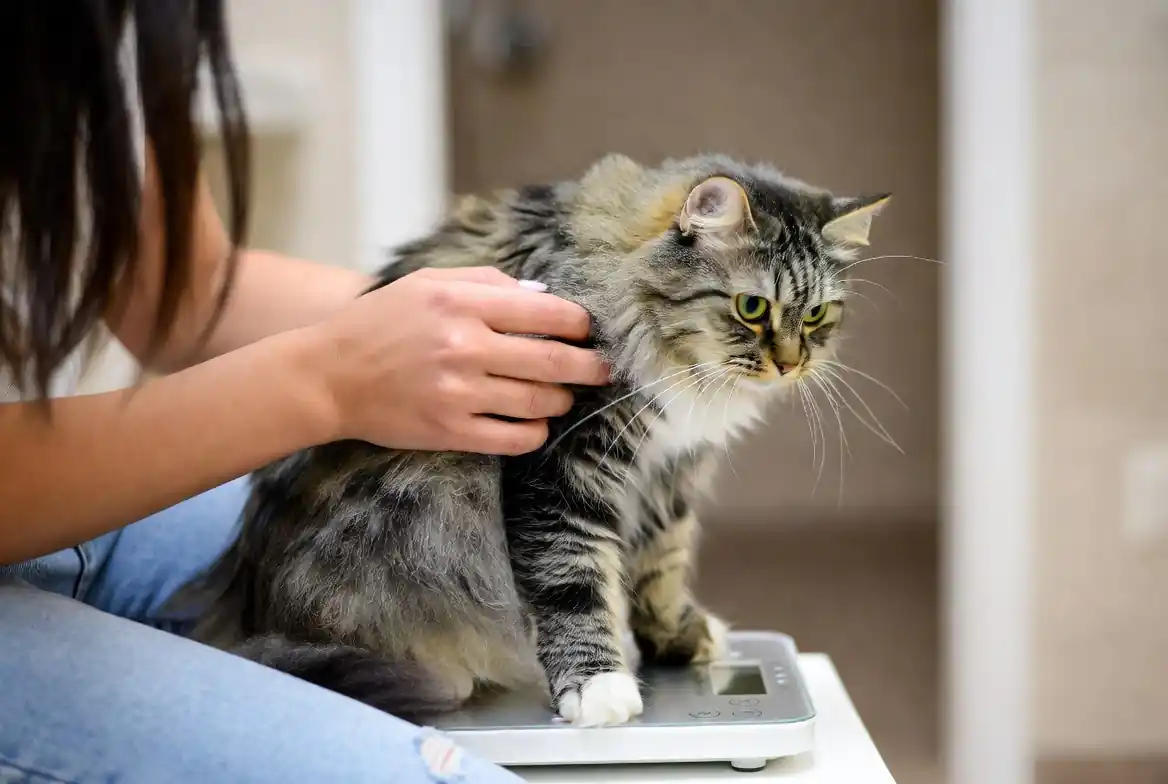
You place your cat on the bathroom scale, wait for the digital numbers to settle, and breathe a sigh of relief. The number hasn’t changed since last year. You ask yourself, “Is my cat healthy?” — and the scale seems to answer with a reassuring “yes.”
This common scenario plays out in homes everywhere, and it is one of the most dangerous misconceptions in feline care.
Relying solely on a scale to determine if your cat is at a healthy weight is a mistake. A cat can maintain a perfectly “normal” weight while simultaneously losing critical muscle mass or developing hidden diseases. The number on the scale tells you their total mass, but it reveals absolutely nothing about their body composition, muscle condition, or overall vitality.
In this guide, we will explore why the scale lies and introduce you to the tools veterinarians actually use to assess feline health. You will learn how to check your cat’s Body Condition Score (BCS), evaluate their Muscle Condition Score (MCS), and identify the hidden signs of a healthy cat that go far beyond weight. By the end, you will be equipped to perform a thorough at-home health check that provides real answers about your feline friend’s well-being.
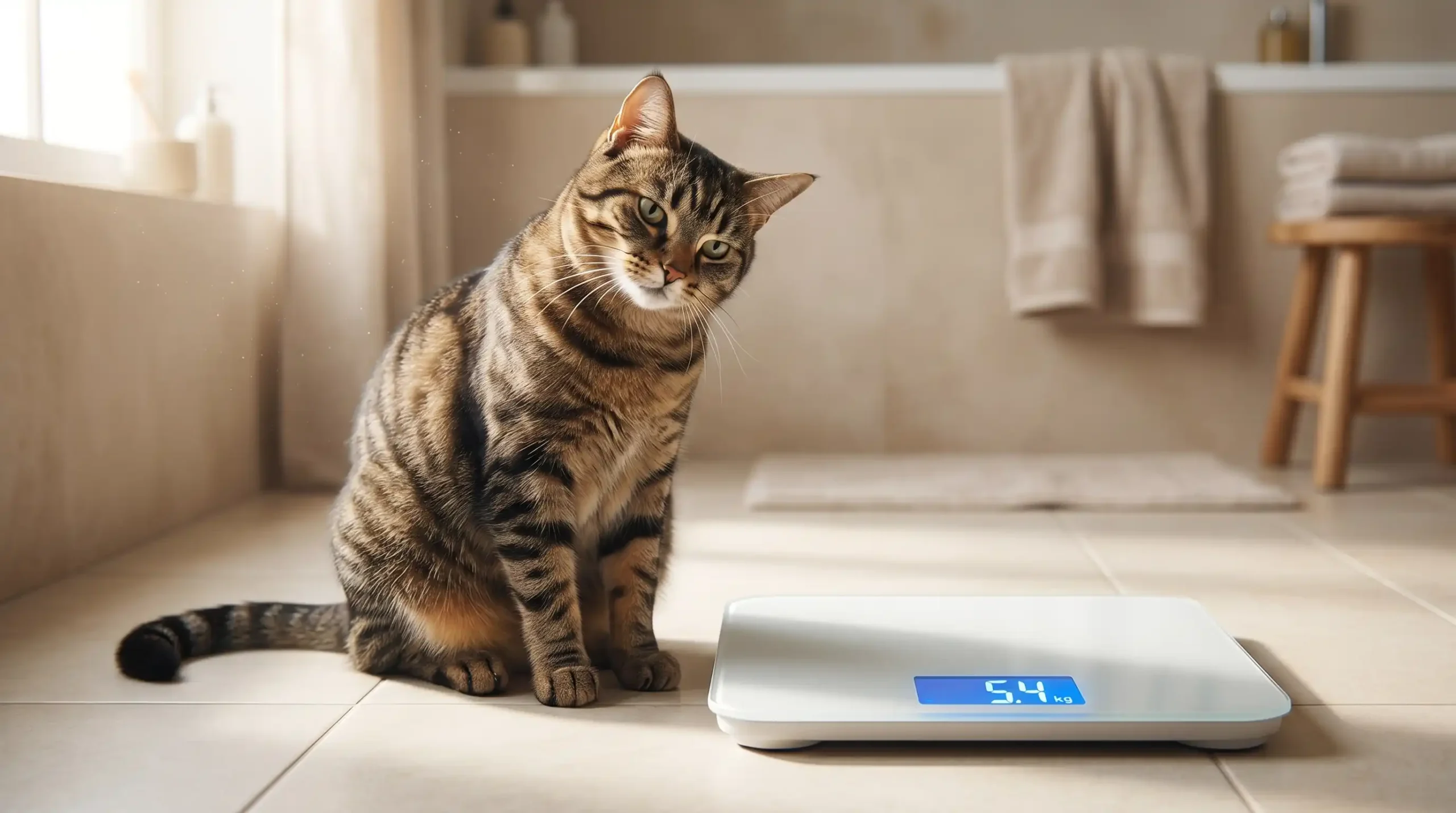
Table of Contents
The “Skinny Fat” Feline: Why the Scale Lies
The concept of being “skinny fat” is well-known in human fitness, but it applies equally to our feline companions. A cat can have a completely normal weight on the scale while carrying far too much fat and far too little muscle. This happens because fat is less dense than muscle. If your cat loses a pound of heavy, metabolically active muscle and replaces it with a pound of lighter body fat, their weight remains exactly the same — yet their health has significantly deteriorated.
This shift in body composition is particularly common in senior cats. Veterinarians recognize two primary types of muscle loss in felines. The first is sarcopenia, the natural, age-related loss of lean body mass that occurs even in the absence of disease. The second is cachexia, a rapid and severe loss of muscle mass driven by chronic illness, injury, or disease. In both scenarios, an increase in body fat can completely mask the muscle loss, keeping the cat’s overall weight stable and giving owners a false sense of security.
Furthermore, relying on breed averages is a flawed approach. You might read that a “normal” domestic shorthair weighs 10 pounds. However, a petite female cat weighing 10 pounds might be severely obese, while a large-framed male cat at the same weight could be dangerously underweight. Every cat has a unique skeletal structure. If you are unsure about your cat’s specific caloric needs, our Cat Calorie Calculator can help you determine a personalized feeding plan rather than relying on generic weight charts.
Body Condition Score (BCS): The Tool Veterinarians Actually Use
When you take your cat to the clinic, the veterinarian does not just look at the number on the scale. They perform a hands-on assessment to determine your cat’s Body Condition Score (BCS). The BCS is a standardized method used to evaluate the amount of body fat a pet carries relative to their frame. It is the gold standard for determining whether a cat is at a healthy weight.
Veterinarians typically use a 9-point scale for this assessment, as it allows for more subtle distinctions than the older 5-point scale. On the 9-point scale, a score of 1 indicates severe emaciation, while a score of 9 indicates severe obesity. The ideal Body Condition Score for a healthy cat is a 4 or 5 out of 9.
To put this into perspective, a cat with a BCS of 7 out of 9 is carrying approximately 30% body fat, which is considered clinically overweight. This excess fat significantly increases their risk for diabetes, arthritis, and urinary tract disease.
| BCS Score (1–9) | Description | What You Feel |
|---|---|---|
| 1–3 | Underweight to Severely Thin | Ribs, spine, and pelvis are visible and easily felt with no fat covering |
| 4–5 | Ideal | Ribs easily felt with a slight fat covering; visible waistline and abdominal tuck |
| 6 | Slightly Overweight | Slight excess fat over ribs; waistline less obvious |
| 7–8 | Overweight to Obese | Ribs difficult to feel; no waistline; abdominal fat pad present |
| 9 | Severely Obese | Ribs not palpable; belly protrudes downward; extensive fat deposits |
The “Knuckle Test”: Your At-Home BCS Check
You do not need a veterinary degree to check your cat’s Body Condition Score. You can perform a simple, tactile assessment at home using the “Knuckle Test.”
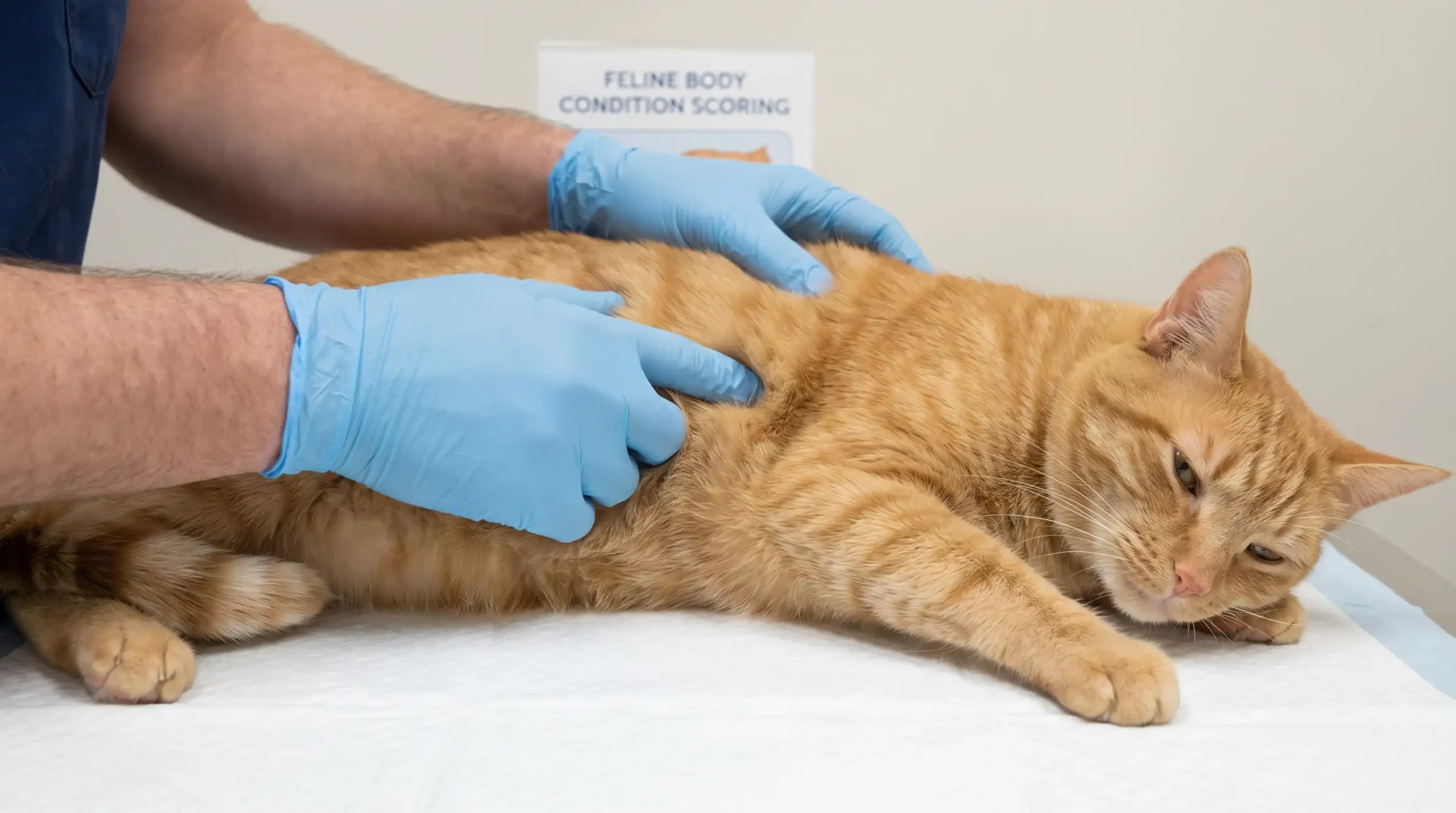
First, look at your cat from above. They should have a visible waistline behind their ribs, resembling an hourglass shape. Next, look at them from the side. Their abdomen should tuck upward slightly behind the rib cage, rather than hanging down in a saggy belly.
The most crucial step is feeling their ribs. Place your thumbs on your cat’s spine and gently spread your fingers over their rib cage. You should not have to press hard. Compare what you feel to your own hand:
- Too Thin (BCS 1–3): Ribs feel like your knuckles when you make a tight fist. Bones are prominent with no fat covering.
- Ideal Weight (BCS 4–5): Ribs feel like your knuckles when your hand rests flat on a table. You can feel them easily under a slight padding of fat.
- Overweight (BCS 6–9): Ribs feel like the fleshy palm of your hand. You have to press firmly to feel the bones through a thick layer of fat.
If you discover your cat is carrying extra weight, adjusting their diet is the first step. Transitioning to wet food can be highly beneficial, as it provides more volume with fewer calories. Learn more in our guide on How Much Wet Food to Feed a Cat.
Muscle Condition Score (MCS): The Missing Piece of the Puzzle
While the Body Condition Score evaluates fat, the Muscle Condition Score (MCS) evaluates lean body mass. This is the critical missing piece of the puzzle that the scale completely ignores. A cat can have a perfectly normal Body Condition Score — or even be overweight — while suffering from severe muscle wasting.
The MCS is a 4-point scale used by veterinarians to assess muscle mass over the spine, shoulder blades, skull, and hips. The scores range from Normal to Mild Loss, Moderate Loss, and Severe Loss.
Why does this matter? Lean body mass is essential for a cat’s strength, immune function, and ability to heal from illness or injury. It serves as an amino acid reservoir for building vital proteins, including immune cells and red blood cells. When a cat loses muscle, their overall health is compromised — even if their weight remains stable due to an increase in body fat.
| MCS Grade | What It Means | What You Feel |
|---|---|---|
| Normal | Healthy muscle mass | Bones smoothly covered by firm muscle tissue |
| Mild Loss | Early muscle wasting | Slight sharpness to bones, especially over spine |
| Moderate Loss | Significant wasting | Bones clearly prominent; hollowing around hips and shoulders |
| Severe Loss | Critical muscle depletion | Bones very prominent; severe hollowing; often accompanied by weakness |
How to Check Your Cat’s MCS at Home
Run your hands gently over your cat’s spine, shoulder blades, and hips. In a healthy cat with normal muscle mass, these bones should feel smoothly covered by firm muscle tissue. You should not feel sharp, prominent edges. If the bones feel sharp or stick out noticeably, your cat is likely experiencing muscle loss and should be evaluated by a veterinarian.
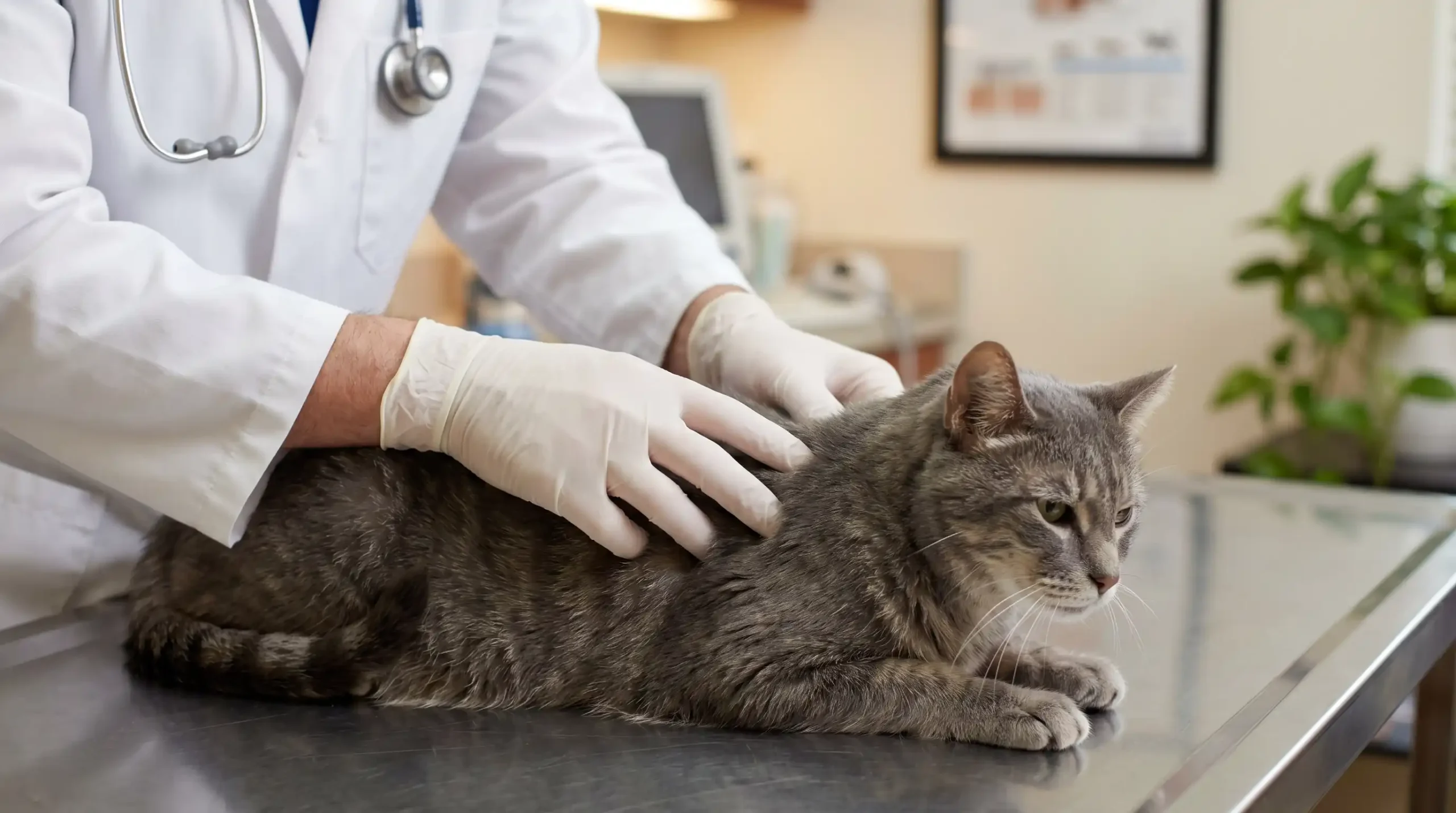
This assessment is especially important for older felines. Sarcopenia can begin as early as age 11, and because it progresses gradually, many owners miss it until the loss is severe. If you are caring for an aging cat, you will find our Senior Cat Adoption Guide a valuable resource for understanding the unique health needs of older felines.
7 Hidden Signs of a Healthy Cat (Beyond Weight)
When asking “is my cat healthy,” you must look beyond the scale and the Body Condition Score. A truly healthy cat exhibits a range of physical and behavioral signs that indicate optimal well-being. Here are seven key indicators to monitor every month.
1. The Coat and Skin
A healthy cat’s coat is a direct reflection of their internal health. It should be glossy, smooth, and free of mats, dandruff, or excessive shedding. The skin underneath should be clean and pliable, without redness, scabs, or bald patches. If your cat’s coat suddenly becomes dull, greasy, or unkempt, it may indicate an underlying medical issue or a problem with their grooming habits. For more on this, read our guide on Overgrooming & Undergrooming: How to Help Your Cat.
2. Bright, Clear Eyes
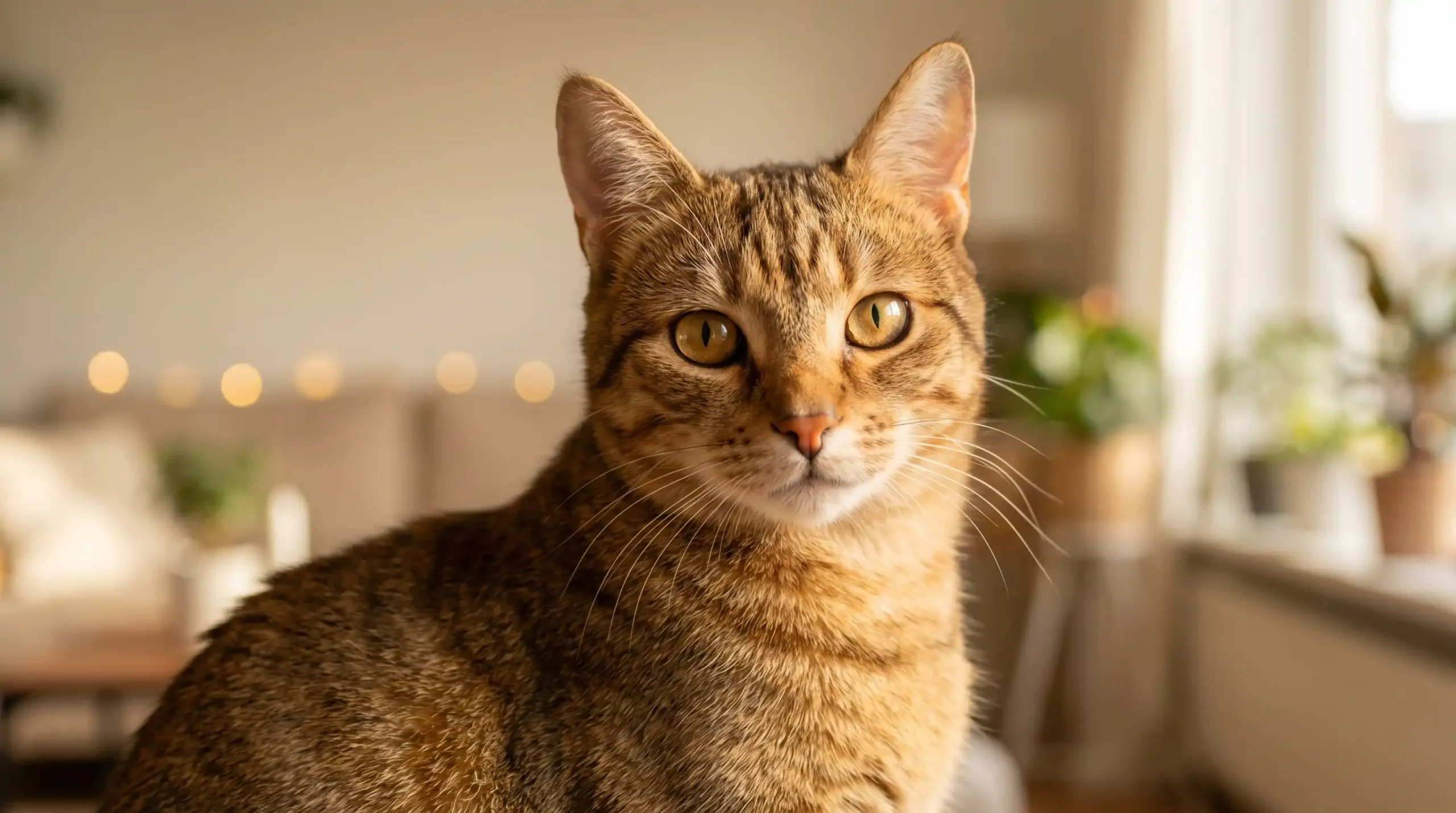
Healthy feline eyes are bright, clear, and alert. The pupils should be equal in size and responsive to light. There should be no redness, cloudiness, or excessive discharge. If you notice your cat squinting, pawing at their eyes, or if their third eyelid becomes visible, it is time for a veterinary checkup.
3. Clean Teeth and Pink Gums
Dental health is inextricably linked to systemic health. A healthy cat’s teeth should be white and free of heavy tartar buildup. Their gums should be a healthy pink color, without swelling, redness, or bleeding. Bad breath is not normal for cats; it is often the first sign of periodontal disease, which can lead to pain, weight loss, and infections in other organs.
4. Litter Box Habits
Your cat’s litter box is a window into their digestive and urinary health. A healthy cat should produce small, firm, well-formed stools one to three times a day. Loose stools, diarrhea, or constipation are red flags. Similarly, urine output should be consistent. If your cat is urinating more frequently, producing larger volumes, or straining in the box, it could indicate kidney disease, diabetes, or a urinary tract infection. For a detailed breakdown of what is normal, consult our Cat Poop Color Chart.
5. Energy and Engagement
A healthy cat is engaged with their environment. While cats sleep a great deal, their waking hours should include periods of active play, curiosity, and interaction with you. Sudden lethargy, hiding, or a lack of interest in favorite toys are significant warning signs that your cat is not feeling well.
6. Appetite and Thirst
Consistent eating and drinking habits are hallmarks of a healthy cat. Any sudden change — whether an increase or a decrease — warrants attention. A cat that stops eating entirely is at risk for a life-threatening condition called hepatic lipidosis (fatty liver disease) and needs immediate veterinary care. Conversely, a ravenous appetite combined with weight loss is a classic symptom of several chronic diseases.
7. Breathing and Vocalization
A healthy cat breathes quietly and effortlessly at rest. Their respiratory rate should be between 15 and 30 breaths per minute. Labored breathing, open-mouth breathing, or persistent coughing are medical emergencies. If you are concerned about your cat’s respiratory health, review our comprehensive guide on Cat Coughing: Causes, Symptoms & When to Worry.
When “Normal” Weight Masks Serious Illness
The most dangerous aspect of relying solely on a scale is that several serious feline diseases can cause significant internal changes while the overall body weight remains deceptively stable — or changes only slightly over a long period.
Hyperthyroidism
Hyperthyroidism is a common glandular disorder in older cats. It accelerates the cat’s metabolism, causing them to burn calories at an unsustainable rate. The classic presentation is a senior cat with a ravenous appetite who is simultaneously losing weight and muscle mass. Because they are eating so much, owners often assume the cat is healthy, missing the subtle muscle wasting until the disease is advanced.
Feline Diabetes
Feline diabetes mellitus occurs when a cat’s body cannot properly produce or respond to insulin. Without insulin, the body begins breaking down fat and muscle for energy, leading to weight loss despite a normal or increased appetite. Other key signs include increased thirst and increased urination. An overweight cat with a high BCS is at a significantly elevated risk for developing diabetes.
Chronic Kidney Disease (CKD)
Chronic Kidney Disease is a progressive loss of kidney function, extremely common in senior cats. As the kidneys fail, they lose the ability to filter waste products from the blood. This leads to nausea, decreased appetite, and gradual weight loss. More critically, CKD causes severe muscle wasting (cachexia). A cat with CKD may maintain a “normal” weight on the scale for months while their muscle mass steadily deteriorates.
Intestinal Parasites
Particularly in kittens and young cats, a heavy burden of intestinal parasites can create a deceptive appearance. The cat may have a swollen, pot-bellied abdomen that makes them look plump or even overweight, while the rest of their body is actually malnourished and underweight. If you suspect parasites, read our guide on the Symptoms of Worms in Cats: 9 Warning Signs to Know.
Your At-Home Feline Health Checklist
To truly answer the question “is my cat healthy,” you need to move beyond the scale and implement a comprehensive at-home health check routine. Performing this check once a month will help you establish a baseline for your cat’s normal condition, making it much easier to spot subtle changes early.
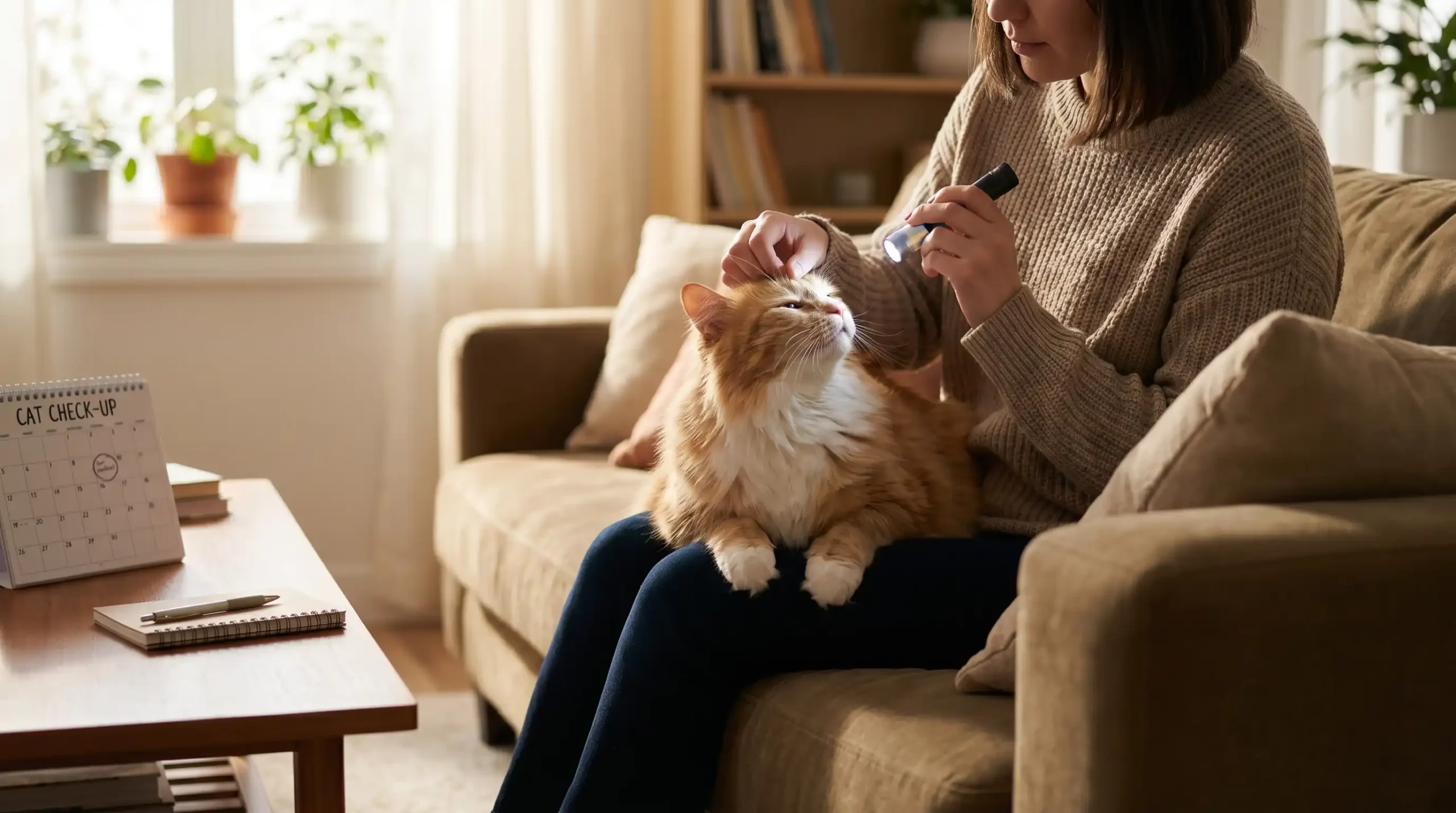
Here is a practical, step-by-step monthly checklist:
| Check | What to Look For | Red Flag |
|---|---|---|
| Weight | Record the number; track trends over time | Loss or gain of 10%+ of body weight |
| Body Condition Score | Use the Knuckle Test; aim for 4–5/9 | Score below 3 or above 6 |
| Muscle Condition Score | Palpate spine, shoulders, and hips | Sharp, prominent bones; hollowing |
| Coat and Skin | Glossy, mat-free, no dandruff or bald spots | Dull, greasy, or patchy coat |
| Eyes | Bright, clear, equal pupil size | Discharge, cloudiness, or squinting |
| Teeth and Gums | White teeth, pink gums, no bad breath | Tartar, red gums, or foul odor |
| Litter Box | Firm stools 1–3x/day; consistent urine | Diarrhea, straining, or blood |
| Energy and Appetite | Playful during waking hours; consistent eating | Lethargy, hiding, or appetite changes |
If you notice any concerning changes during your monthly check, or if your cat’s BCS or MCS is outside the ideal range, schedule a veterinary appointment promptly. Do not wait for symptoms to worsen. If you are preparing for a visit, our guide on Your New Cat First Vet Visit: What to Bring, Ask & Expect provides excellent tips for communicating effectively with your veterinarian.
Conclusion
The next time you place your cat on the scale, remember that the number staring back at you is only a tiny fraction of their health story. Relying on that number alone is a mistake that can mask muscle wasting, hide dangerous fat accumulation, and delay the diagnosis of serious chronic diseases.
To truly know if your cat is healthy, you must trust your hands and your eyes more than the digital readout. By learning to assess their Body Condition Score, monitoring their Muscle Condition Score, and paying close attention to the hidden signs of vitality — from their glossy coat to their litter box habits — you become your cat’s best advocate.
Your feline friend relies on you to notice the subtle changes they cannot articulate. By implementing a monthly at-home health check, you ensure that they receive the proactive, comprehensive care they deserve for a long, happy, and truly healthy life.
Frequently Asked Questions (FAQs)
How often should I weigh my cat at home?
Weighing your cat once a month is generally sufficient for a healthy adult cat. This frequency allows you to track long-term trends without obsessing over minor daily fluctuations. If your cat is on a specific weight loss plan or managing a chronic illness, your veterinarian may recommend more frequent monitoring.
My cat’s weight is normal, but I can feel their spine easily. Is this bad?
Yes, this is a significant concern. If you can easily feel sharp bones along the spine, shoulder blades, or hips, your cat is likely experiencing muscle loss (sarcopenia or cachexia). This can happen even if their overall weight is “normal” due to an increase in body fat. You should consult your veterinarian for a full Muscle Condition Score assessment.
What is the ideal Body Condition Score for a cat?
On the standard 9-point scale, the ideal Body Condition Score is a 4 or 5. At this score, you can easily feel the ribs with a slight fat covering, and the cat has a visible waistline and a slight abdominal tuck when viewed from the side.
Can a cat be overweight and malnourished at the same time?
Absolutely. A cat can consume excess calories (leading to obesity and a high BCS) while lacking essential nutrients like high-quality protein, vitamins, or minerals. This often happens with low-quality diets or when cats are fed too many inappropriate human foods or treats.
Why is my senior cat getting skinnier even though they eat well?
Weight loss despite a ravenous appetite is a classic symptom of several serious conditions in senior cats, most notably hyperthyroidism, diabetes, and sometimes intestinal malabsorption. This combination of symptoms requires immediate veterinary bloodwork and diagnosis.
How can I tell if my fluffy cat is overweight?
Long-haired cats can easily hide excess fat under their fur, making visual assessment unreliable. You must use the hands-on “Knuckle Test” to feel their ribs and palpate their waistline to accurately determine their Body Condition Score.
Is a 12-pound cat considered overweight?
It depends entirely on the cat’s frame size and breed. A 12-pound Maine Coon might be perfectly healthy or even underweight, while a 12-pound Siamese with a petite frame could be severely obese. This is precisely why Body Condition Score is far more accurate than any specific weight number.
What should I do if my cat’s Body Condition Score is a 7 or 8?
A score of 7 or 8 indicates significant obesity, which carries serious health risks including diabetes and joint disease. You should consult your veterinarian to rule out underlying metabolic issues and to create a safe, structured weight loss plan — typically involving precise daily calorie targets and a transition to a high-protein, moisture-rich diet.
How do I check my cat’s Muscle Condition Score?
Gently run your hands over your cat’s spine, shoulder blades, skull, and hips. In a healthy cat, these areas should feel smoothly covered by firm muscle. If the bones feel sharp, prominent, or hollowed out, it indicates muscle loss that should be evaluated by a veterinarian.
When should a change in my cat’s weight prompt a vet visit?
Any unexplained weight loss or gain of 10% or more of your cat’s total body weight warrants a veterinary visit. For a 10-pound cat, a loss or gain of just 1 pound is clinically significant and should be investigated promptly.
References
[1] Freeman, L. M. (2012). Cachexia and sarcopenia: Emerging syndromes of importance in dogs and cats. Journal of Veterinary Internal Medicine. https://onlinelibrary.wiley.com/doi/10.1111/j.1939-1676.2011.00838.x
[2] Purina Institute. (n.d.). Use Muscle Condition Scoring to Detect Muscle Loss in Patients. https://www.purinainstitute.com/centresquare/nutritional-and-clinical-assessment-tools/muscle-condition-scoring-detect-muscle-loss
[3] VCA Animal Hospitals. (n.d.). Body Condition Score in Cats. https://vcahospitals.com/know-your-pet/body-condition-score-in-cats
[4] World Small Animal Veterinary Association (WSAVA). (2020). Feline Body Condition Score Chart. https://wsava.org/wp-content/uploads/2020/08/Body-Condition-Score-cat-updated-August-2020.pdf
[5] World Small Animal Veterinary Association (WSAVA). (n.d.). Muscle Condition Score Chart for Cats. https://wsava.org/wp-content/uploads/2020/01/Muscle-Condition-Score-Chart-for-Cats.pdf
[6] Tufts University Cummings School of Veterinary Medicine. (2017). What’s Your Pet’s Score? Assessing Muscle Condition. https://sites.tufts.edu/petfoodology/2017/11/16/mcs/
[7] VCA Animal Hospitals. (n.d.). Coat and Skin Appearance in the Healthy Cat. https://vcahospitals.com/know-your-pet/coat-and-skin-appearance-in-the-healthy-cat
[8] Purina. (2026). Signs of a Healthy Cat. https://www.purina.com/articles/cat/health/symptoms/signs-of-a-healthy-cat
[9] Association for Pet Obesity Prevention. (n.d.). Cat Body Condition Score. https://www.petobesityprevention.org/catbcs
[10] Chagrin Falls Pet Clinic. (2025). Why Is My Cat Losing Weight? Common Causes and Solutions. https://www.chagrinfallspetclinic.com/2025/05/02/why-is-my-cat-losing-weight-common-causes-and-solutions/
 EN
EN DE
DE ES
ES PT
PT