
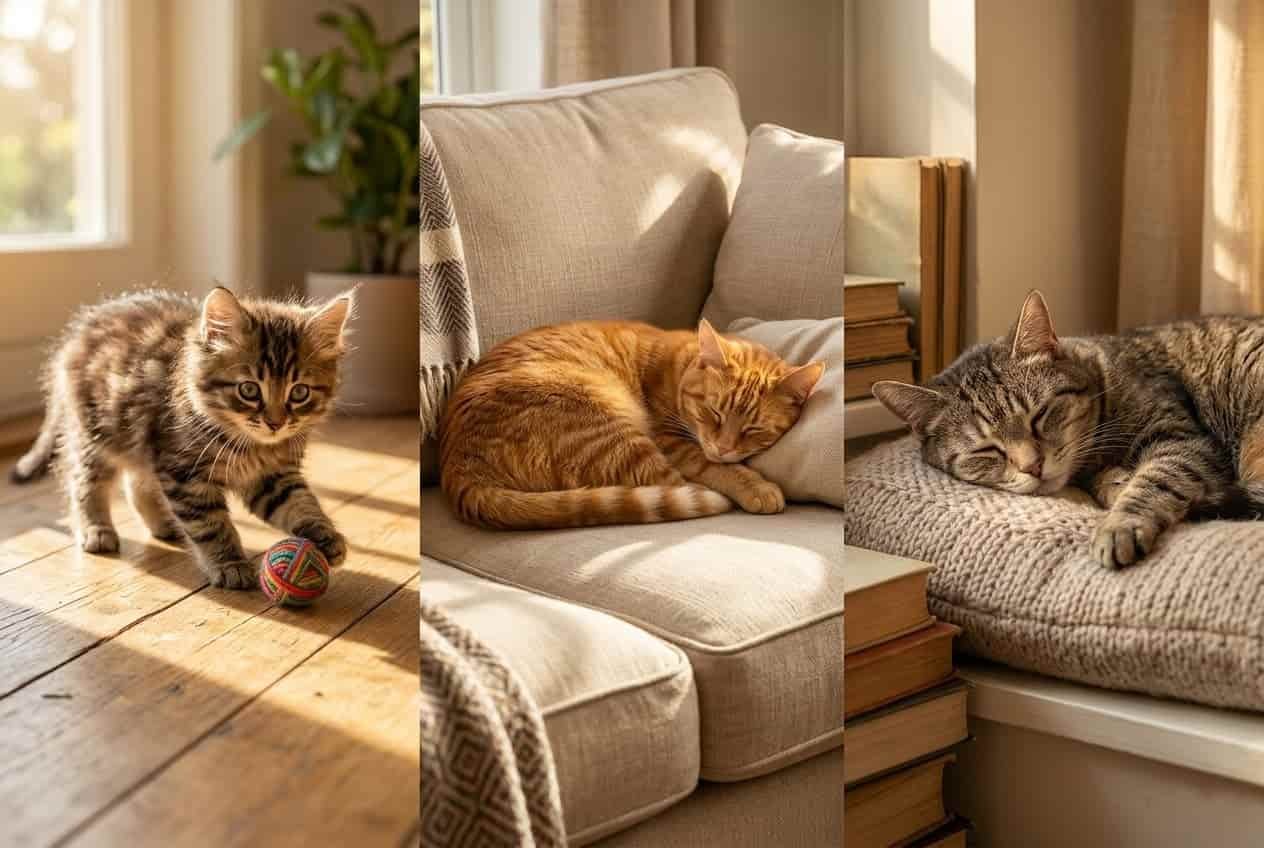
A warm, honest comparison to help you find the feline companion who truly fits your life — no judgment, just clarity.
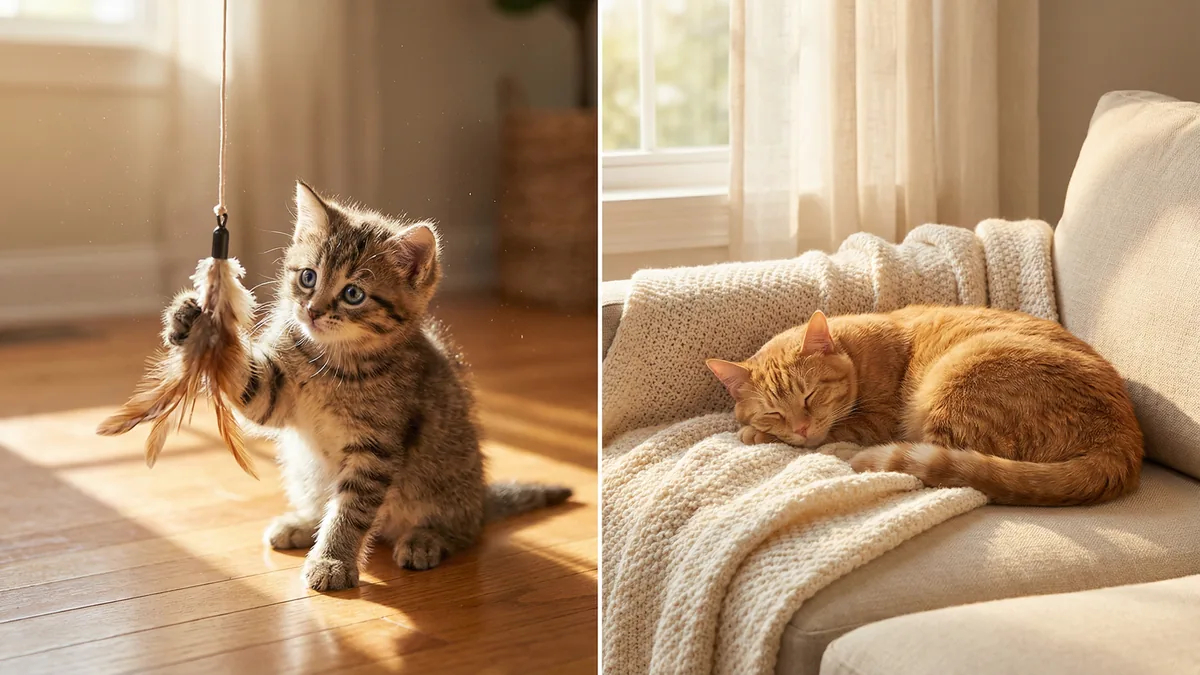
You've decided to adopt a cat — wonderful! But now comes the question that stumps almost every prospective adopter: should you bring home a tiny, wide-eyed kitten, or open your heart to a calm, knowing adult cat? The truth is, there's no universally "right" answer. The best choice depends entirely on your lifestyle, your household, your experience level, and what kind of companionship you're truly looking for. This guide walks you through everything you need to know — honestly and warmly — so you can make the decision that's right for both you and your future feline.
Kitten vs. Adult Cat: At a Glance
Both kittens and adult cats make extraordinary companions — the difference lies in what each stage of life brings to your home. Before diving into the details, here's a side-by-side snapshot of the key factors to consider. This comparison table is designed to help you quickly identify which option aligns best with your current lifestyle.
| Factor | 🐱 Kitten (0–1 yr) | 🐈 Adult Cat (2–8 yrs) | 🩶 Senior Cat (9+ yrs) |
|---|---|---|---|
| Energy Level | Very high — zoomies guaranteed | Moderate — playful but calmer | Low to moderate |
| Training Needs | High — litter, scratching, play rules | Low — usually already trained | Very low |
| Personality Predictability | Low — character still developing | High — what you see is what you get | Very high |
| Daily Time Commitment | 3–4+ hrs active supervision | 1–2 hrs interactive play | 1 hr, mostly companionship |
| Ideal For | Experienced owners, active households, older kids | First-time owners, busy professionals, families | Seniors, quiet homes, experienced lovers |
| First-Year Vet Visits | 3–5 (vaccines, spay/neuter, checkups) | 1–2 (annual + catch-up care) | 2–3 (more monitoring needed) |
| Est. First-Year Cost | $1,500–$2,500+ | $1,000–$1,800 | $1,200–$2,500 |
"Adult cats are the most underrated choice in any shelter. They arrive knowing how to be a cat — and they're ready to be your cat." — SnuggleSouls
For a full breakdown of adoption costs across all age groups, see our guide: How Much Does It Cost to Adopt a Cat?
The Case for Kittens: Pure Joy, Real Work
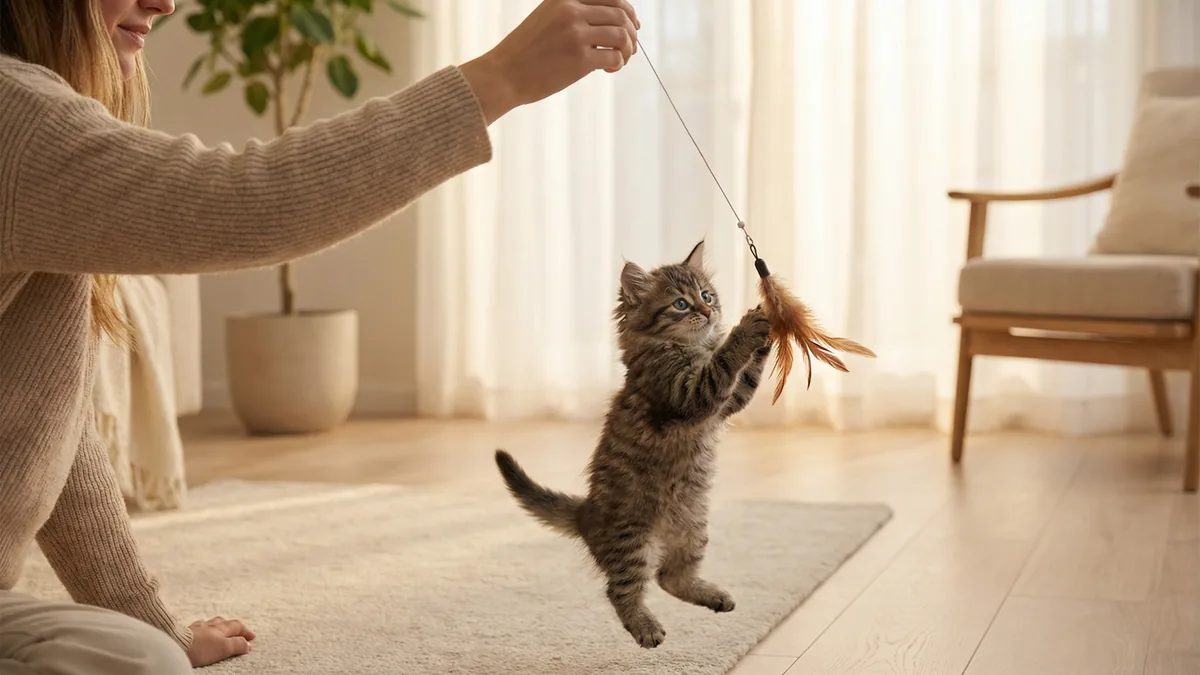
What Makes Kittens So Irresistible
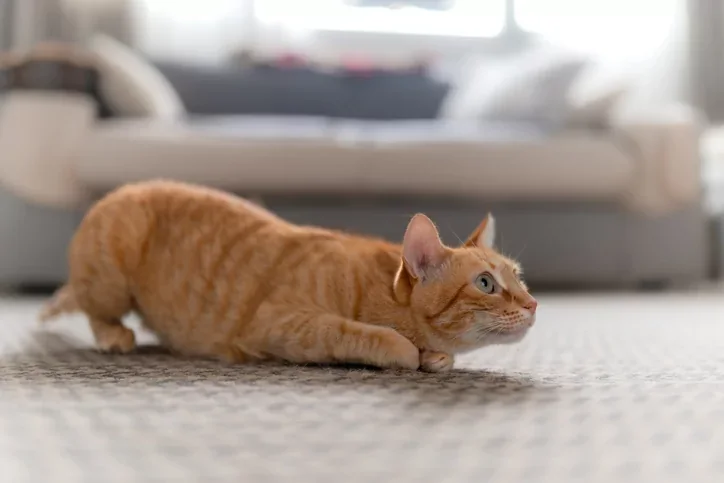
Kittens are, objectively, one of nature's most effective joy-delivery systems. Their wide eyes, clumsy paws, and boundless curiosity are almost impossible to resist — and for good reason. The early weeks and months of a kitten's life represent a critical socialization window, and the bond you build during this time can be deeply rewarding. You have the opportunity to shape their habits, introduce them to new experiences, and watch them grow from a tiny, wobbly creature into a confident, loving companion.
There's also the matter of longevity. Adopting a kitten means you may enjoy 15–20 years together — a lifetime of companionship that begins with those unforgettable first moments. If you've always dreamed of raising a cat from the very beginning, a kitten offers that experience in full.
The Real Commitment Behind Those Cute Eyes
However, kittens are not low-maintenance companions. They require significant time, patience, and preparation. Before you fall completely for those blue eyes, here's what you need to know honestly:
Time and supervision: Kittens under 6 months should not be left alone for more than 4 hours at a time. They need active play, socialization, and monitoring for their safety and development. If you work full-time and live alone, a kitten may struggle without a companion. Energy: Expect the "zoomies" — bursts of frantic, seemingly random energy, especially at dawn and dusk. This phase typically lasts 12–18 months and can be exhausting if you're not prepared. Health: Kittens require a full vaccination series, spay/neuter surgery (if not already done by the shelter), and are more susceptible to infections, digestive issues, and injuries. First-year vet costs are significantly higher than for adult cats.
One aspect that surprises many first-time kitten owners is the unpredictability of adult personality. The playful, outgoing kitten you fall in love with at the shelter may develop into a shy, independent adult — or vice versa. Very experienced cat owners can sometimes read early signs of temperament, but even they can be surprised. For more on understanding kitten behavior, our dedicated guide offers helpful context.
✓ Kitten Pros
- Longer potential companionship (15–20 years)
- Deep early bonding opportunity
- You shape their habits from the start
- Endlessly entertaining and joyful
- Easier to introduce to resident dogs
✗ Kitten Cons
- High time and supervision commitment
- More vet visits, higher first-year costs
- Personality not yet predictable
- Not ideal for very young children
- Cannot be left alone for long periods
If your kitten develops any digestive issues during the adjustment period, our Kitten Diarrhea Guide covers causes, treatment, and when to call the vet.
The Case for Adult Cats: Calm, Known, and Ready to Love
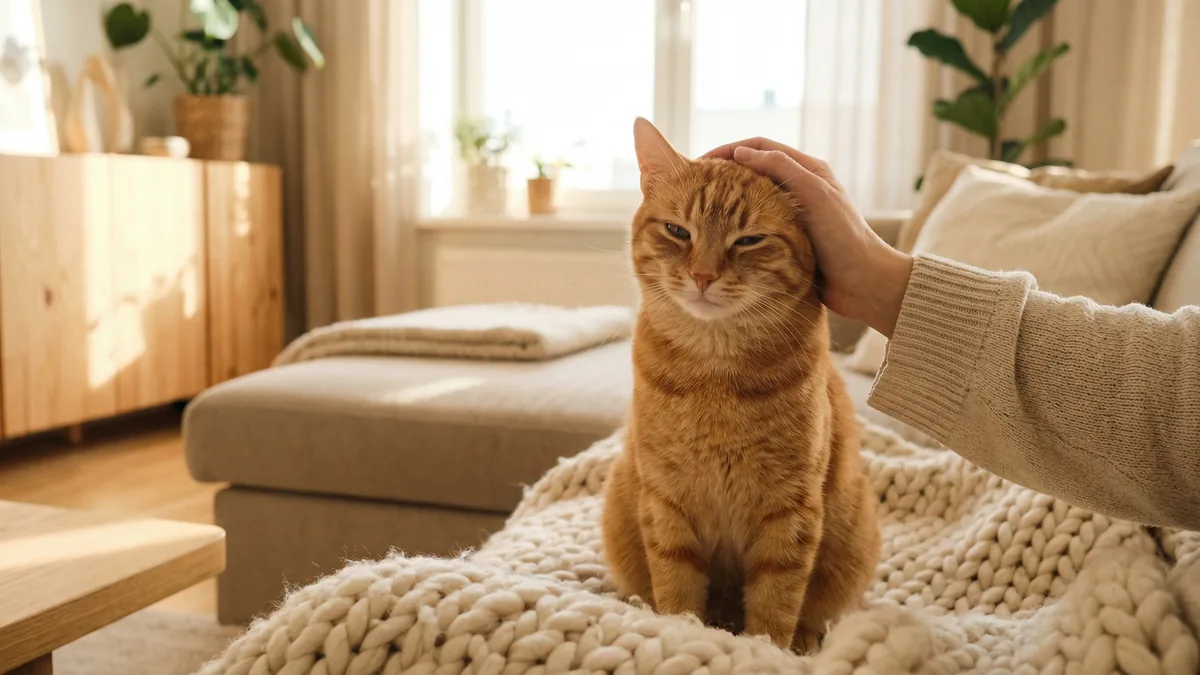
The Underrated Magic of Adult Cats
Adult cats — typically defined as cats between 2 and 8 years old — are among the most overlooked animals in any shelter. Yet they offer something kittens simply cannot: certainty. When you meet an adult cat, you meet the actual cat. Their personality is established, their energy level is known, and their preferences are clear. There are no surprises waiting for you a year down the road.
Shelter staff and foster families who have lived with these cats can tell you with confidence: this one loves to be held, this one prefers to be near you but not on you, this one is great with children, this one needs a quiet home. That kind of knowledge is invaluable — especially for first-time cat owners who are still learning what kind of feline companion they're looking for.
Why Adult Cats Are Often the Smarter Choice
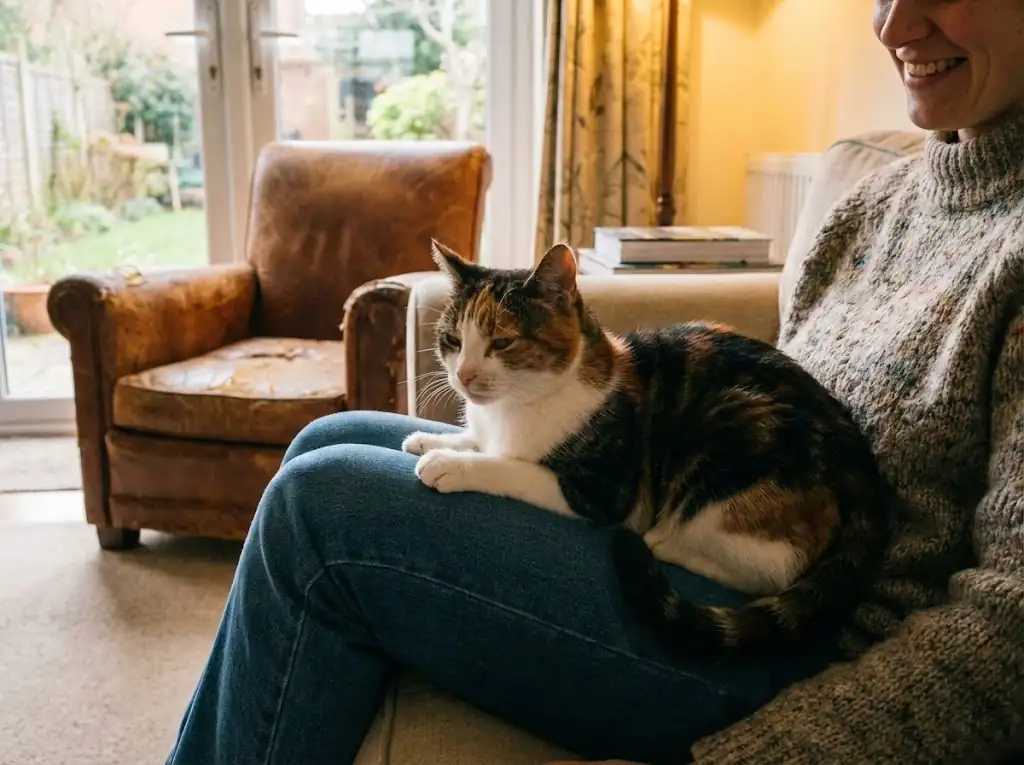
Beyond personality predictability, adult cats offer several practical advantages. Most are fully litter-trained and have long outgrown the destructive phase of kittenhood. They still love to play — don't let anyone tell you adult cats are boring — but they also love to simply be near you. On the sofa, in a sunny spot, curled at your feet while you work. That quiet companionship is something kittens, in their chaos, rarely offer.
Young adult cats (2–5 years) are typically in peak health, past the vulnerability of kittenhood and years away from senior health concerns. This means fewer vet visits, lower first-year costs, and a more stable health baseline. And when you adopt an adult cat from a shelter — particularly one that has been waiting a long time — you may genuinely be saving a life. Kittens are adopted quickly; adult cats often wait months. Your choice to look past the kittens can mean everything to an animal who has been hoping for a second chance.
For more on the deep emotional bonds adult cats form, see our article on why cats become so affectionate — and how to nurture that connection.
The Honest Challenges
Adult cats are not without their challenges. Some carry emotional baggage from previous homes or the stress of shelter life. With patience, consistency, and love, this is almost always workable — but it requires realistic expectations. Changing established preferences (a particular litter type, a favorite food) requires a gradual transition rather than an abrupt switch. And while the bond with an adult cat may feel slower to develop, it is no less deep — and often, once earned, remarkably loyal.
✓ Adult Cat Pros
- Known personality — no surprises
- Lower time commitment and supervision
- Usually already litter-trained
- Calmer, more predictable energy
- Ideal for first-time owners and busy schedules
- Often overlooked — you may save a life
✗ Adult Cat Cons
- May have unknown history or past trauma
- Shorter potential companionship than a kitten
- May take longer to warm up initially
- Established preferences require gradual adjustment
Curious about how long your adult cat may be with you? Our guide on how long cats live covers lifespan by breed, lifestyle, and care level.
A Special Word About Senior Cats
🩶 The Most Overlooked of All
Senior cats — generally defined as cats aged 9 and older — are the most overlooked animals in any shelter, yet they offer something uniquely precious: a depth of calm, gratitude, and presence that younger cats rarely match. A senior cat who has been loved before knows exactly how to love in return. They ask for very little — a warm lap, a gentle hand, a quiet place to rest — and they give back in ways that are quietly profound.
Senior cats are ideal for quieter households, people who work from home, retirees, or anyone who wants a deeply companionable presence without the chaos of youth. They do require more frequent vet visits and may have age-related health needs, but the emotional reward is immeasurable. If you're open to it, consider visiting your local shelter and spending time with the cats who have been waiting the longest. You may find your heart claimed by a grey-muzzled elder who has more love to give than you ever expected.
"Adopting a senior cat is one of the most quietly profound things a person can do. They don't ask for much — just a warm place, a gentle hand, and the chance to spend their final chapter loved." — SnuggleSouls
Which Is Right for Your Lifestyle?
The best way to choose is not to compare kittens and adult cats in the abstract, but to look honestly at your own life. Here are the most common household situations and which option tends to work best. Find your scenario below:
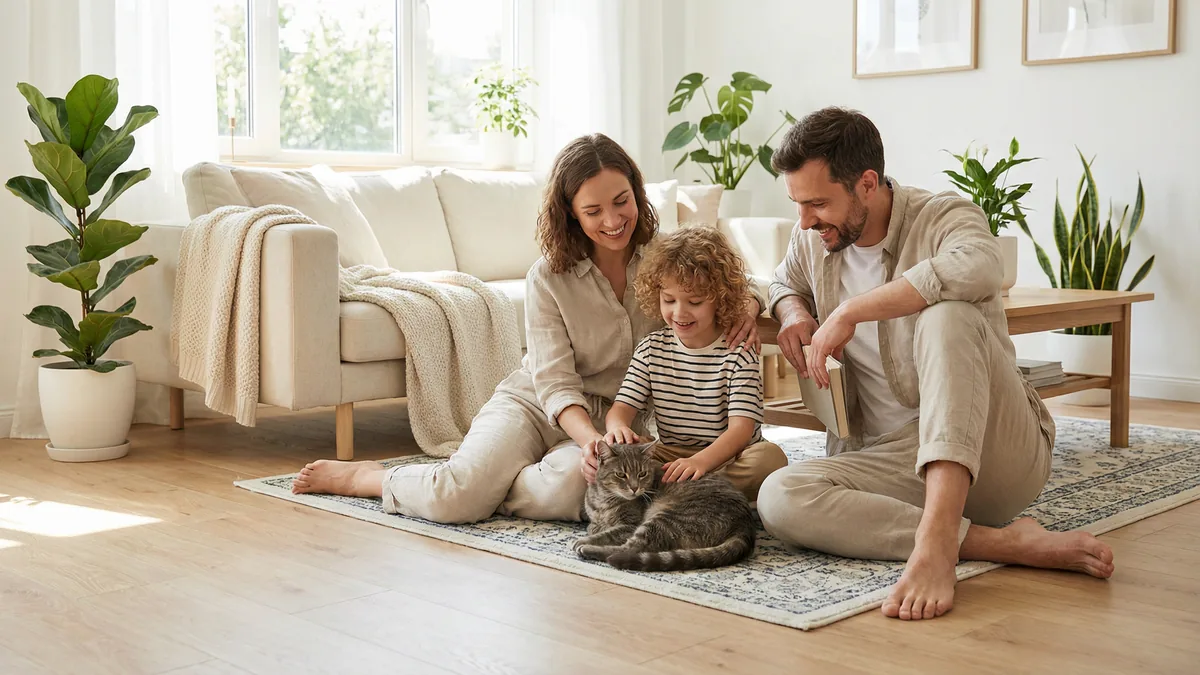
Busy Professionals / Long Work Hours
Adult cats are more independent and can comfortably be alone for 8–10 hours. Kittens under 6 months should not be left alone for extended periods — they need frequent feeding, play, and socialization.
Families with Young Children (Under 6)
Adult cats with a known history of living with children are far safer around toddlers. Kittens have sharp claws and fragile bones — a rough hug can injure both child and kitten. An adult cat can also remove itself from a situation if overwhelmed.
First-Time Cat Owners
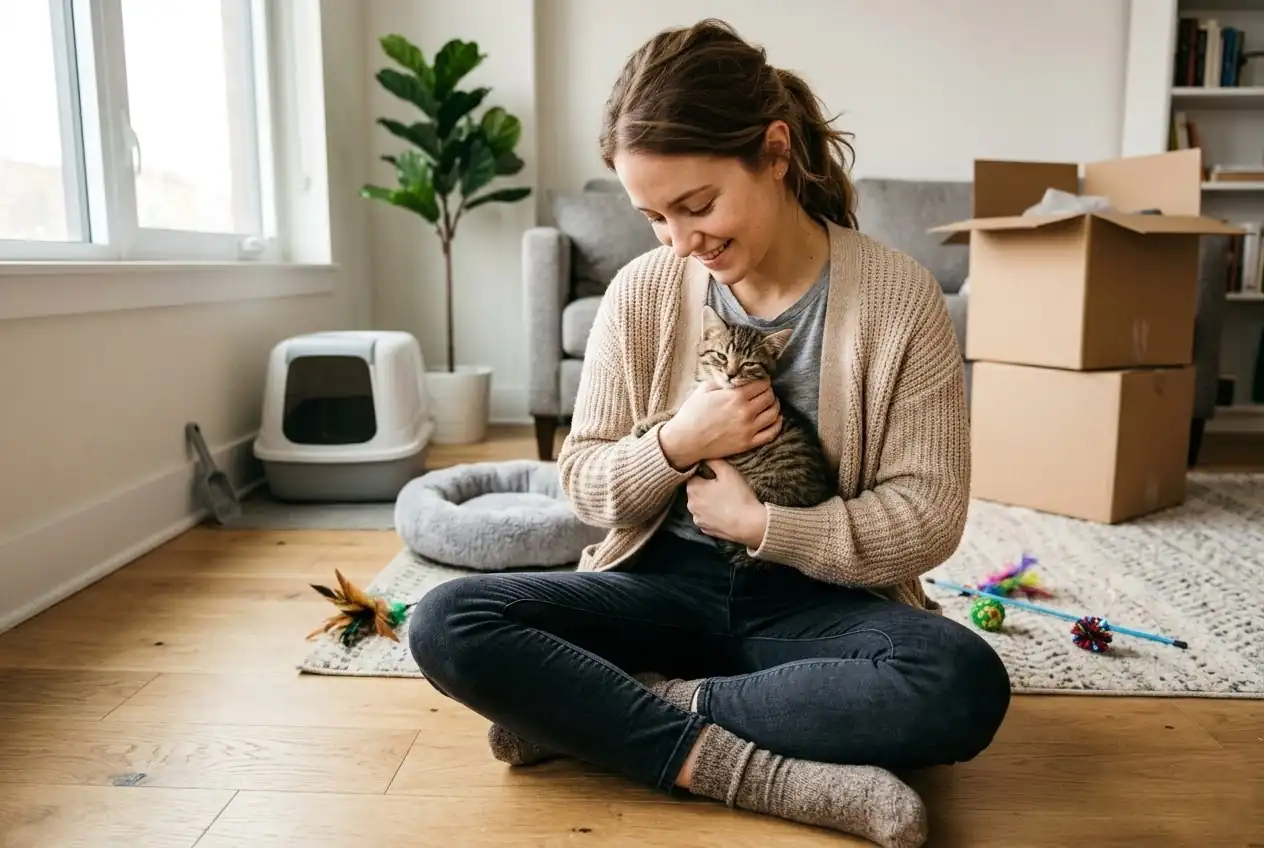
The predictability of an adult cat's personality makes the learning curve much gentler. You can focus on building a bond and understanding feline communication rather than managing kitten chaos and training from scratch.
Experienced Owners / Active Households
Experienced owners are better equipped to handle the demands of kittenhood. Active households with older children provide the stimulation and engagement that kittens genuinely thrive on.
Seniors / Quieter Households
A calm, settled cat is a perfect companion for a quieter lifestyle. Kittens' energy levels can be exhausting, and their sharp claws can be a concern. A gentle adult or senior cat offers steady, warm companionship.
Multi-Pet Homes (Dogs or Other Cats)
A kitten may be easier to introduce to a resident dog — dogs often accept young animals more readily. However, an adult cat with a known history of living with dogs is also an excellent choice.
Ready to Start Your Adoption Journey?
Whether you're leaning toward a kitten, an adult cat, or a silver-whiskered senior, the next step is the same: learn everything you can before you go. Our complete adoption guide walks you through every stage of the process.
Should You Adopt Two Kittens Instead of One?
If you've decided a kitten is right for you, there's one question worth considering seriously: should you adopt two? The answer, for most households, is yes — and here's why.
Kittens are intensely social during their first year of life. A solo kitten will direct all of that social energy toward you — which can be charming, but also exhausting. Two kittens raised together entertain each other, develop better social skills, and are significantly less likely to develop behavioral problems from loneliness or boredom. They also tend to be far less destructive, since they direct their energy toward each other rather than your furniture, curtains, and houseplants.
The additional cost is modest — one more set of supplies, slightly higher food costs, and a second adoption fee (many shelters offer bonded pair discounts). The benefit to both kittens — and to you — is substantial. That said, if your heart is set on one kitten and you have the time and energy to be their primary playmate and companion, a single kitten can absolutely thrive with the right owner.
"Two kittens is almost always better than one — for them, and for you. The chaos doubles, but so does the joy." — SnuggleSouls
Frequently Asked Questions
These are the questions we hear most often from people deciding between a kitten and an adult cat. We've answered each one as honestly and helpfully as we can.
For most first-time cat owners, an adult cat is the better choice. Adult cats have established personalities, are usually already litter-trained, and require less intensive supervision than kittens. This allows first-time owners to focus on building a bond rather than managing kitten chaos. That said, if you have the time, energy, and patience — and ideally adopt two kittens together — kittens can also be a wonderful first cat experience.
Kittens under 4–6 months should not be left alone for more than 4 hours at a time. They need frequent feeding, socialization, and supervision for their safety and development. If you work full-time, an adult cat (or a bonded pair of kittens) is a much more practical choice. Adult cats are comfortable being alone for 8–10 hours, provided they have enrichment, food, water, and a clean litter box.
Not at all. Adult cats can be just as affectionate — and often more consistently so — than kittens. Kittens are affectionate in bursts between bouts of frantic play, while adult cats often seek out quiet, sustained closeness. Many adult cats become devoted lap cats once they feel secure in their new home. The key is giving them time to adjust and trust.
Most adult cats begin to feel comfortable within 1–2 weeks, though some may take up to a month. The adjustment period depends on the cat's individual personality, their previous experiences, and how gradually they are introduced to their new environment. Providing a quiet "safe room" for the first few days, with food, water, litter, and a cozy hiding spot, significantly speeds up the process.
In most cases, yes — especially if you work full-time or are away from home for long periods. Two kittens raised together provide each other with socialization, play, and companionship that prevents loneliness and behavioral problems. They also tend to be less destructive, as they direct their energy toward each other rather than your furniture. Many shelters offer bonded pairs at a reduced combined adoption fee.
Cats are generally considered kittens from birth to approximately 12 months of age. However, many cats continue to exhibit kitten-like behavior and energy levels until 18–24 months. For adoption purposes, most shelters classify cats under 1 year as kittens, and cats 1 year and older as adults.
Bonding with an adult cat may feel slower at first, but it is no less deep. Adult cats bond on their own terms — they need to feel safe before they open up. Once an adult cat chooses to trust you, that bond is often remarkably strong and loyal. Patience, consistency, and respecting the cat's pace are the keys to a deep adult cat bond.
Kittens and very young children (under 5–6 years) are not always a safe combination. Kittens have sharp claws and fragile bones, and toddlers may handle them too roughly, risking injury to both. An adult cat with a known, gentle temperament and a history of living with children is generally a safer and more predictable choice for families with young kids.
Not necessarily. Many adult cats end up in shelters through no fault of their own — owner illness, relocation, or lifestyle changes are common reasons. Shelter staff and foster families can provide detailed behavioral assessments. While some cats may need extra patience due to past stress or trauma, the vast majority of shelter adult cats are loving, well-adjusted companions waiting for a second chance.
It depends on both animals' temperaments. Kittens are often easier to introduce to dogs because dogs tend to accept young animals more readily, and kittens are more adaptable during their socialization window. However, an adult cat with a known history of living with dogs can also integrate smoothly. Always introduce any cat to a dog slowly and in a controlled environment, regardless of age.
Every Cat Deserves a Loving Home — Including Yours
Whether you choose a kitten, an adult cat, or a senior with silver whiskers, you're about to give a living creature the most important thing in the world: a family. Take your time, trust your instincts, and know that the right cat is out there waiting for you.






 EN
EN DE
DE ES
ES PT
PT