

A complete guide to understanding cat adoption applications — what shelters ask, why they ask it, and how to answer every question to give your application the best chance of approval.

The moment you find a cat you want to adopt, the excitement is immediate. But then comes the application — a form that can feel unexpectedly long, personal, and even a little intimidating. Why does a shelter need to know about your landlord? Why are they asking about your work schedule? Why do they want references?
Here's the thing: adoption applications aren't designed to screen people out. They're designed to make matches. Every question a shelter asks has a purpose — and once you understand that purpose, the whole process feels less like a job interview and more like what it actually is: a conversation about whether this particular cat will thrive in your particular home.
This guide decodes the cat adoption application from the shelter's perspective. We'll walk through the most common questions, explain why they're asked, and give you honest, practical advice on how to answer them in a way that gives your application the best possible chance. We'll also cover what happens if your application is denied — and what to do about it. For the full adoption journey, start with our complete cat adoption guide.
What You'll Find in This Guide
Shelter vs. Rescue: The Process Is Different
Before you fill out a single form, it helps to understand what kind of organization you're applying to. Animal shelters and private rescues both rehome cats, but their application processes differ significantly — and knowing the difference will help you set the right expectations.
Municipal shelters are government-funded, house animals in a central facility, and often allow same-day adoptions. The animals may appear stressed or withdrawn in a kennel environment, which doesn't always reflect their true personality at home. Private rescues are donation-funded and place animals in foster homes, which means the cats behave more naturally — but you often can't meet the cat until after your application is approved.
| Factor | Animal Shelter | Private Rescue |
|---|---|---|
| Funding | Government / municipal | Donations / volunteers |
| Animal housing | Central facility | Foster homes |
| Application timeline | Same-day to 1 week | 1–3 weeks |
| Meet-and-greet timing | Before approval | Often after approval |
| Application depth | Moderate | More thorough |
| Home visit required | Rare | Common |
| Animal behavior visibility | Limited (shelter stress) | More natural |
Neither route is better — it depends on your timeline and preferences. For a full comparison of adoption routes, see our complete cat adoption guide.
The Adoption Application, Question by Question
Most cat adoption applications ask 15–25 questions, falling into five categories: your household, your lifestyle, your experience, your financial readiness, and your long-term commitment. Here's what each category is really asking — and how to answer it well.
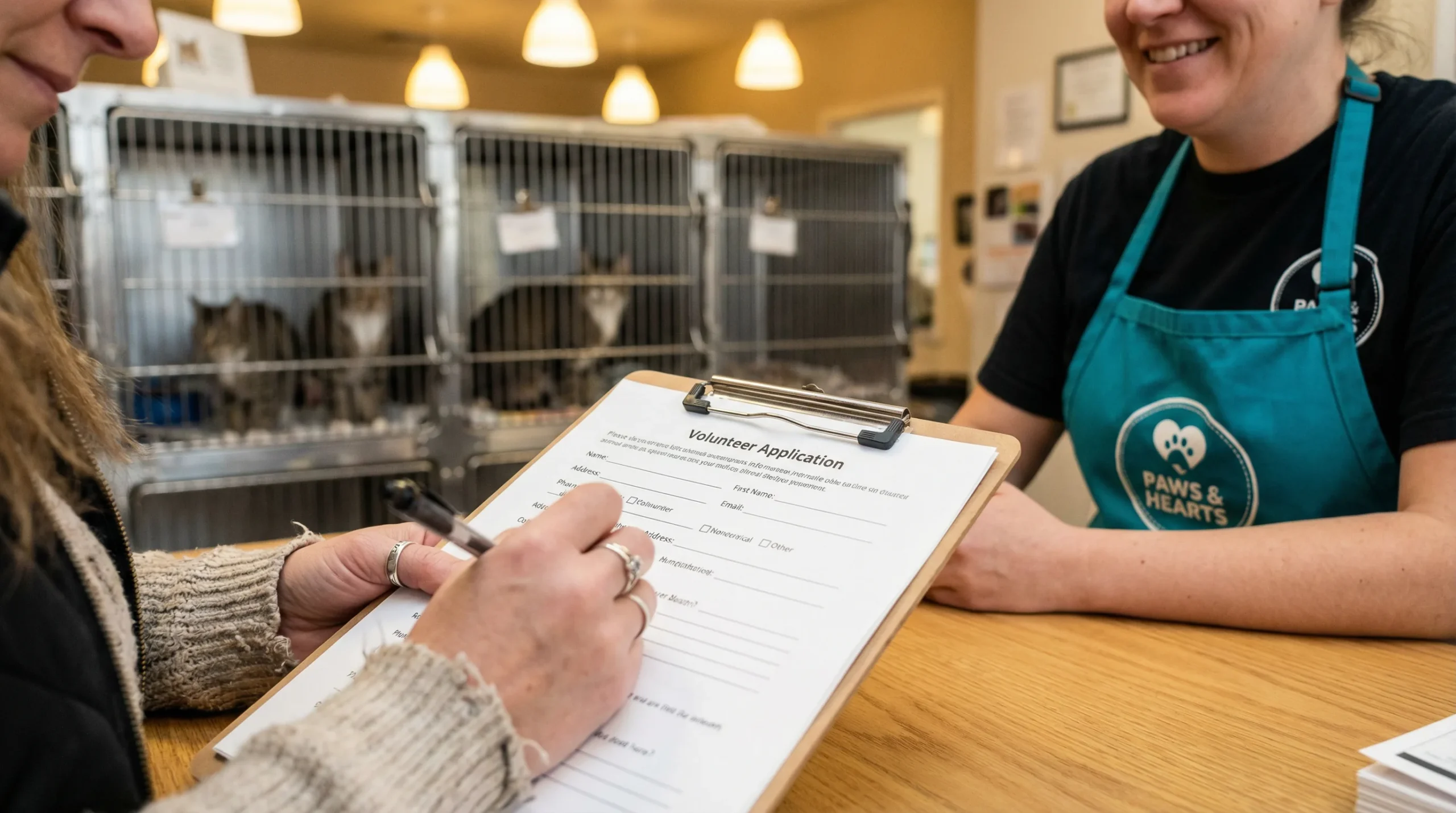
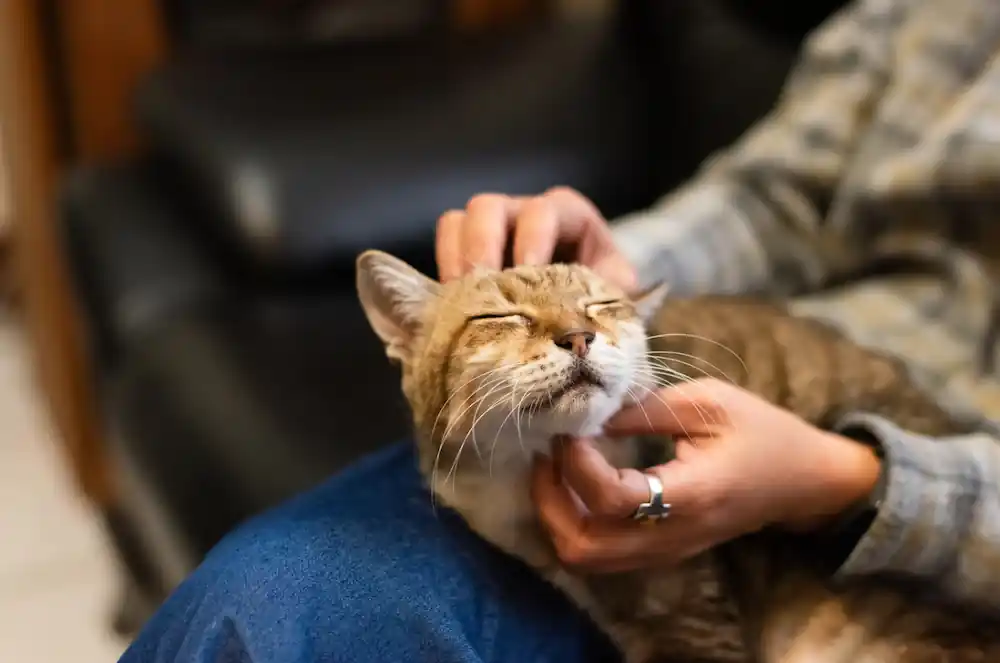
Adoption counselors use applications to start a conversation — not to find reasons to say no.
- Do you own or rent your home?To confirm you're legally permitted to have a cat in your residence.If renting, get written confirmation from your landlord before applying — and offer to provide it. This removes the biggest renter obstacle upfront.
- Who else lives in your home?To ensure all household members are on board and to assess the cat's environment.Be specific. Mention names, relationships, and — crucially — that everyone is enthusiastic. "My partner and I are both excited" is stronger than "just me and my roommate."
- Do you have children? What ages?Helps match the right cat temperament — some cats do better with older children.Give specific ages and mention any prior animal experience your children have. If they're young, note that you'll supervise all interactions.
- Do you have other pets?To find a cat with a compatible temperament and history with other animals.Describe each pet's temperament and any multi-pet history. "Our dog is calm and cat-curious but not reactive" is far more useful than "yes, we have a dog."
- How many hours a day will the cat be alone?Cats left alone for long stretches need enrichment — counselors want to know you've thought this through.If you work long hours, mention your enrichment plan: puzzle feeders, window perches, or that you're considering a bonded pair. Showing awareness is the goal.
- Will the cat be indoor-only or have outdoor access?Most shelters require indoor-only placement for safety and liability reasons.State clearly: "The cat will be an indoor-only pet." If you want outdoor access, ask about the specific cat's history before applying — some shelters will work with you on supervised outdoor time.
- Do you travel frequently?To ensure the cat will be cared for when you're away.Name a specific plan: a trusted cat sitter, a family member who will stay, or a boarding facility you've researched. Vague answers here create doubt.
- Have you owned a cat before?Experience signals familiarity with cat behavior and needs — but it's not a requirement.If yes, briefly describe your history. If no, emphasize the research you've done and your commitment to learning. First-time owners who show preparation are welcomed.
- Have you ever surrendered a pet?The most sensitive question on any application — unexplained surrenders raise rehoming risk flags.If yes, be honest and explain the circumstances. "We surrendered our cat when my mother was hospitalized and we moved to care for her" is completely understandable. Leaving it blank is not.
- Has a pet ever been euthanized?Not a red flag — it signals responsible end-of-life decision-making.Answer honestly. This question is not a trap. Shelters understand that euthanasia is sometimes the most humane choice, and it often reflects good pet ownership.
- Can you afford regular veterinary care?Veterinary neglect is one of the most common welfare issues in adopted pets — shelters screen for financial readiness.Mention annual wellness visits and an emergency fund or pet insurance. See our full cost breakdown if you want to prepare specific numbers before applying.
- Are you aware of ongoing ownership costs?To ensure you've budgeted beyond the one-time adoption fee.Show awareness of the full picture: food, litter, toys, annual vet visits, and unexpected medical costs. Mentioning a rough monthly budget signals genuine preparation.
- What would happen to the cat if your circumstances changed?Shelters want to know the cat won't be surrendered if life gets complicated.Name a specific backup: a family member who would take the cat, or a commitment to working with the rescue to find a responsible placement. Vague answers here are a yellow flag.
- What kind of cat are you looking for?To match the right cat to your home — and to gauge whether your expectations are realistic.Be specific but flexible. "A calm, affectionate adult cat suited to a quiet apartment" is far stronger than "any friendly cat." Our cat personalities guide can help you find the right words.
What Adoption Counselors Are Actually Evaluating
The most important thing to understand about adoption counselors is that they are not looking for perfection. They are looking for honesty, self-awareness, and genuine commitment. The Maddie's Fund Adoption Counselor Handbook — the industry-standard training resource — explicitly states that the goal is to "use communication techniques to gather information and assist the public in choosing the right cat," not to gatekeep.
"We encourage you to base your decision on the individual cat's personality and behavior rather than a specific breed or look." — ASPCA Adoption Guidelines
According to Best Friends Animal Society, shelters that shifted to conversation-based adoptions (rather than strict form screening) saw return rates drop by up to 40%. The lesson: a good match, made honestly, sticks.
Five qualities consistently make a strong applicant:
- Honesty — even about imperfect history
- Realistic expectations about cat behavior (cats aren't dogs; they need time to adjust)
- Financial preparedness — awareness of ongoing costs, not just the adoption fee
- A stable living situation — housing security and landlord approval if renting
- A specific, thoughtful reason for wanting this cat or type of cat
Why Applications Are Denied — and What to Do About It
Most application denials are not permanent, and many are not about you personally — they're about a mismatch between a specific cat's needs and your current situation. Understanding the most common reasons helps you address them proactively.
| Reason for Denial | What It Means | What You Can Do |
|---|---|---|
| Landlord approval not confirmed | Shelter can't verify housing stability | Get written confirmation from landlord before applying |
| Incomplete application | Missing answers raise doubt | Fill every field; add context in open-text boxes |
| Vague lifestyle answers | Counselor can't assess fit | Be specific: hours alone, enrichment plans, vet history |
| Prior surrender unexplained | Raises rehoming risk flag | Explain circumstances honestly in the application |
| Cat-home mismatch | The cat, not you, may be wrong fit | Ask counselor to suggest a better-matched cat |
| References unreachable | Slows process; other applicants advance | Warn references in advance; choose responsive people |
| Outdoor-only plan for indoor cat | Many cats are listed as indoor-only | Confirm cat's requirements before applying |
If your application is denied, contact the shelter or rescue directly and ask specifically why. Many organizations will explain, and some denials can be resolved with additional information. A denial for one cat doesn't mean you can't adopt a different one — and it certainly doesn't mean you're not ready to be a cat owner.
The Adoption Interview: What to Expect

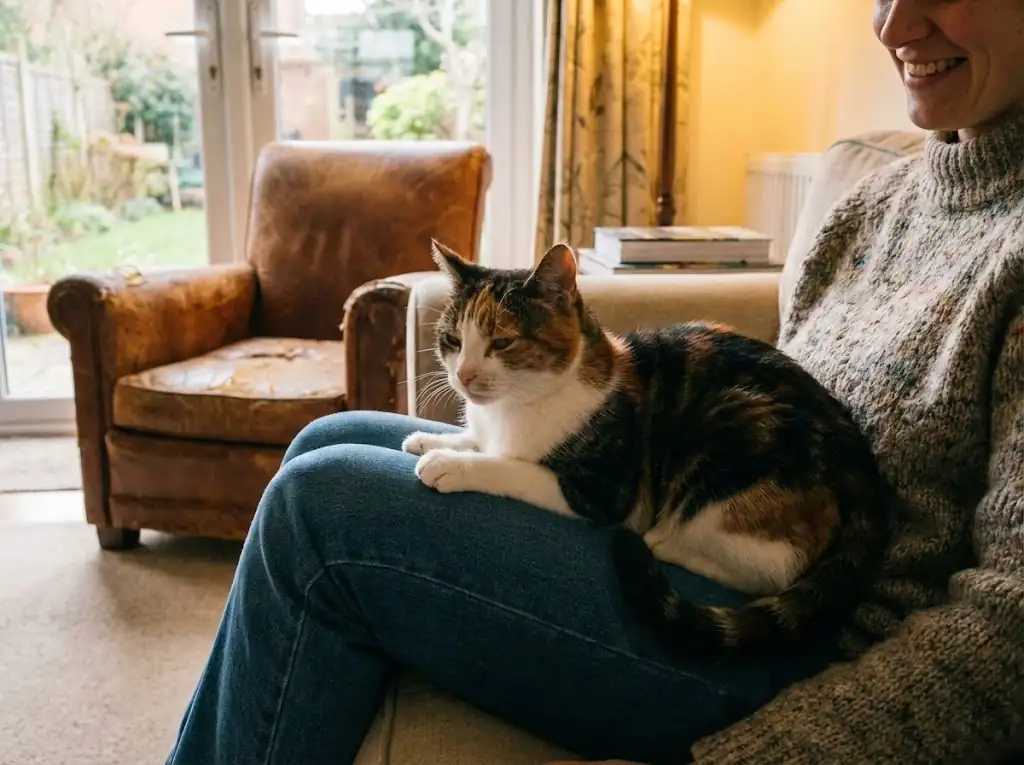
A good adoption interview feels like a conversation, not an interrogation.
Not all shelters conduct formal interviews — municipal shelters rarely do, while private rescues almost always do. If you're asked for an interview, it typically takes the form of a phone call (15–30 minutes), though video calls and in-person meetings are also common. The purpose is to clarify your application answers, assess fit, and give you the chance to ask questions.
6 Tips for a Strong Interview
- 1 Be honest, not strategic. Adoption counselors are trained to spot rehearsed answers. Authentic responses — even imperfect ones — build far more trust than polished ones that don't quite ring true.
- 2 Know your household. Be ready to describe everyone who lives with you, including other pets and their temperaments. Vague answers here slow the process down.
- 3 Have your vet's contact info ready. If you have current pets, the counselor may call your vet to verify care history. Have the clinic name and phone number on hand.
- 4 Ask questions. "What is this cat like when she's relaxed?" shows genuine interest. Passive applicants are less memorable — and less convincing.
- 5 Mention your preparation. Have you cat-proofed your home? Read about the 3-3-3 rule? Bought supplies? Mention it. It signals you're serious.
- 6 Be specific about why this cat. "I'm drawn to her because she seems calm and would suit my quiet apartment" is far stronger than "she's cute." Specificity signals compatibility, not just impulse.
Questions to Ask the Shelter
- "What is this cat's history — how long has she been here?"
- "Does she have any known health conditions or special needs?"
- "How does she behave with other cats / children / strangers?"
- "What does she eat, and does she have any food preferences?"
- "Is there a trial period or return policy if the adoption doesn't work out?"
You're Approved — Here's What Comes Next
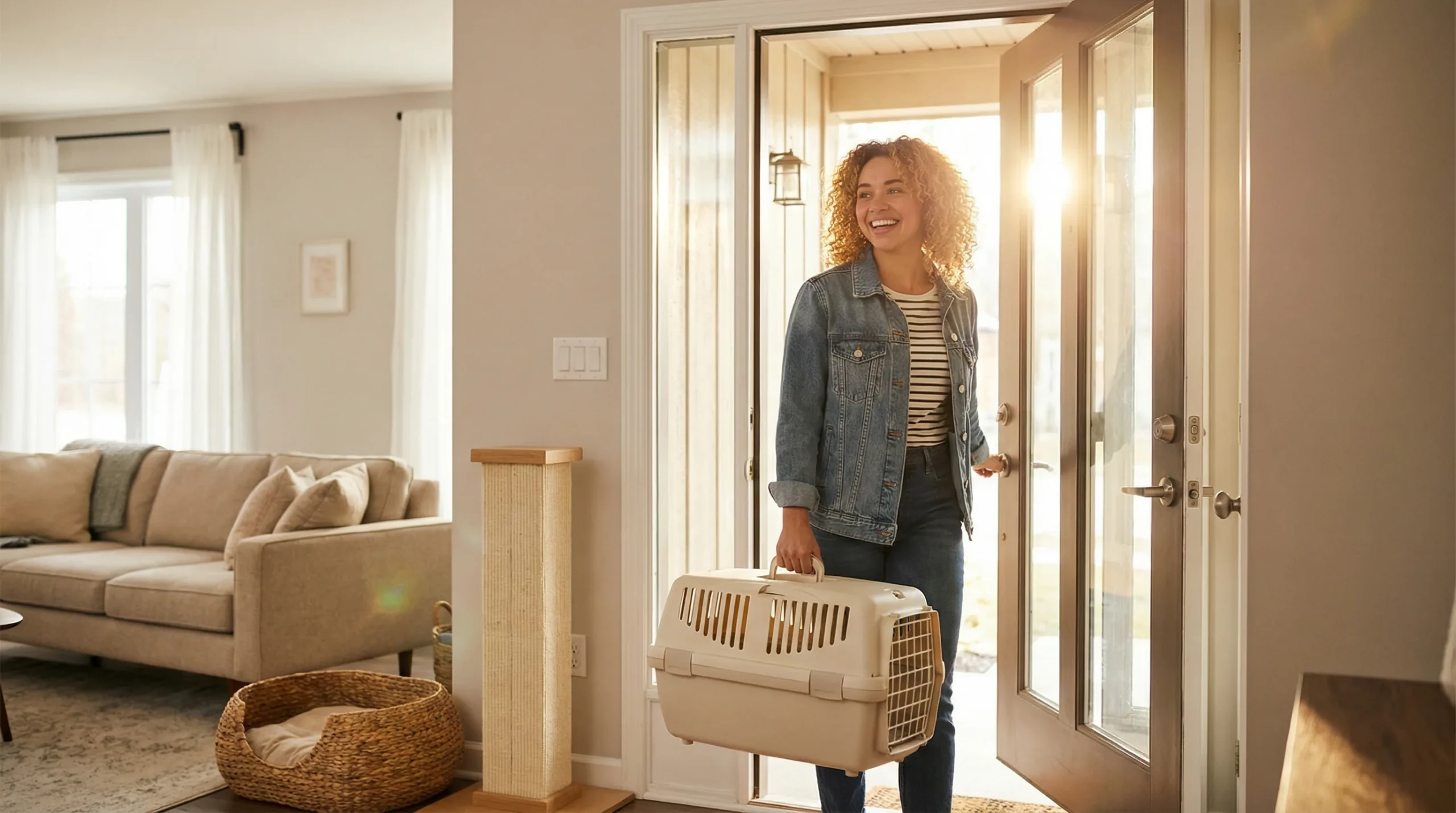
The moment you walk through the door with your new cat is one you'll never forget.
Once your application is approved, the process moves quickly. You'll sign an adoption agreement — a contract that typically covers the cat's spay/neuter status, an indoor-only requirement, a return policy (most rescues ask you to return the cat to them rather than rehome independently), and microchip transfer. You'll pay the adoption fee, which covers vaccinations, microchipping, and often spay/neuter surgery.
Before you bring your cat home, make sure you have the essentials ready. The shelter will tell you what food the cat is currently eating — stick with it for the first week to avoid digestive upset, then transition gradually if you want to change brands.
First-Day Essentials Checklist
- Hard-sided or soft carrier (lined with a familiar-smelling blanket)
- Litter box + unscented clumping litter
- Food and water bowls (ceramic or stainless preferred)
- Age-appropriate food (ask shelter what the cat currently eats)
- Scratching post (vertical, at least 28 inches tall)
- Hiding spot or covered bed for decompression
- 2–3 toys (wand toy + crinkle ball is a good starter set)
For the first 24–48 hours, set up a single quiet room — a "safe room" — and let your cat decompress on her own terms. Don't force interaction. Most cats need 3 days to decompress, 3 weeks to settle into routines, and 3 months to fully show their personality. Our first 30 days guide walks you through every stage. For a full budget breakdown of first-year costs, see how much it costs to adopt a cat.
Ready to Start Your Adoption Journey?
You've got the knowledge — now take the next step. Explore the full guide or see exactly what to budget for.
Frequently Asked Questions
Your Perfect Cat Is One Application Away
The adoption application isn't a barrier — it's a bridge. Fill it out honestly, prepare thoughtfully, and trust the process. The right cat is out there, and now you know exactly how to find them.
References & Further Reading
The following sources were used in the preparation of this article and are provided to support further reading and verify factual claims.
- 1Maddie's Fund. (2022). Adoption Counselor Handbook. Cat Town Oakland. https://www.maddiesfund.org/.../Cat%20Town%20-%20Adoption%20Counselor%20Handbook.pdf
- 2Community Concern for Cats. (2021). Cat Adoption Screening Questions. https://www.communityconcernforcats.org/.../Cat-Adoption-Screening-Questions.pdf
- 3ASPCA. (2024). Adoption Tips. American Society for the Prevention of Cruelty to Animals. https://www.aspca.org/adopt/adoption-tips
- 4Shaughney, M. (2021). Passing Pet Adoption Screenings. PetPartners. https://www.petpartners.com/blog/passing-pet-adoption-screening
- 5Nathan, L. (2025). 25 Adoption Form Questions Every Shelter Should Ask. Jotform. https://www.jotform.com/blog/adoption-form-questions/
- 6Best Friends Animal Society. (2024). Making Adoption Easier: Outcomes Data. https://bestfriends.org/
- 7Maddie's Fund. (2023). Adoption Forum: Application Questionnaire Best Practices. https://forum.maddiesfund.org/
- 8Animal Wellness Foundation. (2024). Cat Adoption Questionnaire Guidelines. https://www.animalwellnessfoundation.org/







 EN
EN DE
DE ES
ES PT
PT