
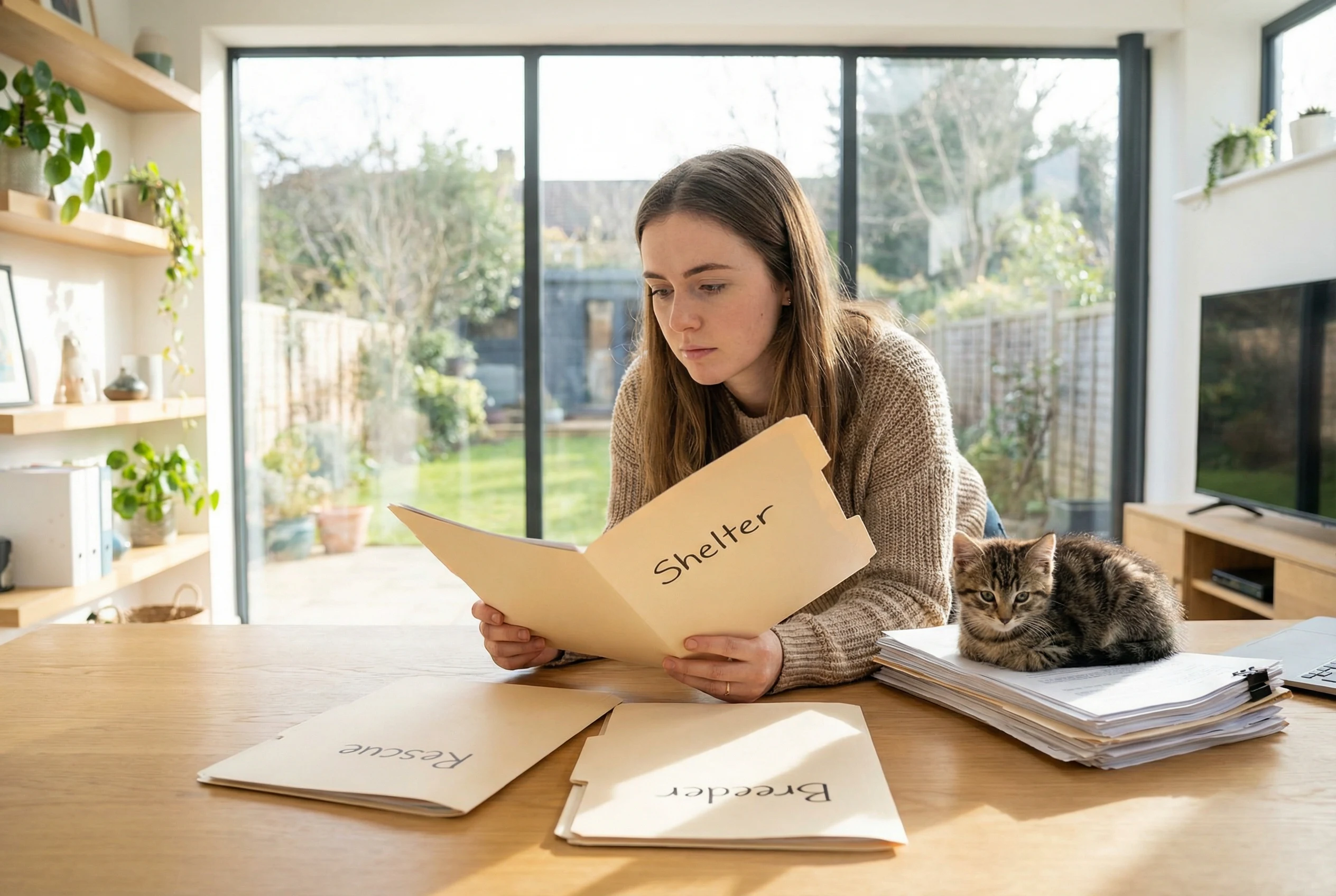
Deciding to bring a cat into your life is an exciting milestone, but the very next question often brings unexpected confusion: where exactly should you get your new feline companion? A quick online search will present you with municipal animal shelters, private rescue organizations, and independent breeders, each offering different experiences, costs, and philosophies.
Navigating these options can feel overwhelming, especially when you are eager to find the perfect match for your home. You might wonder why a rescue charges more than a city shelter, or whether the high cost of a purebred kitten from a breeder is truly justified. The truth is, there is no single “best” place to get a cat—only the best place for your specific lifestyle, budget, and expectations.
This comprehensive guide breaks down the critical differences between shelters, rescues, and breeders. We will explore the adoption processes, realistic cost comparisons, and the pros and cons of each source, empowering you to make a confident, informed decision about where to find your new best friend.
Table of Contents
Understanding Animal Shelters
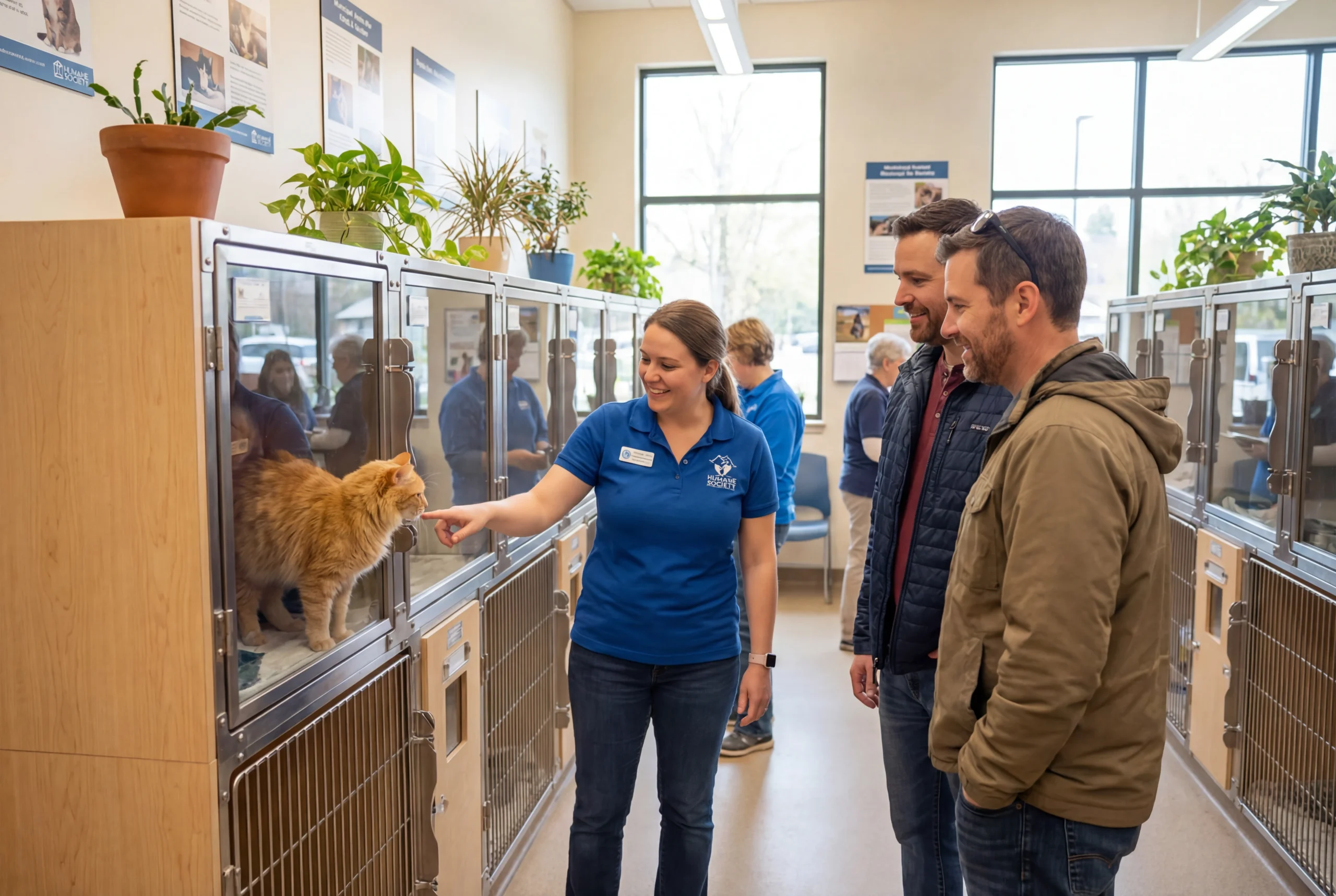
When most people think of adopting a pet, a traditional animal shelter is the first image that comes to mind. Shelters are typically physical facilities designed to house a large volume of animals in need of immediate care and rehoming.
How Shelters Operate
Animal shelters are often government-funded municipal facilities (like city or county animal control) or large non-profit organizations such as a local Humane Society or SPCA. Because many municipal shelters have an “open-door” policy, they are required by law to take in any stray, abandoned, or surrendered animal found within their jurisdiction.
Due to the high volume of animals coming through their doors, shelters operate with a sense of urgency. Their primary goal is to find safe homes for as many animals as possible, as quickly as possible, to make room for the next intake. The environment can be loud and fast-paced, which can sometimes make cats appear more timid or stressed than they would be in a quiet home.
The Pros and Cons of Shelter Adoption
The greatest advantage of adopting from a shelter is the immediate impact you make. By taking a cat home, you are literally saving a life and opening up a cage for another animal in need. This is especially true if you are open to adopting a black cat or an older feline, as these demographics often face the longest wait times in municipal facilities.
Shelters are also the most budget-friendly option. Adoption fees are highly subsidized and almost always include essential medical care such as spaying or neutering, initial vaccinations, and microchipping. Furthermore, the adoption process is usually straightforward and fast; in many cases, you can walk in, meet a cat, and take them home the very same day.
However, there are drawbacks. Because of the high turnover rate and limited staffing, shelters rarely have detailed behavioral histories for the cats in their care. You may not know if a cat is good with dogs, children, or other cats until you bring them home. Additionally, the stress of the shelter environment can mask a cat’s true personality, making it slightly harder to gauge if they are the right fit for your household.
The Rescue Organization Experience
If a shelter feels too overwhelming, a private rescue organization offers a distinctly different approach to adoption. Rescues are typically smaller, privately run non-profit organizations funded entirely by public donations, grants, and fundraising efforts.
The Foster-Based Model
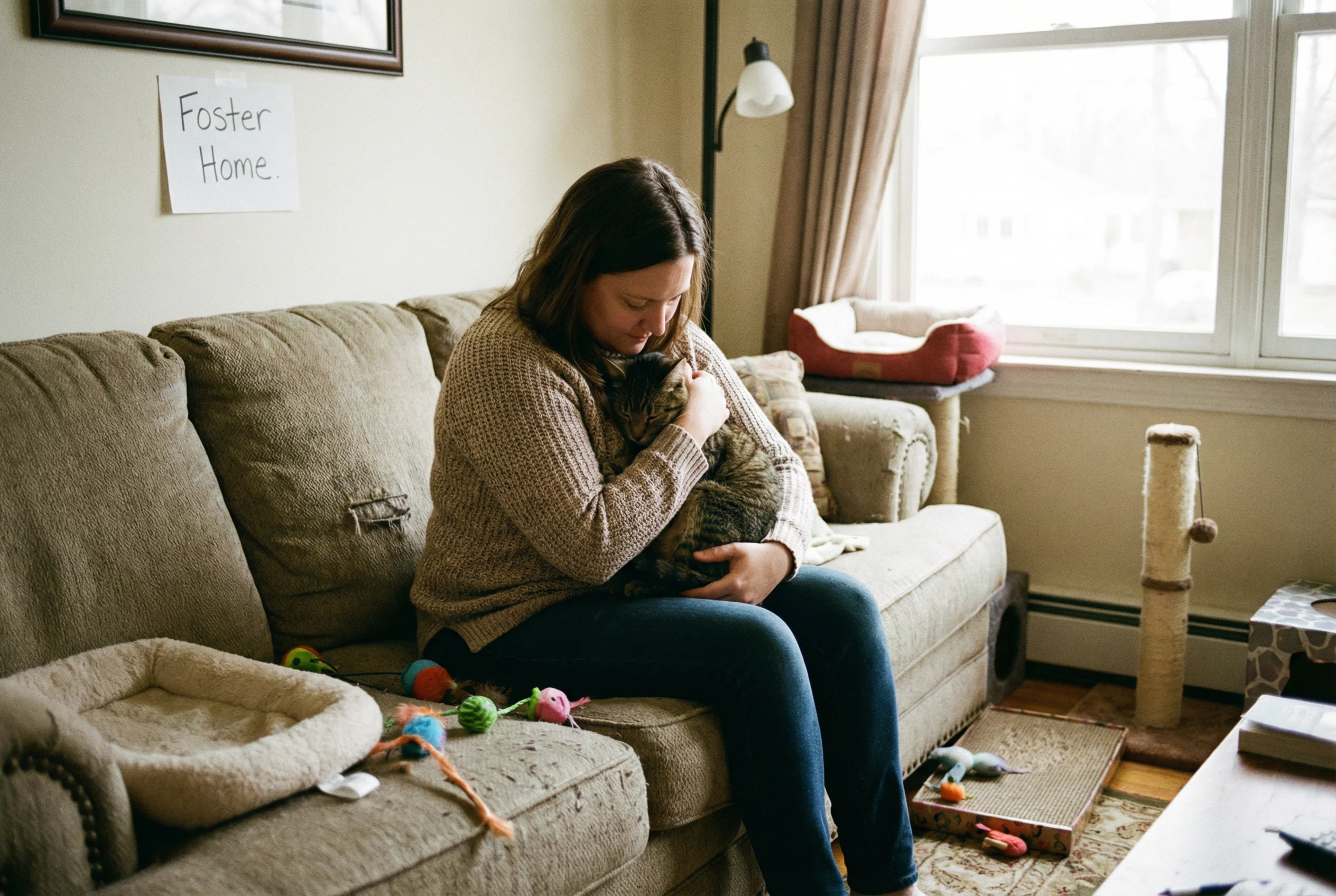
The defining characteristic of most rescue organizations is their reliance on a foster network. Instead of housing cats in a central facility with metal cages, rescues place their cats in the private homes of volunteer foster parents.
This model allows the rescue to deeply understand each cat’s personality, quirks, and needs. A foster parent can tell you exactly how the cat reacts to the vacuum cleaner, whether they like to sleep at the foot of the bed, and if they tolerate having their nails trimmed. Because the cats live in a normal home environment, they are generally less stressed and better socialized by the time they are ready for adoption.
The Pros and Cons of Rescue Adoption
The primary benefit of adopting through a rescue is the personalized matchmaking. Rescues invest significant time in ensuring that the cat’s temperament perfectly aligns with your lifestyle. If you are debating between a kitten versus an adult cat, a rescue coordinator can provide invaluable insight based on the foster family’s daily observations. Furthermore, rescues offer robust post-adoption support, often providing advice and resources as you navigate the first thirty days with your new cat.
The downside to this highly personalized approach is a more rigorous and time-consuming adoption process. Rescues are deeply invested in their animals and have strict requirements to prevent the cat from being returned. You may be asked to provide veterinary references, personal references, and even consent to a home visit or virtual home tour to ensure you have properly cat-proofed your home. Additionally, because they do not receive government funding, their adoption fees are generally higher than municipal shelters to help cover the costs of extensive medical care and foster supplies.
Buying from a Cat Breeder
While adopting a rescued animal is the preferred route for millions of pet owners, some individuals choose to purchase a cat from a private breeder. A breeder is a person or business that intentionally mates specific purebred cats to produce litters with predictable physical traits and temperaments.
Why People Choose Breeders
The primary reason prospective owners turn to breeders is predictability. If you have your heart set on the dog-like loyalty of a Maine Coon, the vocal nature of a Siamese, or the hypoallergenic qualities of a Siberian, a breeder can provide a cat that fits those exact specifications.
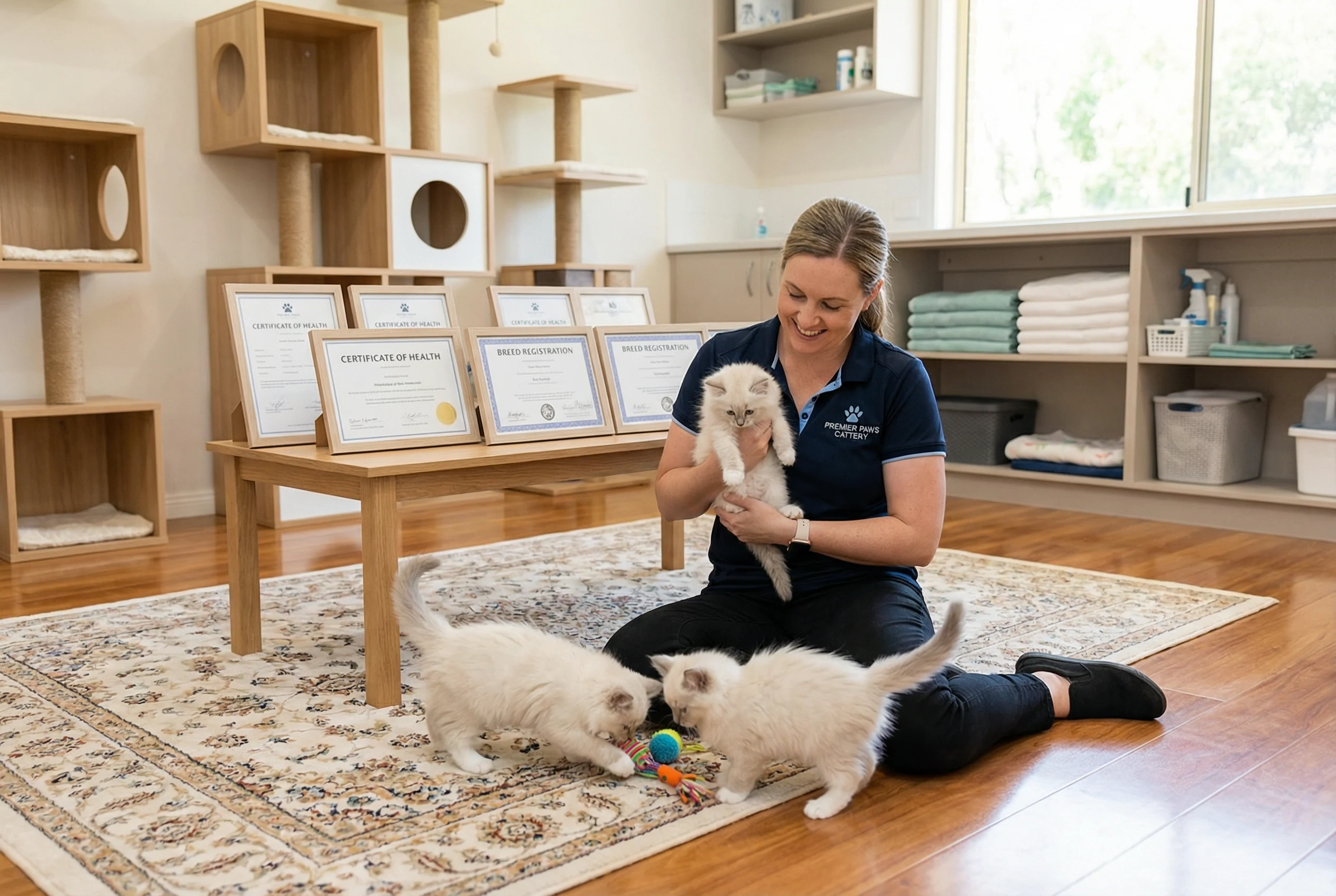
Ethical, reputable breeders are deeply committed to the health and preservation of their chosen breed. They conduct extensive genetic testing on their breeding cats to rule out hereditary diseases, such as hypertrophic cardiomyopathy (HCM) or polycystic kidney disease (PKD). When you purchase a kitten from a reputable breeder, you generally receive a comprehensive health guarantee and a detailed pedigree tracing the cat’s lineage.
The Ethical Considerations and Drawbacks
Purchasing from a breeder is the most expensive way to acquire a cat, with prices frequently ranging from one thousand to several thousand dollars. Beyond the financial barrier, there is a significant ethical debate surrounding breeding. With millions of homeless cats entering shelters every year, animal welfare advocates argue that intentionally breeding more cats exacerbates the overpopulation crisis.
If you decide that a specific breed is necessary for your family, your most critical task is learning how to identify an ethical breeder and avoid “backyard breeders” or kitten mills. Reputable breeders will never sell kittens to pet stores, they will insist on meeting you in person, and they will require you to sign a contract stating that you will return the cat to them if you can no longer care for it.

It is also vital to be vigilant against online fraud. The demand for purebred kittens has led to a surge in internet scams, where fraudsters demand large deposits for kittens that do not actually exist. Educating yourself on how to avoid cat adoption scams is a mandatory step if you choose to pursue the breeder route.
Cost Comparison: What Are You Actually Paying For?
Understanding the financial differences between these three sources is crucial for your budgeting process. While a “free” kitten from a neighbor might seem like a great deal, the out-of-pocket medical costs you will immediately incur often exceed a standard shelter adoption fee.
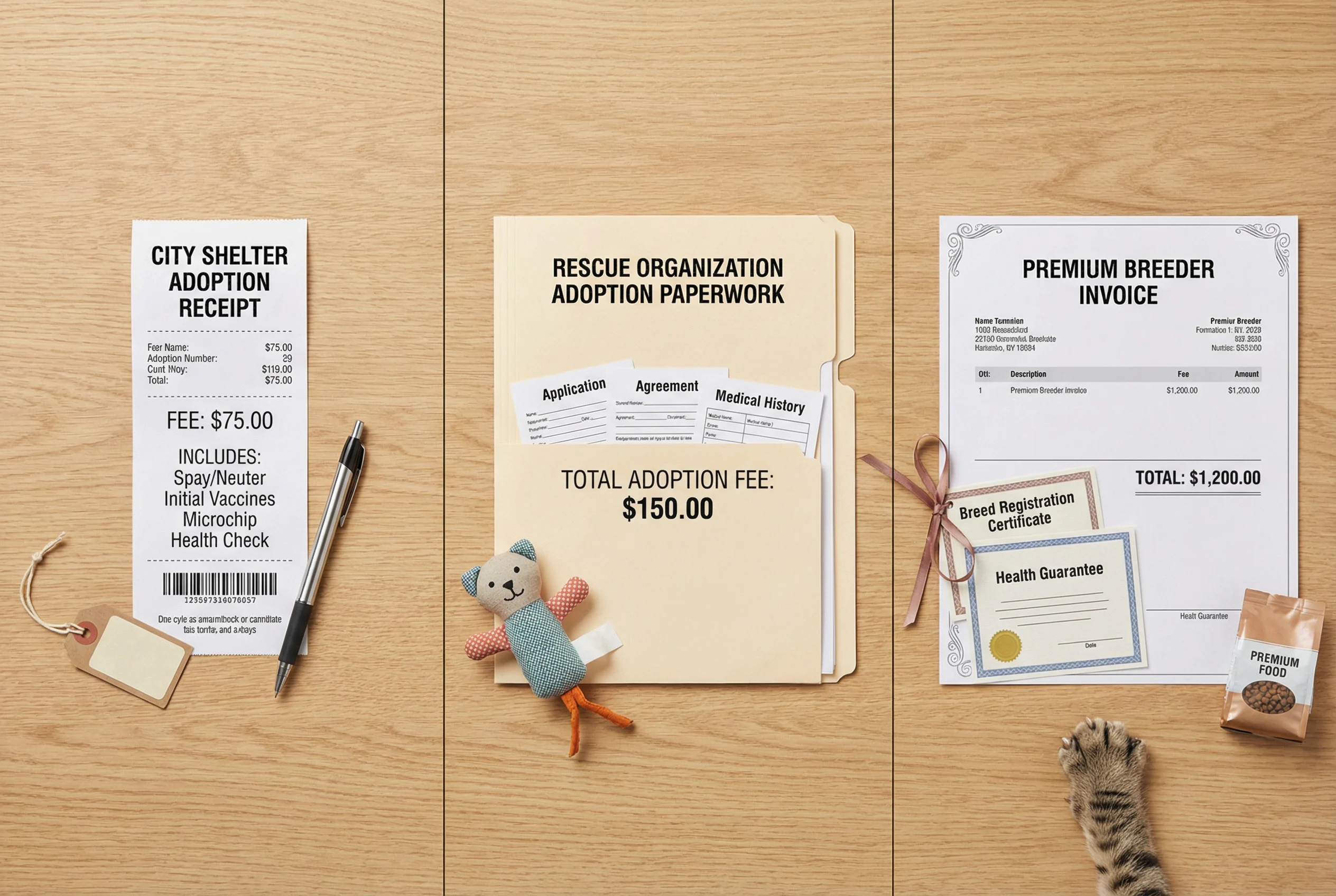
When calculating how much it costs to adopt a cat, consider what is included in the upfront fee:
| Adoption Source | Average Fee | What is Typically Included |
|---|---|---|
| Municipal Shelter | $25 – $150 | Spay/neuter surgery, initial FVRCP vaccines, rabies vaccine, microchip, basic health exam, deworming. |
| Private Rescue | $100 – $300 | Spay/neuter surgery, all age-appropriate vaccines, microchip, comprehensive vet exam, behavioral assessment, FIV/FeLV testing, foster care socialization. |
| Reputable Breeder | $800 – $2,500+ | Purebred pedigree papers, genetic health testing of parents, initial kitten vaccines, health guarantee. (Note: Spay/neuter and microchipping are often NOT included and must be paid out-of-pocket). |
As the data shows, shelter and rescue adoption fees represent an incredible value, as the medical services provided would cost hundreds of dollars if purchased independently at a private veterinary clinic. Regardless of where you get your cat, you must schedule your new cat’s first vet visit within a few days of bringing them home to establish a baseline of health.
The Application and Approval Process
The path to bringing your cat home varies wildly depending on the source you choose. If you are wondering if you are truly ready to adopt a cat, understanding the scrutiny of the application process can help you prepare.
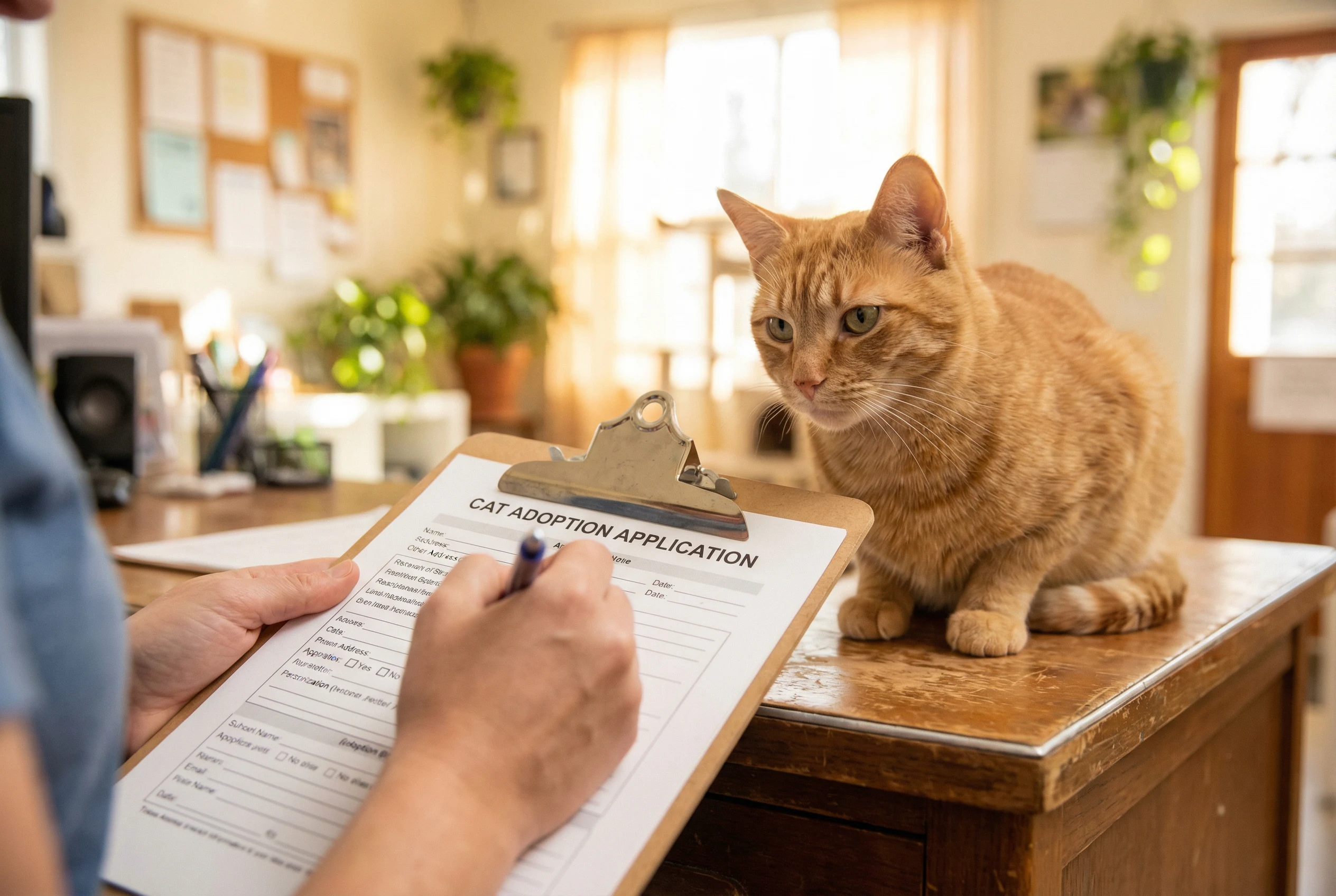
At a Shelter: The process is designed for speed and accessibility. You will typically fill out a one-page questionnaire, provide a government-issued ID, and pay the fee. If you rent your home, they may ask for a copy of your lease to verify that pets are allowed. The entire process can often be completed in an hour.
At a Rescue: Prepare for a thorough vetting process. Reviewing a cat adoption application guide can help you navigate their requirements. You will need to fill out a comprehensive application detailing your work hours, living situation, and past pet history. The rescue will likely call your current veterinarian to ensure any existing pets are up-to-date on vaccines. This process can take anywhere from a few days to a few weeks.
With a Breeder: Purchasing a purebred kitten requires patience. Ethical breeders do not produce litters constantly; they breed selectively. You will likely need to fill out an application to be placed on a waitlist, which can last from six months to over a year. The breeder will interview you to ensure you understand the specific grooming, dietary, and behavioral needs of the breed.
Making Your Final Decision
Choosing between a shelter, a rescue, and a breeder ultimately comes down to what you value most in your adoption journey.
Choose a municipal shelter if you want to save a life immediately, prefer a fast and straightforward process, and are comfortable letting a cat’s true personality blossom after they settle into your home.
Choose a private rescue if you have specific household needs (such as needing a cat that is guaranteed to be good with young children or dogs), value the insight of a foster parent, and appreciate ongoing support from the organization.
Choose a reputable breeder only if you have a documented medical need for a specific hypoallergenic breed, or if you are deeply passionate about the specific traits of a purebred and are willing to wait—and pay—for a responsibly bred kitten.
Whichever path you choose, the ultimate goal remains the same: providing a loving, permanent home for a feline companion who will enrich your life for years to come. By doing your research and understanding the landscape of adoption sources, you are already taking the first step toward being a responsible and dedicated cat owner. For a comprehensive overview of the entire journey, read our complete step-by-step guide to adopting a cat.
Frequently Asked Questions
1. What is the main difference between an animal shelter and a private rescue?
The primary difference lies in their facilities and funding. Animal shelters are often government-funded municipal facilities with a physical location that must accept all incoming animals, leading to a high-volume, fast-paced environment. Private rescues are usually non-profit organizations that operate through a foster-based model, where cats live in volunteer homes. Rescues typically offer more detailed information on a cat’s personality, while shelters focus on immediate rehoming and life-saving.
2. How much does it cost to adopt a cat in 2026?
Adoption costs vary significantly based on the source:
Municipal Shelters: Usually the most affordable, ranging from $25 to $150.
Private Rescues: Generally range from $100 to $300 to cover extensive foster care and medical overhead.
Reputable Breeders: Can cost anywhere from $800 to over $2,500, depending on the breed’s rarity and lineage.
3. How long does the cat adoption process typically take?
If you are looking for a quick process, municipal shelters often allow for same-day adoptions. Private rescues involve a more rigorous vetting process—including applications, reference checks, and home visits—which can take several days to a few weeks. Buying from a breeder is the longest route; due to selective breeding cycles, you may remain on a waitlist for six months to over a year.
4. Which option is best if I have children or other pets at home?
A private rescue organization is often the best choice for families with specific household needs. Because rescue cats live in foster homes, the foster parents can provide firsthand “Expertise” on how the cat behaves around children, dogs, or other cats. Shelters may have limited history on an animal due to the high volume of intakes.
5. How can I identify a reputable cat breeder and avoid scams?
A trustworthy breeder will always:
Perform genetic health testing (e.g., for HCM or PKD) and provide documentation.
Insist on meeting you in person and show you where the cats are raised.
Require a contract stating the cat must be returned to them if you can no longer care for it.
Never sell kittens through pet stores or demand untraceable deposits for kittens you haven’t seen.
6. Is it better to adopt a cat or buy one from a breeder?
There is no “one-size-fits-all” answer. Adopting is a life-saving choice that helps combat the overpopulation crisis and is highly cost-effective. Buying from a breeder is generally reserved for those who require specific traits (like hypoallergenic qualities) or a predictable temperament. For most households, adopting from a shelter or rescue provides a loving companion while supporting animal welfare.
References
The Zebra. “Pet Adoption Statistics in 2026.”
Animal Humane Society. “Understanding Adoption Fees and What They Cover.”
Catster. “How Much Does It Cost to Adopt a Cat from a Shelter? 2026 Update.”
PetMD. “How to Find an Ethical, Reputable, and Responsible Breeder.”
Humane Society of the United States. “All Shelters Are Not Alike – The Important Differences.”


 EN
EN DE
DE ES
ES PT
PT