

Are You Ready to Adopt a Cat?
If you find yourself asking, “Am I ready to adopt a cat?” you are already taking the first and most crucial step toward responsible pet ownership. Welcoming a feline companion into your life is a joyful, transformative experience, but it is also a significant long-term commitment that requires careful consideration of your lifestyle, finances, and emotional readiness.
While scrolling through social media or visiting a local shelter can easily spark an impulsive decision, taking a moment to pause and evaluate your circumstances is the kindest thing you can do for both yourself and your future pet. This comprehensive self-assessment will guide you through the honest realities of cat adoption, moving beyond the romanticized ideal to explore the practical, day-to-day responsibilities involved. By the end of this guide, you will have a clear understanding of whether you are truly prepared to bring a new cat home, or if waiting might be the better choice for now.
Table of Contents
The Honest Readiness Quiz: Where Do You Stand?
Before diving into the detailed aspects of cat ownership, it is helpful to take a quick inventory of your current situation. Ask yourself the following core questions and answer them with complete honesty.
- Can I commit to a 15-to-20-year relationship? Cats are not temporary visitors. With proper care, indoor cats routinely live well into their late teens, and many reach their twenties.
- Is my living situation stable and pet-friendly? Whether you own your home or rent an apartment, you must ensure that pets are permitted and that you do not anticipate frequent, disruptive moves in the near future.
- Do I have the financial margin for unexpected expenses? Beyond the daily costs of food and litter, veterinary emergencies can arise without warning and often cost hundreds or thousands of dollars.
- Can I tolerate occasional property damage or messes? Even the most well-behaved cats may occasionally scratch furniture, knock items off shelves, or experience litter box accidents when stressed or ill.
- Am I willing to prioritize another creature’s needs? Cat ownership means getting up early to serve breakfast, scooping litter boxes when you are tired, and sometimes altering travel plans to ensure your pet is cared for.
If you answered “yes” to these questions without hesitation, you are already demonstrating a strong foundation for pet ownership. If some questions gave you pause, that is perfectly normal. The following sections will help you explore these areas in greater depth.
Red Flags: Signs You Might Not Be Ready
Sometimes, the best decision for an animal is recognizing that your current circumstances are not ideal. Before moving forward, check if any of these common “red flags” apply to you:

- You only want a tiny kitten: Kittens are undeniably adorable, but their intense energy and fragility require constant supervision. If you are unwilling to consider an adult cat whose personality is already established, you may be romanticizing the idea of a pet rather than accepting the reality of a 15-year commitment.
- You are living paycheck-to-paycheck: If covering your own basic expenses is a monthly struggle, adding the financial burden of premium cat food, litter, and potential veterinary emergencies will only create profound stress for both you and the animal.
- You expect a cat to act like a dog: Cats are not “low-maintenance dogs.” They have unique communication styles, do not inherently aim to please their owners, and require patience. Expecting a cat to behave like a golden retriever will lead to frustration and a strained bond.
- Your living situation is unstable: If you anticipate moving frequently, or if you currently live in an apartment with a strict “no pets” policy, bringing a cat into that environment is a recipe for heartbreak and a likely return to the shelter.
If these signs resonate with you, it is entirely okay to wait.
Financial Reality: Can You Afford a Cat?
The financial commitment of cat ownership is often underestimated by first-time adopters. While the initial adoption fee at a shelter may seem manageable, the lifetime cost of caring for a feline companion requires a realistic budget.

Upfront and First-Year Costs
When you first bring your cat home, you will need to invest in essential supplies and initial veterinary care. The upfront costs of owning a cat typically range between $765 and $2,715 during the first year. This initial outlay includes the adoption fee, a sturdy carrier, a litter box, scratching posts, food and water bowls, and a comfortable bed.
Additionally, your new companion will require a thorough wellness examination. For a detailed breakdown of what to expect during this initial medical check, you can read our comprehensive guide on your new cat’s first vet visit. This visit ensures your cat is healthy, up-to-date on vaccinations, and properly microchipped.
Ongoing Annual Expenses
After the first year, the financial commitment settles into a regular rhythm, but it remains substantial. The average annual cost of cat ownership ranges between $830 and $3,095. To understand where this money goes, consider the following typical breakdown of annual expenses:
| Expense Category | Estimated Annual Cost | Description |
|---|---|---|
| High-Quality Food | $300 – $800 | Premium wet and dry food, tailored to your cat’s life stage. |
| Litter and Supplies | $150 – $350 | Clumping or non-clumping litter, replaced regularly. |
| Routine Vet Care | $150 – $400 | Annual exams, vaccinations, and parasite prevention. |
| Toys and Enrichment | $50 – $150 | Wands, puzzle feeders, and replacement scratching pads. |
| Pet Insurance | $200 – $400 | Monthly premiums to offset major medical emergencies. |
It is also crucial to recognize that costs fluctuate depending on the cat’s life stage. The American Animal Hospital Association (AAHA) notes that different life stages require different levels of care.
| Cat Life Stage | Financial Considerations |
|---|---|
| Kittens (0–1 year) | Highest upfront costs. Requires multiple rounds of vaccinations, spay/neuter surgery, and frequent toy replacements due to high energy. |
| Adult Cats (1–10 years) | Most predictable costs. Routine annual exams, consistent food consumption, and standard preventative care. |
| Senior Cats (10+ years) | Increasing medical costs. Often requires bi-annual exams, bloodwork to monitor kidney/thyroid function, and potentially prescription diets. |
If these numbers stretch your budget too thin, it may be wise to wait. For a deeper dive into the financial aspects of adoption, explore our complete breakdown on how much it costs to adopt a cat.
Common First-Time Owner Mistakes to Avoid
Financial readiness also means avoiding costly and dangerous mistakes that many first-time owners make. If you are adopting your first cat, ensure you do not fall into these common traps:
- Skipping Parasite Control: Even indoor cats can get fleas and heartworms from humans tracking them inside.
- Ignoring Dental Care: Dental disease affects the majority of cats over age three and can lead to expensive extractions and systemic health issues.
- Inadequate Litter Box Setup: The golden rule is “one box per cat, plus one.” A single, poorly cleaned box is the leading cause of behavioral elimination issues.
- Punishment-Based Training: Yelling at or spraying a cat with water only teaches them to fear you. Cats respond exclusively to positive reinforcement.
Lifestyle and Time: Does a Cat Fit Your Daily Routine?
Cats are often praised for their independence, especially when compared to dogs. However, “independent” does not mean “self-sufficient.” Cats thrive on routine, interaction, and a clean environment. Evaluating your daily schedule is critical to ensuring a cat will flourish in your home.

The Daily Time Commitment
Caring for a cat requires a consistent daily investment of time. At a minimum, you should expect to spend 30 to 60 minutes each day actively tending to your cat’s needs. This includes feeding them measured meals, providing fresh water, and scooping the litter box at least once—preferably twice—a day.
Beyond basic maintenance, cats require daily mental and physical stimulation. Interactive playtime using feather wands or laser pointers helps prevent behavioral issues, reduces stress, and strengthens the bond between you and your pet. If you work exceptionally long hours or frequently travel for business, you must honestly assess whether you can provide this necessary daily engagement.

Cat Adoption for Remote Workers
With the rise of work-from-home arrangements, many people assume they are perfectly positioned to adopt a cat. While being home often is a massive advantage, it requires establishing boundaries. Cats may walk across keyboards, demand attention during video calls, or vocalize when you are trying to focus. If you work remotely, you must be prepared to create a designated, engaging space for your cat to occupy while you are working, such as a window perch or an automated puzzle feeder.
Assessing Your Living Space
Your home environment plays a massive role in your readiness to adopt. You do not need a sprawling mansion to keep a cat happy; many cats thrive in smaller spaces provided their environmental needs are met. If you are a renter, you must first verify your landlord’s pet policy and be prepared to pay any required pet deposits or monthly pet rent.
Creating a feline-friendly environment involves vertical space, such as cat trees or secure shelving, where your cat can observe their territory safely. You must also ensure your home is free from hazards. Many common household items, including certain houseplants like lilies and aloe vera, are highly toxic to cats. Before bringing a pet home, reviewing our guide on cat-proofing your home is an essential step in your preparation.
Household Dynamics: Who Else Lives With You?
Adopting a cat is a decision that impacts everyone living under your roof. The success of the adoption depends heavily on the compatibility of the new cat with your current household members, both human and animal.
Children and Cats
If you have young children, the decision requires careful navigation. Children under the age of six often lack the impulse control and motor skills necessary to interact safely with a fragile animal. Kittens, in particular, have sharp claws and teeth and may react defensively if handled roughly. If you have young children, adopting an adult cat with a known, patient temperament is often a safer choice than bringing home a delicate kitten. You can learn more about making this choice in our comparison of adopting a kitten vs. an adult cat.
Multi-Pet Households
Introducing a new cat to a home that already has resident pets requires patience and a structured approach. Cats are territorial by nature, and sudden introductions can lead to severe stress and aggression. You must be prepared to isolate the new cat in a separate room initially and facilitate a gradual, scent-based introduction process over several weeks. If your current pets are highly reactive or aggressive toward other animals, introducing a new cat may not be fair to anyone involved.
Managing Allergies
Cat allergies are incredibly common, affecting up to 20% of the population. If you or anyone in your household has not spent significant time around cats, it is imperative to interact with felines before committing to an adoption. Discovering a severe allergy after bringing a cat home is heartbreaking and often leads to the cat being returned to the shelter. If allergies are a mild concern, you may want to research low-allergen breeds and invest in high-quality HEPA air purifiers.
Emotional Readiness and Mental Health Benefits
Perhaps the most profound aspect of cat adoption is the emotional commitment it requires. When you adopt a cat, you are making a promise to care for that animal through all stages of its life—from the energetic, playful days of youth to the slower, more demanding years of seniority.
The Mental Health Benefits of Cat Ownership
While you must be emotionally ready to support a cat, it is equally important to acknowledge how much a cat will support you. The mental health benefits of cat ownership are backed by extensive scientific research. According to the American Psychiatric Association, 84% of pet owners report that their pets have a mostly positive impact on their mental health, with cat owners frequently citing reduced stress, decreased anxiety, and companionship as primary benefits.

For individuals managing anxiety, depression, or loneliness, the simple act of petting a purring cat can physically lower cortisol levels (the stress hormone) and trigger the release of oxytocin and serotonin. The routine required to care for a cat also provides a sense of purpose and structure, which can be deeply grounding during difficult times.
Patience and Behavioral Challenges
Cats communicate differently than humans, and their behaviors can sometimes be frustrating. You must be emotionally prepared to handle issues such as scratching furniture, waking you up in the middle of the night, or occasional litter box avoidance due to stress or illness. Punishment is entirely ineffective with cats and will only damage your relationship. Instead, you must be willing to employ positive reinforcement, patience, and sometimes the guidance of a veterinary behaviorist to resolve issues.
The Senior Years
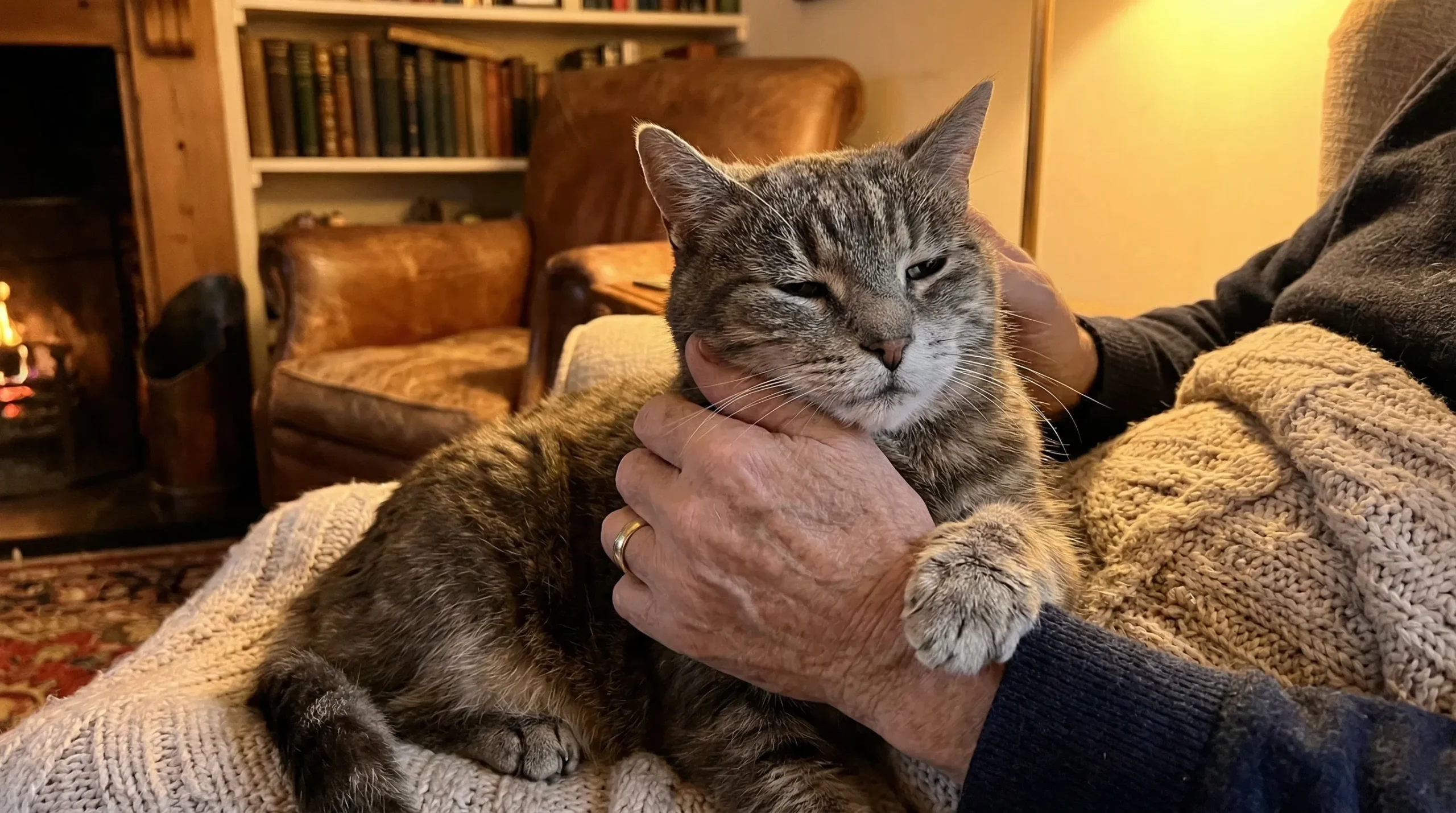
As cats age, their medical and emotional needs change. The “2021 AAHA/AAFP Feline Life Stage Guidelines” emphasize that senior cats require more frequent veterinary monitoring and often develop chronic conditions such as kidney disease or arthritis. You must be willing to provide the specialized care, dietary adjustments, and compassionate support they will need in their twilight years. If you are open to offering a loving home to an older feline right from the start, our guide to adopting a senior cat provides beautiful insights into this rewarding experience.
Frequently Asked Questions About Cat Adoption Readiness
Is it okay to adopt a cat if I live alone?
Absolutely. Cats are one of the most suitable pets for single-person households. They are independent enough to handle time alone during work hours, yet affectionate enough to provide meaningful companionship. Many single-person households report that their cat significantly reduces feelings of loneliness. Just ensure you can commit to the daily care routines and financial responsibilities described above.
Can I adopt a cat if I travel frequently?
Frequent travel does not automatically disqualify you from cat ownership, but it does require planning. You must have a reliable, trusted person who can care for your cat in your absence. Professional pet sitters, trusted friends, or a reputable boarding facility are all viable options. Cats generally do better in their home environment than in a boarding kennel, so a pet sitter who visits your home is often the preferred solution.
How do I know if my apartment is big enough for a cat?
Size matters far less than enrichment. A studio apartment with a tall cat tree, window perches, and regular interactive play sessions can be a perfectly happy home for a cat. Many cats thrive in smaller spaces because they are naturally den-dwelling animals. The key is ensuring your lease permits pets and that you have provided adequate vertical space and mental stimulation.
What if I am not sure which type of cat is right for me?
This is a very common concern, and it is worth taking time to explore before visiting a shelter. Our cat personality guide walks you through different feline temperaments and energy levels to help you identify the best match for your lifestyle. Additionally, our cat adoption application guide explains how shelters evaluate adopters and what they look for in a good home.
What happens during the first month after adoption?
The first 30 days with a new cat are a critical adjustment period for both of you. Your cat will likely hide, test boundaries, and gradually build trust. Our detailed guide on the first 30 days with your new cat provides a week-by-week roadmap for a smooth, stress-free transition.
The Reality of Adopter’s Remorse
It is perfectly normal to feel overwhelmed after bringing a cat home. In fact, “adopter’s remorse” is a documented phenomenon. Research published by Faunalytics indicates that approximately 12% of adopted cats are returned to shelters, with nearly half of those returns occurring within the first 30 days. The primary reasons for return are often behavioral issues (26%) or unexpected personal conflicts (14%).
To prevent early surrender, animal welfare experts recommend following the 3-3-3 Rule for decompression:
- 3 Days to Decompress: Your cat will likely hide, refuse to eat normally, and feel terrified. This is normal.
- 3 Weeks to Learn the Routine: Your cat will start exploring, figuring out feeding times, and showing their true personality.
- 3 Months to Feel at Home: Your cat will finally build a bond with you and feel completely secure in their environment.
Understanding this timeline helps manage expectations and reduces the panic that often leads to returning a pet.
What If You Realize You Are Not Ready?
If working through this self-assessment has made you realize that now is not the right time to adopt a cat, you should feel proud of your honesty. Recognizing your limitations is the hallmark of a responsible animal lover. Choosing not to adopt right now prevents a potentially stressful situation for both you and a cat.
If you still want felines in your life but cannot commit to permanent ownership, consider these fulfilling alternatives:
- Fostering: Animal shelters are in desperate need of temporary foster homes. Fostering allows you to care for a cat for a few weeks or months without the 15-year commitment or the heavy financial burden, as shelters typically cover medical costs.
- Volunteering: Spending a few hours a week socializing cats at a local rescue provides them with much-needed enrichment and gives you your “cat fix.”
- Cat-Sitting: Offer to pet-sit for friends, family, or neighbors when they travel.
Your Next Steps Toward Adoption
If you have carefully considered the financial, lifestyle, and emotional realities of cat ownership and feel confident in your readiness, congratulations! You are well-prepared to begin the beautiful journey of finding your new best friend.
As you move forward, take the time to research what type of feline companion will best suit your home. Understanding different temperaments is crucial, and our cat personality guide can help you match with a cat whose energy levels align with yours. When you are ready to make it official, you can explore the logistics of the process in our comprehensive how to adopt a cat step-by-step guide.
Adopting a cat is a profound responsibility, but for those who are truly ready, the reward is a lifetime of unconditional love, quiet companionship, and the comforting sound of a purr at the end of a long day.
References
American Association of Feline Practitioners / American Animal Hospital Association. (2021). 2021 AAHA/AAFP Feline Life Stage Guidelines. AAHA.
Quimby, J., Gowland, S., Carney, H. C., et al. (2021). 2021 AAHA/AAFP feline life stage guidelines. Journal of Feline Medicine and Surgery, SAGE Publications.
The Wall Street Journal. (2025). The True Cost of Cat Ownership: A Financial Breakdown. WSJ Buyside.
ASPCA. (2026). Shelter Animals Count Releases 2025 Annual Data Report. ASPCA Press Releases.
Best Friends Animal Society. (2025). 2025 Preliminary National Shelter Data Shows Lifesaving Momentum Holding. Best Friends Network.
Island Cat Resources and Adoption. (n.d.). Are You Ready to Adopt a Cat?. ICRA East Bay.
IAMS. (n.d.). Are You Ready to Adopt a Cat? Everything You Need to Know. IAMS Pet Health.
Asthma and Allergy Foundation of America. (n.d.). Pet Allergy: Are You Allergic to Dogs or Cats?. AAFA.
American Psychiatric Association. (2024). Americans’ Pets Offer Mental Health Support to Their Owners. APA.
Mundschau, V., & Suchak, M. (2023). When and Why Cats Are Returned to Shelters. Animals, 13(2), 243. Summarized by Faunalytics.


 Why Does My Cat Flinch When Touched While Sleeping? Startle, Trust, and Pain Clues">
 Cat Scratching Baseboards: Trim Guards and Route Fixes">
 EN
EN DE
DE ES
ES PT
PT