
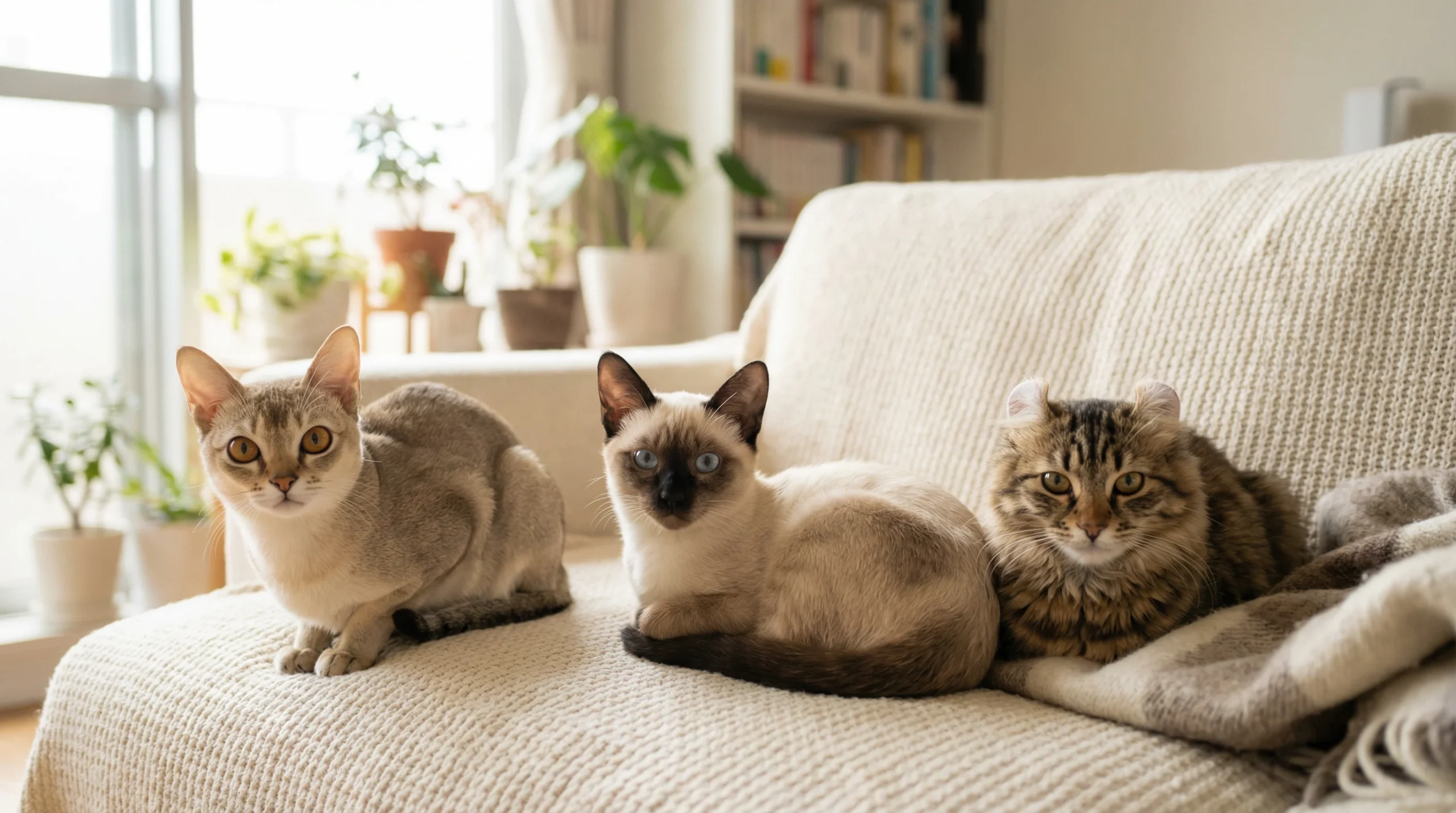
Looking for a feline companion that stays petite into adulthood without sacrificing personality? Small cat breeds offer the perfect blend of “forever kitten” charm and manageable size, making them ideal for apartment living or owners who prefer a lighter lap cat. However, choosing a small cat requires understanding the crucial difference between naturally compact breeds and selectively bred “teacup” varieties.
In this comprehensive, vet-reviewed guide, we will compare 16 naturally small cat breeds (including the famous Munchkin) using a detailed weight and lifespan chart. We will also explore their unique temperaments, grooming needs, and specific health watch-outs, ensuring you can confidently select a healthy, happy companion that fits your lifestyle.
Quick Answer / Key Takeaways
- Smallest naturally occurring breed: The Singapura is widely recognized as the smallest true breed, typically weighing just 4 to 8 pounds as a healthy adult.
- The Munchkin factor: The Munchkin cat’s small stature is due to a genetic mutation causing short legs (dwarfism), not a naturally small frame. They require specific spinal health monitoring.
- Teacup warning: Avoid breeders advertising “teacup” cats. These are often runts bred together, leading to severe heart, bone, and dental issues. Always choose a recognized, naturally small breed.
- Size vs. Energy: A small cat does not always mean a calm cat. Breeds like the Devon Rex and Abyssinian are tiny but possess extremely high energy levels, requiring significant daily enrichment.
Table of Contents
What Exactly Counts as a “Small” Cat Breed?
In the feline world, the average domestic cat weighs between 10 and 12 pounds. Therefore, a “small” cat breed is generally defined as one where healthy adults consistently weigh under 10 pounds (4.5 kg).
However, weight is only one part of the equation. When evaluating small cat breeds, you must also consider their body type and bone structure. For example, a Siamese might weigh only 7 pounds but appear quite large due to its long, tubular body and tall legs. Conversely, a Japanese Bobtail might weigh 9 pounds but feel incredibly dense and compact.
Furthermore, sex plays a significant role in adult size. Female cats of almost any breed will be noticeably smaller and lighter than their male counterparts. If securing the smallest possible healthy adult cat is your priority, you should focus on the petite breeds listed below and specifically seek out a female kitten.
The “Teacup Cat” Warning: What Every Owner Should Know
Before diving into our list of healthy small breeds, it is critical to address the dangerous trend of “teacup” or “miniature” cats.
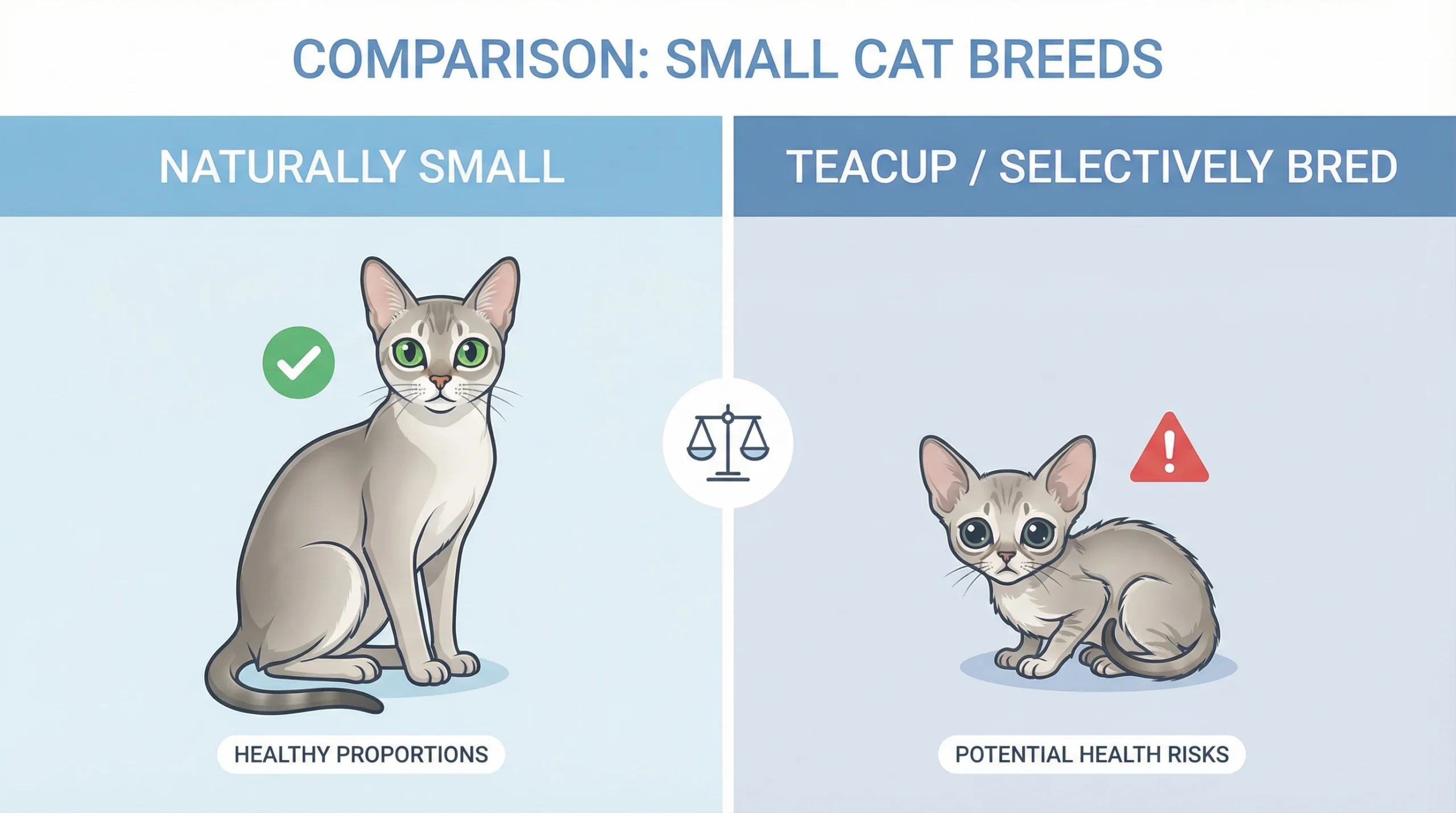
Unlike naturally small breeds (such as the Singapura) or breeds with a specific dwarfism mutation (like the Munchkin), “teacup” cats are not a recognized breed. Instead, they are typically the result of unethical breeding practices where breeders intentionally pair the runts of litters or cats with stunted growth due to underlying medical conditions.
Veterinary professionals strongly advise against purchasing teacup cats. These selectively stunted felines frequently suffer from a heartbreaking array of health problems, including severe heart murmurs, fragile bones, compromised immune systems, and drastically shortened lifespans. If you desire a small companion, always choose a recognized breed from an ethical breeder who prioritizes genetic health over extreme miniaturization.
Quick Reference: Small Cat Breeds Weight & Lifespan Chart
Use this comprehensive comparison matrix to evaluate our top 16 small cat breeds at a glance. We have included average lifespans and primary health watch-outs to help you make an informed decision.
| Breed | Adult Weight (lbs) | Energy Level | Grooming | Average Lifespan | Primary Health Watch-Out |
|---|---|---|---|---|---|
| Singapura | 4–8 | Medium | Low | 11–15 years | Pyruvate kinase deficiency (PKD) |
| Munchkin | 4–9 | High | Low–Med | 12–15 years | Lordosis, pectus excavatum |
| Devon Rex | 6–9 | High | Low | 9–15 years | Hereditary myopathy, patellar luxation |
| Cornish Rex | 5–10 | High | Low | 11–15 years | Patellar luxation, sunburn risk |
| Japanese Bobtail | 6–10 | High | Low | 15–18 years | Dental issues, obesity risk |
| American Curl | 5–10 | Med–High | Low–Med | 12–16 years | Ear infections (due to curl shape) |
| Abyssinian | 6–9 | High | Low | 9–15 years | Progressive retinal atrophy (PRA) |
| Korat | 6–10 | Medium | Low | 10–15 years | Gangliosidosis (neuromuscular) |
| LaPerm | 6–12 | Medium | Low–Med | 10–15 years | Hypertrophic cardiomyopathy (HCM) |
| Siamese | 5–12 | High | Low | 15–20 years | Asthma, dental disease |
| Oriental Shorthair | 5–12 | High | Low | 12–15 years | Amyloidosis (liver/kidney) |
| Javanese | 5–12 | High | Low | 10–15 years | Similar to Siamese health risks |
| Colorpoint Shorthair | 5–12 | High | Low | 12–16 years | Strabismus (crossed eyes) |
| Russian Blue | 7–12 | Medium | Low | 15–20 years | Bladder stones, obesity |
| Sphynx | 6–12 | High | High | 8–14 years | HCM, severe skin conditions |
Note: Weight ranges frequently overlap, and individual genetics play a significant role. Always consult your veterinarian to determine your cat’s ideal body condition score.
Detailed Profiles: 16 Delightful Small Cat Breeds
1. Munchkin
Origin: United States (Louisiana)
Lifespan: 12–15 years
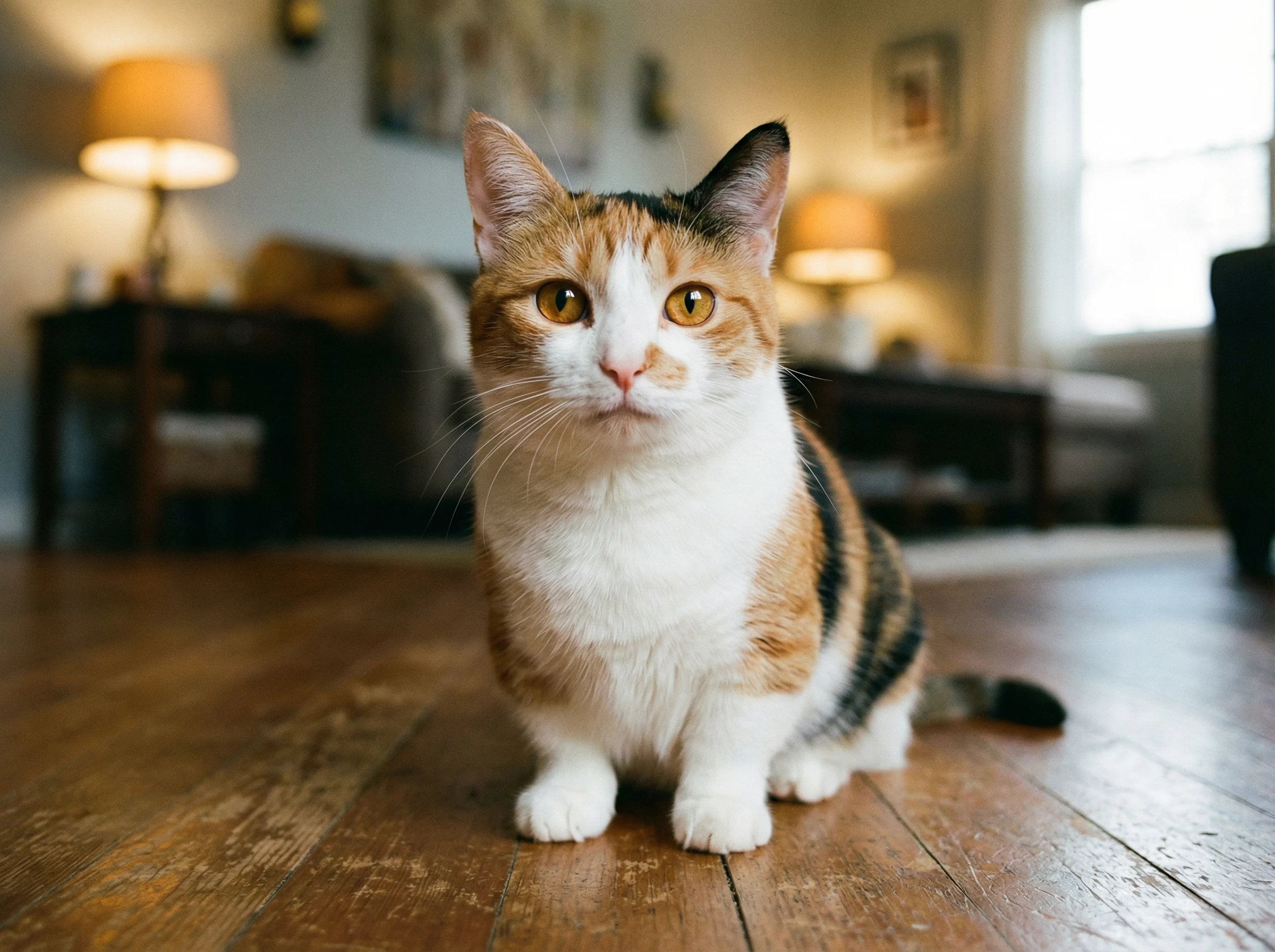
The Munchkin is arguably the most famous small cat breed, characterized by its remarkably short legs. This unique feature is the result of a natural genetic mutation (achondroplasia) rather than selective miniaturization. Despite their low-rider stature, Munchkins are incredibly fast, agile, and outgoing. They do not realize they are built differently and will enthusiastically zoom around your home.
Care & Health:
Because they cannot jump as high as standard cats, you must provide accessible ramps or low-tiered cat trees. While generally healthy, their unique spinal structure makes them susceptible to lordosis (excessive spinal curvature) and pectus excavatum (a hollowed chest). Maintaining a lean weight is absolutely critical to prevent undue stress on their short limbs.
2. Singapura
Origin: Singapore (developed in US)
Lifespan: 11–15 years
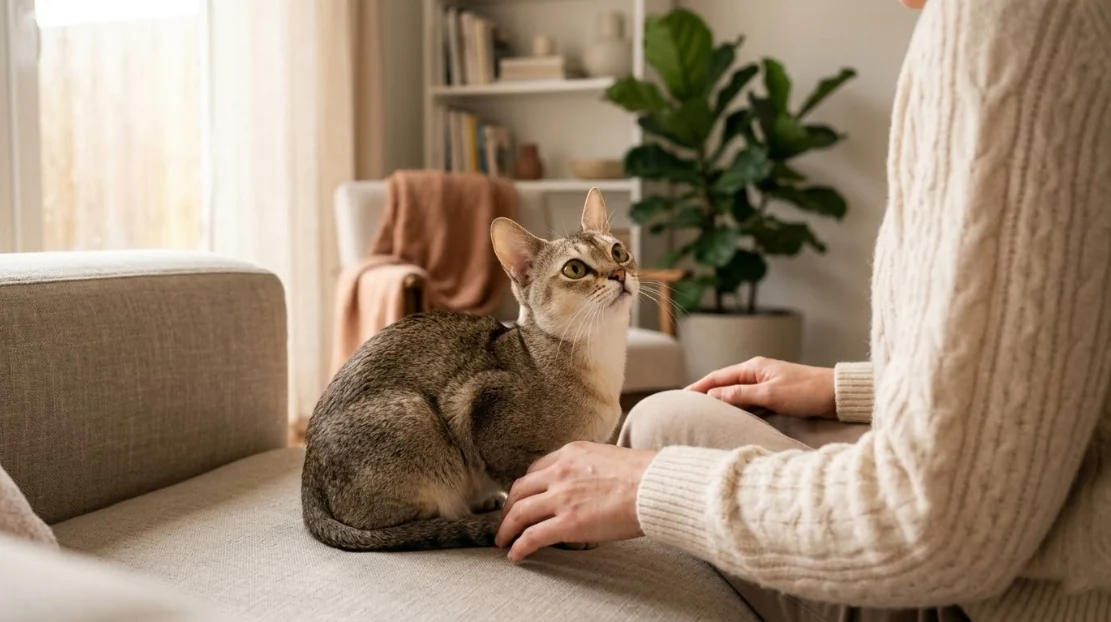
The Singapura holds the title of the smallest recognized cat breed in the world. Weighing a mere 4 to 8 pounds fully grown, these micro-felines possess large, expressive eyes and a beautifully ticked, sepia-toned coat. They are highly affectionate, curious, and insist on being involved in every household activity.
Care & Health:
Singapuras thrive in apartments provided they have vertical space to explore. They require daily interactive play to satisfy their sharp minds. Health-wise, breeders should screen for Pyruvate Kinase Deficiency (PKD), a genetic anemia that can affect the breed.
3. Russian Blue

Origin: Russia
Lifespan: 15–20 years
The Russian Blue is a calm, observant, and deeply loyal companion characterized by its striking silver-blue coat and vivid green eyes. They are known for their soft-spoken nature and tendency to form an intense bond with one primary person. While they can be reserved or shy around strangers, they are playful and affectionate with their trusted family members.
Care & Health:
This breed thrives in predictable, quiet environments and may become stressed in chaotic households. They require only minimal grooming, as their short, dense double coat naturally repels dust and tangles. A quick weekly brush is sufficient. Russian Blues are generally very healthy, contributing to their long average lifespan.
4. Devon Rex

Origin: England
Lifespan: 9–15 years
Often described as a “pixie” or “alien” cat, the Devon Rex features oversized ears, a slender neck, and a unique, wavy coat. They are incredibly compact but burst with mischievous energy. A Devon Rex will frequently perch on your shoulder like a parrot and demand to be part of your daily routine.
Care & Health:
Their delicate, wavy coat requires very gentle handling—harsh brushing can damage the fragile hairs. They are prone to hereditary myopathy (a muscle disorder) and patellar luxation (slipping kneecaps), so ethical breeding is paramount.
5. Cornish Rex

Origin: England
Lifespan: 11–15 years
Similar to the Devon Rex but with a more refined, greyhound-like build, the Cornish Rex boasts a remarkably soft, rippled coat that lacks harsh guard hairs. They are athletic, highly intelligent, and famously affectionate lap cats who constantly seek out warm spots in the home.
Care & Health:
Because their coat offers little protection from the elements, they are strictly indoor cats and may require a sweater during winter months. They share similar health risks with the Devon Rex, including patellar luxation, and their exposed skin makes them susceptible to sunburn if they lounge in direct windows for too long.
6. Japanese Bobtail

Origin: Japan
Lifespan: 15–18 years
The Japanese Bobtail is an ancient breed easily identified by its unique “pom-pom” tail, which is naturally kinked and unique to each individual cat, much like a human fingerprint. They are medium-small, highly social, and famously chatty, often communicating in soft chirps rather than loud meows.
Care & Health:
These cats are generally robust and enjoy a long lifespan. However, their unique facial structure can make them prone to dental issues, necessitating regular tooth brushing. They also have a strong appetite, so owners must strictly monitor their feeding routine to prevent obesity.
7. American Curl
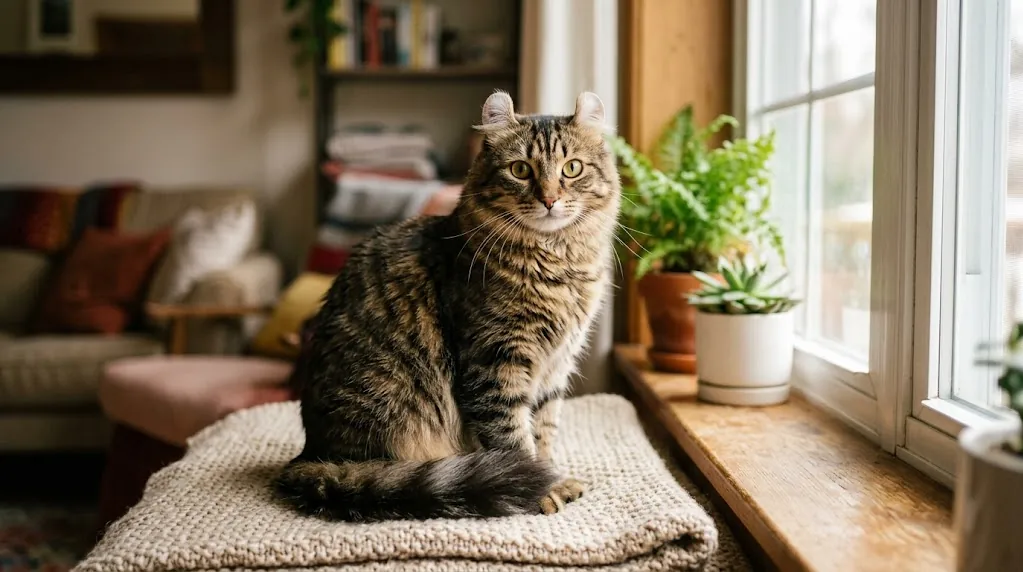
Origin: United States (California)
Lifespan: 12–16 years
The American Curl is instantly recognizable by its ears, which elegantly curl backward in a smooth arc. They are adaptable, friendly, and maintain a kitten-like playfulness well into their senior years. They are an excellent “middle ground” breed—playful but not exhausting, affectionate but not overly demanding.
Care & Health:
The cartilage in their curled ears is delicate and must be handled with extreme care to avoid damage. Their ear shape also makes them more prone to wax buildup and infections, requiring gentle, routine cleaning by a veterinarian or experienced owner.
8. Abyssinian
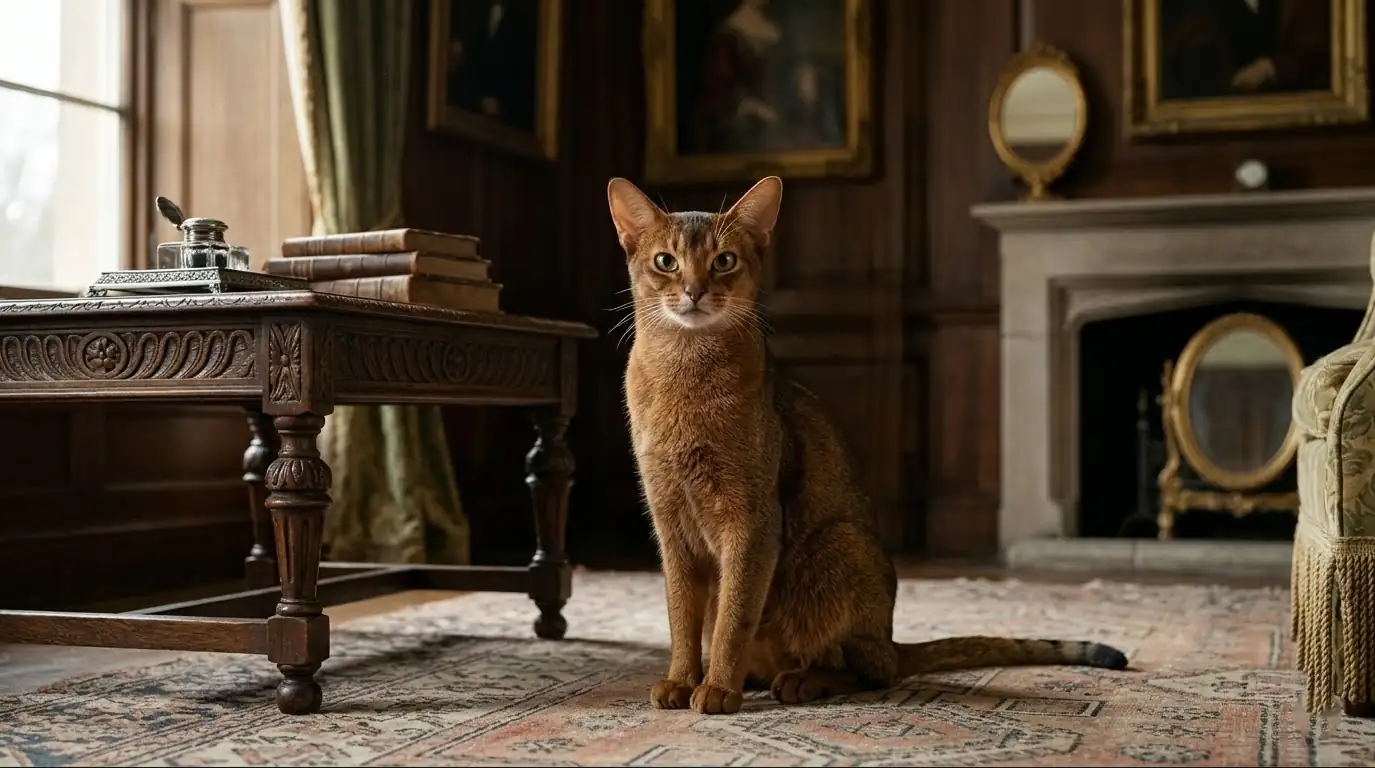
Origin: Ethiopia / Egypt (developed in UK)
Lifespan: 9–15 years
The Abyssinian is a sleek, ticked-coat beauty that resembles a miniature wildcat. They are fiercely intelligent, intensely curious, and constantly in motion. If you want a quiet lap cat, the Abyssinian is not for you; they prefer to explore high shelves, solve puzzle toys, and observe the household from above.
Care & Health:
Abyssinians require massive amounts of environmental enrichment to prevent destructive boredom. Health-wise, they are genetically predisposed to Progressive Retinal Atrophy (PRA), which can lead to blindness, and Pyruvate Kinase Deficiency.
9. Korat
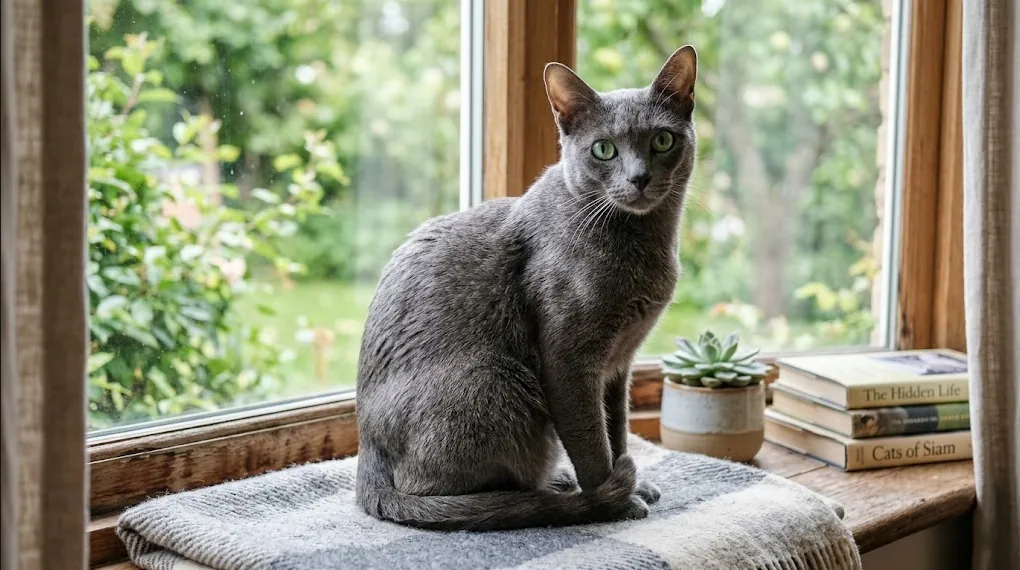
Origin: Thailand
Lifespan: 10–15 years
The Korat is a rare, ancient breed revered in Thailand as a symbol of good fortune. Characterized by a shimmering silver-blue coat and a heart-shaped face, they are incredibly dense and muscular despite their small frame. They form intensely deep, loyal bonds with their primary owner and prefer quiet, predictable households.
Care & Health:
Korats possess a highly developed startle response and dislike loud noises or chaotic environments. They are prone to Gangliosidosis, a severe, fatal neuromuscular degenerative disease, making genetic screening by the breeder non-negotiable.
10. LaPerm
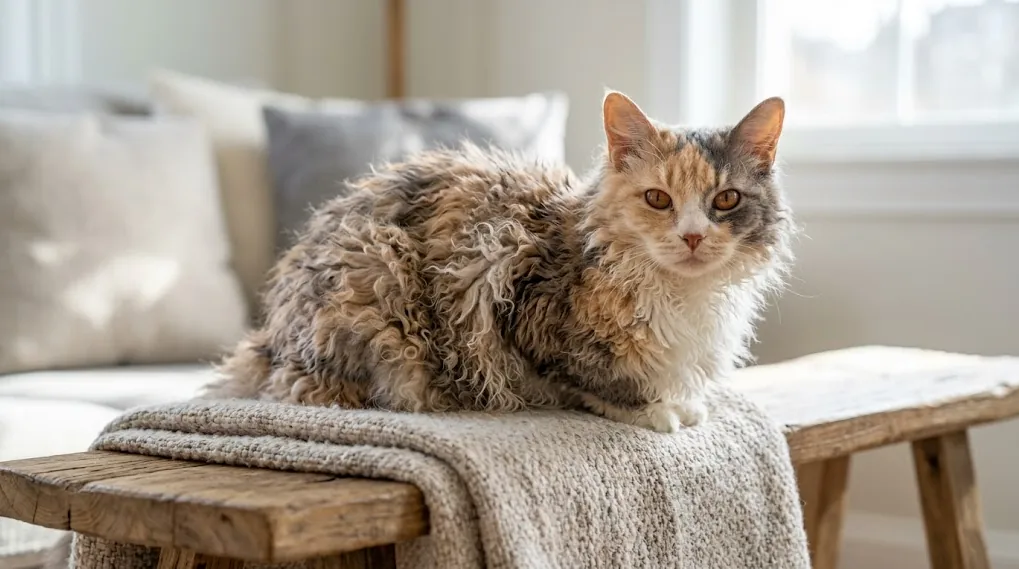
Origin: United States (Oregon)
Lifespan: 10–15 years
The LaPerm is instantly identifiable by its distinctively curly, ringlet-covered coat, a natural genetic mutation first discovered in a barn cat. They are medium-small, incredibly sweet-natured, and surprisingly adaptable to chaotic family life. Many owners describe them as dog-like in their devotion and eagerness to please.
Care & Health:
Their curly coat requires light, regular combing to prevent mats, but they are generally low-shedding. They are prone to Hypertrophic Cardiomyopathy (HCM), the most common heart disease in cats, so regular veterinary echocardiograms are recommended.
11. Siamese

Origin: Thailand
Lifespan: 15–20 years
The Siamese is a slender, elegant breed with striking blue eyes and dark points on the ears, face, paws, and tail. They are famously vocal, highly intelligent, and demand constant interaction. If you want a cat that “talks back” and insists on being involved in your conversations, the Siamese is unparalleled.
Care & Health:
They require significant mental stimulation and do poorly when left alone for long periods. They are prone to asthma, dental disease, and amyloidosis (a disease affecting the liver and kidneys). Due to their intelligence, they are highly trainable and enjoy puzzle toys.
12. Oriental Shorthair
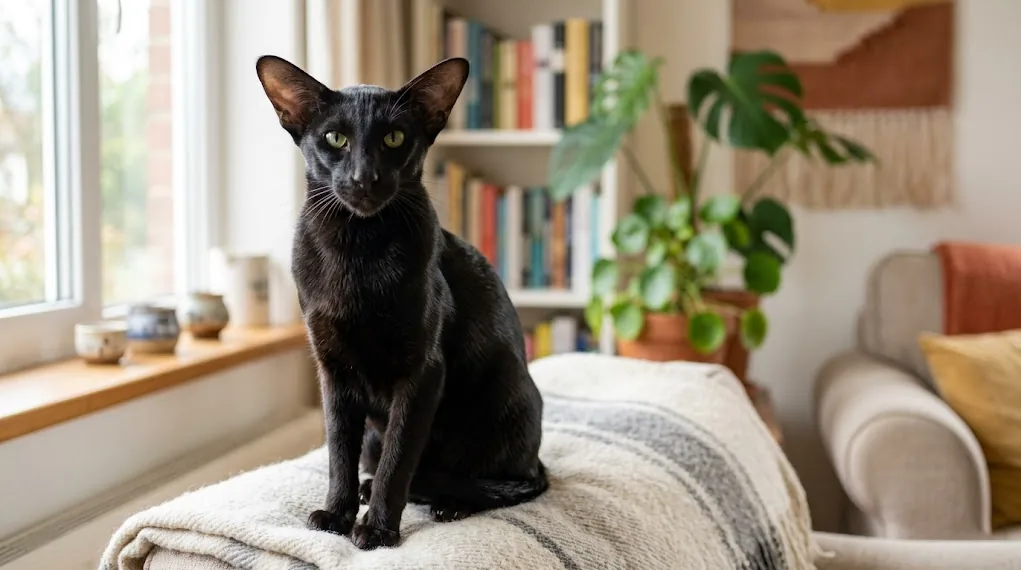
Origin: United States / UK
Lifespan: 12–15 years
Closely related to the Siamese, the Oriental Shorthair shares the same slender, athletic build and vocal, demanding personality but comes in over 300 different coat colors and patterns. They are highly affectionate “Velcro cats” that will follow you everywhere.
Care & Health:
Like the Siamese, they are prone to amyloidosis and dental issues. Their short, fine coat requires minimal grooming, but their high intelligence demands constant engagement to prevent destructive behaviors born of boredom.
13. Javanese

Origin: United States
Lifespan: 10–15 years
The Javanese is essentially a longhaired version of the Colorpoint Shorthair (which is itself a variation of the Siamese). They possess the same elegant, tubular body and highly social, vocal temperament but feature a silky, semi-long coat without a dense undercoat, making grooming relatively easy.
Care & Health:
They are highly intelligent and require daily interactive play. Their health risks mirror those of the Siamese family, including asthma, crossed eyes (strabismus), and amyloidosis. They thrive in homes where they are the center of attention.
14. Colorpoint Shorthair

Origin: United States / UK
Lifespan: 12–16 years
The Colorpoint Shorthair was created by crossing Siamese cats with red tabby American Shorthairs to introduce new point colors (like red and cream) to the classic Siamese pattern. They share the Siamese’s vocal, demanding, and intensely loyal personality.
Care & Health:
They are prone to strabismus (crossed eyes) and nystagmus (involuntary eye movement), which rarely affect their quality of life but are common in the breed line. They require daily engagement and a high-quality diet to maintain their slender, muscular frame.
15. Sphynx
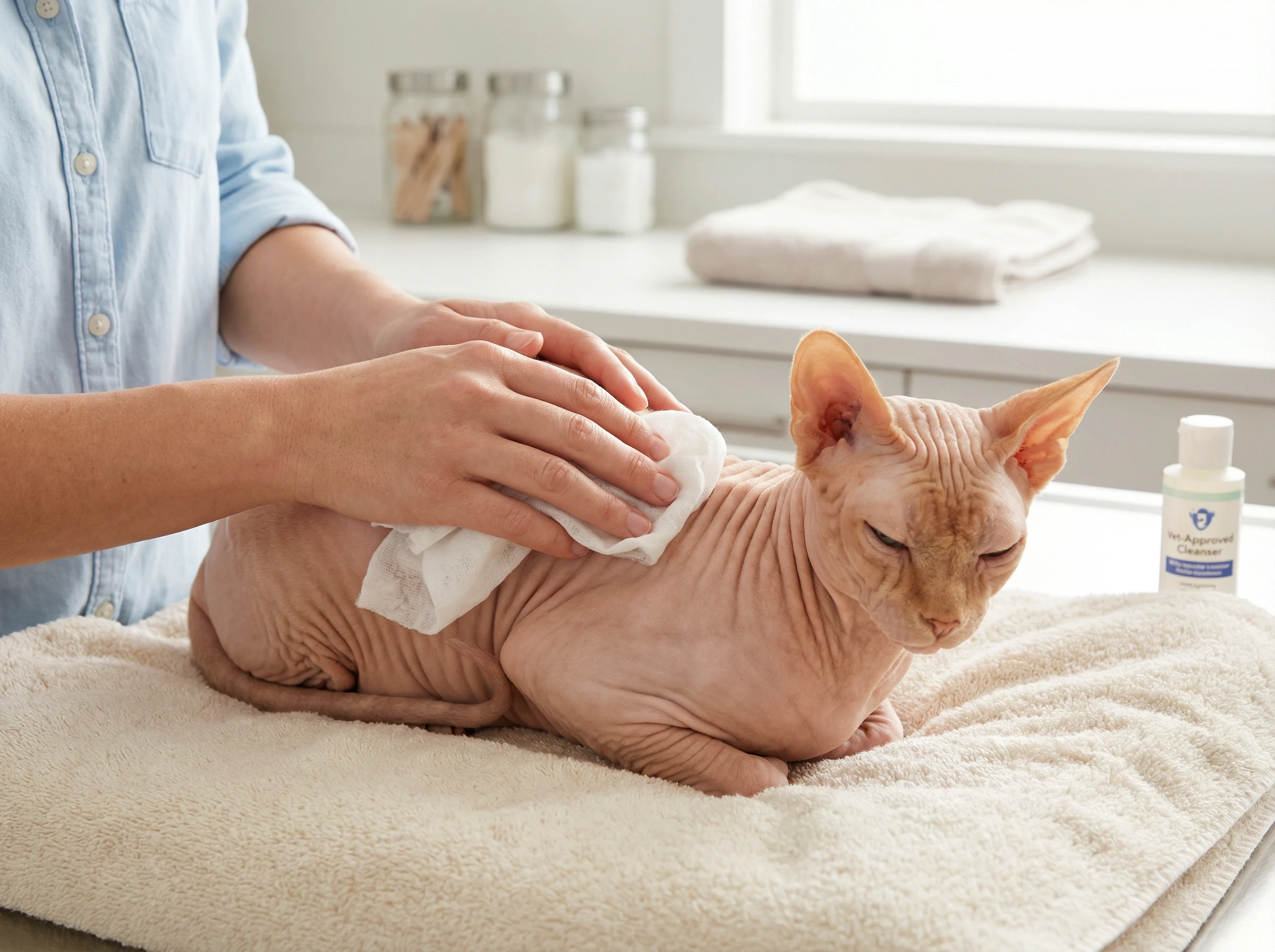
Origin: Canada (Toronto)
Lifespan: 8–14 years
The Sphynx is famous for its lack of a fur coat, exposing warm, peach-fuzz skin. They are medium-small, incredibly extroverted, and famously affectionate, often seeking out laps and blankets for warmth. They are highly intelligent and deeply bonded to their owners.
Care & Health:
While they do not require brushing, the Sphynx is arguably the highest-maintenance cat on this list. Their skin produces oils that are normally absorbed by fur; without it, they require weekly sponge baths to prevent greasy buildup and severe skin infections. They are also highly susceptible to HCM and must be protected from sunburn and cold temperatures.
Which Small Cat Breed is Right for You?
Choosing the right small cat breed depends entirely on your lifestyle, housing situation, and willingness to commit to grooming and playtime.
Best Small Cat Breeds for Apartments:
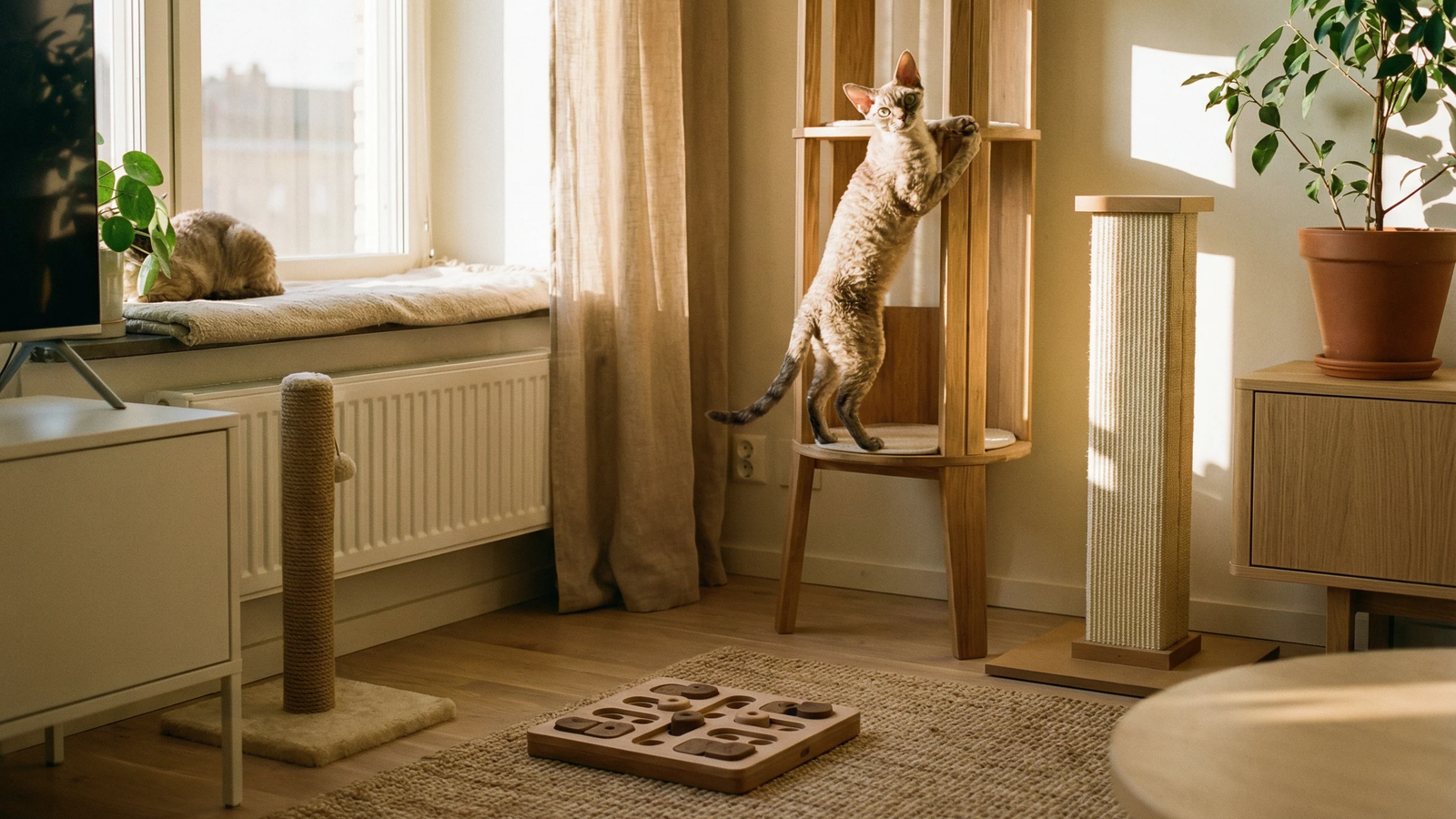
If you live in a smaller space, the Singapura, Toybob, and Korat are excellent choices. They are physically small and possess a moderate energy level that is easily managed with daily wand toy play and a sturdy cat tree. While the Devon Rex and Abyssinian are small, their extreme energy levels make them challenging in cramped apartments unless you provide massive vertical enrichment.
Best Small Cat Breeds for Families:
If you have children or other pets, you need a small cat with a robust, adaptable temperament. The American Curl and Japanese Bobtail are famously friendly and handle chaotic households well. However, always supervise interactions; a 6-pound cat is fragile and can be easily injured by rough handling.
Most Affectionate “Velcro” Cats:
If you desire an affectionate companion who will constantly seek out your lap, the Sphynx, Siamese, and Toybob are unparalleled. These breeds thrive on physical closeness and suffer when ignored.
Adoption vs. Breeder Guidance
When deciding to bring a small cat into your home, you have two primary paths: adoption or purchasing from a reputable breeder.
Adoption:
Many small mixed-breed cats (often categorized as Domestic Shorthairs) possess the exact temperament and size you desire. Shelters and rescues are filled with wonderful cats waiting for a home. Adopting an adult cat allows you to assess their established personality and final adult size immediately, removing the guesswork of kittenhood. Consider reading a comprehensive adopting a small cat guide before visiting a shelter.
Breeder:
If you are committed to a specific purebred cat, such as a Singapura or a Munchkin, it is imperative to source your kitten from a reputable, ethical breeder registered with organizations like the Cat Fanciers’ Association (CFA) or The International Cat Association (TICA). Ethical breeders prioritize health, temperament, and genetic screening over extreme miniaturization. Never purchase a “teacup” kitten from an online broker, as these are frequently supplied by unethical kitten mills.
Final Thoughts: Your Small Cat, Your Perfect Match
A small cat can be a perfect fit for apartments and busy lifestyles—as long as you match energy level, social needs, and grooming reality. Use the chart above to narrow your shortlist, then read the deeper breed guides to confirm the best fit.
If you’ve narrowed it down to a few breeds, your next step is simple: read the full profiles for your top 2–3 choices and confirm the care requirements match your routine.
Explore More Cat Breed Guides
By size
- Small cat breeds (this guide)
- Medium cat breeds
- Large cat breeds
By coat & shedding
If allergies are a concern
Quick question: Which two breeds are you choosing between? Tell us in the comments and we’ll help you compare them.
Small Cat Breeds FAQs
What is the smallest cat breed that stays small as an adult?
The Singapura is widely recognized as the smallest true breed, consistently weighing between 4 and 8 pounds as a healthy adult.
Do small cat breeds stay “kitten-sized” forever?
While breeds like the Toybob and Singapura remain petite, they still mature into adult cats with adult proportions and behaviors. Final size is influenced by breed, sex, genetics, and diet.
Are small cats better for apartments?
Often yes, but energy level is more important than physical size. A high-energy Abyssinian requires more space and enrichment than a larger, calmer medium-sized breeds like a British Shorthair.
Do small cats have fewer health issues?
Not automatically. Health depends heavily on genetics and ethical breeding practices. Naturally small breeds like the Singapura are generally healthy, while selectively bred “teacup” cats face severe, life-threatening health risks.
Which small cats are easier to groom?
Most short-haired small breeds, like the Russian Blue and Abyssinian, require minimal grooming to maintain skin and coat health. The major exception is the hairless Sphynx, which requires intensive weekly skin care.
References
[1] VCA Animal Hospitals. (n.d.). The Truth About Teacup Pets.
[2] VCA Animal Hospitals. (n.d.). Obesity in Cats.
[3] The International Cat Association (TICA). (n.d.). Munchkin Breed Profile.
[4] The Cat Fanciers’ Association (CFA). (n.d.). Abyssinian Breed Standard.
[5] PetMD. (2022). Hypertrophic Cardiomyopathy in Cats.
[6] The Cat Fanciers’ Association (CFA). (n.d.). Sphynx Breed Standard.
 EN
EN DE
DE ES
ES PT
PT