
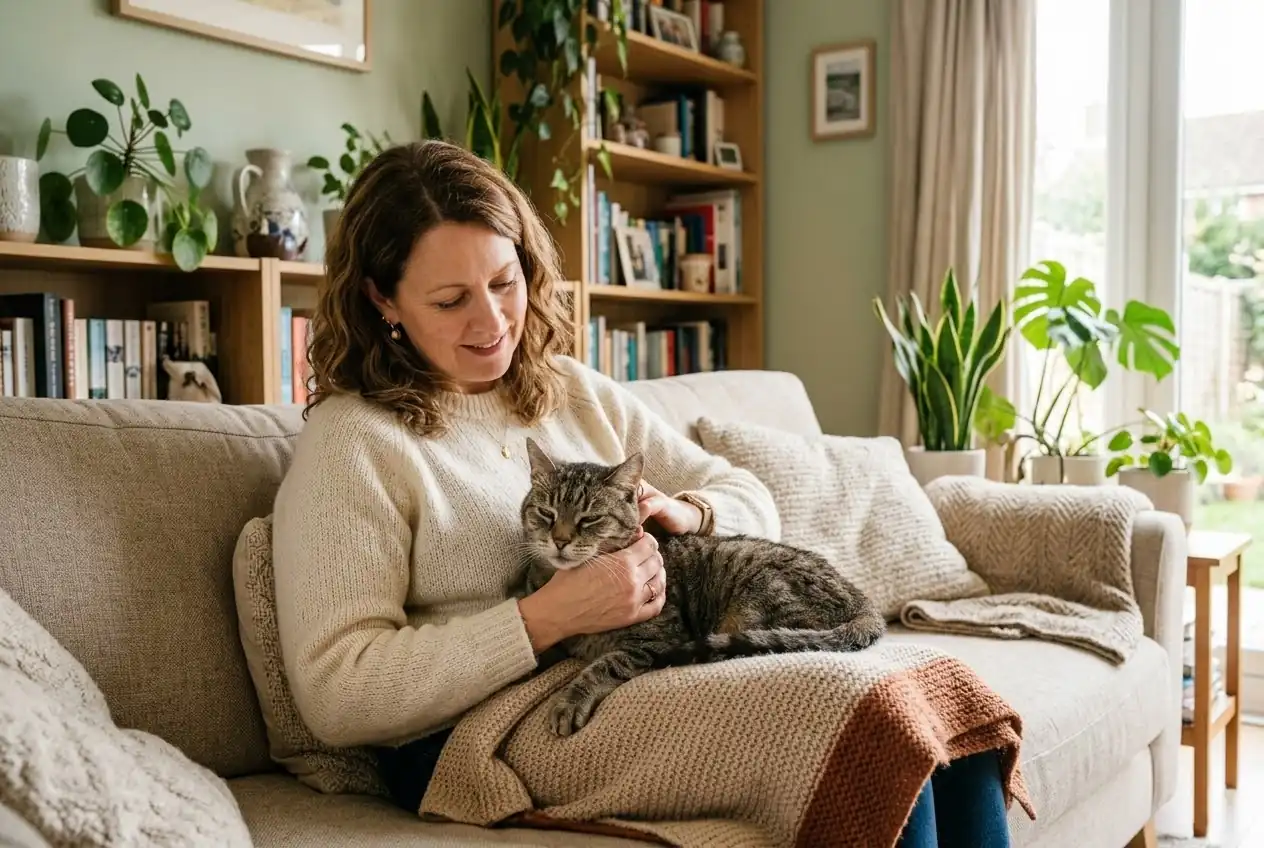
Thinking of adopting a senior cat? Discover the real benefits, common health considerations, home setup tips, and how to build a deep bond with an older cat.
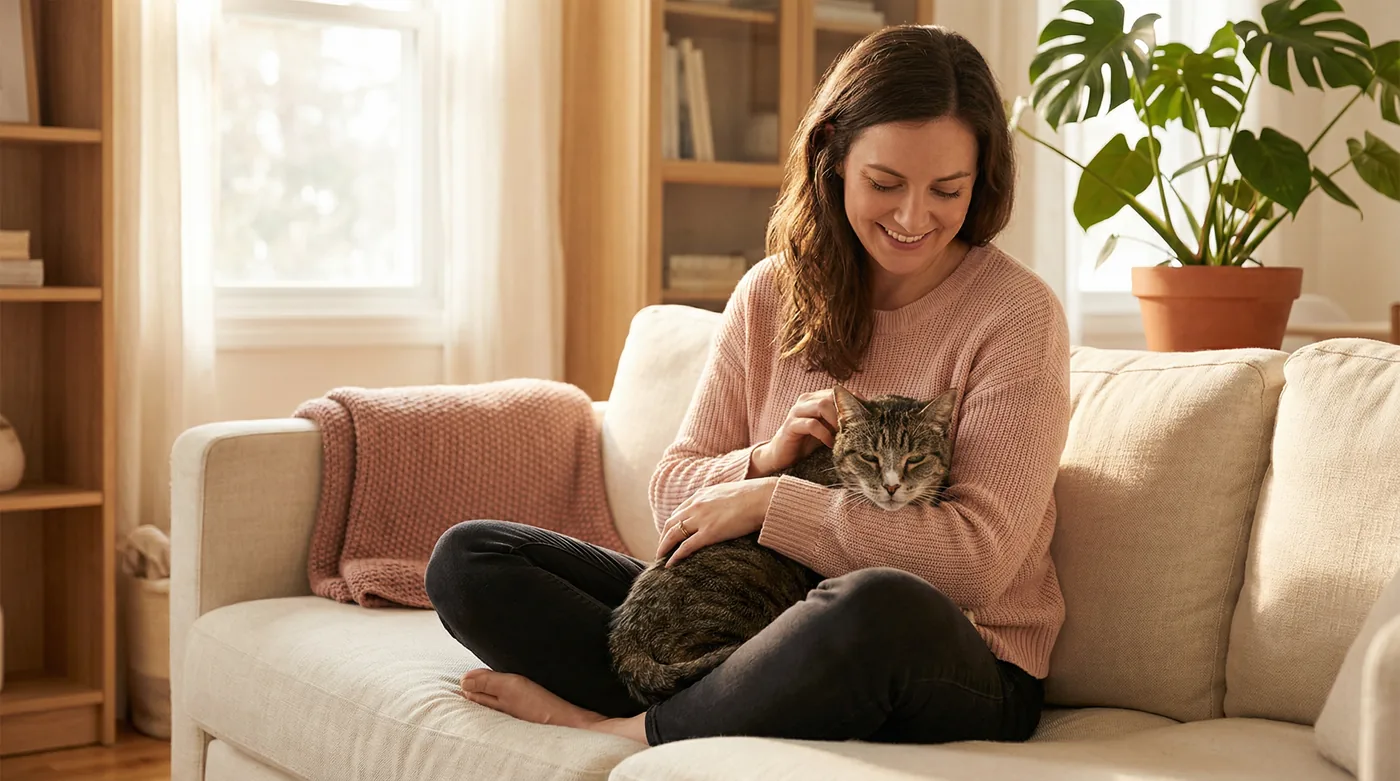
Walk into any animal shelter and you will find them — cats with grey-dusted muzzles, amber eyes full of quiet wisdom, and a patience that only comes from having lived. They are the ones who wait the longest. According to the ASPCA, among the 3.2 million cats entering shelters each year, senior cats are consistently the last to be adopted. Only 25% of senior pets find their forever homes, compared to 60% of younger animals. That gap represents a profound and unnecessary loss — for the cats, and for the people who never got to know them.
This guide is for anyone who has ever paused in front of a senior cat's kennel and wondered: What would it be like to bring you home? We cover everything you need to know about adopting a senior cat — the genuine joys, the honest health considerations, how to set up your home, what to expect during the adjustment period, and how to build a bond that, however many years it lasts, will be one of the most meaningful of your life. For a broader overview of the adoption process, start with our complete cat adoption guide.
Senior cats are not a consolation prize. They are the real thing.
What You'll Find in This Guide
What Exactly Is a "Senior Cat"?
The term "senior cat" is used differently across veterinary organizations and shelters, which can cause confusion. According to the American Association of Feline Practitioners (AAFP), the most widely referenced veterinary guideline, cats are classified by life stage as follows:
| Life Stage | Age Range | Typical Characteristics |
|---|---|---|
| Adult | 1–6 years | Peak energy, fully formed personality, generally excellent health |
| Mature | 7–10 years | Slight energy slowdown, still very active, personality well established |
| Senior | 11–14 years | More relaxed pace, may show early health signs, deeply bonded |
| Geriatric | 15+ years | Requires more attentive care, but many remain comfortable and content |
Most shelters use 7 years as their practical senior threshold — which means a 7-year-old cat in excellent health may be labeled "senior" simply because of the number. It is worth noting that age is not a diagnosis. Many cats at 10 or 12 are healthy, playful, and have years of companionship ahead. When you meet a senior cat at a shelter, ask about their individual health history rather than making assumptions based on age alone.
Shelter age estimates can also be approximate, particularly for cats without documented histories. A cat listed as "approximately 9 years" may be 7 or 11 — your vet can help narrow this down during the first checkup.
7 Reasons Senior Cats Make Extraordinary Companions
There is a reason that people who adopt senior cats often become the most passionate advocates for them. The experience is genuinely different — quieter, deeper, and often more surprising than people expect. Here are seven reasons why adopting a senior cat may be the best decision you make.
A senior cat's personality is fully formed. The affectionate, calm cat you meet at the shelter is the cat who will come home with you — no guessing, no surprises.
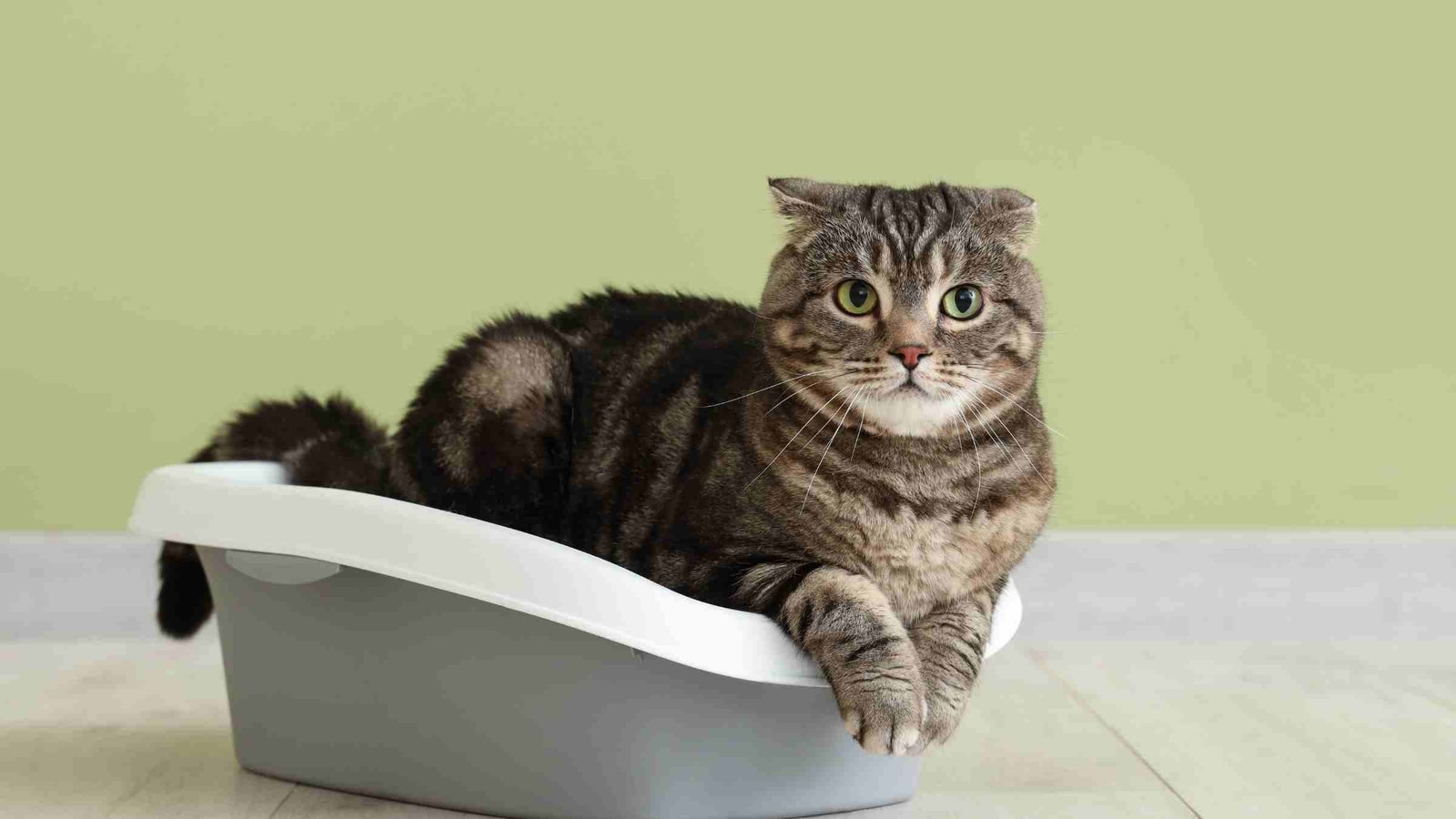
Senior cats have years of reliable litter box habits. No accidents, no training required, no 3am clean-ups.
Senior cats are ideal for apartments, quiet households, people who work from home, and anyone who values a peaceful coexistence over constant entertainment.
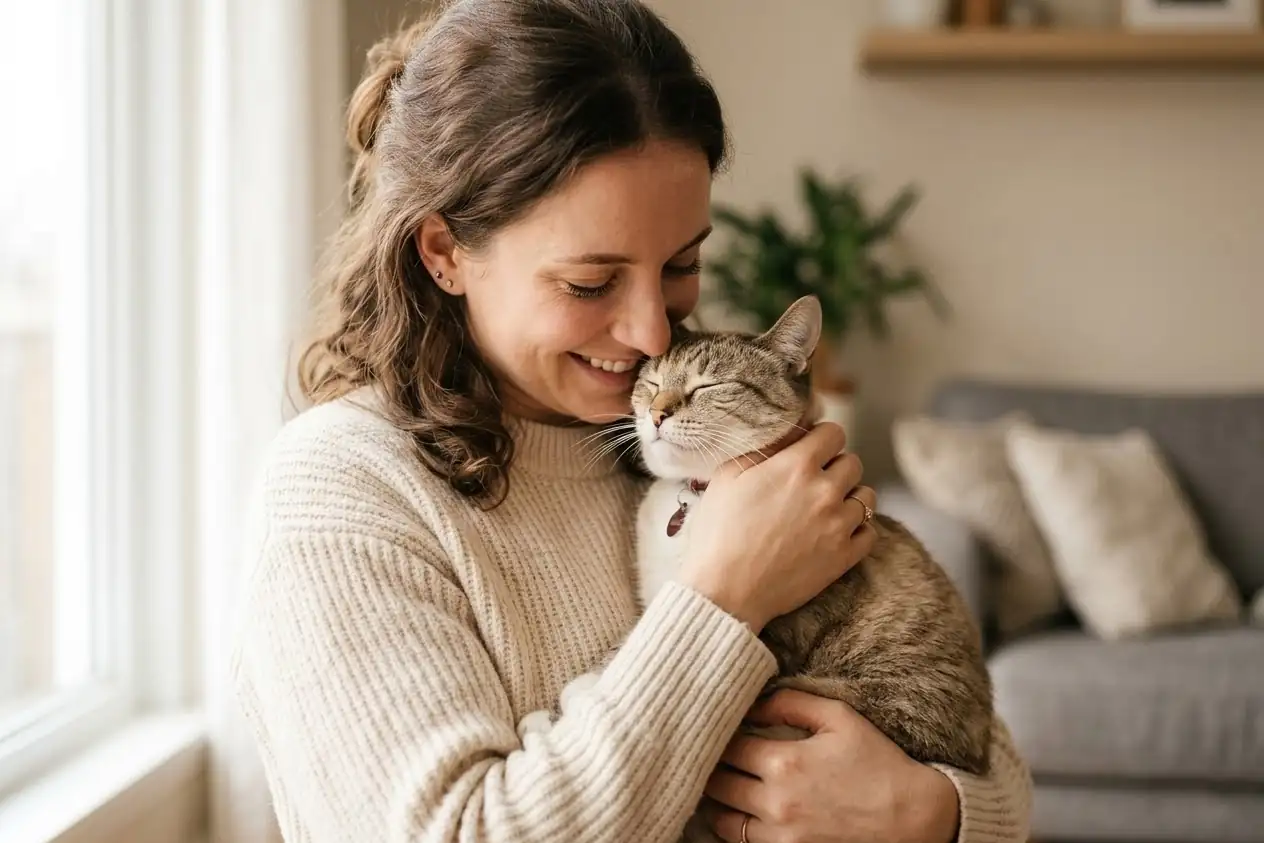
Senior cats who find safety and consistency often attach with remarkable speed and depth. Many adopters describe a bond that feels immediate and profound.
Less furniture scratching, less midnight chaos, less of the exploratory destruction that kittens are famous for. Your belongings — and your sleep — will thank you.
Senior cats are the most at-risk population in shelters. Adopting one is not just a lifestyle choice — it is an act of genuine compassion that changes everything for that animal.
There is something difficult to articulate about sharing your home with a cat who has lived. A quality of presence, of settledness, that younger animals simply do not yet have.
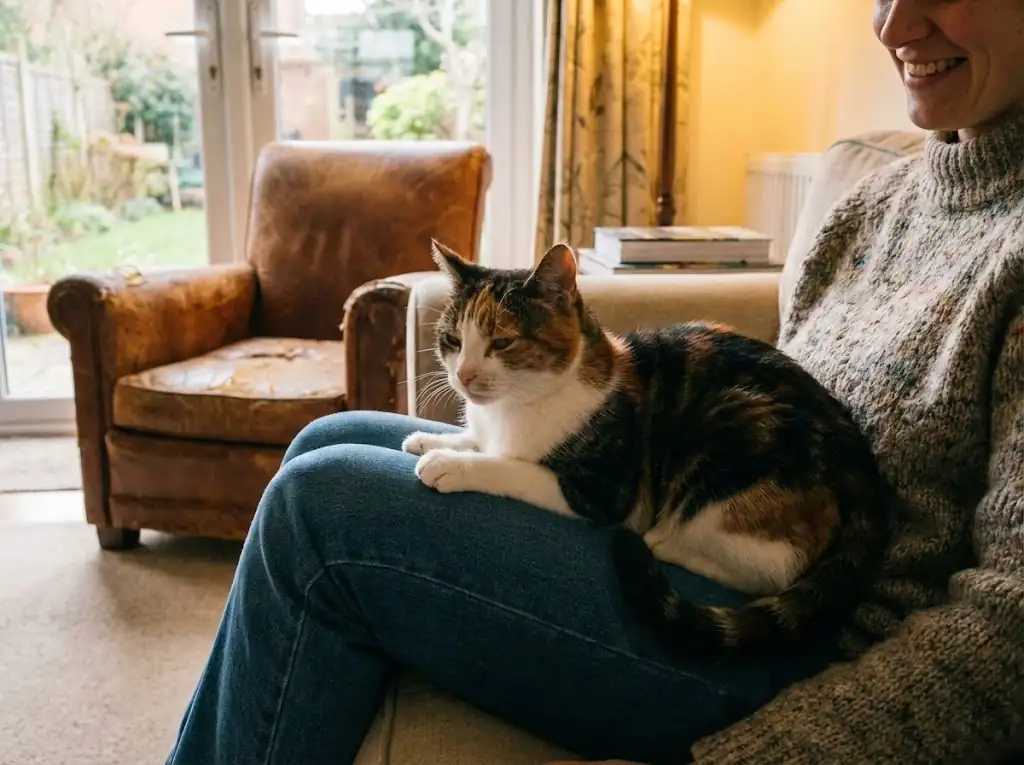
"She had been at the shelter for eight months. Everyone walked past her. The day I brought her home, she walked straight to my lap and stayed there. That was three years ago. She is the best decision I have ever made."
Read Lucinda's full adoption story →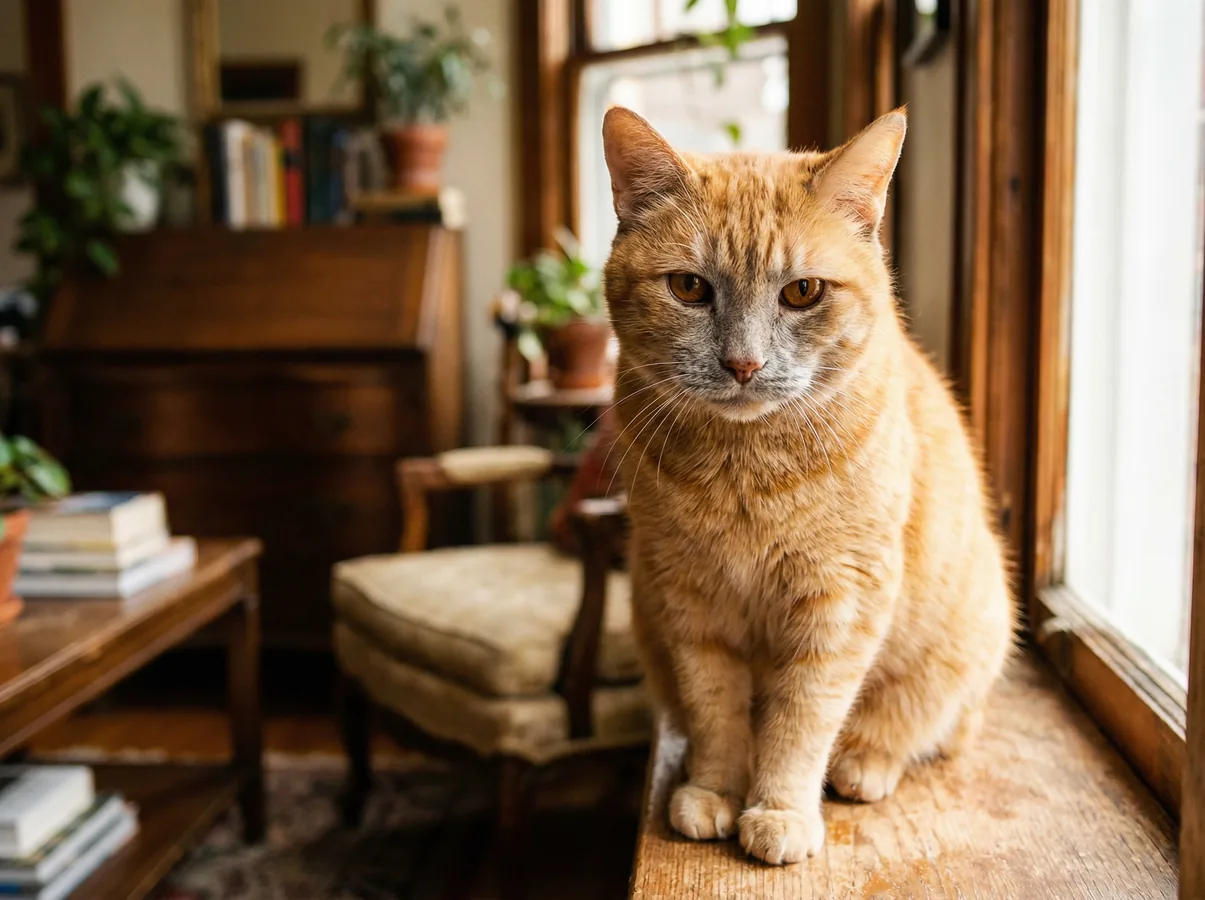
For a direct comparison of the differences between adopting a kitten, an adult cat, and a senior, see our detailed kitten vs. adult cat comparison guide.
Being Prepared: Common Health Considerations in Senior Cats
Honesty matters here. Senior cats are more likely to have existing or developing health conditions than younger cats — and being prepared for this is part of responsible adoption. The good news is that most common senior cat health issues are manageable with proactive veterinary care, and knowing what to watch for puts you in the best possible position to act early.
| Condition | Prevalence | Key Signs | Management |
|---|---|---|---|
| Osteoarthritis | 60%+ of cats 6+ (X-ray) | Stiffness, reluctance to jump, altered gait | Ramps, orthopedic beds, pain medication |
| Chronic Kidney Disease | Very common 7+ | Increased thirst/urination, weight loss | Special diet, hydration support, vet monitoring |
| Hyperthyroidism | Common 10+ | Weight loss despite good appetite, hyperactivity | Medication, radioactive iodine, surgery |
| Dental Disease | ~70% of cats 3+ | Bad breath, drooling, difficulty eating | Regular dental cleanings, dental diet |
| Diabetes | Increasing with age | Increased thirst, weight loss, lethargy | Insulin therapy, dietary management |
| Hypertension | Often secondary to CKD | Dilated pupils, sudden vision changes | Blood pressure medication |
| Cognitive Dysfunction | Geriatric cats 15+ | Disorientation, vocalization at night | Enrichment, routine, vet guidance |
For a full breakdown of what senior cat ownership costs — including vet visits, medications, and pet insurance options — see our detailed guide on the full cost of cat ownership. It is also worth reviewing what senior cats can eat, as dietary needs shift significantly with age.
If you are drawn to cats with more complex needs, our story of Joey, a disabled rescue cat who found his forever home, is a powerful reminder of what is possible when someone chooses to go the extra mile.
Making Your Home Senior-Cat-Ready: A Practical Checklist
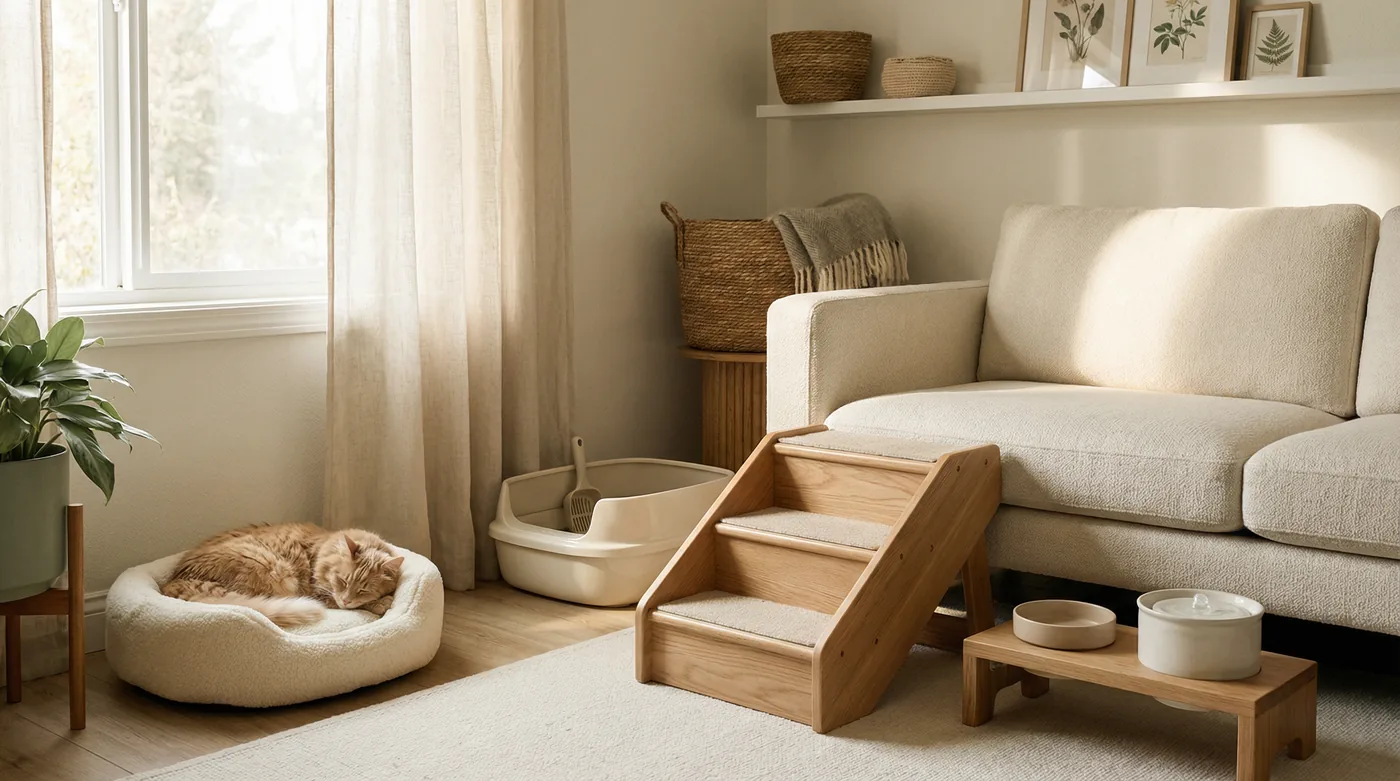
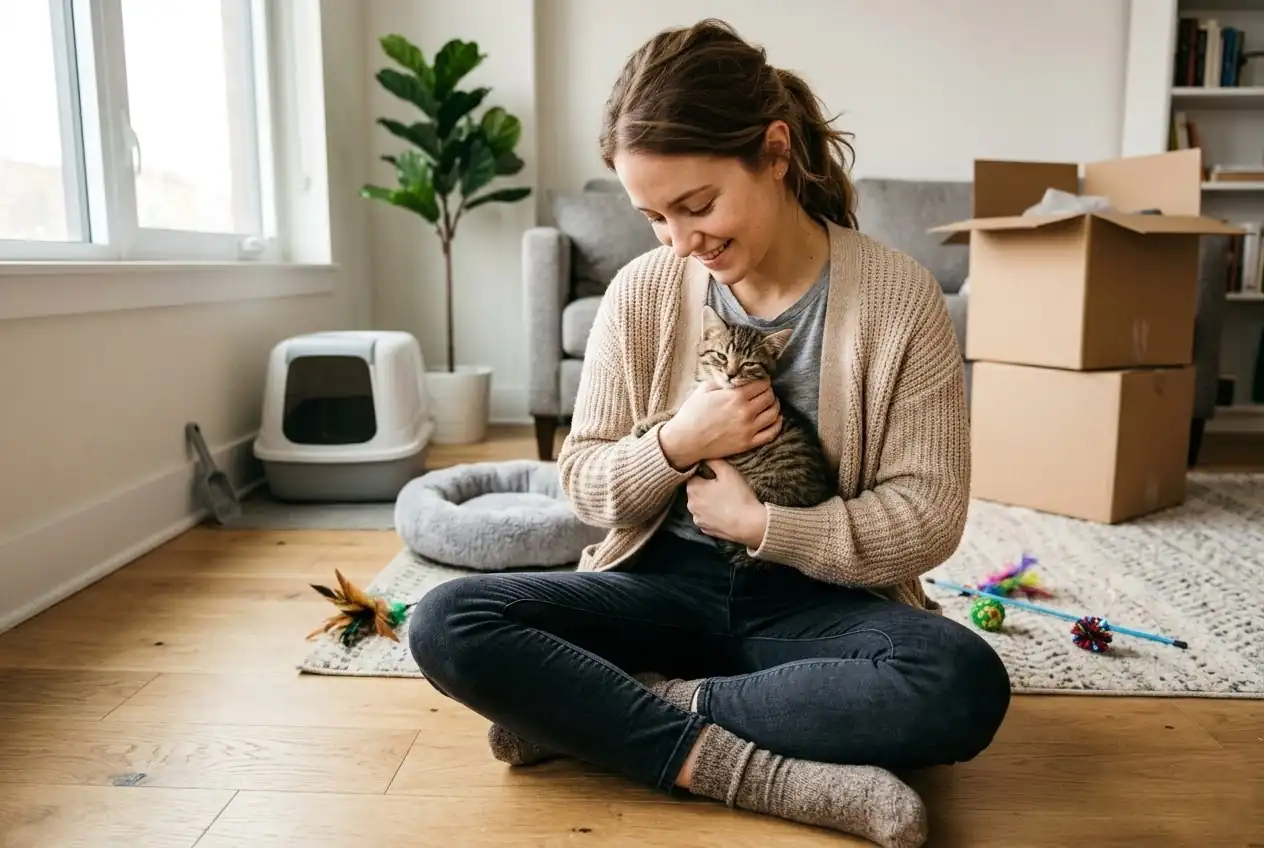
Before you bring a senior cat home, a few targeted adjustments can make an enormous difference in their comfort and confidence. The goal is to reduce the physical effort required for daily activities — particularly for cats with arthritis or reduced mobility. For a comprehensive room-by-room safety guide, see our full article on cat-proofing your home.
Patience Is Everything: The Senior Cat Adjustment Period
Senior cats may take longer to settle into a new home than younger cats. This is not a sign that something is wrong — it is a sign that your cat has lived, has established routines, and needs time to learn that this new place is safe. Understanding the typical adjustment arc helps you respond with patience rather than worry.
If your cat hides for longer than expected, our guide on why cats hide and what to do offers practical reassurance. For a complete timeline of the first month, see our first 30 days with your new cat guide, which covers the 3-3-3 framework in detail.
1–3
Confine your senior cat to one quiet room with food, water, litter, and a hiding spot. Do not force interaction. Sit quietly nearby and let them observe you at their own pace. Keep the same food they had at the shelter to avoid digestive upset.
1–2
Your cat may begin venturing out of hiding for short periods, particularly at night. Eating and using the litter box reliably are the most important signs of progress. Continue to let them set the pace for interaction.
2–4
Begin allowing access to more of the home. Your cat may begin seeking proximity — sitting in the same room, watching you from a distance. This is a significant milestone. Slow blinks, relaxed posture, and voluntary approach are all signs of growing trust.
2–3
Most senior cats have established their routine and comfort level by this point. You will know your cat has settled when they seek you out, respond to their name, and display relaxed body language consistently throughout the day.
How to Build a Deep, Lasting Bond with an Older Cat
Bonding with a senior cat is less about grand gestures and more about consistent, respectful presence. The techniques below work because they communicate safety and predictability — the two things a senior cat needs most from a new relationship.
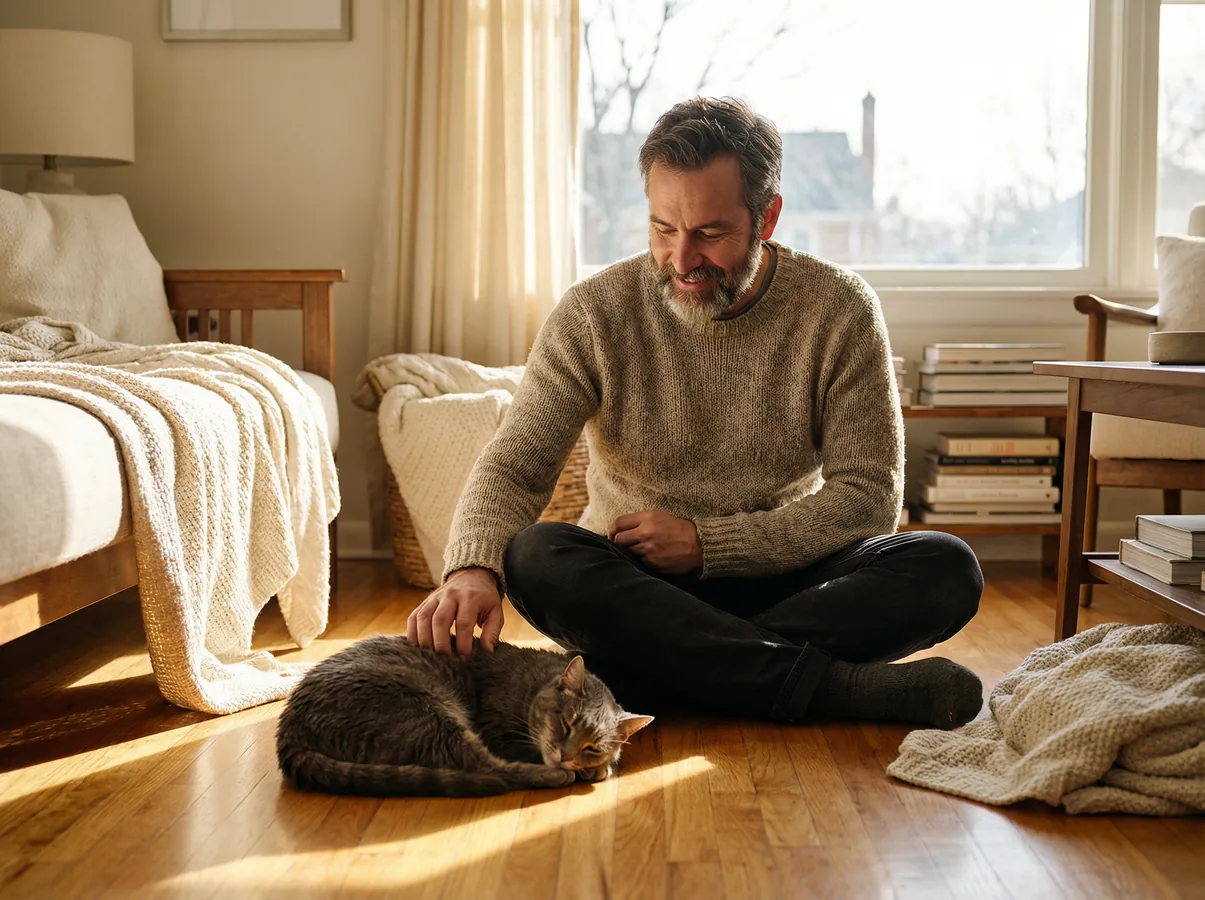
- 1The slow blink Make eye contact with your cat, then slowly close and open your eyes. This is the universal feline signal for "I am not a threat." When your cat slow-blinks back, you have received one of the most meaningful gestures in the cat world.
- 2Parallel presence Sit near your cat without demanding interaction. Read a book, work on your laptop, watch television. Your calm, non-demanding presence teaches your cat that being near you is safe and pleasant.
- 3Hand-feeding Offer a small treat from your open palm. This builds a direct positive association between your scent and something pleasurable. Do not push — if they are not ready, set the treat down and walk away.
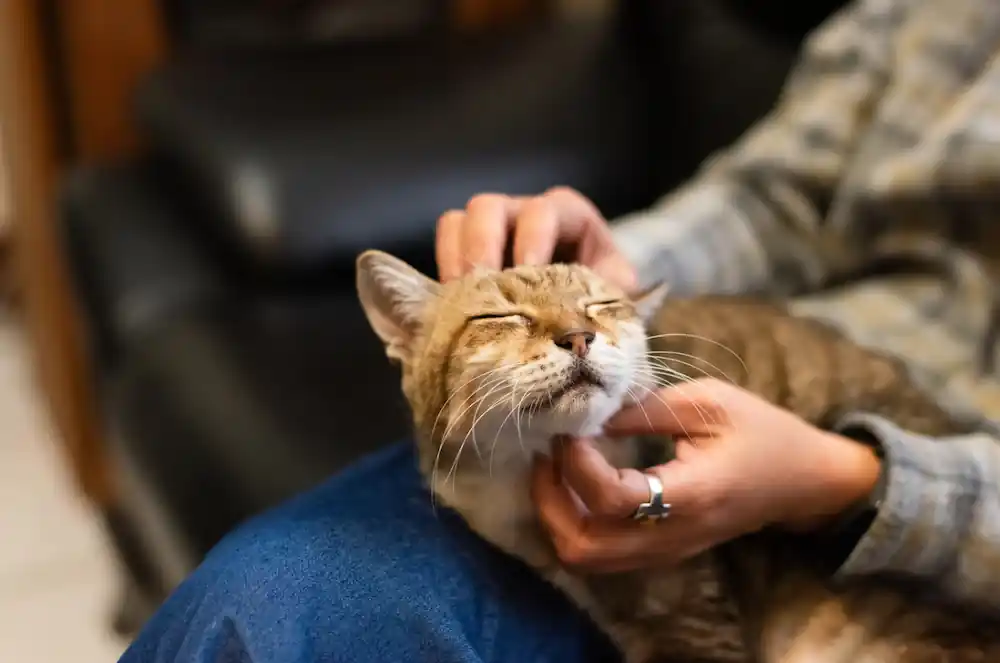
- 4Gentle grooming Senior cats may appreciate help grooming hard-to-reach areas, particularly around the base of the tail and behind the ears. A soft brush used gently can become one of the most bonding rituals in your relationship.
- 5Consistent routine Feeding at the same time every day is the single most powerful bonding tool available to you. Predictability is the language of trust for cats, and senior cats — who have often experienced disruption — respond to it deeply.
- 6Enrichment play Low-energy toys like wand toys, puzzle feeders, and window perches keep senior cats mentally engaged without overtaxing their joints. See our guide to enrichment toys for cats for ideas that work at any age.
The most common hesitation people express about adopting a senior cat is this: "I don't want to get attached and then lose them too soon." It is an honest concern, and it deserves an honest answer. The time you have with a senior cat may be shorter in years — but the depth of connection is no less profound. Many adopters describe their senior cat as the most meaningful pet relationship of their lives, precisely because of the intentionality it requires. You are not getting less. You are getting something different, and for many people, something more.
Read Elvis's story — adopted at 14, loved every day →Ready to Give a Senior Cat Their Forever Home?
Start with our complete adoption guide, or compare your options to find the right match for your lifestyle.
When Love Goes Further: Adopting Special Needs Senior Cats
Some senior cats arrive at shelters with more complex needs — physical disabilities, chronic conditions, or behavioral trauma from difficult pasts. Adopting a special needs senior cat is not for everyone, and there is no shame in knowing your limits. But for those who are prepared, it is an act of profound compassion that changes two lives simultaneously.
What "Special Needs" Can Mean
Special needs in senior cats can include: mobility limitations (missing limbs, paralysis), chronic conditions requiring daily medication, blindness or deafness, dental issues requiring ongoing management, or behavioral trauma requiring extra patience during adjustment.
Many special needs cats are far more resilient and adaptable than their label suggests. Read the story of Joey, a disabled rescue cat who found his forever home, for a reminder of what is possible.
Consider fostering first: If you are unsure whether a special needs senior cat is the right fit, fostering offers a way to provide a calm, consistent environment while you make that decision. Many fosters become permanent adopters — a phenomenon the rescue community calls "foster fails," which is perhaps the most beautiful kind of failure there is.
Frequently Asked Questions About Adopting a Senior Cat
Every Senior Cat Deserves a Heart of Gold
The right cat for you might have grey on their muzzle and wisdom in their eyes. Start your adoption journey today — they are waiting.
References
The following sources were consulted in the preparation of this article. We cite authoritative veterinary and animal welfare organizations to ensure accuracy and support the E-E-A-T (Experience, Expertise, Authoritativeness, Trustworthiness) standards expected of high-quality pet health content.
- 1American Association of Feline Practitioners (AAFP). Senior Care Guidelines for Feline Practitioners. AAFP, 2021. https://catvets.com/guidelines/practice-guidelines/senior-care-guidelines
- 2Cornell Feline Health Center. The Special Needs of the Senior Cat. Cornell University College of Veterinary Medicine, 2024. https://www.vet.cornell.edu/departments-centers-and-institutes/cornell-feline-health-center/health-information/feline-health-topics/special-needs-senior-cat
- 3Sordo, L. et al. Prevalence of Disease and Age-Related Behavioural Changes in Cats: Past and Present. PMC / Veterinary Sciences, 2020. https://pmc.ncbi.nlm.nih.gov/articles/PMC7557453/
- 4ASPCA. Four Reasons to Give Senior Cats a Lifesaving Chance. ASPCA Blog, 2020. https://www.aspca.org/blog/four-reasons-give-senior-cats-lifesaving-chance
- 5Lovejoy, J., DVM. What To Know About Adopting a Senior Cat. PetMD, September 2025. https://www.petmd.com/cat/general-health/what-to-know-about-adopting-senior-cat
- 6Humane Society Tampa Bay. The Benefits of Adopting Older Pets: Why Senior Animals Make Fantastic Companions. 2023. https://humanesocietytampabay.org/the-benefits-of-adopting-older-pets-why-senior-animals-make-fantastic-companions/
- 7Zito, S. et al. Determinants of Cat Choice and Outcomes for Adult Cats and Kittens Adopted from an Australian Animal Shelter. PMC / Animals, 2015. https://pmc.ncbi.nlm.nih.gov/articles/PMC4494418/
- 8Campbell, S. (Certified Cat Behaviorist) & Team Lemonade. The Pet Parent's Guide to Adopting an Older Cat. Lemonade Insurance, December 2025. https://www.lemonade.com/pet/explained/adopting-older-cat/


 EN
EN DE
DE ES
ES PT
PT