
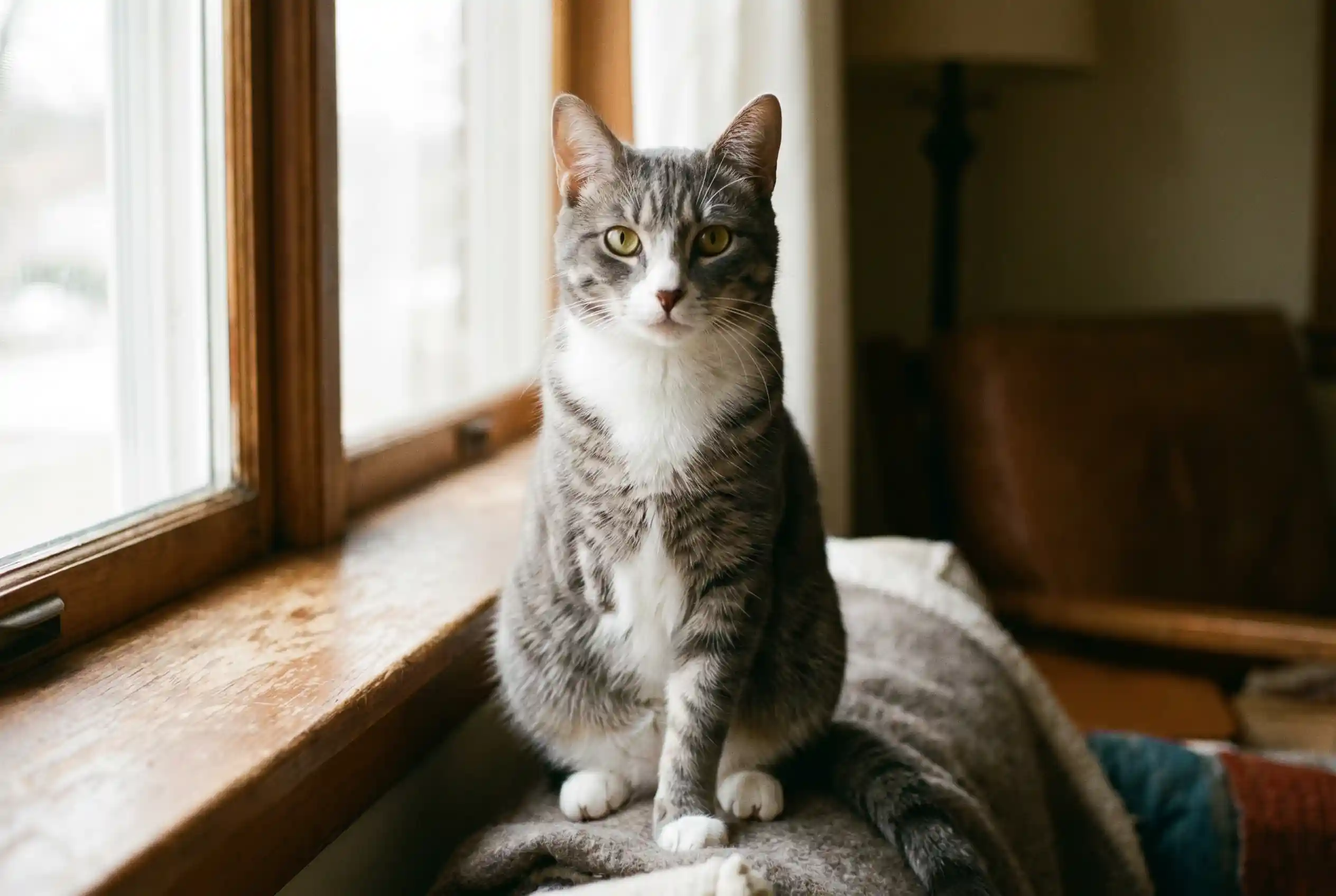
When you browse the profiles of cats waiting for adoption, certain labels tend to make people scroll past. “Senior.” “Medical needs.” “Disabled.” These words often carry an invisible weight, suggesting a burden of care that many potential adopters feel unequipped to handle. But behind every “special needs” label is a living, breathing animal with an extraordinary capacity for resilience.
This is the story of Joey, a grey and white tabby who proved that being a little different doesn’t mean you have any less love to give.
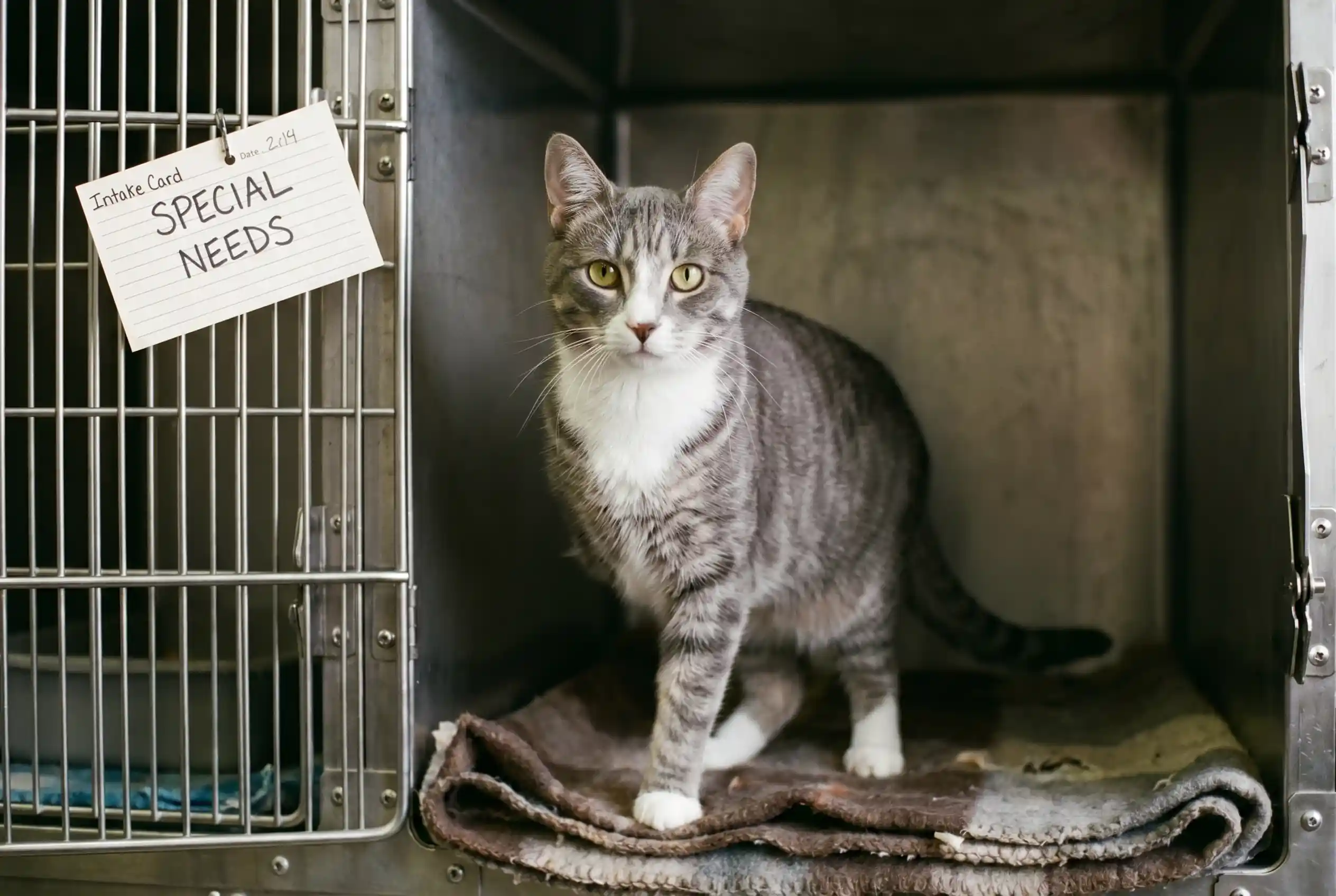
Joey arrived at the shelter with a history no one fully knew, but his physical state told a story of survival. He was missing his right front leg, likely the result of an old trauma or accident. In a shelter environment, cats with visible disabilities often wait significantly longer for a home. While they wait, they are frequently misunderstood. People assume a three-legged cat will be fragile, inactive, or require constant medical intervention.
But Joey wasn’t fragile. He was a survivor.
The “Foster Fail” Phenomenon
I didn’t intend to adopt Joey. Like many people, I was hesitant about taking on a cat with a physical disability. I worried about the potential costs, the home modifications, and whether I could provide the quality of life he deserved.
Instead of adopting, I decided to foster. Fostering is a vital lifeline for animal shelters, particularly for special needs animals who struggle in the stressful kennel environment. It provides a calm, consistent space for the animal to decompress while the shelter searches for a permanent home. According to Shelter Animals Count, foster-based rescues achieve a remarkable 75% adoption rate, significantly higher than traditional shelter environments.
The rescue community has a term for what happened next: a “foster fail.” It is perhaps the most beautiful kind of failure there is. When you bring an animal into your home, care for them, and watch their true personality emerge, the idea of letting them go often becomes impossible. You don’t just provide a temporary stop; you become their destination.
If you are unsure whether a special needs cat is the right fit for your family, our complete cat adoption guide discusses why fostering first can be an excellent way to make an informed decision.
Adapting to Life on Three Legs
The most surprising thing about bringing Joey home was how little his missing leg actually slowed him down. Cats are incredibly adaptable creatures. A survey conducted by the Tripawds community found that the vast majority of amputee cats adapt to their new physical reality within just a few weeks, and their owners overwhelmingly report that they would make the same decision again to save their pet’s life.
Joey was no exception. Within days of arriving, he was navigating the living room with a confident, slightly lopsided hop. He couldn’t jump as high as a four-legged cat, but he quickly learned to use intermediate surfaces—a footstool, then a chair, then the sofa—to reach his favorite spots.
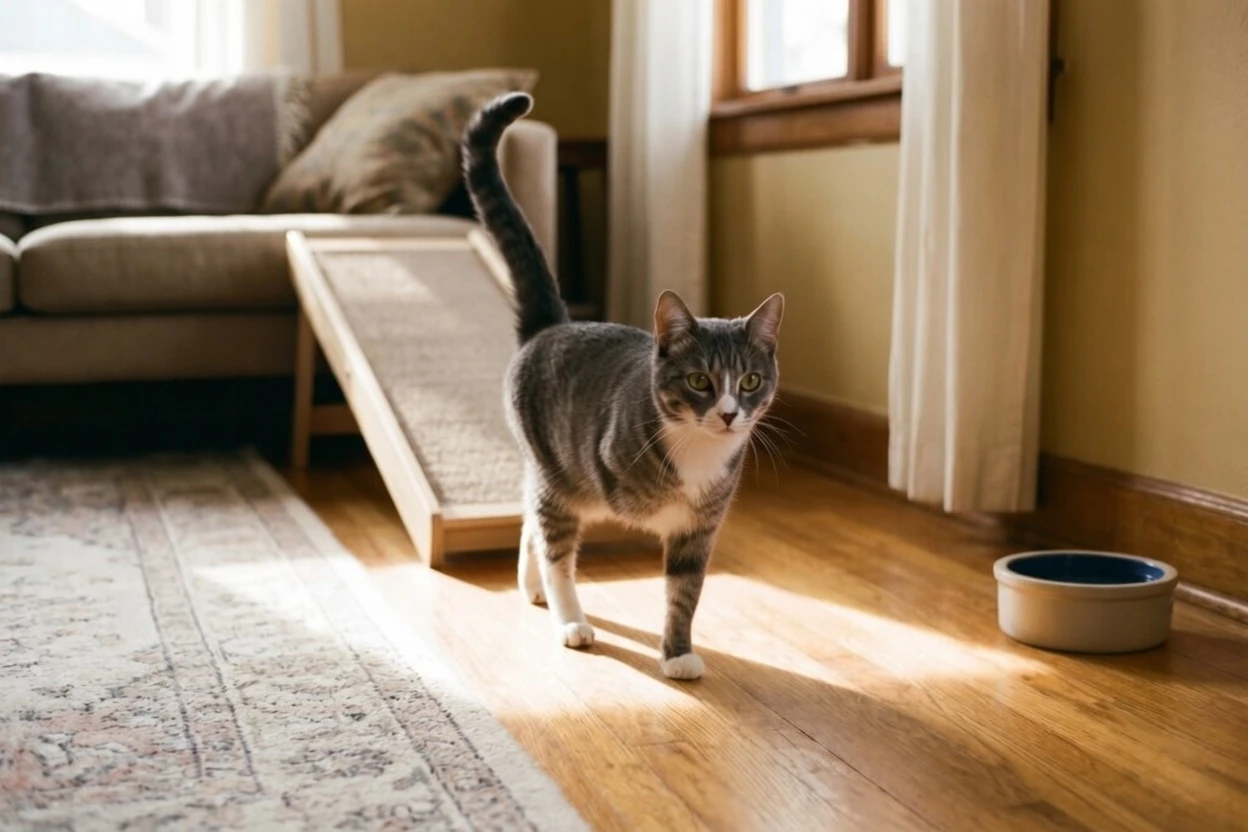
To make his life easier, we implemented a few simple home modifications:
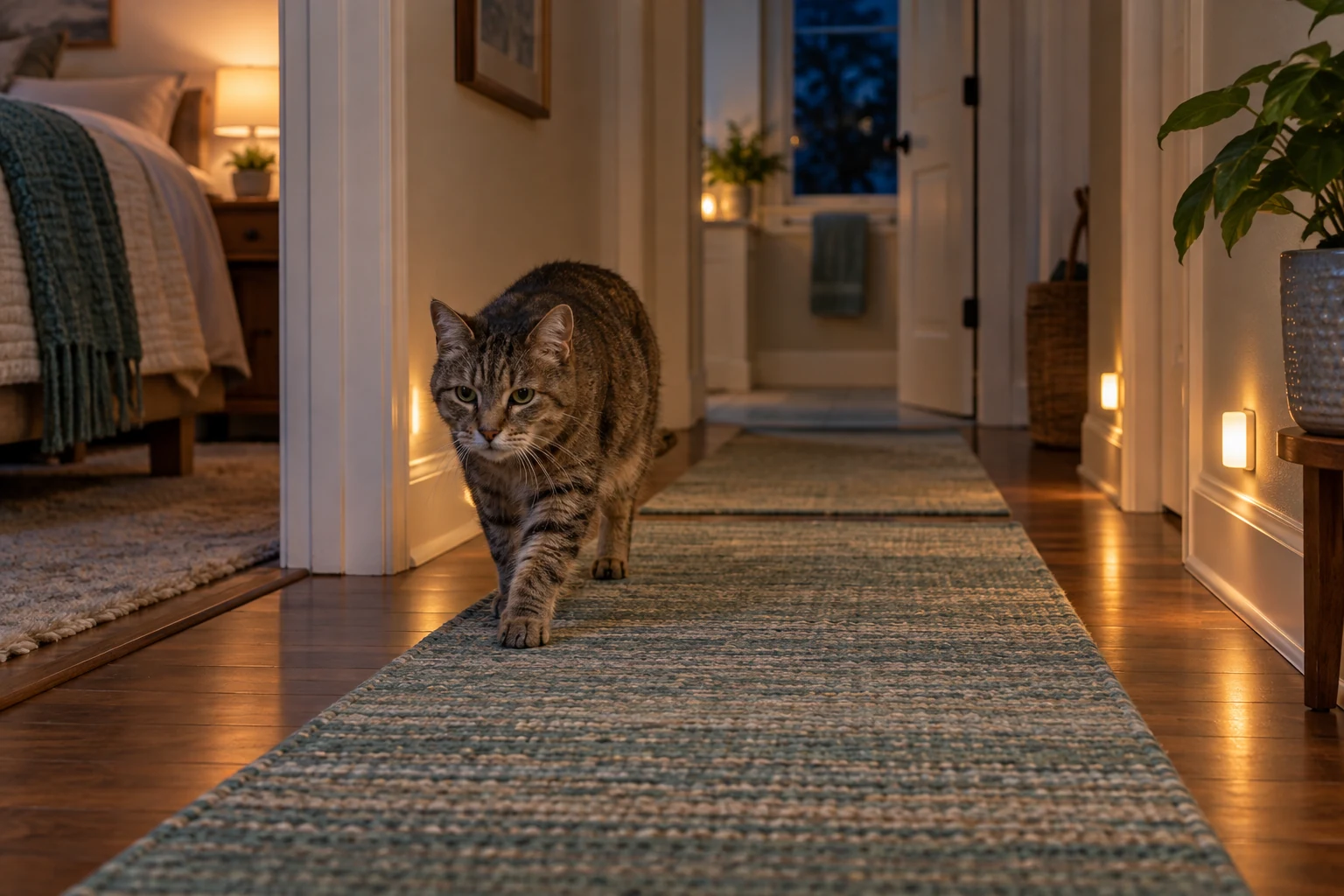
- Carpet runners and rugs on slippery hardwood floors to give his remaining paws better traction.
- Low-angle pet ramps leading up to the bed and the sofa.
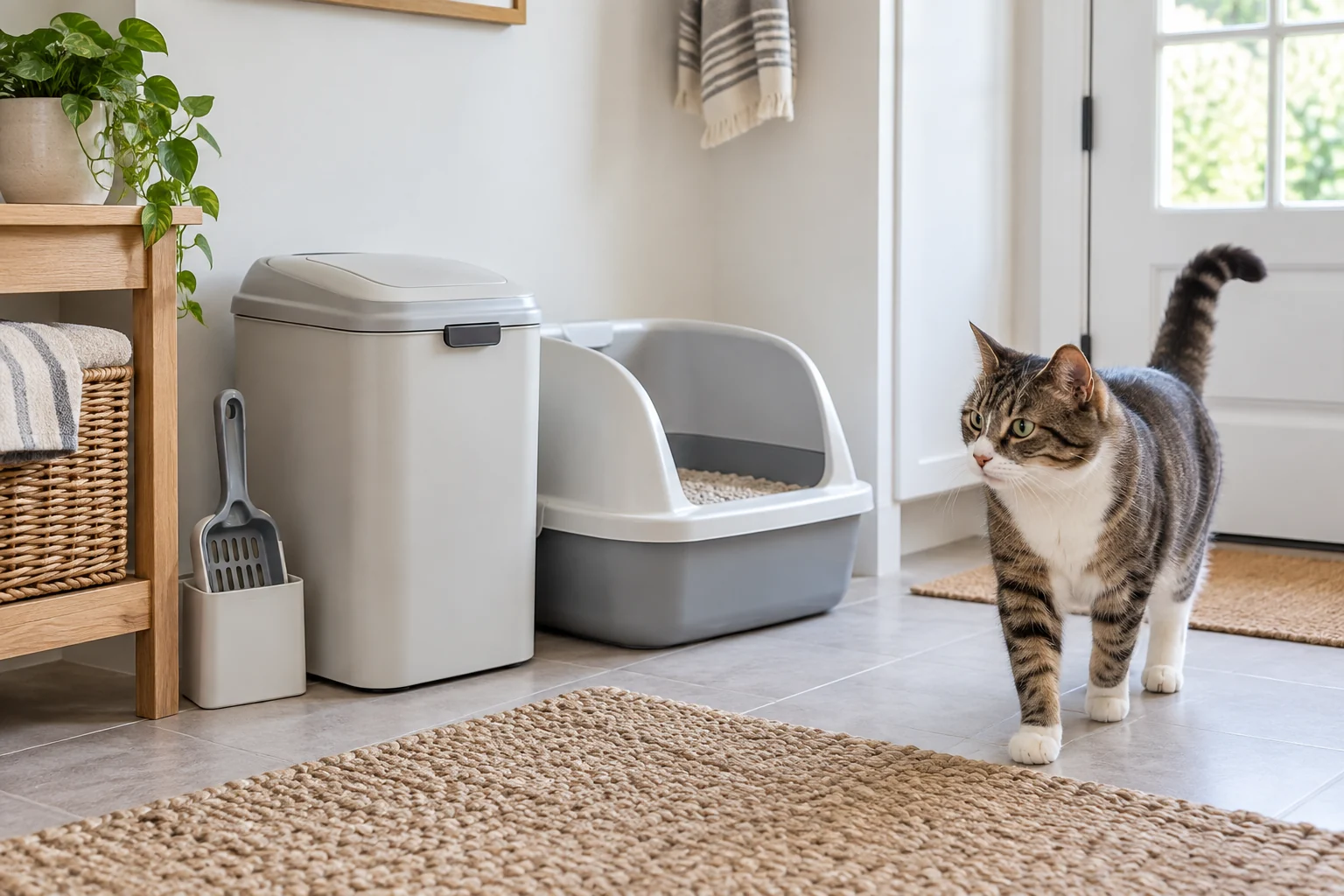
- A low-entry litter box that didn’t require him to step over a high rim.
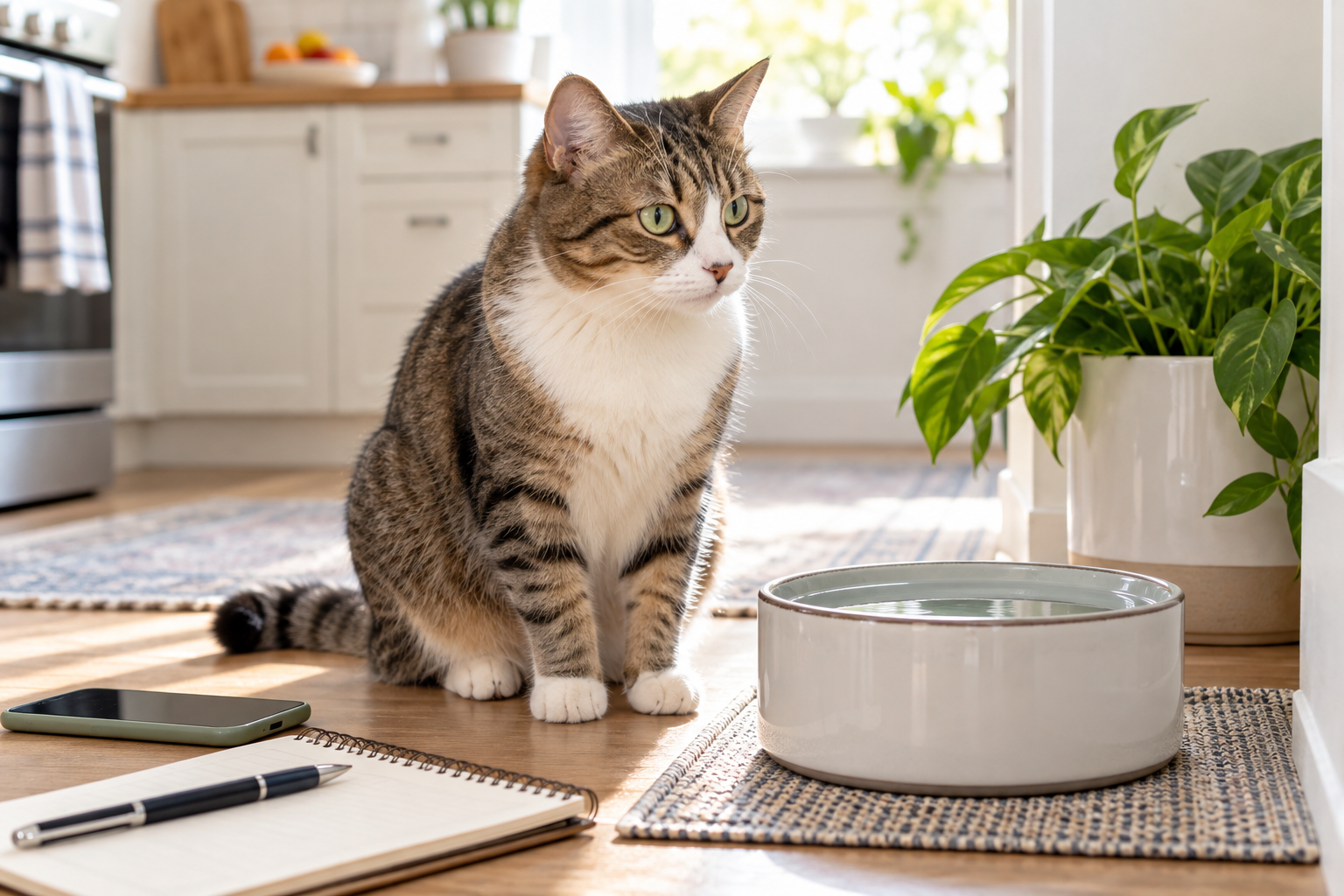
- Elevated food and water bowls to help him maintain balance while eating.
These adjustments were minimal, but they made a world of difference in his daily comfort. For a comprehensive look at how to prepare your space for any cat, including those with mobility challenges, review our checklist on cat-proofing your home.
The Resilience of Special Needs Cats
What “special needs” actually means can vary wildly. It might mean mobility limitations like Joey’s, chronic conditions requiring daily medication, blindness, deafness, or behavioral trauma that requires extra patience.
What these cats share, however, is a profound resilience. They do not dwell on what they have lost. Joey never woke up feeling sorry for himself because he only had three legs. He woke up focused on the sunbeam hitting the rug, the sound of the food can opening, and the warm spot next to me on the couch.
Caring for a disabled cat shifts your perspective. It teaches you to celebrate small victories—the first time they successfully navigate a new ramp, or the moment they finally relax enough to expose their belly for a rub. The bond forged through this specialized care is incredibly deep. You become their advocate and their safe harbor, and in return, they offer a level of trust that is truly humbling.
If you are considering the financial aspects of caring for a cat with unique medical or physical requirements, our guide on the full cost of cat ownership can help you budget effectively.
A Forever Home
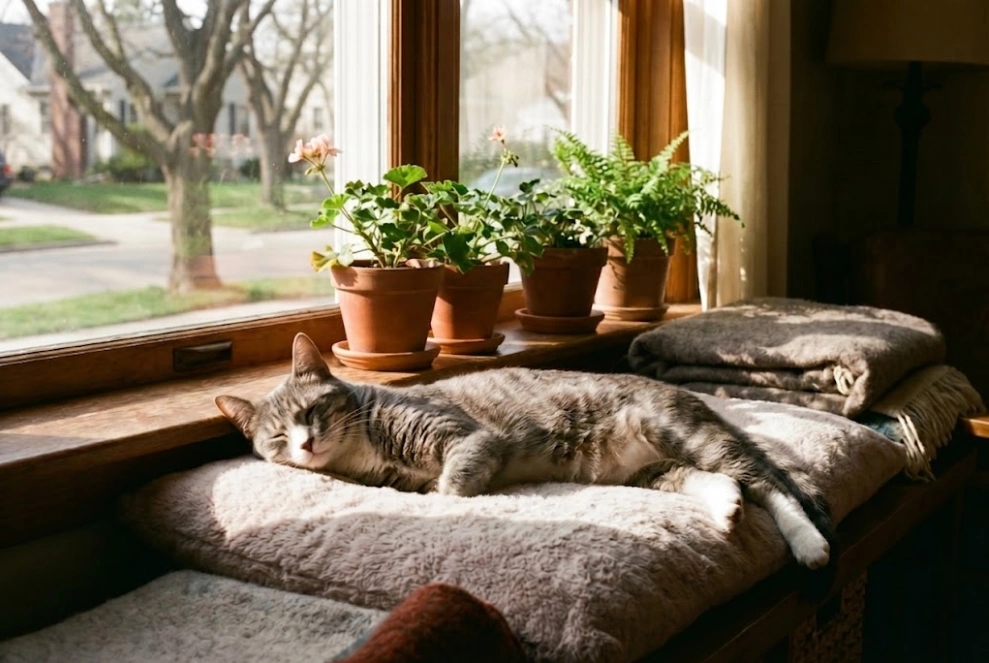
Today, Joey is a permanent fixture in our home. He is a master at catching feather wands, an expert napper, and the first one to greet me at the door when I come home. His missing leg is just a footnote in the story of who he is.
When you look past the “special needs” label, you don’t find a broken animal. You find a cat who is ready to live fully, provided they are given the right environment and a little bit of grace.
If you ever find yourself scrolling through adoption profiles and you see a cat with a missing limb, a cloudy eye, or a daily medication requirement, don’t immediately scroll past. Pause. Read their story. Consider fostering. You might just find that the “imperfect” cat is the absolute perfect fit for your life.
For more information on the first steps of bringing any new cat home, our first 30 days guide offers a week-by-week timeline to ensure a smooth transition.
Conclusion
Adopting a special needs cat like Joey is a journey of discovery, patience, and immense reward. While the initial prospect may seem daunting, the reality is often filled with surprising adaptability and profound joy. Cats with disabilities are not defined by their limitations; they are defined by their spirit. By opening your home to a special needs or senior cat, you are offering a second chance to an animal who will spend the rest of their life showing you their gratitude.
Frequently Asked Questions (FAQs)
What does “foster fail” mean in animal rescue?
A “foster fail” is a lighthearted term used when a person who temporarily fosters an animal decides to permanently adopt them. It is considered a wonderful outcome by shelters and rescues.
Can a three-legged (tripod) cat live a normal life?
Yes! Cats are incredibly adaptable. Once they recover from the initial amputation or trauma, most three-legged cats can run, play, and navigate their environment with only minor modifications.
What home modifications does a disabled cat need?
Common modifications include providing non-slip rugs on hard floors, using pet stairs or ramps for high surfaces, offering low-entry litter boxes, and using elevated food bowls to help with balance.
Are special needs cats more expensive to care for?
It depends on the specific need. A cat missing a limb may only need minor home adjustments, while a cat with a chronic illness (like diabetes or kidney disease) will require ongoing medication and more frequent vet visits.
How long does it take a special needs cat to adjust to a new home?
Adjustment times vary. A confident tripod cat might adjust in a few weeks, while a blind or deaf cat may need several months to map out and feel secure in their new environment. Patience is essential.
Is it safe to let a three-legged cat outside?
It is generally recommended to keep three-legged cats indoors. Their reduced mobility makes it harder for them to escape predators, climb trees quickly, or avoid traffic.
Do disabled cats get along with other pets?
Yes, they can. However, introductions should be done very slowly and carefully to ensure the disabled cat does not feel overwhelmed or bullied by more able-bodied pets.
Should I adopt a special needs cat if I work full time?
Many special needs cats do perfectly fine while their owners are at work, provided their environment is safe and their specific medical needs (like timed medications) can be managed around your schedule.
How do blind or deaf cats adapt?
Blind cats map their environment using their whiskers and scent, while deaf cats rely heavily on visual cues and vibrations. Both can live incredibly happy, fulfilling lives indoors.
Where can I find special needs cats to adopt or foster?
Local shelters often have special needs cats waiting longer for homes. You can also look for rescues that specifically focus on senior or disabled pets, or search platforms like Petfinder using specific filters.
References
[1] Shelter Animals Count. “New Data Report: Foster-Based Rescues Operations.”
[2] Tripawds Community. “Amputee Cats Quality of Life Survey Results.”
 Why Does My Cat Flinch When Touched While Sleeping? Startle, Trust, and Pain Clues">
 Cat Scratching Baseboards: Trim Guards and Route Fixes">
 EN
EN DE
DE ES
ES PT
PT