
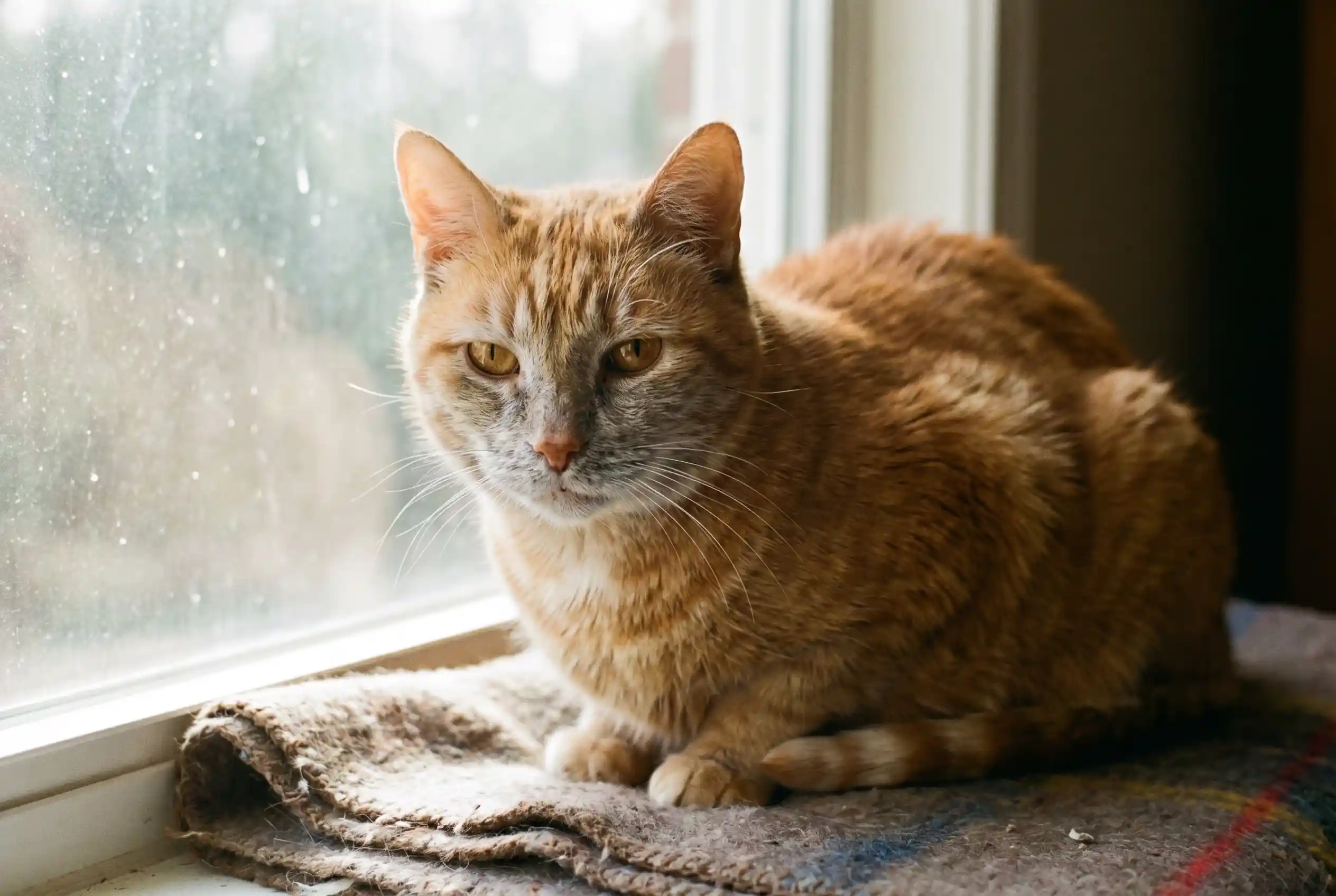
When you walk through the doors of an animal shelter, the noise is often the first thing that hits you. The barking, the meowing, the desperate pleas for attention from dozens of animals hoping today is their lucky day. But if you walk past the energetic kittens and the boisterous young adults, you will eventually find the quiet ones. The ones who have learned to wait.
That is where I found Elvis.
Elvis was a 14-year-old orange tabby cat. His muzzle was dusted with grey, his amber-gold eyes held a quiet, settled wisdom, and his intake card told a story that is heartbreakingly common: his previous owner had passed away, leaving him suddenly without the only home he had ever known. In the shelter environment, senior cats like Elvis are often overlooked. According to the ASPCA, senior pets have an adoption rate of just 25%, compared to 60% for younger animals. People walk past their kennels, worried about the potential for health issues or the reality of a shorter time together.
I had those same worries. But as I stood in front of his cage and watched him slowly blink at me—a universal feline sign of trust—I realized something important. He didn’t need a guarantee of a decade. He just needed today, and tomorrow, and whatever time he had left to be filled with love.
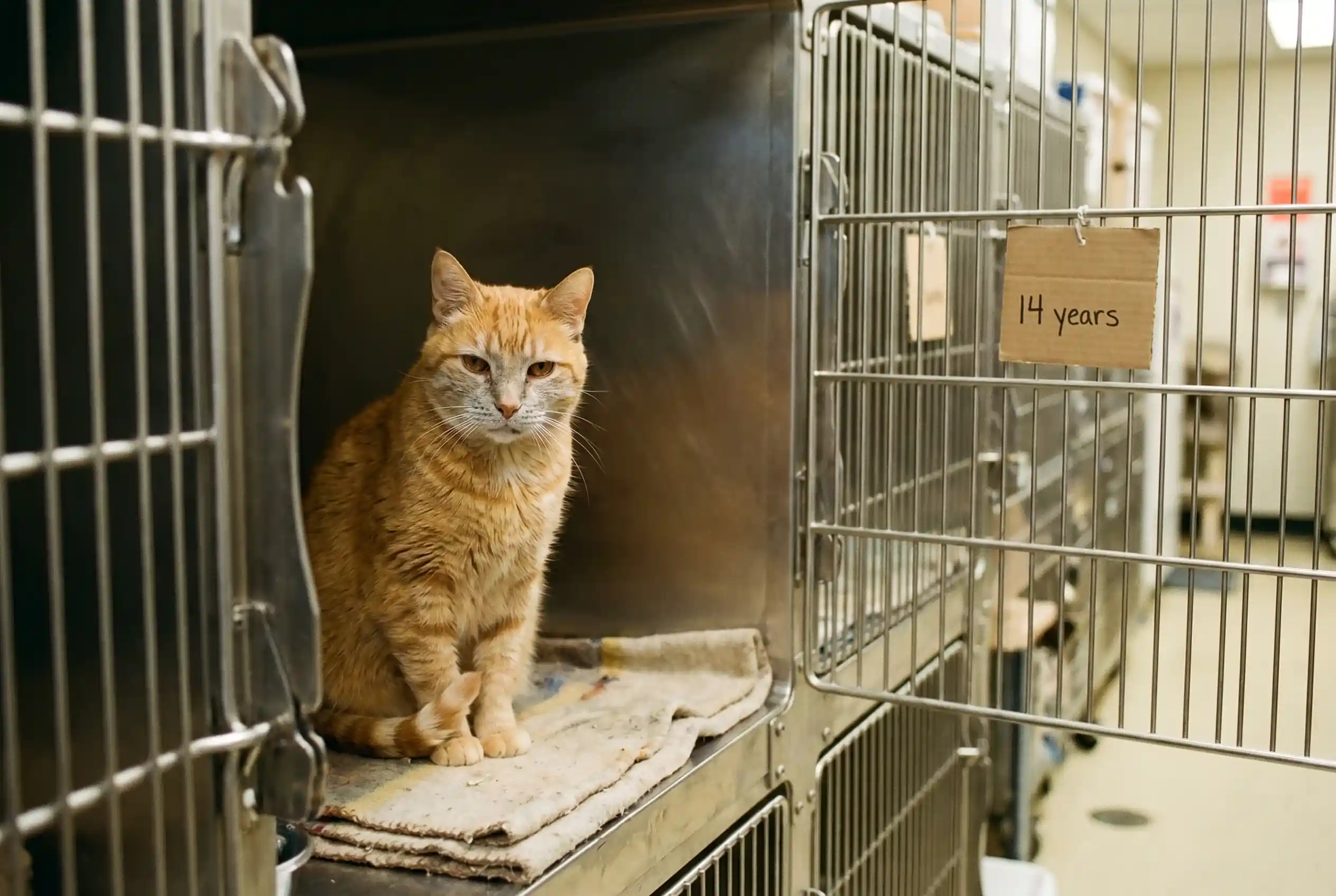
Table of Contents
The Reality of the “Shorter Time” Question
The most common hesitation people express about adopting a senior cat is this: “I don’t want to get attached and then lose them too soon.” It is an honest concern, and it deserves an honest answer.
The time you have with a senior cat may be shorter in years—but the depth of connection is no less profound. Many adopters describe their senior cat as the most meaningful pet relationship of their lives, precisely because of the intentionality it requires. You are not getting less. You are getting something different, and for many people, something more.
When you adopt a 14-year-old cat, you are making a conscious choice to prioritize their comfort over your own eventual grief. It is an act of profound compassion. And in return, what you receive is a companion who seems to understand, on some deep level, that they have been given a second chance. Research into the human-animal bond suggests that older adults and senior pets often form incredibly strong attachments, providing mutual comfort and reducing feelings of loneliness.
If you are considering bringing an older feline friend into your life, our complete cat adoption guide offers a comprehensive overview of what to expect.
The First Days: Patience and Quiet Discovery
Bringing Elvis home was an exercise in patience. Senior cats have established routines and preferences, and a sudden change in environment can be deeply unsettling for them. We started small, confining him to a quiet “safe room” with his litter box, food, and a comfortable bed, following the recommended first 30 days guide for new cats.
For the first two days, he mostly hid under the bed. I didn’t force interaction. I simply sat in the room, reading a book aloud so he could get used to the sound of my voice. This parallel presence is crucial for building trust with an older cat.
On the third evening, as I was sitting on the floor, I felt a gentle nudge against my elbow. Elvis had emerged. He slowly rubbed his cheek against my arm, purring with a deep, rumbling sound that seemed to vibrate through his entire body. It was a small gesture, but it felt like a monumental victory.
Health and Care: Knowing What to Expect
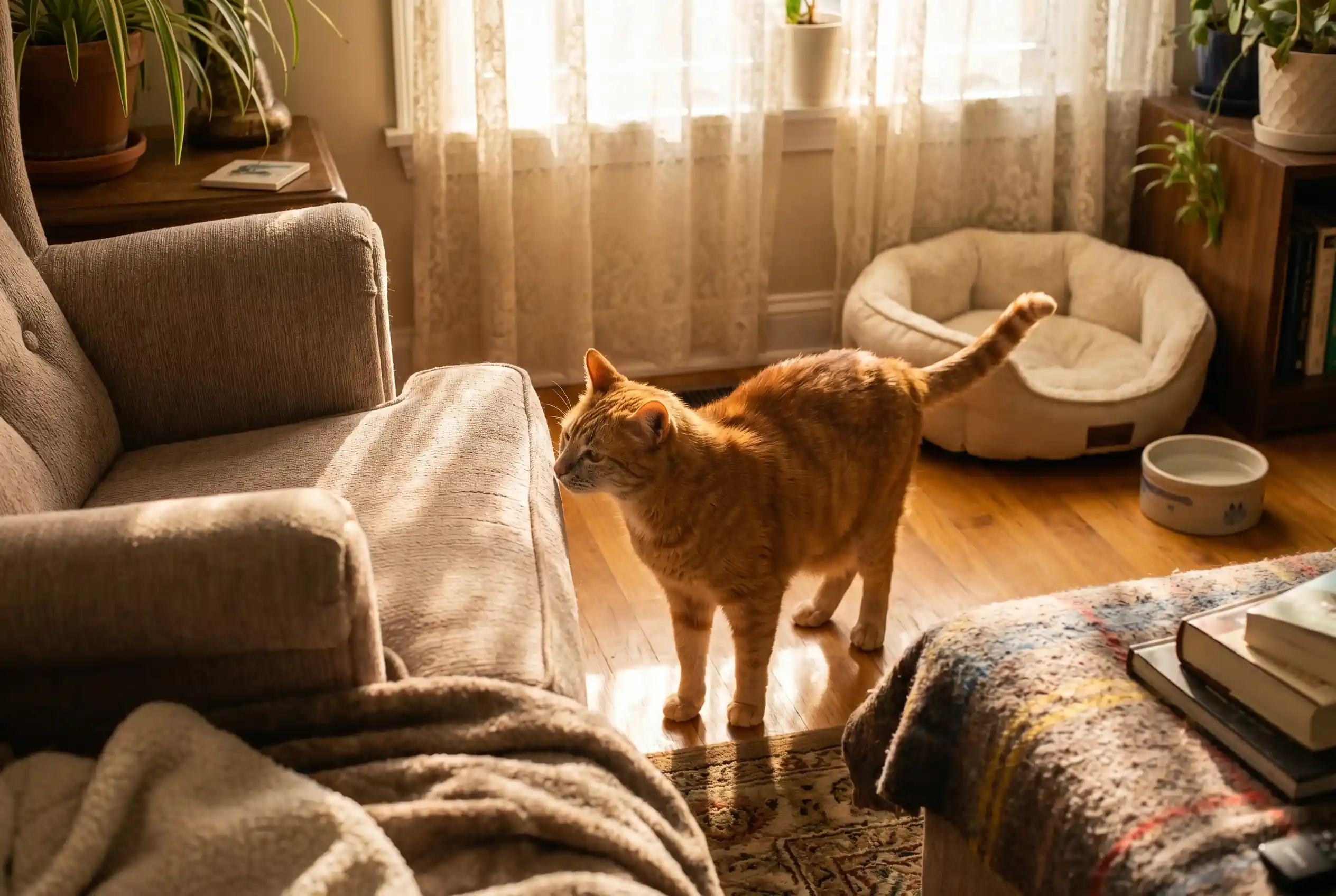
Adopting a senior cat does mean being prepared for potential health considerations. At 14, Elvis was officially classified as a “geriatric” cat by veterinary standards. During his initial veterinary checkup, we discovered he had mild osteoarthritis, a condition that affects over 60% of cats over the age of six.
Managing his health wasn’t overwhelming, but it did require some adjustments to our home setup. We provided:
- Orthopedic beds to support his aging joints.
- Pet stairs leading up to his favorite spots on the sofa and the bed, so he wouldn’t have to jump.
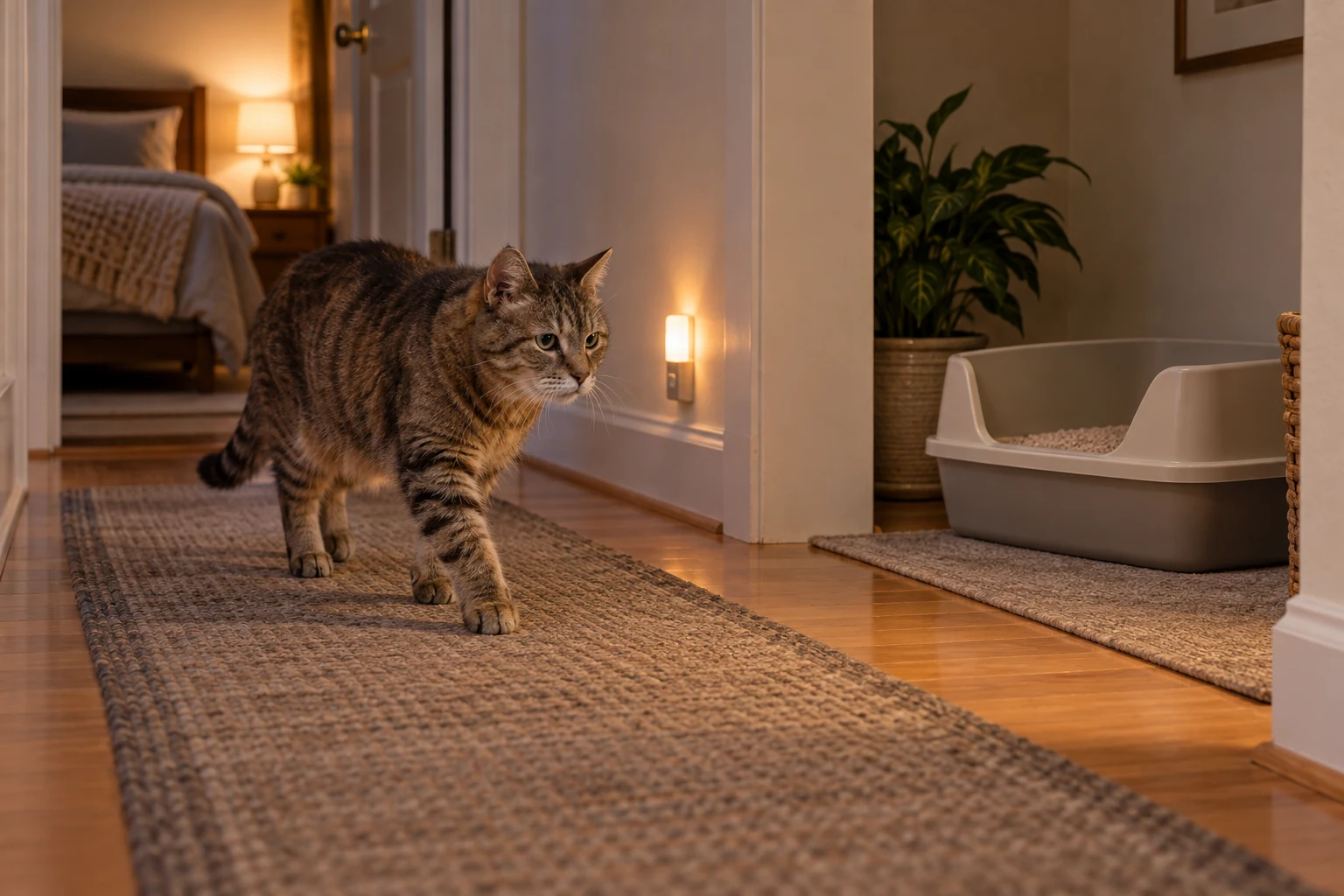
- A low-sided litter box for easier access.
- Elevated food and water bowls to reduce strain on his neck.
For a full breakdown of how to prepare your space, you can review our checklist on cat-proofing your home. We also adjusted his diet to support his kidney function and joint health, consulting resources on what senior cats can eat.
Yes, there are costs associated with caring for an older pet. Routine blood work and specialized diets add up. If you are curious about the financial commitment, our guide on the full cost of cat ownership provides a realistic look at budgeting for a senior cat’s needs. But watching Elvis comfortably navigate his new domain, free from pain, made every adjustment entirely worth it.
The Deep Bond of the Golden Years
What surprised me most about Elvis was the sheer intensity of his affection. Kittens are wonderful, but their love is often distracted—they are busy exploring, playing, and testing boundaries. A senior cat’s love is focused.
Elvis didn’t want to climb the curtains or chase laser pointers for hours. He wanted to be exactly where I was. If I was working at my desk, he was asleep in the chair next to me. If I was watching television, he was curled up on my lap, his chin resting heavily on my arm.
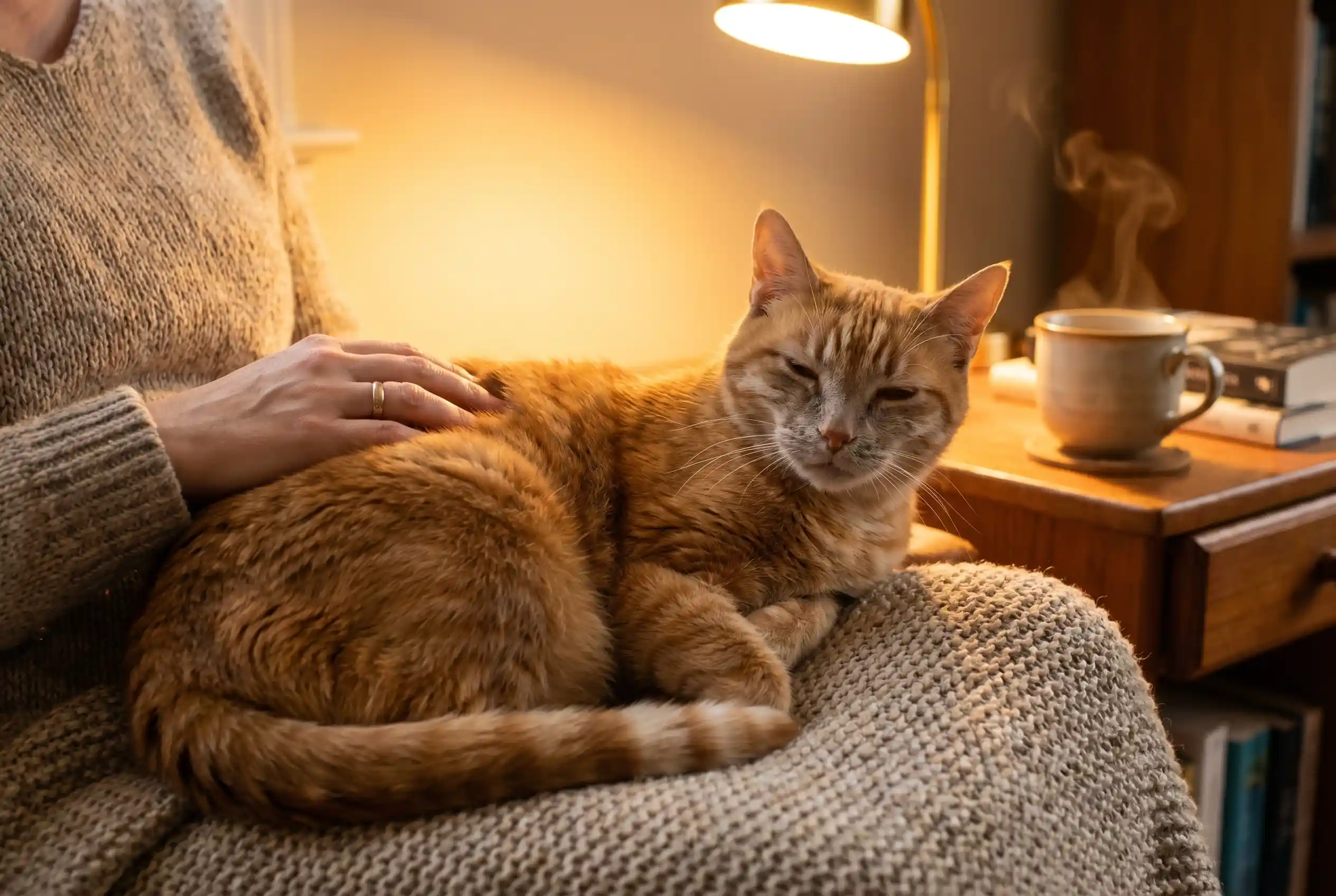
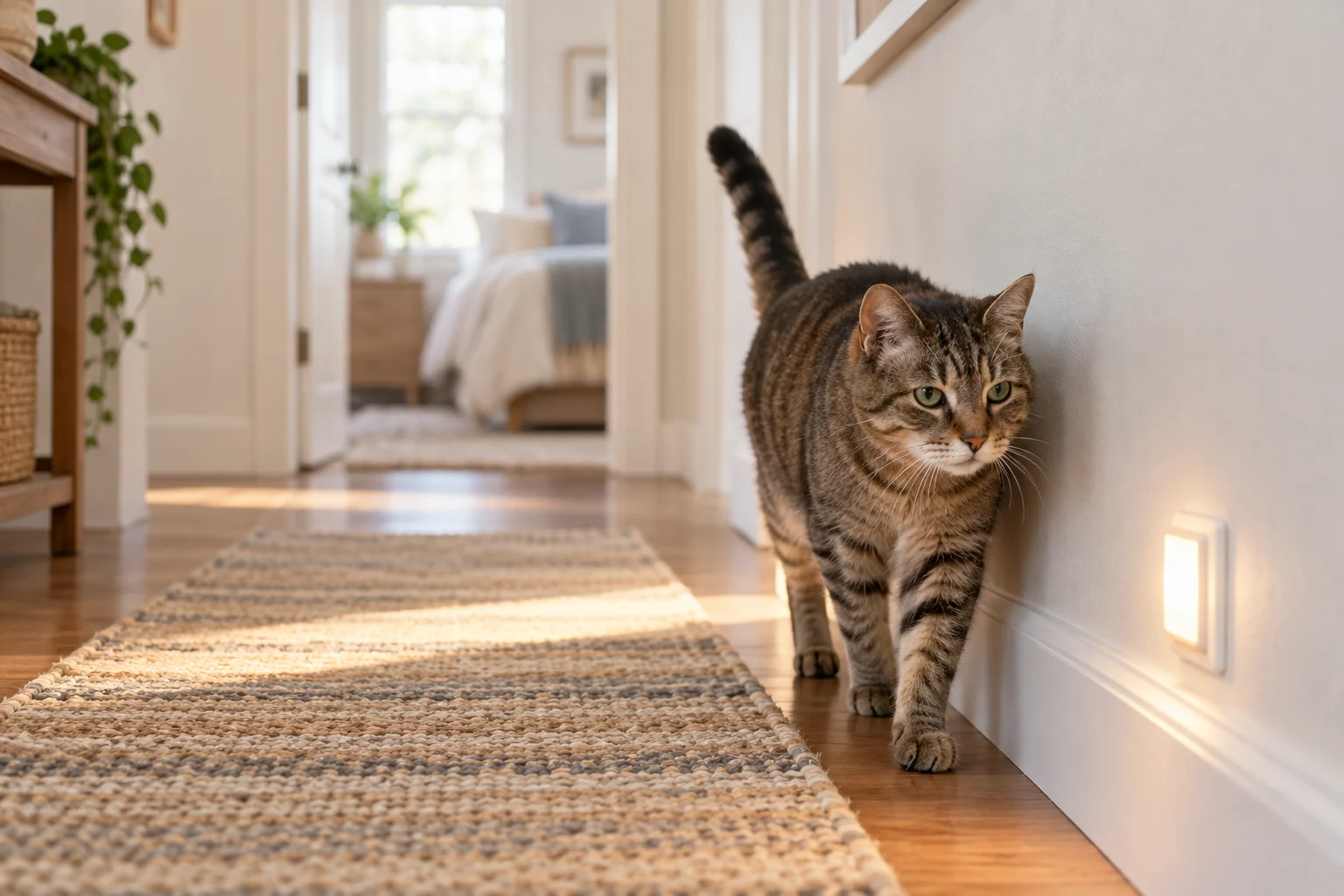
There is a unique tranquility that comes with sharing your home with an older animal. They bring a settled, grounding energy to a space. They teach you to slow down, to appreciate the quiet moments, and to find joy in the simple act of sitting together in a sunbeam.
A Life Well-Lived
Elvis lived with me for three and a half years. He passed away peacefully at the age of 17, surrounded by love, in the home where he knew he was safe.
Was it hard to say goodbye? Absolutely. The grief of losing a pet is profound, and knowing our time was limited from the start didn’t make the end any less painful. But if you were to ask me if I would do it again, my answer would be an immediate, unequivocal yes.
Those three and a half years were filled with quiet companionship, gentle purrs, and the deep satisfaction of knowing I had given a deserving animal a dignified, loving retirement. Elvis gave me far more than I ever gave him. He taught me about resilience, about the capacity for trust after loss, and about the beauty of loving someone even when you know the time is short.
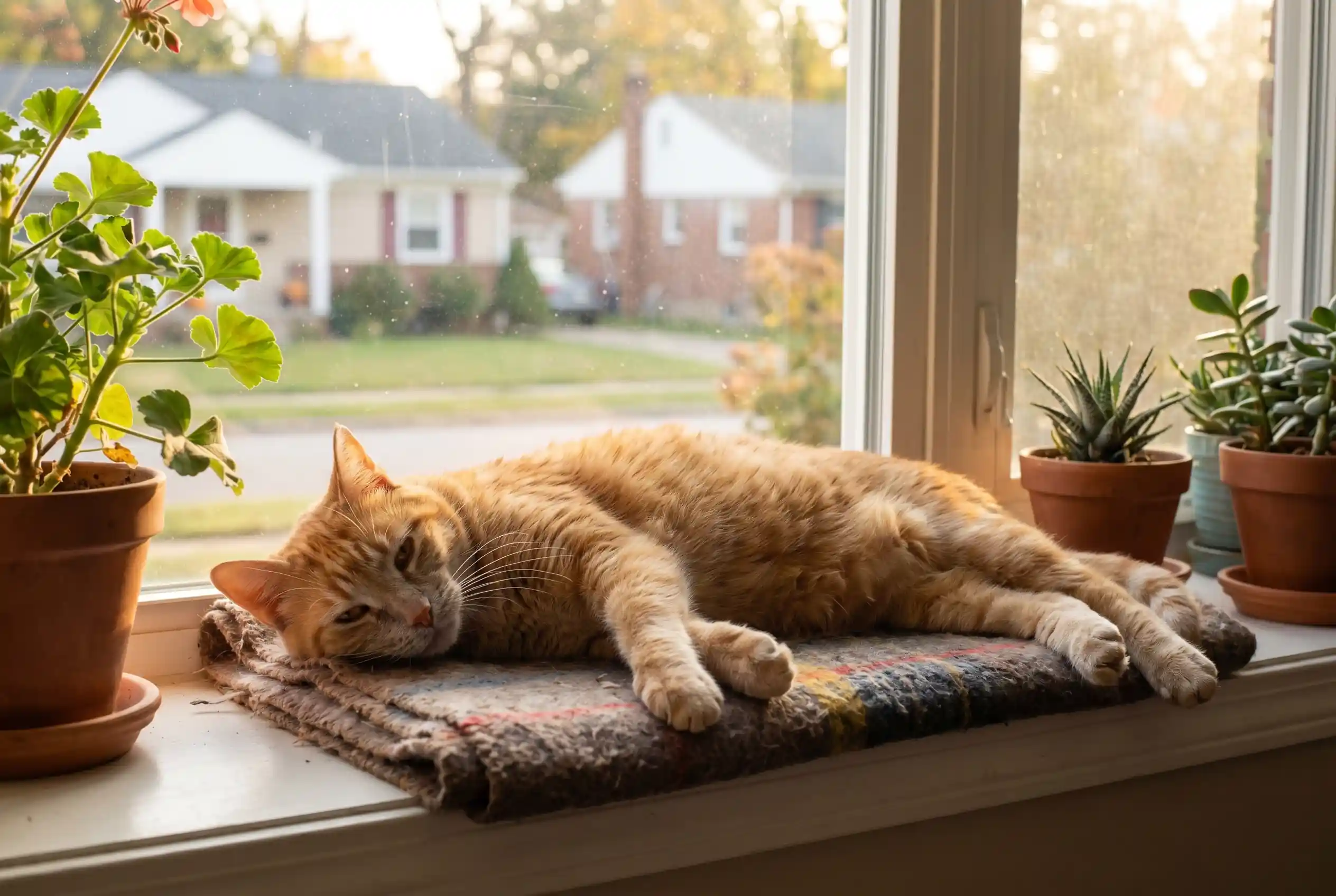
If you are ever in an animal shelter, I urge you to walk past the kitten room. Go to the cages where the older cats are waiting. Look for the ones with the greying muzzles and the quiet eyes. They may not have their whole lives ahead of them, but the life they do have left is precious. And they are ready to spend it loving you.
If you are inspired to open your heart to a senior cat, explore our complete adoption guide to take the first step.
Conclusion
Adopting a 14-year-old cat like Elvis is not a decision made lightly, but it is one made with the heart. The journey with a senior cat is defined by intentionality, patience, and a profound mutual gratitude. While the years you share may be fewer, the quality of those years—the quiet mornings, the gentle nudges, the unwavering companionship—is immeasurable. By choosing to adopt a senior cat, you are not just saving a life; you are enriching your own in ways you might never have expected.
Frequently Asked Questions (FAQs)
Is it too sad to adopt a 14-year-old cat knowing they won’t live long?
While the eventual loss is difficult, adopters overwhelmingly report that the deep, meaningful bond formed with a senior cat far outweighs the grief. The focus shifts from the quantity of years to the quality of the days you share.
Do senior cats bond with new owners?
Yes, absolutely. Senior cats often bond very quickly and deeply with new owners who provide a safe, consistent, and loving environment. They seem to recognize and appreciate their second chance.
How long does it take a 14-year-old cat to adjust to a new home?
It typically takes 2 to 4 weeks for a senior cat to fully relax, though some may take longer. Because they have established routines, patience is key. Using a “safe room” initially helps them acclimate at their own pace.
What are the most common health issues for a 14-year-old cat?
Common issues include osteoarthritis, chronic kidney disease, dental disease, and hyperthyroidism. Regular bi-annual veterinary checkups are crucial for managing these conditions effectively.
Are senior cats already litter-trained?
Yes, the vast majority of senior cats have years of experience using a litter box and are reliably trained, making the transition much easier than with a kitten.
What should I feed a 14-year-old cat?
Senior cats often need diets formulated for their specific life stage, which may include joint support supplements, kidney-friendly proteins, and easily digestible ingredients. Always consult your veterinarian for personalized advice.
How can I make my home comfortable for an older cat?
Provide orthopedic beds, pet stairs or ramps to their favorite elevated spots, low-sided litter boxes, and elevated food and water bowls to reduce joint strain.
Are senior cats good for first-time owners?
Yes! Their calm demeanor, established personalities, and lower energy levels make them excellent companions for first-time owners, provided the owner is prepared for potential veterinary care.
Do 14-year-old cats still play?
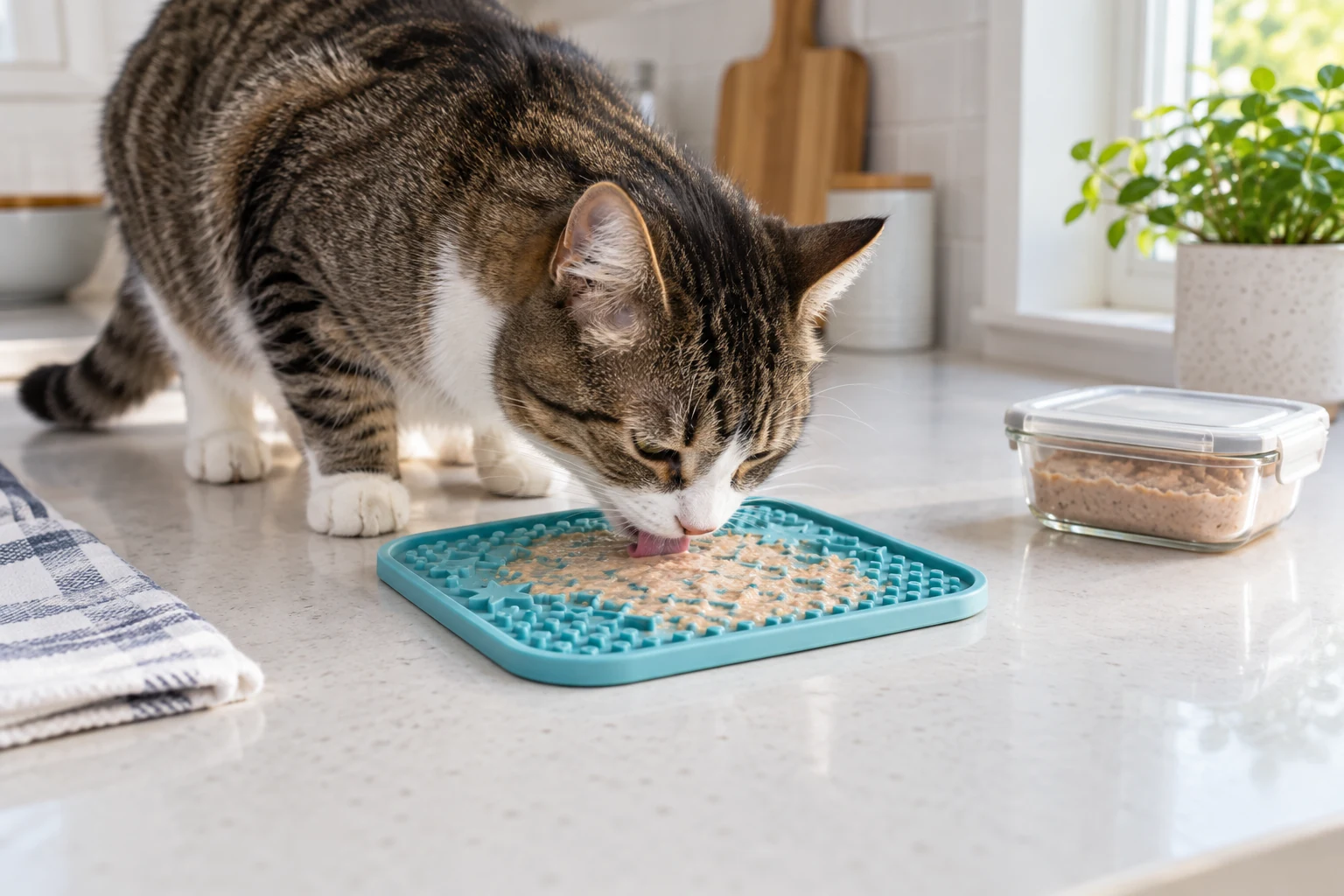
While they won’t have the frantic energy of a kitten, many senior cats still enjoy short, gentle play sessions with wand toys or puzzle feeders, which provide important mental enrichment.
Where can I adopt a senior cat?
Local animal shelters, breed-specific rescues, and organizations like the ASPCA or Petfinder are excellent places to find senior cats waiting for their forever homes.
References
[1] ASPCA. “Four Reasons to Give Senior Cats a Lifesaving Chance.” ASPCA Blog.
[2] Human Animal Bond Research Institute (HABRI). “New Research Indicates Shelter Cat Fostering Reduces Loneliness in Older Adults.”
[3] American Association of Feline Practitioners (AAFP). “Senior Care Guidelines.”
[4] Cornell Feline Health Center. “Feline Osteoarthritis.”



 EN
EN DE
DE ES
ES PT
PT