
Table of Contents
Welcome to the World of Large Cat Breeds
At SnuggleSouls, we love big cats—and we know you do too. These “gentle giants” have more to offer in size and personality, but they also benefit from the right setup at home.
In this guide, you’ll meet 10 large domestic cat breeds, each known for a bigger frame and a sturdier build than the average house cat. Some commonly reach 15+ pounds, while others are considered ‘large’ because they’re long, tall, and muscular—not just heavy on the scale.
For each breed, you’ll get practical tips on feeding, grooming, exercise, and behavior, so you can decide which big-hearted companion fits your lifestyle best.
Note: Breed descriptions reflect common tendencies. Individual cats vary based on genetics, socialization, and health, so use this guide as a starting point and confirm details with a veterinarian or reputable breed reference.
Quick Glance: What Counts as a Large Cat Breed?
How we define “big house cat” (and how we chose breeds)
Most healthy adult house cats are often around 8–12 lb; “big” is typically above that, plus extra length/height and heavy bone.
We chose breeds that are commonly described as large/medium-large by major cat associations and that differ meaningfully in coat type, grooming workload, and activity needs.
How we chose these 10 breeds
We prioritized breeds that are:
- Commonly recognized as large-framed
- Popular with pet owners (so the info is practical)
- Distinct in coat type, grooming needs, and energy level (so you can compare)
How to use this table:
- If you hate brushing: start with short coats or long coats with easier maintenance.
- If you want calm cuddles: filter by low–moderate energy.
- If you want an athletic climber: prioritize high energy + vertical space needs.
| Breed | Typical adult size (notes) | Shedding | Grooming workload | Energy | Best for |
|---|---|---|---|---|---|
| Maine Coon | Often up to ~20 lb; slow to mature | High | 10–15 min, 3–4x/week | Med | Friendly “dog-like” giant |
| Ragdoll | Large, slow maturing | High | 10 min, 2–3x/week | Low–Med | Lap-cat homes |
| Siberian | Medium-large; slow maturing up to ~5 yrs | High | 10–15 min, 2–3x/week | Med | Family-friendly, playful-chill |
| Norwegian Forest | Slow maturing; large | High (seasonal) | 10 min weekly; more in shed | Med–High | Climbers + vertical homes |
| British Shorthair | Slow to mature; males can reach ~17 lb | Med | 5–10 min weekly | Low–Med | Quiet, steady homes |
| Ragamuffin | Slow maturing; males up to ~20 lb | Med–High | Often not daily; comb weekly+ | Low–Med | Gentle, affectionate families |
| American Bobtail | Medium-large, slow maturing | Med | 5–10 min weekly | Med | Interactive/training homes |
| Selkirk Rex | Medium-large; males often ~12–15 lb | Med | Gentle comb weekly | Med | Laid-back homes |
| Pixie-Bob | Muscular; don’t assume “large” = overweight | Med | Brush regularly | High | Smart, playful homes |
| Ocicat | Males may reach up to ~15 | Short | Occasional combing | High | Active homes |
Note: Adult weights are typical ranges. Size varies by sex, genetics, diet, and activity, so individual cats may fall outside these ranges.
Which large cat breed fits your lifestyle?
- If you want a calmer, cuddly giant: Ragdoll, Ragamuffin, British Shorthair
- If you want a friendly family cat with presence: Maine Coon, Siberian
- If you want an athletic climber / high-energy cat: Norwegian Forest, Ocicat, Pixie-Bob
- If you want lower coat maintenance: Ocicat (short coat), British Shorthair (dense but manageable)
Key Takeaways (read this first)
- “Large” usually means a mix of weight + length + muscular build, not just the scale.
- Many large breeds mature slowly (often 3–5 years), so the playful “kitten phase” lasts longer.
- Your best match depends on coat care (shedding), energy level, and space needs more than size alone.
Meet Your Cat: 10 Delightful Breeds
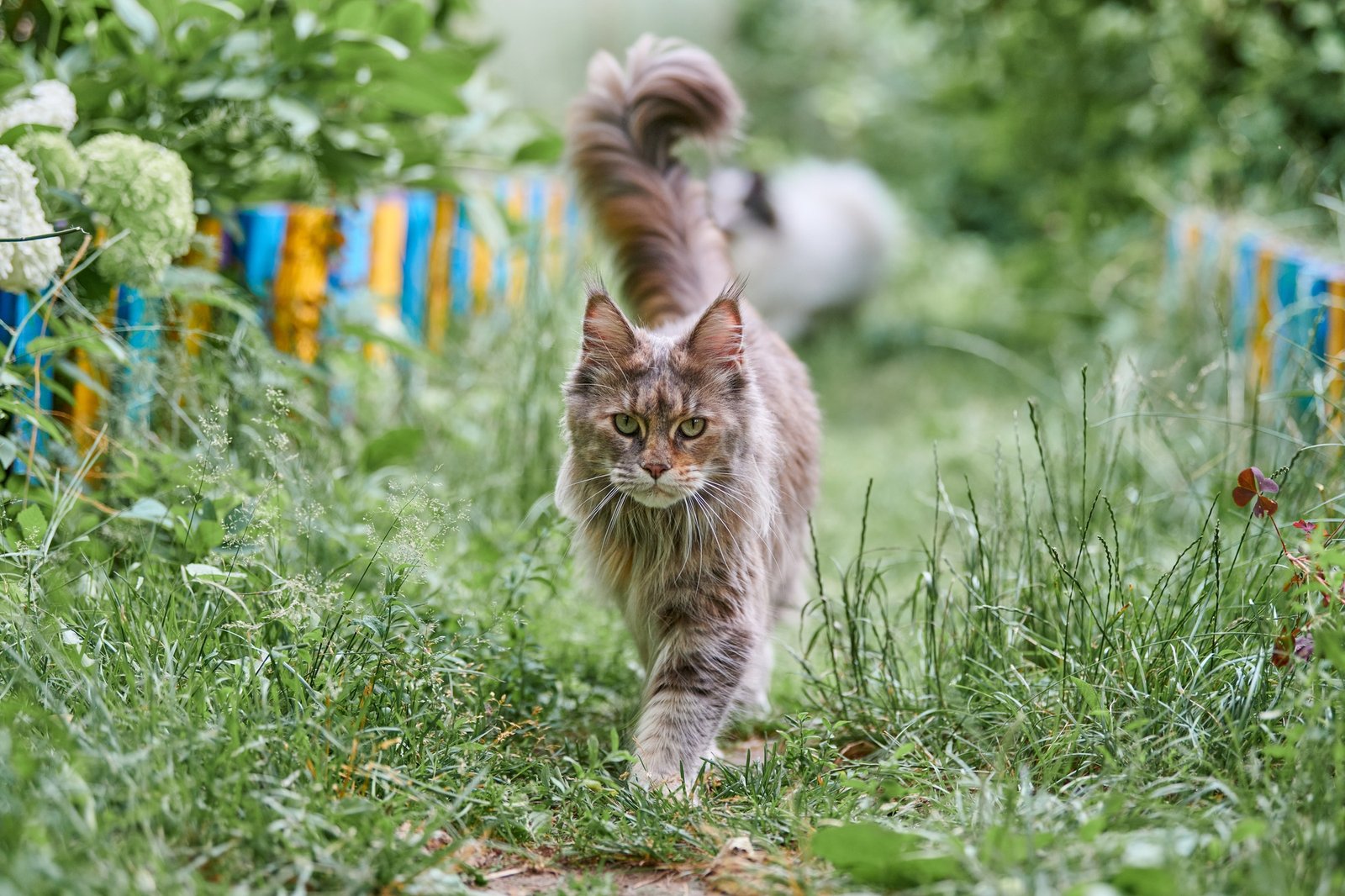
Maine Coon
At a glance
- Typical size: males can reach or exceed ~20 lb; slow to fully mature (up to ~3 years)
- Coat: long, shaggy
- Shedding: High (seasonal)
- Grooming: comb 2–3×/week, often 5–10 minutes
- Energy: Medium
- Best for: families wanting a friendly “gentle giant”
Their Unique Charm
The Maine Coon is one of the most iconic large cat breeds—big, sturdy, and famously social. Many owners describe them as “dog-like” because they often follow people around and enjoy interactive play.
Because this is a big house cat with a long coat, shedding and tangles are the main upkeep challenge. A few short brushing sessions per week helps prevent mats and reduces hairballs.
Maine Coons also do best with “large-breed basics”: sturdy scratching posts, a stable cat tree, and a roomy litter box that fits their long body comfortably.
Is This Your SnuggleSoul?
Best for: households who want a calm, friendly cat with a playful side
Not ideal if: you want minimal shedding or dislike regular grooming
Care & setup checklist:
- Ask your vet about joint/hip support as your cat ages
- Brush 3–4×/week (more during heavy shedding)
- Prioritize stable, heavy-duty cat furniture
- Use portion control + daily play to avoid extra weight
Read more about Maine Coons
Ragdoll
At a glance
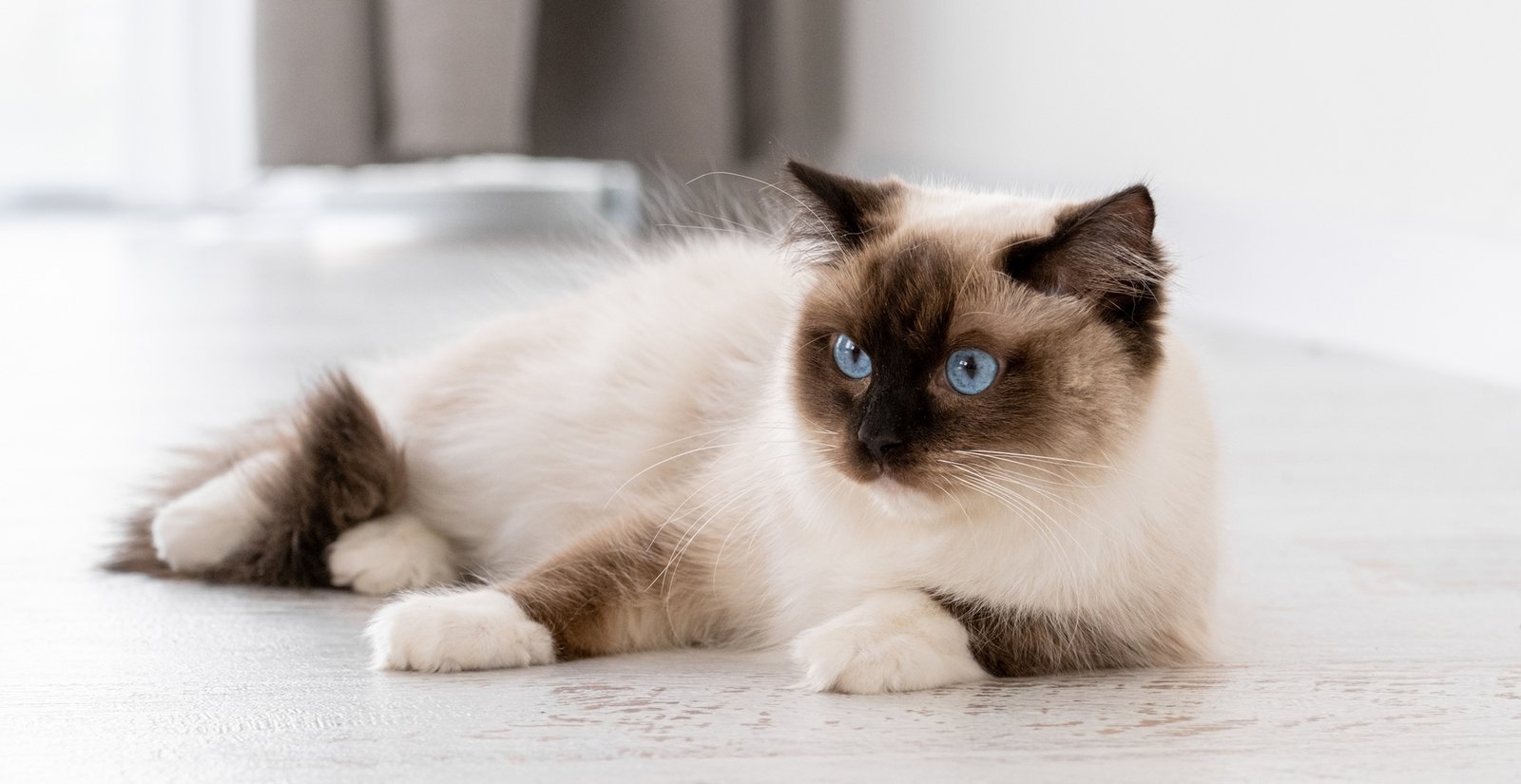
- Typical size: females ~10–15 lb; males ~15–20 lb
- Coat: semi-long
- Shedding: Medium–High
- Grooming: brush 2–3×/week
- Energy: Low–Medium
- Best for: calm homes that want a cuddly companion
Their Unique Charm
Ragdolls are a classic large domestic cat choice for people who want a soft, affectionate companion. They’re known for being relaxed and people-focused—often happiest lounging near you (or on you).
Their semi-long coat looks luxurious, but it also means you’ll deal with shedding and occasional tangles. Regular brushing a few times per week keeps their coat comfortable and reduces matting.
Ragdolls tend to be lower-energy than many big breeds, so it helps to build in gentle daily play to keep them fit and mentally stimulated.
Is This Your SnuggleSoul?
Best for: lap-cat lovers, families with respectful kids, quieter households
Not ideal if: you want a highly independent cat or very low grooming needs
Care & setup checklist:
- Provide soft resting spots + a stable perch
- Brush 2–3×/week; check for tangles around armpits/belly
- Encourage light exercise (wand toys, short fetch sessions)
- Use measured meals to prevent “lazy weight gain”
Read more about Ragdoll
Siberian

At a glance
- Typical size: sturdy, medium-large build
- Coat: long, dense (seasonal coat changes)
- Shedding: High (often seasonal)
- Grooming: weekly combing (more during seasonal shed)
- Energy: Medium
- Best for: families who can keep up with coat care
Their Unique Charm
The Siberian is a powerful, plush big house cat with a thick, weather-resistant coat. They’re often described as affectionate and steady—social enough to enjoy family life, but not usually “needy.”
Expect seasonal shedding. When their coat “blows,” brushing becomes more important to prevent knots and to keep fur from taking over your home.
Siberians are typically medium-energy: they enjoy play, climbing, and problem-solving, which makes enrichment (puzzle feeders, vertical space) especially worthwhile.
Is This Your SnuggleSoul?
Best for: families, multi-pet homes, people who enjoy interactive play
Not ideal if: you need low shedding or dislike coat maintenance
Care & setup checklist:
- Allergy note: some people report fewer symptoms, but no breed is truly hypoallergenic
- Brush 2–3×/week; increase during seasonal shed
- Provide climbing options (trees, shelves) + daily play
- Keep treats controlled; big bodies still gain weight easily
Read more about Siberian
Norwegian Forest Cat
At a glance
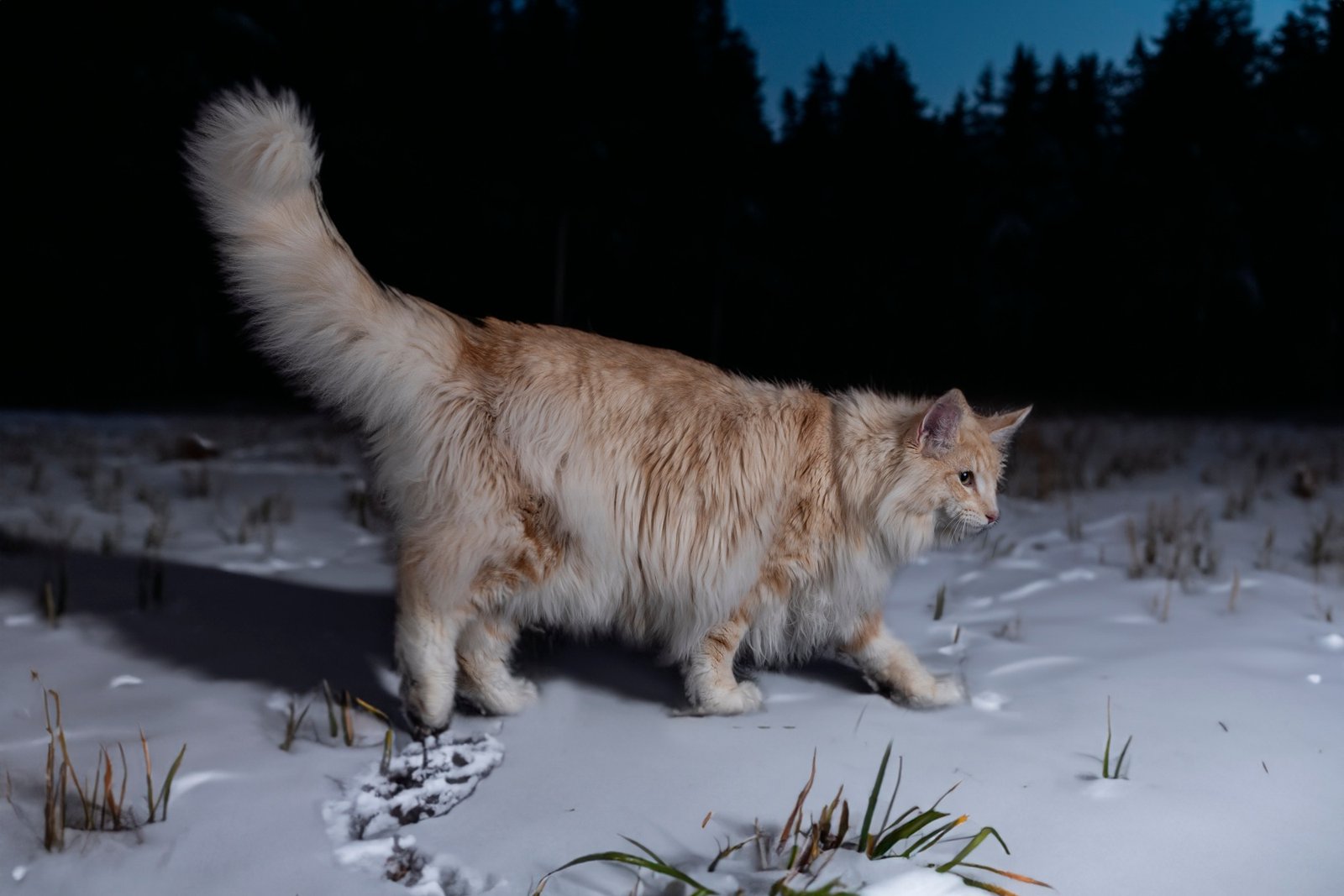
- Typical size: males ~12–16+ lb; females ~9–12 lb
- Coat: long double coat
- Shedding: High (often seasonal)
- Grooming: weekly baseline; increase during sheds
- Energy: Medium–High
- Best for: climber cats + homes with vertical space
- Note: slow to fully mature (often ~4–5 years)
Their Unique Charm
Norwegian Forest Cats (“Wegies”) are a bold, athletic large cat breed known for climbing skills and a thick double coat. They often enjoy exploring high places, surveying rooms from above, and staying involved in household activity.
Their coat is beautiful but can become demanding when shedding ramps up. A consistent grooming routine prevents mats and reduces hairballs—especially around seasonal changes.
Because they’re naturally active, they do well in homes that provide tall cat trees, wall shelves, and daily play that lets them climb and chase.
Is This Your SnuggleSoul?
Best for: active households, catio/vertical-space homes, people who enjoy play
Not ideal if: you want a low-energy cat or minimal grooming
Care & setup checklist:
- Brush weekly; increase during shedding seasons
- Provide tall, stable climbing structures
- Keep them lean with routine play (helps joints long-term)
- Use a large litter box and sturdy scratching posts
Read more about Norwegian Forest Cat
British Shorthair
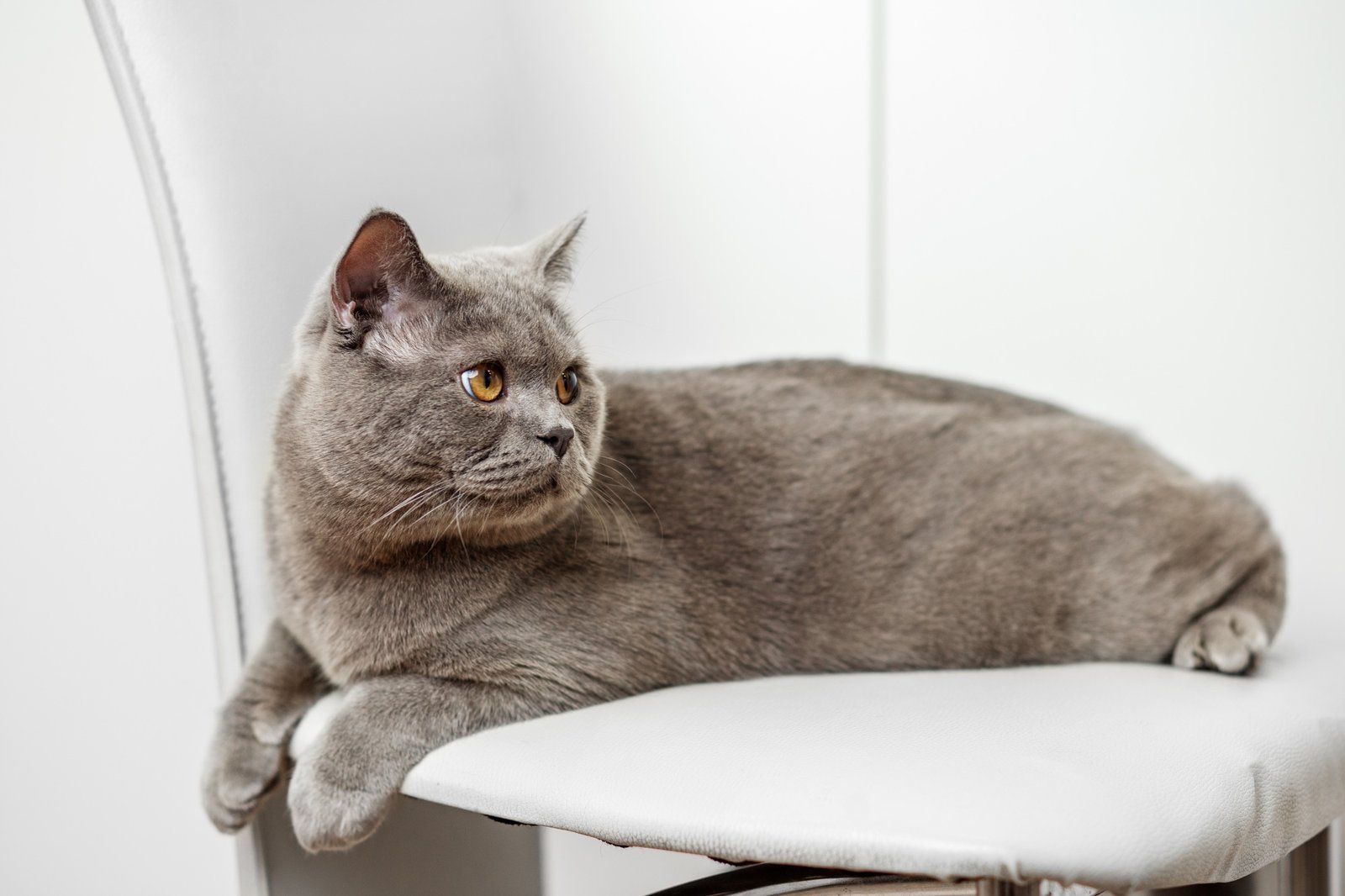
At a glance
- Typical size: slow to mature; males may reach ~17 lb
- Coat: short, very dense
- Shedding: Medium
- Grooming: 1×/week brushing (increase during shedding)
- Energy: Low–Medium
- Best for: calm households who want a steady, independent-friendly cat
Their Unique Charm
The British Shorthair is a stocky, plush large domestic cat option with a famously calm vibe. They’re often affectionate in a “near you” way rather than a “on you” way—content to lounge nearby.
Their dense coat does shed, but grooming is usually manageable compared to long-haired gentle giants. A weekly brush helps with loose hair and keeps the coat looking thick and tidy.
Because they’re typically lower-energy, their main risk is becoming sedentary. Short, playful bursts (a few minutes at a time) help keep them healthy.
Is This Your SnuggleSoul?
Best for: relaxed lifestyles, apartments, people who want low-drama companionship
Not ideal if: you want a high-energy, constantly interactive cat
Care & setup checklist:
- Provide soft beds + one stable perch
- Brush weekly; increase during seasonal shedding
- Use portion control + daily short play sessions
- Offer puzzle toys to prevent boredom
Read more about British Shorthair
Ragamuffin
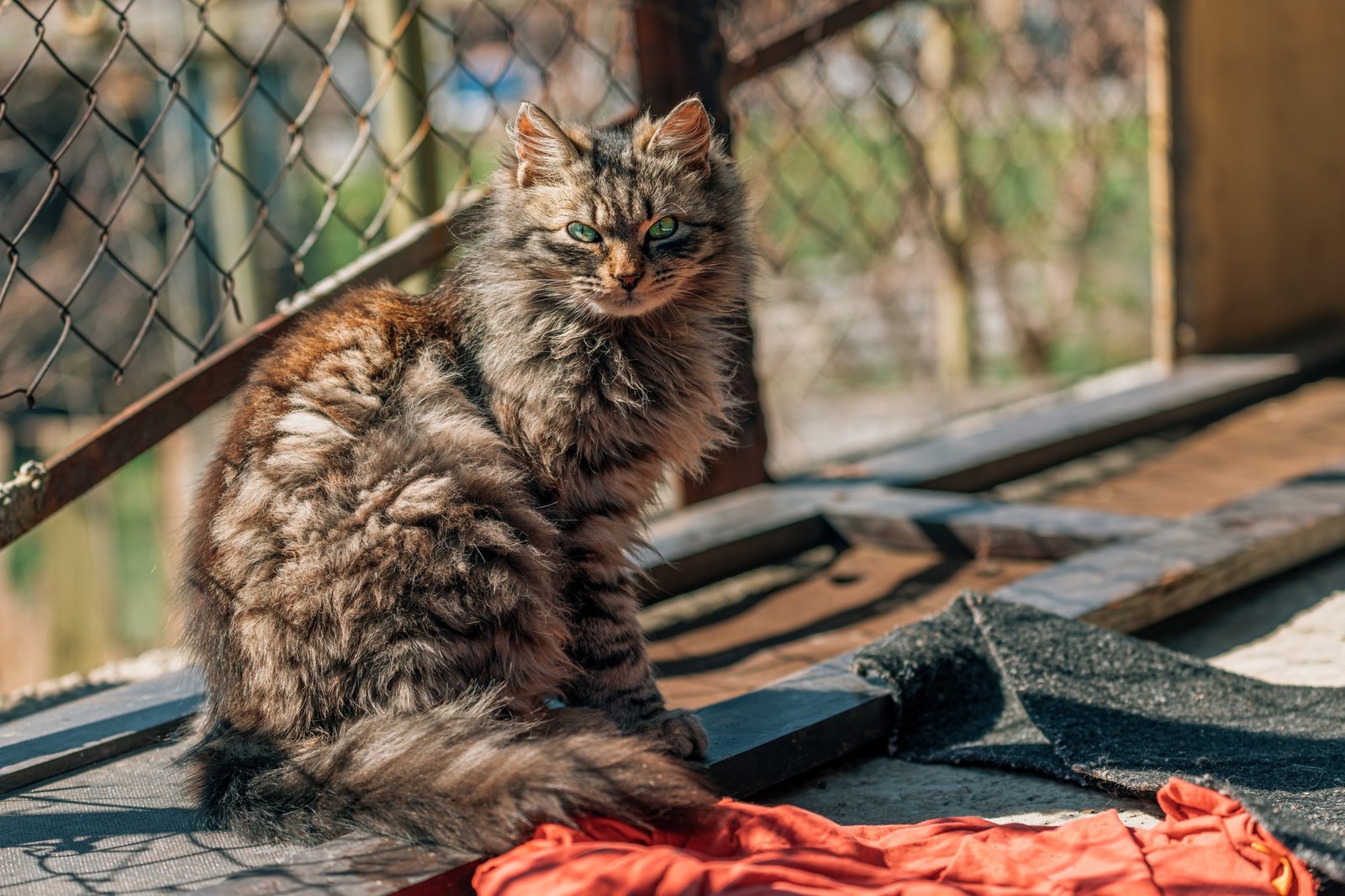
At a glance
- Typical size: slow to mature (up to ~4 years); males may reach ~20 lb
- Coat: plush, medium-long
- Shedding: Medium–High
- Grooming: comb/brush 2–3×/week
- Energy: Low–Medium
- Best for: affectionate homes that want a gentle, tolerant big cat
Their Unique Charm
Ragamuffins are often described as sweet, relaxed big house cats with a very people-friendly temperament. They tend to be affectionate and tolerant, making them a popular pick for families who want a calm companion.
Their coat is plush and can shed, so grooming matters. A few brushing sessions per week helps prevent tangles and keeps the fluff comfortable instead of matted.
Because they can be laid-back, they benefit from routine play (gentle chasing, soft toys) and steady feeding habits.
Is This Your SnuggleSoul?
Best for: families, cuddle-seekers, calmer homes
Not ideal if: you want a minimal-shedding coat or don’t want brushing
Care & setup checklist:
- Make grooming a calm bonding routine
- Brush 2–3×/week to prevent knots
- Keep play gentle but consistent (helps weight control)
- Provide oversized basics (litter box, sturdy scratcher)
Read more about Ragamuffins
American Bobtail
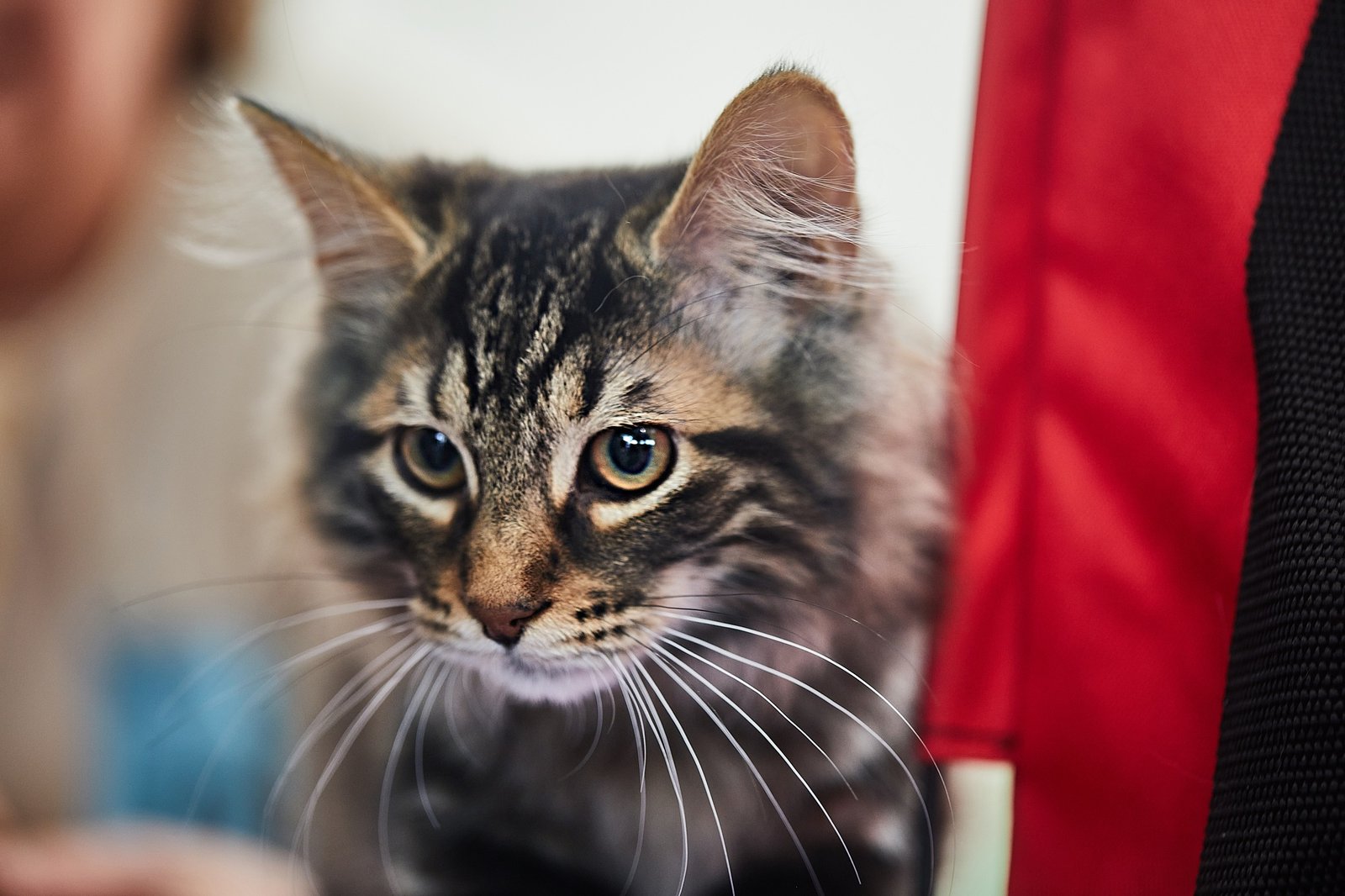
At a glance
- Typical size: medium-large to large; muscular, athletic build
- Coat: short or longer varieties
- Shedding: Medium
- Grooming: weekly brushing
- Energy: Medium
- Best for: interactive homes that like training and play
Their Unique Charm
American Bobtails are a rugged-looking large cat breed option with a playful, social personality. They’re often curious, engaged, and happiest when they get daily interaction—games, puzzles, and new things to explore.
Their coat is usually manageable with weekly brushing, but they still benefit from consistent shedding control during seasonal changes.
Because they’re smart and energetic, they thrive with structured enrichment: puzzle feeders, clicker-style games, and active play that gives them a “job.”
Is This Your SnuggleSoul?
Best for: people who want a trainable, playful cat with personality
Not ideal if: you want a low-energy cat that’s mostly independent
Care & setup checklist:
- Weekly brushing + regular nail trims
- Daily interactive play (5–15 minutes, 1–2×/day)
- Use puzzle feeders to reduce boredom eating
- Vet note: discuss any breed-specific concerns (spine/hips) with your veterinarian
Read more about American Bobtail
Selkirk Rex

At a glance
- Typical size: medium-large, sturdy
- Coat: curly; short or long varieties
- Shedding: Medium
- Grooming: combing frequency varies—aim weekly and adjust (TICA suggests a couple times/week; CFA suggests less frequent combing)
- Energy: Medium
- Best for: laid-back homes that want a cuddly, unique-coat cat
Their Unique Charm
Selkirk Rex cats stand out for their curly coat and typically easygoing temperament. As a medium-to-large house cat, they often balance play and relaxation well—happy to join in, happy to nap.
Their curls generally don’t demand constant grooming, but gentle weekly combing helps reduce loose hair and keeps the coat neat without pulling.
They do well with a predictable routine: a bit of play, a cozy resting place, and steady feeding habits.
Is This Your SnuggleSoul?
Best for: households who want a calm-friendly cat with moderate activity
Not ideal if: you want a very high-energy cat or ultra-low shedding
Care & setup checklist:
- Comb gently weekly (avoid over-brushing)
- Provide a scratcher + one stable climbing option
- Keep play consistent to prevent sedentary habits
- Maintain healthy portions (big frames still gain weight)
Read more about Selkirk Rex
Pixie-Bob
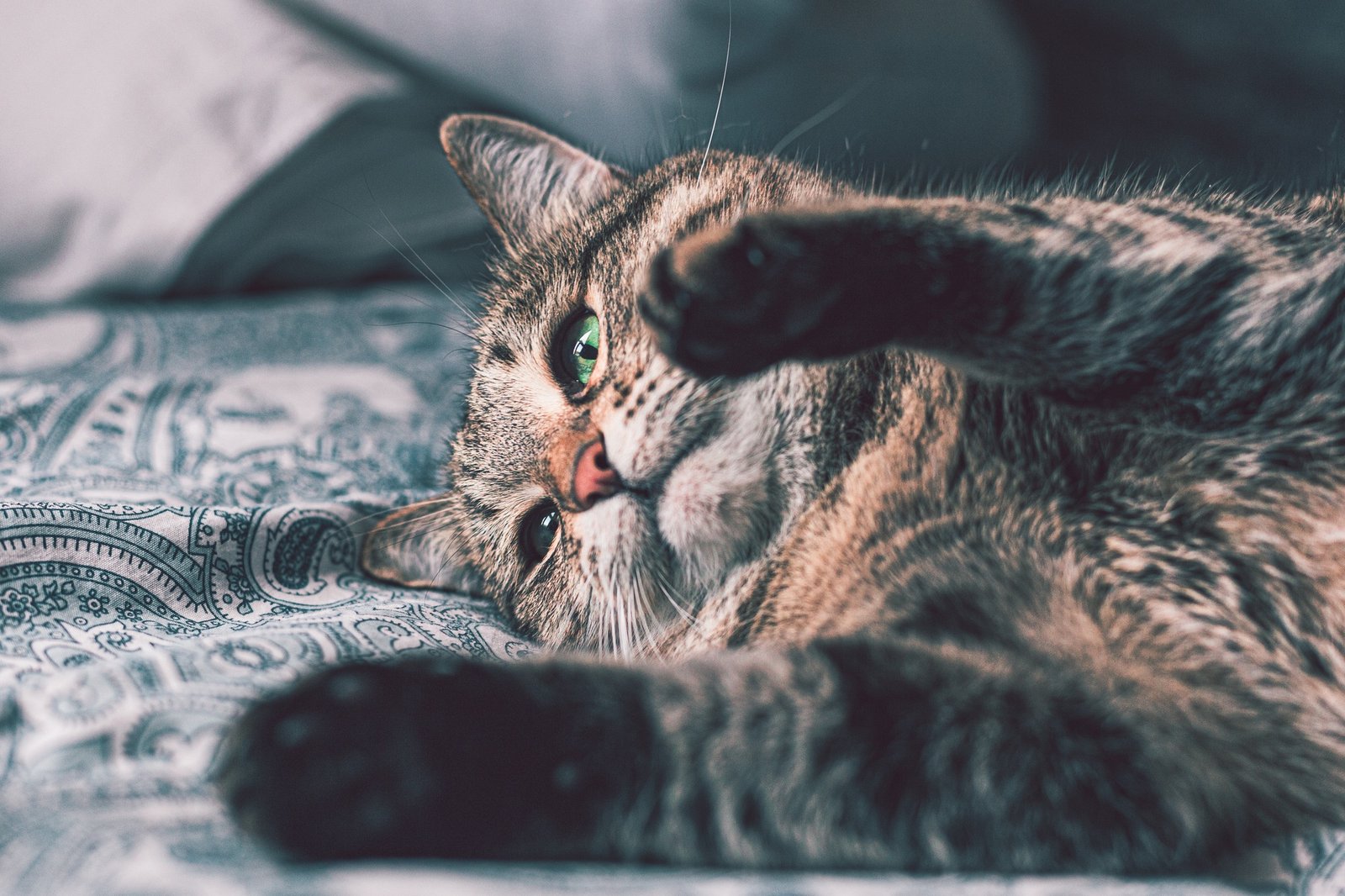
At a glance
- Typical size: muscular build; don’t mistake extra weight for “breed size”
- Coat: thick double coat
- Shedding: Medium–High
- Grooming: regular brushing to reduce shedding/mats
- Energy: Medium–High
- Best for: people who want a smart, playful cat with a “wild” look
Their Unique Charm
Pixie-Bobs have the “mini wildcat” look, but many are sweet, social large domestic cats with a confident, curious personality. They often enjoy interactive play and can be surprisingly trainable.
Because energy tends to run higher, they do best with daily activity: chasing, climbing, puzzle toys, and structured play sessions that burn both brain and body energy.
Coats vary (medium to longer), so grooming frequency depends on your individual cat—plan for a few brush sessions per week to manage shedding and keep the coat tidy.
Is This Your SnuggleSoul?
Best for: families who want a smart, playful companion
Not ideal if: you want a low-energy couch cat or minimal daily interaction
Care & setup checklist:
- Daily enrichment (puzzle feeders, climb/chase play)
- Brush 2–3×/week if medium/long coat
- Provide tall, stable perches + sturdy scratchers
- Keep routines consistent (smart cats get bored fast)
Read more about Pixie-Bob
Ocicat
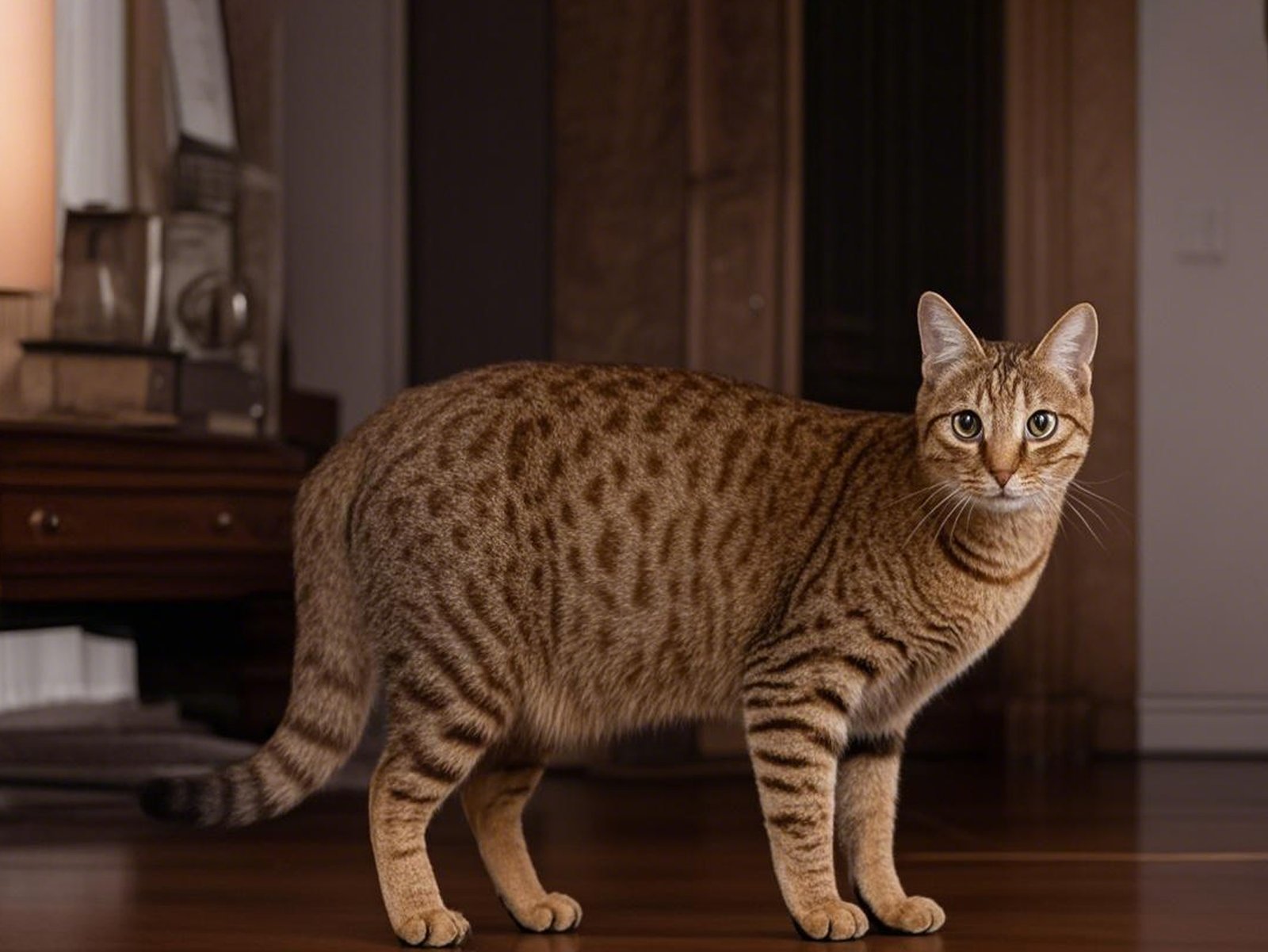
At a glance
- Typical size: medium to large; “surprisingly heavy for size” due to muscle
- Coat: short
- Shedding: Low–Medium
- Grooming: quick weekly brush/wipe-down
- Energy: High (active, curious)
- Best for: busy homes that want a social, athletic cat
Their Unique Charm
Ocicats look exotic, but they’re a domestic big house cat with a confident, social personality. They’re typically active, curious, and happiest when they’re included in daily life—greeting people, playing games, and exploring.
Their short coat is a big advantage if you’re trying to minimize grooming time and shedding. A quick weekly brush is usually enough to keep the coat sleek and reduce loose hair.
Because their energy can be high, they do best with interactive play and vertical space—think climbing, chasing, and mentally engaging toys.
Is This Your SnuggleSoul?
Best for: active families, multi-pet homes, people who want a “participates in everything” cat
Not ideal if: you want a quiet, low-energy breed
Care & setup checklist:
- Daily play (chase + climb) to prevent boredom
- Provide tall perches + puzzle toys
- Weekly brushing (low maintenance coat)
- Build a routine: high-energy cats thrive on predictability
Read more about Ocicat
Our Promise to You: Practical, Evidence-Based Cat Care
At SnuggleSouls, our goal is simple: help you care for your cat with clear, practical guidance you can actually use. We focus on feeding, grooming, enrichment, and behavior—especially for bigger breeds that may need sturdier home setups and smart weight management.
Want to keep learning? Explore our Cat Adoption resources, or browse our Cat Breed Encyclopedia for deeper dives into each breed’s personality and care needs.
Welcome home to a lifetime of snuggles with your perfect big cat companion!
Final thoughts: picking the right gentle giant
At SnuggleSouls, we believe every cat deserves a forever home—and every cat lover deserves the perfect feline companion. Whether you’re drawn to the charm of small cat breeds, the balanced nature of medium cats, or the majestic presence of large cat breeds, we’ve got detailed guides to help you choose wisely.
Prefer grooming to be a breeze? Check out our picks for shorthair cat breeds, hairless cats, and low-shedding breeds. Longing for luxurious coats? Our longhair cat breed guide might just melt your heart.
If you or your family members have allergies, don’t worry—we’ve also curated a trusted list of hypoallergenic cat breeds that might work better for sensitive households.
Explore all our breed guides to find the snuggle soul that’s truly meant for you.
FAQs: Big House Cat Breeds (Size, Shedding, Energy & Grooming)
What is considered a “big house cat”?
A “big house cat” is usually larger than average in weight, length, or muscular build—not just heavier on the scale.
- Many healthy adult cats are often around 8–12 lb, but big breeds can be naturally above that range.
- Focus on body condition (lean muscle vs. excess fat), not weight alone.
- Males are often heavier than females within the same breed.
What is the largest domestic cat breed?
The Maine Coon is widely recognized as one of the largest domestic cat breeds, though individual size varies.
- Other “gentle giant” breeds can also be large (like Ragdoll and Ragamuffin), depending on genetics and sex.
- “Largest” can mean length + height as much as weight.
- Keep growth steady—avoid overfeeding to “make them big.”
Do large cat breeds mature more slowly?
Many large breeds are known for slow maturity, often taking 3–5 years to fully fill out.
- This can mean a longer playful “teen” phase.
- Plan for extended training and enrichment (puzzle feeders, climbing, interactive play).
- Ask your vet about age-appropriate feeding as your cat transitions from kitten to adult.
Do big cats shed more than other cats?
Not always—shedding depends more on coat type and undercoat than body size.
- Double coats and long coats often shed heavily during seasonal changes.
- Short coats can still shed a lot; it’s just less “visible fluff.”
- Brushing consistency matters more than “brush intensity.”
Which big cat breeds are easiest for grooming?
In general, short, dense coats are usually easier than long, fluffy coats.
- British Shorthair and Ocicat (short coat) are often lower maintenance than long-haired breeds.
- Even “easy” coats still benefit from weekly brushing to reduce loose fur.
- If you dislike brushing, choose “low grooming” from your comparison chart first, then decide based on temperament.
Which big cat breeds are calmest or best for lap-cat homes?
If you want a calmer, cuddly giant, many people start with Ragdoll or Ragamuffin.
- “Calm” still needs daily play (short, gentle sessions).
- Choose based on your routine: calm breeds often do best with predictable schedules.
- If weight gain is a concern, plan portion control + low-impact play.
Which big cat breeds have the highest energy?
If you want an athletic cat that loves to climb and play, look at higher-energy breeds like Norwegian Forest Cat, Pixie-Bob, and Ocicat.
- High energy needs vertical space (cat trees, shelves) and interactive play.
- Boredom can look like “mischief”—plan enrichment before problems start.
- A tired cat is often a happier cat (and easier to live with).
How much grooming time should I plan per week?
For many big cats, grooming time is mostly about coat length and thickness.
- Short coats: often 5–10 minutes weekly.
- Long or double coats: often 10–15 minutes, 2–4x/week (more during heavy sheds).
- If mats happen often, increase frequency instead of brushing harder.
How big should a litter box be for a large cat?
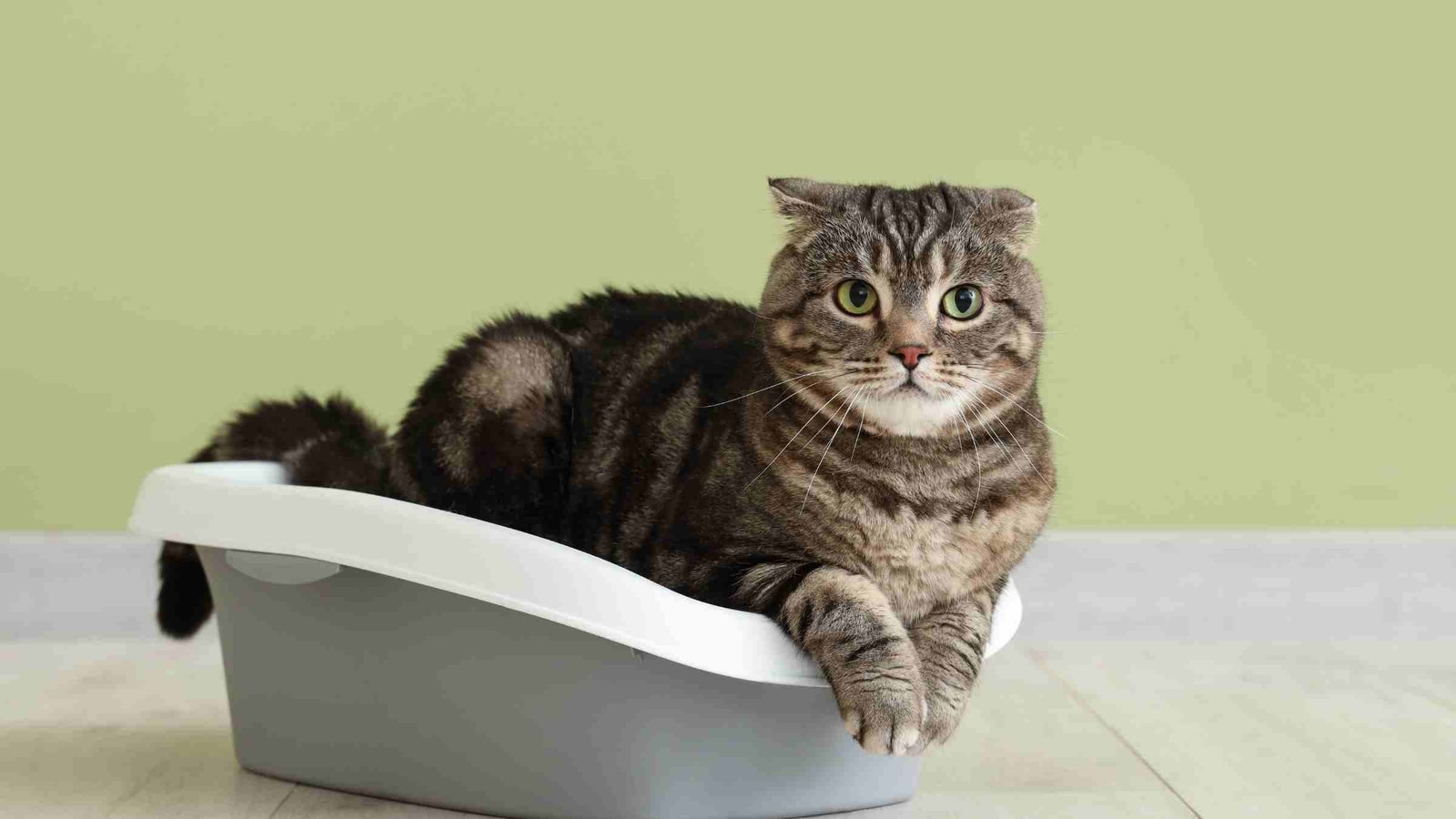
A common vet guideline is choosing a box about 1.5× your cat’s body length (nose to base of tail) so they can turn and dig comfortably.
- Bigger boxes reduce “touching the sides,” which many cats dislike.
- Storage totes can work well when commercial boxes are too small (smooth edges + easy cleaning).
- If your cat avoids the box, size and access are easy first fixes.
How many litter boxes do I need?
A widely used rule of thumb is one box per cat, plus one extra (N+1).
- Spread boxes across different locations, especially in multi-cat homes.
- More boxes can reduce conflicts and “guarding.”
- If space is tight, prioritize accessibility and cleanliness.
Are any big cat breeds truly hypoallergenic?
No cat is truly hypoallergenic—cats produce allergens to some degree.
- Some people report fewer symptoms with certain breeds, but it varies by person.
- If allergies are a concern, test exposure before committing and talk to your clinician.
- Managing allergens often involves cleaning routines + air filtration + grooming habits.
Do big cats need special food?
Most big cats don’t need “special” food—they need a diet that’s complete and balanced for their life stage and kept in appropriate portions.
- Look for a label nutritional adequacy statement (many regions reference AAFCO profiles or feeding trials).
- Avoid “feeding for size”—feed for healthy body condition.
- For personalized calorie needs or weight changes, your vet is the best guide.
Sources we use: breed association profiles, veterinary guidance on enrichment/weight management, and peer-reviewed or vet-reviewed references when available.


 EN
EN DE
DE ES
ES PT
PT