
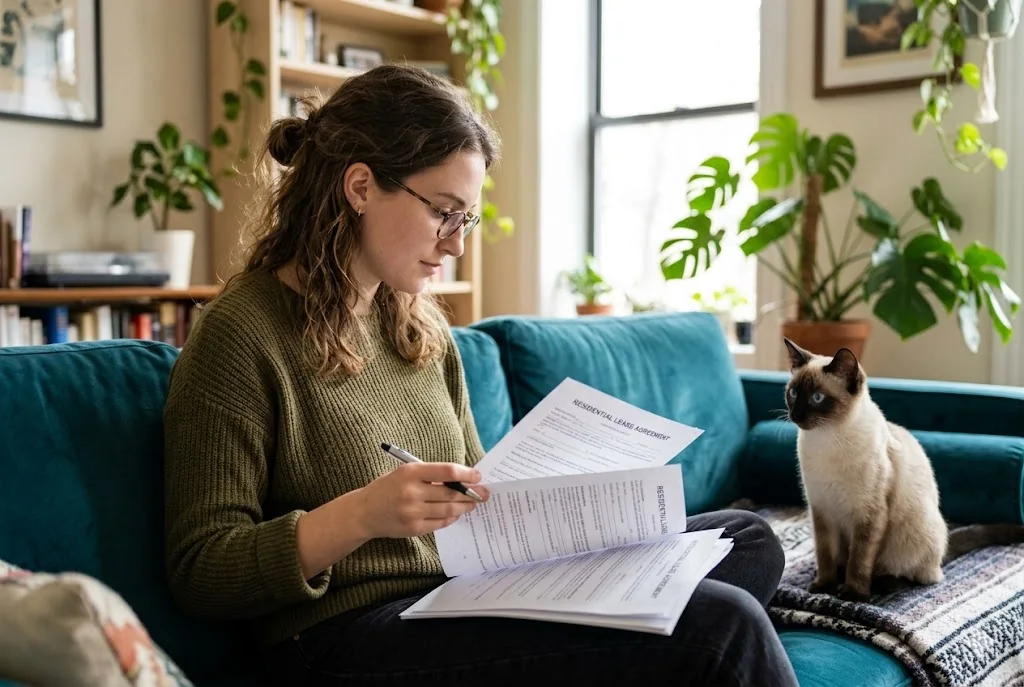
You want to adopting a cat in an apartment?
If you live in an apartment and are considering bringing a feline friend into your life, you are likely asking yourself a few critical questions: “Is my apartment big enough?” “Will my landlord allow it?” and “Can a cat truly be happy in a small space?” The short answer to all of these questions is a resounding yes. Cats are incredibly adaptable creatures, and with the right preparation, they make exceptional apartment companions.
However, adopting a cat as a renter involves unique challenges that homeowners do not face. From navigating strict pet policies and negotiating pet deposits to maximizing vertical space and preventing property damage, renters must take a strategic approach to pet ownership. This comprehensive guide will walk you through everything you need to know to successfully adopt and raise a happy, healthy cat in your apartment.
Table of Contents
Navigating Landlord Pet Policies and Leases
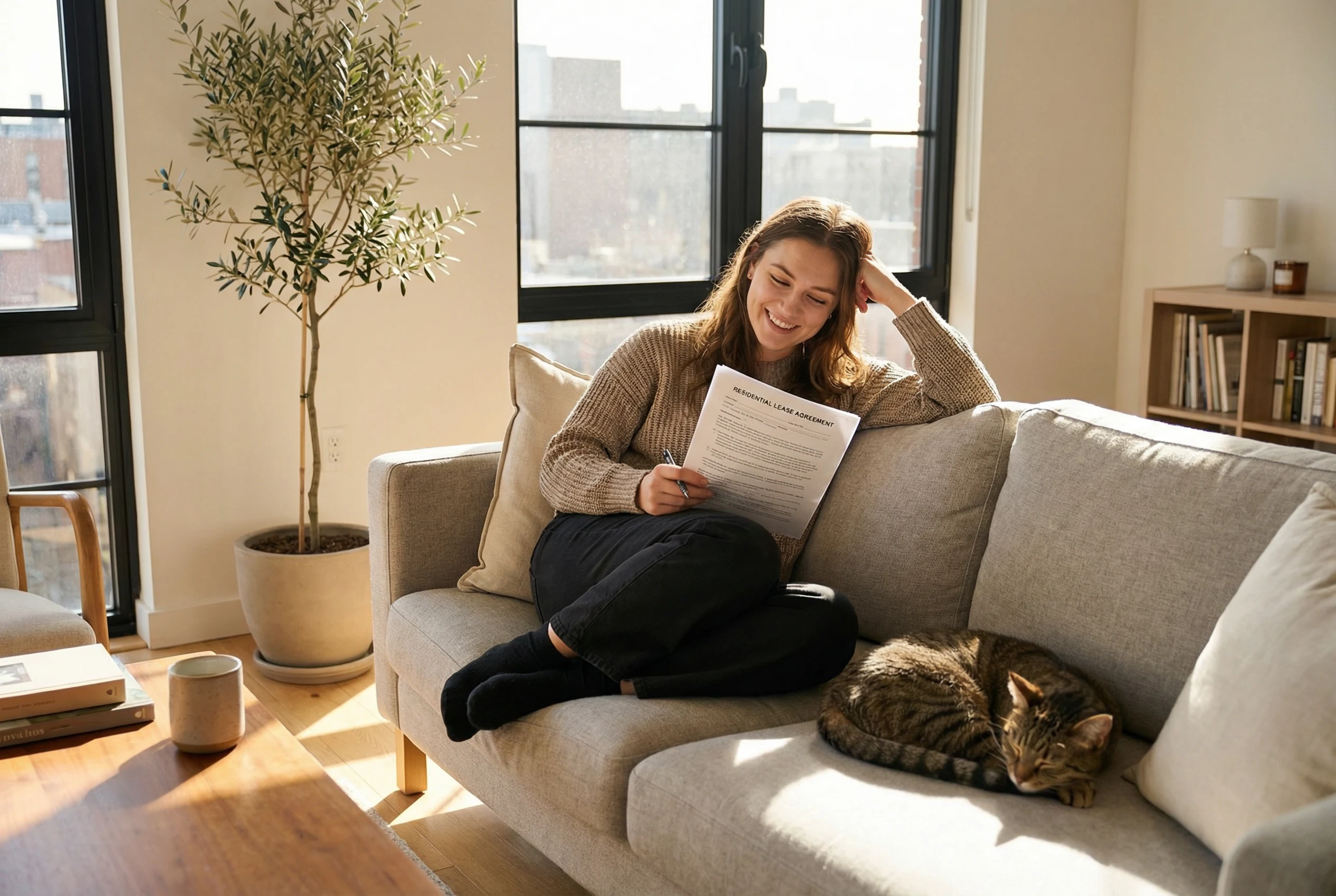
Before you even begin looking at adoptable cats, your first step must be a thorough review of your current lease agreement. Bringing a pet into a rental property without explicit permission is a violation of your contract and can lead to eviction or the heartbreaking reality of having to surrender your new pet.
Understanding Your Lease
Check your lease for a specific “Pet Policy” or “Animal Clause.” You are looking for clear language indicating whether pets are permitted, what types of pets are allowed, and if there are any breed or weight restrictions. Even if a building advertises itself as “pet-friendly,” they may only allow cats, or conversely, they may only allow small dogs.
If your lease explicitly states “No Pets,” do not assume this is a permanent roadblock. Many independent landlords use standard boilerplate leases and may be open to making an exception for a responsible tenant who approaches them professionally.
The Financial Reality: Pet Rent and Deposits
If your apartment allows pets, you must budget for the associated renter fees. These costs are entirely separate from the standard costs of adopting a cat. Landlords typically charge for pets in three ways:
- Pet Deposit: A one-time, refundable fee (usually between $200 and $500) held to cover any potential damage caused by the animal.
- Non-Refundable Pet Fee: A one-time, upfront charge simply for the privilege of having a pet on the property.
- Pet Rent: A recurring monthly charge added to your base rent, typically ranging from $25 to $75 per month.

When budgeting for your new companion, factor these recurring fees into your calculations. For a deeper understanding of the overall financial commitment of cat ownership, review our comprehensive breakdown on how much it costs to adopt a cat.
The Landlord Negotiation Playbook
If your landlord is hesitant about allowing a cat, or if you want to negotiate the pet fees, your approach matters immensely. Landlords restrict pets because they fear property damage, noise complaints, and lingering odors. Your goal is to prove that you are a responsible owner who will mitigate all of these risks.
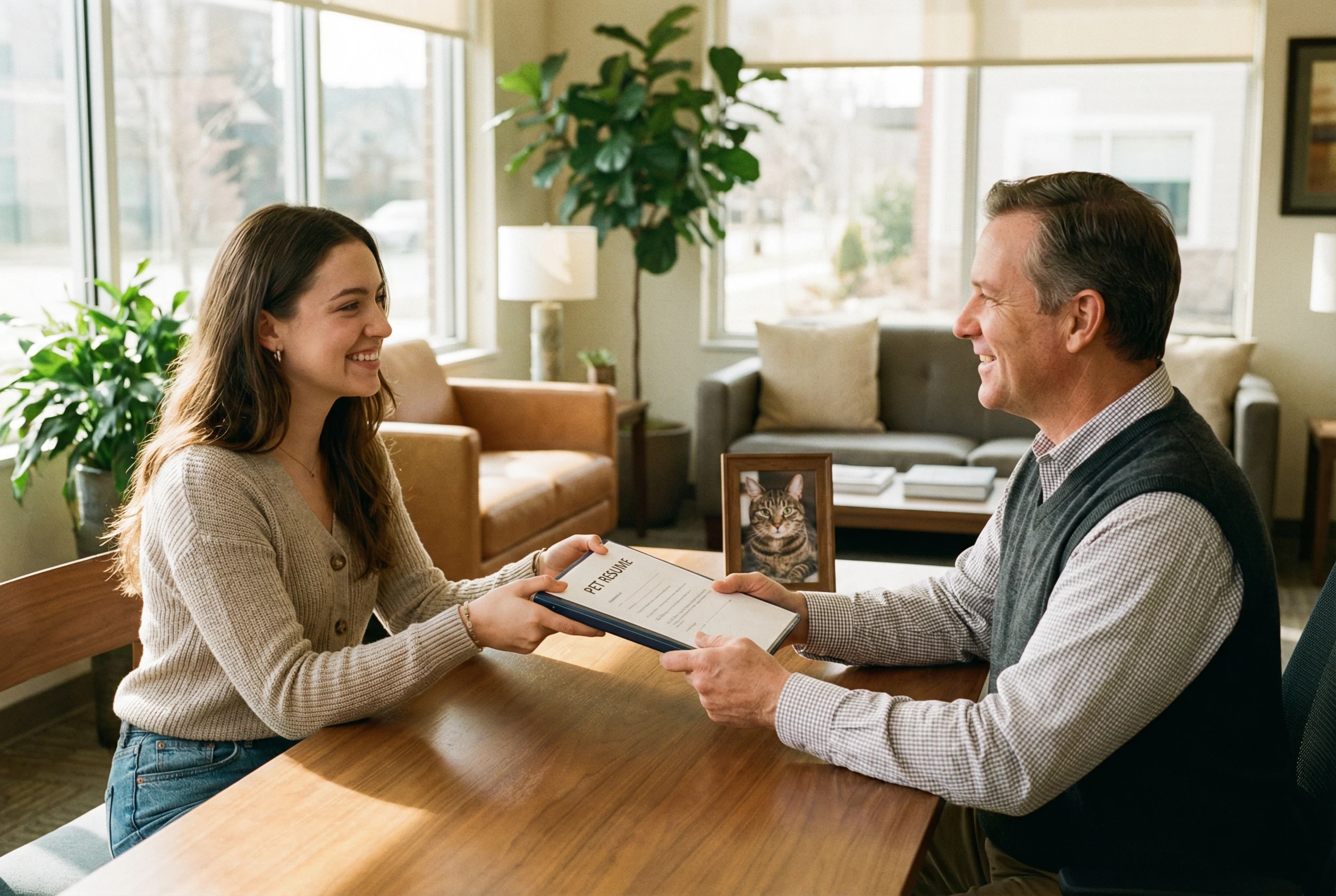
Create a “Pet Resume”
When you find a cat you want to adopt, create a professional “Pet Resume” to present to your landlord. This document should include:
- A clear, adorable photo of the cat.
- The cat’s age, breed, and weight.
- Proof of spay/neuter status (altered cats are significantly less likely to spray or vocalize).
- A letter of reference from a previous landlord (if you have rented with a pet before).
- A brief statement outlining your care routine, including how you plan to manage the litter box and prevent scratching damage.
Getting It in Writing
If your landlord agrees to let you adopt a cat, you must get this permission in writing before bringing the animal home. Ask for a “Pet Addendum” to be added to your lease. This addendum should clearly state that you are allowed to have one cat, outline any agreed-upon fees, and protect you from future disputes. Never rely on a verbal agreement.
The Best Cat Breeds for Apartment Living
While almost any cat can adapt to an apartment, certain breeds and temperaments are naturally better suited for smaller, shared living spaces. When adopting, you want to look for cats that are low-to-medium energy, adaptable, and relatively quiet. Understanding these nuances before visiting a shelter is crucial. For a broader look at how different feline temperaments match various human lifestyles, you can review our comprehensive cat personality guide.
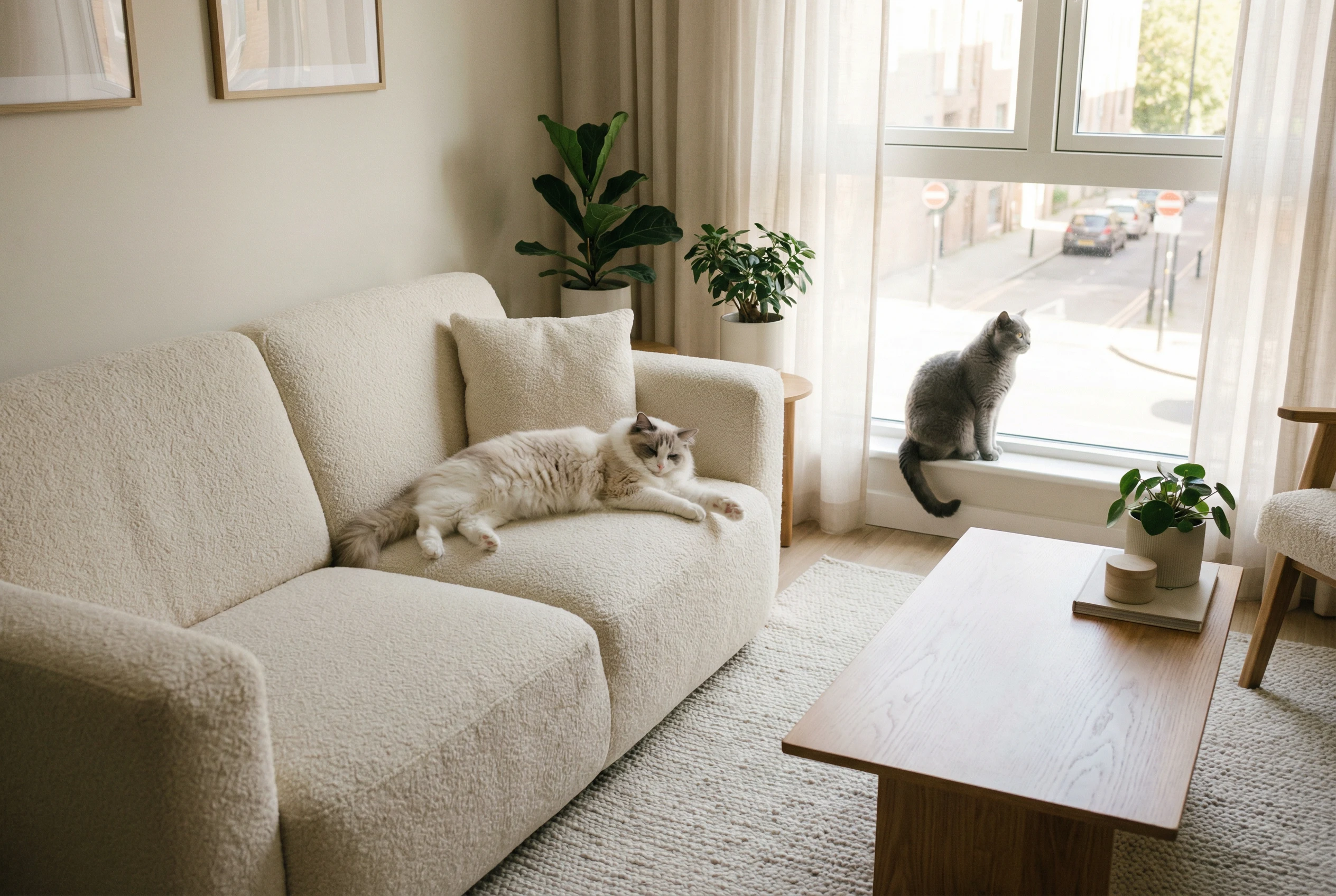
If you are looking for specific traits, consider these excellent apartment breeds:
| Cat Breed | Apartment-Friendly Traits |
|---|---|
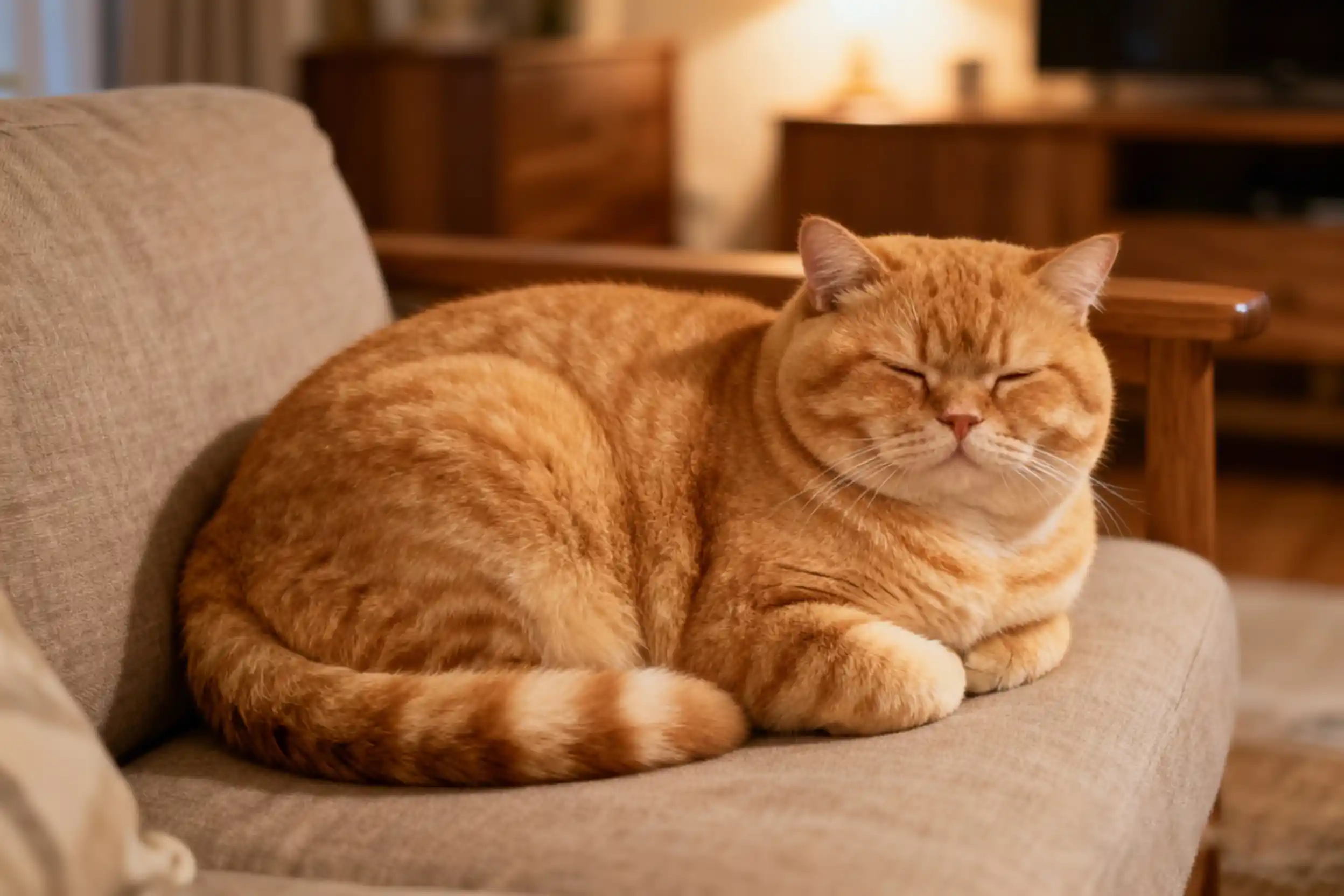
| British Shorthair | Highly independent, calm, and quiet. They are perfectly content lounging while you are at work and rarely demand constant attention. |
| Ragdoll | Known as “floor cats” rather than jumpers. They are incredibly docile, affectionate, and have very low prey drive, making them ideal for small spaces. |
| Russian Blue | Reserved, quiet, and deeply loyal to their owners. They are not prone to excessive vocalization, which keeps neighbors happy. |
| Scottish Fold | Sweet-tempered and highly adaptable. They enjoy moderate play but are generally low-energy companions. |
If you are adopting from a shelter, focus less on breed and more on age and personality. Adult cats (over the age of three) are generally much better suited for apartments than high-energy kittens. Kittens require massive amounts of space to run, climb, and burn off energy, and their destructive phase can easily jeopardize your security deposit. If you are unsure which age group fits your lifestyle, read our guide on choosing between a kitten vs. adult cat.
Maximizing Small Spaces: Vertical Enrichment
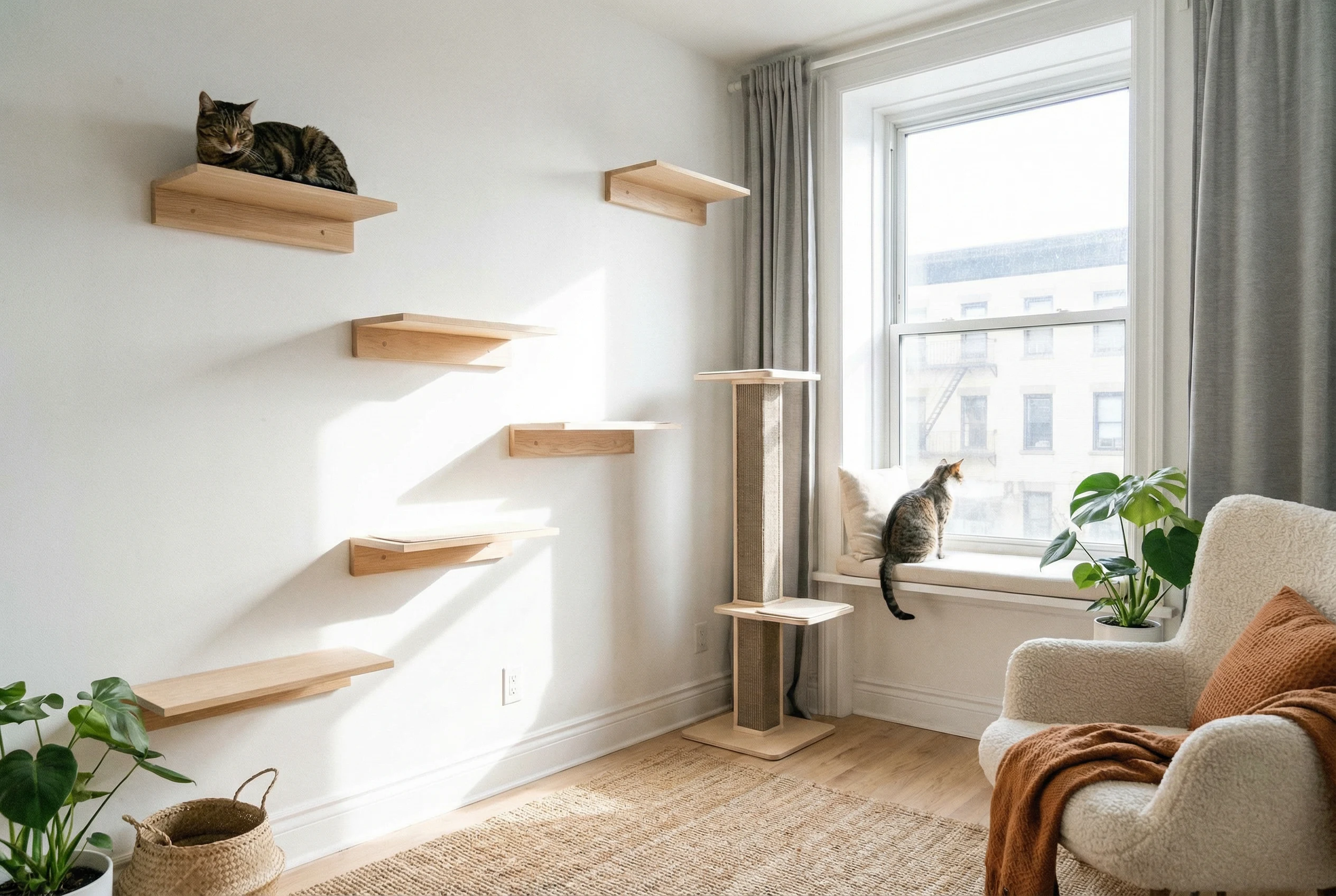
The most common concern renters have is whether their apartment is physically large enough for a cat. In the feline world, square footage matters far less than vertical space. Cats view their territory in three dimensions. By expanding upward, you can turn a tiny studio apartment into a feline paradise.
Renter-Friendly Vertical Solutions
Since most renters cannot drill heavy anchors into their walls without losing their deposit, you must be creative with your vertical enrichment:
- Tension-Mounted Cat Trees: These floor-to-ceiling poles use tension rather than screws to stay upright, providing massive climbing space with zero wall damage.
- Window Perches: Suction-cup window hammocks offer your cat a front-row seat to “Cat TV” (birds and street activity) without taking up any floor space.
- Over-the-Door Climbers: Hanging climbing mats that strap over standard interior doors allow your cat to scale upward safely.
- Strategic Furniture Placement: Arrange your existing furniture—such as a sofa next to a bookshelf—to create a natural staircase for your cat to reach higher vantage points.
Providing adequate enrichment is crucial for preventing behavioral issues. Before bringing your new cat home, ensure you have all the necessary environmental supplies by checking our complete new cat supplies checklist.
Protecting Your Security Deposit
Cats have natural instincts to scratch, dig, and eliminate. If these instincts are not properly directed, your apartment will suffer the consequences. Protecting your security deposit requires proactive management.
Preventing Scratch Damage
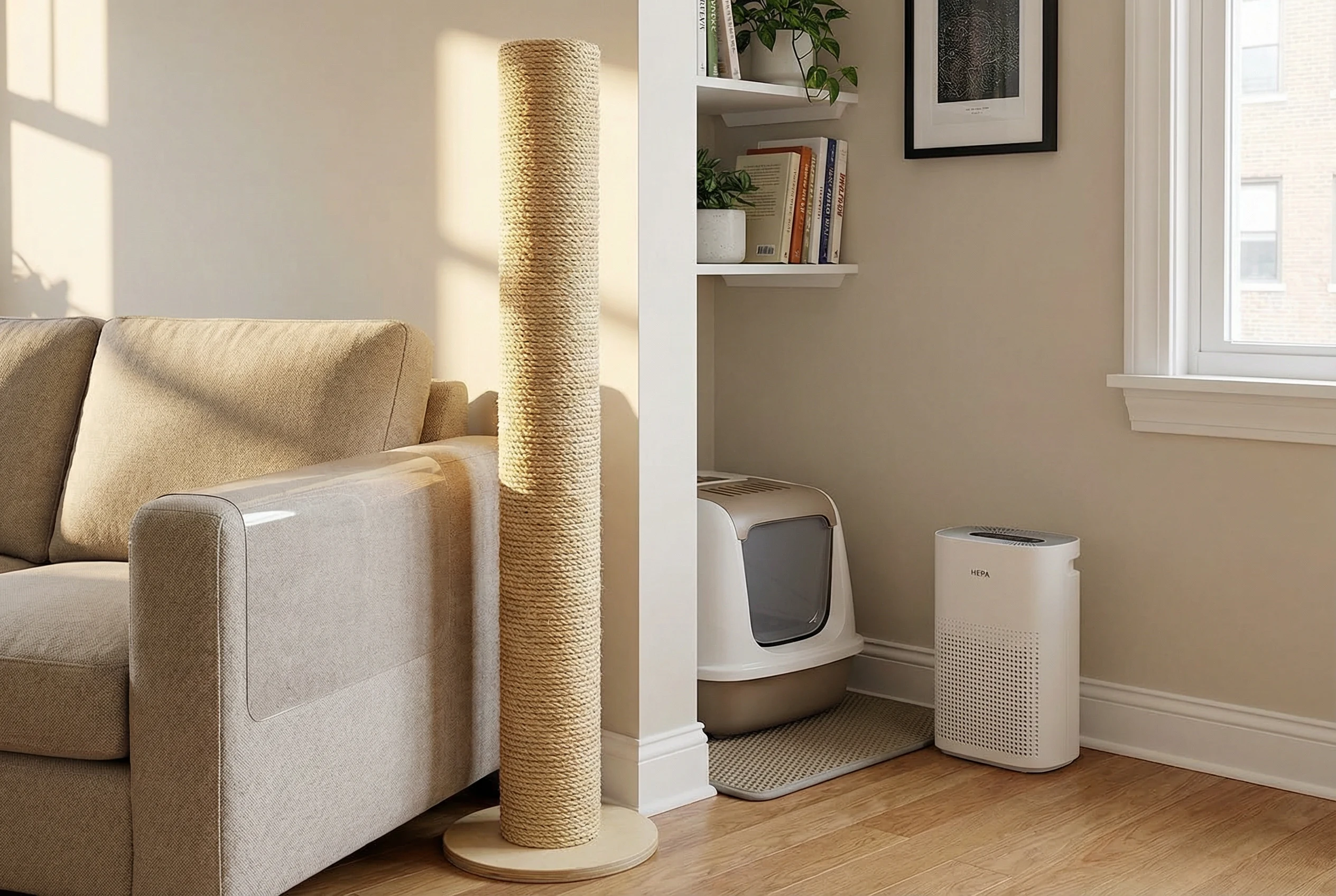
Cats scratch to shed their claw sheaths, stretch their muscles, and mark their territory. If you do not provide an attractive scratching surface, they will use your doorframes, carpets, or the landlord’s provided blinds.
- Place tall, sturdy sisal scratching posts near the areas your cat naturally wants to scratch (often near where they sleep or by the front door).
- Use double-sided sticky tape or clear plastic furniture protectors on the corners of walls and doorframes to deter inappropriate scratching.
- Keep your cat’s claws trimmed regularly.
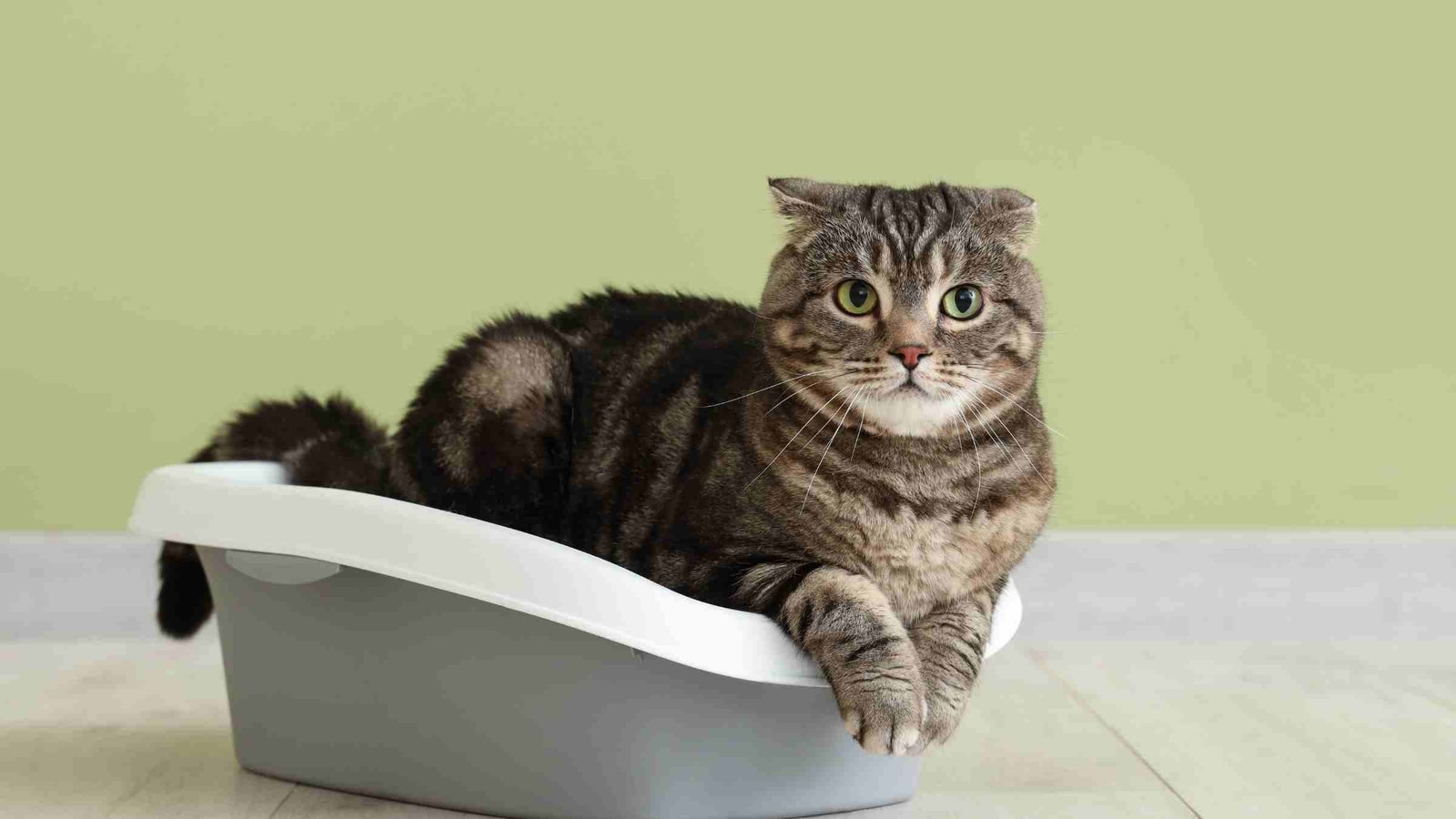
Litter Box Management and Odor Control
In a small apartment, litter box odor is a primary concern. The golden rule of litter boxes is “one box per cat, plus one.” In a small apartment, finding space for two boxes can be challenging, but it is necessary to prevent inappropriate elimination.
- Place the litter box in a quiet, low-traffic area, such as a bathroom corner or a dedicated closet.
- Scoop the box at least once, preferably twice, a day.
- Invest in a high-quality HEPA air purifier and place it near the litter box to eliminate dust and neutralize odors before they seep into the apartment hallways.
For a deeper dive into making your rental safe and secure, review our guide on cat-proofing your home.
Managing Noise and Neighbors
Apartment living means shared walls, floors, and ceilings. While cats are generally quieter than dogs, they can still generate noise that might irritate your downstairs neighbors. The “midnight zoomies”—where a cat suddenly sprints across the apartment at 2:00 AM—can sound like a small horse to the person living beneath you.
To mitigate noise complaints:
- Place area rugs: Put thick rugs or carpet runners in long hallways or areas where your cat likes to run. This absorbs the impact of their paws.
- Manage playtime: Engage your cat in vigorous, interactive play with a wand toy for 15–20 minutes right before your bedtime. Follow this play session with a meal. This mimics their natural “hunt, catch, kill, eat, sleep” cycle and encourages them to sleep through the night.
- Avoid vocal reinforcement: If your cat meows loudly at the bedroom door at 5:00 AM for food, do not feed them or yell at them. Any response reinforces the vocalization. Instead, invest in an automatic feeder set for early morning to direct their attention away from you.
Navigating the Adoption Process as a Renter
Before you can move in, you must actually secure your new pet. Shelters and rescues have specific protocols for renters to ensure the adoption is legally sound and permanent. They will almost always ask for your landlord’s contact information or require you to bring a physical copy of your lease showing the pet addendum.
If you are unsure how to navigate these shelter interviews or what paperwork you need to prepare, our cat adoption application guide provides a step-by-step walkthrough of the entire approval process. Once approved, you can begin planning the physical move.
The Move-In Process: Documenting Everything
When you finally secure a pet-friendly apartment and are ready to move in with your cat, your first action upon receiving the keys must be documentation.
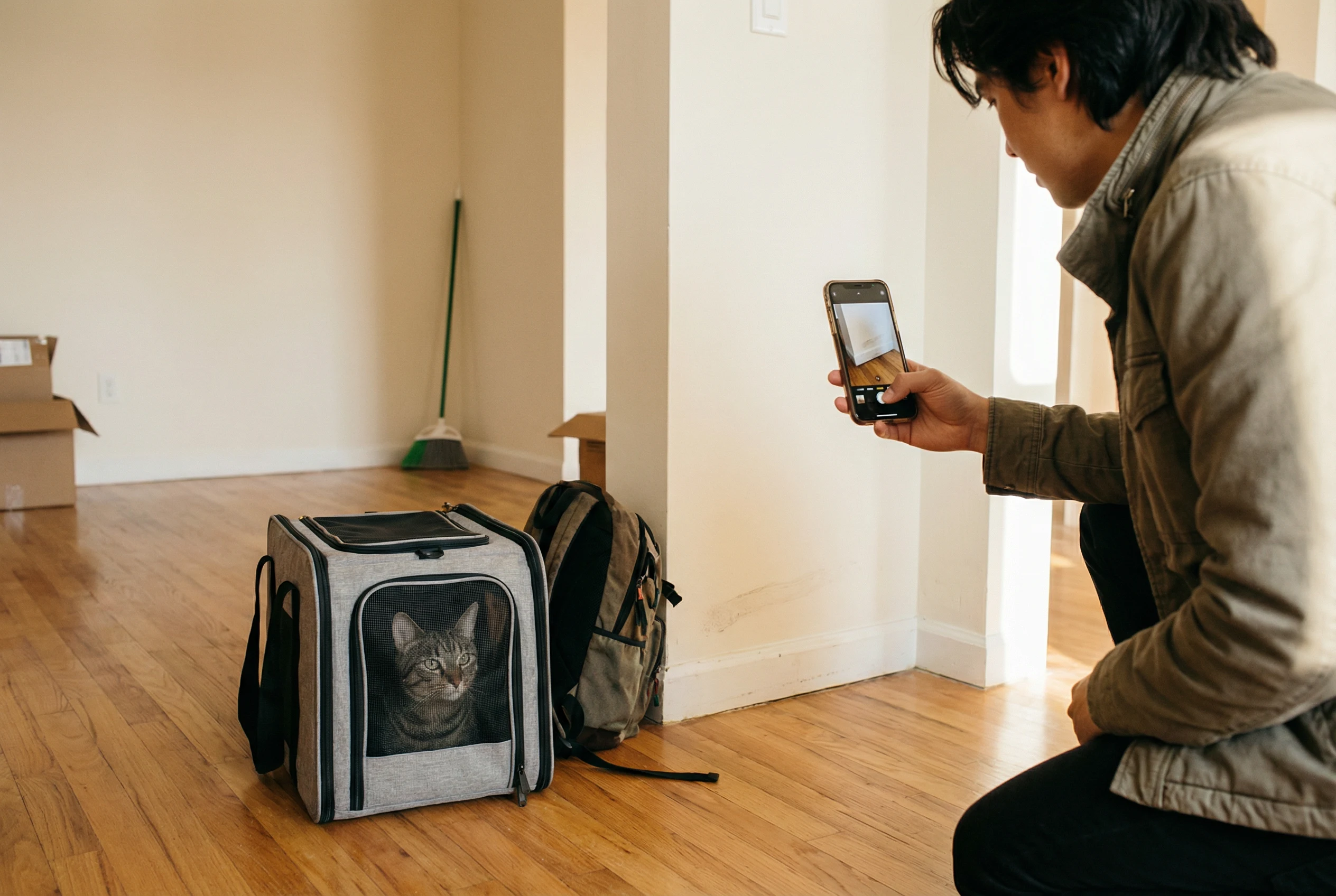
Before you let your cat out of their carrier, walk through the empty apartment and take clear, well-lit photos and videos of every room. Pay special attention to:
- Existing scratches on doors or baseboards.
- Stains or snags in the carpeting.
- The condition of the window blinds.
Email these photos to your landlord immediately with a timestamp. This establishes a baseline condition of the apartment, ensuring you cannot be blamed (or charged) for damage your cat did not cause when it is time to move out.
If you are moving into an apartment that has been previously occupied by other pets, it is also highly recommended to hire a professional cleaner before you arrive. Lingering pet odors from previous tenants can cause a new cat to feel territorially threatened, leading to immediate marking or litter box avoidance.
The Full Adoption Journey
Successfully moving into an apartment is just one phase of the larger adoption journey. From the initial decision to the final vet visit, the process requires careful planning. If you want a high-level overview of the entire timeline from start to finish, bookmark our ultimate resource: how to adopt a cat: the complete step-by-step guide.
Once the documentation is complete, you can begin the delicate process of introducing your cat to their new home. Moving is highly stressful for felines. Start by confining them to a single “safe room” (like a bathroom or bedroom) with their litter box, food, and water. Let them decompress for a few days before allowing them to explore the rest of the apartment. For a step-by-step timeline of this adjustment period, follow our guide on the first 30 days with your new cat.
Dealing with Common Apartment Hazards
Apartment living introduces specific hazards that homeowners may not encounter. Being aware of these risks allows you to proactively protect your cat.
Shared HVAC Systems and Air Quality
In many large apartment complexes, the HVAC system is shared among multiple units. This means that strong chemical odors, smoke, or even pest control treatments from a neighboring unit can filter into your apartment. Cats have highly sensitive respiratory systems and are susceptible to feline asthma. Utilizing a HEPA air purifier not only controls litter box odor but also protects your cat’s lungs from shared building pollutants.
Pest Control Protocols
Apartment management companies frequently schedule routine pest control spraying for the entire building. The chemicals used to kill roaches, ants, and spiders are often highly toxic to cats. As a renter, you must communicate with your property manager to find out exactly when spraying will occur and what chemicals are being used. You may need to remove your cat from the apartment for several hours or request that the exterminator use pet-safe, non-toxic alternatives in your specific unit.
Escape Risks in Shared Hallways
Unlike a house where a door opens to a private yard, an apartment door often opens into a busy, shared hallway. A startled or curious cat can easily dart out the door while you are bringing in groceries. Once in the hallway, they can become disoriented, hide in stairwells, or accidentally slip out of the building when another tenant opens the main door. Always ensure your cat is microchipped with your current apartment number, and consider placing a baby gate or a decorative folding screen just inside your front entryway to create a physical barrier when opening the door.
Frequently Asked Questions for Renters
Can my landlord legally deny my Emotional Support Animal (ESA)?
Under the Fair Housing Act, landlords are generally required to provide “reasonable accommodation” for legitimate Emotional Support Animals, even in buildings with a “no pets” policy. Furthermore, landlords cannot legally charge pet rent or pet deposits for an ESA. However, you must have a valid prescription letter from a licensed mental health professional who is actively treating you.
Is a balcony safe for an apartment cat?
Balconies can be incredibly dangerous for cats. Felines lack the ability to judge high-rise distances accurately and can easily fall while chasing a bird or bug—a phenomenon known as “High-Rise Syndrome.” If you want to allow your cat on the balcony, you must fully enclose it with specialized, bite-proof cat netting or keep them on a secure harness and leash while supervised.
Should I get renter’s insurance if I have a cat?
Yes. Renter’s insurance is highly recommended and often required by landlords. While cats rarely cause the type of liability issues that dogs might (such as severe bite injuries), a comprehensive renter’s insurance policy can protect you if your cat causes significant accidental damage to the property, such as knocking over a heavy object that breaks a window.
What if I work long hours away from my apartment?
Cats are well-suited for professionals who work standard hours, provided their environment is enriching. However, if you are consistently gone for 10–12 hours a day, a single cat may become lonely or destructive. In these cases, adopting a bonded pair of adult cats is often the best solution, as they keep each other company. You can learn more about this option in our guide to adopting a bonded pair of cats.
How soon should I take my newly adopted apartment cat to the vet?
You should schedule a veterinary wellness exam within the first 7 to 10 days of bringing your cat home, regardless of whether you live in an apartment or a house. This ensures they are healthy, parasite-free, and up-to-date on vaccinations. Read our guide on your new cat’s first vet visit so you know exactly what to expect.
References
Adopt a Pet. (n.d.). Renter’s Guide to Cat Adoption. https://www.adoptapet.com/blog/adoption/cats-for-apartments-renters
American Society for the Prevention of Cruelty to Animals (ASPCA). (n.d.). Tips for Landlords Considering Pets. https://www.aspca.org/improving-laws-animals/public-policy/housing/tips-landlords-considering-pets
U.S. Department of Housing and Urban Development. (n.d.). Assistance Animals. https://www.hud.gov/program_offices/fair_housing_equal_opp/assistance_animals
The Spruce Pets. (2025). Calmest Cat Breeds for Laid-Back People. https://www.thesprucepets.com/calmest-cat-breeds-7483590
Catastrophic Creations. (n.d.). The Importance of Vertical Space for Cats. https://www.catastrophicreations.com/blogs/articles/vertical-space-for-cats


 EN
EN DE
DE ES
ES PT
PT