
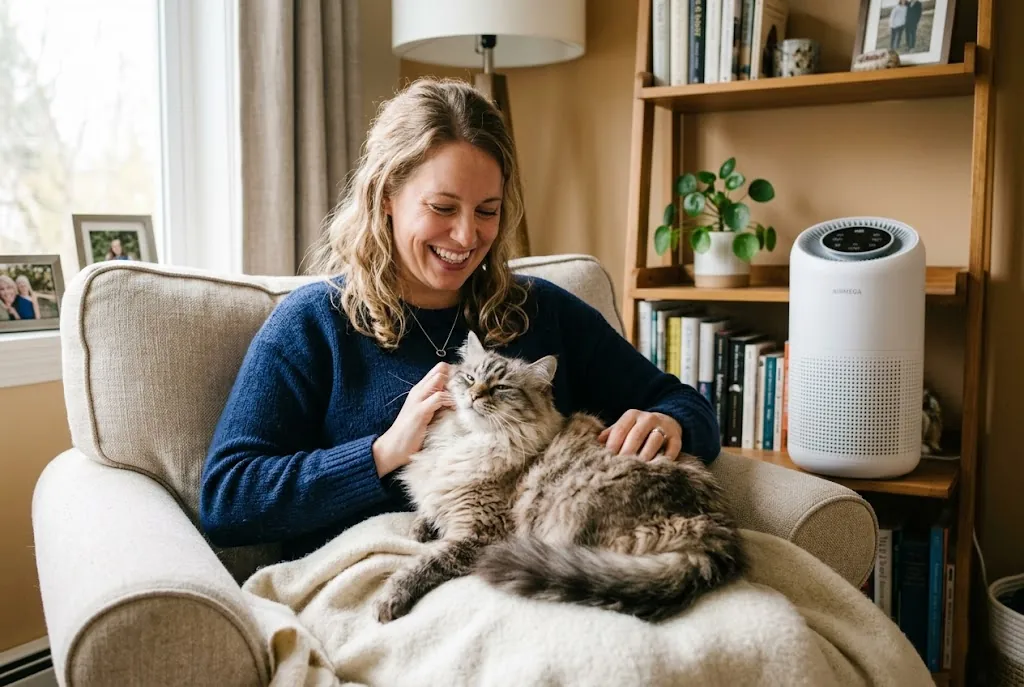
If you have ever felt a profound sense of longing while watching cat videos, only to be snapped back to reality by an itchy nose and watery eyes, you are not alone. Cat allergies affect ten to twenty percent of the global population, making it one of the most common barriers to pet adoption.
Yet, despite these statistics, millions of allergy sufferers successfully share their homes with feline companions. The desire to nurture and bond with a cat often outweighs the inconvenience of sneezing, provided you approach adoption with realistic expectations and a science-backed management strategy.
Adopting a cat when you have allergies is entirely possible, but it requires far more preparation than a standard adoption. It is not simply a matter of picking a cat that looks cute; it is about understanding the biological mechanics of your allergy, carefully selecting a low-allergen breed, and transforming your home environment to mitigate triggers.
This comprehensive guide will walk you through the reality of the “hypoallergenic” myth, the science of the Fel d 1 protein, how to safely test your reaction before committing, and the daily management strategies that actually work.
Table of Contents
The Science of Cat Allergies: Understanding Fel d 1
To effectively manage a cat allergy, you must first understand what you are actually allergic to. A common misconception is that cat hair or fur is the culprit. In reality, the fur itself is harmless. The true trigger is a microscopic glycoprotein known as Fel d 1.
All cats produce the Fel d 1 protein, primarily in their saliva, sebaceous glands (skin), and urine. When a cat grooms itself, it spreads this protein-rich saliva all over its coat. As the saliva dries, the protein flakes off into tiny, lightweight particles known as dander. Because Fel d 1 particles are incredibly small—much smaller than dust or pollen—they can remain suspended in the air for hours and easily stick to furniture, clothing, and walls.
When you inhale these airborne particles or touch a surface coated in them and then touch your face, your immune system mistakenly identifies the protein as a dangerous invader. This triggers the release of histamine, leading to the classic symptoms of sneezing, nasal congestion, itchy eyes, and even asthma attacks.
Understanding this mechanism is crucial because it dictates how you must approach cat ownership. You cannot simply shave a cat or find a completely bald breed to solve the problem, because the allergen originates in the saliva and skin, not the hair. However, you can significantly reduce your exposure by selecting a cat that naturally produces less of this specific protein.
The Myth of the 100% Hypoallergenic Cat
Before you begin your search, it is vital to dispel a pervasive myth: there is no such thing as a completely hypoallergenic cat. All cats, regardless of breed, hair length, or genetic background, produce some level of the Fel d 1 protein.
However, there are certain breeds that are considered “low-allergen.” These cats either produce significantly lower baseline levels of the Fel d 1 protein or possess coat characteristics that prevent the dander from spreading as easily around your home.
For individuals with mild to moderate allergies, choosing one of these breeds can mean the difference between a comfortable cohabitation and a miserable experience. If you are still determining if your lifestyle can accommodate the extra effort required, taking an honest look at whether you are ready to adopt a cat is a necessary first step.
It is also worth noting that individual cats within the same breed can produce varying levels of allergens. Furthermore, unneutered male cats typically produce the highest levels of Fel d 1, while neutered males and female cats generally produce lower amounts. When considering kitten versus adult cat adoption, keep in mind that kittens may not produce their full adult level of allergens until they mature, meaning an allergic reaction might suddenly worsen when the cat reaches six to twelve months of age.
Top Low-Allergen Cat Breeds Ranked
If you are committed to adopting, focusing your search on breeds known for lower allergen production is your best starting point. Below is a detailed comparison of the most popular low-allergen breeds and why they are better suited for allergy sufferers.
| Cat Breed | Coat Type | Why They Are Allergy-Friendly | Personality Profile |
|---|---|---|---|
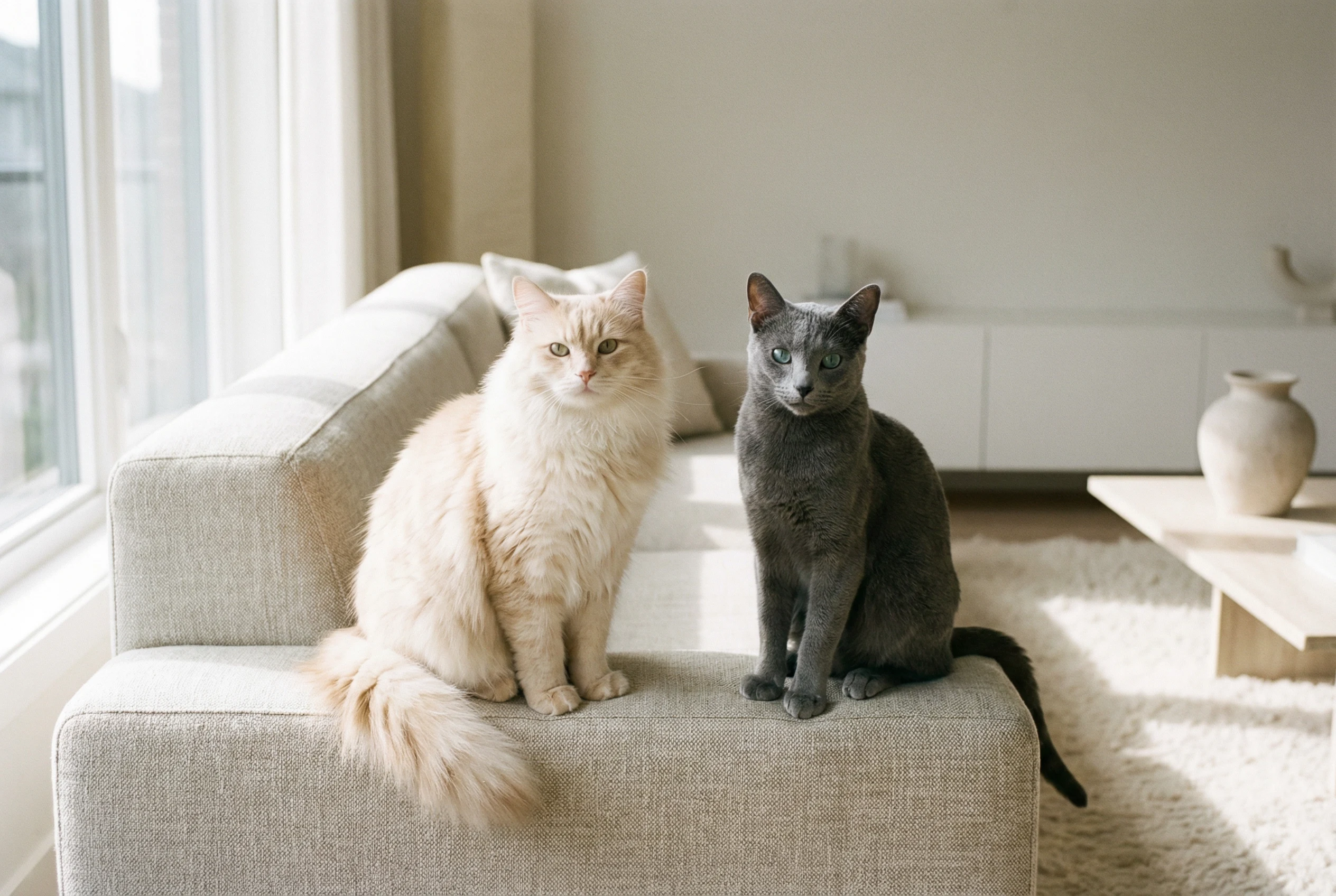
| Siberian | Long, thick triple coat | Genetically proven to produce significantly lower levels of the Fel d 1 protein in their saliva than average cats. | Affectionate, playful, and deeply loyal. |
| Balinese | Long, silky single coat | Often referred to as a long-haired Siamese, they produce less of the Fel d 1 protein. | Highly intelligent, vocal, and social. |
| Russian Blue | Short, dense double coat | Produces lower levels of Fel d 1. Their dense coat also traps dander close to the skin, preventing it from going airborne. | Quiet, gentle, and slightly reserved with strangers. |
| Sphynx | Hairless (or fine peach fuzz) | They do not have fur to trap saliva during grooming. However, they still produce dander and require frequent bathing. | Energetic, extroverted, and highly affectionate. |
| Devon Rex | Short, curly, sparse coat | They shed very little, meaning less dander is distributed around the home. | Mischievous, playful, and deeply attached to owners. |
| Cornish Rex | Extremely fine, curly undercoat | Similar to the Devon Rex, their lack of topcoat means minimal shedding and dander spread. | Active, acrobatic, and highly social. |
| Siamese | Short, fine coat | Produces lower levels of Fel d 1 and sheds less than standard domestic shorthairs. | Extremely vocal, demanding of attention, and clever. |
While breed plays a significant role, a cat’s temperament is equally important. Managing allergies requires patience, and you want to ensure the cat you choose fits your household dynamic. Reviewing a cat personality guide can help you match a low-allergen breed with your specific lifestyle needs.
The Unique Care Requirements of Hairless Breeds
Many allergy sufferers gravitate immediately toward the Sphynx, assuming that a lack of hair equals a lack of allergies. While the Sphynx is an excellent choice for many, it is crucial to understand that they require a unique and intensive grooming routine.
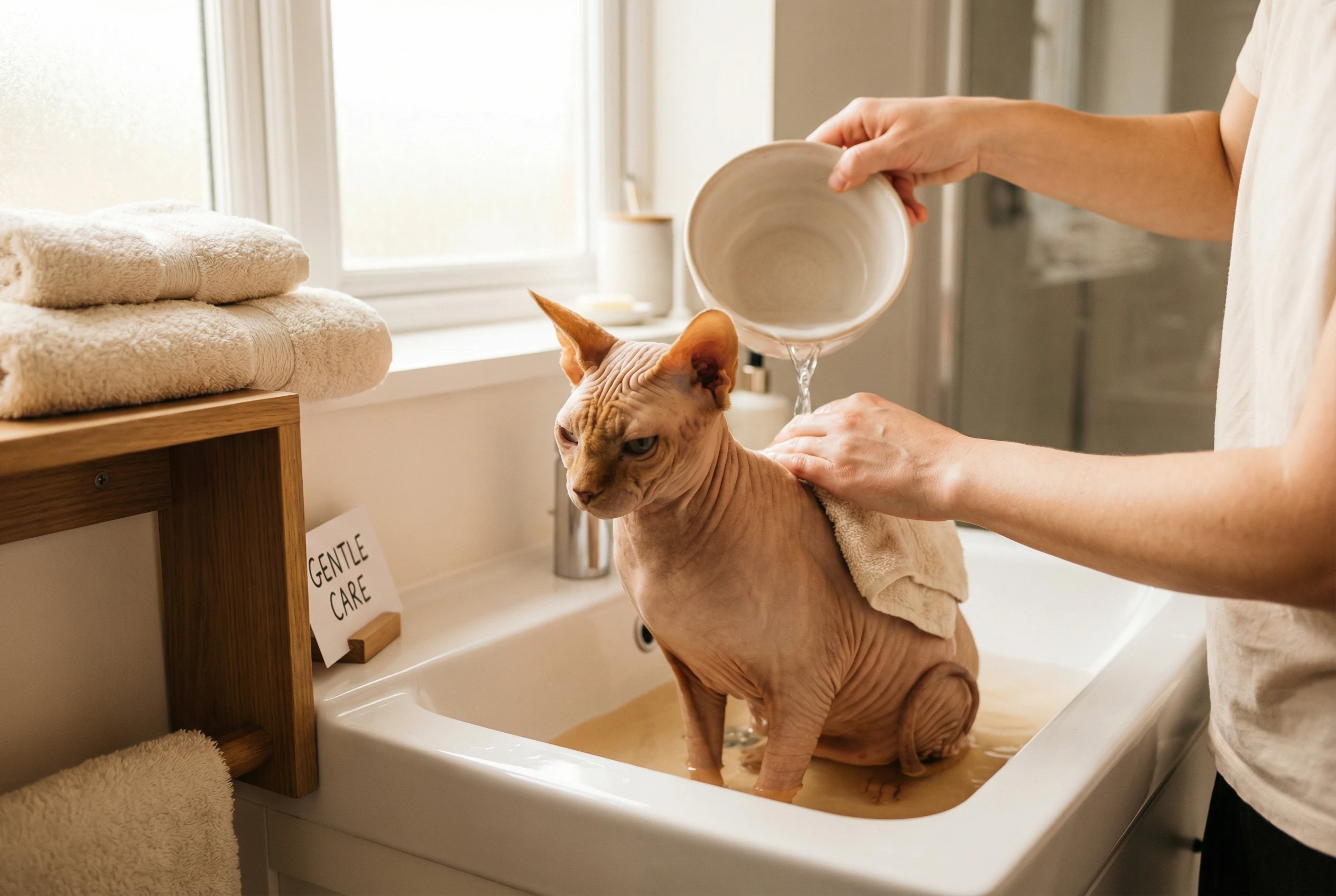
Because Sphynx cats do not have fur to absorb the natural oils produced by their skin, these oils—along with the allergenic Fel d 1 protein—accumulate on their bodies. If left unbathed, they can leave greasy, allergen-heavy residue on your furniture and clothing. To manage this, Sphynx cats require regular baths, typically every one to two weeks, using a specialized, pet-safe shampoo. They also require routine ear cleaning and nail bed maintenance, as oils build up heavily in these areas. Furthermore, because they lack the insulation of fur, they often require sweaters in the winter and pet-safe sunscreen if exposed to direct sunlight.
How to Test Your Reaction Before You Adopt
One of the most critical steps in the adoption process for an allergy sufferer is the “test drive.” You should never finalize an adoption without first spending significant, direct time with the specific cat you intend to bring home. Relying solely on the breed’s reputation is a recipe for adopter’s remorse and heartbreak.
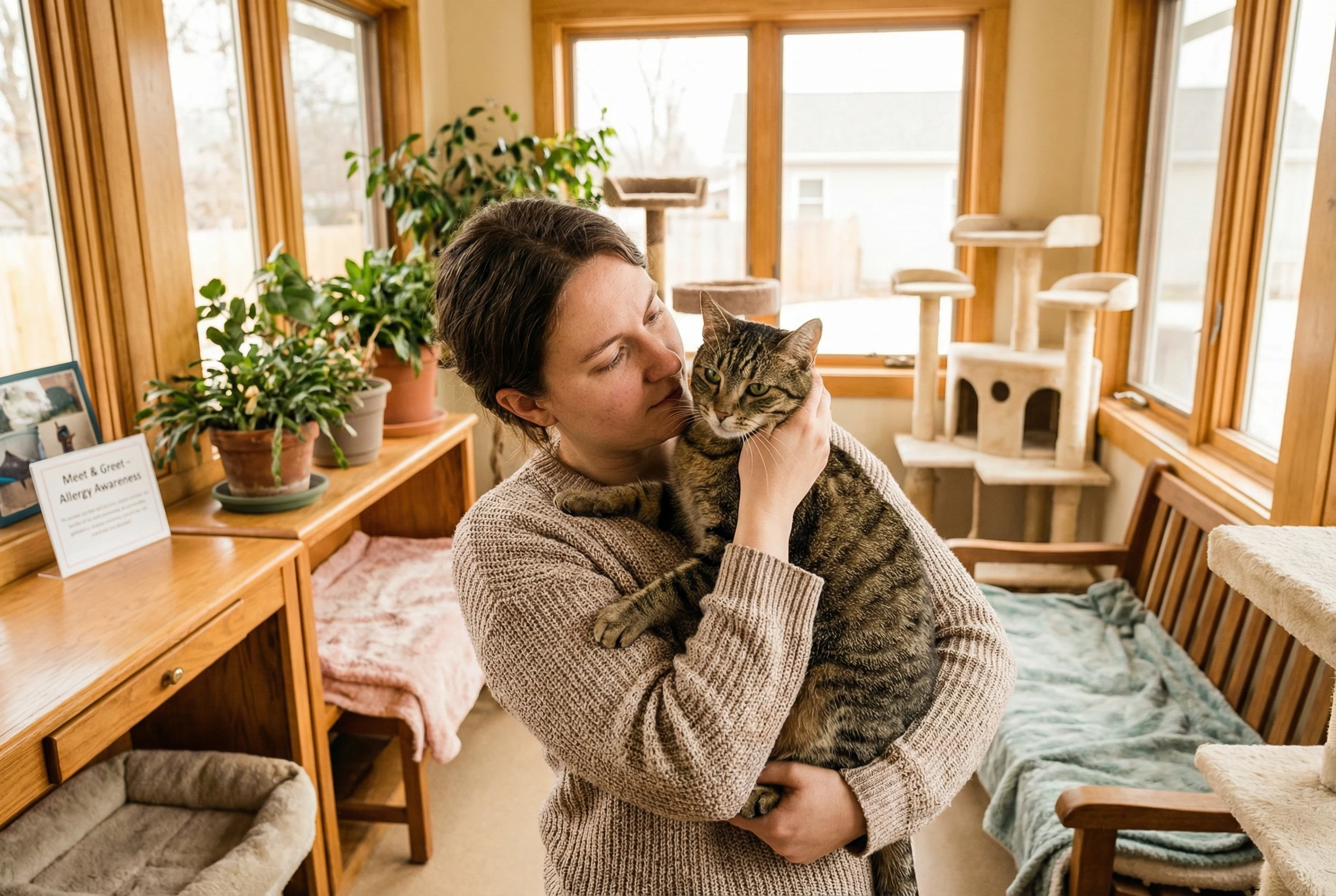
The Pre-Adoption Testing Protocol:
- Avoid Antihistamines Before the Visit: To get an accurate gauge of your natural reaction, abstain from taking your daily allergy medication for at least twenty-four hours prior to the meet-and-greet, provided it is medically safe for you to do so.
- Isolate the Interaction: Animal shelters are heavily contaminated with dander from hundreds of animals. If possible, ask the shelter staff or breeder if you can interact with the cat in a dedicated, clean visitation room rather than the main kennel area.
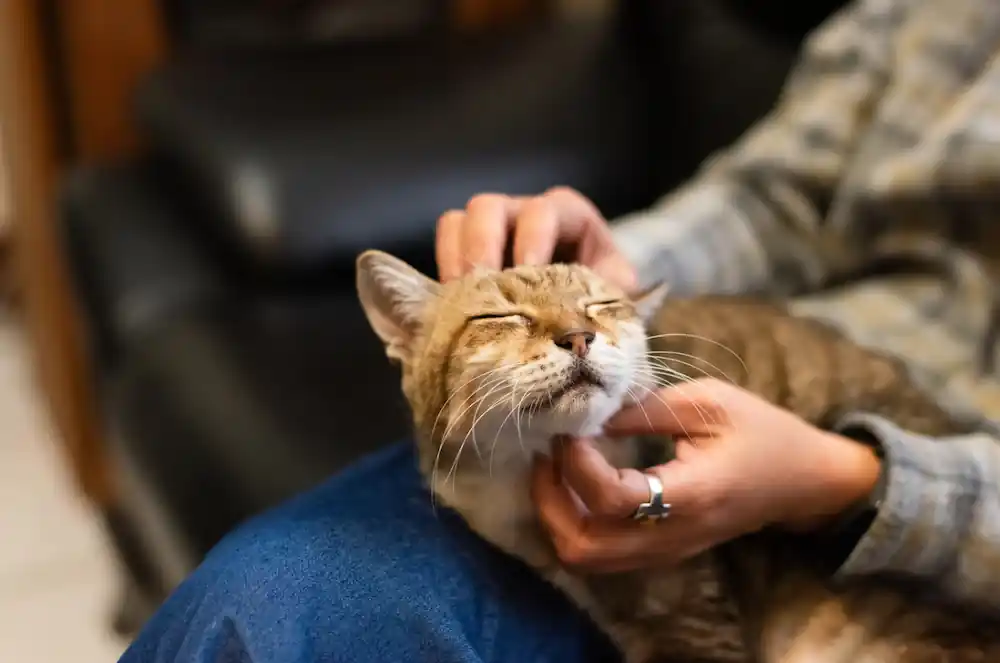
- Engage in Direct Contact: Do not just look at the cat from afar. Pet the cat extensively, let it rub against your clothing, and allow it to lick your hand if it is willing.
- The Face Test: After petting the cat, carefully rub your own cheek or the area near your eyes with your hands. Wait fifteen to thirty minutes to observe the severity of your reaction.
- Monitor Delayed Symptoms: Some allergic reactions, particularly respiratory issues or asthma triggers, can take several hours to manifest. Do not rush the decision. Go home, evaluate how you feel that evening, and consider scheduling a second visit before signing the paperwork.
If you are navigating the broader step-by-step guide to adopting a cat, building this testing phase into your timeline is non-negotiable.
Transforming Your Home: Environmental Management
If your test visit is successful and you decide to proceed with the adoption, your next priority is preparing your home. Managing cat allergies is a daily commitment to cleanliness and air quality. Before the cat arrives, you must invest in environmental controls.

Create a Strict Cat-Free Zone
The most effective strategy for managing severe allergies is ensuring your immune system gets an eight-hour break every night. Your bedroom must become a strict, non-negotiable cat-free zone. Keep the bedroom door closed at all times. Invest in high-quality, allergen-proof mattress and pillow covers to prevent any stray dander from settling into your bedding.
Upgrade Your Air Filtration
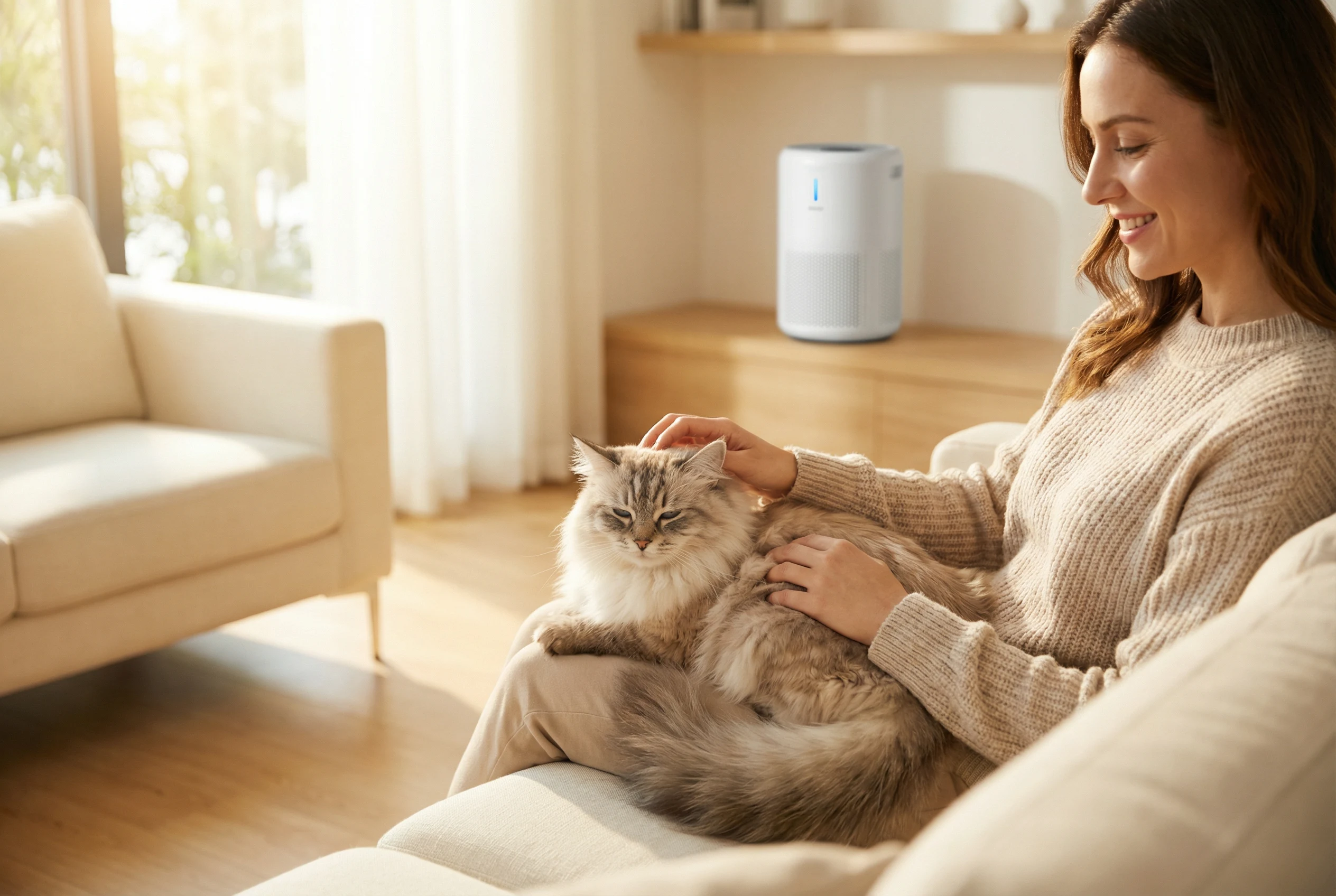
Because Fel d 1 particles are microscopic and airborne, standard air filters will not catch them. You must equip your home with True HEPA (High-Efficiency Particulate Air) purifiers. Place a large-capacity HEPA purifier in the main living area where the cat spends the most time, and a smaller unit inside your cat-free bedroom. Additionally, upgrade your home’s HVAC system filters to HEPA-grade and change them every thirty to sixty days.
Rethink Your Flooring and Furniture
Carpet is a magnet for pet dander. Every time you walk across a carpeted room, you kick settled allergens back into the air. If possible, transition to hard surface flooring like wood, tile, or laminate. If removing carpets is not an option, you must vacuum at least twice a week using a vacuum cleaner equipped with a sealed HEPA filtration system. When cat-proofing your home prior to adoption, consider replacing heavy fabric drapes with easily washable blinds or shades, as fabrics trap significant amounts of dander.
When preparing your new cat supplies checklist, prioritize purchasing washable cat beds and blankets. Washing your cat’s bedding weekly in hot water will drastically reduce the ambient allergen load in your home.
Grooming and Dietary Strategies to Reduce Allergens
Beyond managing your home environment, you can take proactive steps to reduce the amount of allergen your cat actually sheds into the environment.
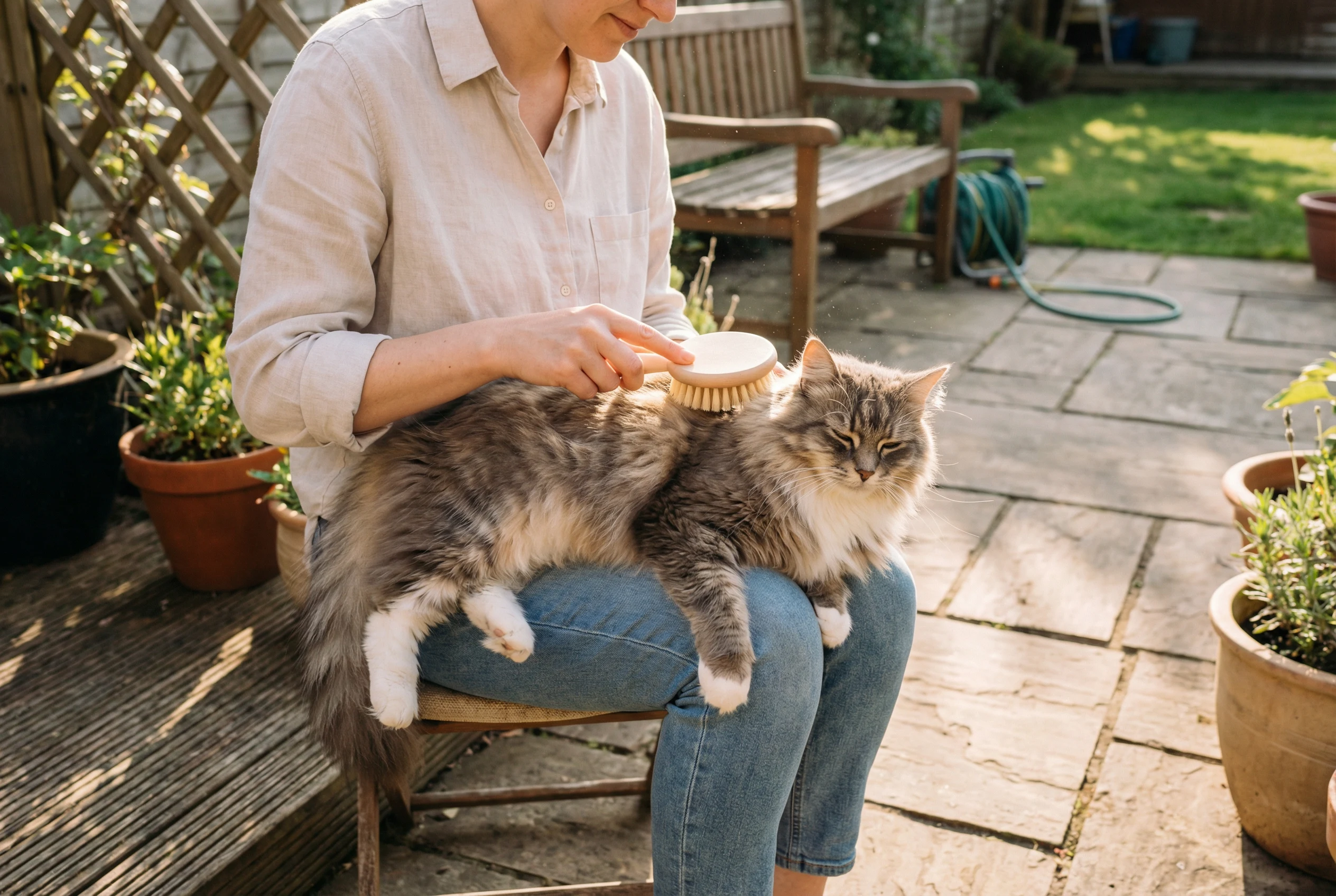
Strategic Grooming
Regular brushing removes loose fur and dander before it has a chance to float around your house. However, as an allergy sufferer, you should not be the one doing the brushing. Delegate this task to a non-allergic family member. If that is not possible, wear a high-quality N95 mask and gloves while grooming the cat. Always brush the cat outdoors or in a well-ventilated bathroom, never in the main living spaces.
Wiping your cat down daily with a damp cloth or specialized hypoallergenic pet wipes can also remove dried saliva from their topcoat. Do not attempt to bathe a fully furred cat frequently, as this can dry out their skin, leading to overproduction of oils and actually increasing dander shedding.
Allergen-Reducing Diets
One of the most significant breakthroughs in feline allergy management in recent years is the development of allergen-reducing cat foods, such as Purina Pro Plan LIVECLEAR. These specialized diets contain a specific protein sourced from eggs that binds to the Fel d 1 in the cat’s saliva, neutralizing it. When the cat grooms itself, the neutralized saliva does not trigger the same severe allergic response in humans.
Studies have shown that feeding this diet can reduce the active allergens in cat hair and dander by an average of forty-seven percent after three weeks of daily feeding. If you plan to transition your newly adopted cat to an allergen-reducing diet, do so gradually to avoid gastrointestinal upset, a critical step during the first thirty days with your new cat.
Medical Management for the Adopter
Even with the strictest environmental controls and a low-allergen breed, you will likely still need to manage your own physical symptoms, especially during the initial adjustment period.
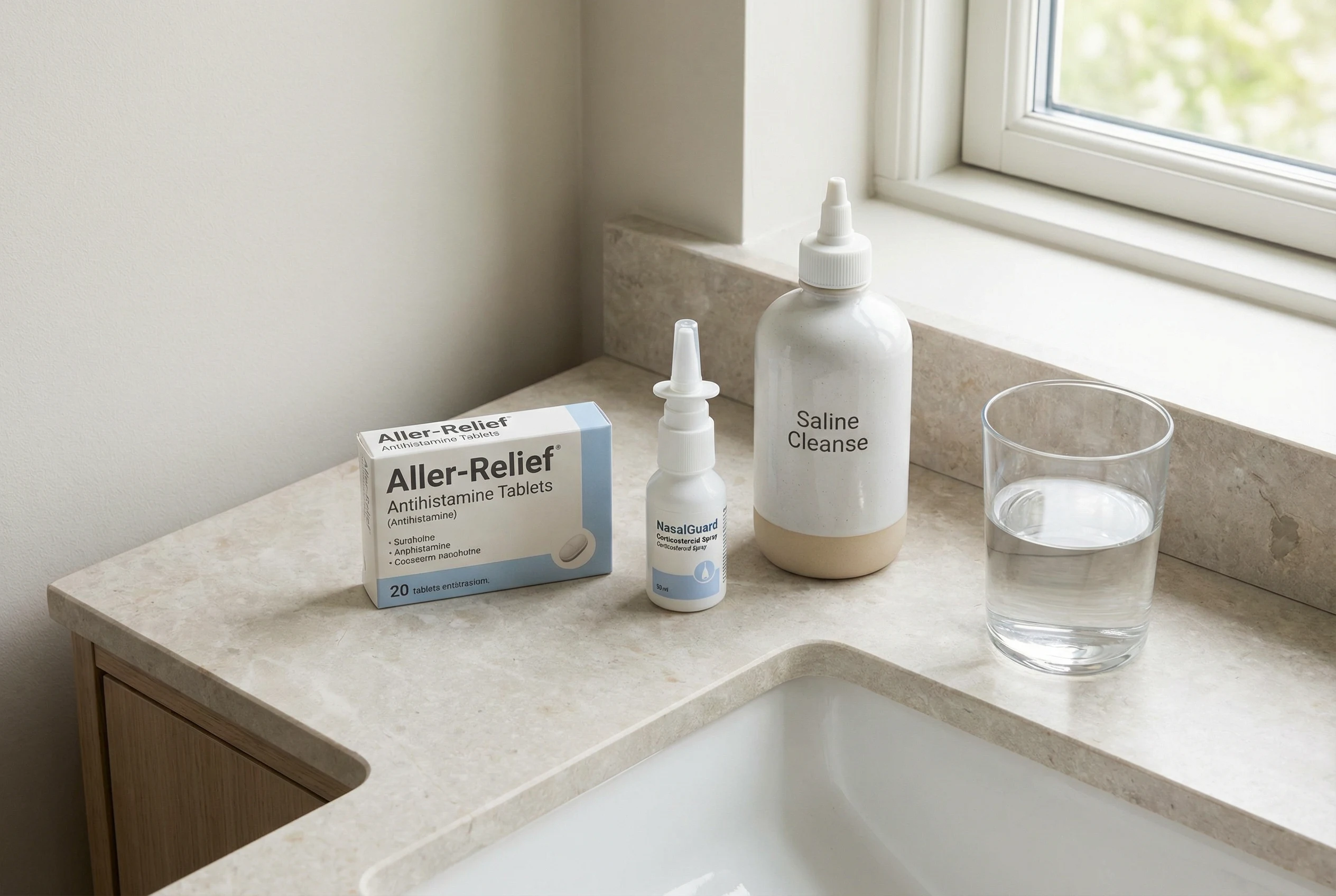
Over-the-counter daily antihistamines can block the immune system’s reaction to the protein, preventing hives and itching. Nasal corticosteroid sprays are highly effective at reducing inflammation and congestion in the nasal passages. For those with severe symptoms, consulting an allergist about immunotherapy (allergy shots) is highly recommended. Immunotherapy involves receiving gradually increasing doses of the cat allergen over several years, training your immune system to tolerate the protein rather than attack it.
It is important to factor the ongoing cost of your own medical management, alongside HEPA filters and specialized cat food, into your budget. When calculating how much it costs to adopt a cat, allergy sufferers must account for these premium expenses, which can add hundreds of dollars to the annual cost of ownership. Additionally, securing pet insurance for your newly adopted cat is wise, as it ensures you can afford premium veterinary care without compromising your budget for allergy management tools.
Setting Realistic Expectations
Adopting a cat when you have allergies requires a lifelong commitment to maintenance. There will be days when the pollen count is high, compounding your cat allergy and making you miserable. There will be times when you forget to wash your hands after a cuddle session and end up with swollen, itchy eyes.
It is crucial to have an honest conversation with yourself and your family before bringing a cat home. Are you truly prepared to vacuum twice a week, every week, for the next fifteen years? Are you willing to banish the cat from your bedroom, even when they are crying at the door?
If you decide to proceed, build a relationship with a trusted veterinarian immediately. At your new cat’s first vet visit, discuss your allergies with the vet. They can provide guidance on skin-soothing supplements for the cat that may reduce dander flaking and ensure the cat is free of parasites like fleas or mites, which cause excessive scratching and increased dander spread.
Living with a cat while managing allergies is a labor of love. For those willing to put in the effort, the reward of feline companionship is well worth the extra loads of laundry and the hum of air purifiers. By choosing the right breed, respecting the science of the Fel d 1 protein, and maintaining a pristine environment, you can create a home where both you and your cat can breathe easy.
Frequently Asked Questions
Will my body eventually build an immunity to my own cat?
Many cat owners report that their allergy symptoms decrease over time as they become accustomed to their specific cat’s dander. However, this is not guaranteed, and you should never adopt a cat assuming your allergies will naturally disappear.
Are female cats better for allergy sufferers than male cats?
Yes, generally speaking. Female cats produce lower levels of the Fel d 1 protein than intact male cats. Neutered males produce less than intact males, but females still tend to be the safest choice for severe allergy sufferers.
Can I be allergic to some cats but not others?
Absolutely. Because Fel d 1 production varies wildly from cat to cat, you might have a severe asthma attack around a standard tabby but experience zero symptoms while holding a Siberian. This is why individual testing before adoption is mandatory.
Do air purifiers really make a difference for cat allergies?
Yes, but only if they utilize True HEPA filtration. Standard ionic purifiers or basic fan filters will not capture the microscopic Fel d 1 proteins. HEPA filters are scientifically proven to trap particles as small as 0.3 microns, which includes cat dander.
Is it safe to adopt a cat if I have allergic asthma?
If your cat allergy triggers asthma attacks (wheezing, shortness of breath, chest tightness), you must consult with a pulmonologist or allergist before adopting. Allergic asthma is a serious, potentially life-threatening condition that requires professional medical guidance to manage safely.
References
Asthma and Allergy Foundation of America (AAFA). “Pet Allergy: Are You Allergic to Dogs or Cats?”
PetMD. “12 ‘Hypoallergenic’ Cats for People With Allergies.”
Mayo Clinic. “Pet allergy – Symptoms and causes.”
Purina Institute. “The Science of Neutralizing Allergens: Fel d 1.”
The Ohio State University Veterinary Medical Center. “Allergic to your cat? Easy tips to prevent and control your allergy.”


 EN
EN DE
DE ES
ES PT
PT